
1. Cleopatra VII
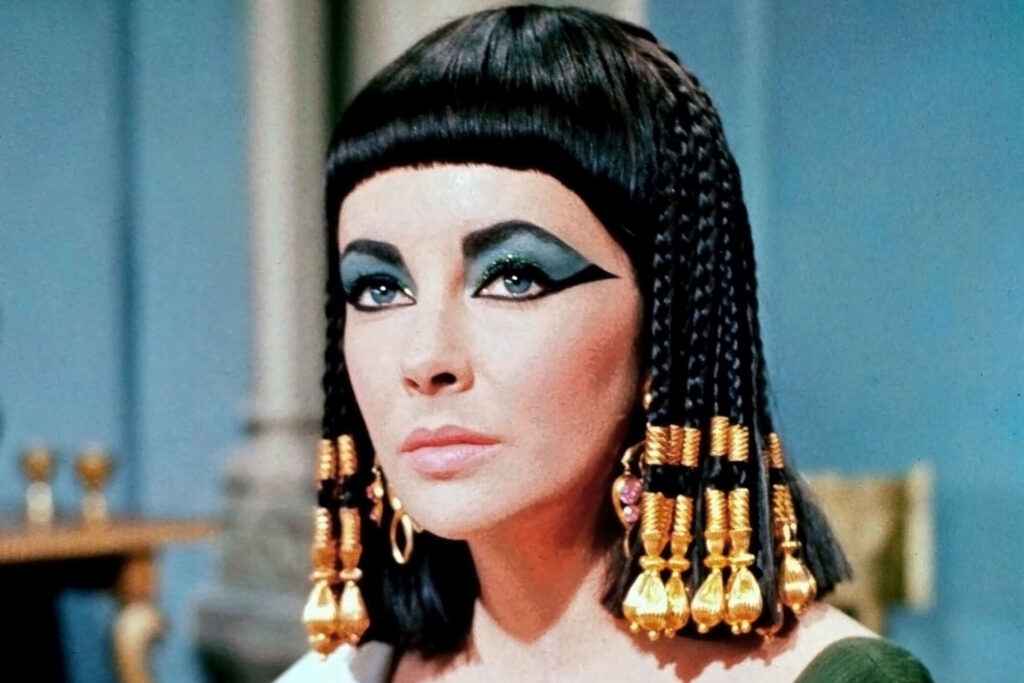
Cleopatra is often remembered as a seductive villain who brought powerful Roman men to their knees, but that version mostly comes from Roman writers who had political reasons to discredit her. In reality, she was a highly educated ruler who spoke multiple languages and understood economics and diplomacy. Egyptian sources emphasize her role as a capable monarch trying to preserve her kingdom’s independence. Modern historians tend to see her as a strategist navigating an impossible situation. The gap between propaganda and reality is enormous. Who tells the story often determines whether she’s seen as manipulative or brilliant.
Popular culture leans heavily on the romantic angle, especially her relationships with Julius Caesar and Mark Antony. That focus often overshadows her administrative skills and political savvy. When Roman historians tell the story, Cleopatra is a threat that must be neutralized. When Egyptian history is centered, she becomes a last defender of a fading empire. The truth likely sits somewhere between myth and motive.
2. Joan of Arc
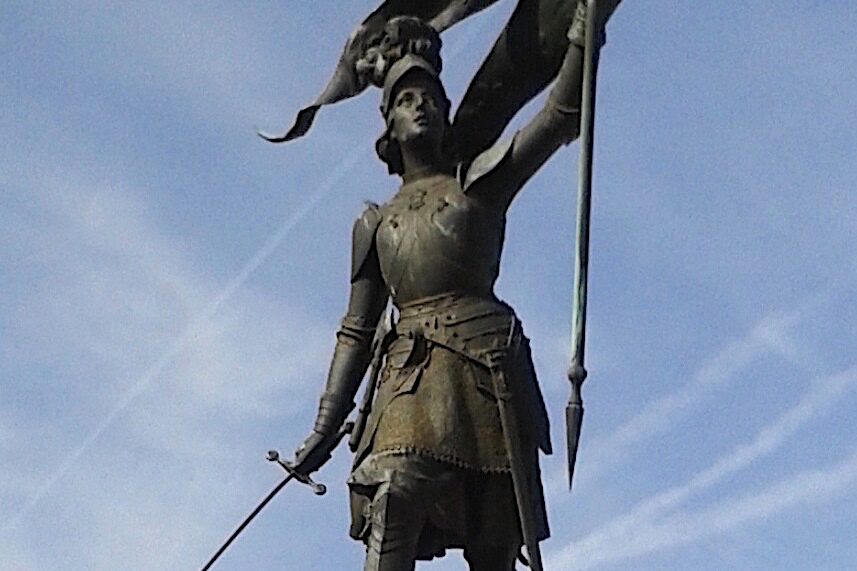
Joan of Arc is either a divinely inspired hero or a delusional teenager, depending on who is narrating her life. French accounts traditionally frame her as a national savior who helped turn the tide of the Hundred Years’ War. English records from the time portray her as dangerous and heretical. Even during her trial, the language used to describe her shifts dramatically based on political needs. Her story was shaped as much by fear as by faith.
Centuries later, Joan was canonized as a saint, transforming her image yet again. Modern interpretations often focus on her courage, youth, and conviction rather than her visions. Feminist readings highlight how threatening she was simply by stepping outside expected roles. Each retelling selects a different version of Joan to emphasize. The result is a figure who feels both familiar and endlessly contested.
3. Christopher Columbus
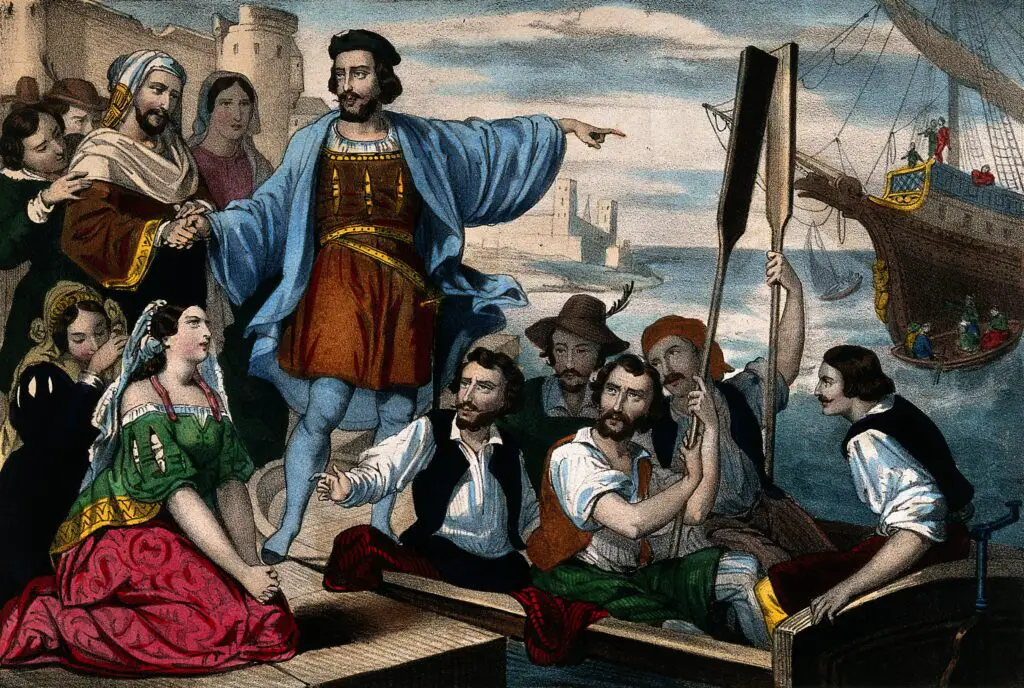
For generations, Columbus was celebrated as a bold explorer who “discovered” the New World. That version dominated textbooks and public commemorations for decades. Indigenous perspectives tell a radically different story, one centered on violence, exploitation, and lasting harm. Spanish accounts once praised his ambition and religious zeal, while modern historians examine the consequences of his actions. The same voyages can be framed as either heroic or catastrophic.
As historical scholarship has broadened, Columbus has become a symbol of colonialism rather than curiosity. Some still defend him as a product of his time, while others argue that cruelty was evident even by contemporary standards. The shift in narrative reflects whose voices are finally being heard. Columbus himself has not changed, but the storytellers have. That alone reshapes his legacy.
4. Marie Antoinette
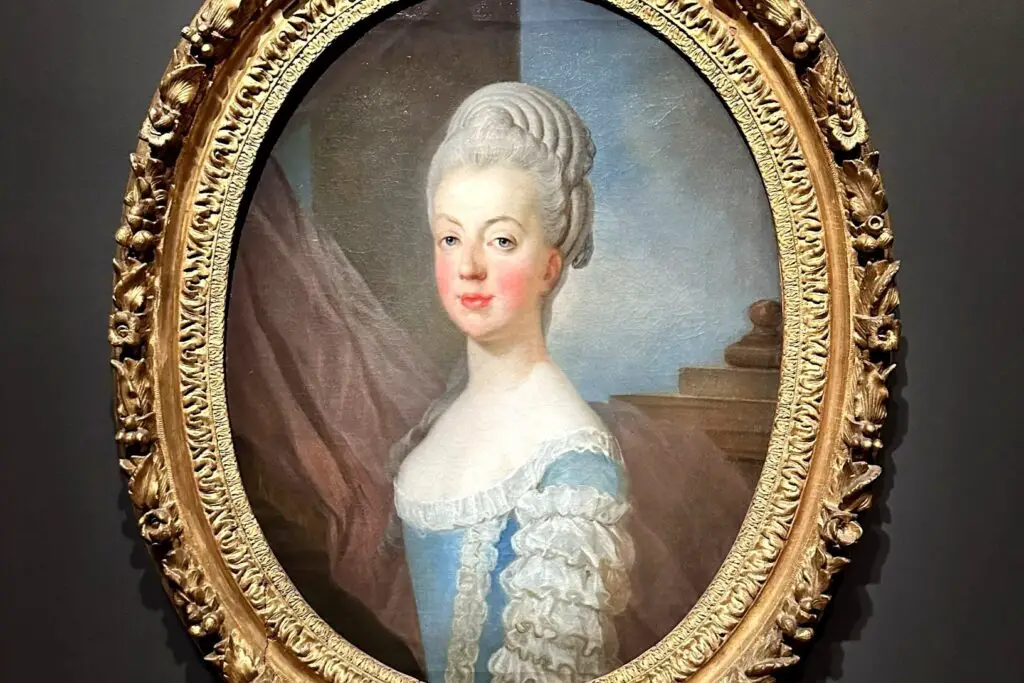
Marie Antoinette is often reduced to a careless queen who supposedly said, “Let them eat cake,” even though there is no solid evidence she ever did. Revolutionary propaganda painted her as extravagant, foreign, and out of touch. Austrian sources and personal letters suggest a more complex figure who struggled to adapt to the French court. She was young, isolated, and politically constrained. The caricature stuck because it served a purpose.
Modern biographies tend to soften her image, emphasizing her lack of real power and her role as a scapegoat. In some retellings, she becomes a tragic figure trapped by circumstance. In others, she remains a symbol of unchecked privilege. Her reputation depends almost entirely on whether the storyteller sympathizes with the monarchy or the revolution. The contrast is striking.
5. Napoleon Bonaparte
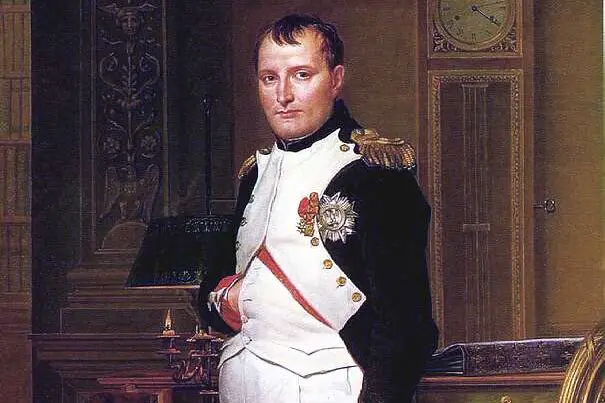
Napoleon can be framed as a military genius who reshaped Europe or as a tyrant driven by ambition. French accounts often highlight his legal reforms and administrative efficiency. British and allied perspectives traditionally focus on his wars and the devastation they caused. Even his exile is interpreted differently, either as a tragic fall or a necessary end. Each version emphasizes a different consequence of his rule.
Historians continue to debate whether Napoleon was more revolutionary or authoritarian. Some see him as preserving Enlightenment ideals, others as betraying them. His image shifts depending on national memory and political context. A hero in one country becomes a villain in another. The story bends to the audience listening.
6. Pocahontas
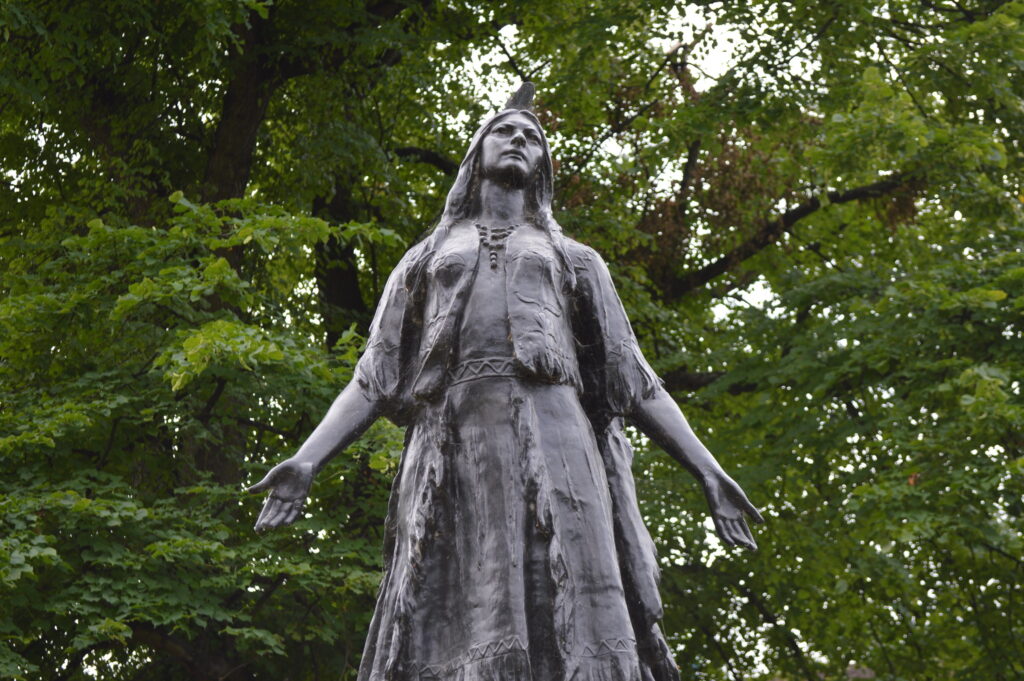
Pocahontas is widely known through a romanticized version of her life that bears little resemblance to historical records. English colonial accounts portrayed her as a willing intermediary who embraced European culture. Indigenous perspectives emphasize her youth, lack of agency, and the power imbalance at play. She was a child navigating forces far beyond her control. The romantic framing came later, shaped by colonial mythmaking.
Modern historians work to strip away the fairy tale and recover the human story underneath. Her life becomes one of survival rather than romance. Each retelling reveals more about the storyteller’s priorities than about Pocahontas herself. She has been used to make colonization feel gentler than it was. That distortion still lingers.
7. Julius Caesar
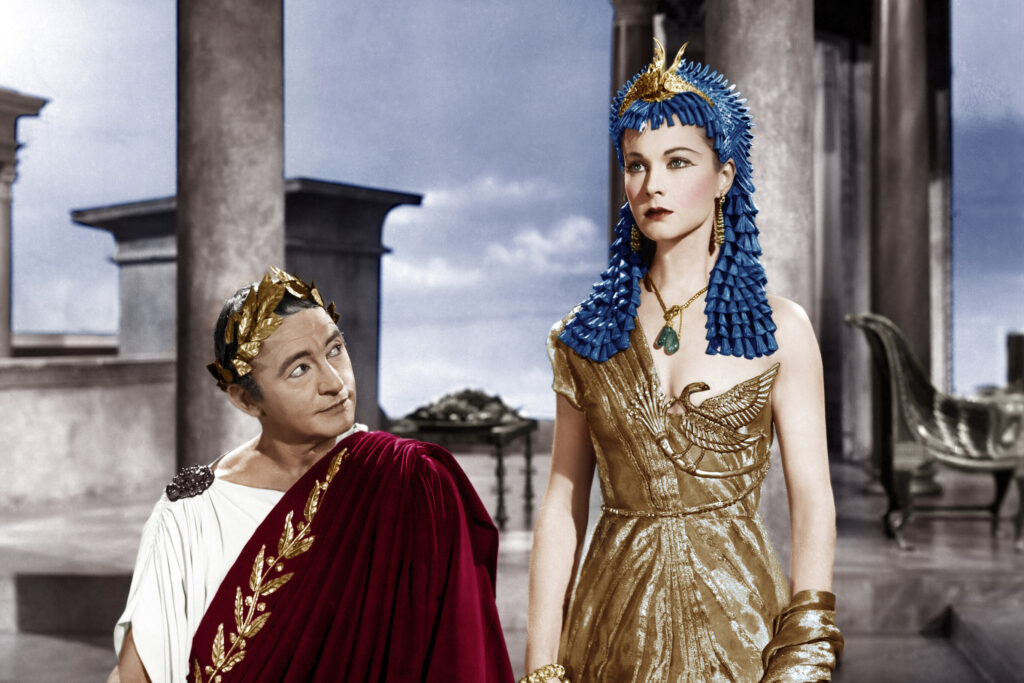
Julius Caesar famously helped shape his own legend by writing about his military campaigns. His accounts present him as decisive, rational, and destined for greatness. Roman rivals depicted him as power-hungry and dangerous to the republic. Later historians alternated between admiration and warning. The same actions can read as leadership or overreach.
Because Caesar controlled part of the narrative, his version long dominated. Modern scholarship questions his self-portrayal and looks more closely at his political maneuvering. His assassination is framed either as a tragic betrayal or a necessary intervention. Caesar’s story shows how authorship itself can tilt history. Who writes often wins the argument.
8. Anne Boleyn
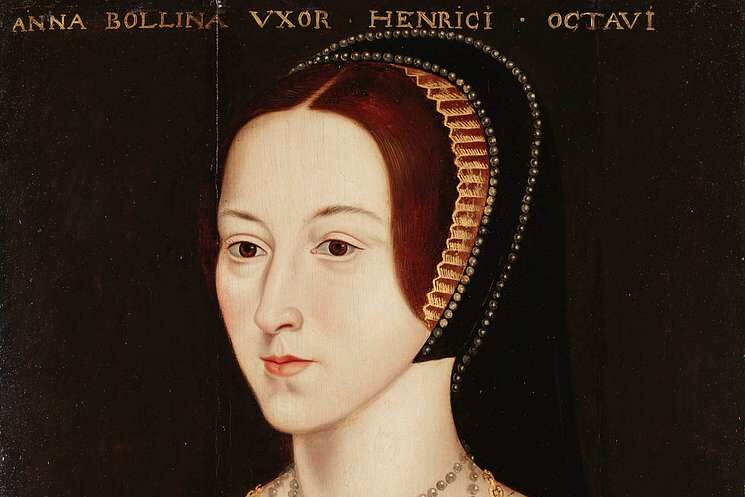
Anne Boleyn is frequently cast as a schemer who manipulated her way to the throne. Tudor-era accounts hostile to her helped cement that image. Other historians argue she was a reform-minded woman caught in dangerous court politics. Her downfall was swift, brutal, and politically convenient. The charges against her remain heavily disputed.
Modern retellings often focus on Anne’s intelligence and limited options. Some see her as a victim of a system that turned on her when she became expendable. Others still portray her as ambitious to a fault. The uncertainty leaves room for interpretation. Anne’s legacy shifts with each retelling.
9. Genghis Khan
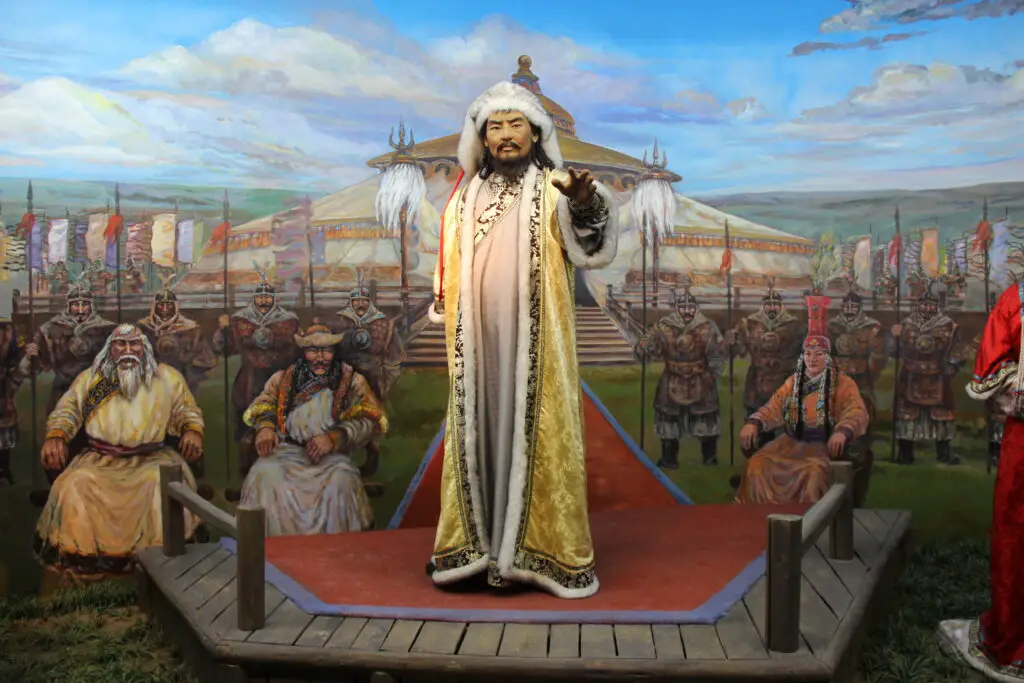
Genghis Khan is remembered either as a brutal conqueror or as a unifier who transformed Eurasia. Accounts from conquered regions emphasize destruction and mass death. Mongolian narratives highlight his role in creating law, trade networks, and stability. Both versions are grounded in real outcomes. The emphasis changes the entire moral tone.
Modern historians attempt to balance these extremes, acknowledging both innovation and violence. His empire reshaped global connections in lasting ways. Whether he is framed as monster or nation-builder depends on historical distance and cultural memory. Genghis Khan remains one of history’s most polarized figures. Perspective determines judgment.
10. Queen Elizabeth I
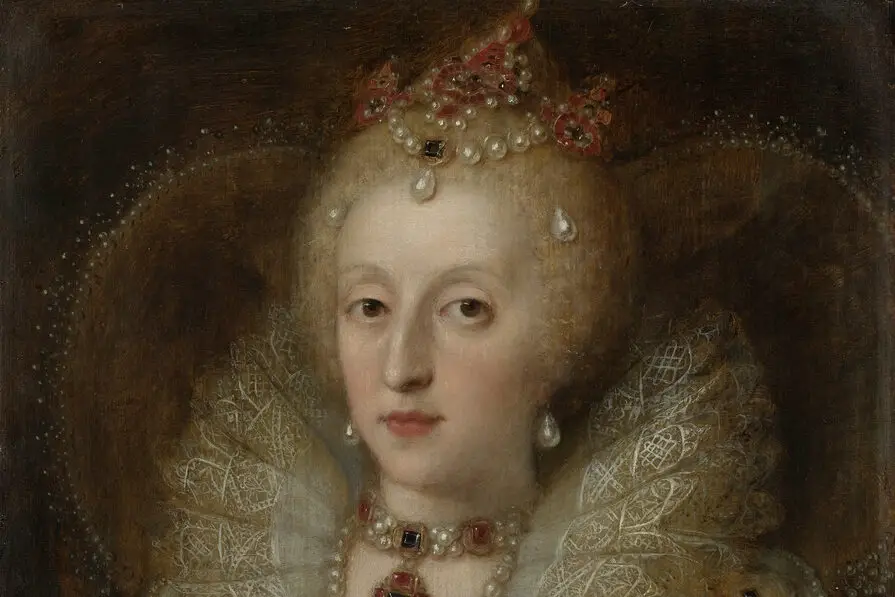
Elizabeth I is often portrayed as the ideal ruler, clever, composed, and politically shrewd. English histories celebrate her for stability and cultural growth. Catholic accounts from her time depict her as illegitimate and dangerous. Her religious policies look tolerant to some and ruthless to others. The same reign supports multiple narratives.
Later storytellers emphasize her independence and strategic use of image. Some focus on her personal sacrifices, others on the costs of her power. Elizabeth becomes a mirror for what each era values in leadership. Her reputation grows or contracts depending on the lens applied. The story evolves with time.
11. Sitting Bull
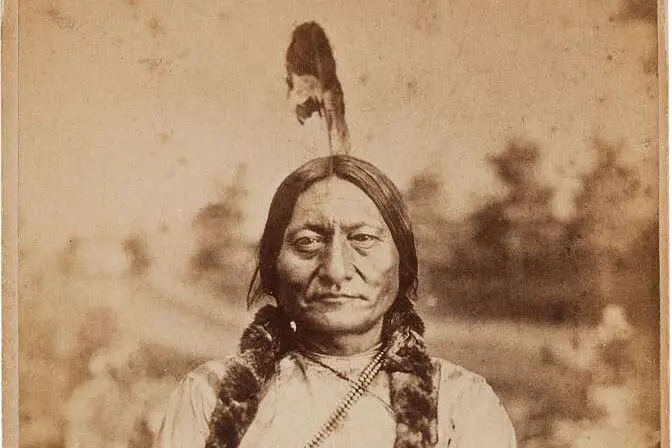
Sitting Bull is sometimes reduced to a defiant warrior opposing U.S. expansion. Lakota perspectives present him as a spiritual leader and protector of his people. Government records historically framed him as a threat to order. His resistance was interpreted as rebellion rather than defense. Language shaped public perception.
Modern histories increasingly center Indigenous voices. Sitting Bull’s story becomes one of sovereignty and survival. The shift changes how his actions are judged. He did not change, but the framing did. That difference matters deeply.
12. Mary Magdalene
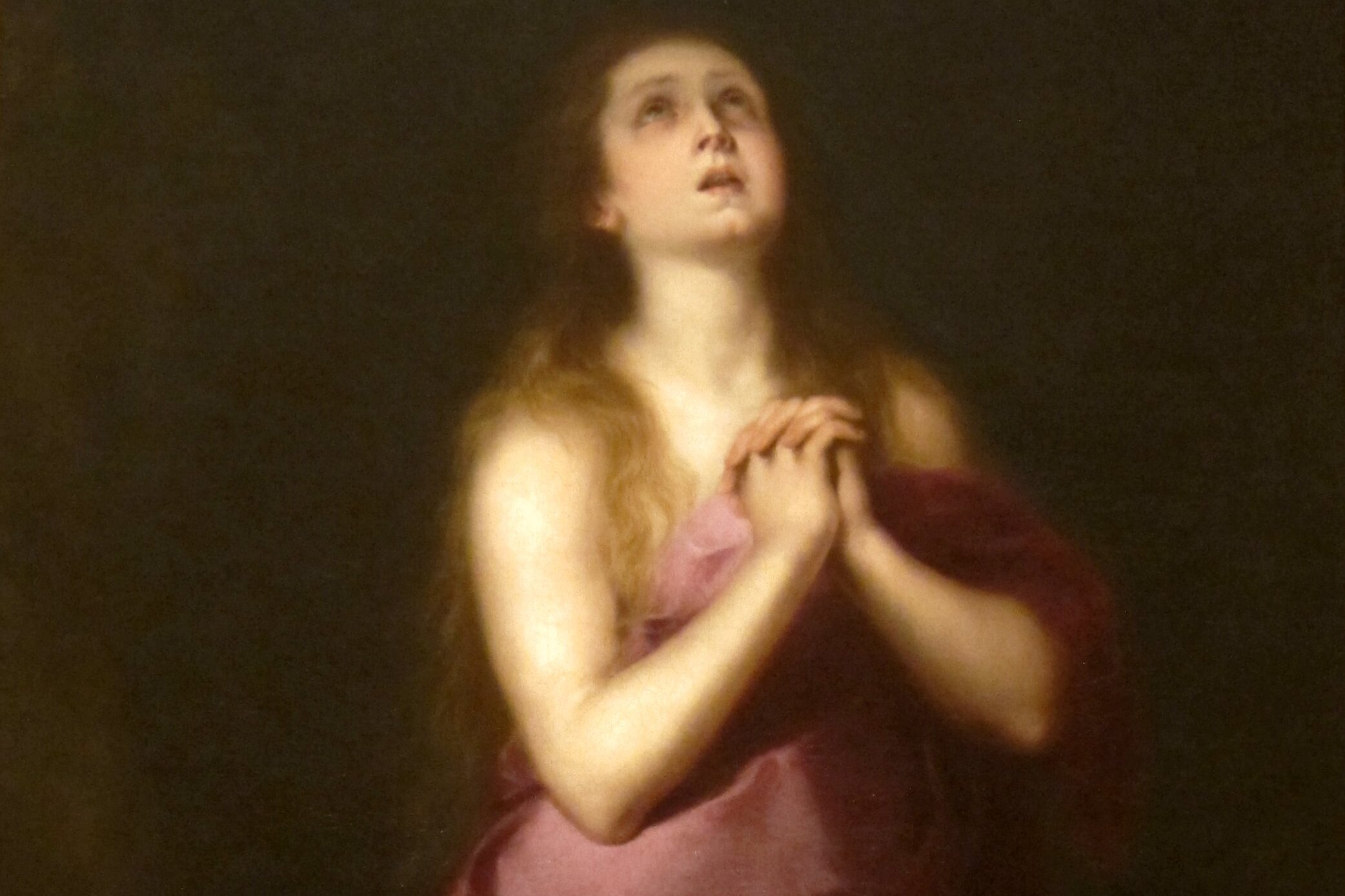
Mary Magdalene has been labeled everything from devoted follower to repentant sinner. Early Christian texts portray her as a close companion to Jesus. Later interpretations recast her as morally fallen, despite little textual support. That version dominated for centuries. The transformation reflected social attitudes more than evidence.
Recent scholarship challenges those assumptions and reexamines early sources. Mary emerges as a significant figure in early Christianity rather than a cautionary tale. Her reputation shows how storytelling can overwrite original roles. Who tells her story determines whether she is diminished or restored. The contrast is revealing.