
1. You Always Asked Before Leaving the Table

No one ever explained why you had to ask, but you did it every single time. Even if dinner was clearly over, you waited for permission like it was a formality that mattered. Sometimes the answer was yes without hesitation, other times it came with a look that suggested you should have known better. The rule felt bigger than the meal itself, like it was about respect rather than food.
As an adult, it becomes clear that it was really about order and awareness. Meals were one of the few times everyone was expected to be present and accounted for. Leaving without asking felt like breaking an unspoken contract. No one spelled it out, but everyone understood when the rule was broken.
2. The Phone Was Never Answered During Dinner

The phone could ring endlessly and no one moved. It did not matter who might be calling or how urgent it sounded. Dinner was treated like a protected space where outside interruptions were simply ignored. You learned very quickly not to reach for the receiver.
Later on, it makes sense as a boundary rather than a power move. Dinner was one of the only guaranteed times everyone sat together. The message was that whoever was at the table mattered more than whoever was on the line. That idea stuck long after landlines disappeared.
3. You Wore Certain Clothes Only for Special Occasions

There were outfits that lived untouched in the closet until the right moment arrived. You never questioned why they could not be worn on a regular day. You just knew that pulling one out without approval would cause trouble. The clothes carried a strange weight of importance.
Looking back, it was about preserving something nice in the middle of everyday life. Special clothes made events feel different, even if the event itself was ordinary. The rule taught patience and restraint without ever naming those qualities. You learned that not everything was meant for daily use.
4. Doors Were Knocked On, Even at Home
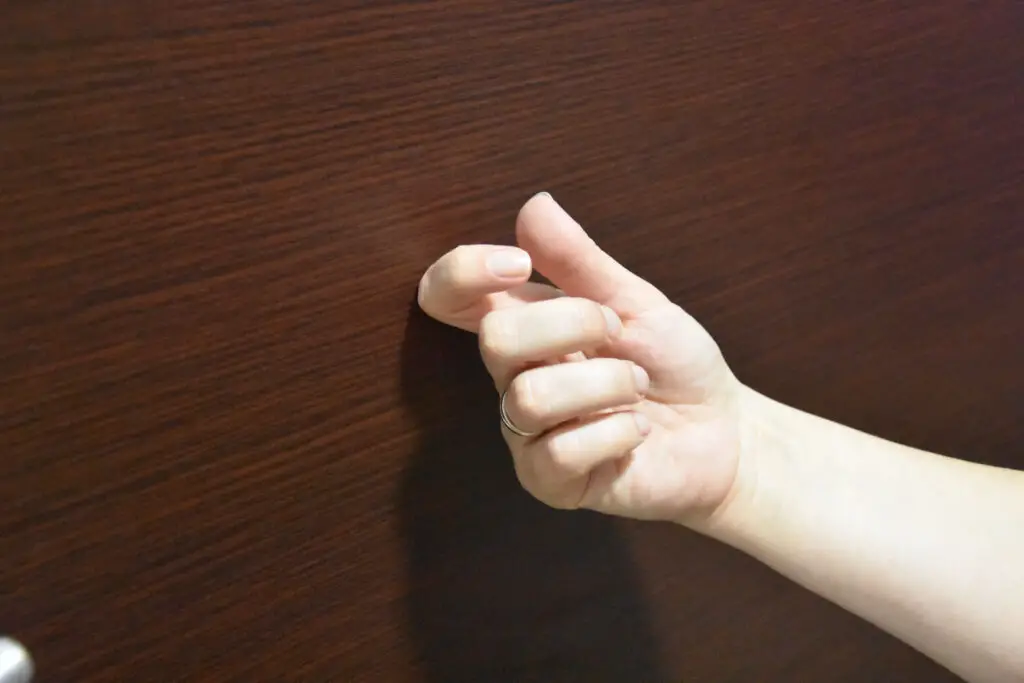
Bedrooms and bathrooms were never entered without knocking. It did not matter that everyone lived under the same roof. Privacy was assumed, even if it was never discussed out loud. Forgetting to knock felt like a serious mistake.
This rule quietly taught respect for personal space. It acknowledged that everyone deserved a boundary, even kids. No one sat you down to explain it, but the expectation was clear. The habit often followed people into adulthood without much thought.
5. You Never Opened the Fridge Without Asking

The fridge was full, but it did not belong to you. You always asked before grabbing anything, even something small. Sometimes the answer was yes, sometimes it came with a suggestion instead. The act of asking was more important than the food itself.
This rule was less about control and more about awareness. Someone had planned meals, budgets, and groceries. Asking showed respect for that effort. It taught mindfulness in a very quiet way.
6. Company Meant a Different Version of You

When guests were coming over, everything changed. Voices softened, posture improved, and certain topics disappeared. No one explained why you had to behave differently, you just knew you did. Being yourself had limits when outsiders were present.
The rule was about presentation and courtesy. It was a lesson in social awareness that came without instructions. You learned to read the room and adjust accordingly. That skill proved useful long after childhood.
7. Lights Were Turned Off the Moment You Left a Room

You could not walk away from a glowing room without hearing about it. The rule was enforced instantly and consistently. No one explained the electric bill or conservation in detail. You just knew leaving a light on was wrong.
Over time, the habit became automatic. It was a lesson in responsibility disguised as a household quirk. You learned that small actions mattered. The explanation was never necessary.
8. Certain Topics Were Simply Not Discussed

Some subjects were off limits and everyone knew which ones. You did not ask why, because the reaction made it clear you should not. Conversations changed direction the moment those topics came close. Silence spoke louder than rules ever could.
This taught an early understanding of emotional boundaries. It showed that not everything needed to be shared or debated. The rule was about maintaining peace more than control. You learned discretion without a lecture.
9. Shoes Came Off at the Door

It did not matter how quick the visit was, shoes were removed immediately. You followed the rule without questioning it. Tracking dirt inside was treated like a personal offense. The habit was enforced through looks alone.
Later, it feels like a lesson in respect for shared spaces. The home was treated as something worth protecting. The rule also slowed you down, making arrivals more intentional. It became second nature before you realized it.
10. You Ate What Was Served

There were no alternate meals waiting in the wings. If you were hungry, you ate what was on the plate. Complaints were not entertained, and explanations were unnecessary. The rule was firm and predictable.
This taught adaptability and gratitude in a very direct way. Meals were about nourishment, not preference. It also acknowledged the work that went into cooking. The lesson stayed with you long after picky phases passed.
11. Bedtime Was Non Negotiable

At a certain hour, the day was over. You did not argue, and you did not ask for extensions. Bedtime simply arrived, and you followed it. The rule was enforced with calm certainty.
It taught respect for routine and structure. Sleep was treated as essential, not optional. Even without understanding why, you felt the benefit. The rule worked without explanation.
12. You Spoke to Adults Differently

There was a clear shift in tone when adults entered the room. Words were chosen more carefully, and interruptions were avoided. No one explained why this mattered. You learned through correction and example.
This rule introduced social hierarchy and manners early on. It was not about fear, but about awareness. You learned how to adjust your voice and behavior depending on who you were speaking to. The lesson followed you into every future interaction.