
1. Liver and Onions
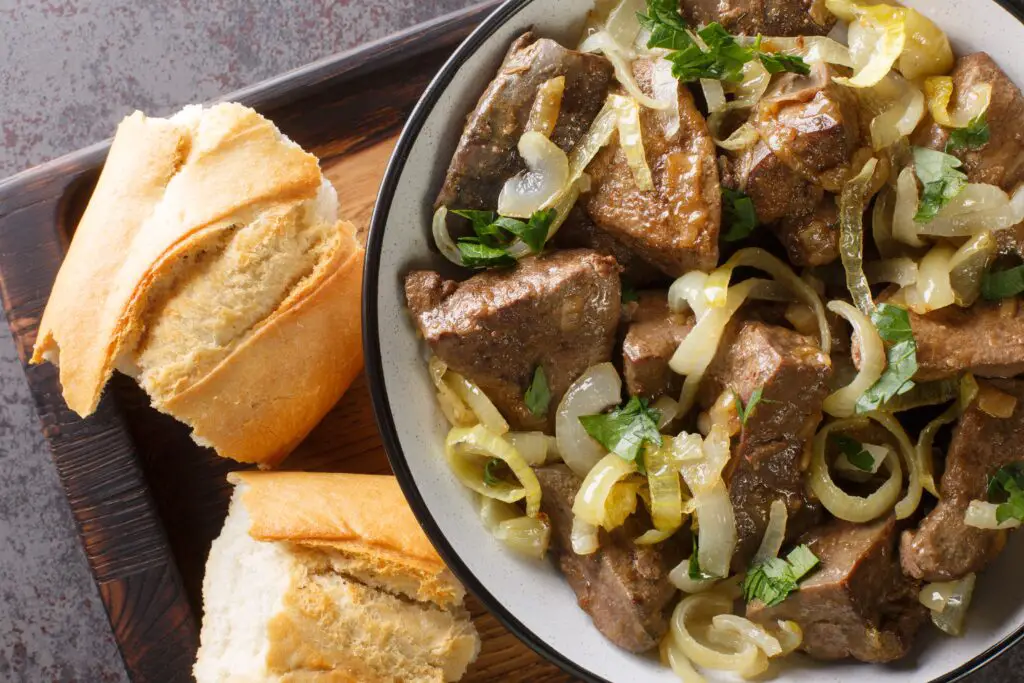
This was the kind of dinner that appeared quietly on the table when no one else was expected. Someone always said it was good for you, which never made it smell better. The onions were meant to help, but they mostly announced what was coming from down the hall. Kids learned early that this meal meant guests were definitely not stopping by.
It was practical, affordable, and treated like medicine rather than food. Plates were served without much discussion, and seconds were never encouraged. The leftovers rarely lasted, mostly because no one wanted to see them again. If the doorbell rang, the table would have gone silent.
2. Creamed Chipped Beef on Toast
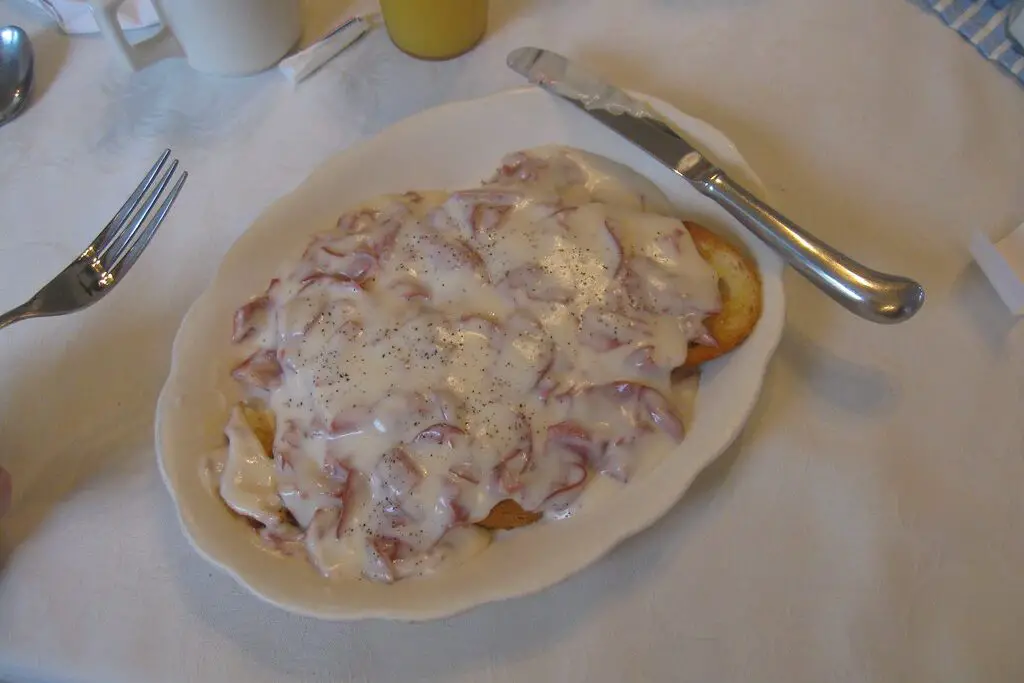
This dish was filling, inexpensive, and oddly comforting if you grew up with it. It showed up when the goal was simply to get everyone fed without fuss. The creamy sauce and salty beef felt heavy, especially when eaten in silence. No one ever suggested serving it to company.
It was usually eaten fast, with little conversation, and plenty of sighs. Parents framed it as a classic, even if no one believed that. Plates were scraped clean more out of obligation than enjoyment. It was survival food, not presentation food.
3. Sardines
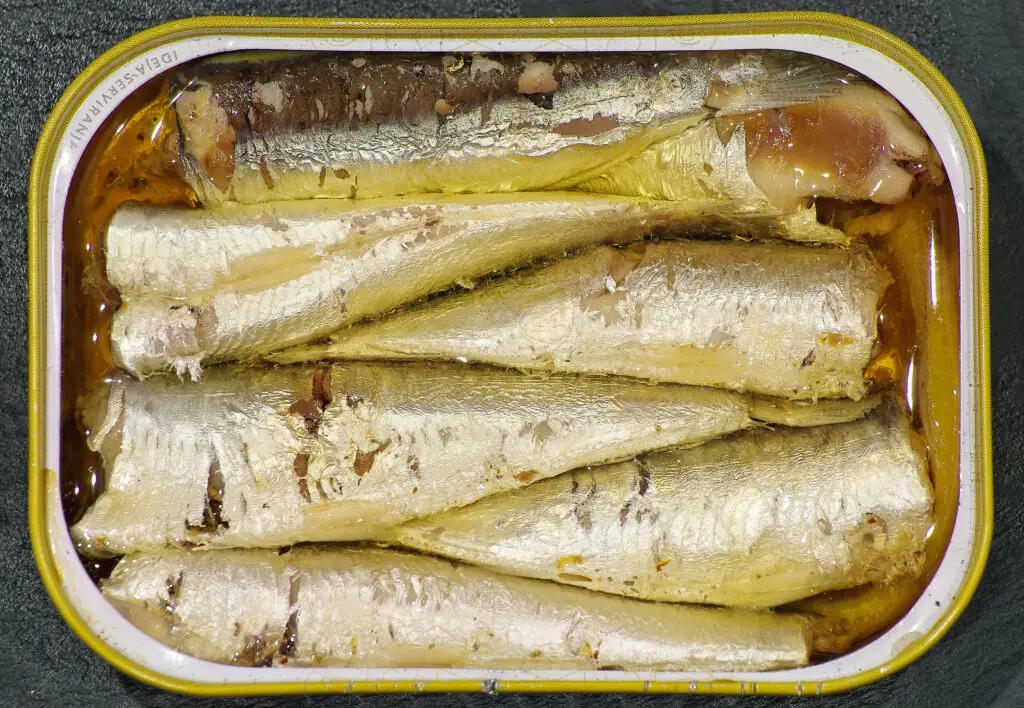
Sardines were a clear signal that the household was off the social clock for the night. The smell alone made sure of that. They came packed in oil or mustard and were eaten straight from the tin. Crackers helped, but only slightly.
This was the kind of food people learned to like quietly or tolerate politely. It was never plated nicely and never shared outside the family. Windows were sometimes opened, even in cold weather. Guests would have noticed immediately, so they were carefully avoided.
4. Spam Slices

Spam made its way onto plates when convenience mattered more than appearances. It was sliced, fried, and served without ceremony. The sound of it hitting the pan was familiar and unmistakable. No one pretended it was fancy.
It was filling and dependable, which counted for a lot. Still, it was not something parents wanted neighbors to associate with the household. Leftovers were common, conversation was minimal. If company was coming, Spam stayed in the pantry.
5. Cold Hot Dogs

These were often eaten straight from the fridge, sometimes standing at the counter. No bun, no sides, no effort. It was food in the most basic sense. The expectation was that no one would be watching.
This was a meal that didn’t invite discussion or judgment. It was about speed and convenience, not enjoyment. Plates were optional and napkins were negotiable. Guests would have changed the entire plan.
6. Canned Corned Beef Hash
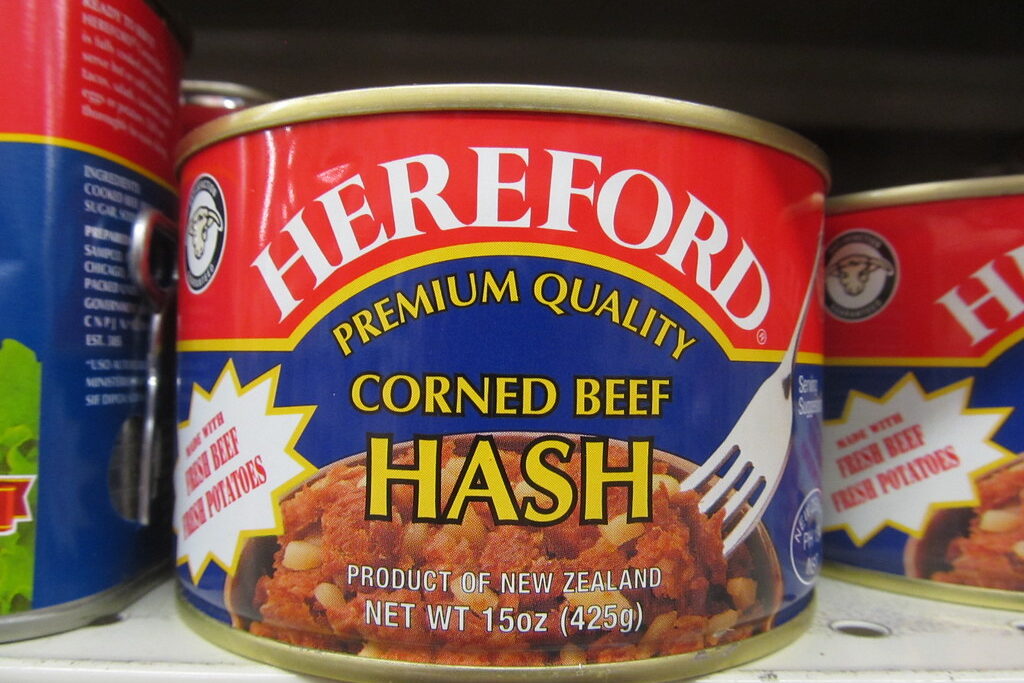
This meal arrived with a distinct smell and a very specific look. It was dense, salty, and unapologetic. Served with eggs or on its own, it filled everyone up fast. Presentation was never part of the plan.
It was practical food that didn’t ask for approval. Parents liked it because it stretched easily and reheated well. Kids tolerated it because it meant dinner was simple. Company meals required something that looked like effort.
7. Bologna Sandwiches on White Bread
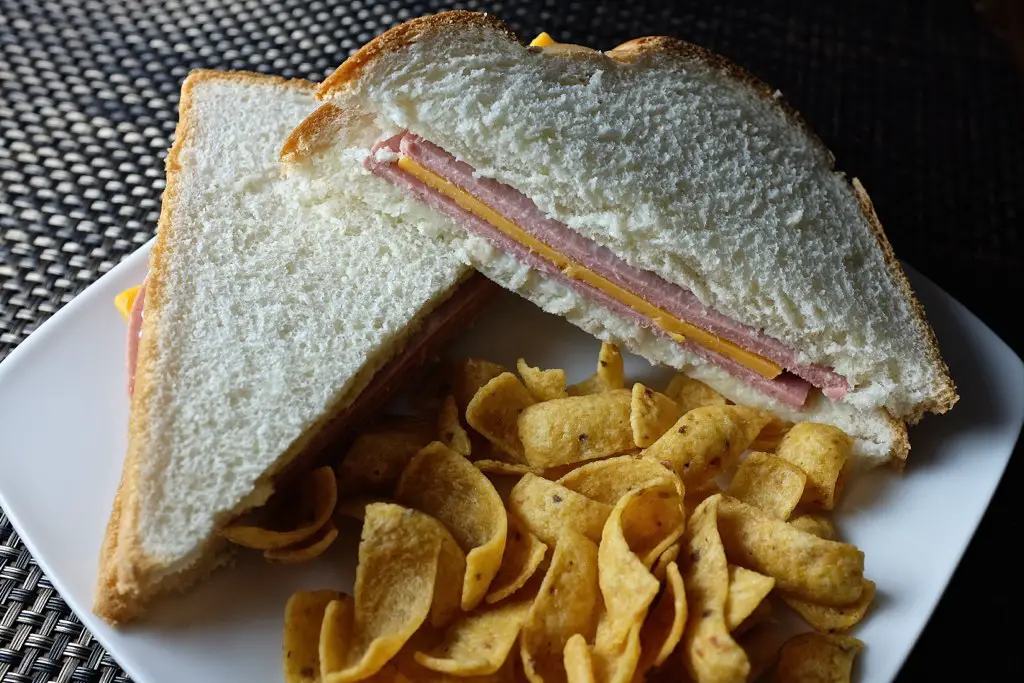
This was not the version with lettuce or fancy condiments. It was bologna, bread, and maybe mustard. It showed up on nights when no one felt like cooking or pretending. The simplicity was the point.
These sandwiches were eaten quickly and without comment. They were filling enough to count as dinner. No one ever bragged about them. Guests would have received something toasted or plated instead.
8. Fried Chicken Livers
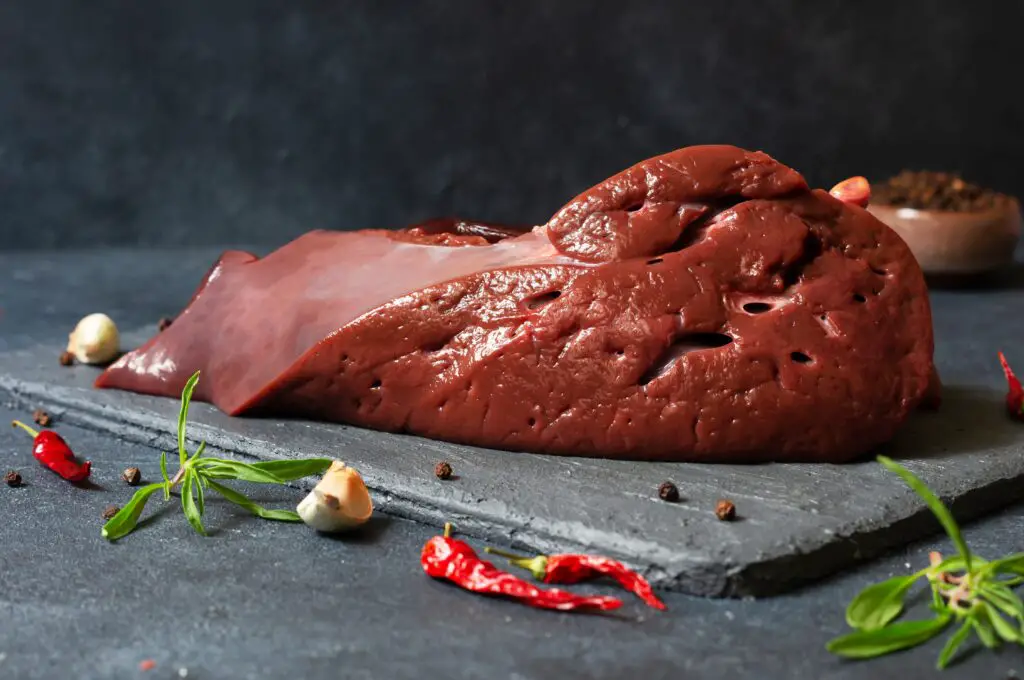
This dish carried a strong smell and an even stronger reputation. It was cooked because someone in the house liked it, not because it impressed anyone. The texture alone made it a private meal. It rarely came with sides meant to soften the experience.
Chicken livers were treated as a personal preference meal. The rest of the family adapted quietly. It was not something discussed outside the house. Guests would have raised too many questions.
9. Cottage Cheese with Fruit
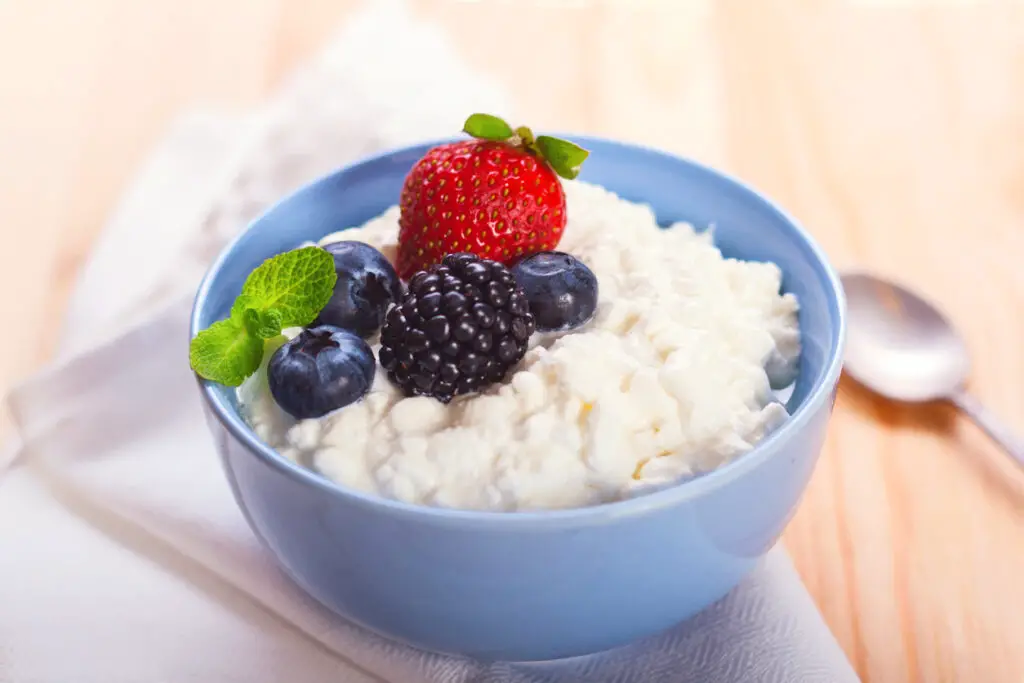
This combination appeared when dinner felt optional. It was cold, quiet, and eaten slowly. Sometimes it was served in a bowl, sometimes straight from the container. It didn’t announce itself.
It was considered light and sensible, even if it felt unsatisfying. This was not a meal that invited shared plates or second helpings. It was eaten without ceremony. Guests expected warmth and effort.
10. Fish Sticks

Fish sticks were reliable and easy, but they carried a smell that lingered. They were served when time was short and expectations were low. Ketchup often did most of the work. No one dressed them up.
They were considered kid friendly but not guest friendly. The freezer made the decision, not the occasion. Plates were cleared quickly. Guests would have been served something that didn’t come from a box.
11. Beef Tongue
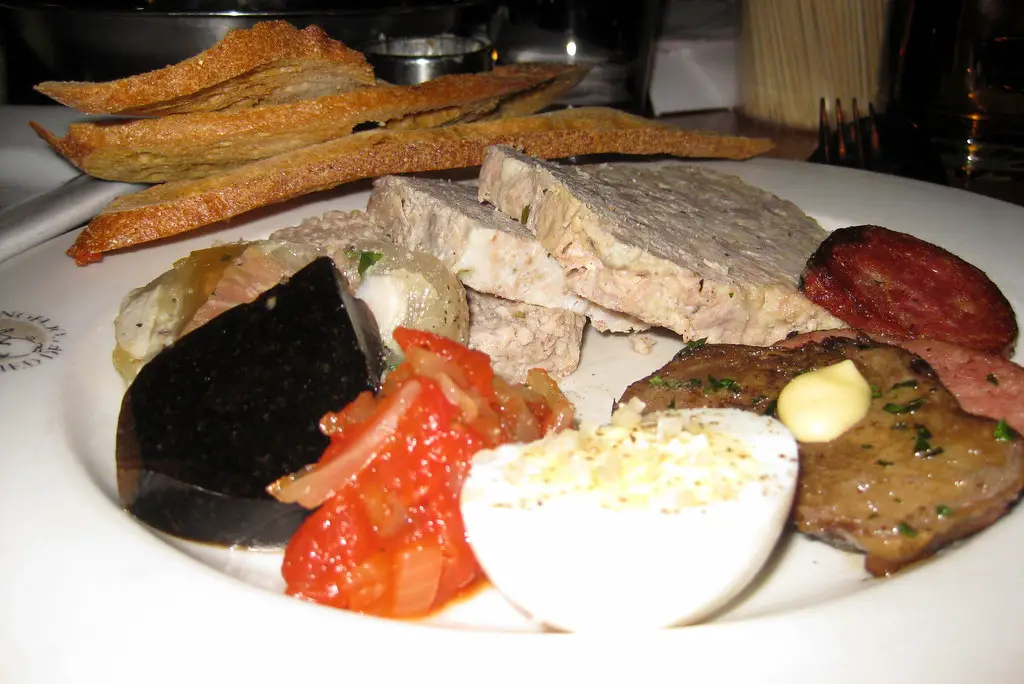
This was one of those meals explained carefully before it was served. The name alone ensured privacy. It was cooked slowly and respectfully, but never advertised. It stayed within the family.
People who grew up with it accepted it as normal. Others learned to eat quietly and not ask questions. It was filling and traditional in its own way. Guests would not have been ready for it.
12. Macaroni with Tomato Juice
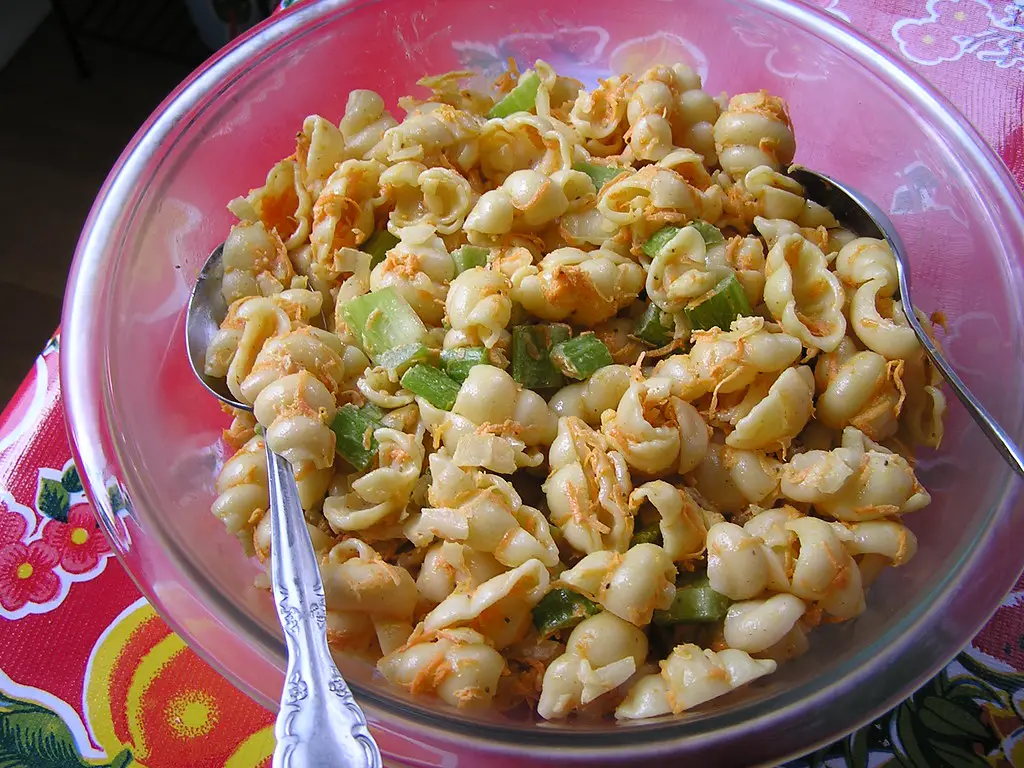
This dish felt improvised and deeply specific to certain households. It was warm, simple, and oddly comforting. The sauce was thin and bright, nothing like restaurant pasta. It was clearly not meant for outsiders.
It was served because it worked, not because it impressed. Kids grew up thinking it was normal. The bowl was usually large and the portions generous. Guests expected something thicker and more familiar.
13. Tuna on Toast
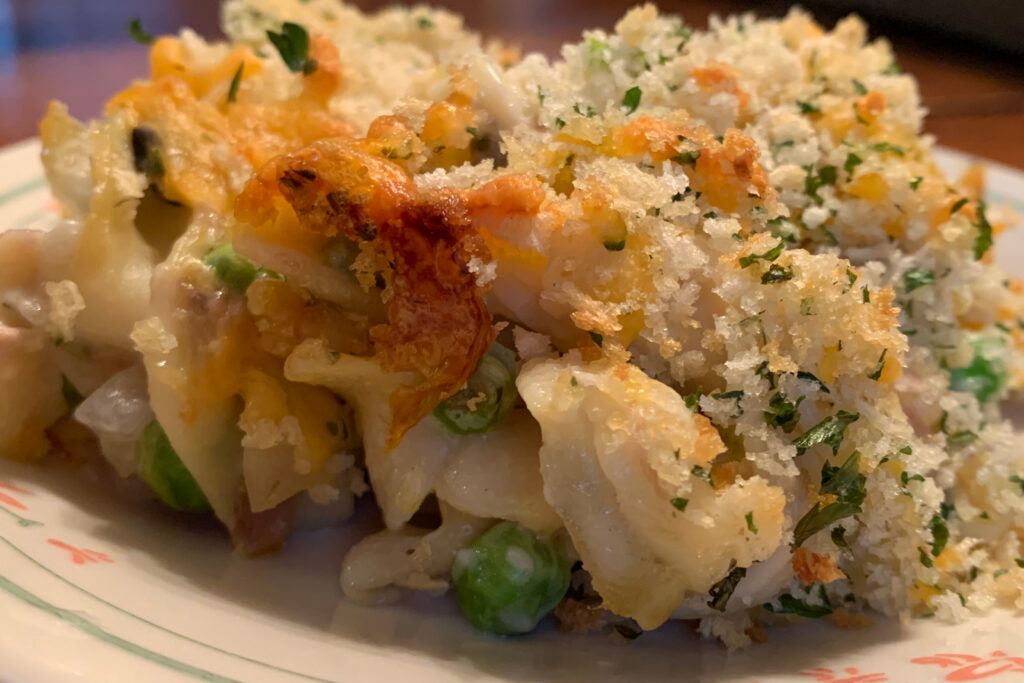
This was a practical meal that required little planning. The smell was noticeable, especially when it hit the heat. It was filling and straightforward. No one lingered over it.
It was eaten with the understanding that this was just dinner, nothing more. Plates were cleared quickly and windows sometimes opened. It was not something you bragged about. Guests would have been served a casserole instead.
14. Leftover Casserole End Pieces
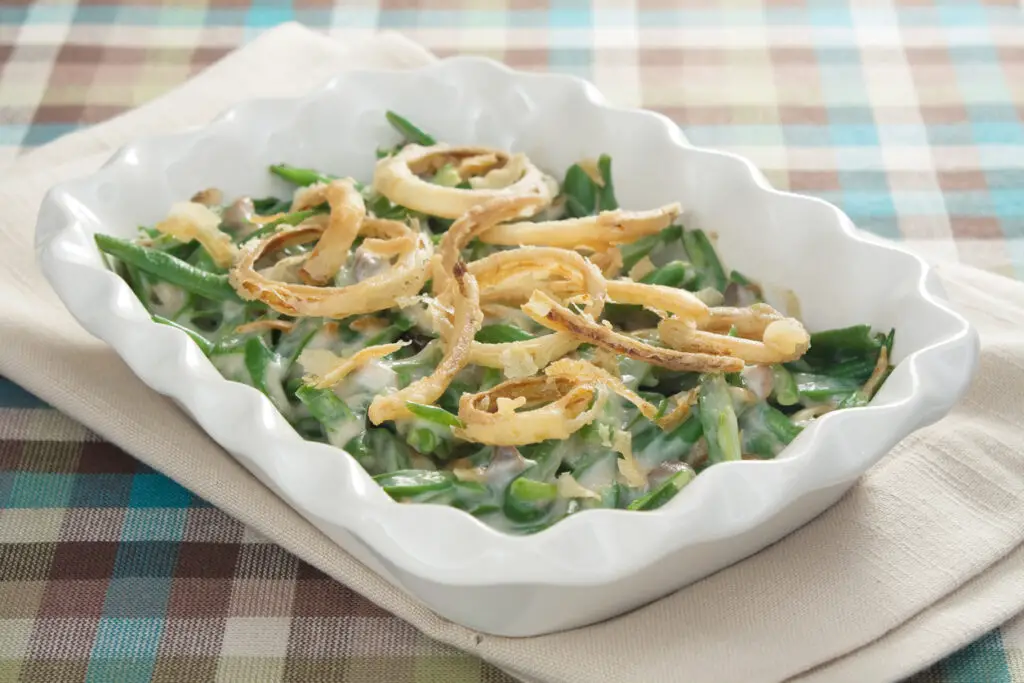
These were the corners and edges no one fought over. They showed up when the main dish was long gone. It was reheated without concern for appearance. Everyone understood the assignment.
This was food meant to be eaten, not admired. It came with no explanation and no apology. Plates were smaller and expectations were lower. Guests always got the fresh part.