
1. Fruit Wrinkles
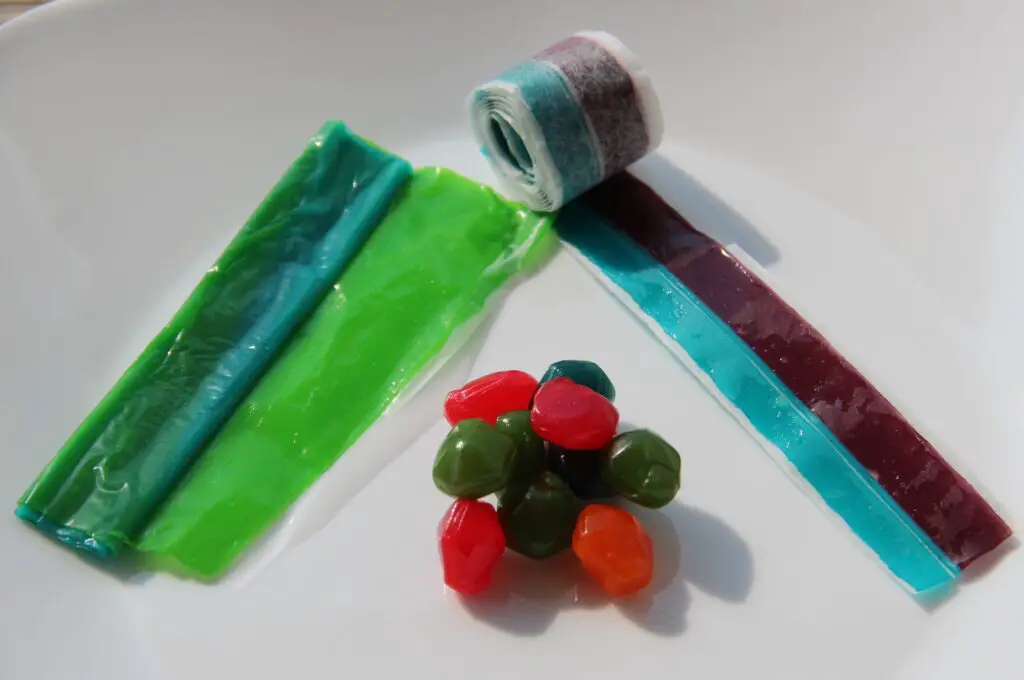
Fruit Wrinkles were the quieter cousin to fruit leather, thinner, shinier, and usually stuck together in a tight roll. They felt vaguely healthy, or at least healthy enough to pass the parental sniff test. You could peel them apart slowly or just bite straight through the stack if recess was short. The flavors were subtle, not loud or candy-like, which somehow made them feel more grown-up. They were also easy to forget about until one showed up unexpectedly in a lunch bag.
Over time, louder and flashier fruit snacks took over the shelf space. Gummies with cartoon tie-ins and brighter colors pushed Fruit Wrinkles out without much notice. There was no big farewell, just fewer sightings until they were gone. Most kids didn’t realize they had eaten their last one. They simply disappeared.
2. Jell-O Pudding Pops
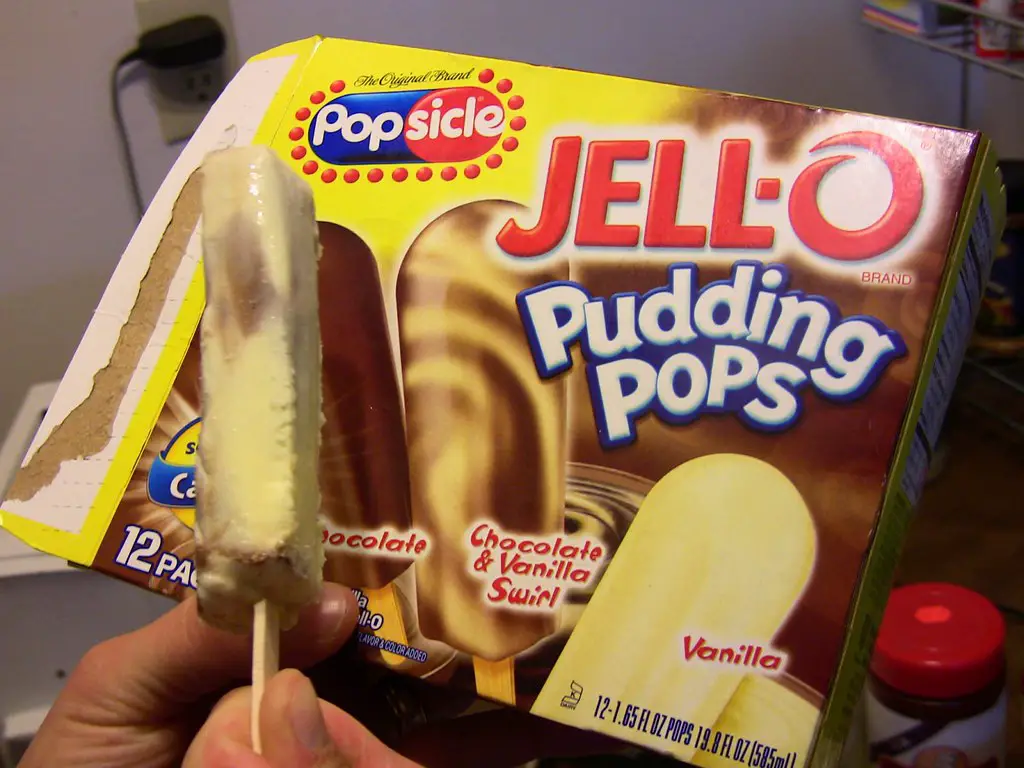
Pudding Pops felt like dessert pretending to be a snack, which made them especially exciting. They were creamy but not quite ice cream, and that distinction mattered to adults more than kids. Pulling one from the freezer felt like a small victory, especially on hot afternoons. Chocolate was the standout, though the swirl flavors had their own following.
Eventually, freezer cases filled up with more indulgent treats and novelty ice creams. Pudding Pops didn’t vanish overnight, but they stopped being easy to find. Stores slowly gave their space to flashier frozen options. One day, they were simply gone, remembered mostly by the mess they made while melting.
3. Squeezit Drinks
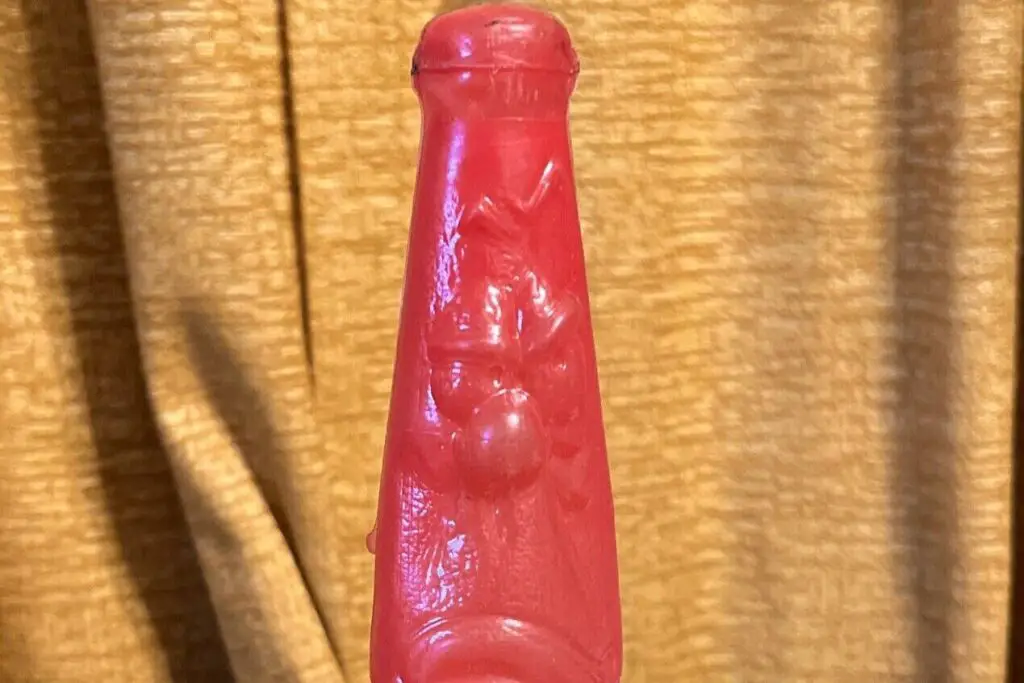
Squeezits were less about the drink and more about the bottle. The bright plastic containers with cartoon faces made them feel like toys you could drink from. Twisting off the cap and squeezing the sides was half the fun. The flavors were intense and artificial, which was exactly the point.
As concerns about sugar and artificial coloring grew, drinks like Squeezit started to look dated. Juice boxes evolved, and water became trendier. The playful bottles no longer fit the mood of grocery aisles. They faded out, leaving behind memories of stained tongues and sticky hands.
4. PB Max
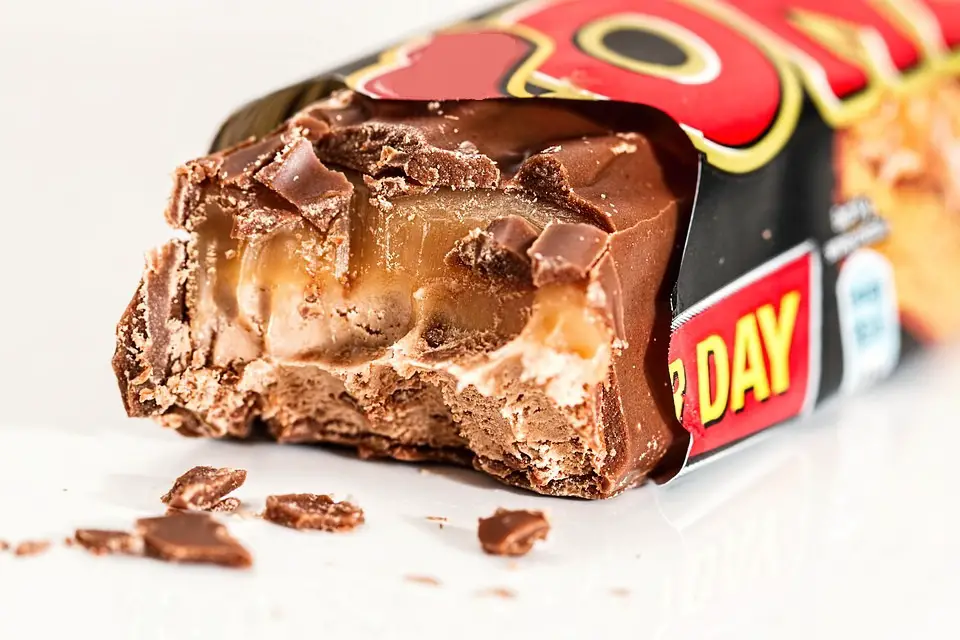
PB Max felt like a candy bar trying to be a snack, or maybe the other way around. It combined peanut butter, oats, and chocolate in a way that felt substantial and filling. You could convince yourself it was practically a granola bar. It was rich enough that one felt like enough, which was rare for kids.
Despite its loyal fans, PB Max didn’t last long on shelves. It never became a household staple, even though people remember it fondly. New candy bars crowded it out quickly. Its disappearance was so quiet that many assumed it was still around.
5. Oreo Big Stuf
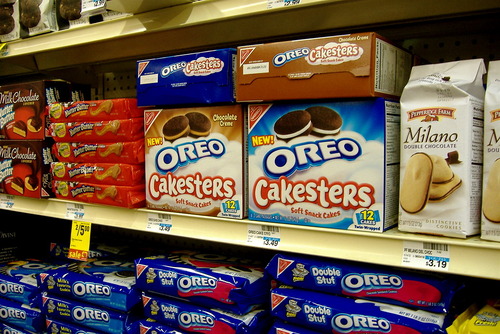
Oreo Big Stuf took a familiar cookie and turned it into something outrageous. It was oversized, thick, and almost overwhelming in the best possible way. Eating one felt like a commitment rather than a casual snack. It was the kind of thing you showed off before taking a bite.
Eventually, the novelty wore off, and standard Oreos reclaimed their dominance. Big Stuf didn’t fit into everyday snacking habits. It lingered briefly and then vanished. Now it mostly exists as a fun piece of snack trivia.
6. Teenage Mutant Ninja Turtles Pies
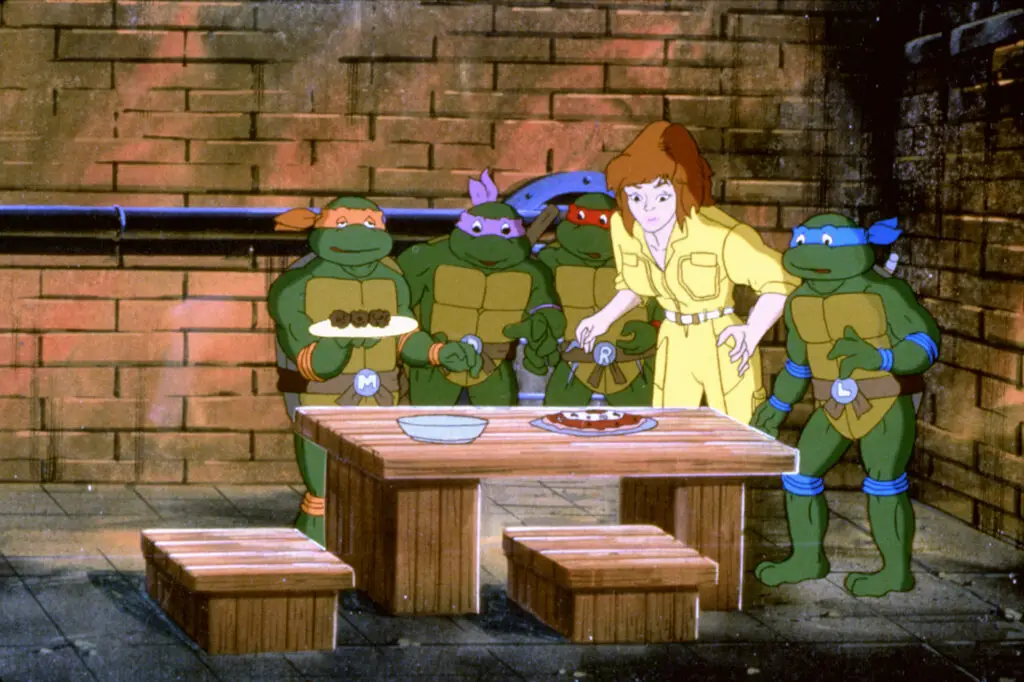
These green-tinted snack cakes leaned hard into their cartoon tie-in. The filling was neon, the packaging was loud, and the appeal was instant. They were pure ’90s excess in pastry form. Even kids who weren’t huge fans of the show knew exactly what they were.
Once the show’s popularity cooled, the pies lost their main selling point. Without the characters, they were just another snack cake. Stores quietly stopped stocking them. They became a memory tied tightly to a specific era.
7. Fruit String Thing
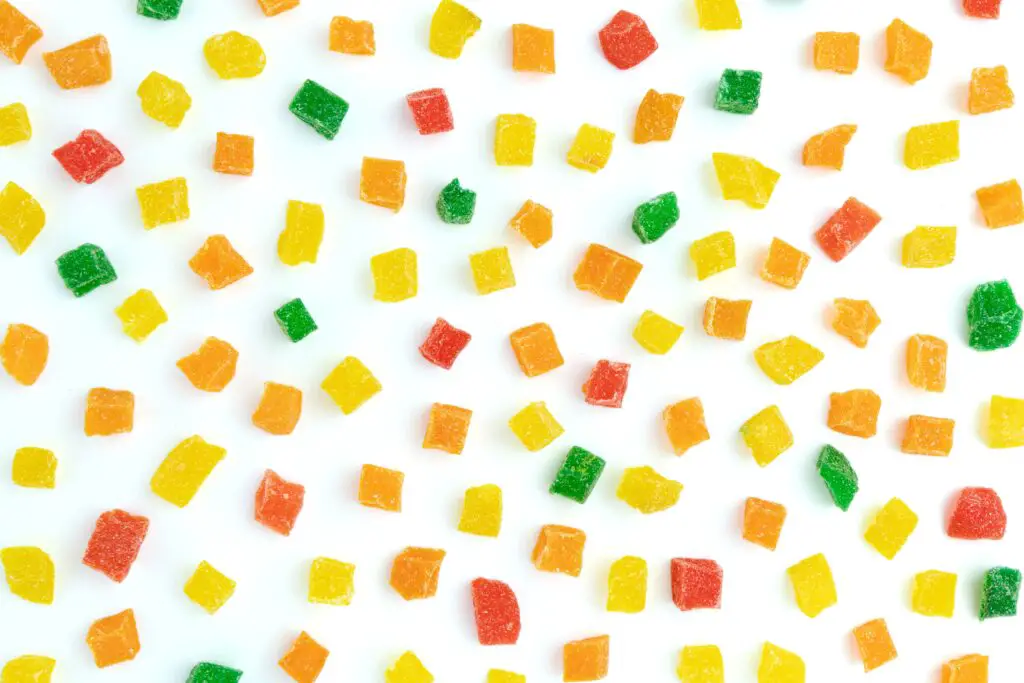
Fruit String Thing was all about interaction. You could peel it, braid it, or tie it in knots before eating it. It turned snacking into something you played with. That made it perfect for bored kids and long afternoons.
As fruit snacks became more uniform and bite-sized, String Thing felt unnecessary. Convenience won out over novelty. It stopped appearing in lunchboxes and store aisles. Most kids didn’t notice until years later.
8. Space Food Sticks
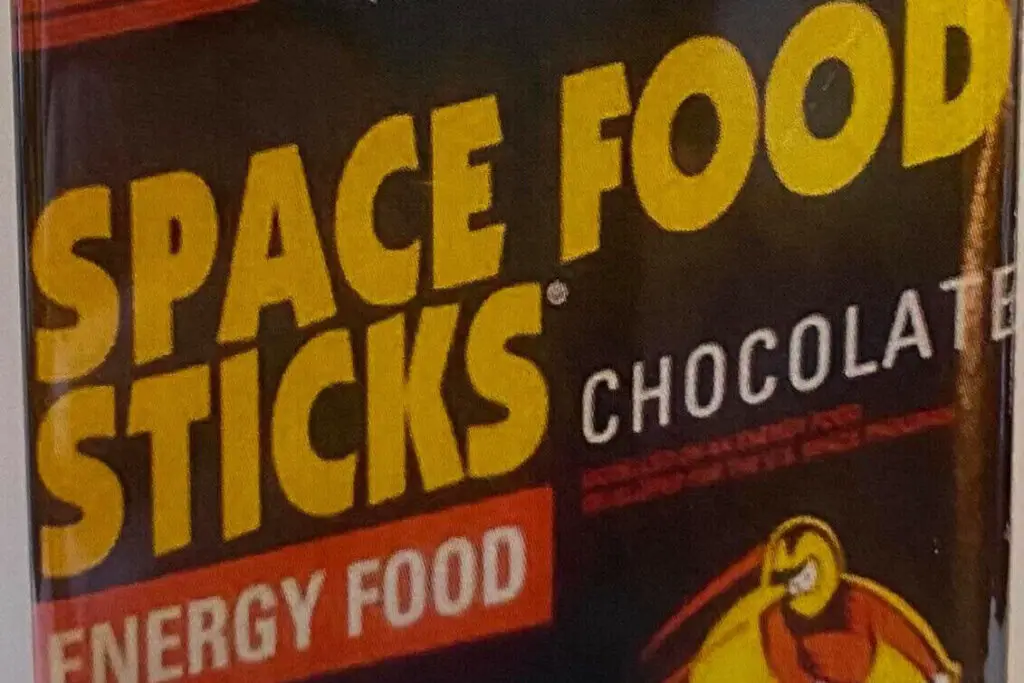
Space Food Sticks made snacking feel futuristic. They were dense, chewy, and marketed as something astronauts might eat. That alone made them exciting, even if the texture was unusual. Eating one felt slightly serious, like you were fueling up for something important.
Over time, the space-age novelty wore thin. They didn’t quite fit with candy or granola bars. New snack bars did the same job more pleasantly. Space Food Sticks quietly drifted out of orbit.
9. Hostess Choco-Bliss
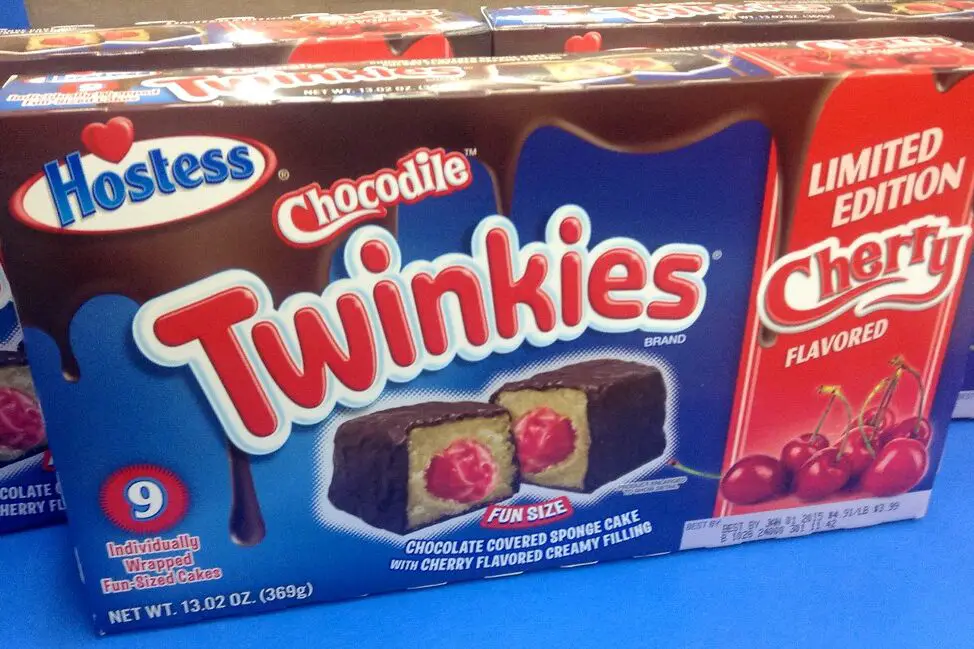
Choco-Bliss was unapologetically rich. It was dense, chocolatey, and felt closer to cake than a snack. You usually ate it slowly, partly because it was filling and partly because it felt indulgent. It was not a lunchbox staple, but it was memorable.
Its richness may have worked against it. As lighter snacks became popular, Choco-Bliss felt excessive. It didn’t adapt to changing tastes. It slipped off shelves without much attention.
10. Kudos Granola Bars
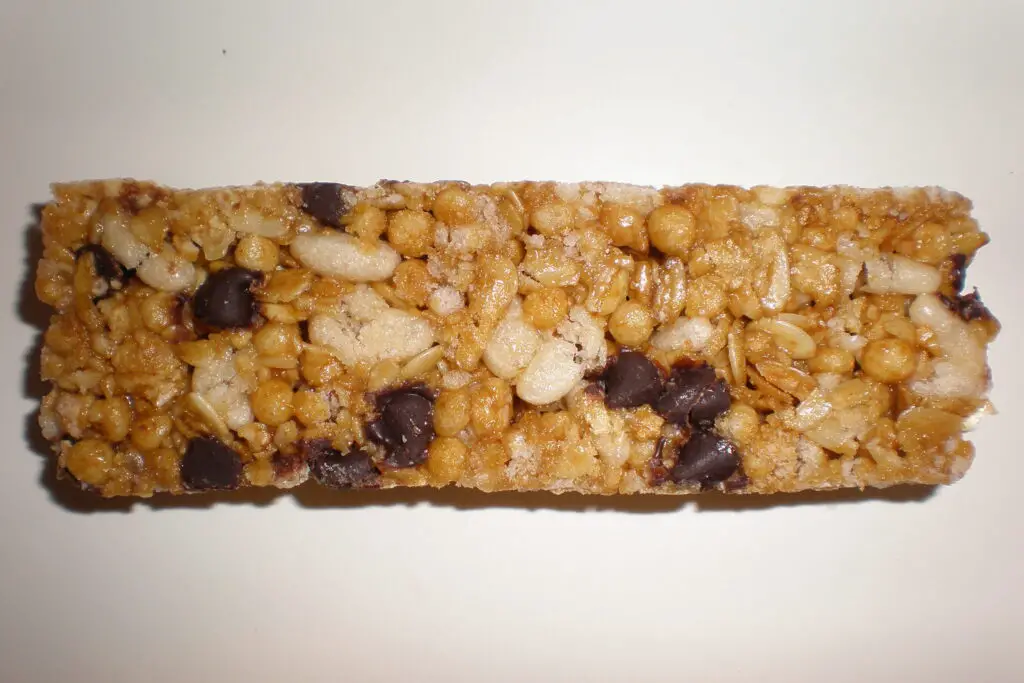
Kudos bars were marketed as granola but tasted suspiciously like candy. They had chocolate coatings, colorful pieces, and dessert-inspired flavors. Parents approved, kids were thrilled, and everyone pretended they were healthy. They occupied a perfect middle ground.
Eventually, snack bars shifted toward protein and cleaner labels. Kudos felt stuck in between categories. They became harder to find until they disappeared. Their absence was only noticed when people went looking for them.
11. Keebler Magic Middles
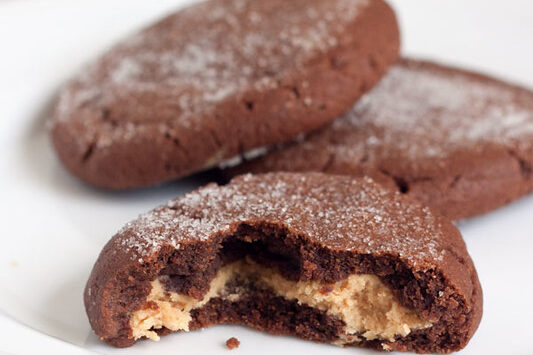
Magic Middles looked like regular cookies but hid a surprise inside. Biting into one and finding a soft filling felt like a small revelation. They were simple but clever, and that was enough. The packaging didn’t scream for attention.
As shelves filled with more extreme cookie options, Magic Middles felt too quiet. They didn’t change with the times. Stores stopped carrying them gradually. They became a fond but distant memory.
12. Josta
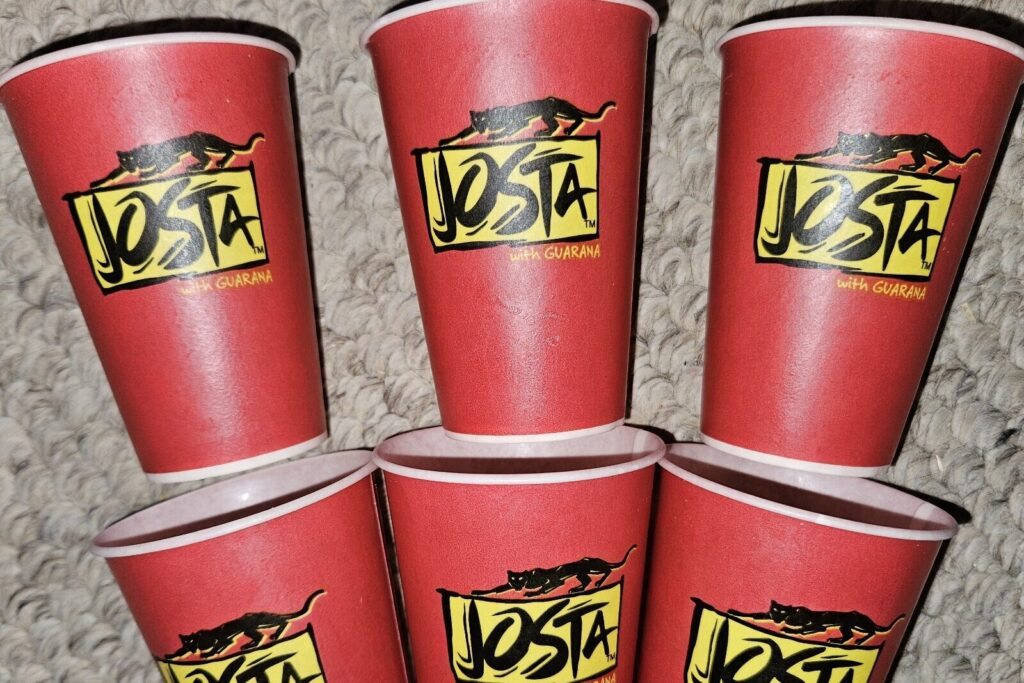
Josta was an early energy drink before that category really took off. It tasted different, slightly herbal, and felt mysterious. Drinking it made kids feel older, even if they didn’t know why. It wasn’t everywhere, which made it feel special.
When energy drinks exploded in popularity, Josta didn’t keep up. Newer brands were louder and more aggressive. Josta slipped away instead of competing. It’s now remembered as ahead of its time.
13. Ecto Cooler
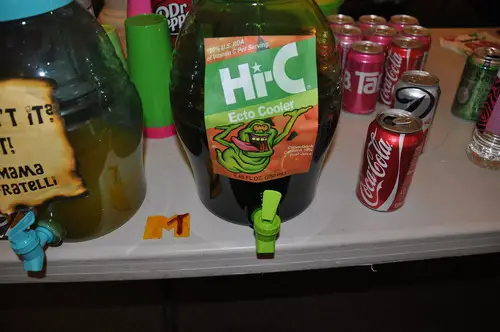
Ecto Cooler was bright green and impossible to ignore. It tasted like citrus and nostalgia, and it was tied tightly to a movie moment. Kids didn’t question the color, they embraced it. Seeing it in the fridge felt exciting.
When the tie-in faded, so did the drink. It lingered for a while before quietly disappearing. Occasional revivals reminded people how much they missed it. But as a regular grocery store snack, it never truly came back.