
1. Lingering After Dinner at the Table

Dinner used to stretch long past the last bite, with people staying seated just to talk. Plates were cleared, but no one rushed to the sink or stood up immediately. This was when stories came out, sometimes ones you had already heard but didn’t mind hearing again. Kids learned how conversation worked simply by listening. Silence wasn’t awkward, it was expected.
Now meals are often timed between obligations, screens, or separate schedules. People scatter the moment they’re done eating, each heading back to their own task. Conversation still happens, but it’s compressed and often distracted. The table has become a checkpoint instead of a destination. Something small but grounding disappeared along the way.
2. Writing Down Phone Messages
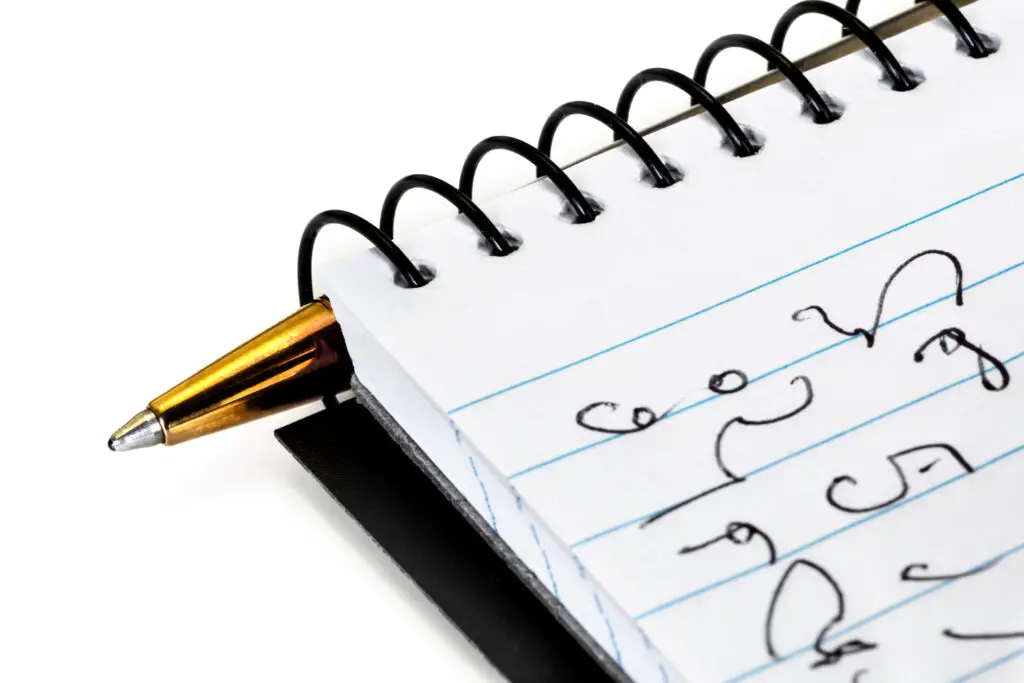
Answering machines once turned missed calls into little handwritten notes. Someone would jot down a name, a time, and maybe a short message on a scrap of paper. Those notes piled up near the phone like a quiet to do list. It felt important to get the details right.
Now messages appear instantly and disappear just as quickly. There’s no physical reminder sitting on the counter waiting to be noticed. If you miss it, it slips down the screen and out of mind. The act of carefully writing down a message feels oddly ceremonial now.
3. Stopping by Without Calling First

Dropping in used to be casual, not rude. People knocked, stepped inside, and accepted whatever version of the house they found. You didn’t need a reason beyond being nearby. Visits were short, unscheduled, and often surprisingly meaningful.
Today, everything requires coordination and confirmation. A surprise visit can feel intrusive rather than friendly. Life runs on tight calendars, and spontaneity struggles to fit. The ease of simply showing up has quietly faded.
4. Reading the Morning Paper Front to Back
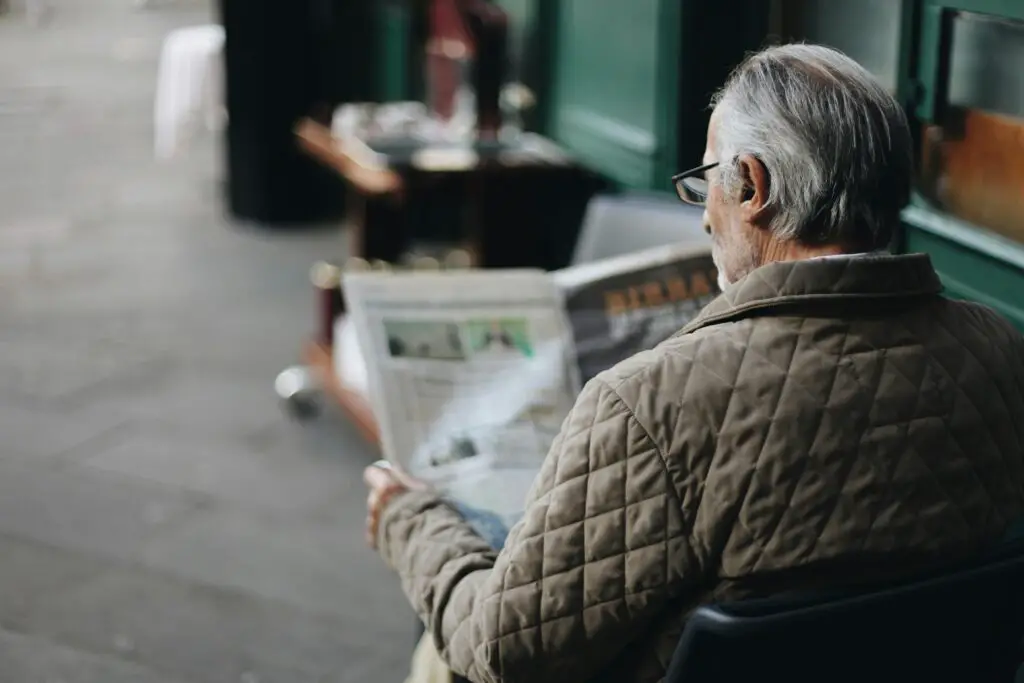
The newspaper was once a daily ritual that took real time. Pages were spread out, folded, and shared across the table. You absorbed the news slowly, one section at a time. Even ads had a kind of rhythm to them.
Now headlines flash by in seconds, often without context. News is consumed in fragments, sandwiched between other tasks. The patience required to sit and read feels like a luxury. That steady morning pause is mostly gone.
5. Memorizing Phone Numbers
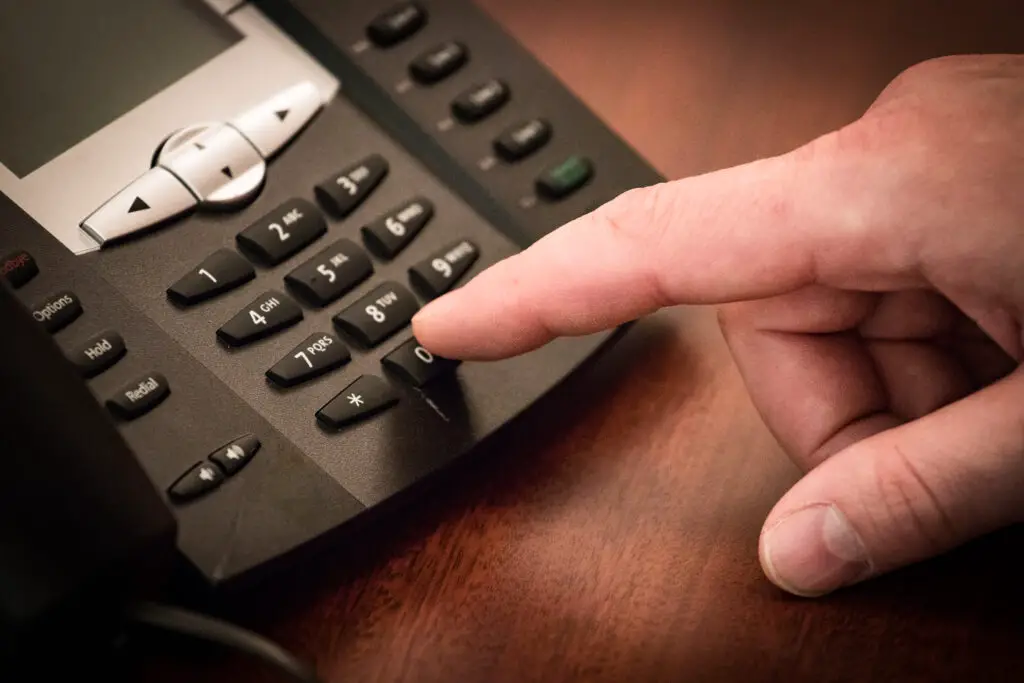
People once carried dozens of phone numbers in their heads. You knew them by muscle memory, fingers moving without thinking. Forgetting a number meant you were stuck. That knowledge felt strangely empowering.
Now numbers live safely in devices, rarely seen or repeated. Losing a phone can feel like losing access to people entirely. The mental habit of remembering has faded away. Convenience replaced a quiet kind of confidence.
6. Taking Time to Cool Down Before Responding

Arguments once came with built in pauses. You walked away, thought things through, and came back calmer. Words were chosen more carefully because they couldn’t be taken back easily. Silence had a purpose.
Now responses are instant, sometimes too instant. Messages are sent while emotions are still hot. There’s less space to reflect before reacting. That cooling off period has become optional instead of automatic.
7. Repairing Things Instead of Replacing Them
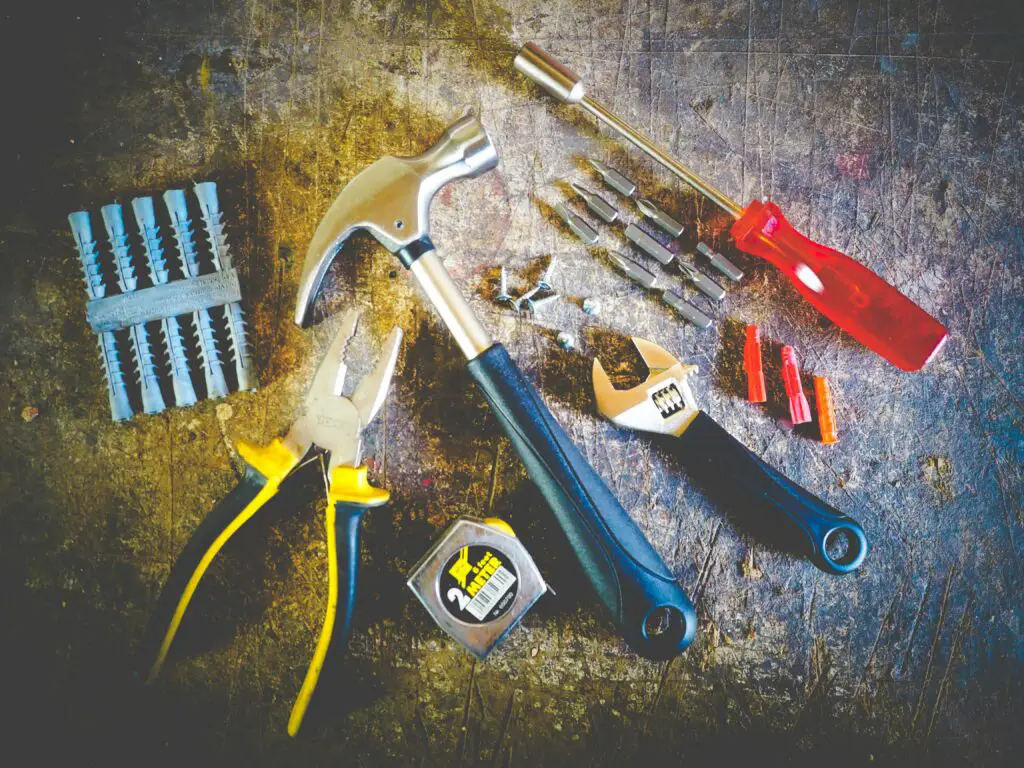
Broken items used to mean a trip to the toolbox or repair shop. You tried to fix things first, even if the repair wasn’t perfect. There was pride in making something last. Patience was part of the process.
Today replacement is often cheaper and faster than repair. Items are designed to be swapped out, not saved. The satisfaction of fixing something with your own hands is easier to skip. Time won out over durability.
8. Waiting Without Entertainment
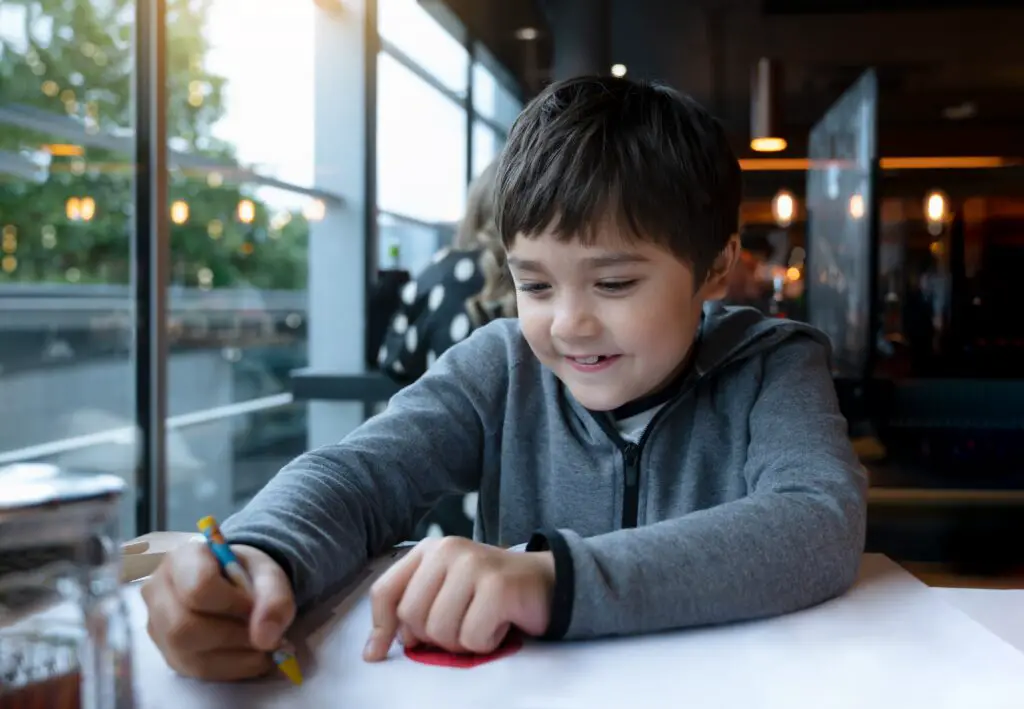
Waiting once meant simply waiting. You sat, observed, daydreamed, or talked to whoever was nearby. Boredom wasn’t avoided, it was endured. Sometimes it even led to unexpected conversations.
Now every pause is filled instantly with a screen. Waiting feels inefficient if it isn’t productive or distracting. Stillness has become uncomfortable. The mental wandering that came with idle moments is rarer now.
9. Folding Laundry Right Away
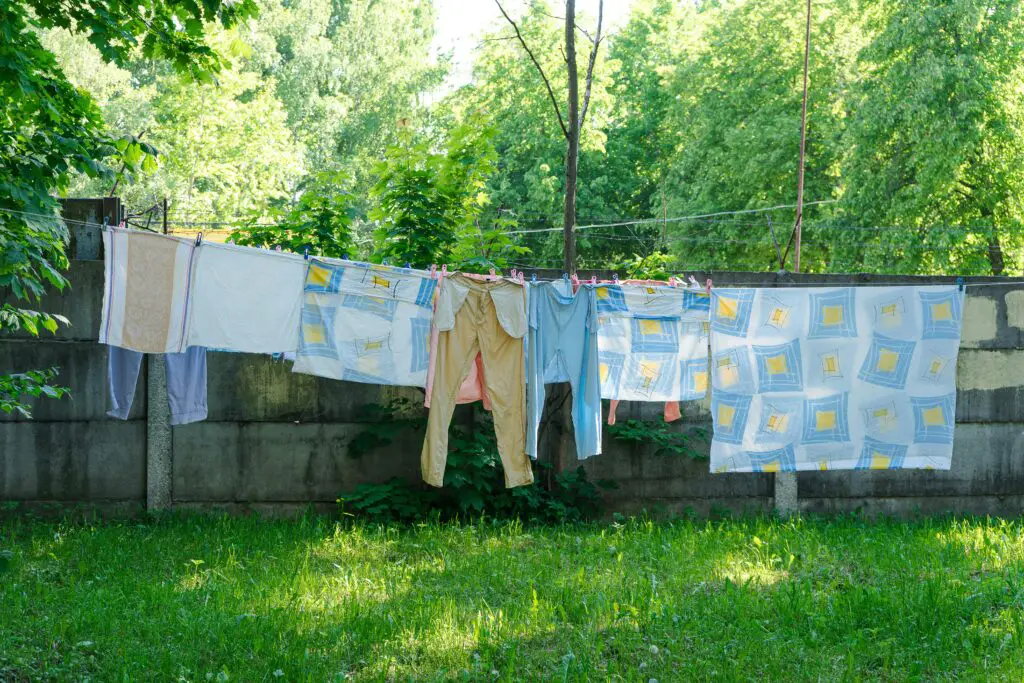
Laundry used to be folded while it was still warm. It was treated like a task that deserved completion. People stood there chatting or watching quietly as they worked. It felt orderly and calming.
Now clean clothes often sit in baskets for days. Folding becomes something you’ll get to later, maybe. Speed has replaced closure. Even small rituals have been streamlined away.
10. Making Plans Without Backup Options

Plans used to be simple and final. You agreed on a time and showed up. If something changed, it was a real disruption, not a casual adjustment. Commitment carried more weight.
Now plans come with layers of flexibility. Everything is tentative, adjustable, and open to rescheduling. This makes life easier but less grounded. Certainty has become optional.
11. Sitting on the Porch Just to Be Outside
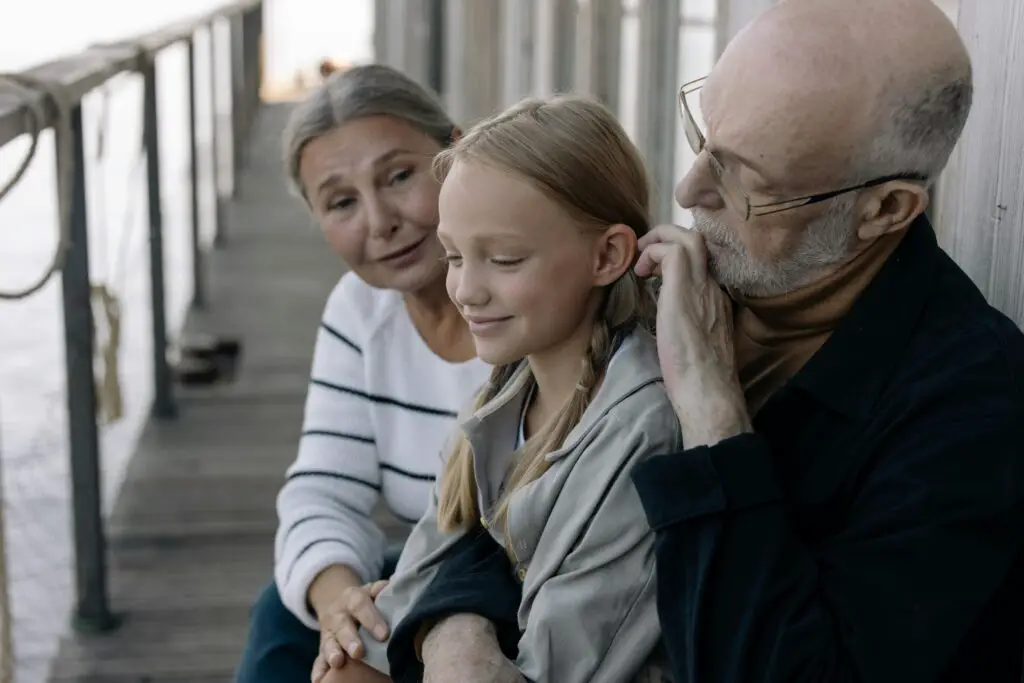
Porches were once places to sit and watch the day move by. People waved, talked, and stayed put. It wasn’t about exercise or productivity. It was about presence.
Now outdoor time is often goal driven. Walks are timed, outings are planned, and lingering feels indulgent. The porch as a social pause has mostly vanished. Slowing down lost the argument.
12. Letting Calls Go Unanswered Until Later

Missing a call wasn’t always urgent. You got back to people when you could. No one expected instant access. Boundaries existed by default.
Now unanswered calls feel like something that needs explaining. Availability is assumed, not requested. The pressure to respond quickly is constant. Quiet space has become harder to protect.
13. Ending the Day Without Checking One Last Thing

Evenings once had a natural stopping point. Lights went off, and the day was done. Whatever didn’t get finished waited until tomorrow. Rest felt more complete.
Now there’s always one more thing to check. A message, a headline, or a reminder pulls attention back. The day stretches longer than it used to. True endings are harder to come by.