
1. Willow Bark Tea

Long before aspirin existed, people turned to willow bark when pain or fever set in. They knew it tasted bitter, but they also knew it worked well enough to get through the day. It was brewed into tea or chewed directly, depending on who you asked. The relief felt gradual rather than immediate, which made it seem gentle and trustworthy. Families passed down the knowledge without knowing why it worked. They just knew it usually did.
Modern medicine later discovered that willow bark contains salicin, a compound related to aspirin. That scientific explanation came much later than the habit itself. For centuries, people relied on personal experience instead of lab results. If a headache faded after a cup of tea, that was proof enough. The remedy earned its reputation one ache at a time.
2. Honey for Wounds and Coughs
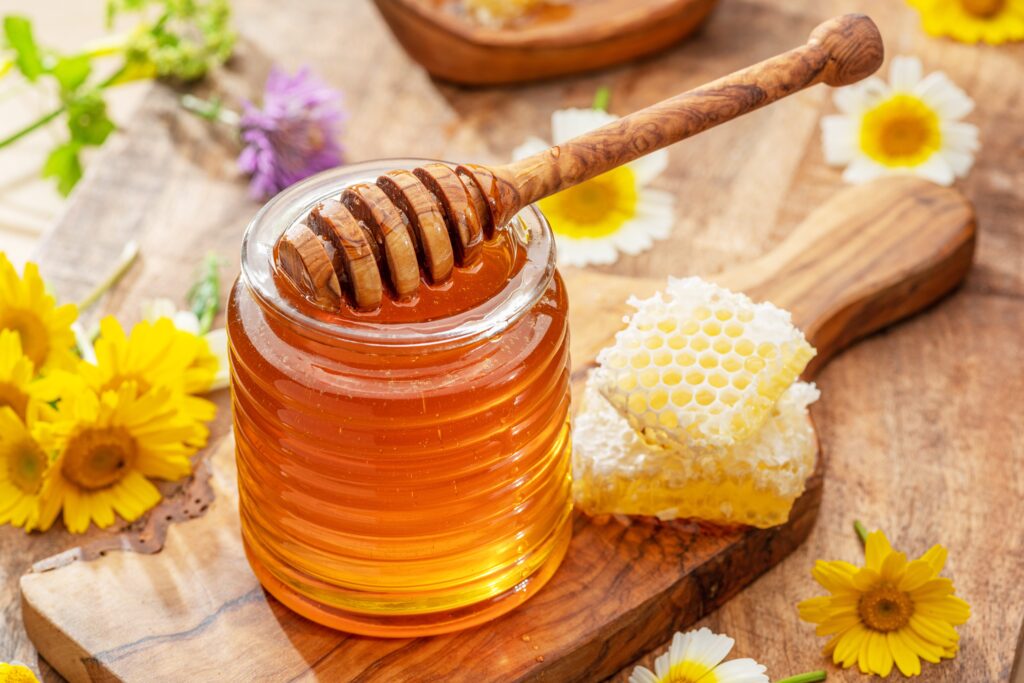
Honey was treated as more than a sweetener in early households. It was spread on cuts, burns, and scrapes when nothing else was available. People believed it kept wounds clean and helped them heal faster. For coughs and sore throats, a spoonful before bed was a common solution. It felt soothing and familiar, especially for children.
What people did not know was that honey has natural antibacterial properties. They simply observed that wounds treated with honey seemed less likely to fester. Its thick texture also helped coat irritated throats. Because it was easy to store and widely available, honey became a household staple for minor ailments. Trust built slowly through everyday use.
3. Onion Poultices
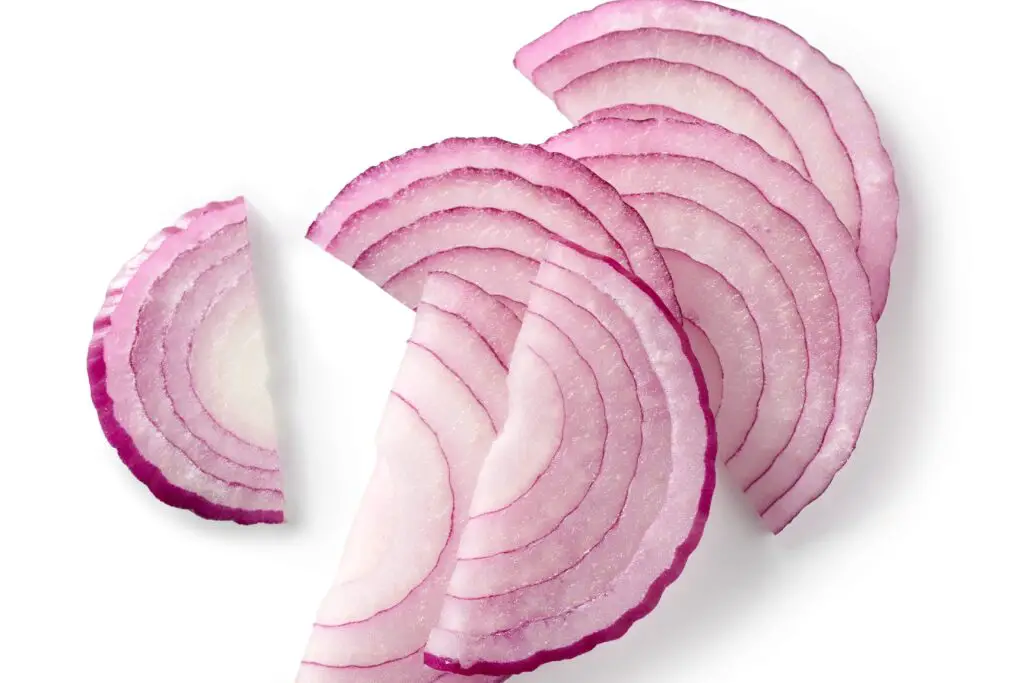
Onions were often pressed into service when infections or chest congestion appeared. Sliced onions were wrapped in cloth and placed on the chest, feet, or even the ears. The smell alone made the remedy feel powerful. People believed the onion could draw sickness out of the body. It was uncomfortable but familiar.
Families swore by this method even if they could not explain it. The warmth of the poultice and the strong odor added to the sense that something active was happening. Whether it helped or not, it made people feel they were doing something useful. That feeling mattered in a time with few alternatives. The practice lingered for generations.
4. Garlic as a General Cure
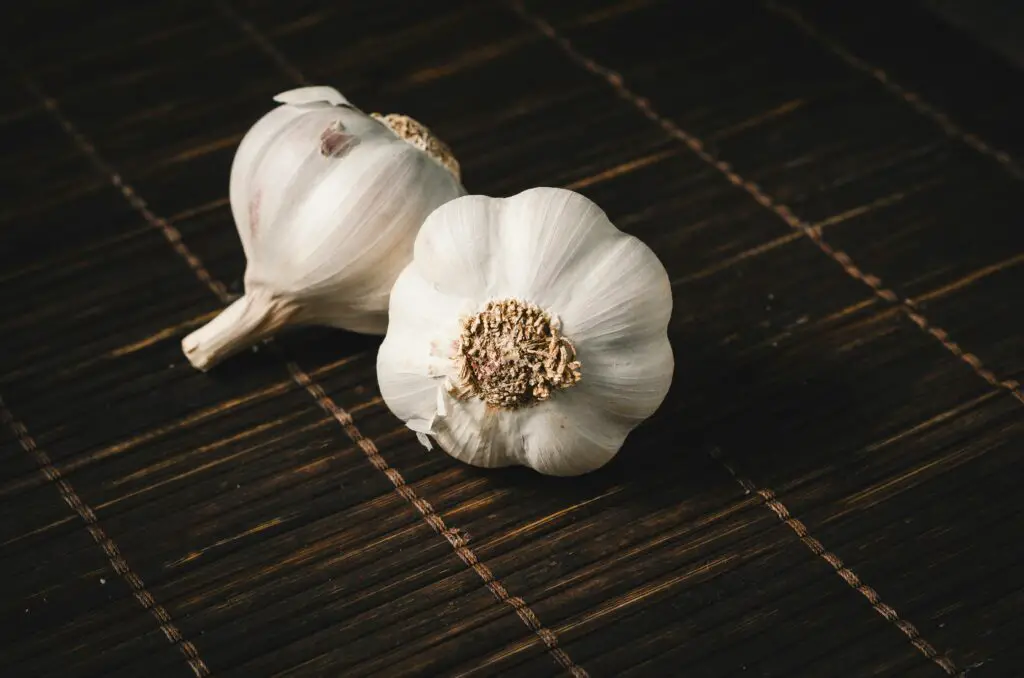
Garlic was considered a defense against all kinds of illness. It was eaten raw, cooked into meals, or worn in small pouches. People associated its strong taste and smell with strength. If it burned going down, it must be doing something important. Garlic was especially trusted during outbreaks of sickness.
Today it is known for its antimicrobial properties, but earlier generations relied on observation. They noticed fewer infections in households that used garlic regularly. It became part food, part medicine, and part superstition. The line between nourishment and treatment was blurry. Garlic earned its place by being useful in both roles.
5. Chamomile for Calm and Sleep
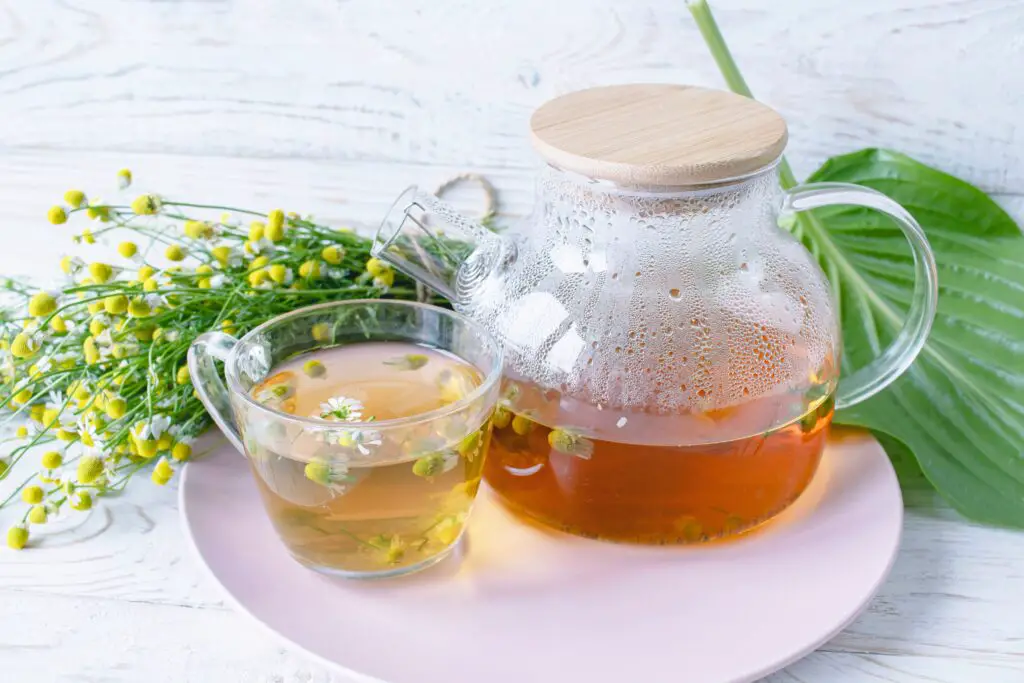
Chamomile was a go-to remedy for nerves, stomach trouble, and sleepless nights. A warm cup of tea signaled that it was time to rest. People used it after stressful days or long illnesses. It was considered gentle enough for children and elders alike. The ritual mattered as much as the drink itself.
Families trusted chamomile because it rarely caused harm. If it did not fix the problem, it usually did not make it worse. That reliability made it popular. Over time, calm evenings reinforced its reputation. The remedy became associated with comfort and care.
6. Saltwater Gargles
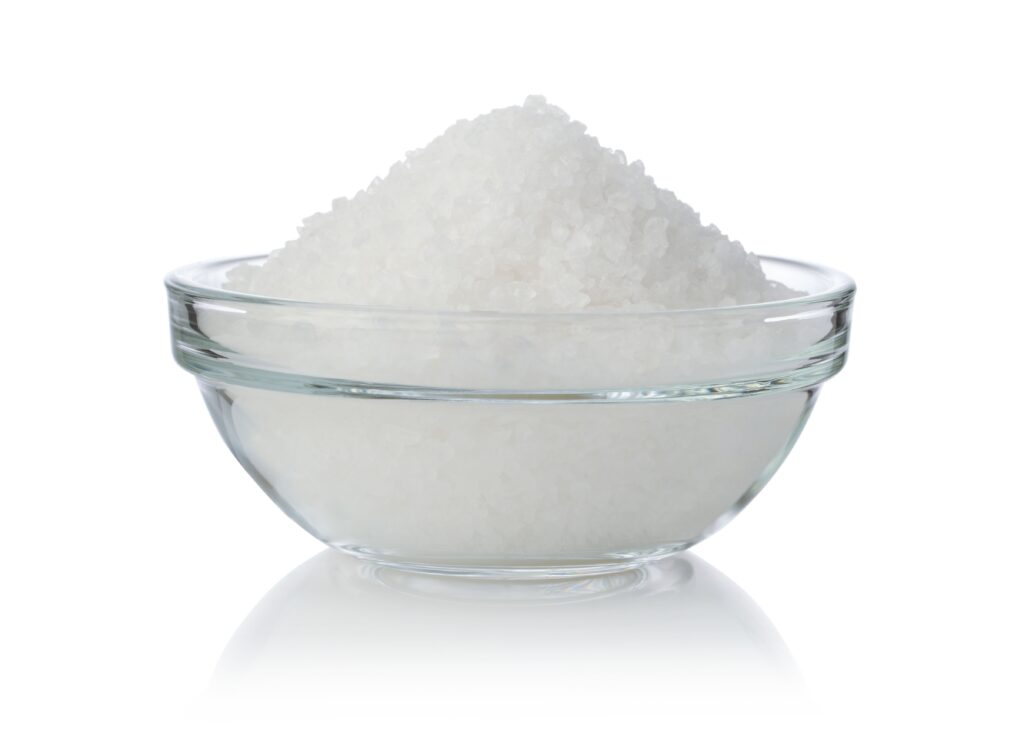
Saltwater gargles were used for sore throats and mouth infections. The remedy required no special tools, just salt and warm water. People believed it cleaned the throat and eased pain. It was often recommended at the first sign of illness. The slight sting was seen as proof it was working.
This practice spread because it was simple and repeatable. Anyone could try it without risk or expense. When symptoms improved, the method gained credibility. Even when relief was temporary, it felt proactive. That sense of control mattered deeply.
7. Vinegar for Aches and Fevers
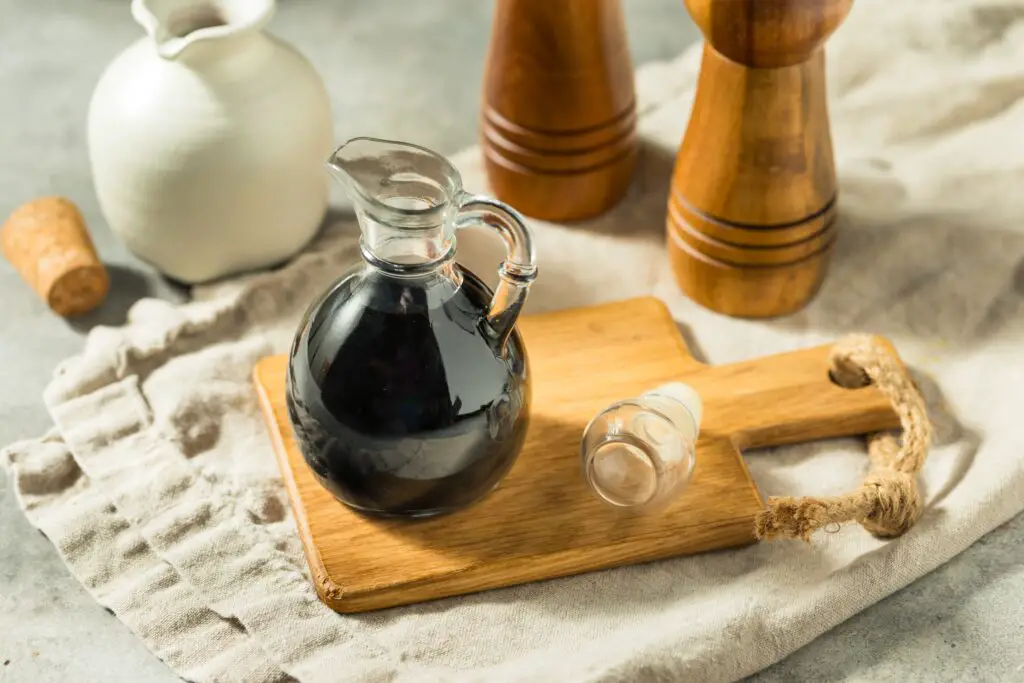
Vinegar was applied in many creative ways. It was mixed with water for compresses or rubbed on aching muscles. Some people believed it could pull heat from the body during fevers. The sharp smell made it feel medicinal. It was also used to clean wounds and tools.
Households trusted vinegar because it served many purposes. If something cleaned surfaces well, it seemed logical that it could help the body too. Results varied, but the remedy stuck around. Familiarity often mattered more than consistency. Vinegar became a quiet constant in home care.
8. Peppermint for Digestion
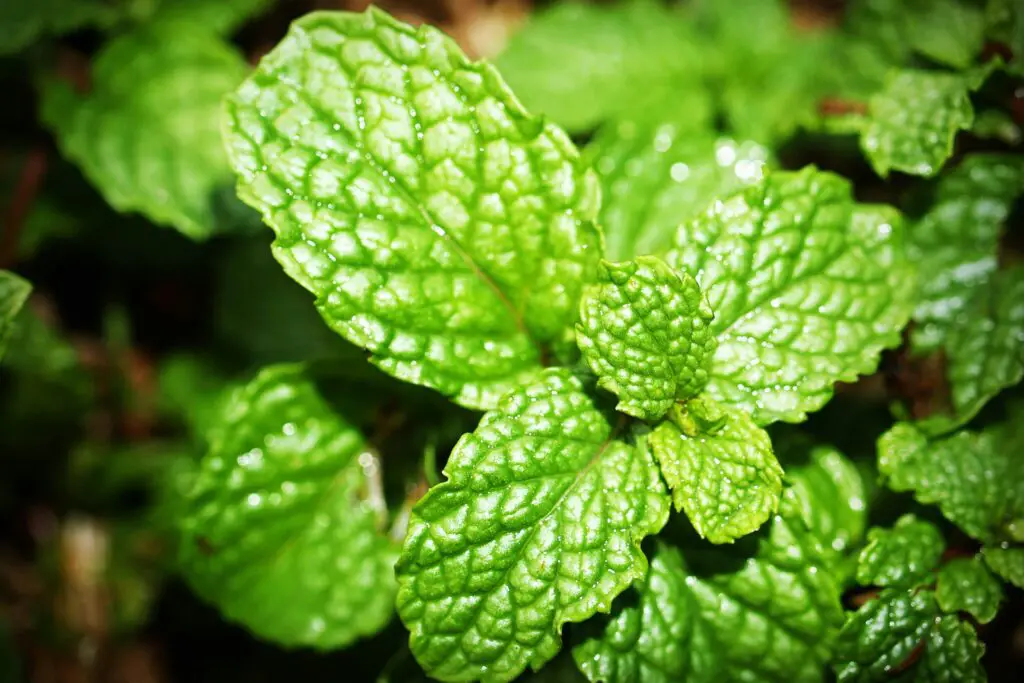
Peppermint was commonly used for stomach troubles and nausea. Leaves were brewed into tea or chewed after meals. People noticed that it settled the stomach and eased discomfort. It also helped with headaches when nothing else worked. The cooling sensation made it feel refreshing.
Peppermint earned trust through repetition. After heavy meals or long travel days, it was often the first thing people reached for. Relief did not have to be dramatic to be convincing. Small improvements added up over time. That consistency made peppermint dependable.
9. Mustard Plasters
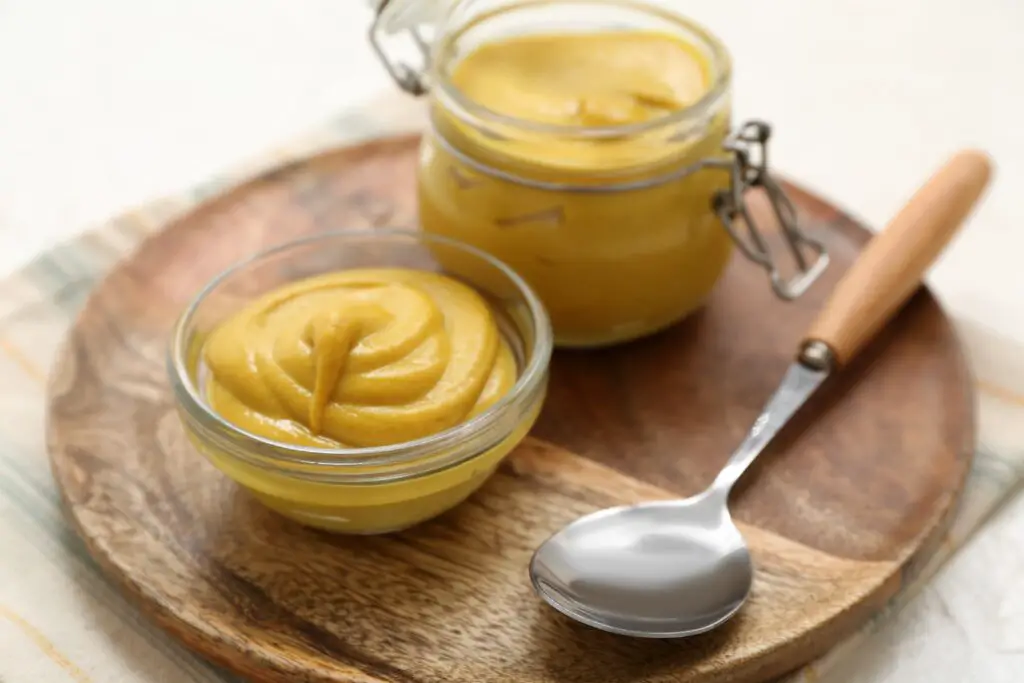
Mustard plasters were used for chest congestion and joint pain. The paste was spread on cloth and applied to the skin. It created heat and irritation, which people believed stimulated healing. The treatment was intense but short lived. Enduring it felt like commitment to recovery.
People trusted mustard plasters because they produced a strong reaction. That visible response suggested effectiveness. Even when relief was modest, the sensation felt purposeful. The remedy demanded attention, which made it memorable. Over time, memory reinforced belief.
10. Elderberry Syrup
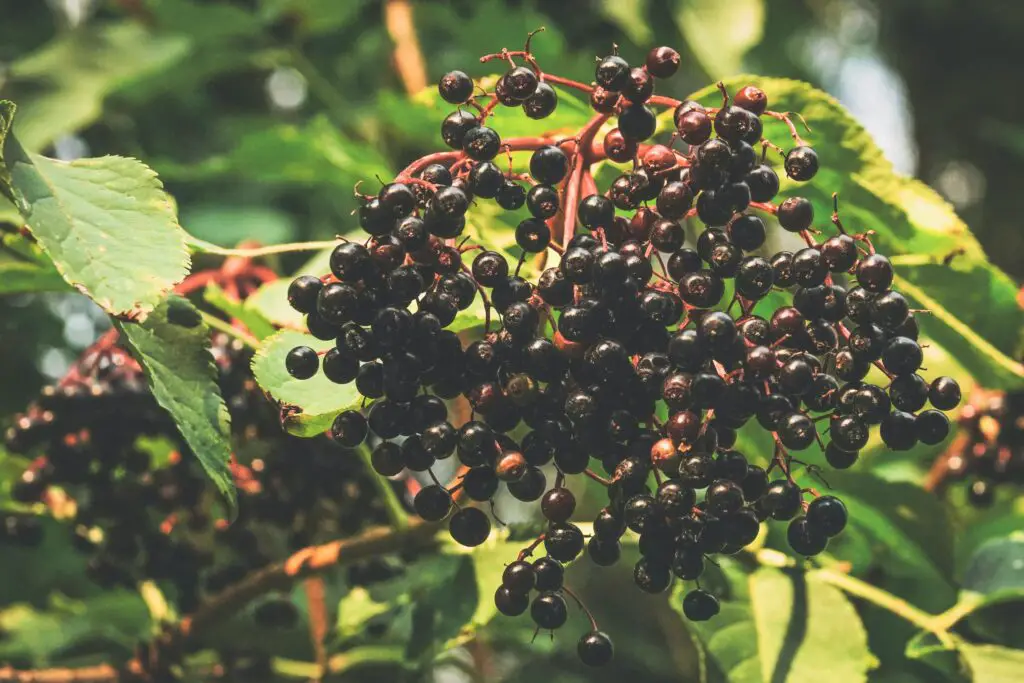
Elderberry syrup was used to fight colds and seasonal illness. Families made it at home and kept bottles on hand. It was taken at the first sign of sickness. People believed it shortened the length of illness. Its dark color and rich taste added to its mystique.
The remedy survived because families felt it helped them recover faster. Whether that was always true mattered less than the perception. Passing down the recipe made it feel reliable. Trust grew through tradition rather than testing. Elderberry became a seasonal ritual.
11. Warm Milk for Sleep

Warm milk was often given to encourage rest. It was especially common for children and the elderly. The warmth and familiarity were calming. People believed it settled the body before bed. Drinking it became a nightly signal that the day was ending.
Even when sleep did not come immediately, the ritual was comforting. That comfort reinforced belief in the remedy. Over time, routine and relaxation blended together. Warm milk became associated with care and safety. That association carried weight.
12. Fresh Air and Sunlight

Fresh air and sunlight were considered essential to recovery. Sick individuals were encouraged to sit near windows or outside when possible. People believed stagnant air made illness worse. Sunlight was seen as cleansing and strengthening. Rest combined with fresh air felt restorative.
This belief came from observation rather than theory. People noticed improvement when patients were not confined to dark spaces. Even without understanding germs or vitamins, the effect was noticeable. The remedy required no tools or ingredients. Sometimes simplicity built the strongest trust.