
1. The Church Basement Chicken Casserole

No one ever wrote this one down because it was never meant to be special. It showed up at funerals, potlucks, and Sunday lunches, usually scooped from a dented aluminum pan. Everyone remembers it being creamy but not heavy, comforting without being bland. Ask three people what went into it and you will get three different answers. Someone insists there was canned soup, someone else swears there were crushed crackers on top. What everyone agrees on is how it tasted after sitting for a bit, somehow better than when it first came out of the oven.
The recipe lived in habit, not measurements. It was made by feel, by memory, and by what happened to be in the pantry that morning. Once the women who made it stopped cooking or passed away, the casserole quietly vanished. Modern versions exist, but they always miss something intangible. The original survives only in stories traded over folding tables.
2. Grandma’s Depression Era Potato Bread
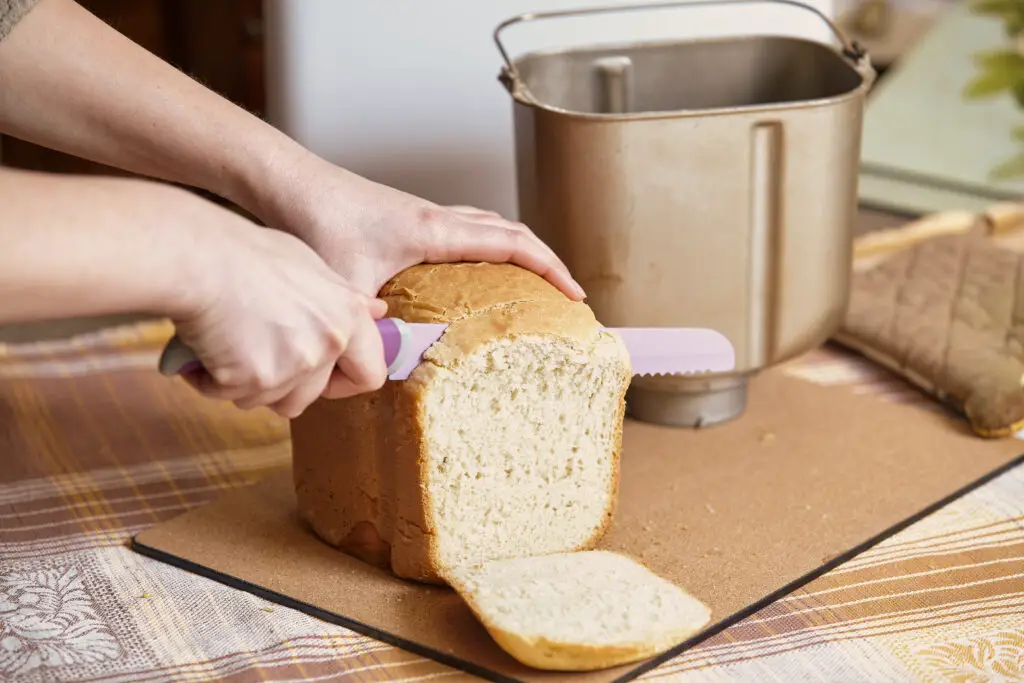
This bread was born out of necessity, not trendiness. Potatoes stretched flour, added moisture, and made loaves last longer during hard weeks. Grandmas rarely measured anything, using handfuls and instincts instead. The bread was dense but soft, filling without being heavy. It tasted faintly sweet, even without much sugar.
When store bought bread became cheap and convenient, this loaf disappeared. No one bothered to preserve the method because it felt old fashioned and unremarkable. Years later, people remember the smell more than the steps. Attempts to recreate it often feel close but never exact. The missing detail was always in the hands that made it.
3. The Unwritten Holiday Stuffing
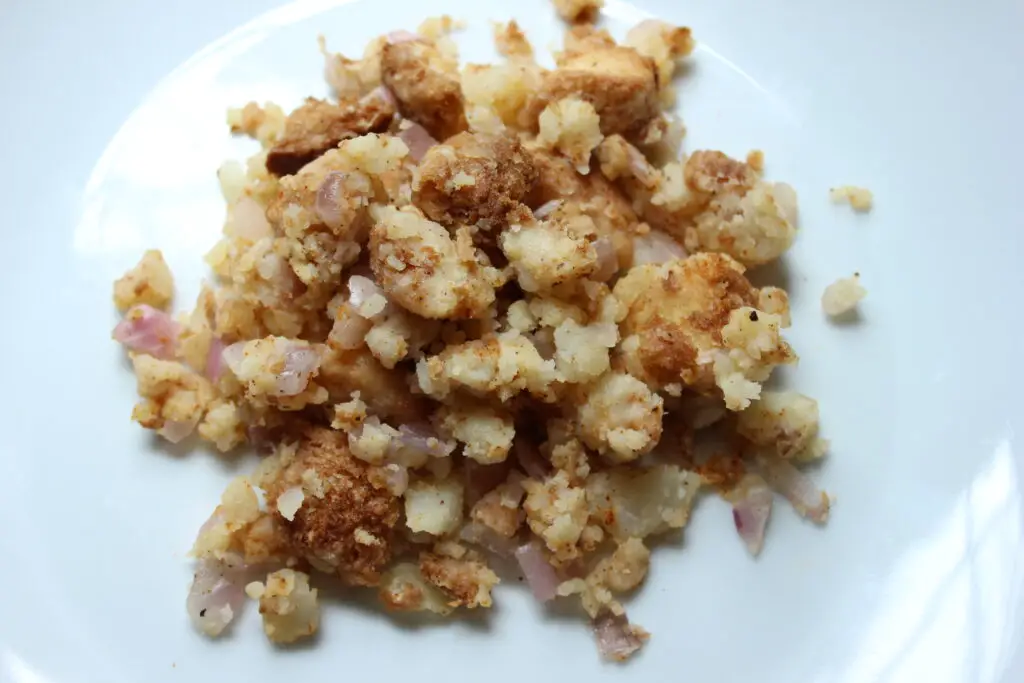
Every family had one stuffing that never came from a box. It was assembled quietly while the rest of the kitchen buzzed with activity. Bread was dried on counters, herbs were added by smell, and broth was poured until it felt right. No two batches were ever identical. Somehow, it was always perfect.
After the main cook stopped hosting holidays, the stuffing changed or vanished entirely. Younger generations asked for the recipe too late. Written versions feel stiff and overly precise. What made it special was the flexibility. The memory lingers every November.
4. The Backyard Grill Marinade

This marinade was never named, never measured, and never repeated the same way twice. It lived in a reused jar near the grill all summer long. A little oil, something acidic, maybe soy sauce, maybe vinegar, whatever was nearby. It made cheap cuts of meat taste unforgettable. Everyone wanted to know what was in it.
The answer was always vague and unhelpful. Once the backyard gatherings stopped, the marinade went with them. Bottled versions try to capture it but feel flat. What mattered was the moment, not the formula. Now it exists only as a flavor people chase.
5. The Sunday Night Leftover Soup

This soup changed every week but always tasted the same. It used whatever was left from previous meals, bits of meat, vegetables, and broth stretched thin. Seasoning came from repetition, not planning. It simmered slowly while the house settled for the evening. It was never impressive, but it was deeply satisfying.
Because it was never the same twice, no one thought to document it. The soup was more of a practice than a recipe. Once weekly routines shifted, it disappeared. Recreating it feels oddly impossible. The secret was continuity.
6. The Bakery Cookie That Closed Too Soon
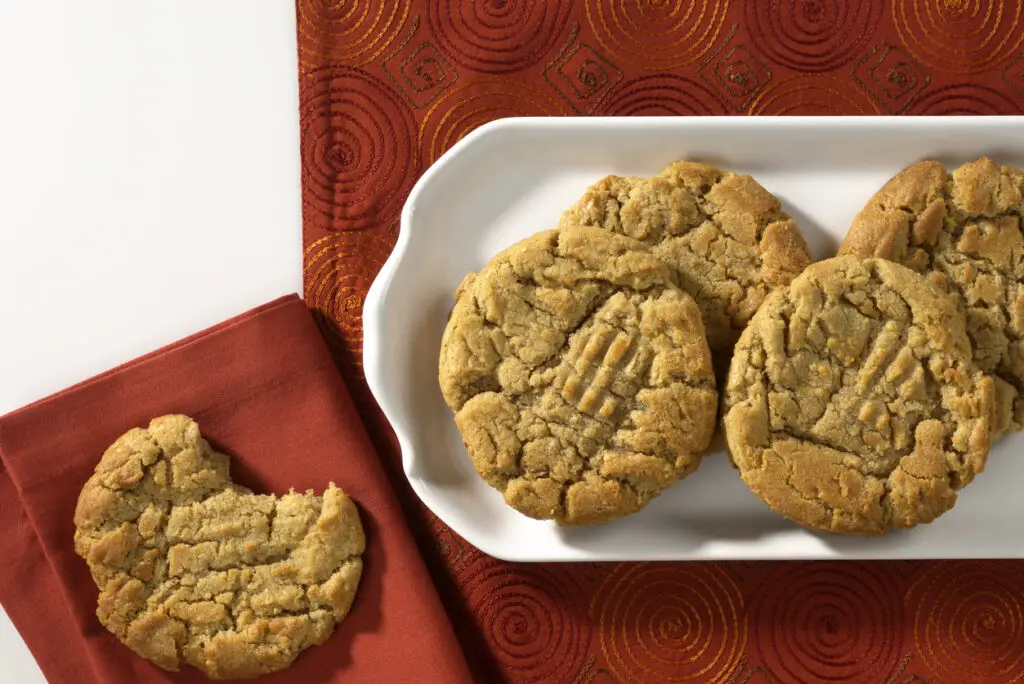
Small neighborhood bakeries often had one cookie everyone remembered. It might have been slightly underbaked or just perfectly crisp at the edges. The owner made it from memory, adjusting as needed. Customers never thought to ask for the recipe. They assumed it would always be there.
When the bakery closed, the cookie went with it. No written recipe surfaced. Attempts to copy it fall short. The cookie survives only in comparison. It is always remembered as better than anything since.
7. The Hand Me Down Meatloaf
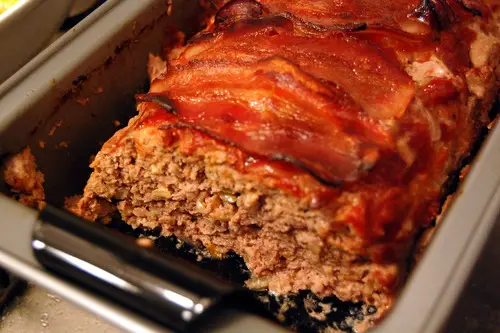
This meatloaf passed through generations without ever being formalized. Each cook tweaked it slightly, adding or removing ingredients. It was dependable and familiar, never flashy. Served with the same sides every time, it anchored weeknight dinners. People remember how it held together just right.
When tastes changed and meatloaf fell out of favor, the recipe stopped being passed along. Written versions feel too rigid. The original depended on judgment. Without that, it cannot be fully revived.
8. The Lunchbox Sandwich Spread

This spread was common before prepackaged versions took over. It was mixed quickly, sometimes right before school. No one remembers exactly what went into it, just the taste. It made ordinary bread feel special. Kids recognized it instantly.
Once convenience foods replaced it, the spread faded away. Parents forgot how they used to make it. Store bought substitutes do not match the memory. The flavor belongs to a specific time. It cannot be bought back.
9. The Farm Kitchen Cornbread
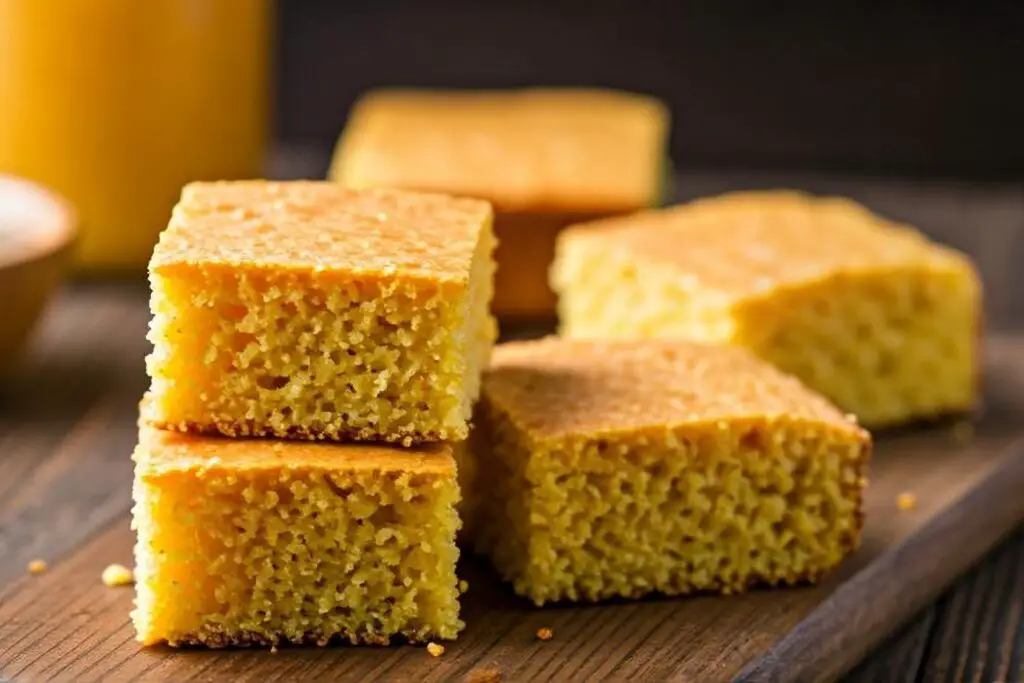
This cornbread was made without a recipe because everyone already knew how. It was baked in cast iron and served warm. Sometimes it was sweet, sometimes not, depending on who made it. The texture was always just right. It crumbled perfectly into bowls or hands.
When people moved away from farms and into cities, the knowledge stayed behind. Boxed mixes replaced instinct. The old version feels elusive now. It lives in muscle memory that few still have.
10. The Holiday Candy Made Once a Year

This candy required patience and timing, not precision. It was made during one specific season and nowhere else. The cook knew when it was ready by sight and sound. Written instructions would not have helped much. It set when it felt right.
As traditions shifted and time grew scarce, the candy was quietly dropped. Younger family members remember the taste but not the process. Attempts to recreate it often fail. The candy survives as a once a year memory that never returned.
11. The After School Snack Cake
This cake was thrown together on busy afternoons. It was simple, quick, and deeply comforting. No frosting was needed, maybe just powdered sugar. It was cut while still warm. Kids remember it as perfect.
Once schedules changed and baking became less common, the cake disappeared. No one remembered exact ratios. Written recipes feel overly complicated. The original relied on familiarity. It was never meant to be permanent.
12. The Fishing Trip Breakfast Hash

This hash was cooked outdoors, usually in a well seasoned pan. Ingredients depended on what was available. It tasted better because of the setting. No one worried about balance or presentation. It fueled long mornings.
Because it was tied to a specific experience, it was never written down. At home, it never tastes the same. Something about the environment mattered. The recipe lives where the trips ended.
13. The Neighbor’s Signature Pie
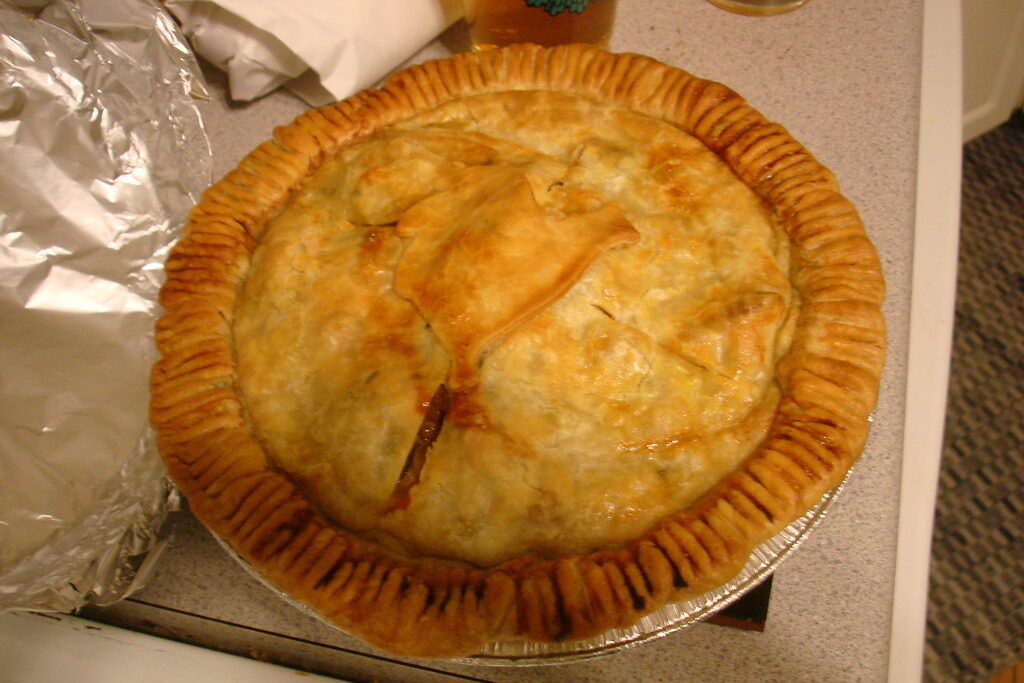
Every neighborhood had someone known for one dessert. The pie showed up unannounced and always disappeared first. The baker guarded the method casually, not intentionally secretive. They simply never wrote it down. Everyone assumed there would be time.
When the neighbor moved or passed on, the pie went with them. No recipe card surfaced. Modern versions come close but feel off. The pie exists now as a shared memory. It survives because people still talk about it.