
1. Making the Bed Every Morning

Making the bed was rarely framed as a rule, it was just something that happened before the day officially began. Even when no one checked, there was an unspoken expectation that it would be done. The task itself was simple, but it created a small moment of order right away. It quietly suggested that things had a proper place and a proper time. Over time, it became automatic rather than forced.
What it really taught was follow through on something small before moving on to bigger things. There was a subtle pride in seeing the room look put together, even if no one else noticed. That feeling carried into other habits without anyone spelling it out. Discipline showed up as consistency, not pressure.
2. Sitting Down for the Same Mealtimes

Meals happened when they happened, and everyone knew when to be there. There was no countdown clock or threat, just the routine itself. You learned to wrap things up and arrive on time because that was how the household worked. Missing it meant reheating leftovers, not getting scolded.
That structure gently taught awareness of time and respect for shared moments. It showed that schedules mattered even when no one enforced them loudly. Over time, you learned to plan ahead without realizing you were doing it. Discipline came from rhythm, not rules.
3. Putting Shoes and Coats Away Immediately

There was always a spot where shoes and coats belonged, and they went there almost without thinking. No one hovered or nagged, it was simply how things stayed neat. Leaving them out felt wrong on its own. The routine corrected itself.
This taught responsibility in a low stakes way. You learned that small actions prevented bigger messes later. It also built the habit of finishing a task fully instead of halfway. Discipline grew from tidiness becoming normal.
4. Homework at the Same Time Each Day

Homework had a window, often right after school or after a short break. It was part of the afternoon flow rather than a punishment for procrastinating. Once it was done, the rest of the evening felt lighter. The predictability made it less overwhelming.
This routine taught focus and prioritization without stress. You learned to handle obligations before leisure naturally. Over time, starting tasks promptly became easier. Discipline arrived quietly through repetition.
5. Cleaning Up Before Doing Something Fun
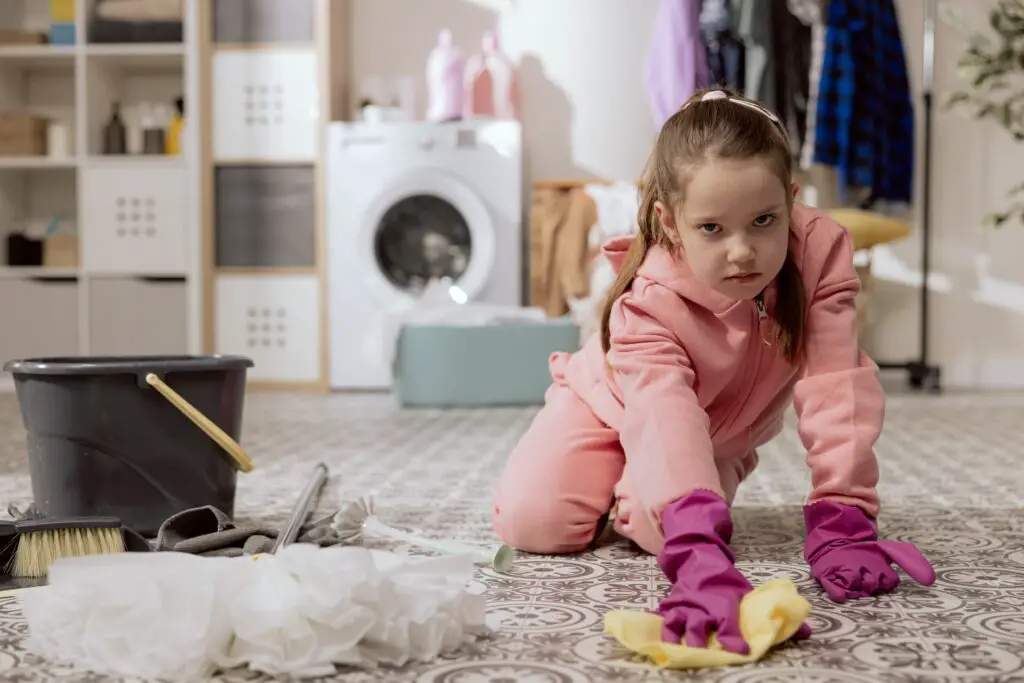
Before heading outside or turning on the TV, there was a quick cleanup. Toys, books, or projects were put away first. It was rarely a lecture, just an understood step. Fun came faster when things were in order.
That habit reinforced delayed gratification in a gentle way. You learned that taking a few minutes to reset made everything smoother. It also showed that enjoyment and responsibility could coexist. Discipline came from balance, not restriction.
6. Laying Out Clothes the Night Before

Choosing clothes ahead of time was a calm end of day ritual. It saved time and frustration in the morning. Nobody framed it as a rule, it just made sense. Mornings ran better because of it.
This routine taught planning and foresight. You learned that a little preparation reduced chaos later. Over time, thinking ahead felt natural rather than forced. Discipline showed up as ease.
7. Weekend Chores at a Set Time

Chores happened at the same time every weekend, usually before anything else. Once they were done, the rest of the day felt open. There was no bargaining because the pattern was predictable. Everyone knew what came first.
That consistency taught accountability without resentment. You learned that shared work was part of shared living. It also showed that effort created freedom afterward. Discipline came from routine, not reminders.
8. Walking or Riding Bikes After Dinner
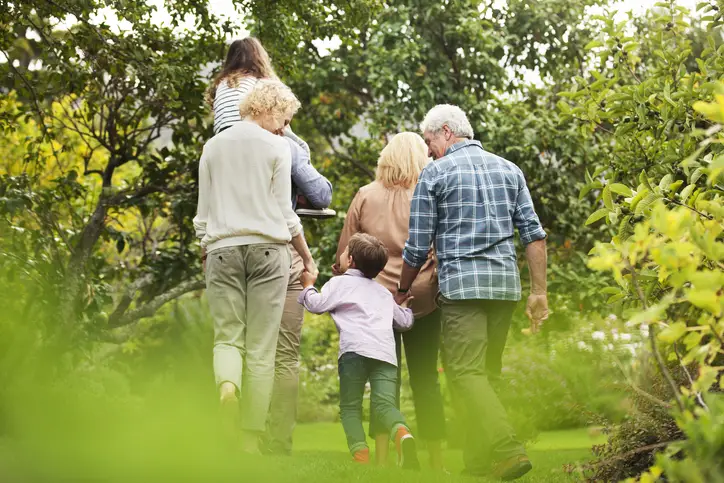
An evening walk or bike ride was simply part of the day. It wasn’t labeled as exercise or self improvement. It was just what happened after eating. Skipping it felt strange.
This routine taught commitment without pressure. You learned that showing up regularly mattered more than intensity. It also reinforced the idea of caring for yourself as a normal habit. Discipline arrived quietly through repetition.
9. Keeping a Regular Bedtime

Bedtime was steady, even on nights when no one seemed tired yet. There were rituals that led up to it, making the transition smooth. It wasn’t framed as control, just how nights ended. Sleep became predictable.
That consistency taught respect for rest and structure. You learned to wind down instead of pushing endlessly. Over time, listening to your body became easier. Discipline showed up as self regulation.
10. Returning Library Books on Time

Library books were returned promptly, often before the due date. There was pride in keeping the card clear. Late fees were avoided, not feared. Responsibility was assumed.
This routine taught follow through and respect for shared resources. You learned to track deadlines without stress. It also reinforced trust, since no one hovered over the return date. Discipline grew from ownership.
11. Helping with Dinner Prep

Helping in the kitchen was just part of being around. It might be setting the table or washing vegetables. The work was small but expected. No one made it a big deal.
This taught participation and reliability. You learned that contributing mattered even in minor ways. It also built comfort with responsibility early on. Discipline came from involvement, not obligation.
12. Putting Things Back Where They Belonged
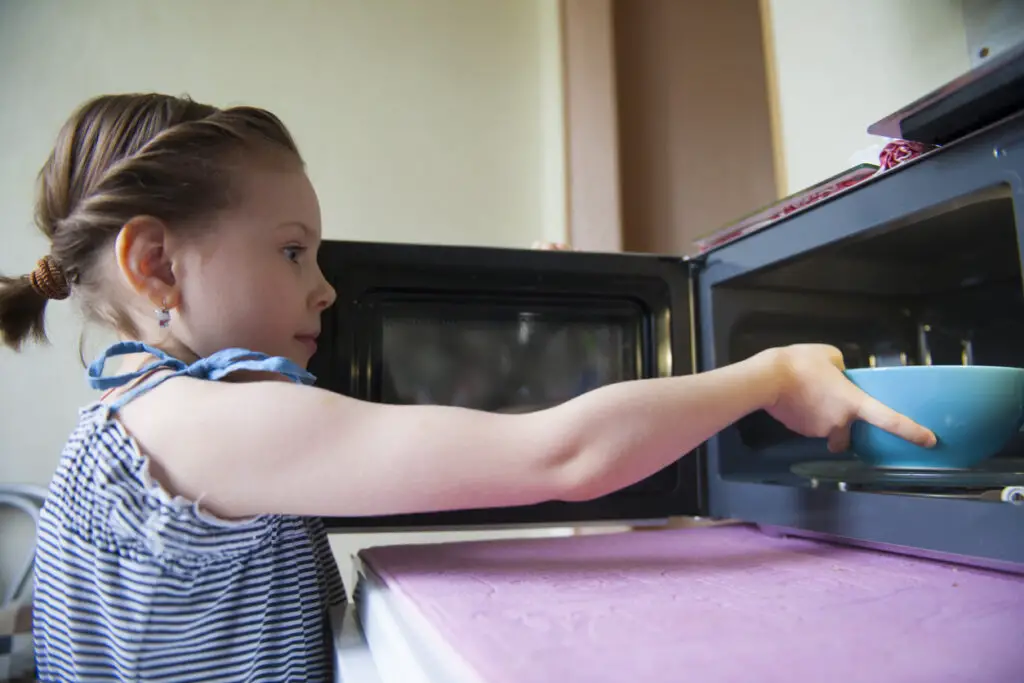
After using something, it went back to its place. Not because someone watched, but because that was the system. Losing things became rare. Order felt normal.
This habit taught respect for shared spaces. You learned that small actions saved time and frustration later. Over time, organization became automatic. Discipline developed through habit.
13. Morning Routines That Never Changed

Mornings followed the same general pattern every day. Wake up, get ready, eat, then go. The predictability reduced stress. Everyone moved through it smoothly.
This routine taught time management without lectures. You learned to pace yourself and stay on track. It also created a sense of stability. Discipline came from familiarity.
14. Saying Thank You and Goodbye

Thank yous and goodbyes were always said, even in a rush. It wasn’t enforced, it was modeled. The words became second nature. Courtesy was expected quietly.
This taught awareness and respect for others. You learned that small gestures mattered consistently. Over time, mindfulness became a habit. Discipline showed up as intentional behavior.