
1. Christopher Columbus
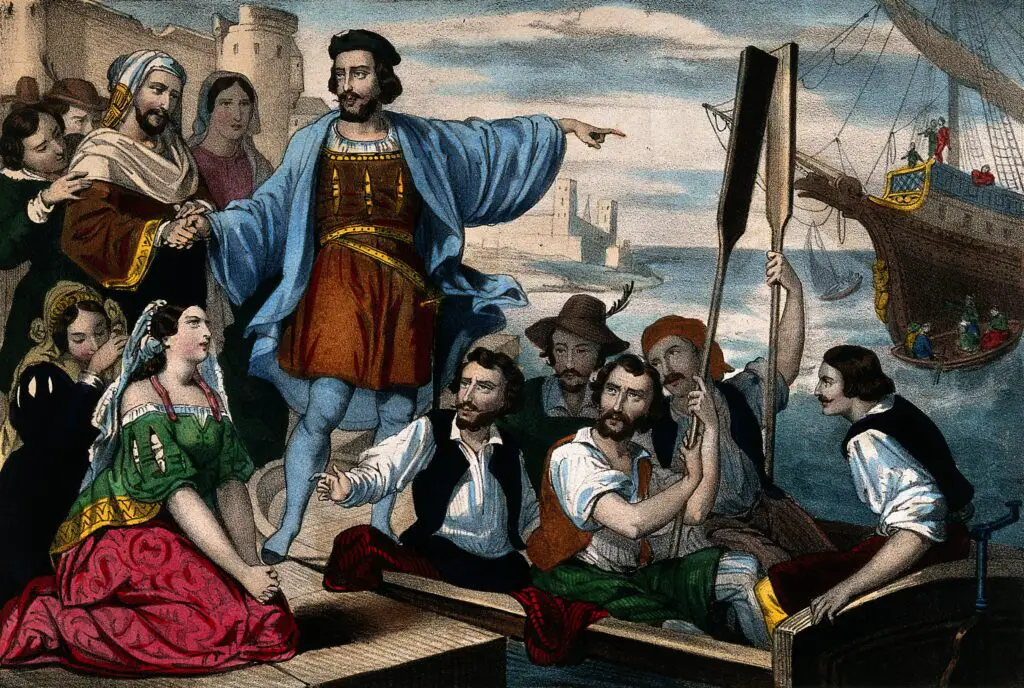
For a long time, Columbus was framed as a bold hero who “discovered” the New World, and many of us grew up with that simplified version. As adults, it’s harder to ignore what his voyages actually brought with them, including violence, forced labor, and devastation for Indigenous populations. Even by the standards of his own time, his governance was considered brutal. Spanish officials eventually arrested him for mismanagement and cruelty. That part rarely made it into the classroom posters.
None of this erases his historical impact, but it does change how that impact is understood. Exploration came at an enormous human cost that was glossed over for generations. The tidy legend leaves out the suffering that followed in his wake. It’s why many communities have reconsidered how, or if, he should be celebrated at all.
2. Thomas Edison
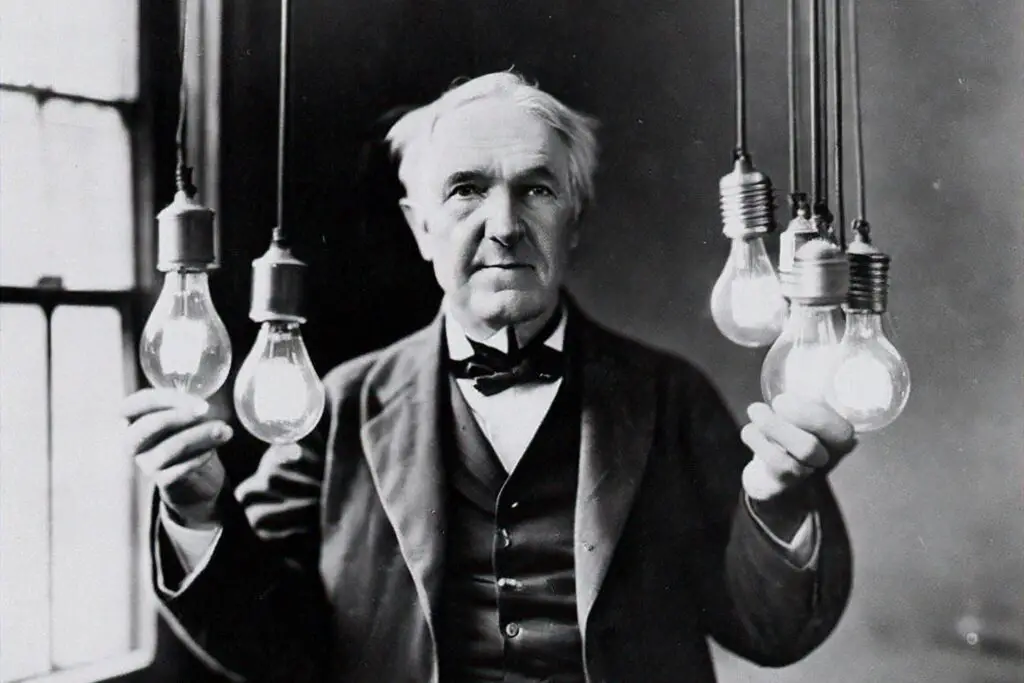
Edison is often remembered as the lone genius behind some of the most important inventions in modern history. What tends to get lost is how much of his success depended on teams of employees whose contributions went largely uncredited. He was also deeply involved in ruthless business practices designed to crush competitors. The myth of the kindly inventor doesn’t fully match the record.
His rivalry with Nikola Tesla is a good example of how reputation can tilt history. Edison’s campaigns against alternating current included fear tactics that harmed people and animals. While he undeniably shaped modern technology, the legend leaves out the moral compromises that helped secure his place at the top.
3. Napoleon Bonaparte
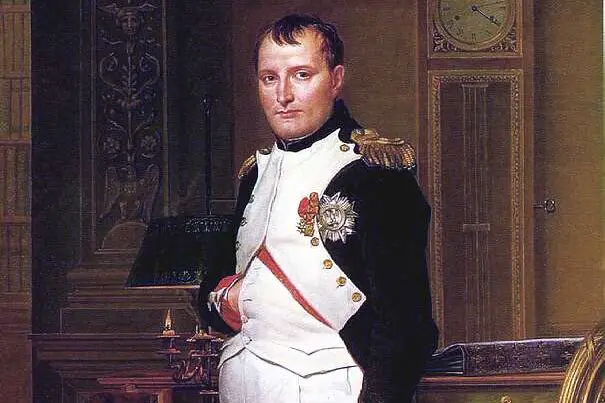
Napoleon is often admired as a military mastermind who rose from obscurity to dominate Europe. That image usually emphasizes strategy and charisma, not the staggering human cost of his ambitions. His campaigns left millions dead across the continent. For many civilians, his reign meant endless war and instability rather than glory.
He also rolled back democratic gains in favor of authoritarian control. The Napoleonic Code is frequently praised, but it sharply limited women’s rights. The legend celebrates the conqueror, while the consequences for everyday people are often treated as an afterthought.
4. Henry Ford
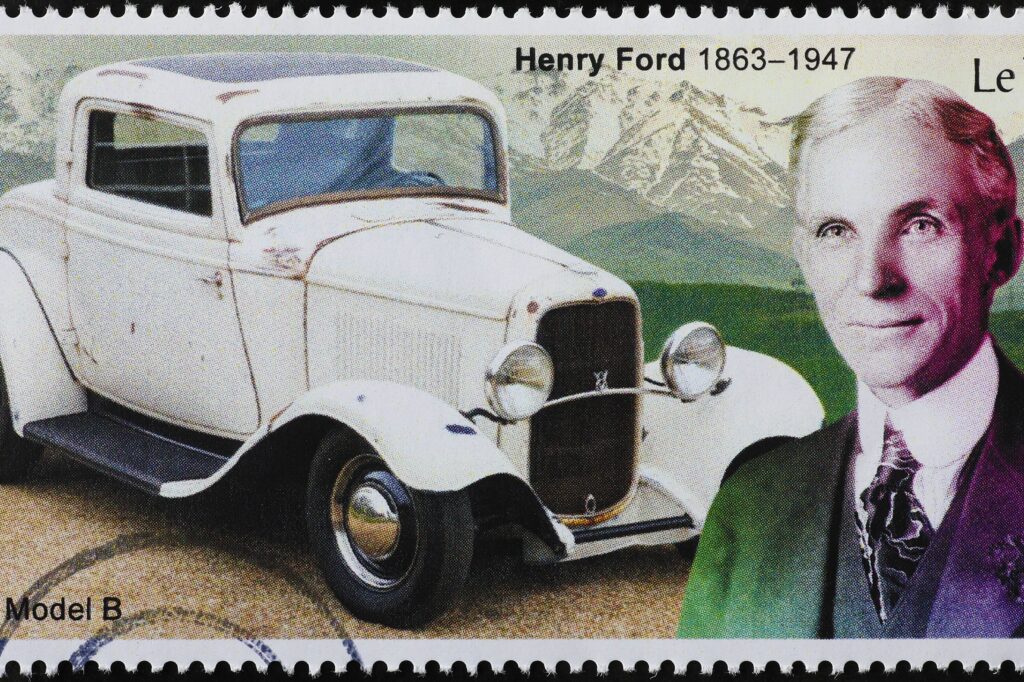
Ford is remembered as the man who put America on wheels and transformed manufacturing. The assembly line made cars affordable, but it also introduced grueling, repetitive labor that burned out workers. His image as a forward-thinking industrialist leaves out his deeply troubling personal views.
Ford was an outspoken antisemite who used his wealth to spread hateful propaganda. That part of his legacy is uncomfortable, and it’s often minimized or skipped entirely. Innovation and prejudice coexisted in his life, complicating the heroic narrative that usually surrounds his name.
5. Mother Teresa
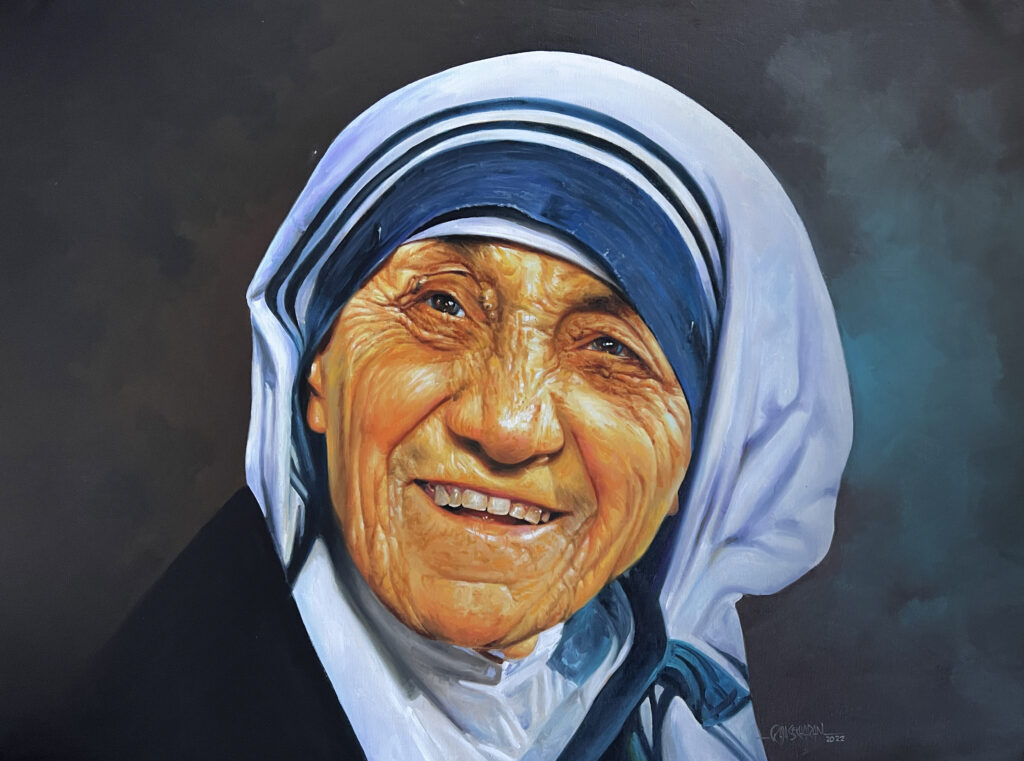
Mother Teresa became a global symbol of compassion and selfless charity. Over time, journalists and scholars raised serious questions about the conditions in the facilities she ran. Reports described inadequate medical care and a philosophy that glorified suffering rather than relieving it. Those accounts clash sharply with her public image.
She also accepted donations from controversial figures without scrutiny. Critics argue that her reputation benefited from powerful allies and careful media management. While many people found comfort in her message, the reality on the ground was far more complicated than the saintly image suggests.
6. John Wayne
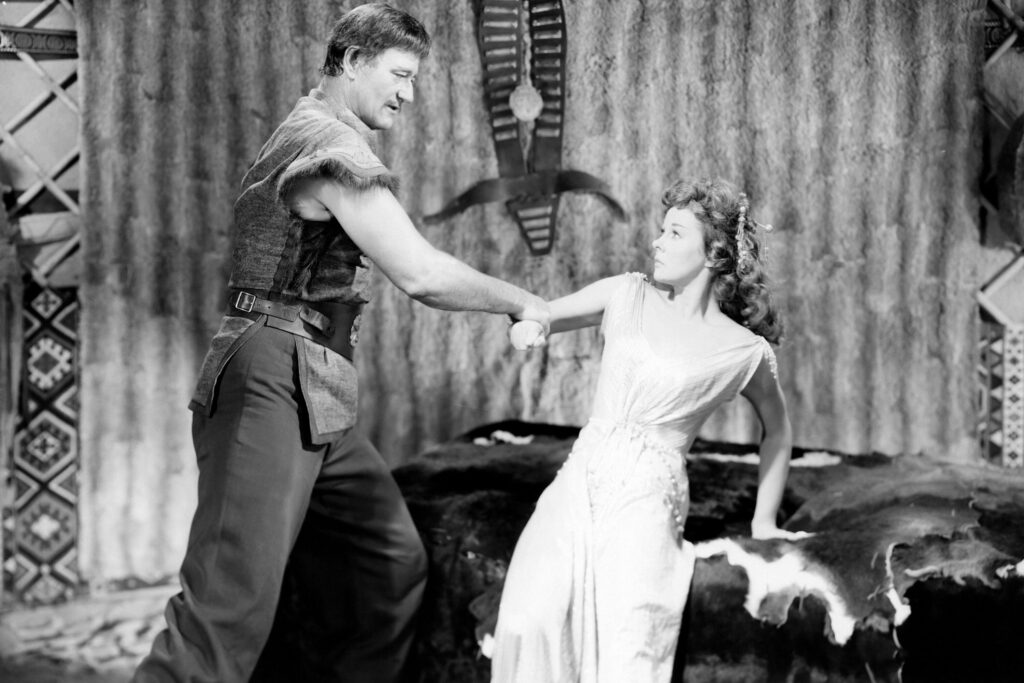
Wayne embodied the classic Hollywood idea of American toughness and moral certainty. His screen roles shaped how generations viewed heroism and masculinity. Off-screen, his public statements revealed views that many now find deeply troubling. He openly supported racial segregation and dismissed civil rights concerns.
Those comments make it difficult to separate the man from the myth. His films remain culturally influential, but his personal beliefs cast a long shadow. Rewatching his work today often comes with a sharper awareness of what was being promoted, intentionally or not.
7. Winston Churchill
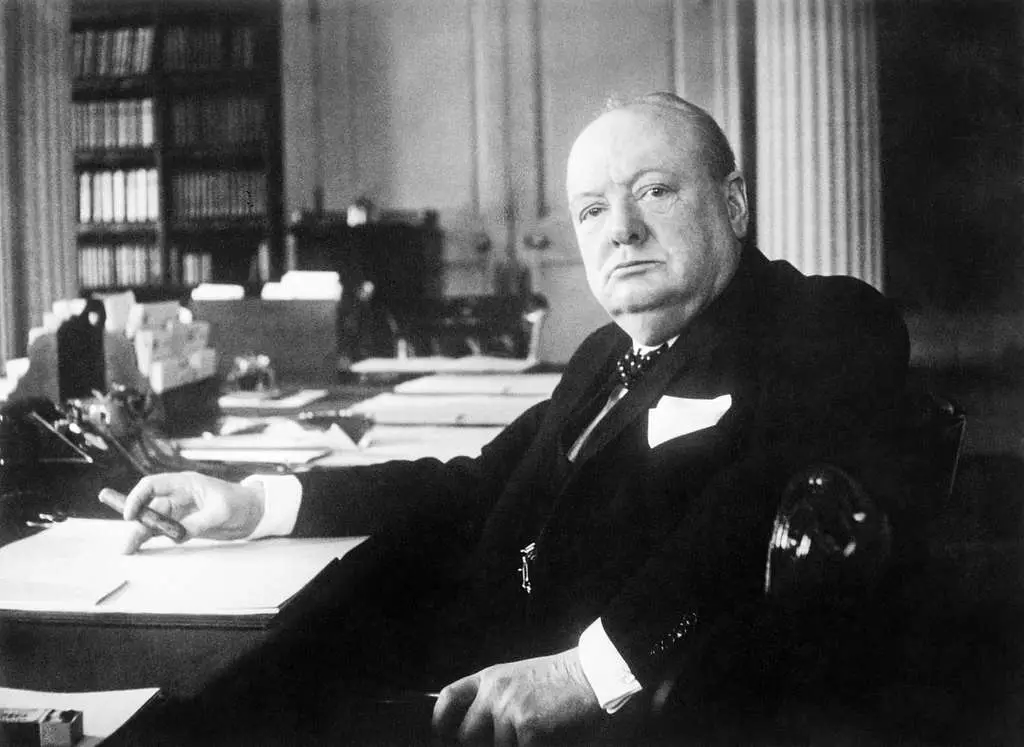
Churchill is rightly credited with rallying Britain during World War II. His speeches and resolve became symbols of resistance against fascism. At the same time, his record outside that moment is far less flattering. He held racist views and supported brutal colonial policies.
The Bengal famine of the ’40s is a particularly painful example, with decisions made under his leadership worsening a humanitarian disaster. Churchill’s legacy depends heavily on a specific chapter of history. Outside that chapter, the heroic portrait becomes far more conflicted.
8. Elvis Presley
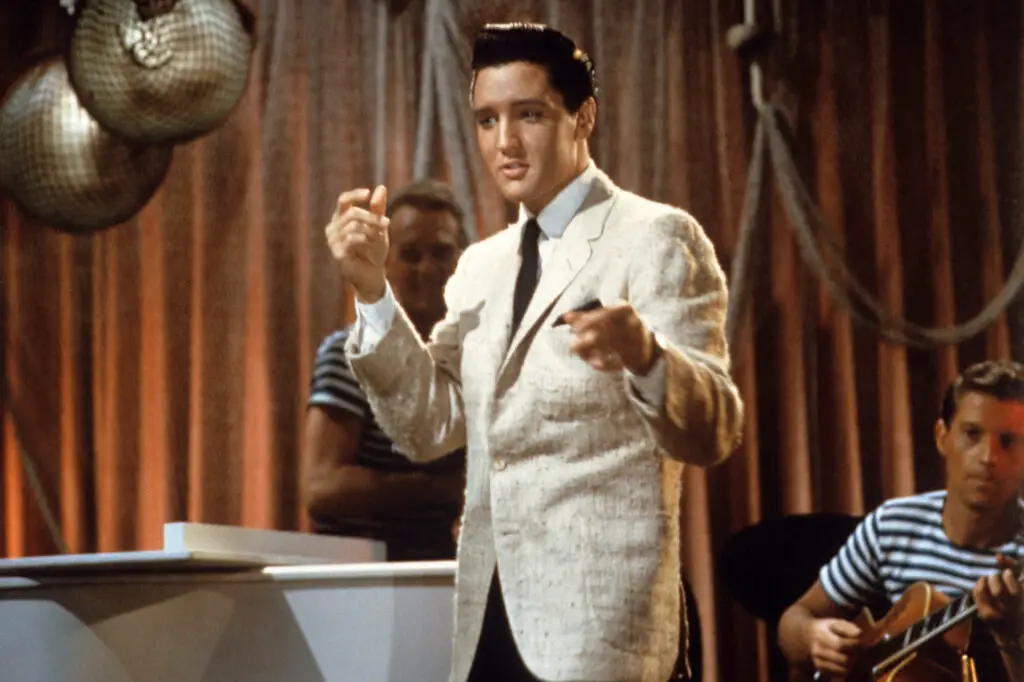
Elvis is often celebrated as the undisputed King of Rock and Roll. His influence on popular music is real, but the story often skips over where that sound came from. Much of his success relied on styles pioneered by Black artists who rarely received the same recognition or rewards.
There are also uncomfortable aspects of his personal life that get glossed over in nostalgic retellings. Age gaps in relationships and a highly controlled private world complicate the fairy-tale image. Elvis remains iconic, but the legend leaves out important context.
9. Che Guevara
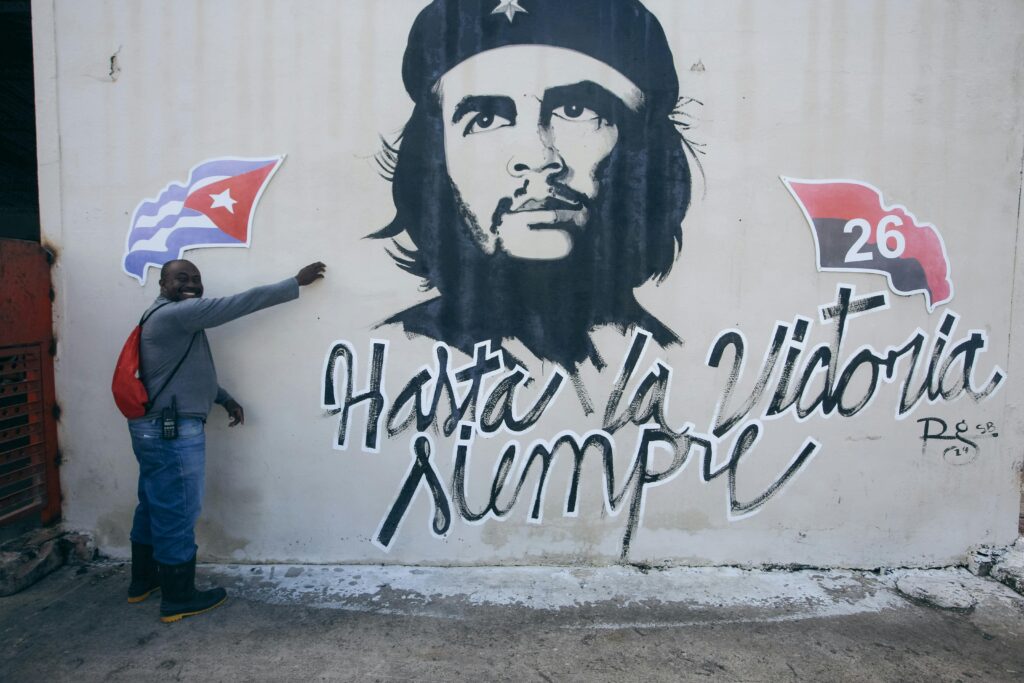
Che’s face has become a global symbol of rebellion and idealism. For some, he represents standing up to imperialism and injustice. Others point out that he was directly involved in executions and the establishment of repressive systems. That side of his history is often ignored on posters and T-shirts.
The romanticized image simplifies a life that included significant violence. Che’s ideals and actions don’t always align neatly. The gap between the symbol and the historical record is hard to ignore once you look closely.
10. Andrew Jackson
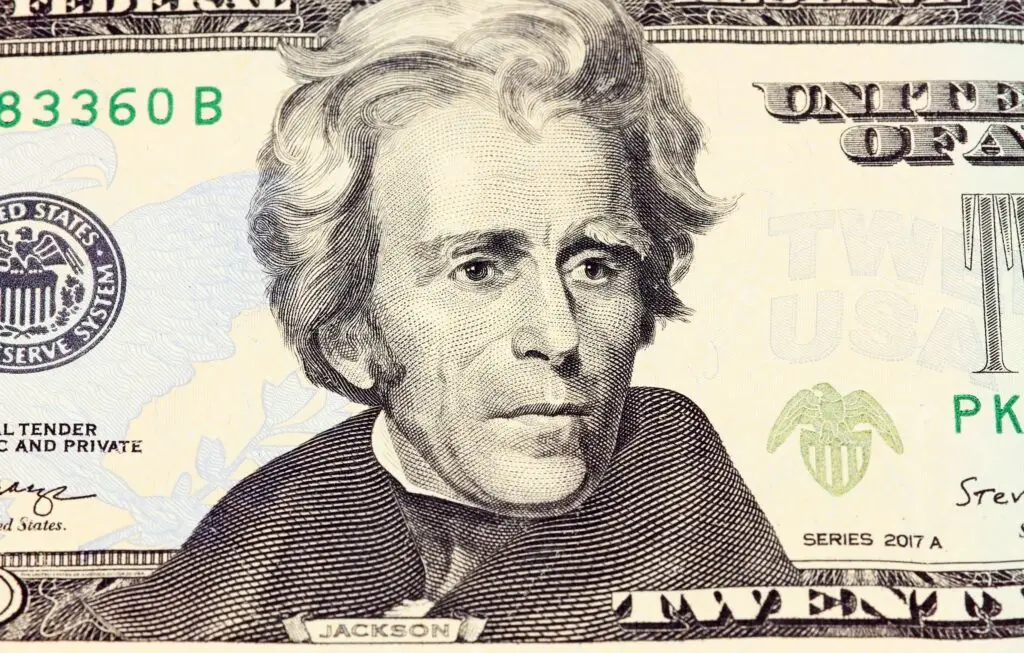
Jackson is frequently portrayed as a champion of the common man. His populist image helped cement his place in American folklore. What that narrative often omits is his central role in the forced removal of Native American tribes. The Trail of Tears caused immense suffering and death.
Jackson also expanded executive power in ways that worried his contemporaries. His legacy looks very different depending on who is telling the story. For many, the costs of his policies outweigh the legend of his toughness and independence.
11. Picasso
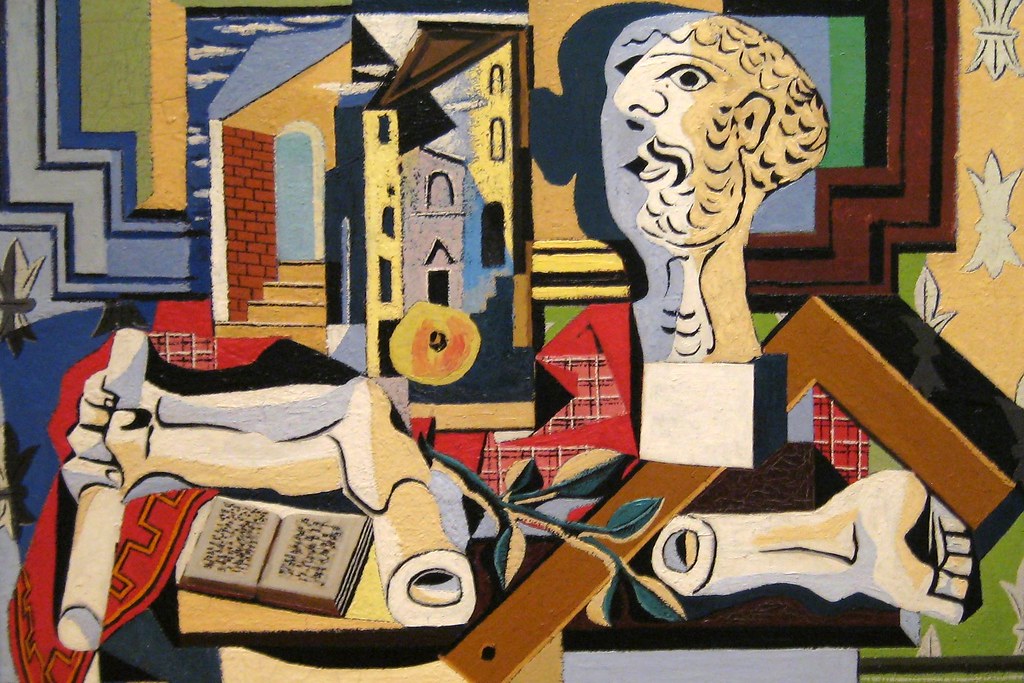
Picasso is almost universally hailed as a revolutionary artistic genius. His work reshaped modern art and influenced countless artists. Less discussed is how he treated many of the women in his life. Former partners described emotional abuse and manipulation.
Those personal relationships are deeply entwined with his art. Acknowledging them doesn’t diminish his talent, but it does complicate the myth. Genius and cruelty can coexist, even when history prefers to focus on only one.
12. Julius Caesar
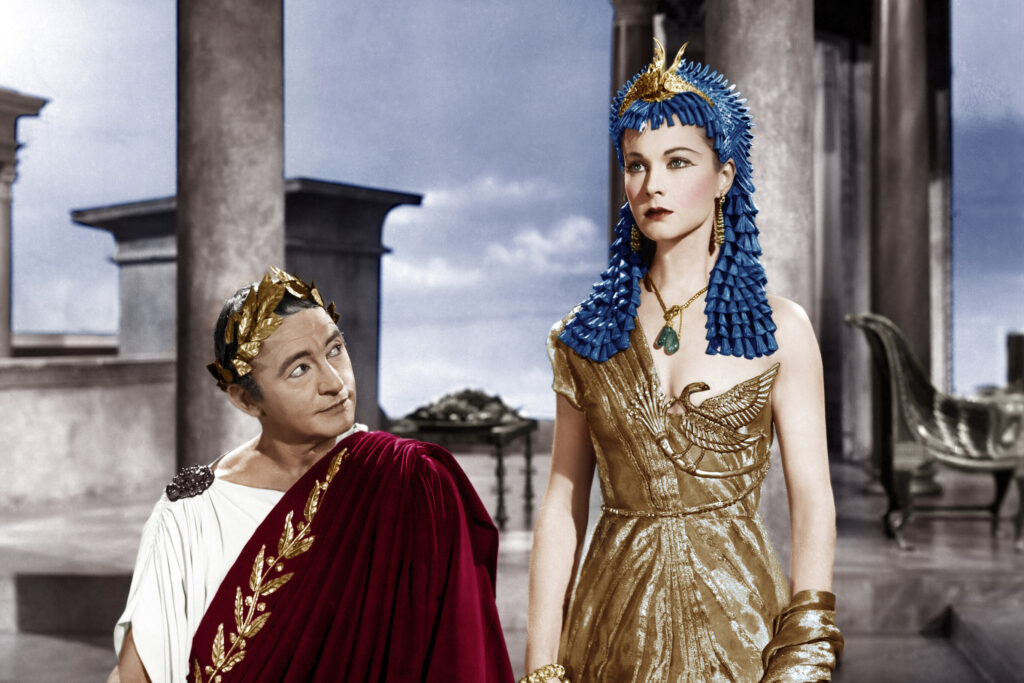
Caesar is remembered as a brilliant general and the man who transformed Rome. His military victories are often framed as inevitable triumphs of leadership. In reality, his campaigns involved extreme violence and the destruction of entire communities. The human toll rarely factors into the legend.
He also played a major role in undermining the Roman Republic. His ambition paved the way for imperial rule, not stability. Caesar’s reputation benefits from centuries of storytelling that favored power and conquest over consequences.
13. Thomas Jefferson

Jefferson is often celebrated as a champion of liberty and the principal author of the Declaration of Independence. That reputation sits uneasily alongside the reality that he enslaved hundreds of people over his lifetime. He wrote eloquently about freedom while personally benefiting from a system that denied it to others. This contradiction is no longer treated as a footnote, but as central to understanding who he was.
His relationship with Sally Hemings further complicates the image that long dominated textbooks. Modern scholarship broadly accepts that Jefferson fathered children with Hemings, who was enslaved and could not give meaningful consent. Jefferson’s ideas helped shape American democracy, but his personal choices reveal how limited his vision of equality truly was.
14. Mahatma Gandhi
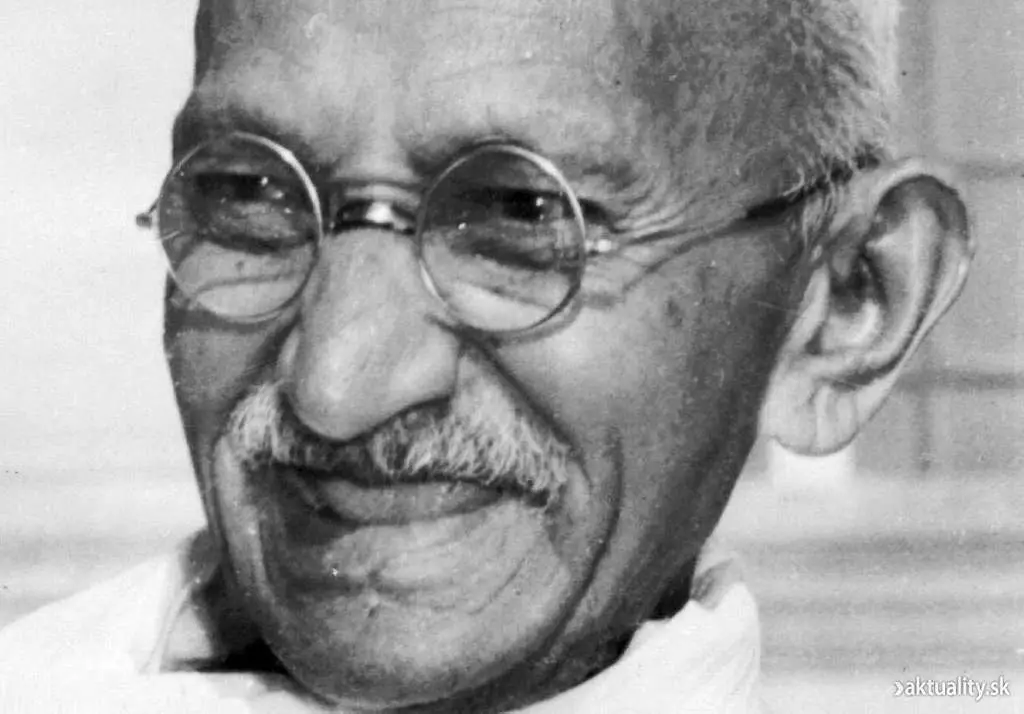
Gandhi is remembered worldwide as a symbol of nonviolence and moral resistance. His leadership played a major role in India’s independence from British rule, and his philosophy influenced civil rights movements across the globe. At the same time, his early writings reveal deeply troubling views about race, particularly during his years in South Africa. Those views are often absent from the simplified narrative.
There are also serious debates about his personal conduct, including his treatment of women and controversial “experiments” involving celibacy. Acknowledging these aspects does not erase his historical importance, but it does challenge the idea of Gandhi as an uncomplicated moral saint. His legacy, like his life, is far more conflicted than the iconography suggests.
15. Sigmund Freud
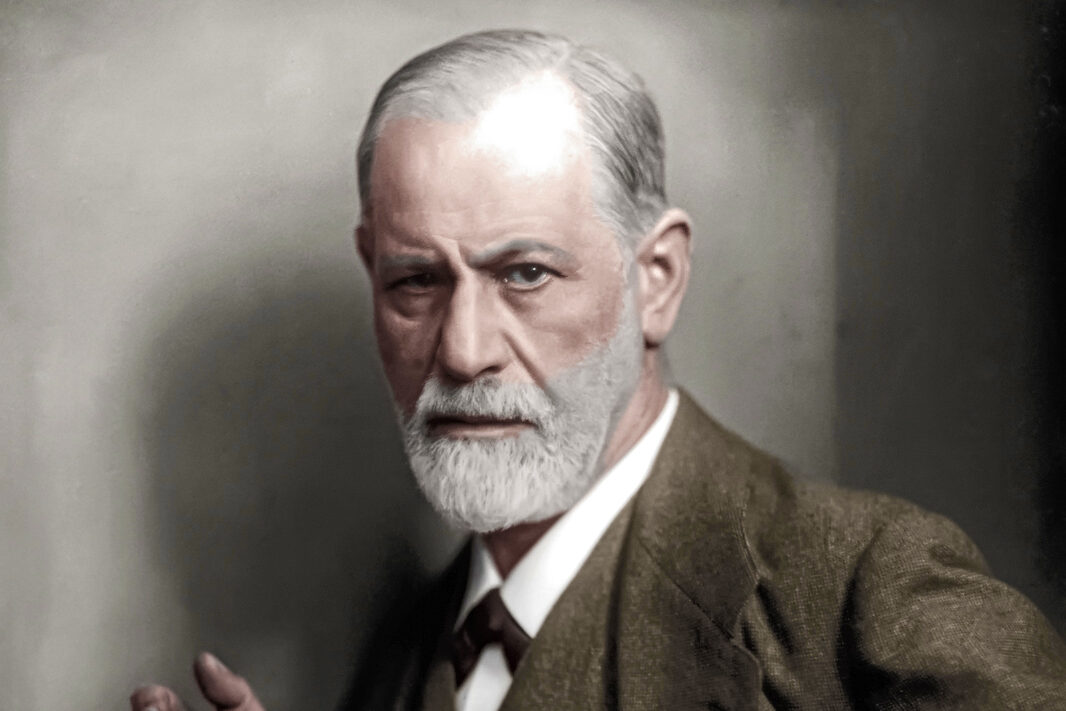
Freud is widely credited with transforming how people think about the human mind. Concepts like the unconscious and defense mechanisms remain part of everyday language. Yet many of his theories lack empirical support and are no longer accepted in modern psychology. His influence was enormous, even when his conclusions were flawed.
Freud also shaped his own legacy by controlling who could challenge him. Dissenting colleagues were often pushed out, and alternative ideas were dismissed rather than debated. While his work opened new ways of thinking, it also narrowed the field in ways that slowed scientific progress.
16. John F. Kennedy
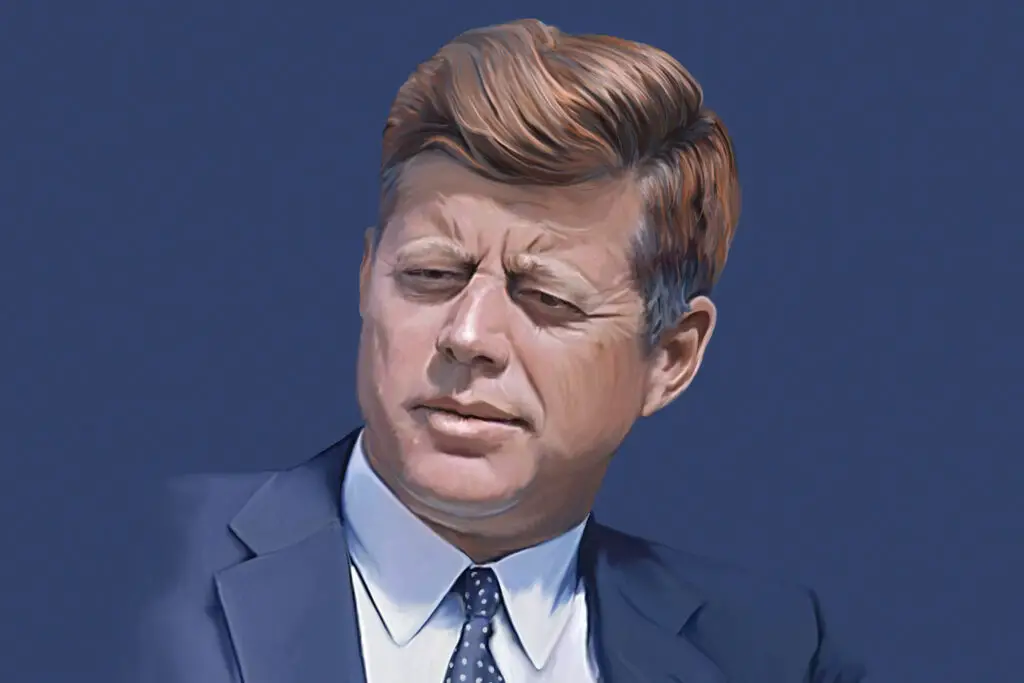
Kennedy’s presidency is often remembered through the lens of youth, optimism, and eloquent rhetoric. His assassination froze his image in time, reinforcing the idea of a golden era cut short. Behind the scenes, his administration made aggressive Cold War decisions that brought the world dangerously close to nuclear conflict. The Cuban Missile Crisis, often framed as a triumph, was also a product of earlier miscalculations.
His private life further complicates the myth. Chronic health problems were hidden from the public, and his personal relationships reflected a level of entitlement rarely addressed in nostalgic portrayals. Kennedy inspired a generation, but the polished legend obscures the risks and contradictions of his leadership.
17. Walt Disney
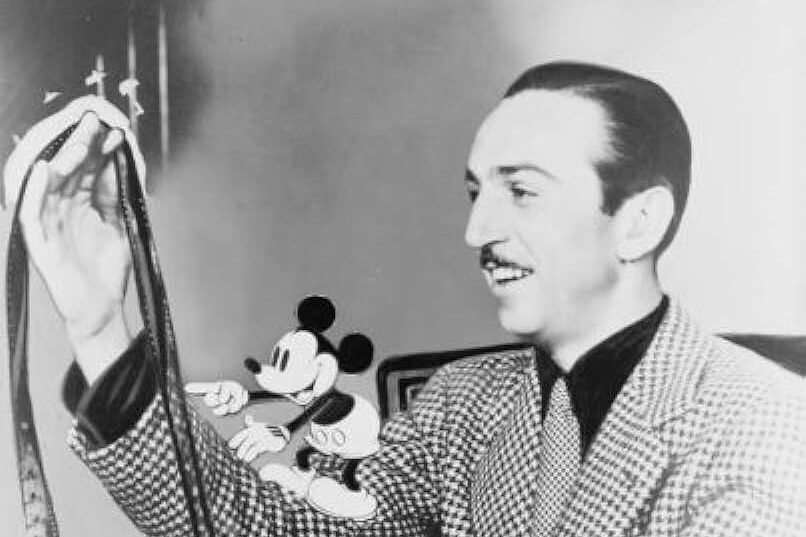
Disney is synonymous with childhood wonder and imaginative storytelling. The company he founded reshaped entertainment and global popular culture. Less discussed are Disney’s documented labor disputes and his role in fostering a hostile environment toward union organizers. The image of the benevolent dreamer leaves out these conflicts.
There have also been long-standing discussions about troubling stereotypes in early Disney films and allegations about Disney’s personal views. While the full extent of his beliefs is debated, the impact of those portrayals is clear. The magic he created exists alongside a legacy that is more complicated than the fairy tales suggest.
18. Alfred Nobel
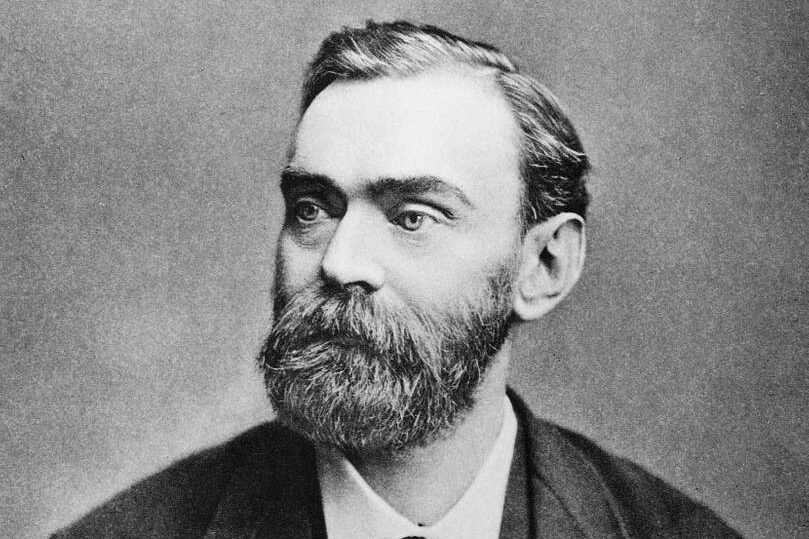
Nobel is best known today for the prestigious prizes that bear his name. During his lifetime, however, he made his fortune inventing and manufacturing explosives, including dynamite. His work significantly advanced both construction and warfare, a dual legacy that troubled him deeply. The prizes were, in part, an attempt to reshape how he would be remembered.
This effort at posthumous reputation management worked remarkably well. Nobel is now associated with peace, literature, and scientific achievement rather than weapons. Understanding his life means recognizing both the harm his inventions enabled and the deliberate steps he took to counterbalance that legacy.
19. Marie Antoinette
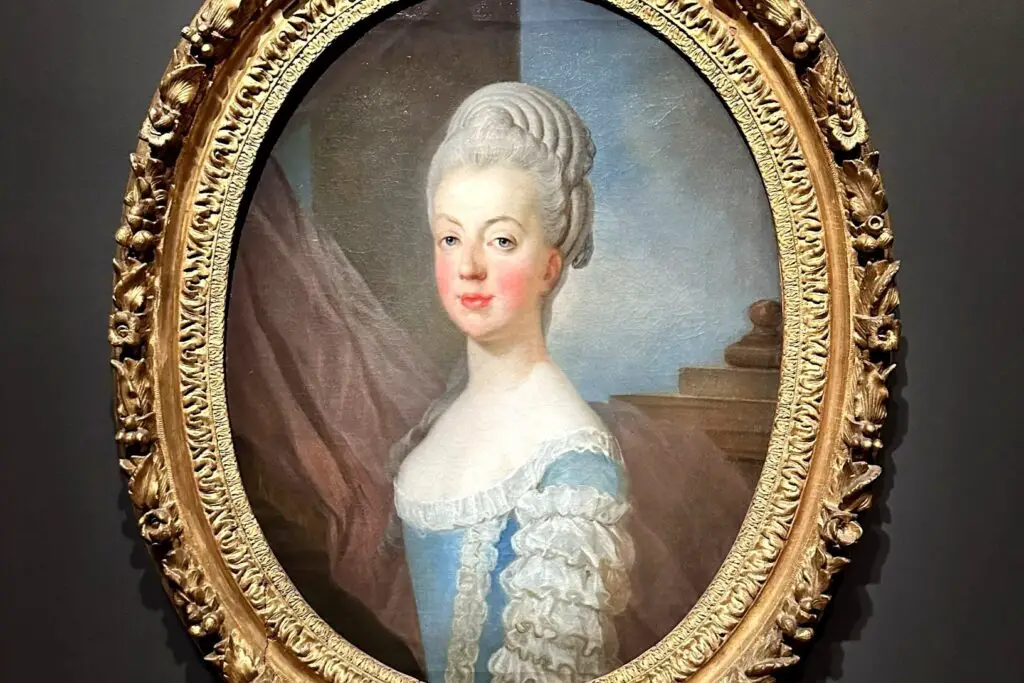
Marie Antoinette has long been caricatured as the ultimate symbol of royal excess. The famous phrase “let them eat cake,” though almost certainly misattributed, cemented her image as indifferent to suffering. In reality, she became a convenient target for widespread anger at a collapsing system. Her actual political power was more limited than legend implies.
That said, she was undeniably insulated from the hardships faced by ordinary people. Her lifestyle represented everything many revolutionaries despised about the monarchy. The truth lies somewhere between villain and victim, shaped as much by propaganda as by her own choices.