
1. Plain White Rice
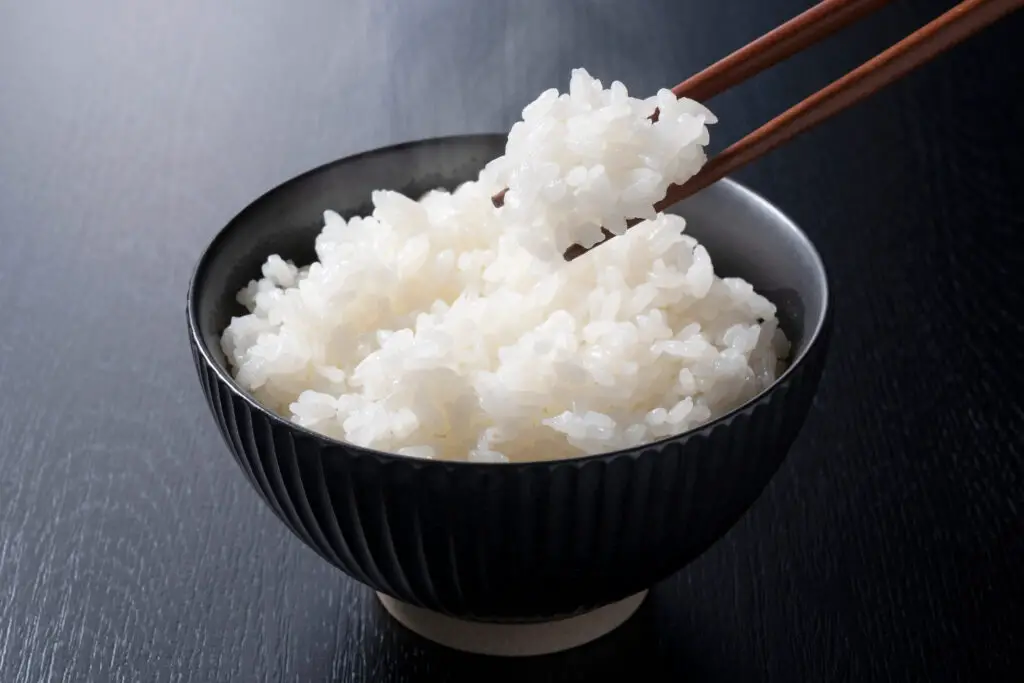
Plain white rice was the ultimate background food, reliable but never impressive. It filled plates and stomachs, but no one ever pointed to it as the reason dinner felt special. Serving it to guests could feel like admitting you ran out of ideas. It was often there to support other dishes, not to stand on its own.
For company, people worried it looked unfinished or overly basic. Without sauce, herbs, or butter, it sent the message that effort stopped halfway. Hosts tended to dress it up or swap it out entirely when guests were coming. Rice might have been comforting, but comfort was not always considered company worthy.
2. Buttered Noodles
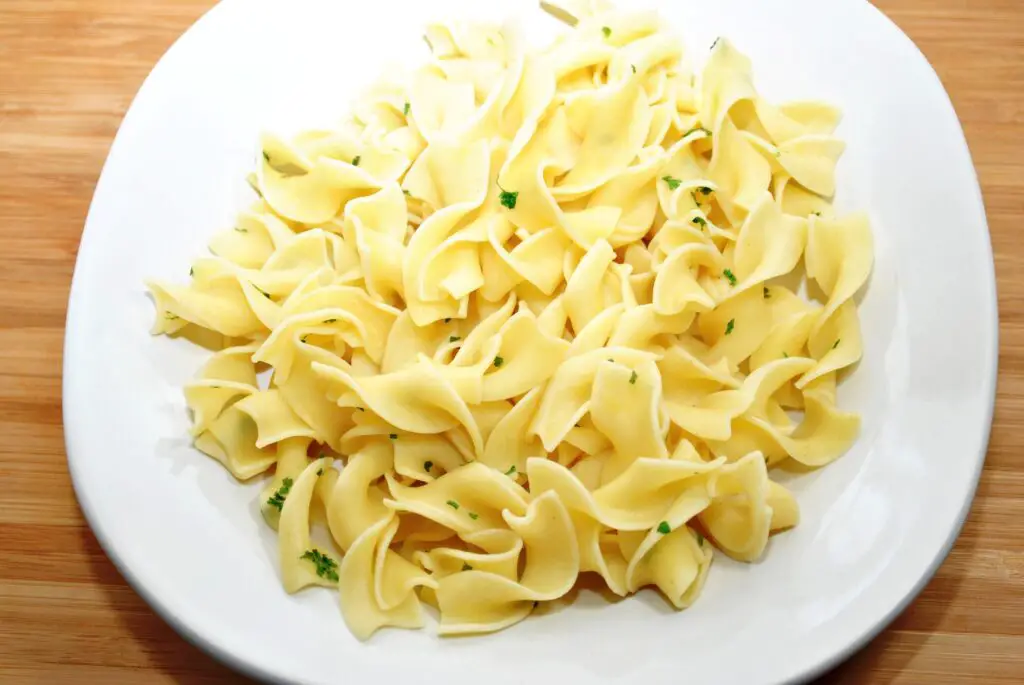
Buttered noodles were beloved by kids and tired adults alike. They were quick, familiar, and hard to mess up. That was exactly the problem when company was involved. They felt more like a fallback than a planned dish.
Putting them on the table for guests could feel almost apologetic. The simplicity suggested a lack of flair, even if everyone secretly liked them. Hosts often added garlic or cheese just to avoid embarrassment. Plain buttered noodles stayed firmly in the everyday category.
3. Boiled Potatoes

Boiled potatoes were filling and dependable, but visually uninspiring. They showed up on busy weeknights when energy was low. For guests, though, they could seem dull and unfinished. Without seasoning or texture, they looked like something missing its final step.
People worried they sent the wrong signal about effort. Roasting or mashing felt more acceptable for company. Boiled potatoes suggested practicality over presentation. That practicality was not always welcome at a dinner table meant to impress.
4. Cottage Cheese
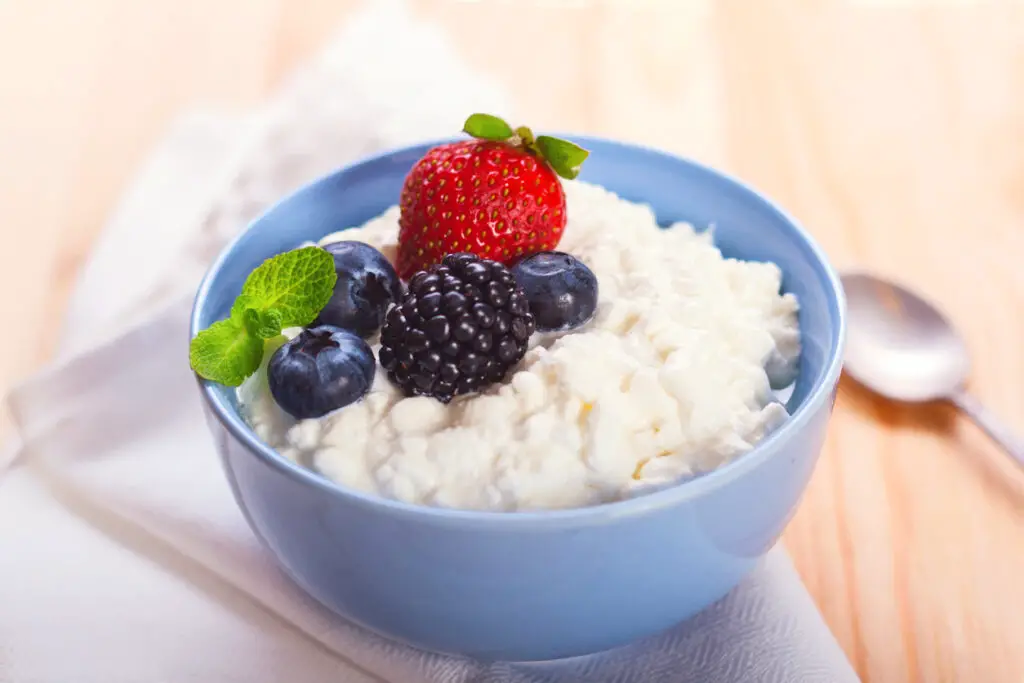
Cottage cheese carried strong opinions and very little glamour. It was associated with diets, lunches eaten alone, and quiet mornings. Serving it to guests felt oddly personal. It did not have the warmth or richness people expected when hosting.
Its plain look did not help matters. Even those who liked it understood why it stayed off company menus. It felt too casual and a little awkward to present. Cottage cheese was for the fridge, not the dining room.
5. Saltine Crackers
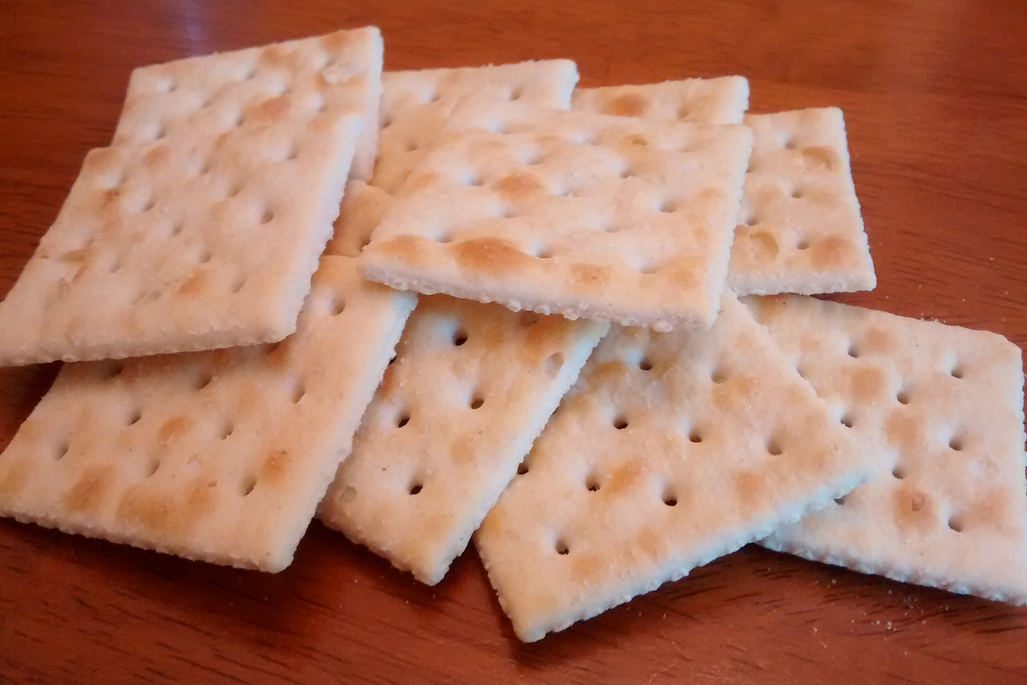
Saltine crackers were the definition of plain. They were there for soup nights, sick days, or quick snacks. Offering them to guests could feel like offering nothing at all. They lacked the sense of intention people wanted when hosting.
They were often replaced with fancier crackers when company arrived. Even though saltines were perfectly fine, they did not feel celebratory. Their blandness made them easy to overlook. No one wanted guests thinking that was the best option available.
6. Plain Toast

Plain toast was breakfast food, not entertainment food. It showed up in quiet kitchens early in the morning. Serving it to company felt unimaginative and rushed. Without toppings, it barely counted as a dish.
Hosts worried it suggested a lack of planning. Jam, butter, or cinnamon sugar usually had to make an appearance. Plain toast alone felt incomplete. It belonged to daily routines, not social occasions.
7. Boiled Chicken
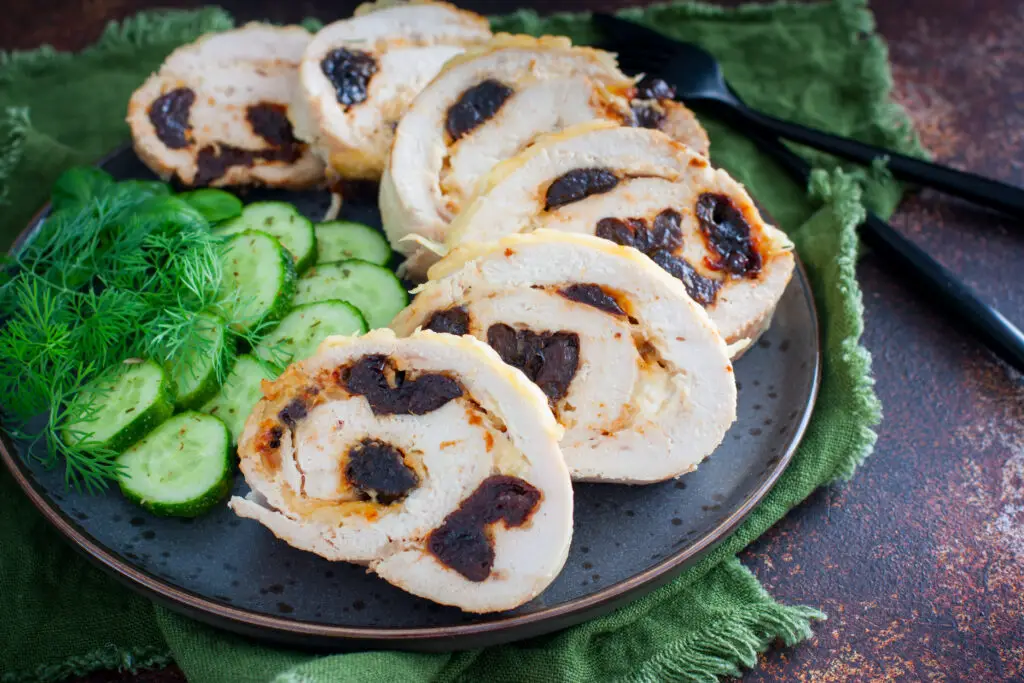
Boiled chicken was practical and nourishing, but not inviting. It was often associated with health concerns or limited diets. Putting it out for guests felt overly utilitarian. It lacked color, texture, and excitement.
Even people who appreciated simple food understood the hesitation. Boiled chicken looked like it belonged in a pot, not on a serving platter. Hosts preferred roasting or seasoning it heavily. Plain preparation was seen as too stark for company.
8. Plain Oatmeal
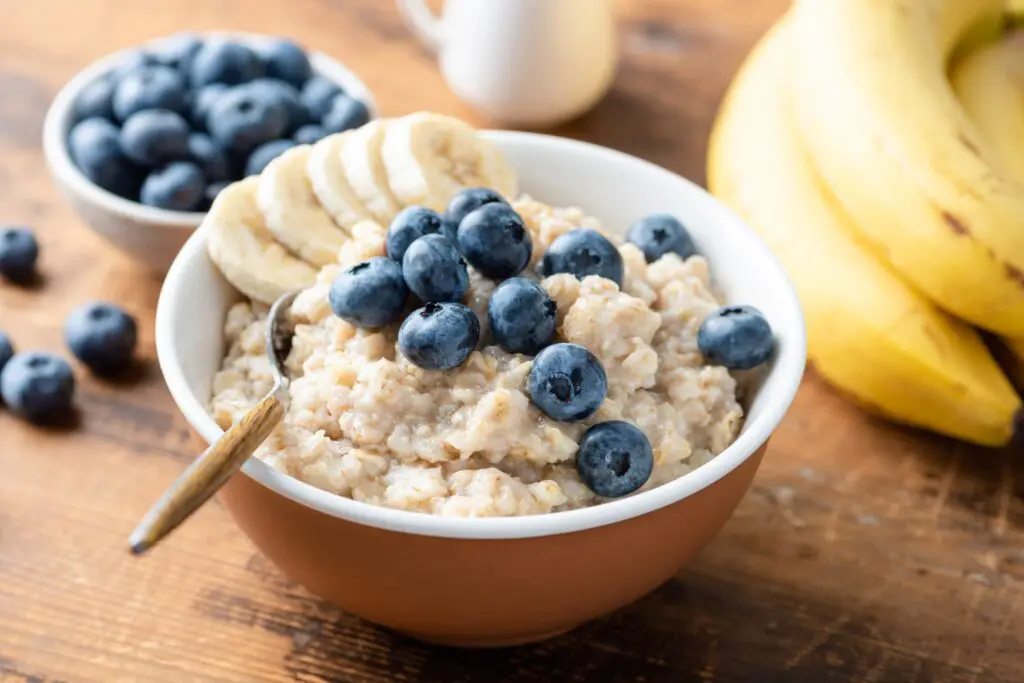
Plain oatmeal was comfort food meant for one. It was warm, filling, and quietly satisfying. For guests, though, it felt too personal and unadorned. It suggested routine rather than hospitality.
Without toppings, oatmeal seemed unfinished. People worried it looked like a half effort. Fruit, sugar, or cream were expected if anyone else was watching. Plain oatmeal stayed firmly in the solo breakfast category.
9. Applesauce

Applesauce was gentle and familiar, often linked to childhood or recovery days. Serving it to guests felt oddly intimate. It did not have the structure of a side dish or dessert. It simply sat there, soft and understated.
Its plainness made hosts nervous. Was it a condiment, a snack, or something else entirely. Applesauce lacked ceremony. That made it feel out of place at a company table.
10. Steamed Vegetables Without Seasoning
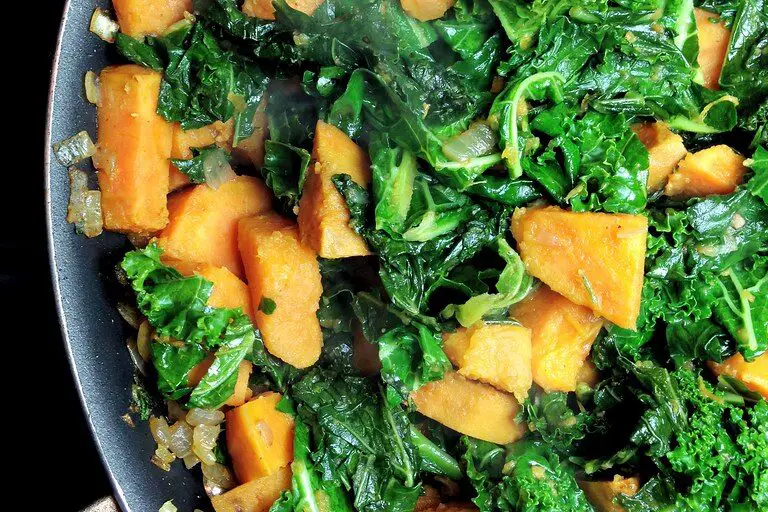
Steamed vegetables were healthy and responsible. Without seasoning, though, they felt like an obligation rather than a treat. Guests might eat them politely, but enthusiasm was not guaranteed. The absence of flavor was noticeable.
Hosts worried they seemed joyless. Butter, salt, or sauce often appeared at the last minute. Plain steamed vegetables suggested restraint, not generosity. That subtle message mattered when company was over.
11. Plain Yogurt

Plain yogurt was versatile but visually unremarkable. It worked well as a base or ingredient. On its own, it felt stark. Serving it to guests could feel unfinished.
People expected toppings or flavor. Without them, yogurt looked more like preparation than presentation. It belonged in the kitchen, not on the table. Plain yogurt was useful, but not impressive.
12. Hard Boiled Eggs

Hard boiled eggs were practical and protein rich. They were easy to prepare ahead of time. For guests, though, they felt oddly blunt. There was no softness or indulgence to them.
Without seasoning or garnish, they seemed abrupt. Hosts worried they looked too bare. Deviled eggs or salads felt safer. Plain hard boiled eggs stayed off the guest list.
13. Plain Pancakes

Plain pancakes were comforting but incomplete. They begged for syrup, butter, or fruit. Serving them without anything felt like stopping halfway. Guests might wonder if something was missing.
Hosts worried they looked dry or unfinished. Toppings turned them into a treat. Without those additions, pancakes felt like a placeholder. Plain versions stayed in everyday breakfasts.
14. Plain Soup Broth
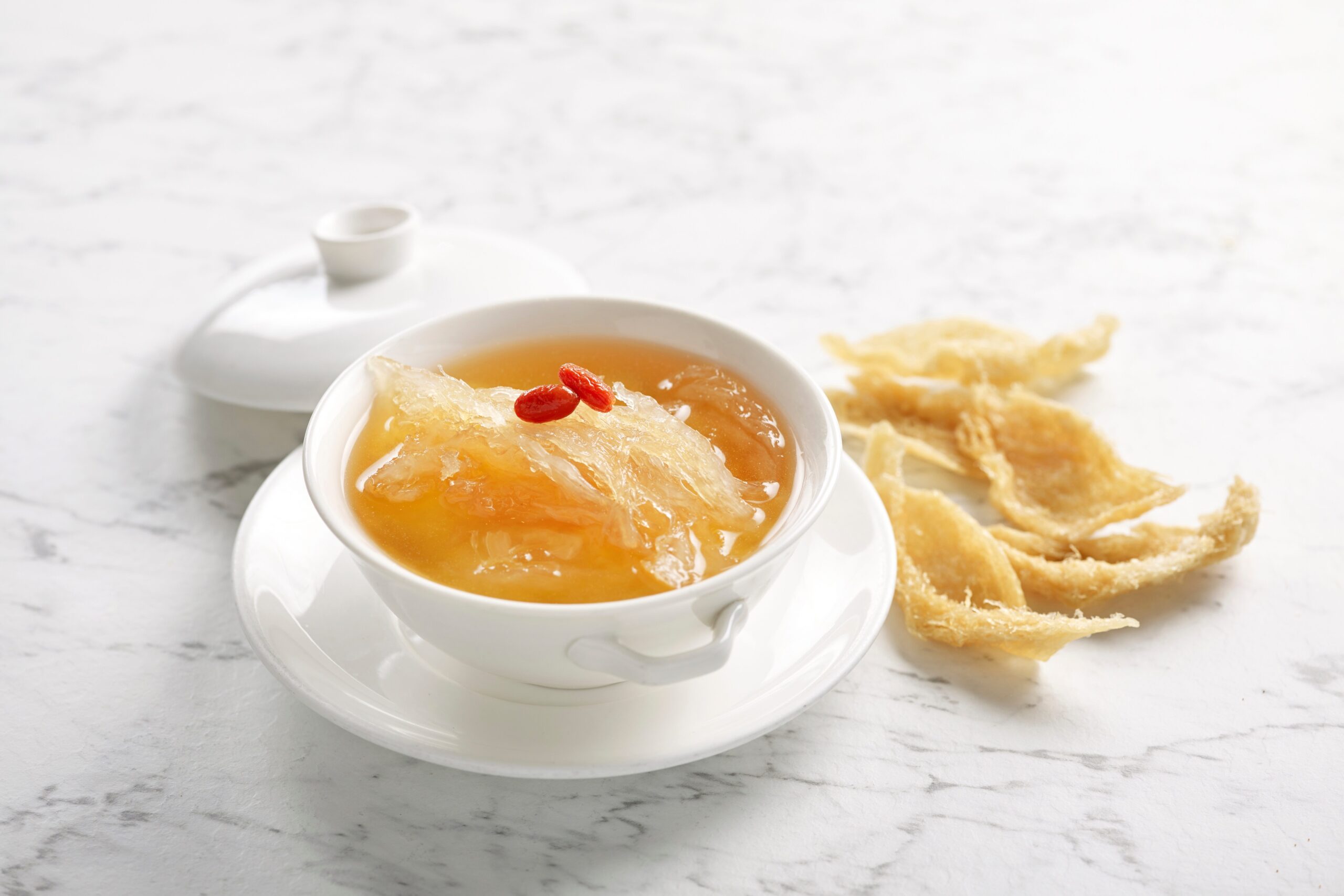
Plain soup broth was soothing and simple. It was often reserved for sick days or light meals. Offering it to guests felt overly minimal. It lacked substance and visual appeal.
People worried it looked like an afterthought. Broth needed noodles, vegetables, or something solid to feel complete. On its own, it seemed too sparse. Plain broth stayed quietly in the background, not on display.