
1. Grilled Cheese and Tomato Soup

Grilled cheese paired with tomato soup was the kind of meal that showed up without warning and instantly made a bad day feel manageable. It was simple, inexpensive, and somehow always tasted better when someone else made it for you. The bread was usually white, the cheese was whatever was in the fridge, and no one questioned the lack of variety. The soup came from a can more often than not, but it still felt warm and reassuring.
This combination quietly taught an entire generation that comfort did not need to be complicated. It showed up during sick days, snow days, and nights when nobody wanted to cook. The ritual of dipping the sandwich into the soup mattered just as much as the flavor. Even now, it carries a strong emotional pull that goes far beyond the ingredients.
2. Baked Macaroni and Cheese
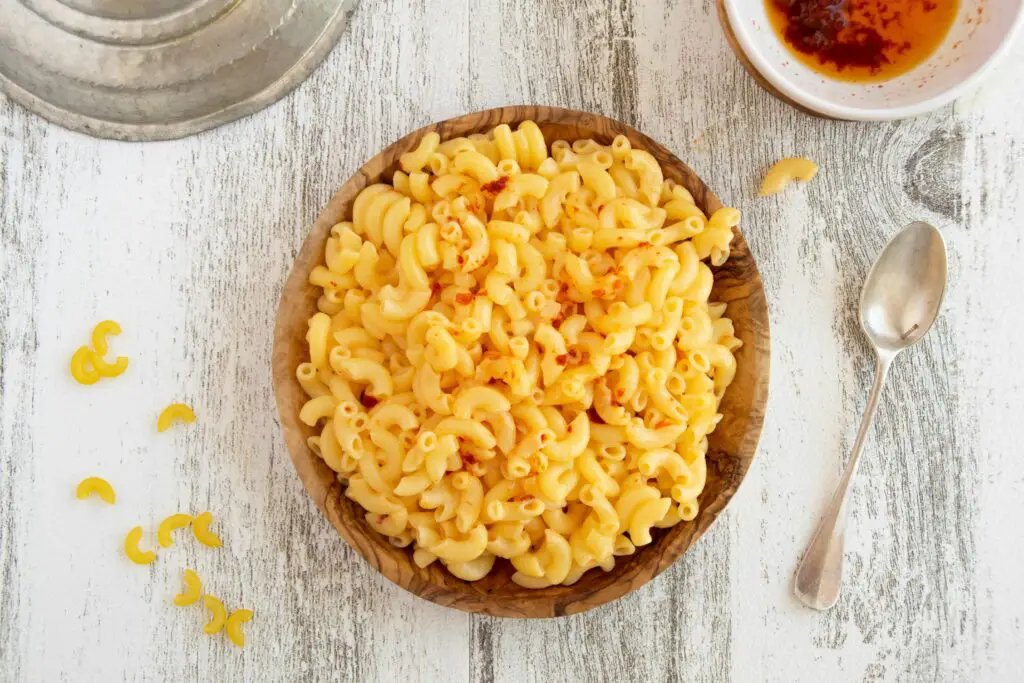
Baked macaroni and cheese felt like a step up from the boxed version, even if it still started with simple pantry staples. It usually appeared at family gatherings, church suppers, or Sunday dinners where the dish came out bubbling and slightly crispy on top. Everyone had a preference for how much cheese was too much, but nobody ever complained. It was filling in a way that made you feel settled for hours.
For many people, this dish became shorthand for home. It was familiar enough to trust and indulgent enough to feel special. Leftovers were just as good, sometimes better, the next day. That reliability is what made it quietly iconic.
3. Meatloaf
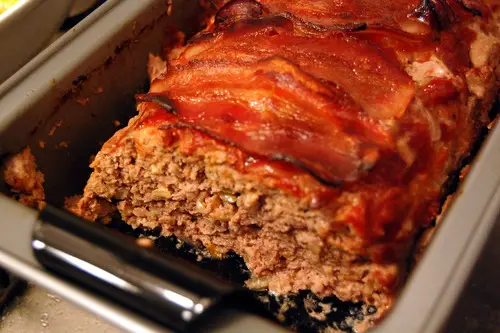
Meatloaf was rarely anyone’s favorite, but it was almost always there. It showed up sliced thick, usually topped with ketchup or a sweet glaze, and paired with mashed potatoes without question. It was practical food, built to stretch ingredients and feed everyone at the table. Somehow, that practicality became part of its charm.
Over time, meatloaf became a symbol of weeknight dinners and predictable routines. You knew exactly what it would taste like before the plate hit the table. That predictability offered a strange kind of comfort. It was never flashy, but it was dependable.
4. Chicken Noodle Soup
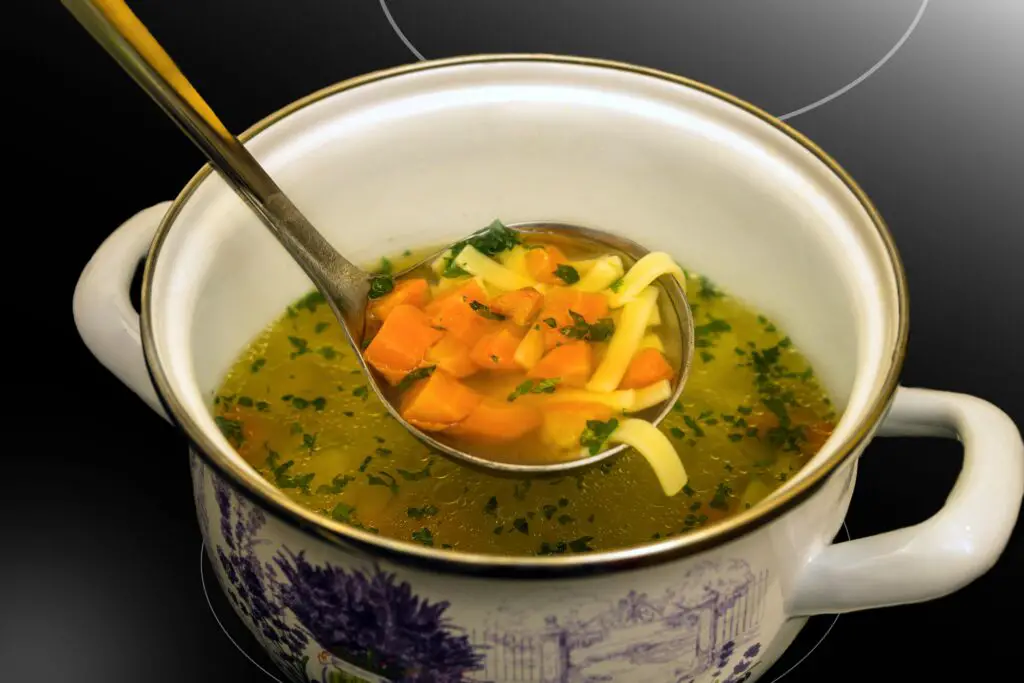
Chicken noodle soup carried an unspoken promise that things would get better. It appeared when someone was sick, sad, or just worn down. The broth was mild, the noodles were soft, and the chicken barely needed chewing. It was food designed to be gentle.
This soup taught a generation that care could be expressed through a bowl and a spoon. Even canned versions felt meaningful when served with intention. It was less about hunger and more about reassurance. Few foods carry that same emotional weight.
5. Mashed Potatoes

Mashed potatoes were the quiet anchor of countless dinners. They soaked up gravy, butter, and whatever else landed on the plate. Their softness made them easy to eat, and their neutrality made them impossible to dislike. They were always expected, never questioned.
For many families, mashed potatoes meant comfort without conversation. You ate them automatically, almost without thinking. They filled space and smoothed out sharper flavors. That subtle role made them essential.
6. Tuna Casserole
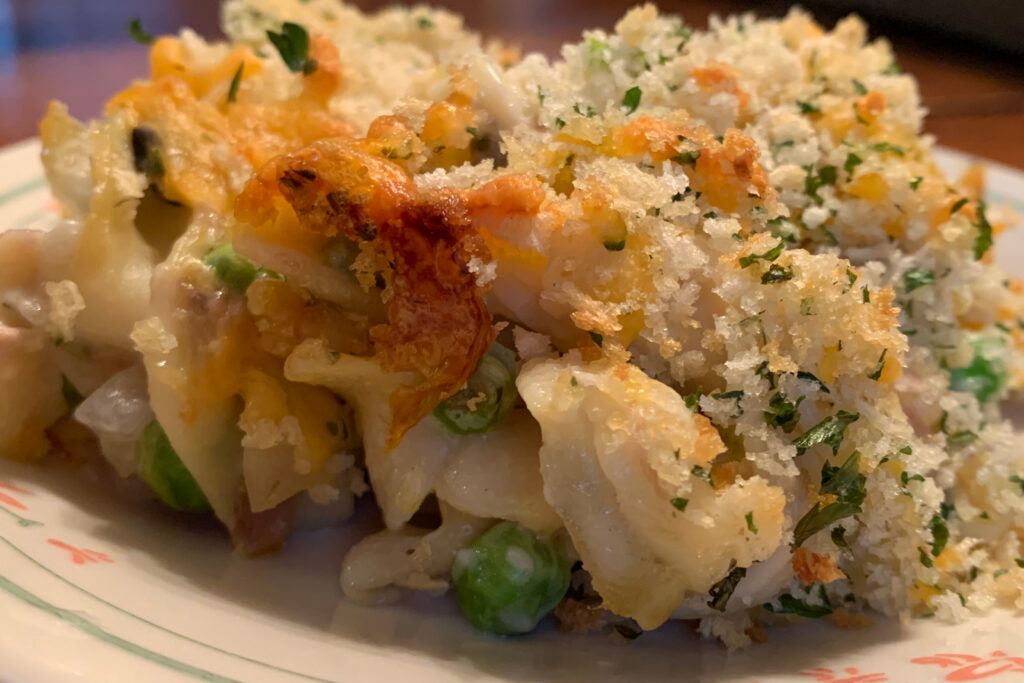
Tuna casserole was born out of convenience, but it became a fixture. It combined canned tuna, noodles, and something creamy, usually topped with crumbs or chips. It was affordable and filling, which mattered more than elegance. Many people grew up eating it regularly, even if they never asked for it.
This dish represented a time when stretching meals was part of daily life. It tasted like routine and practicality. Even those who claim not to like it remember it clearly. That lasting impression speaks to its place in the collective memory.
7. Pot Roast
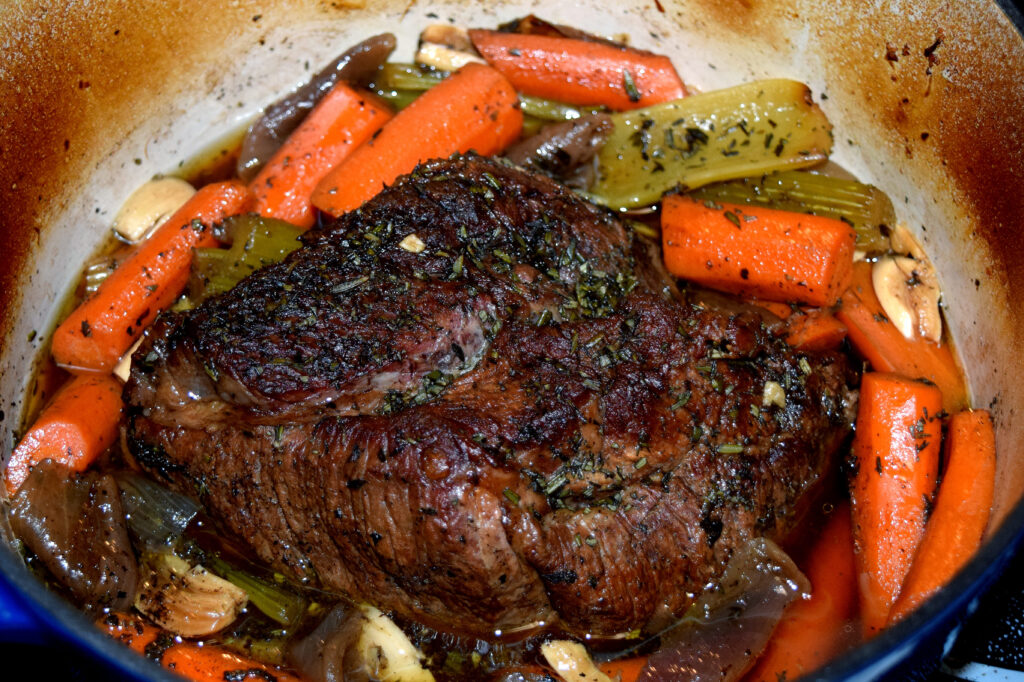
Pot roast was slow food before anyone called it that. It cooked for hours, filling the house with a smell that signaled dinner long before it was ready. The meat fell apart easily, surrounded by soft vegetables and rich juices. It felt substantial in a deeply satisfying way.
This meal taught patience and anticipation without saying a word. You knew it would be worth the wait. It was often saved for weekends or special family dinners. That sense of occasion helped define its comfort.
8. Sloppy Joes
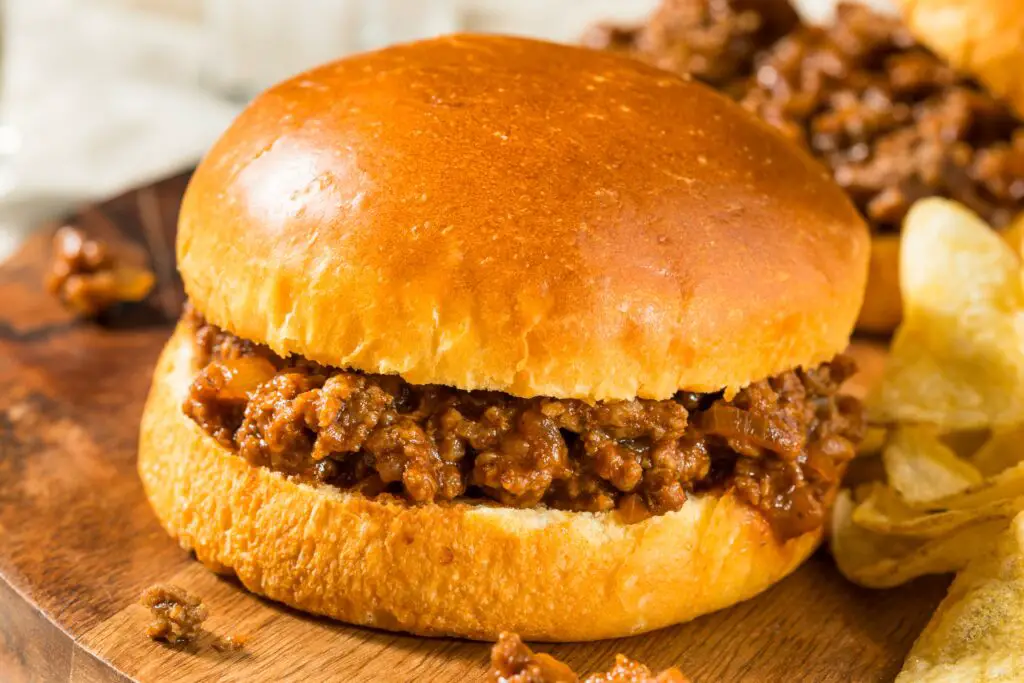
Sloppy Joes were messy by design, and no one tried to pretend otherwise. The sweet, tangy meat piled onto soft buns made eating feel informal and a little fun. Napkins were required, and spills were expected. It was dinner that did not demand perfection.
For kids especially, this meal felt permissive. It was loud, casual food that broke normal table rules. That looseness made it memorable. It still carries the feeling of being allowed to be a little careless.
9. Chicken Pot Pie
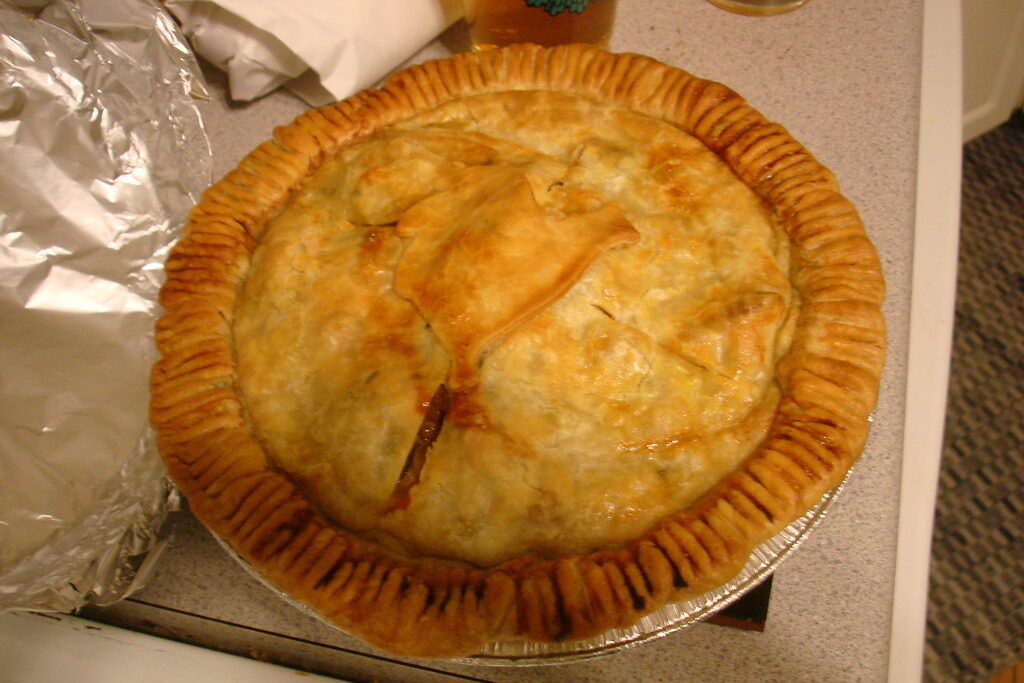
Chicken pot pie felt like a complete meal wrapped in pastry. The creamy filling, dotted with vegetables, promised warmth with every bite. It was often store-bought, but that did not diminish its appeal. Cutting into the crust always felt like a small event.
This dish blended convenience with comfort seamlessly. It looked hearty and tasted familiar. For many families, it was the kind of meal you served when you wanted something reliable. Its staying power comes from that balance.
10. Creamed Corn
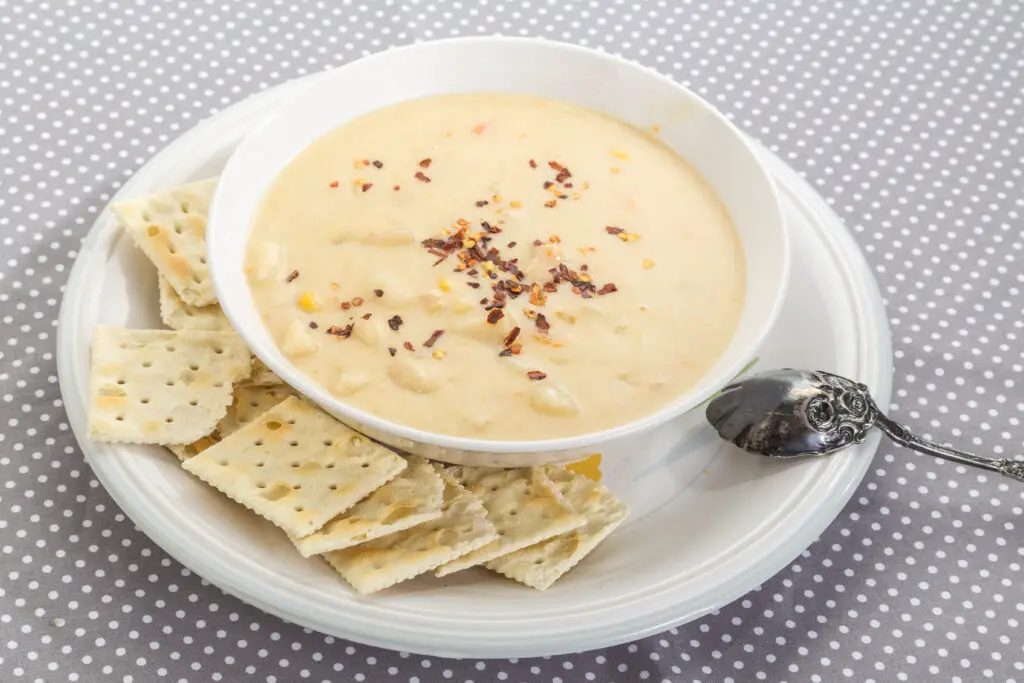
Creamed corn showed up quietly, usually in a small dish passed around the table. It was sweet, soft, and easy to overlook until you realized how often it was there. It paired well with almost everything without demanding attention. That subtlety made it a staple.
This side dish became part of the background of many meals. It was dependable and unchallenging. You rarely craved it, but you missed it when it was gone. That understated presence helped define it.
11. Fried Chicken
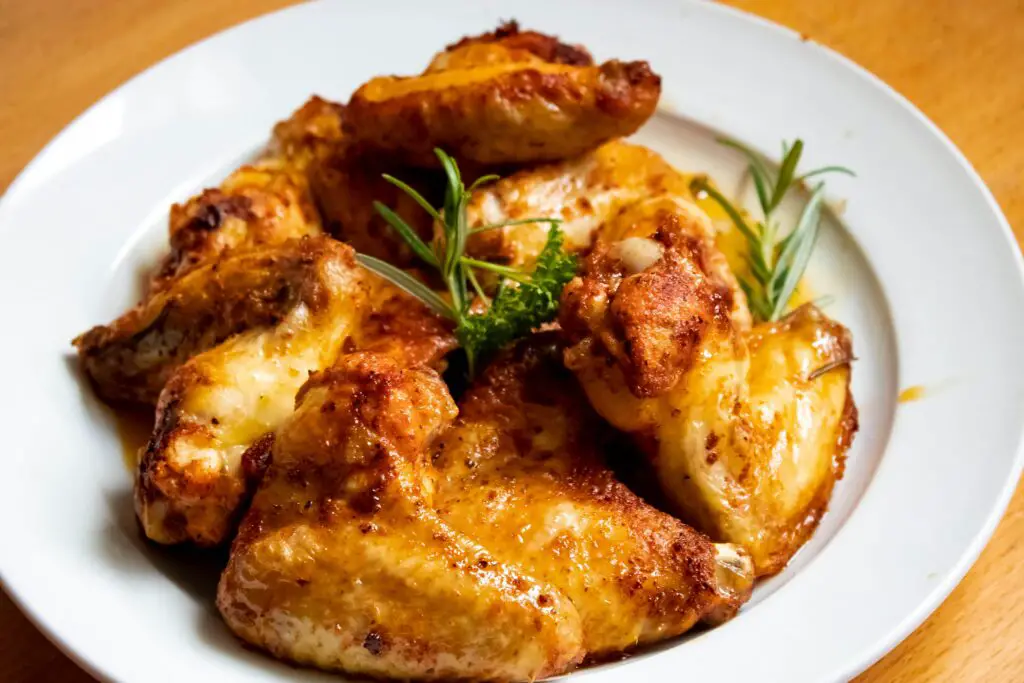
Fried chicken was rarely everyday food, which made it feel special. The crispy coating and juicy meat delivered immediate satisfaction. It was often eaten by hand, making it feel more relaxed than other dinners. Leftovers were prized.
This dish marked celebrations, picnics, and family gatherings. It carried a sense of abundance and indulgence. Even when it came from a bucket, it felt communal. That shared enjoyment made it unforgettable.
12. Rice Pudding

Rice pudding was a dessert that felt gentle rather than exciting. Warm, lightly sweet, and softly textured, it was often served in small bowls. It felt old-fashioned even when you were young. That sense of history added to its comfort.
This dessert taught restraint and simplicity. It was not about bold flavors or presentation. It was about warmth and familiarity. Many people associate it with quiet evenings and calm moments.
13. Pancakes for Dinner

Pancakes for dinner felt like a small rebellion against routine. Breakfast foods showing up at night made the meal feel special without extra effort. The syrup, the stack, and the familiarity all worked together. It was comforting because it was unexpected.
This meal blurred the line between rules and treats. It reminded families that dinner did not always have to be serious. That flexibility became part of its charm. It still feels like permission in edible form.
14. Applesauce

Applesauce was often served as a side, not a dessert, and no one questioned it. It was smooth, sweet, and uncomplicated. It paired just as easily with pork chops as it did with nothing at all. It felt safe.
This humble dish became a constant presence at the table. It was easy to eat and easy to like. For many, it was one of the first foods they remember enjoying. That early familiarity helped define its quiet legacy.