
1. Creamed Tuna on Toast
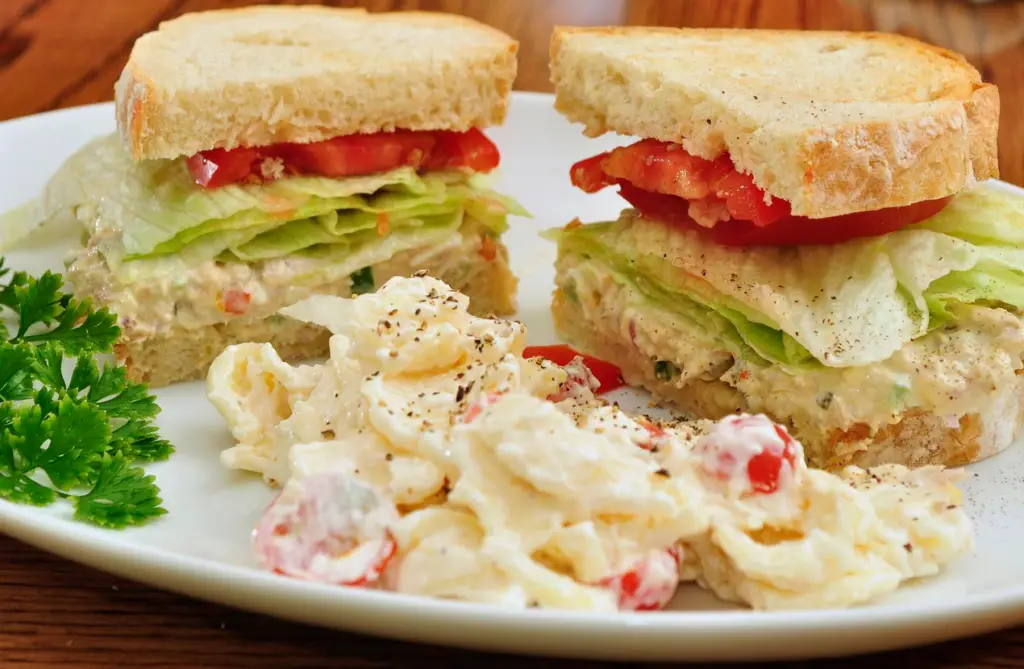
This was the kind of meal that appeared without warning, usually on a night when nobody felt like cooking. Creamed tuna had a way of smelling stronger than it tasted, which is part of why it stayed in the family circle. It was filling, inexpensive, and easy to stretch when groceries were running low. Kids often remember picking at it while parents insisted it was perfectly good food. It also felt oddly old fashioned, like something learned from a parent who learned it from theirs.
Despite its practicality, it was never something you offered to company. The texture alone made people self conscious about serving it to anyone who did not grow up with it. Even families who liked it knew it came with a certain stigma. It was comfort food, but only in private. When guests were coming, it quietly stayed off the menu.
2. Liver and Onions
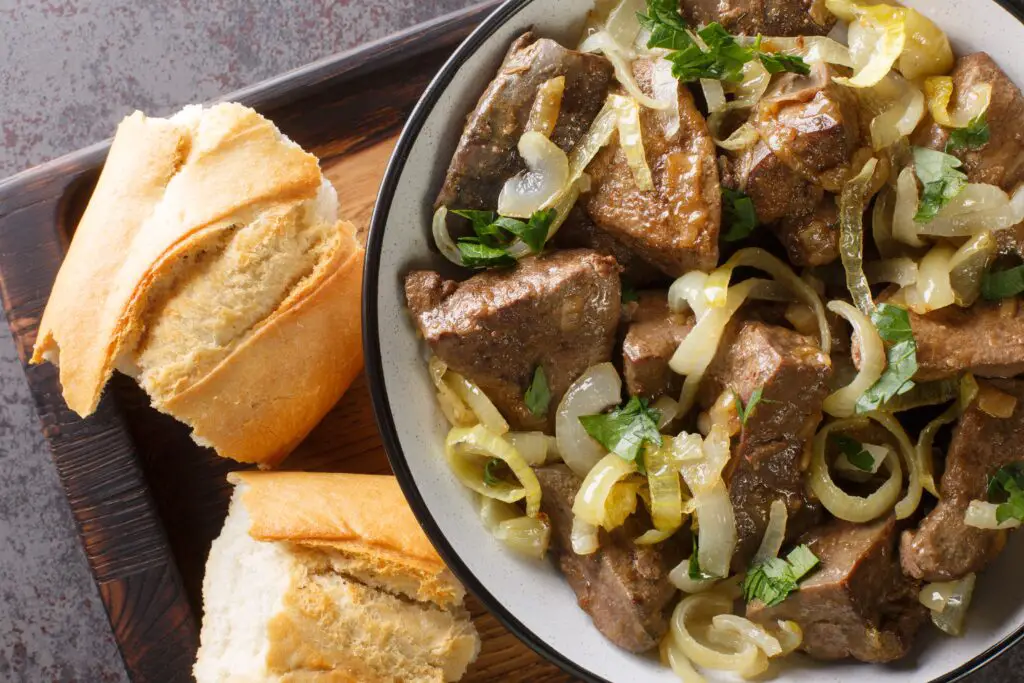
Liver and onions had a reputation long before it hit the table. Parents often framed it as something you ate because it was good for you, not because you enjoyed it. The smell lingered in the house, sometimes longer than anyone wanted to admit. Kids learned early that complaining would not get them out of eating it. It was usually served with very little ceremony.
This was not a dish meant to impress visitors. Even families who liked liver understood that it divided people quickly. Serving it to guests felt risky and unnecessary. It belonged to weeknight dinners and family obligations. When company was expected, it was replaced by something safer.
3. Hot Dogs Cut Into Macaroni
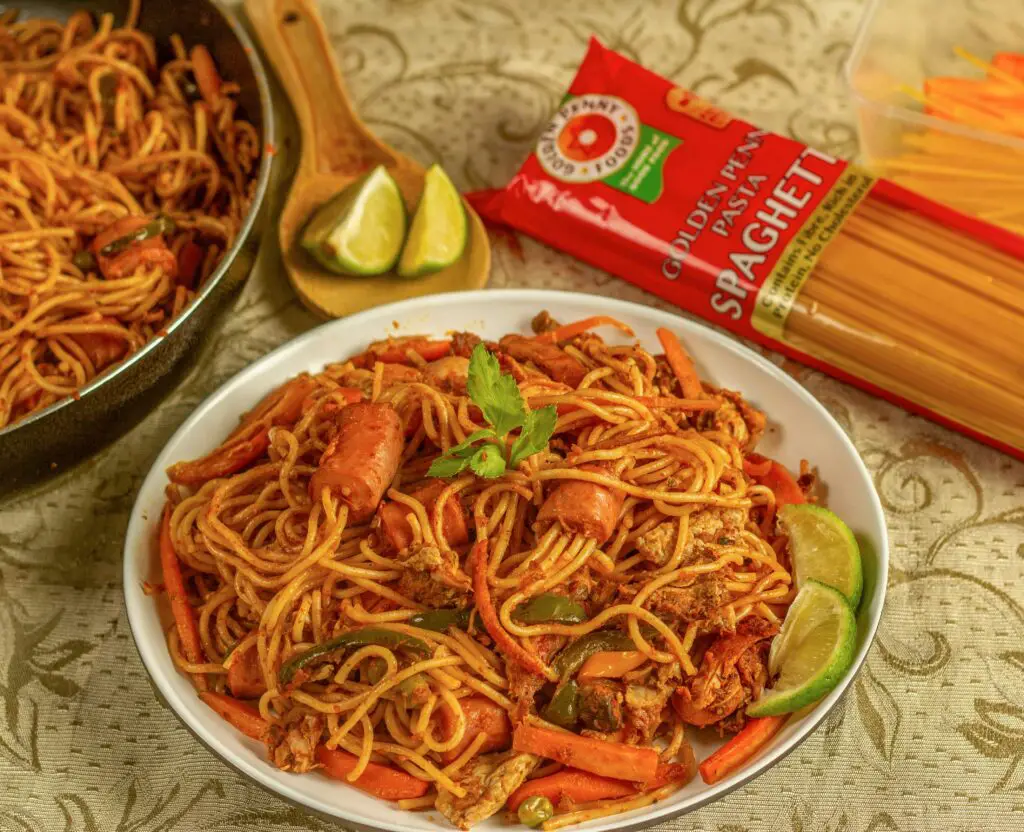
This meal felt like a shortcut that everyone pretended was intentional. Hot dogs sliced into macaroni made the dish stretch further and kept kids full. It was quick, familiar, and very much a household solution. Parents liked that it required minimal effort. Kids liked that it involved hot dogs.
Still, it never showed up when guests were over. It felt too casual and too childish for company. Even kids knew it was not company food. It was something you ate in pajamas or after a long day. When guests came, the hot dogs stayed whole or disappeared entirely.
4. Spam Fried in a Pan

Spam was often a pantry staple that came out when options were limited. Fried until crispy, it was salty and filling and surprisingly satisfying. Families who grew up with it knew exactly how to cook it. It had a particular sound and smell that marked it as familiar. It was food you learned to like.
At the same time, Spam carried baggage. Serving it to guests felt like admitting something you did not need to share. It was associated with tight budgets or specific eras. Families enjoyed it quietly and without explanation. When guests came over, Spam went back on the shelf.
5. Beans on White Bread
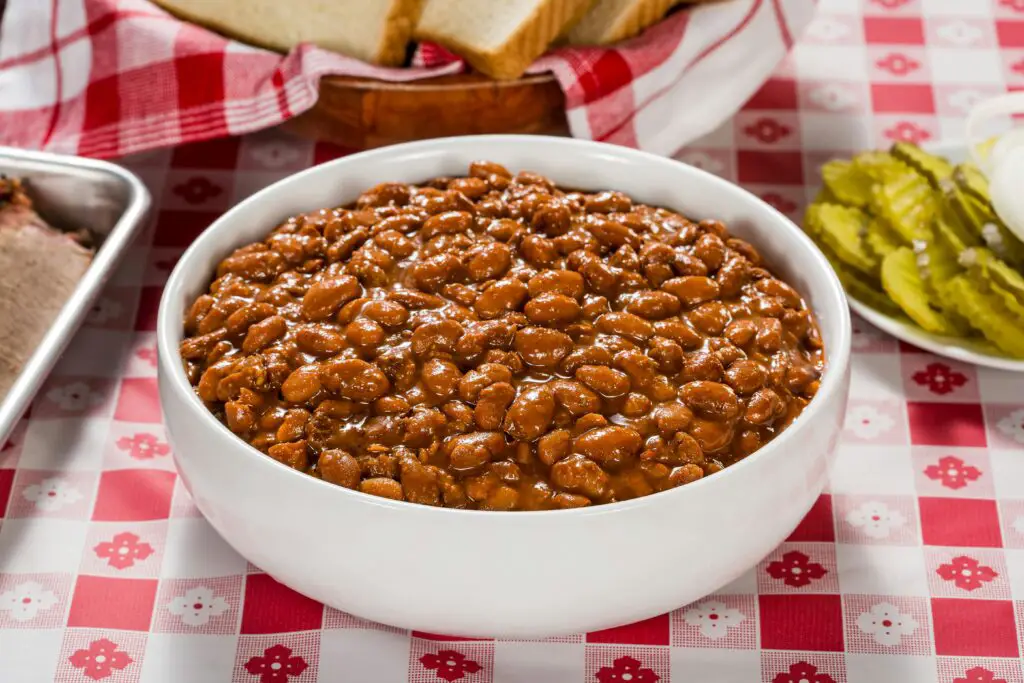
This meal blurred the line between necessity and habit. Canned beans spooned over white bread filled plates quickly and cheaply. It was warm, simple, and dependable. Many families ate it without thinking much about it. It worked, and that was enough.
But it also felt too plain to offer anyone else. There was no way to dress it up without changing what it was. Serving it to guests would require explanation, which no one wanted to give. It stayed a quiet, internal tradition. Guests got something with a little more effort behind it.
6. Bologna and Mayonnaise Sandwiches

Bologna sandwiches were a lunchtime staple that easily spilled into dinner. With a thick layer of mayonnaise and soft bread, they were fast and filling. Kids grew up knowing exactly how thick the bologna should be sliced. It was a food tied closely to routine. Nobody questioned it.
Yet it was not something you proudly served to company. Bologna carried a reputation that families understood instinctively. It felt too ordinary and too revealing. Guests got deli meat or something warm. Bologna stayed in the realm of everyday survival meals.
7. Tuna Casserole
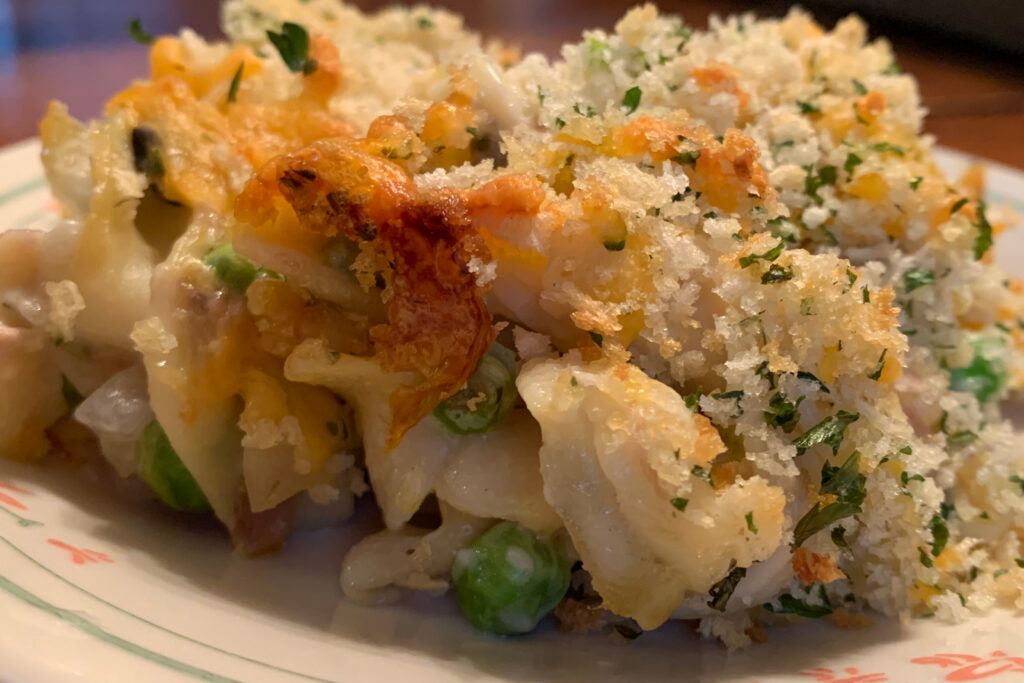
Tuna casserole was a classic for a reason. It combined pantry items into something that could feed everyone at once. The smell filled the house and lingered well into the evening. Families knew exactly when it was tuna casserole night. It was reliable.
It was also divisive. Even people who liked it knew others might not. Serving it to guests felt like a gamble. The texture and smell were too familiar to risk judgment. It remained a family only dish, eaten without ceremony.
8. Fried Bologna

Fried bologna felt like an upgrade on a basic sandwich. The edges curled up, and the smell was unmistakable. It was hot, greasy, and deeply nostalgic for many families. Kids often thought it was a treat. Parents appreciated how inexpensive it was.
Despite that, it never made an appearance when guests were around. Fried bologna felt too informal and too personal. It belonged to kitchens, not dining rooms. Guests were offered something less revealing. Fried bologna stayed behind closed doors.
9. Leftover Casserole Remix
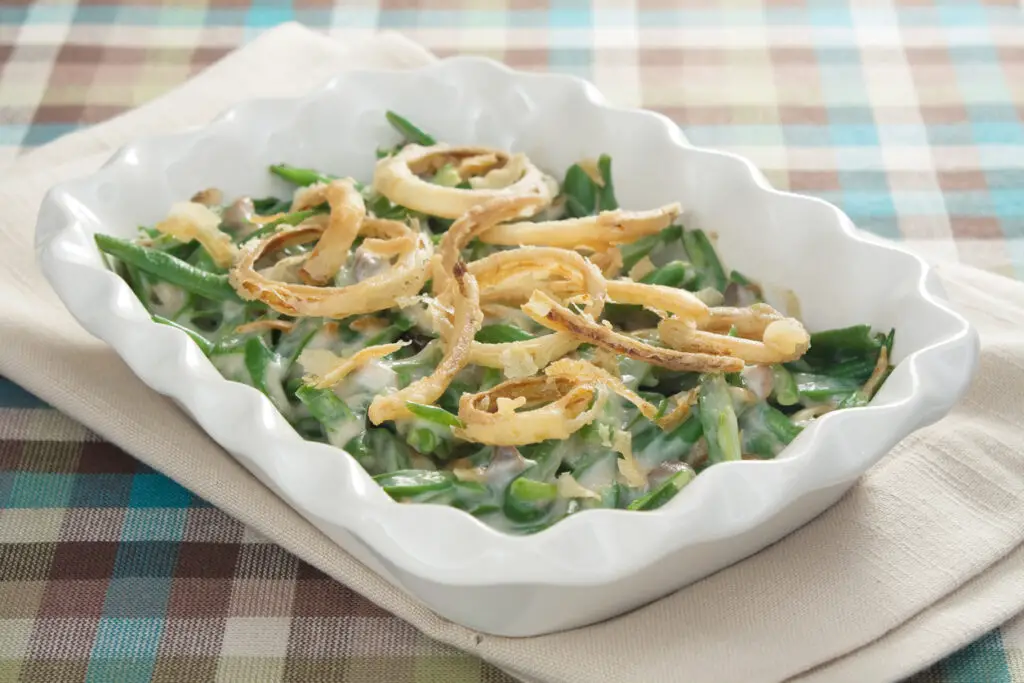
This was not one dish but a concept. Leftovers were mixed, reheated, and transformed into something new. Families knew the rules and accepted the result. It was practical and avoided waste. Nobody complained too loudly.
Serving that to guests would have felt awkward. It required too much explanation. Guests did not need to know what last night’s dinner became. This was family business only. When company came, leftovers stayed in the fridge.
10. Boxed Stuffing as a Main Dish
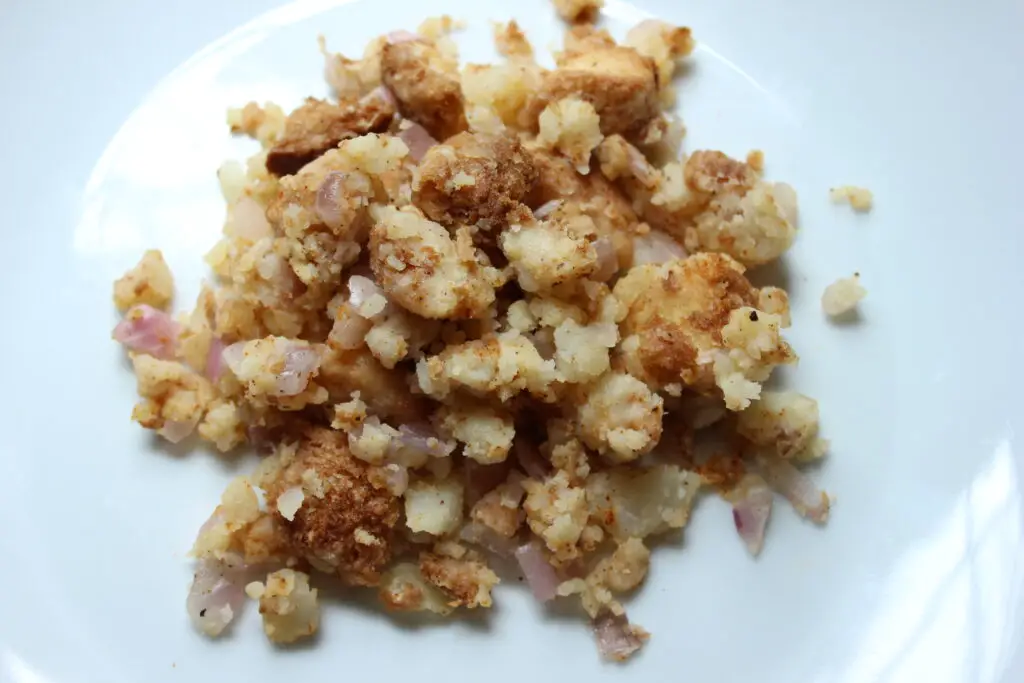
Boxed stuffing was not just for holidays in many households. Sometimes it became the entire meal, maybe with a little gravy. It was filling and easy to make. Kids liked the softness and familiar flavor. Parents liked the simplicity.
But serving it alone to guests felt wrong. It was supposed to be a side, not the star. Families understood that line clearly. Guests got fuller meals. Stuffing as dinner stayed a private solution.
11. Breakfast for Dinner Without Ceremony

Breakfast for dinner often meant eggs, toast, and maybe pancakes. It happened on nights when energy was low. Families enjoyed the comfort and familiarity. It felt relaxed and unpretentious. Everyone knew the routine.
Still, it was rarely planned for guests. Breakfast foods felt too casual to serve without warning. Families wanted to appear more prepared. Breakfast for dinner stayed spontaneous and internal. Guests got something that looked intentional.
12. Plain Rice with Butter and Salt
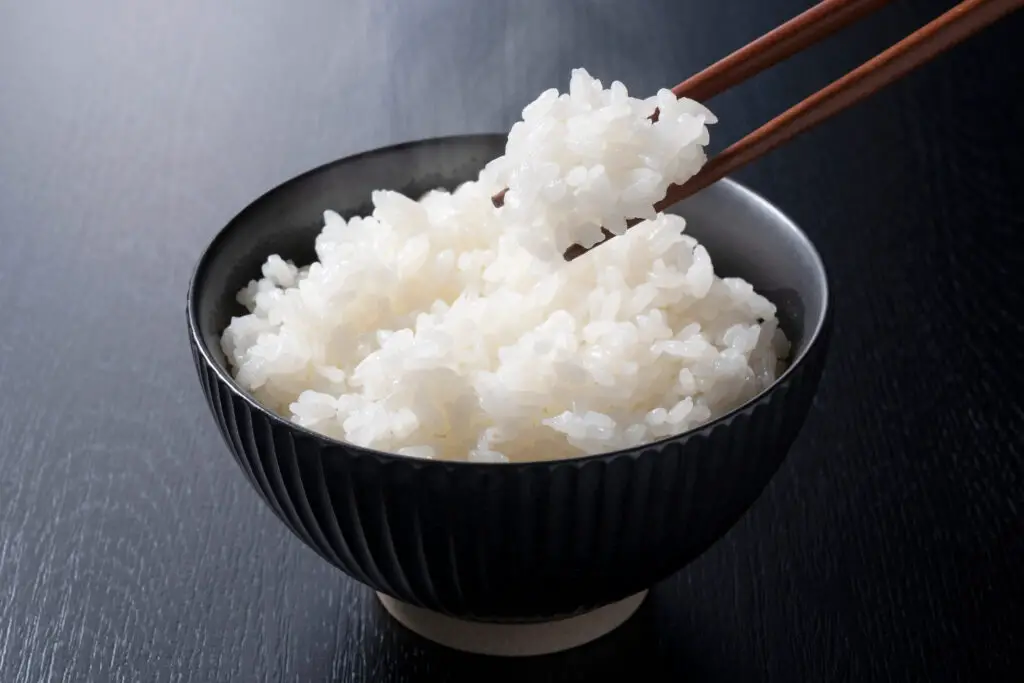
This was comfort food at its most basic. Rice with butter and salt was easy on the stomach and easy to make. It showed up when nothing else sounded good. Families accepted it without comment. It did its job.
But it was never guest worthy. It looked unfinished and felt too simple. Serving it to others felt like offering nothing at all. It stayed a quiet fallback meal. Guests got something with more effort behind it.
13. Creamed Peas

Creamed peas were often served because someone thought they should be. The sauce was thick and familiar, the peas soft. Kids learned to eat them even if they did not love them. It was part of the rotation. Nobody questioned why it existed.
It was also a dish that rarely left the family table. The texture and color made it a risky offering. Families knew guests might judge it harshly. Creamed peas stayed home. Guests got vegetables with less baggage.
14. Grilled Cheese with Tomato Soup on Ordinary Nights

This combination was comforting and reliable. Grilled cheese and tomato soup filled bellies without effort. Families leaned on it often. It felt warm and familiar. Kids especially loved it.
Yet it was rarely served to guests without some explanation. It felt too simple, too much like a fallback. Families wanted to offer something more impressive. This meal stayed reserved for quiet nights at home. Guests got something that felt more planned.