
1. Varosha
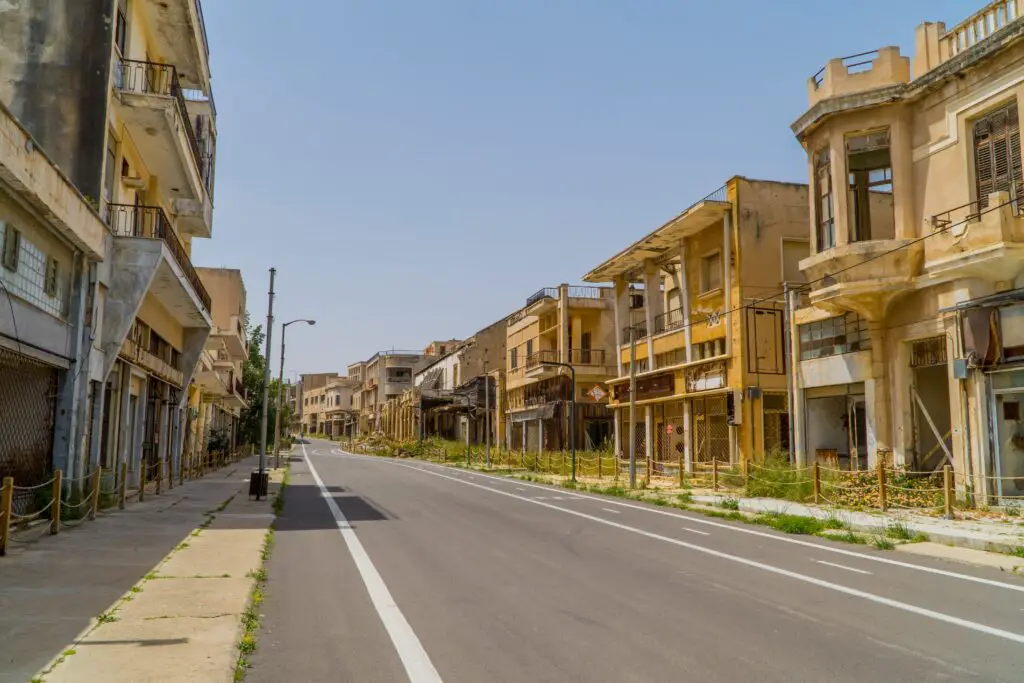
Once one of the most glamorous beach resorts in the Mediterranean, Varosha was lined with luxury hotels, boutiques, and cafés that catered to international jet setters. Celebrities vacationed here, and the beachfront was packed every summer with visitors who expected sun, nightlife, and status. Then, almost overnight in 1974, everything stopped. The resort was fenced off and left untouched after political conflict reshaped the island.
Today, Varosha feels like a paused film reel. Hotels still face the sea, with balconies open to salt air and silence instead of guests. Nature has crept back in, softening the sharp edges of concrete. Walking past it now feels eerie, like the place is waiting for tourists who never arrived.
2. Centralia
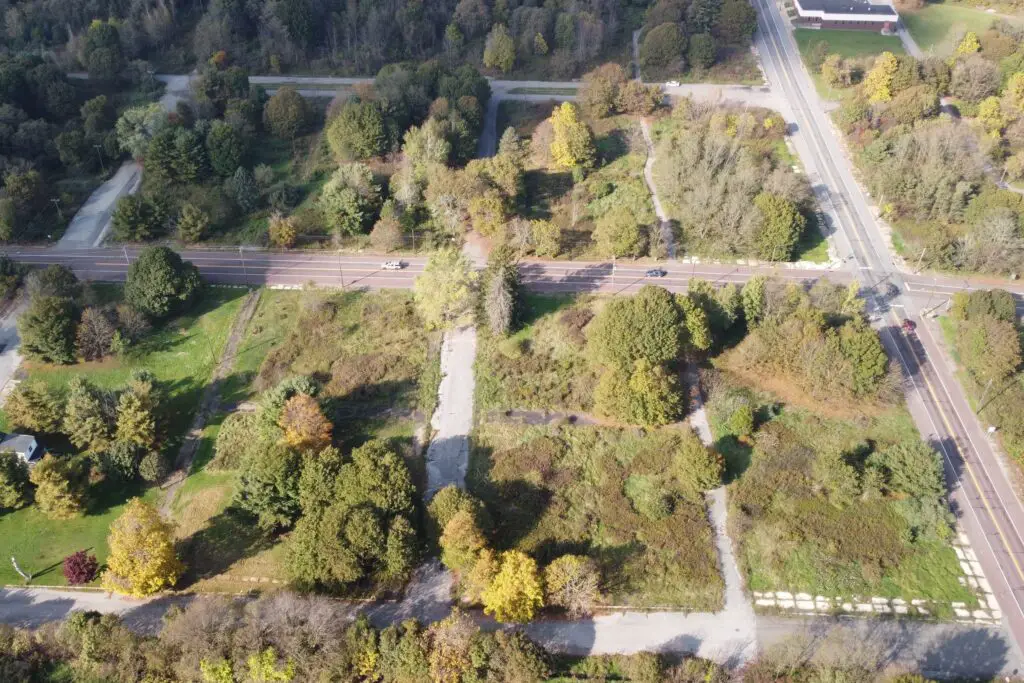
Centralia was once a modest mining town that doubled as a quiet vacation stop for people seeking a slower pace. Everything changed in 1962 when an underground coal fire ignited beneath the town. Officials initially believed it would be temporary and manageable. Instead, the fire kept burning and never stopped.
As residents relocated, homes were demolished, roads cracked, and steam vents appeared. What remains looks frozen in a strange in-between state. You can still see street grids and a few stubborn buildings standing alone. It feels less abandoned than unsettled, like the town is still exhaling decades later.
3. Hashima Island
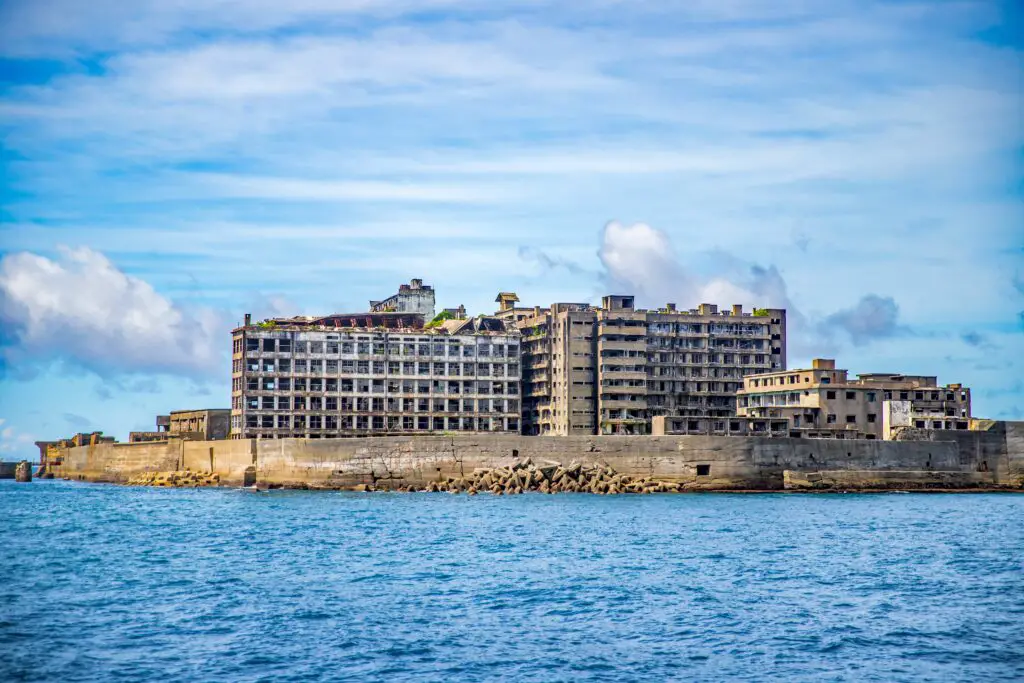
Hashima Island, also known as Battleship Island, once housed thousands of residents in tightly packed concrete blocks. During its peak, it functioned as a self contained community with schools, shops, and entertainment. While it was primarily industrial, it was also home to families who treated it as a permanent seaside retreat. Life there was busy and communal.
When the coal industry collapsed, everyone left almost at once. The buildings remain stacked close together, battered by ocean winds. It feels like a city abruptly emptied, with corridors and stairwells leading nowhere. The silence is striking for a place that once had no room to spare.
4. Bodie
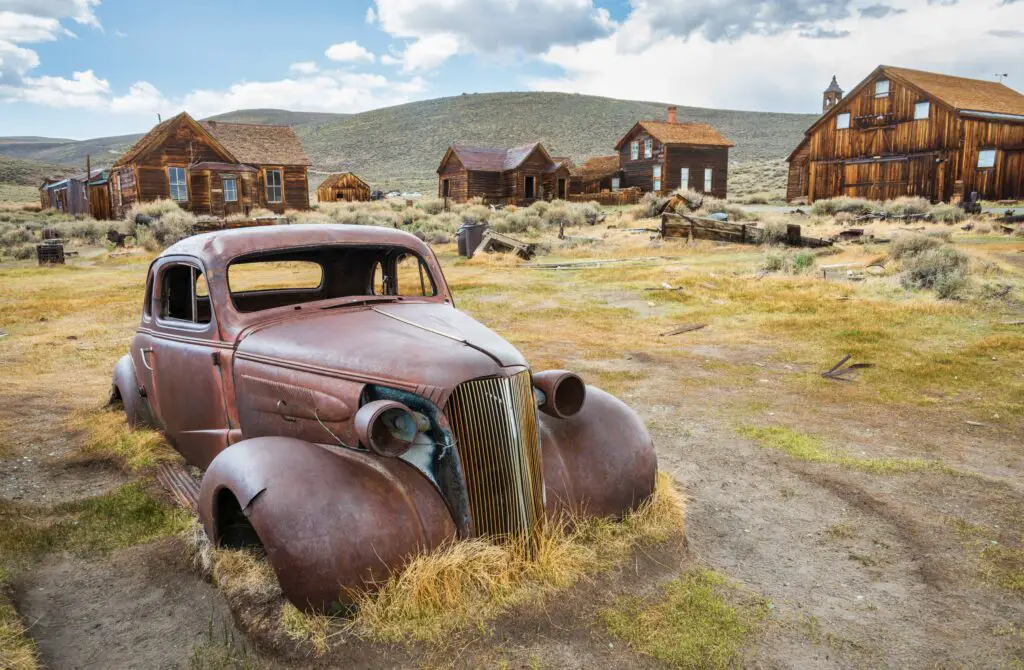
Bodie was a booming gold rush town that briefly promised excitement, wealth, and opportunity. Travelers passed through hoping to strike it rich or enjoy the lively atmosphere. At its height, it had saloons, hotels, and a reputation for excess. It was anything but quiet.
When the gold dried up, so did the population. Bodie was preserved in a state of arrested decay rather than restored or rebuilt. Furniture still sits inside homes as if people stepped out for the afternoon. Visiting now feels like walking through someone else’s unfinished story.
5. Pripyat
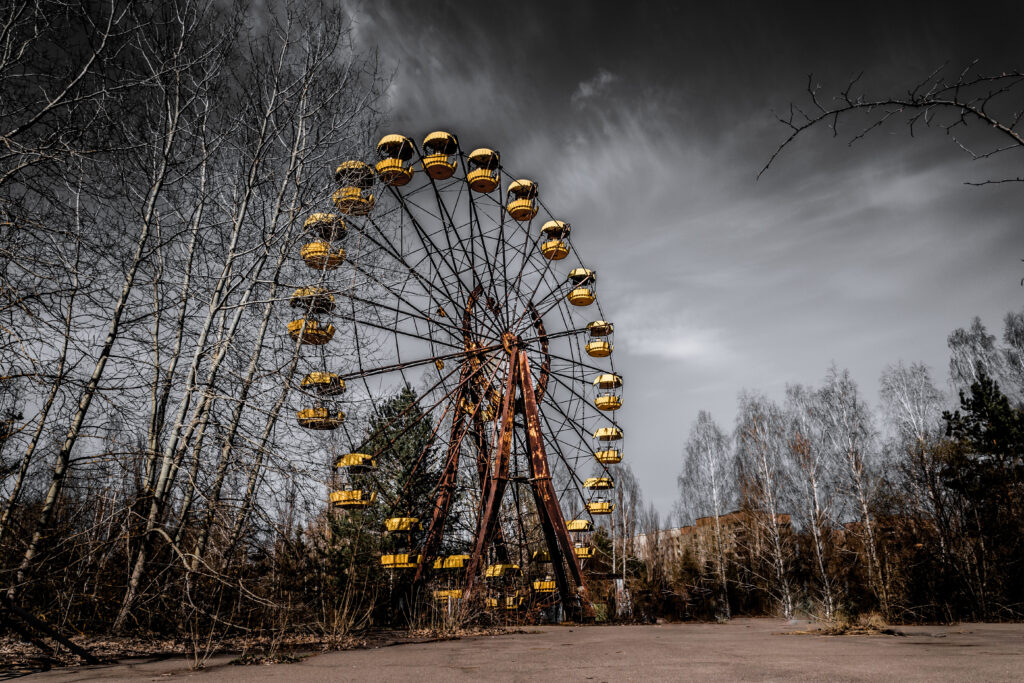
Pripyat was built as a model city, designed to showcase modern living near the Chernobyl Nuclear Power Plant. It included amusement parks, cultural centers, and residential blocks meant to attract young families. While not a vacation town in the traditional sense, it was designed to be pleasant and progressive. Residents took pride in its clean layout and green spaces.
After the 1986 nuclear disaster, evacuation happened fast. The city was left exactly as it was, down to schoolbooks and toys. Over time, trees grew through concrete and buildings slowly crumbled. It feels like a moment in history preserved without permission.
6. Salton Sea resorts
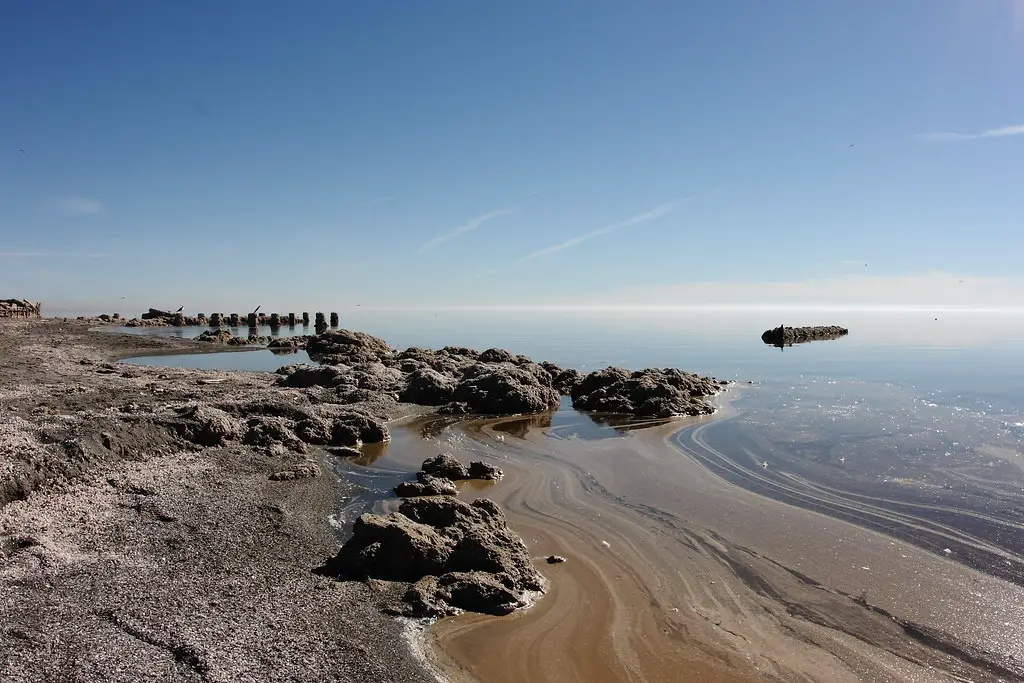
The Salton Sea was once marketed as California’s next great resort destination. Yacht clubs, beach houses, and hotels lined the shore, drawing tourists looking for desert sun and water sports. For a brief period, it worked. The area buzzed with optimism and weekend crowds.
Environmental problems quickly changed that vision. Water levels shifted, fish died, and the smell drove people away. The remaining structures feel sun bleached and forgotten. It still looks like a vacation spot, just one that time decided to skip.
7. Kolmanskop
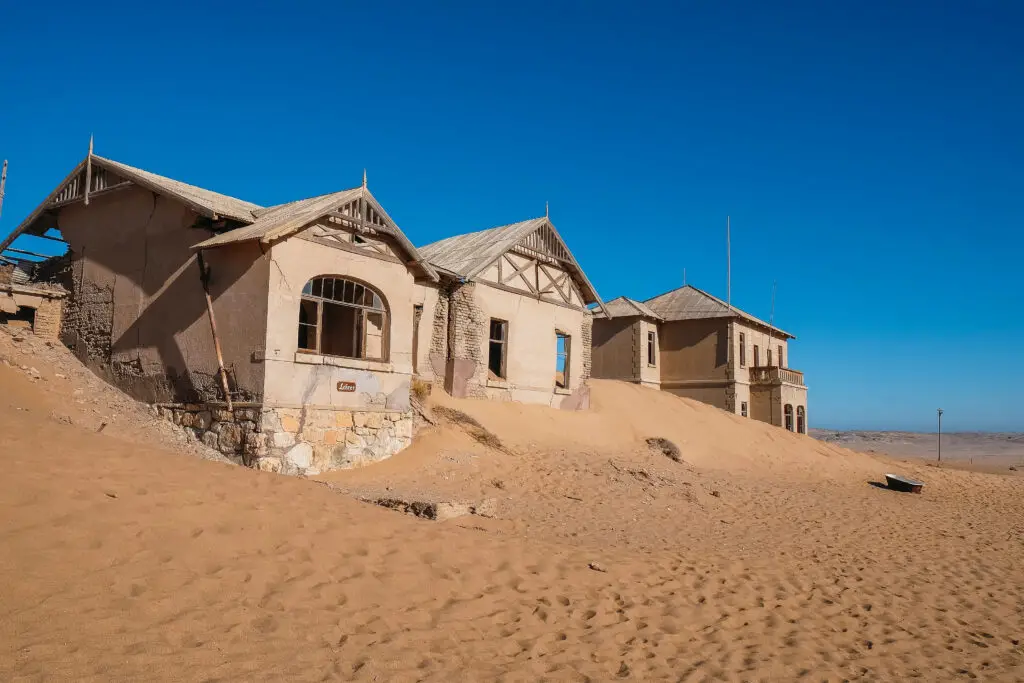
Kolmanskop sprang up in the desert after diamonds were discovered nearby. It was built with European style homes, a theater, and social clubs. Despite its remote location, it offered a surprisingly comfortable lifestyle. People treated it as both a worksite and a place to relax.
When diamond mining moved elsewhere, the town emptied. Sand slowly filled the interiors of houses, creeping through doorways and windows. Today, dunes spill across floors where furniture once stood. It feels less abandoned and more reclaimed by the landscape.
8. Craco
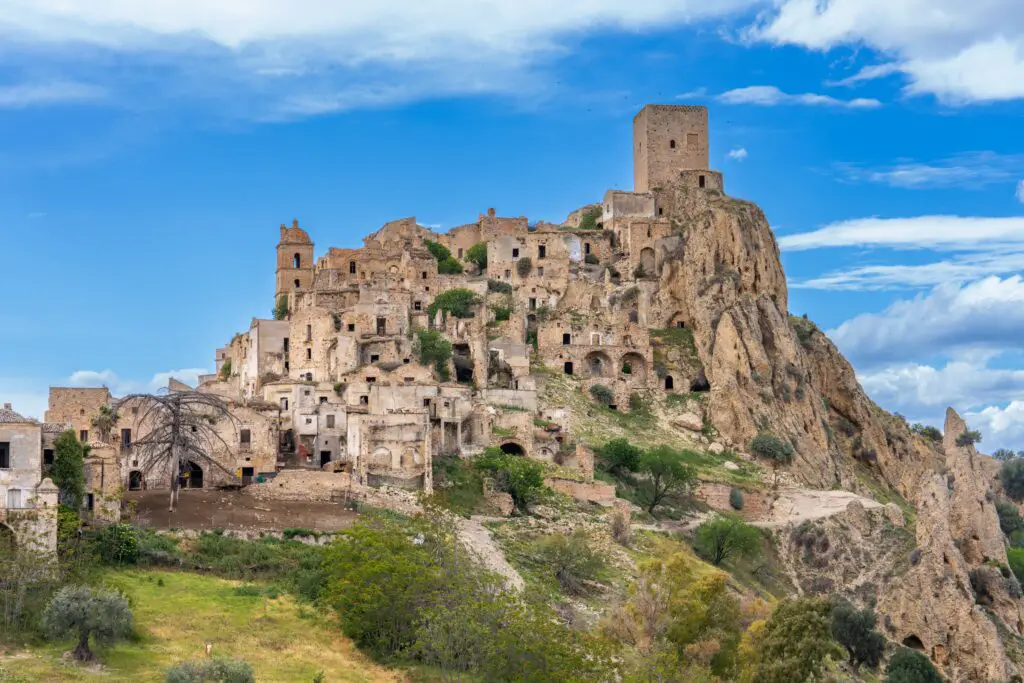
Craco sits dramatically atop a hill and was once a lively medieval village. Over generations, it evolved into a charming destination with winding streets and panoramic views. Visitors came for the history and the scenery. Life there revolved around tradition and community.
Landslides eventually forced residents to leave. The buildings remain intact but empty, clinging to the hillside. From a distance, it still looks inhabited. Up close, the silence tells a different story.
9. Gunkanjima
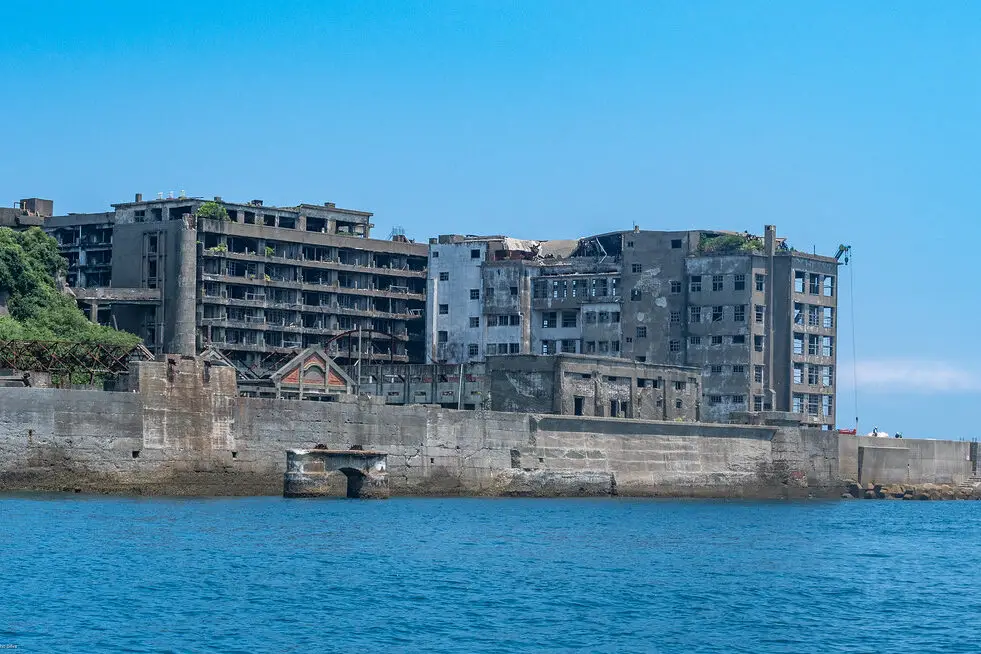
Often used interchangeably with Hashima Island, Gunkanjima carries a slightly different cultural weight. It has appeared in films and documentaries, adding to its mystique. What was once ordinary daily life is now cinematic decay. Visitors often expect drama and spectacle.
What surprises most people is how domestic it feels. Apartments are small and personal, not grand or theatrical. Laundry areas and stairwells remain frozen in time. The island feels like it lost its purpose rather than its memory.
10. Humberstone
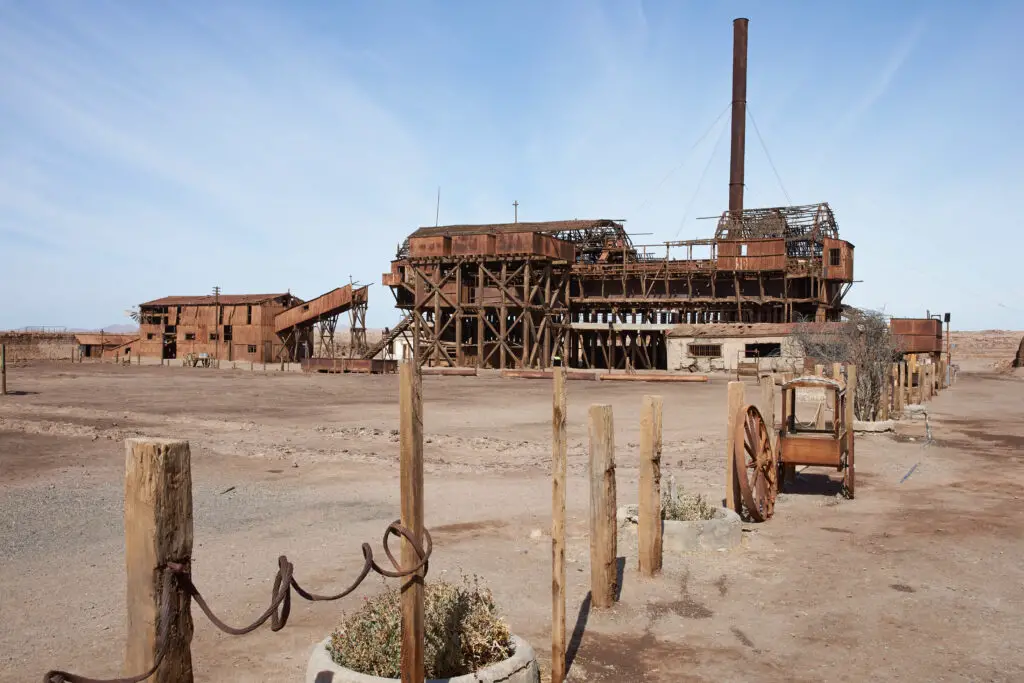
Humberstone was a company town built around nitrate mining in the Chilean desert. It included theaters, pools, and social spaces meant to keep workers and families comfortable. At its peak, it had a strong sense of routine and community. It functioned like a small vacation escape from harsher surroundings.
When the industry collapsed, the town was left behind. Wooden structures and machinery remain exposed to the dry air. Walking through it feels surprisingly orderly. It is quiet, but not chaotic.
11. Ross Island
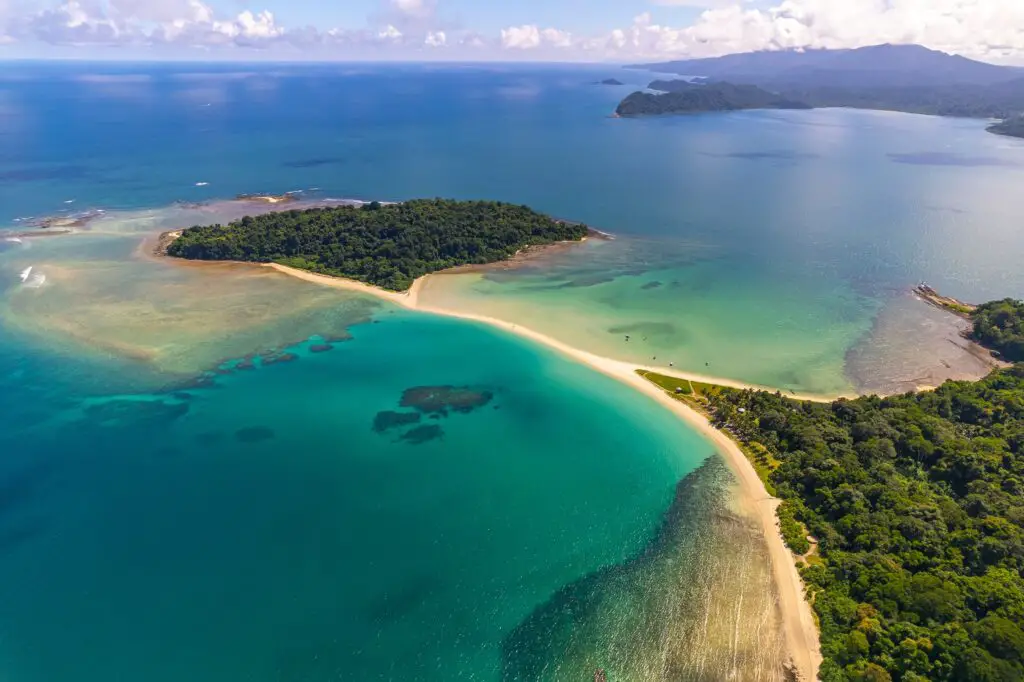
Ross Island once served as a British colonial administrative hub with grand buildings and manicured lawns. Officials lived there in relative comfort, surrounded by the sea. It was designed to feel refined and removed from hardship. In many ways, it functioned as a retreat.
After an earthquake and shifting political priorities, the island was abandoned. Roots and vines now wrap around former government buildings. The ruins are beautiful but unsettling. It feels like elegance slowly surrendering to nature.
12. Kadykchan
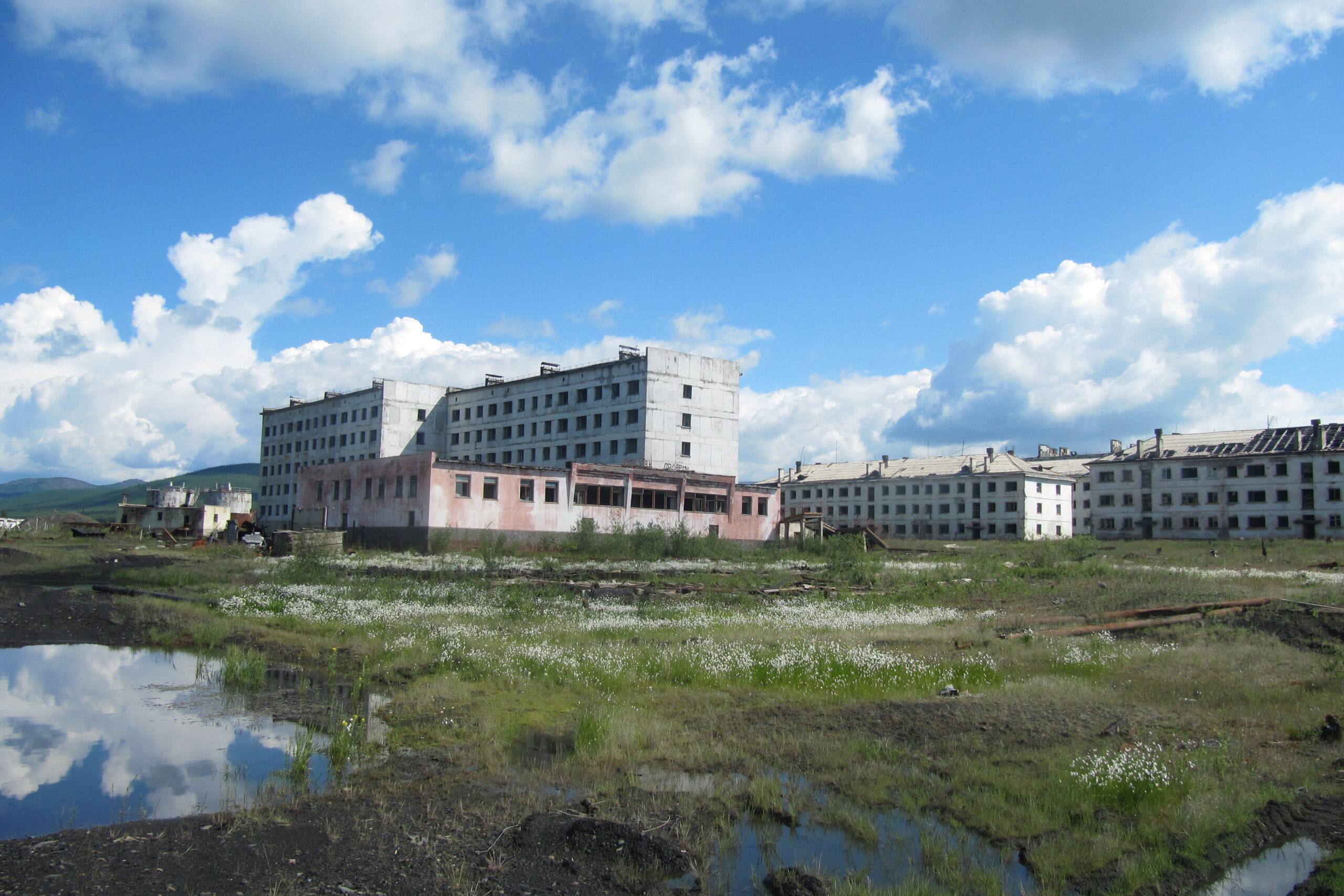
Kadykchan was built to support coal mining and housed thousands of workers and their families. It included schools, shops, and communal spaces meant to create stability. Life there was harsh but structured. It was home, not temporary housing.
After a mining accident and economic collapse, residents were relocated. The town remains intact, with apartment blocks standing empty. Furniture and personal items still linger inside. It feels as if people might return after winter ends.
13. Bannack
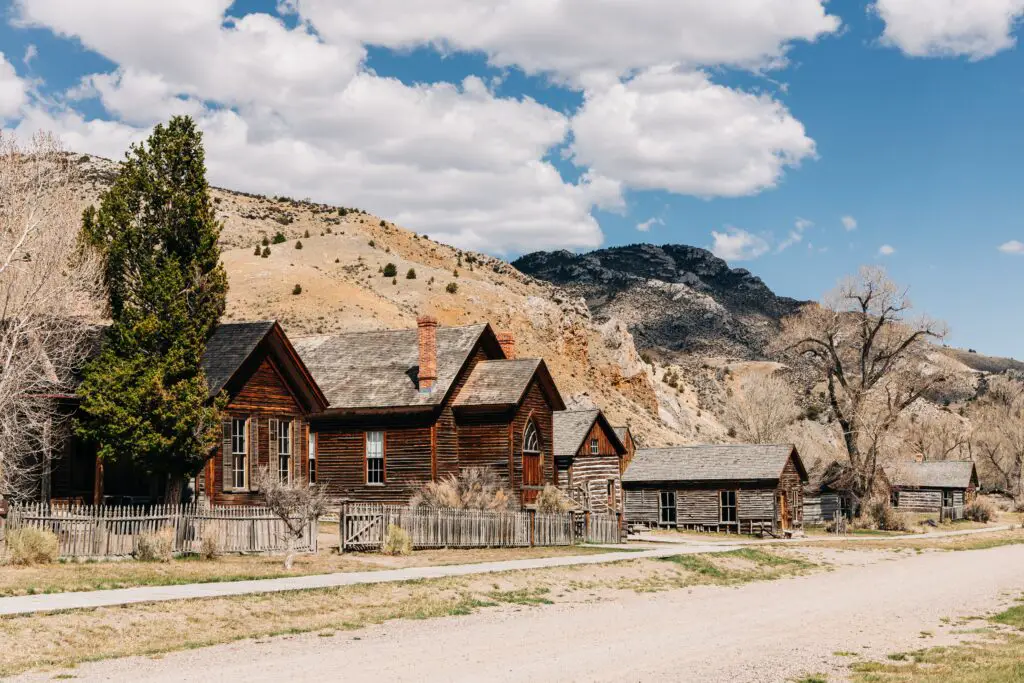
Bannack was Montana’s first territorial capital and a bustling frontier town. It attracted prospectors, travelers, and opportunists looking for fortune. The town had hotels, stores, and a strong sense of momentum. It was lively and unpredictable.
As mining declined, people moved on. Bannack was preserved rather than erased, leaving buildings much as they were. Floors creak, doors hang open, and signs still advertise services. It feels like a town waiting for a busy season that never comes.
14. Plymouth

Plymouth was the capital of Montserrat and a vibrant Caribbean port city. It offered beaches, nightlife, and local culture that drew visitors and residents alike. Life revolved around the harbor and the rhythm of island living. It was colorful and active.
Volcanic eruptions in the 1990s forced a full evacuation. Ash buried buildings and streets, preserving them in a strange way. The city remains off limits, frozen beneath layers of debris. It feels like time stopped mid sentence.
15. Hotel del Salto
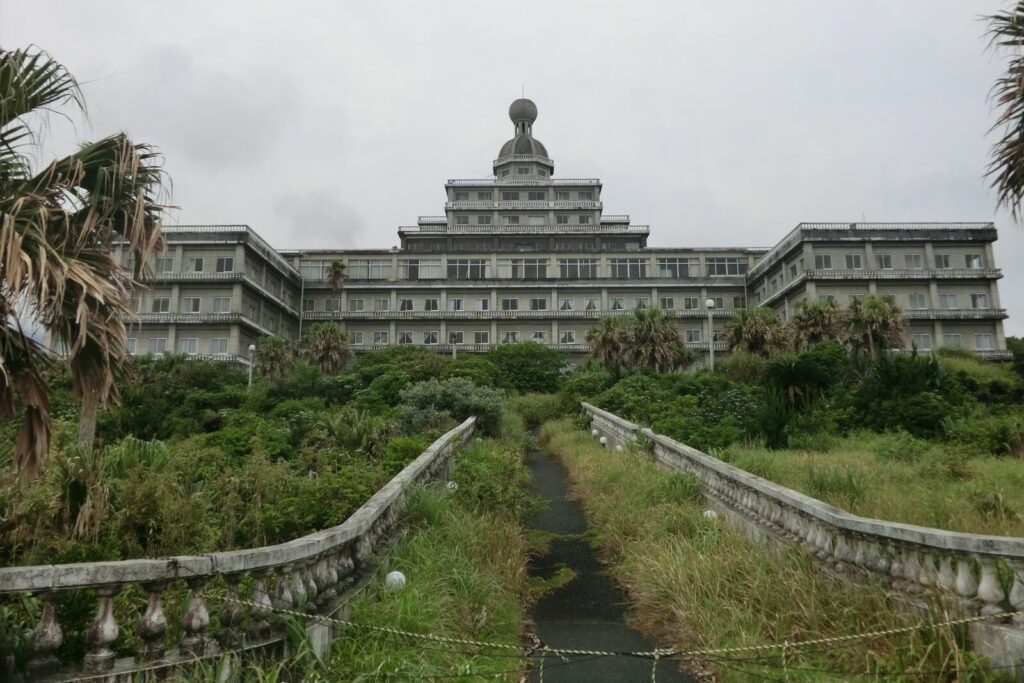
Hotel del Salto once welcomed guests seeking dramatic views of Tequendama Falls. The location was considered romantic and prestigious, perfect for weekend escapes. The building itself was elegant and imposing. It symbolized luxury and nature intertwined.
Pollution and changing travel patterns led to its decline. The hotel was eventually abandoned and left to deteriorate. For years, it was associated with ghost stories and tragedy. Today, it still feels suspended between beauty and unease.