
1. Waiting by the Phone at Home

There was a time when you actually stayed put if you were expecting a call. The phone was attached to the wall, the cord only stretched so far, and missing a call meant missing it entirely. People planned their afternoons around that ring, sometimes sitting nearby with a book just in case. If you stepped out, there was no voicemail safety net waiting for you.
That habit disappeared once answering machines, then mobile phones, took over. Now calls follow us everywhere, and waiting feels unnecessary. The idea of being unreachable for an hour used to feel risky, not freeing. Modern convenience quietly erased the ritual of staying home just to be available.
2. Writing Down Directions Before Leaving
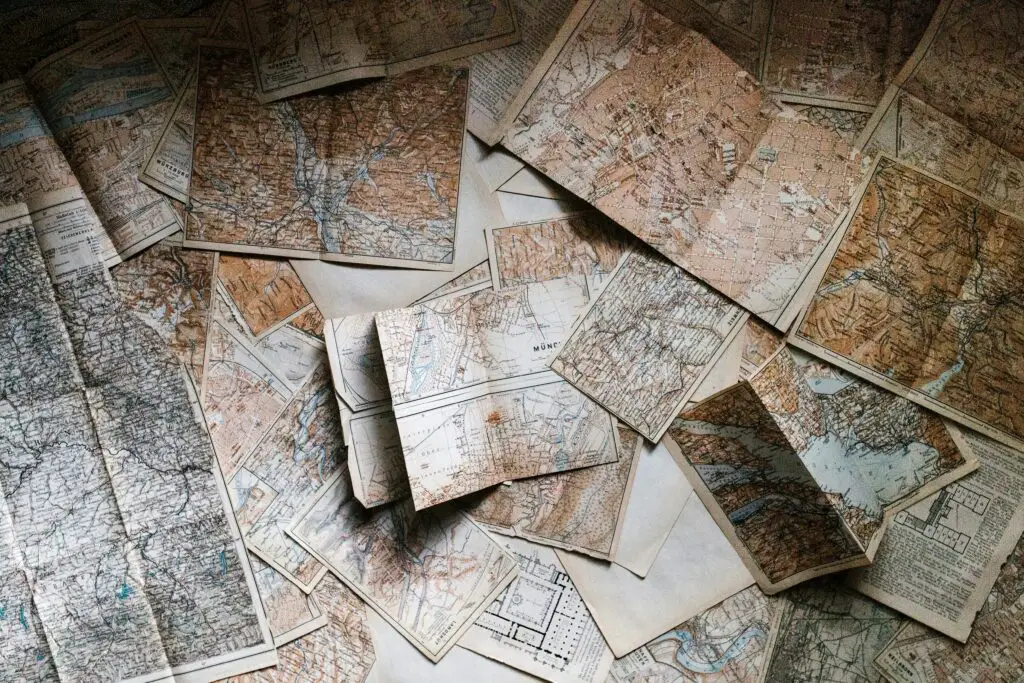
Before GPS, trips required preparation. People copied directions from maps or wrote them down step by step on scraps of paper. A wrong turn meant pulling over, unfolding a massive map, and trying to reorient yourself. Asking strangers for help was part of the process, not an emergency option.
Today, directions speak to us in real time. We no longer memorize routes or think ahead in the same way. The habit of planning a drive before starting the engine has mostly vanished. Convenience replaced forethought with constant correction.
3. Manually Balancing a Checkbook

Keeping track of money once required quiet focus and a calculator. Every purchase was written down, and mistakes meant erasing, recalculating, and double checking. People often sat at the kitchen table once a week to make sure everything lined up. It was tedious but grounding.
Now balances update instantly, sometimes too instantly. Apps do the math, flag issues, and categorize spending automatically. The habit of personally reconciling every dollar has faded. Financial awareness became passive instead of hands on.
4. Planning Errands Around Store Hours

Errands used to feel like small logistical puzzles. Stores closed early, some shut down entirely on Sundays, and late nights were rare. You planned carefully so you wouldn’t waste a trip. Forgetting one item meant waiting until tomorrow.
Extended hours and online shopping changed that rhythm. Now most needs can be met at almost any time. The pressure to organize errands efficiently has loosened. Convenience replaced strategy with constant access.
5. Standing Up to Change the Channel

Watching TV was once a mildly physical activity. If you wanted to switch channels, you had to get up and turn a dial. Commercial breaks often stayed on because changing stations felt like too much effort. That friction shaped how people watched.
Remote controls erased that pause. Now switching takes no thought at all. The habit of settling into one channel for the evening disappeared. Convenience encouraged constant choice instead of patience.
6. Reading the Newspaper Cover to Cover

Daily newspapers were once a morning ritual. People read sections they didn’t even like because that’s what was there. The paper sat on the table, pages folded, coffee nearby. It was a shared reference point for the day.
Digital news fragmented that habit. Now headlines are skimmed, personalized, and endless. Reading everything feels unnecessary and even overwhelming. Convenience replaced completeness with constant updates.
7. Memorizing Phone Numbers

At one time, people knew dozens of numbers by heart. Friends, family, work, and emergency contacts lived in your memory. Forgetting a number meant trouble, not inconvenience. Memorization was practical, not impressive.
Smartphones ended that necessity. Contacts store everything, and dialing is automatic. The mental habit of retaining numbers slowly faded away. Convenience outsourced memory to devices.
8. Waiting for Photos to Be Developed
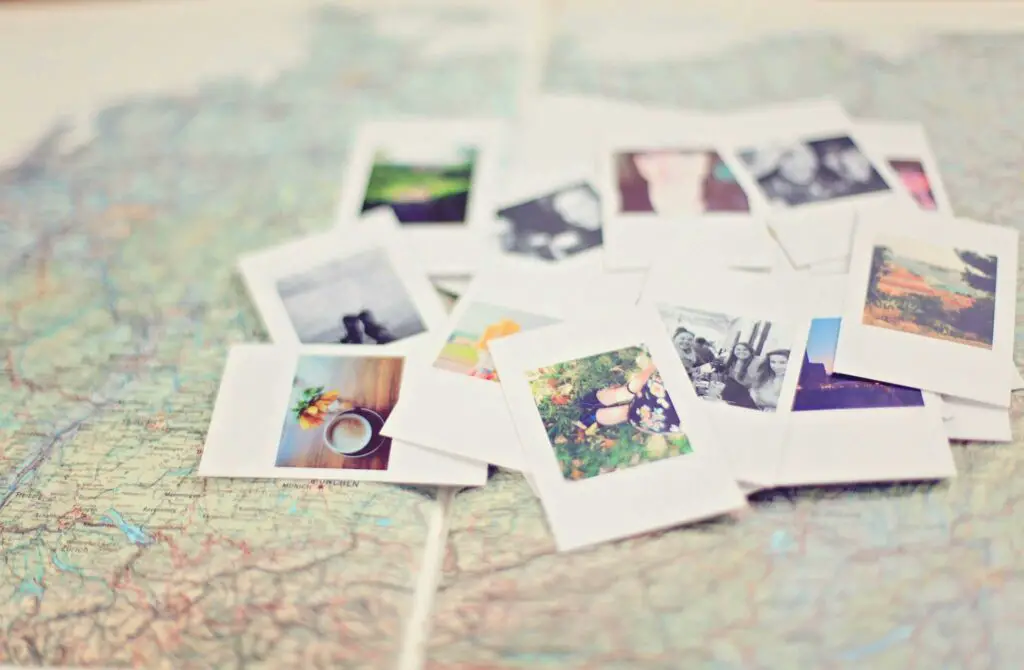
Taking photos used to come with built in anticipation. You finished a roll, dropped it off, and waited days to see what you captured. Some moments didn’t turn out, and that was just part of it. The wait made photos feel more permanent.
Instant digital images removed that pause. Now photos are checked immediately, deleted quickly, and rarely revisited. The habit of patience around memories disappeared. Convenience turned photos into something disposable.
9. Setting Aside Time to Pay Bills by Mail

Paying bills once meant envelopes, stamps, and due dates circled on calendars. People sat down intentionally to handle everything at once. Forgetting meant late fees and uncomfortable phone calls. It was a small but serious routine.
Automatic payments quietly eliminated that task. Bills handle themselves unless something goes wrong. The habit of regularly reviewing and mailing payments faded. Convenience traded awareness for automation.
10. Waiting for Information Instead of Looking It Up

Questions used to linger. If no one knew the answer, you waited until you could check a book, ask an expert, or watch a program later. Curiosity stretched over time instead of being resolved instantly. Conversations sometimes ended without closure.
Search engines ended that uncertainty. Answers now arrive in seconds. The habit of living with unanswered questions has nearly vanished. Convenience shortened curiosity into quick resolution.
11. Rewinding and Fast Forwarding Carefully
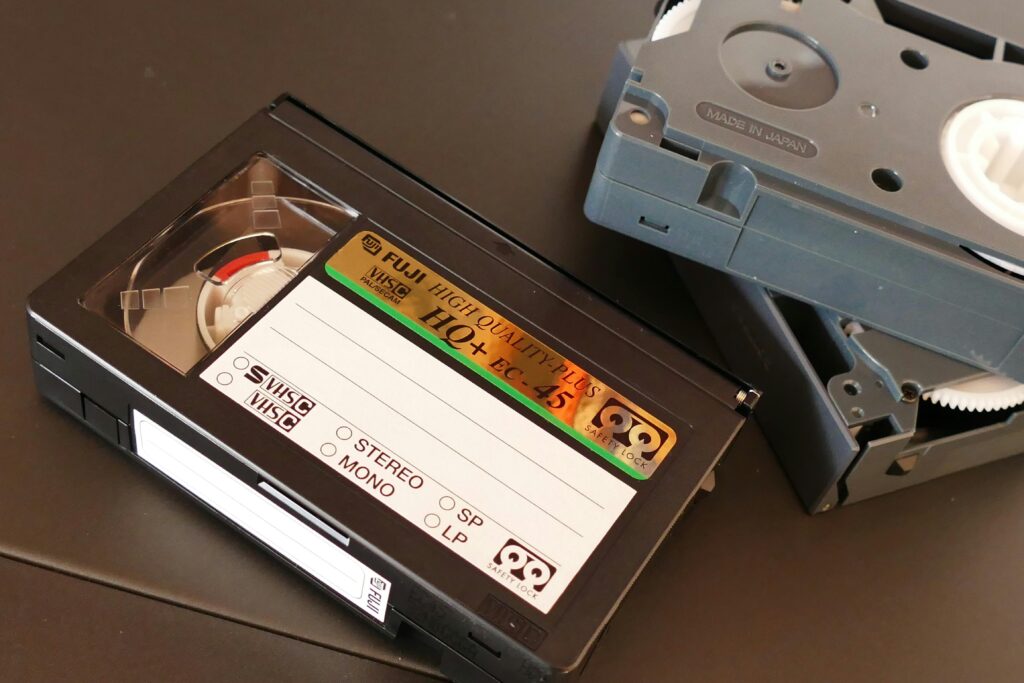
Using VHS tapes required patience and attention. Rewinding too far meant watching extra footage. Fast forwarding meant guessing where to stop. People learned timing by feel and experience.
Streaming erased that skill entirely. Skipping is precise, previews appear automatically, and mistakes are rare. The habit of manually navigating media disappeared. Convenience removed trial and error from watching.
12. Calling Ahead Instead of Showing Up
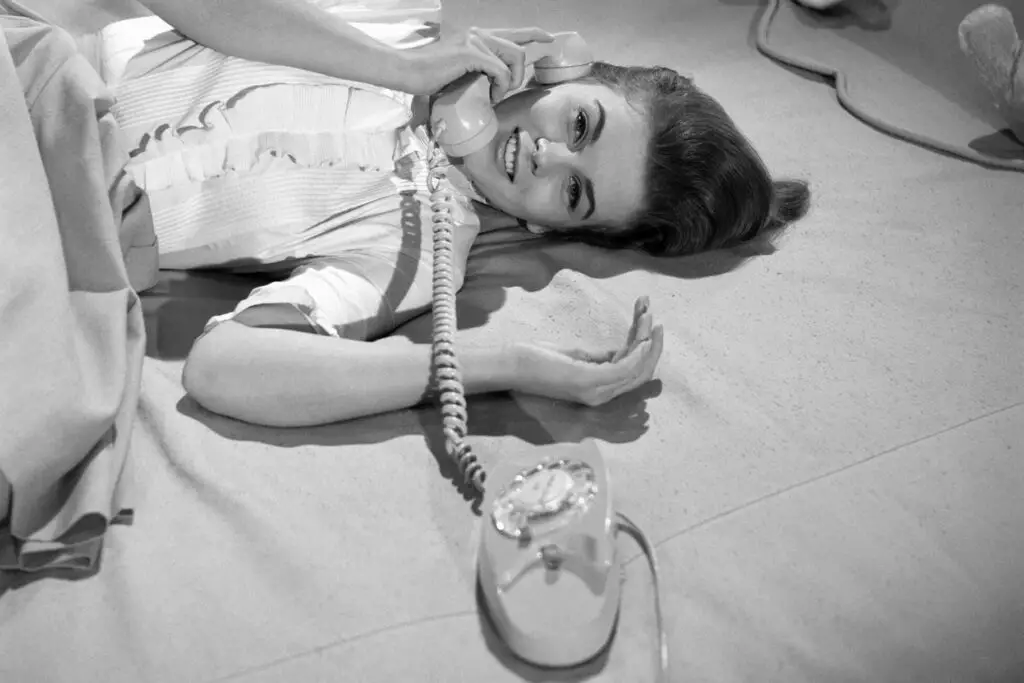
Before instant updates, people often called to check availability. Was the store open, was someone home, was there space at the restaurant. Showing up unannounced carried real uncertainty. Planning mattered more.
Now information updates constantly online. People rely on apps, reviews, and live hours instead of phone calls. The habit of checking directly with another person has faded. Convenience replaced conversation with data.
13. Ending the Day Truly Unreachable

Evenings once had a natural cutoff. Phones stopped ringing, offices closed, and people disappeared into their homes. Being unavailable was normal and expected. The day had a clear ending.
Modern convenience blurred that boundary. Messages arrive at all hours, and silence feels optional rather than assumed. The habit of fully disconnecting at night has quietly disappeared. Convenience stretched the day until it never really ends.