
1. Shelley Fabares
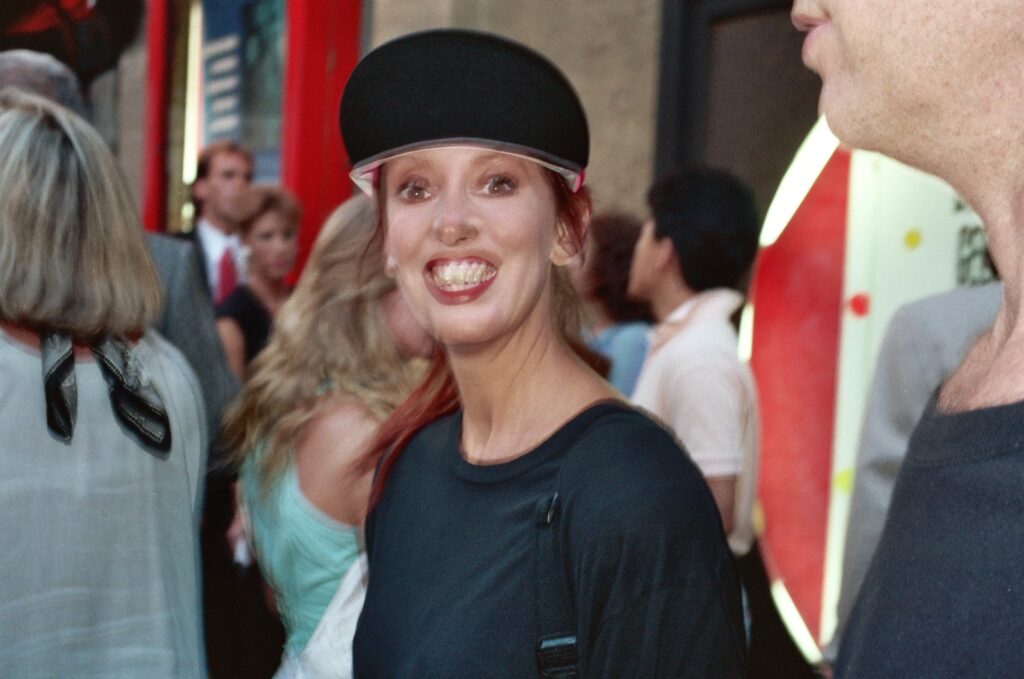
For a stretch in the early ’60s, Shelley Fabares was everywhere. She starred on The Donna Reed Show, had a No. 1 hit with “Johnny Angel,” and seemed poised for permanent stardom. Her wholesome image made her a fixture in teen magazines and family television. At the time, it felt like she would be around forever. Then tastes shifted, and her name quietly slipped from everyday conversation.
Fabares never truly disappeared, she just stepped out of the spotlight. She continued acting steadily, especially in TV movies and guest roles. Later generations often recognize her face before they recognize her name. For many viewers, she exists more as a memory than a headline. That kind of fade is subtle, not dramatic, but it is real.
2. Bobby Sherman
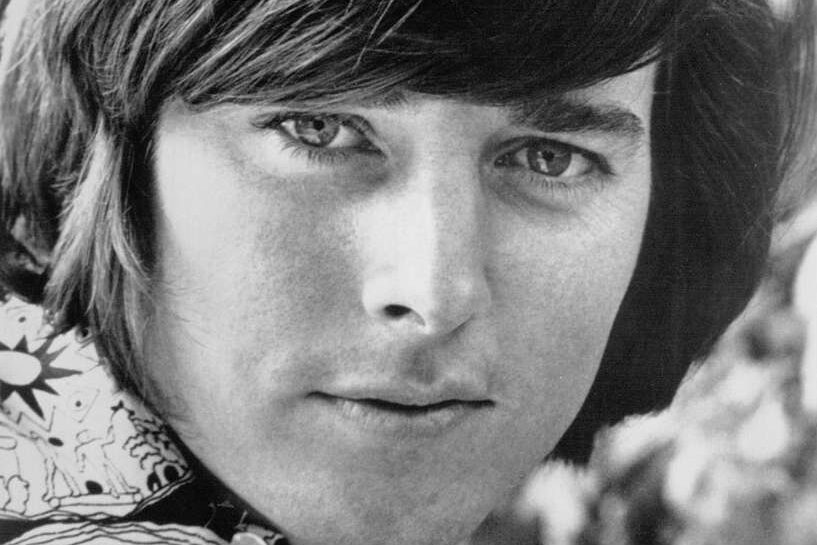
Bobby Sherman was once unavoidable. In the late ’60s and early ’70s, he was a teen idol on magazine covers, radio playlists, and TV shows. His music charted reliably, and his smile was practically a brand. For a few years, it felt like pop culture revolved around him.
Then the teen idol era moved on, as it always does. Sherman chose a quieter life and eventually left entertainment entirely. Younger audiences rarely hear his name unless they are deep into nostalgia. Yet for those who were there, his fame felt absolute. That contrast makes his disappearance from conversation especially striking.
3. Connie Stevens
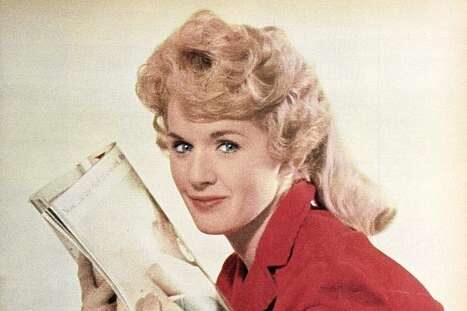
Connie Stevens had a career that crossed music, television, and film. She starred on Hawaiian Eye, recorded hit songs, and seemed to be everywhere in early ’60s pop culture. Her voice and look were instantly recognizable. For a while, she felt like a permanent fixture of the era.
Over time, her presence softened into memory. Stevens continued working, but the constant buzz around her faded. Many people know her name but struggle to place it. That gap between recognition and recall says a lot about how fame ages. Some stars don’t vanish, they simply recede.
4. Peter Noone
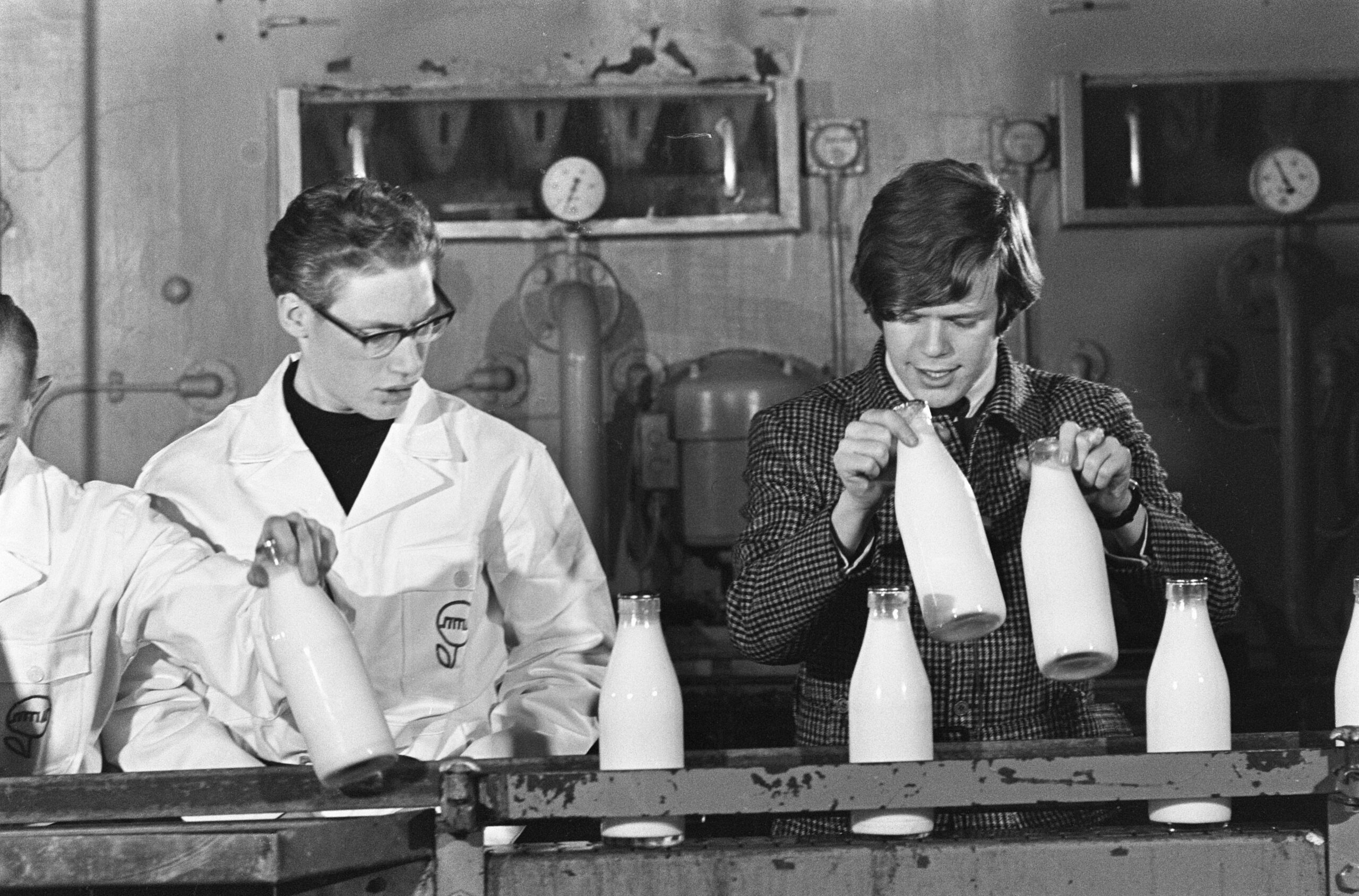
As the voice of Herman’s Hermits, Peter Noone was once inescapable. His songs dominated radio during the British Invasion. His face was everywhere, from TV appearances to fan magazines. At the height of it, his fame felt global and unstoppable.
Today, Noone is still active, but his name rarely comes up casually. The songs remain familiar, even when the singer’s name does not. That separation is common for pop stars of that era. The music lingers long after the name fades. It is a quiet kind of cultural afterlife.
5. Annette Funicello
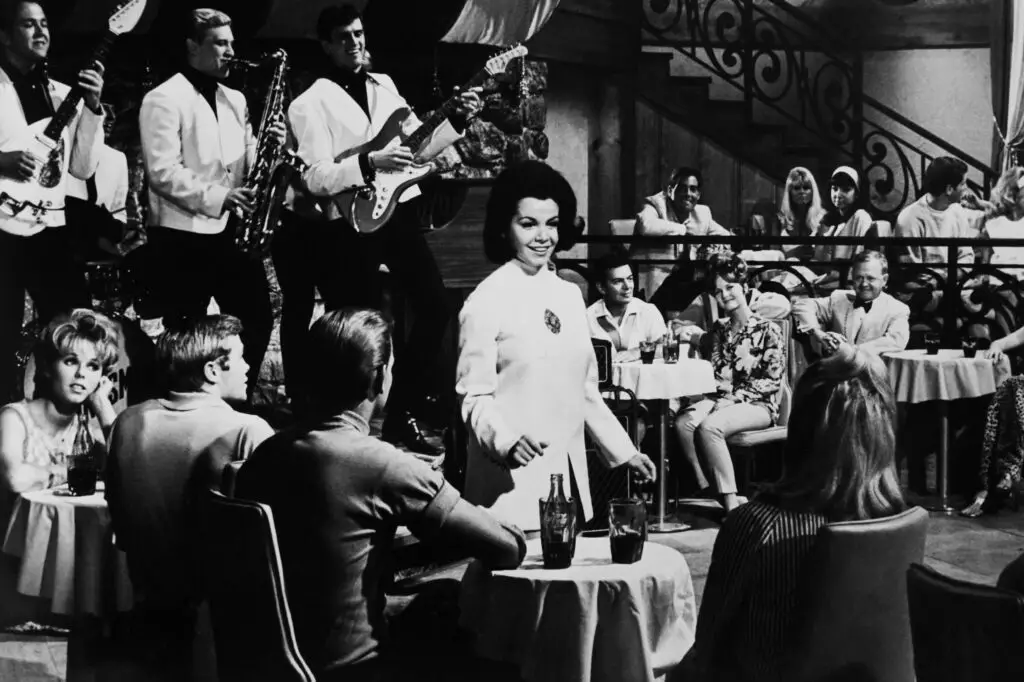
Annette Funicello was once one of the most recognizable faces in America. From The Mickey Mouse Club to beach movies, she defined a certain era of youth culture. Her name alone carried instant recognition. For many families, she felt like part of everyday life.
As decades passed, her legacy became more historical than current. Younger audiences may know her story without ever hearing her name mentioned aloud. Her influence remains, but the casual references have faded. That shift says more about time than talent. Fame does not always travel well across generations.
6. Paul Lynde
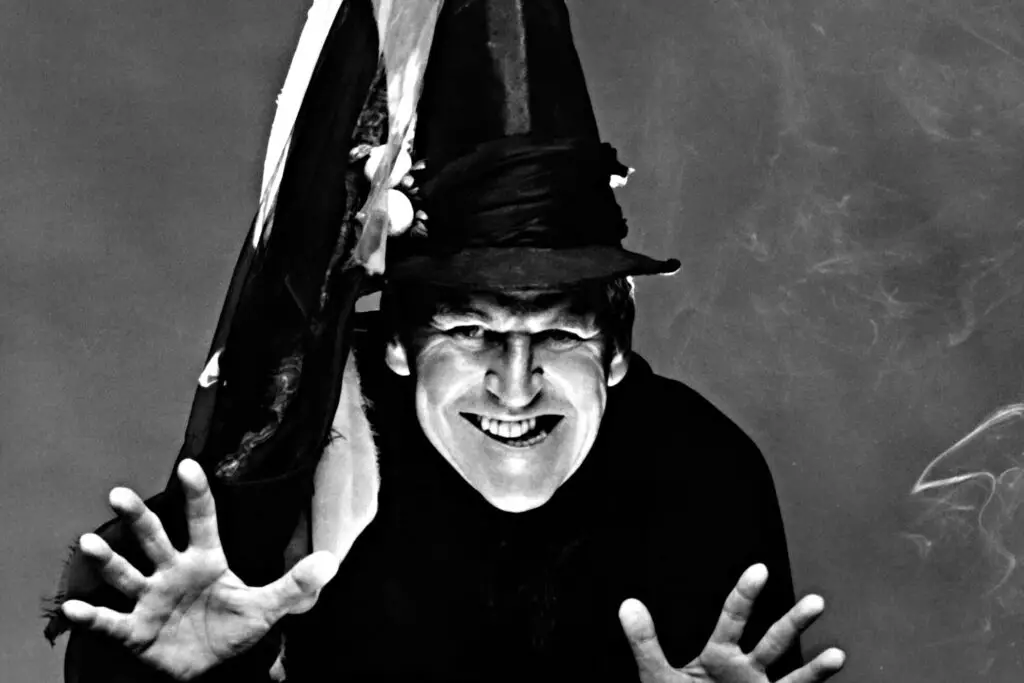
Paul Lynde’s voice was once unmistakable and unavoidable. Game shows, sitcoms, and variety specials leaned heavily on his sharp delivery. He became a familiar presence in living rooms across the country. At his peak, he felt like a permanent part of television.
Today, his name is rarely invoked, even when his influence is visible. Many people recognize his style without knowing who originated it. Comedy evolves quickly, and performers can slip through the cracks. Lynde’s work still holds up, but his name often does not surface. That disconnect is striking.
7. Jan-Michael Vincent
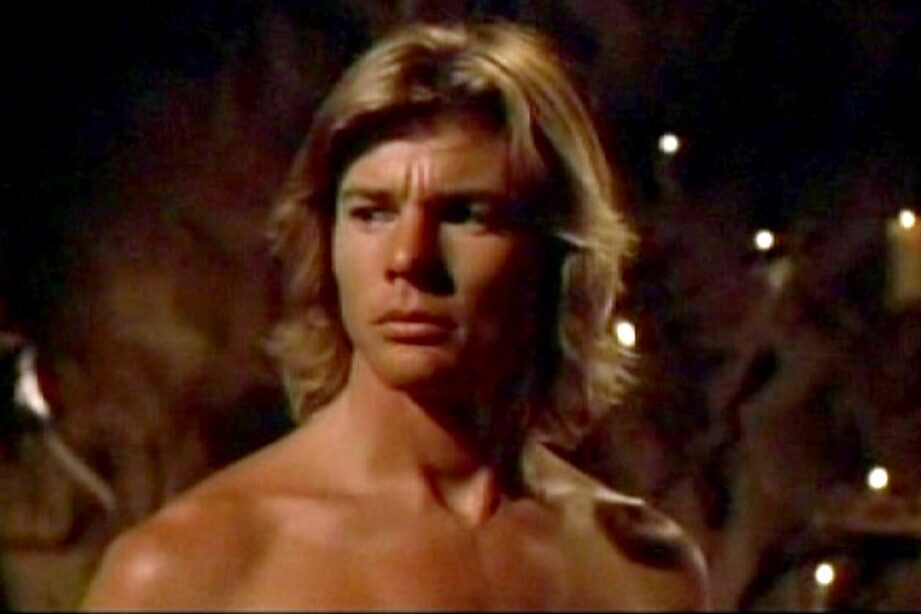
There was a time when Jan-Michael Vincent symbolized rugged television stardom. Airwolf made him a household name and a network staple. His fame felt secure, built on charisma and prime-time exposure. For several years, he was exactly the kind of star TV depended on.
His later struggles overshadowed his earlier success. Over time, his name stopped appearing in casual conversation. The show remains remembered more than the actor himself. That imbalance is common with TV-driven fame. Once the reruns slow down, the memory follows.
8. Lynda Carter
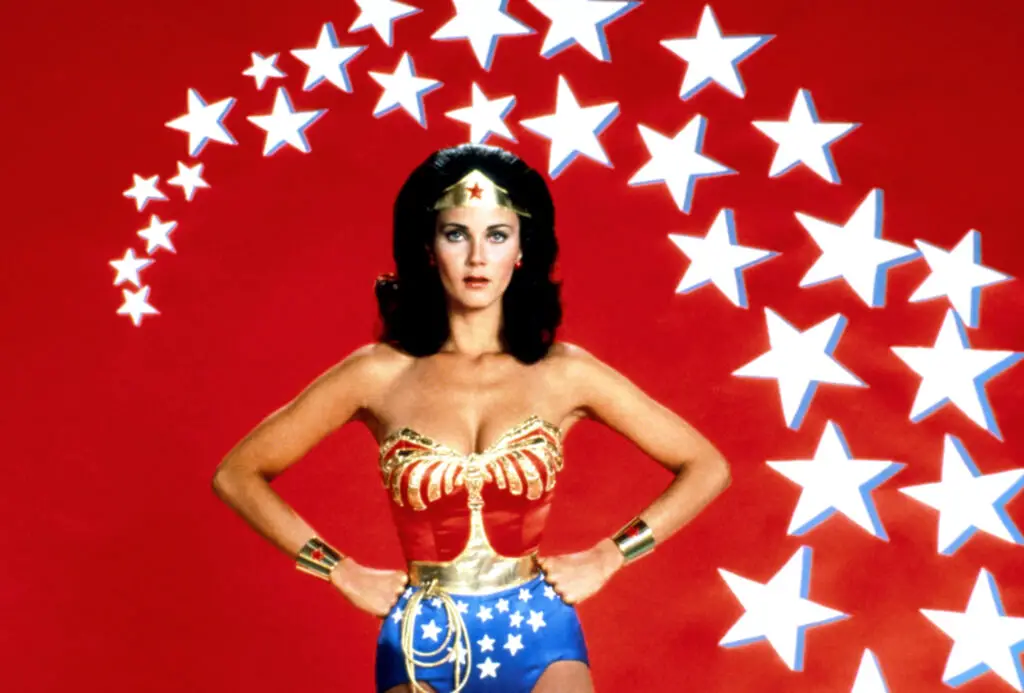
Lynda Carter’s portrayal of Wonder Woman made her instantly iconic. In the ’70s, her image was everywhere, from television to merchandise. She embodied strength and glamour in a way that resonated deeply. For a generation, her name needed no explanation.
Later versions of the character reshaped public memory. Carter remained respected, but the constant references faded. Newer audiences often know the role before the woman who defined it. That shift happens quietly, without erasing the impact. Fame moves forward, rarely backward.
9. Erik Estrada
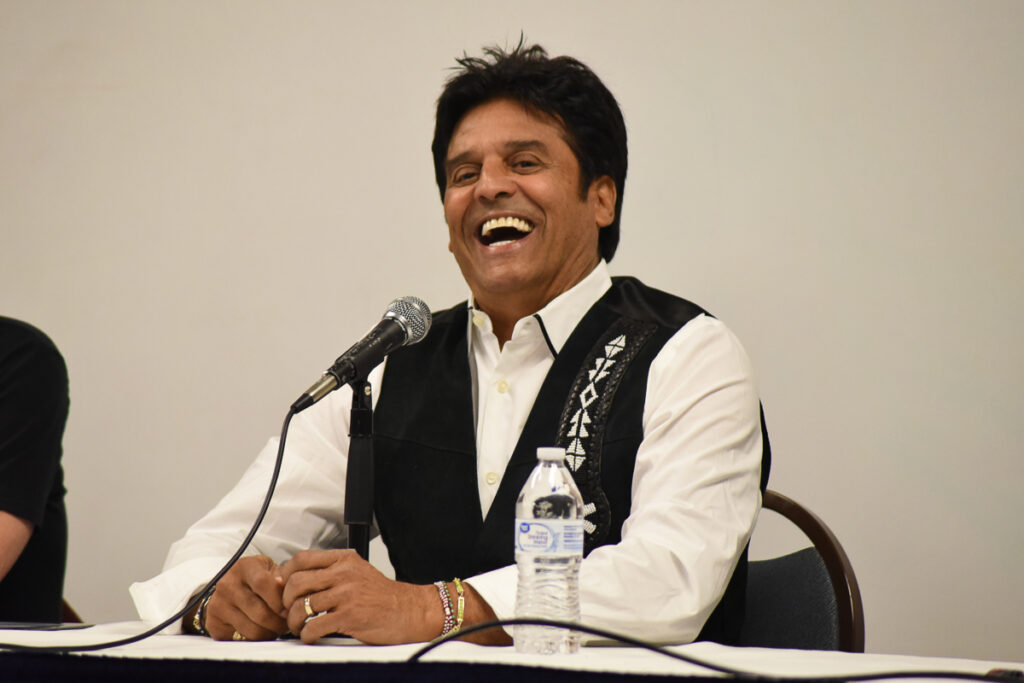
Erik Estrada was a defining TV presence during CHiPs. His face was instantly recognizable, and his popularity extended beyond the show itself. He represented a very specific moment in television culture. For years, his fame felt locked in place.
As television styles changed, mentions of Estrada became less frequent. The character remained iconic, even as the actor’s name faded. Nostalgia keeps him alive, but mostly within specific circles. That narrowing is typical of era-bound fame. It does not disappear, it concentrates.
10. Debbie Reynolds
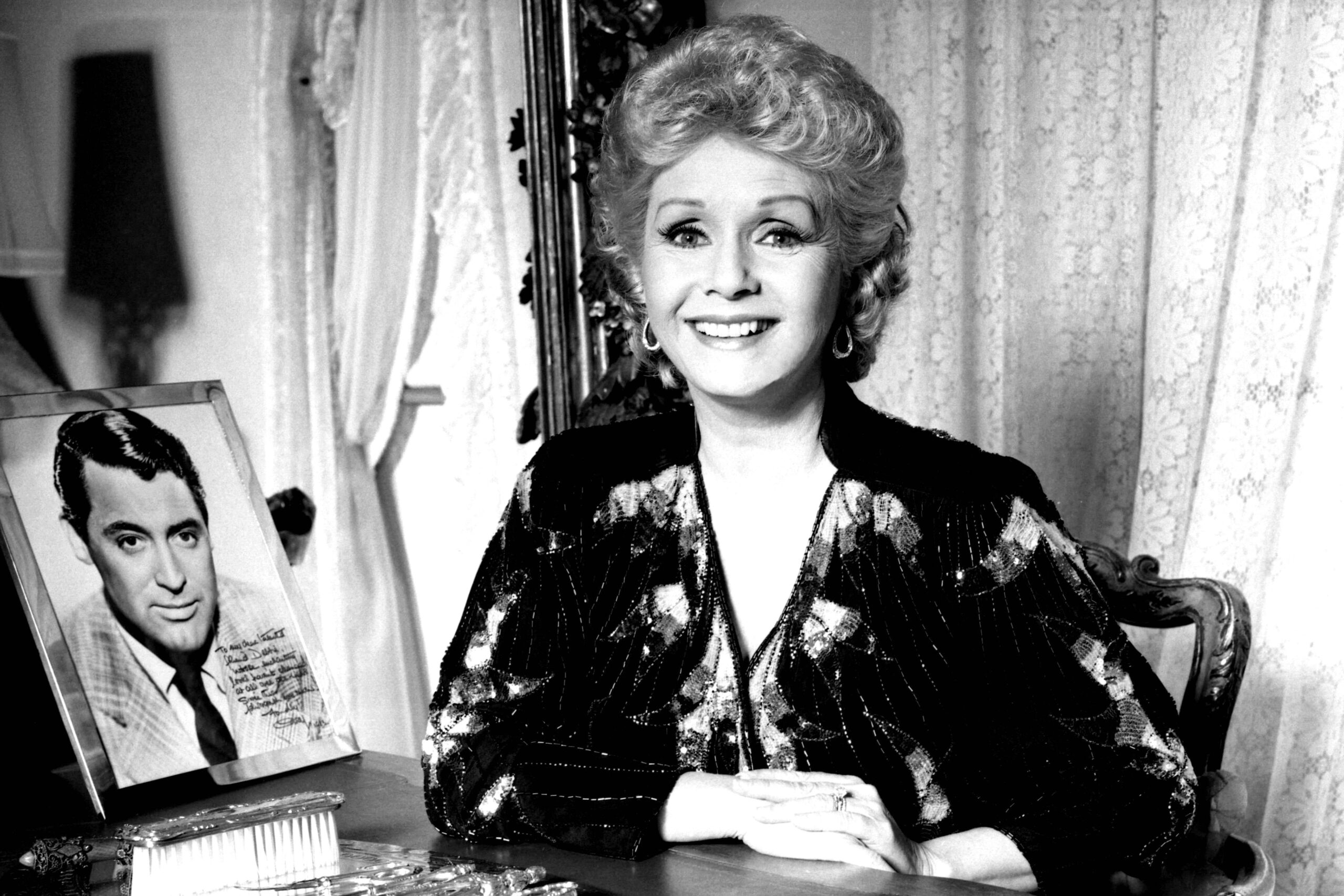
Debbie Reynolds was once a name everyone knew. She moved effortlessly between films, music, and television. Her energy and warmth made her a constant presence across decades. At one point, it was hard to imagine pop culture without her.
In later years, her fame became more reflective than current. People remembered her more for who she had been than what she was doing. Her legacy remained strong, even as daily mentions slowed. That transition is a natural one, but still noticeable. Fame ages, even when respect does not.
11. Tony Orlando
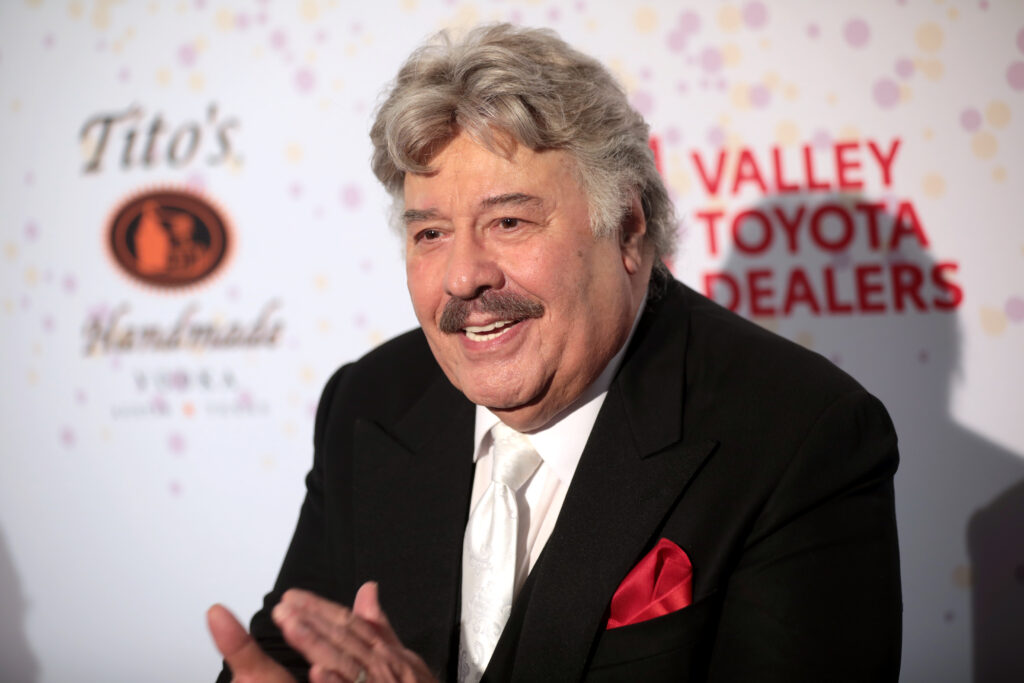
Tony Orlando’s voice once dominated radio and television. With Tony Orlando and Dawn, his songs were inescapable. The group’s cheerful image made them a cultural staple. For a time, their presence felt permanent.
As music tastes shifted, Orlando’s name drifted out of everyday talk. The songs remained familiar, but the artist became less central. This happens often with pop acts tied to a specific moment. Their sound stays recognizable, even when their names fade. Nostalgia does selective remembering.
12. Karen Valentine
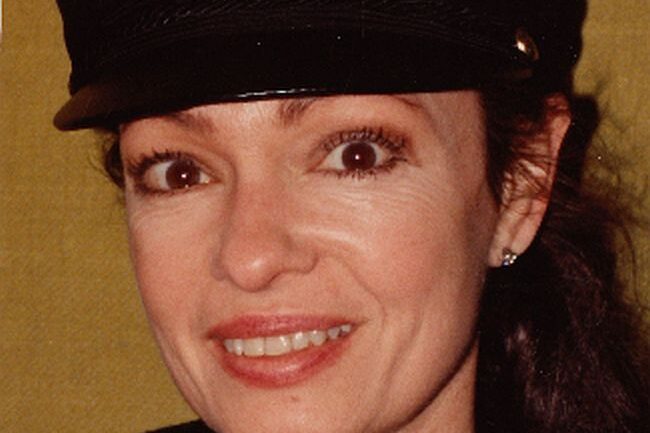
Karen Valentine broke out with Room 222 and quickly became a familiar TV face. Her performances earned awards and strong viewer affection. In the early ’70s, she seemed positioned for a long run of prominence. The industry clearly took her seriously.
Over time, her career became quieter and more selective. Casual mentions of her name became rare. Many remember the show more vividly than the performer. That kind of fade is gentle but real. It reflects how television fame often works.
13. Pat Boone
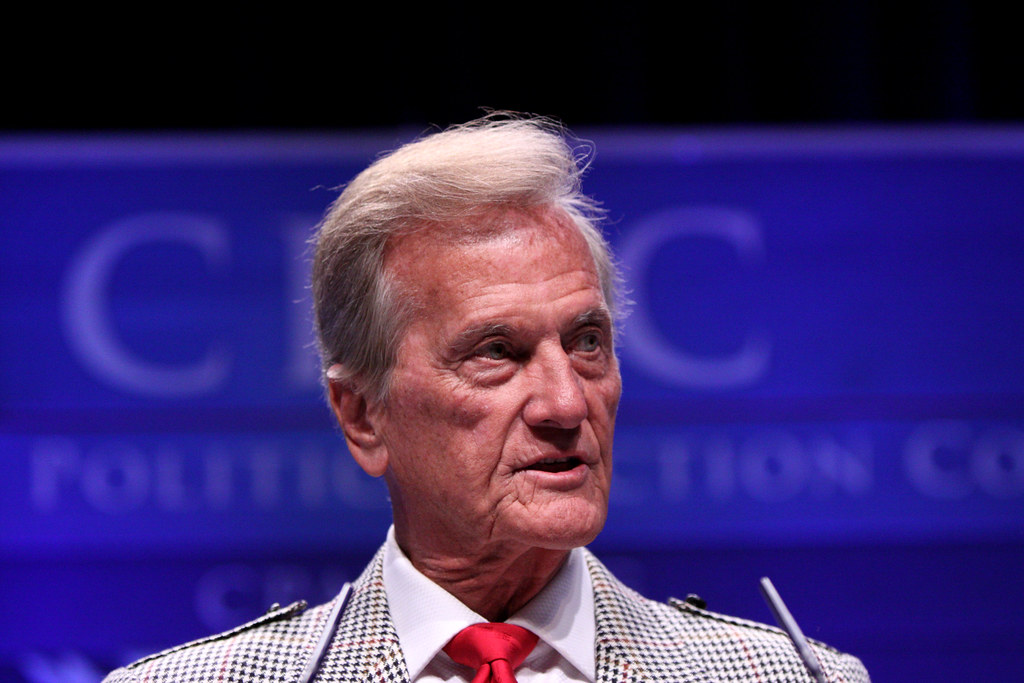
Pat Boone was once one of the most recognizable names in American entertainment. His clean-cut image and chart-topping songs made him a constant presence. He crossed into film, television, and radio with ease. For years, his name carried cultural weight.
Later generations associate him more with a past era than active fame. Mentions of Boone tend to feel historical rather than current. His influence is undeniable, even if his name surfaces less often. That shift marks the difference between fame and legacy. They are related but not the same.
14. Linda Evans
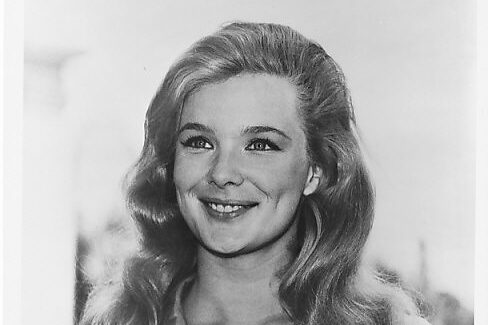
Linda Evans became a household name through Dynasty. Her portrayal of glamour and power defined ’80s prime-time television. During the show’s run, her fame was massive and unavoidable. She represented an entire era of TV excess.
When the show ended, the spotlight moved on quickly. Evans stepped back, and mentions of her name slowed dramatically. The character remained iconic, even as the actress receded from view. That separation is common with long-running roles. Fame does not always follow the performer forward.
15. Donny Most
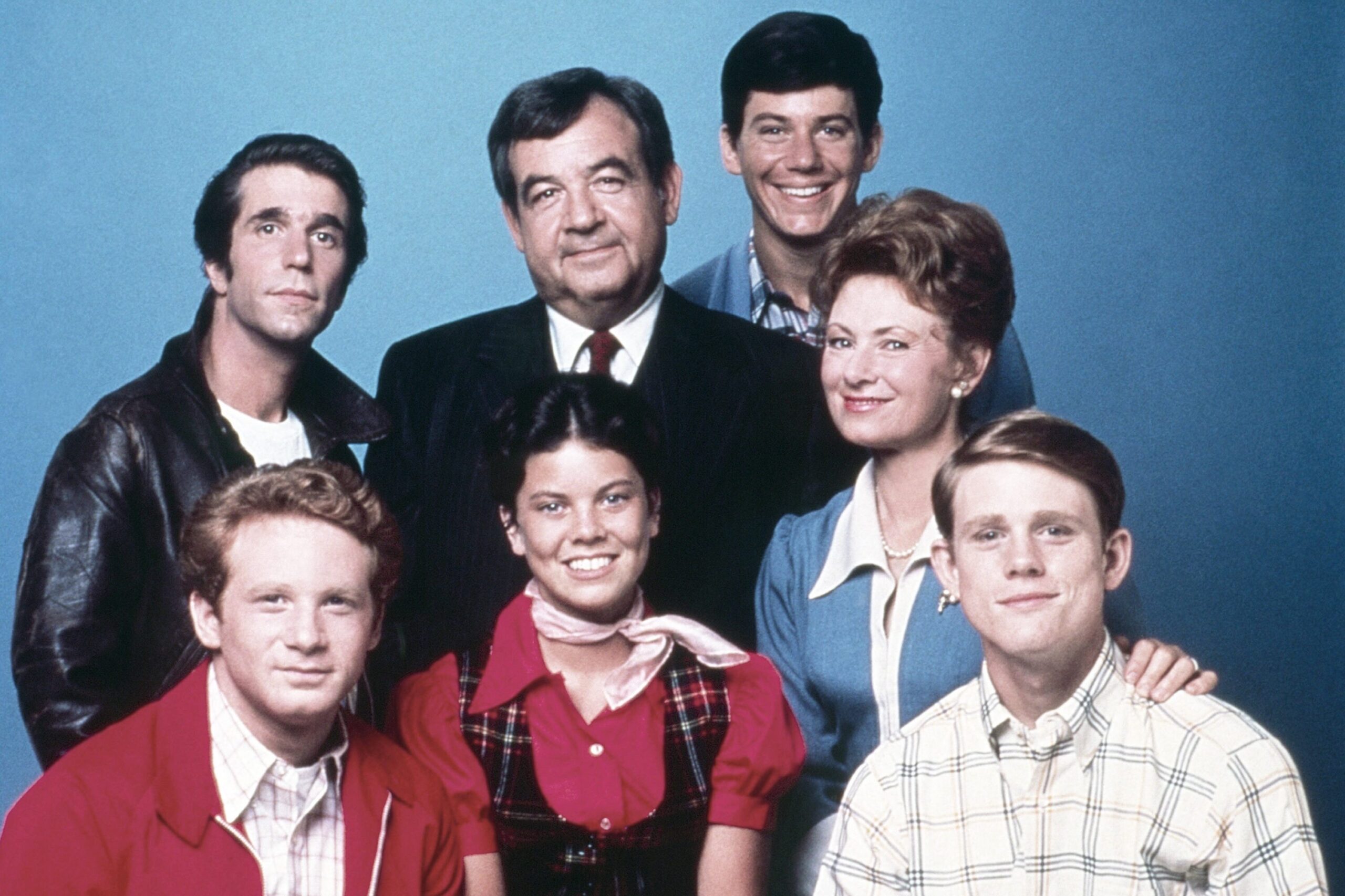
Donny Most was instantly recognizable as Ralph Malph on Happy Days. The show made him part of weekly routines for millions of viewers. His character was central to the show’s identity. At the time, that visibility felt permanent.
After the series ended, his name became less commonly mentioned. Many remember Ralph clearly but hesitate on the actor’s name. That distinction highlights how television fame can freeze in place. The role lives on, while the person quietly moves forward. It is a familiar pattern in pop culture history.