
1. The Corner Video Rental Store
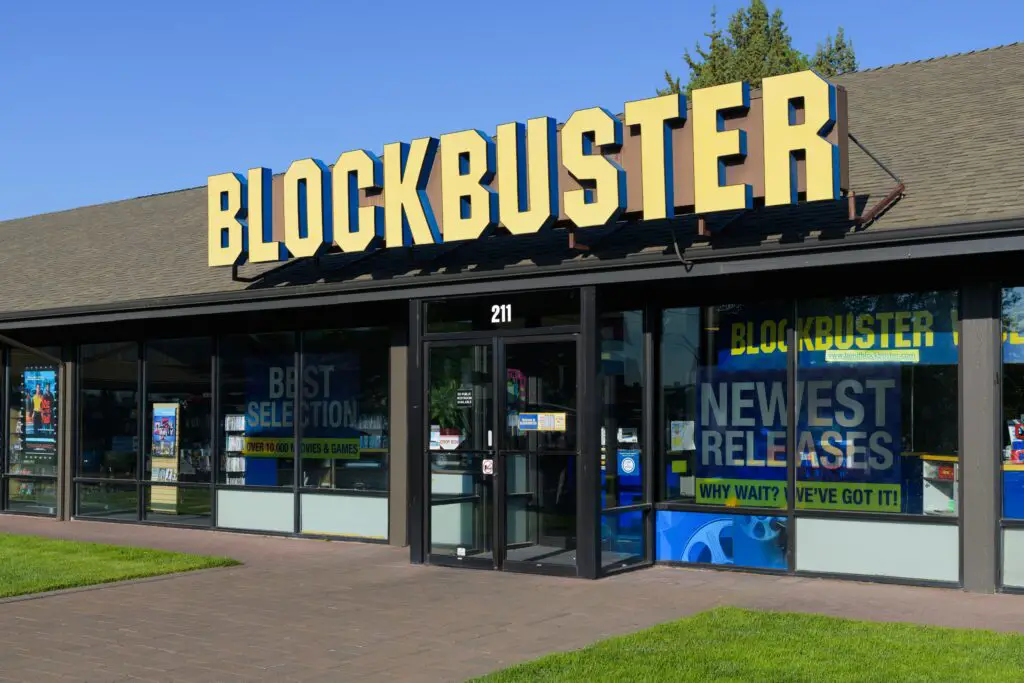
There was always one video store in every neighborhood that felt more like a clubhouse than a business. The carpet smelled faintly like plastic cases, and the aisles were narrow enough that you always had to politely shuffle past someone. New releases were never actually new by the time you got there, but that was part of the ritual. You learned patience and disappointment in those aisles. Clerks offered unsolicited recommendations that somehow stuck with you for years.
When they disappeared, they didn’t leave ruins or signs behind. One day it was a nail salon or a cell phone store, and the memory vanished with it. No plaques marked where families once argued over movie picks. The habit faded so quietly that it took years to realize it was gone.
2. The Neighborhood Roller Rink
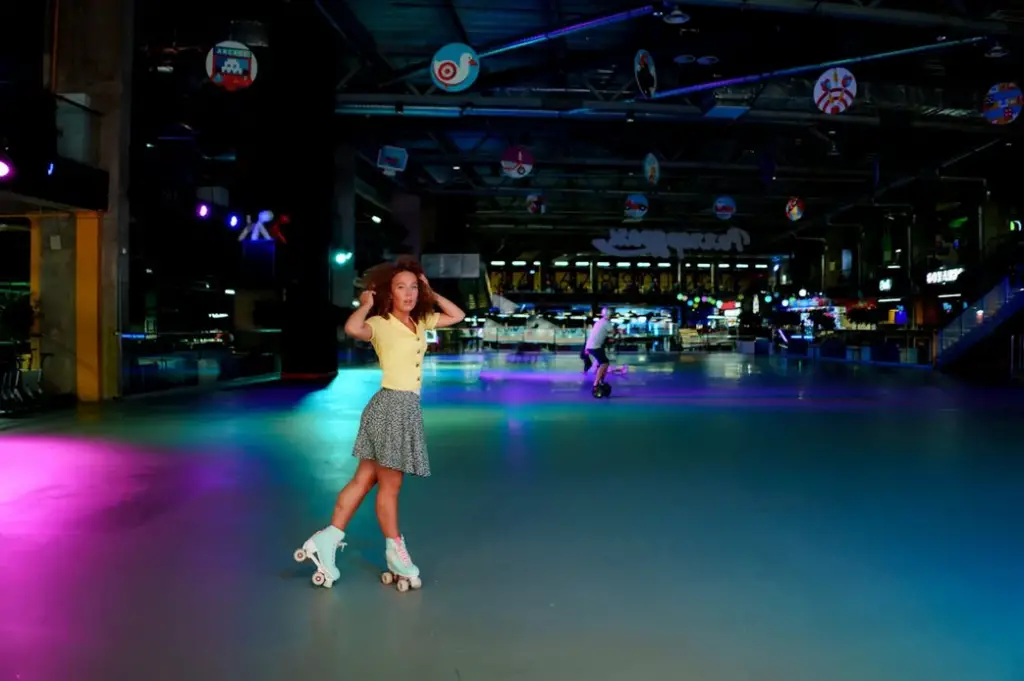
Roller rinks were loud, sticky, and full of social rules you only learned by messing them up. The music echoed off cinderblock walls, and the carpet always looked like it had seen too much. Birthday parties blurred together, but the feeling of skating under spinning lights never did. You learned confidence by falling in front of everyone.
Most rinks didn’t close with fanfare. They just locked the doors one night and never reopened. The buildings were often repurposed or demolished without comment. It’s strange how a place that once felt so alive could disappear without even a photo left behind.
3. The Town Pool

Every town seemed to have a public pool that operated on its own strange schedule. Summer days revolved around adult swim breaks and the whistle of lifeguards. You knew which corner was deepest and which lifeguard was the strictest. It was where you learned to swim, flirt, and survive boredom.
When budgets tightened, pools were usually the first to go. They drained the water and fenced it off, then eventually erased it entirely. Grass or pavement replaced the laughter. Unless you were there, you’d never know it existed.
4. The Local Bowling Alley
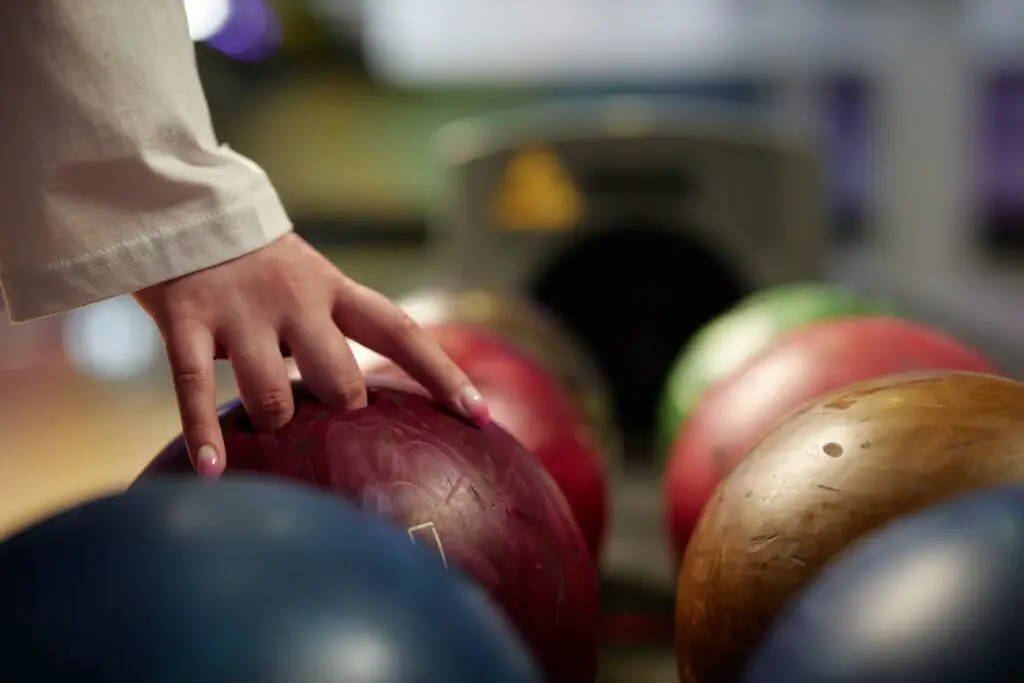
Bowling alleys smelled like fries and rented shoes, and that smell felt permanent at the time. League nights made the place feel important, like something serious was happening. Kids hung around the arcade while adults argued over scores. It was casual competition before everything became digital.
Many alleys closed quietly as leagues dissolved. The buildings were sold, stripped, and reused. Without the lanes, nothing hinted at what had been there. Even the echo seemed to vanish.
5. The Community Rec Center
Rec centers were the backbone of after school hours and weekend boredom. You went there whether you had a plan or not. There were bulletin boards full of flyers no one read and gyms that hosted everything from dodgeball to holiday craft fairs. It felt like neutral ground.
When funding dried up, doors closed without ceremony. Programs ended first, then the building itself. Sometimes it became offices, sometimes nothing at all. The sense of shared space dissolved faster than expected.
6. The Mall Food Court Hangout
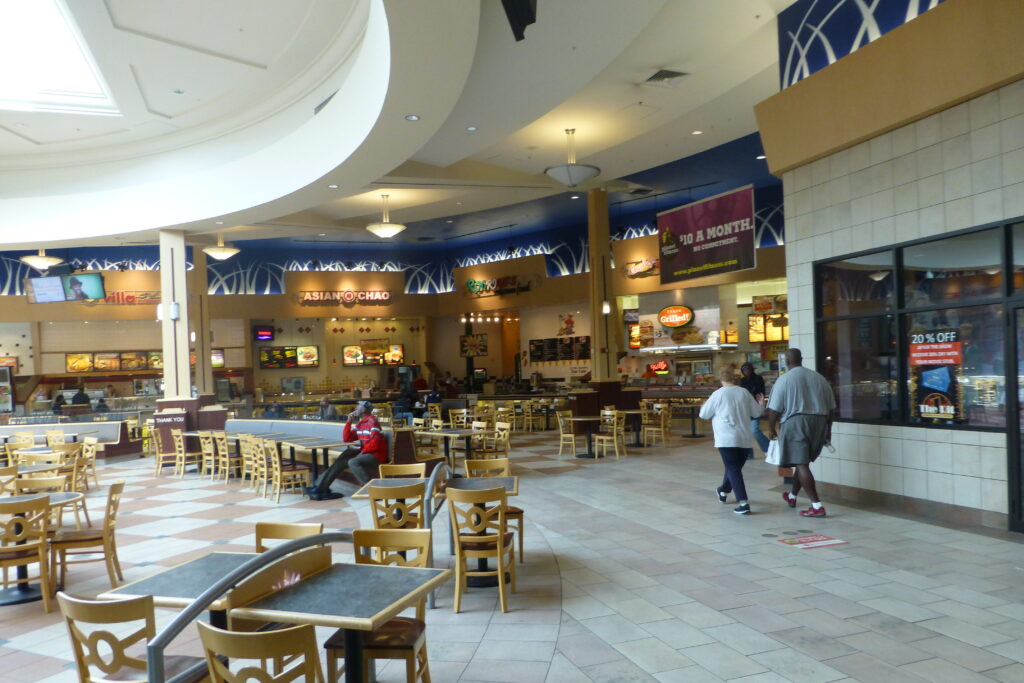
Food courts weren’t about food as much as they were about loitering. You bought the cheapest thing possible and sat for hours. It was where friendships deepened and drama unfolded between sips of soda. Everyone pretended they weren’t watching everyone else.
As malls faded, food courts were among the first casualties. They were gutted and remodeled into something unrecognizable. No trace of the sticky tables or shared trays remained. The social center quietly disappeared.
7. The Drive-In Theater
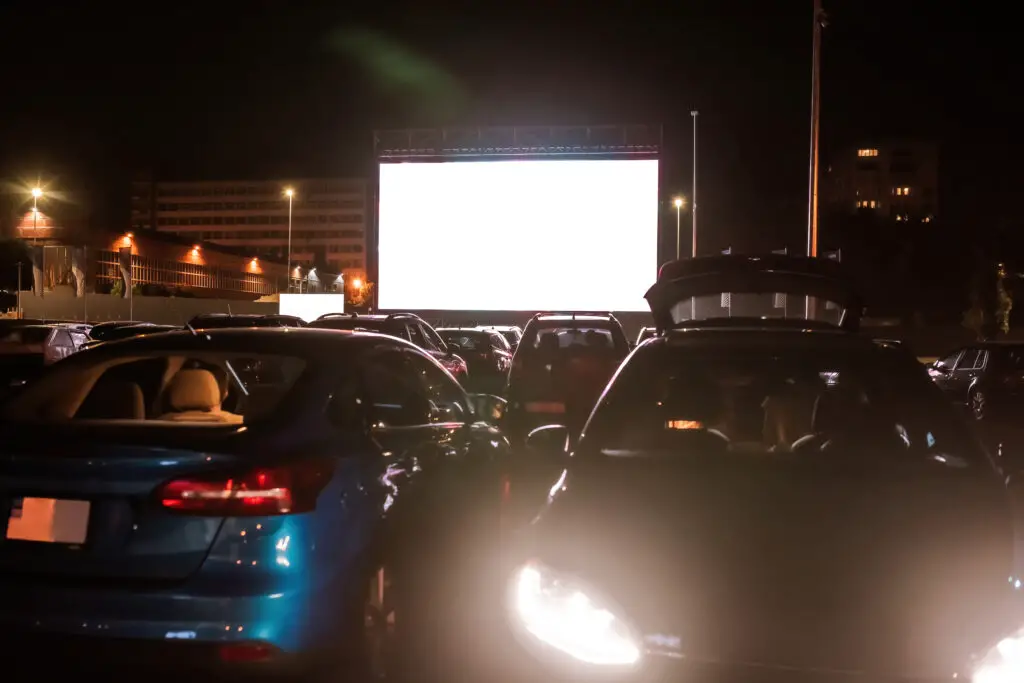
Drive-ins felt like freedom disguised as entertainment. You could talk, snack, and half watch the movie without anyone complaining. Kids fell asleep in the back while adults stayed up for double features. The screen loomed large against the night sky.
When they closed, the land was usually sold quickly. Screens were torn down, lots redeveloped, and silence replaced sound. Unless someone mentions it, you’d never guess a movie once played there. It vanished into open space.
8. The Neighborhood Dance Hall
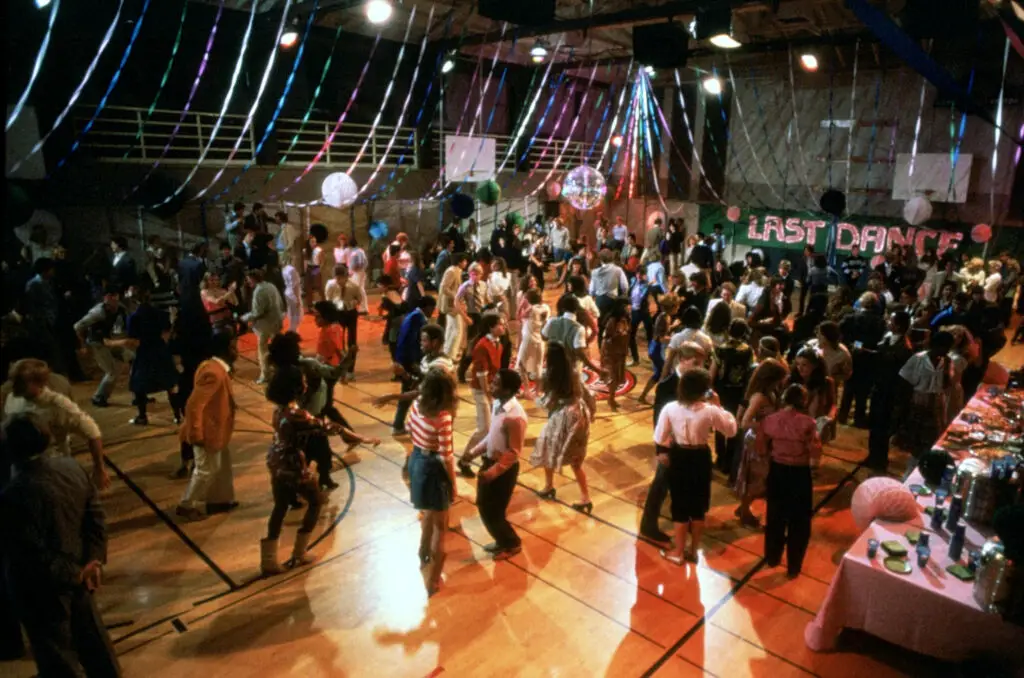
Dance halls were multipurpose spaces that hosted everything from weddings to bingo nights. Music styles changed, but the room stayed the same. People learned dances there that they never used anywhere else. It was equal parts awkward and joyful.
Once attendance dropped, these halls faded fast. Buildings were sold or left empty before being erased. No sign explained what once happened inside. The memory survived only in stories.
9. The Local Arcade
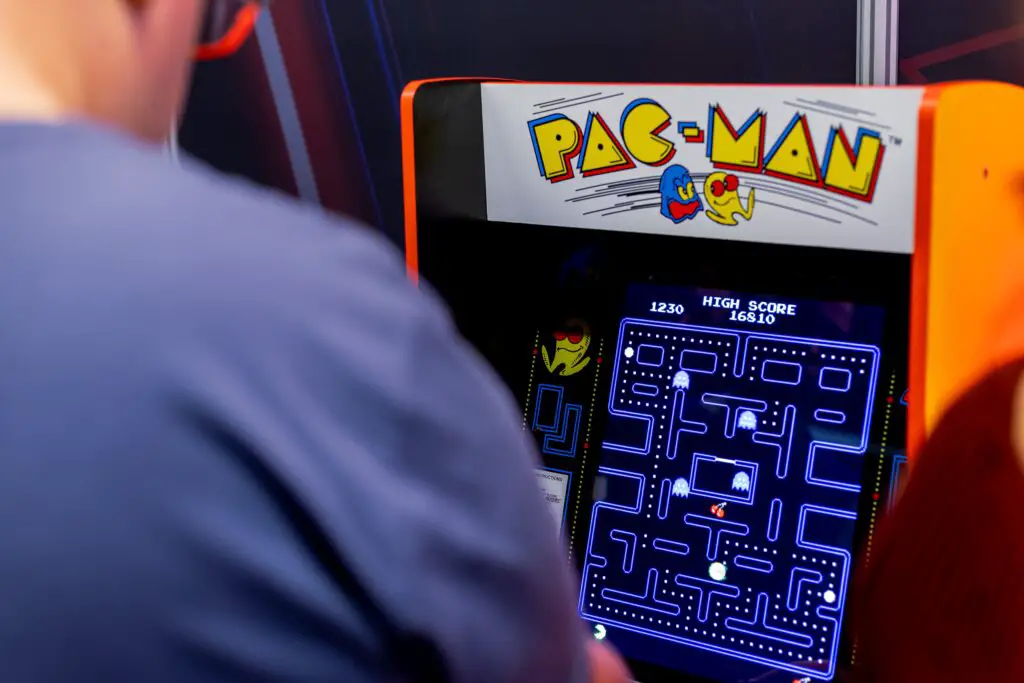
Arcades buzzed with noise and competition. You didn’t need a reason to go other than a pocket full of change. The games taught patience, reflexes, and quiet rivalry. High scores mattered more than anything else.
As home gaming grew, arcades slipped away. Cabinets were sold off and rooms cleared out. Without the machines, the space meant nothing. It disappeared without a backward glance.
10. The Church Basement Social Hall
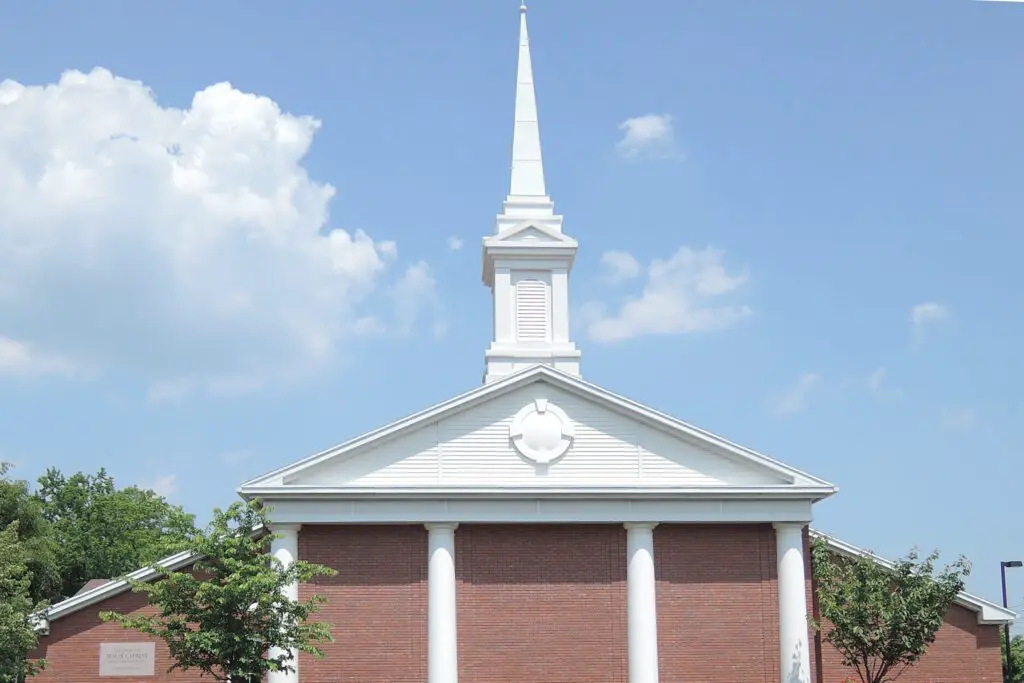
Church basements hosted everything from potlucks to youth groups. Folding tables and mismatched chairs felt permanent. You learned community without really understanding what that meant. It was where announcements happened and coffee was always available.
When congregations shrank or moved, these spaces vanished. Basements were sealed off or buildings sold. The hum of conversation disappeared. Nothing marked the loss.
11. The Local Library Branch

Small library branches were quieter than main buildings and more personal. Librarians knew your name and what you liked to read. It felt like a place that expected you to show up. Time slowed down there.
Closures often came quietly due to consolidation. Books were boxed up and shelves emptied. The building changed purpose or was abandoned. The silence stayed behind.
12. The Town Square Gazebo
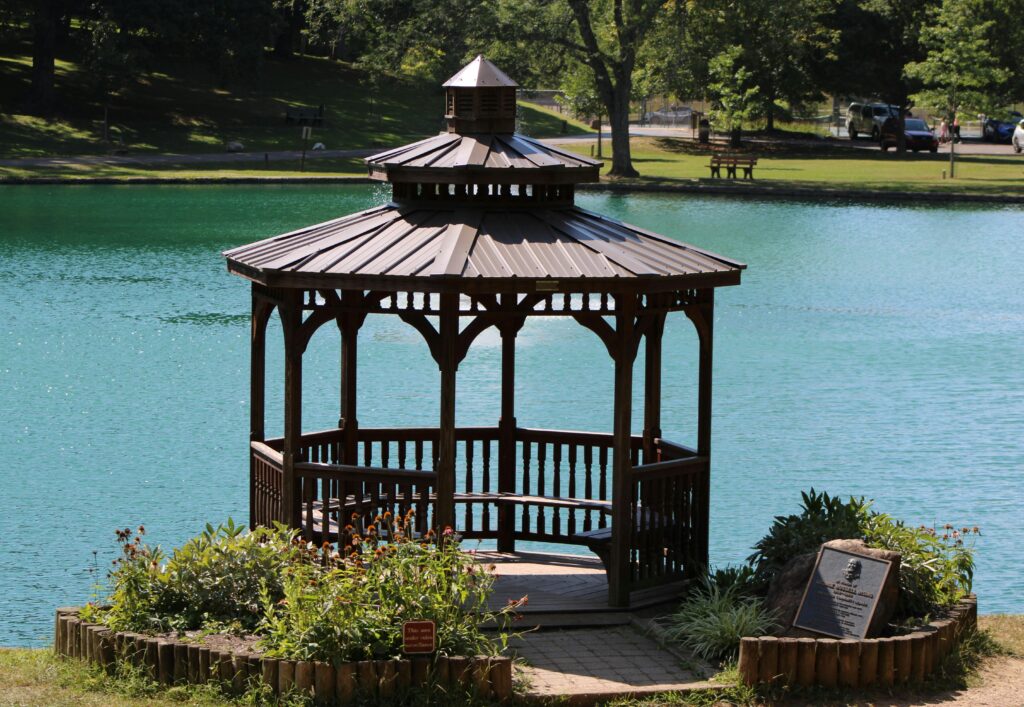
Gazebos hosted concerts, speeches, and holiday decorations. They felt symbolic even when empty. You passed them without thinking much about it. They anchored public gatherings.
When removed for renovations or safety reasons, they rarely returned. Grass filled the space and people adjusted. Without the structure, the square felt different. No marker explained why.
13. The Neighborhood Coffee Shop

Local coffee shops were less about caffeine and more about routine. You knew who sat where and at what time. Conversations overlapped in familiar ways. It felt like a pause button on daily life.
When rents rose, many closed overnight. New businesses moved in with fresh paint. Nothing hinted at the conversations once held there. The comfort vanished quietly.
14. The Community Garden
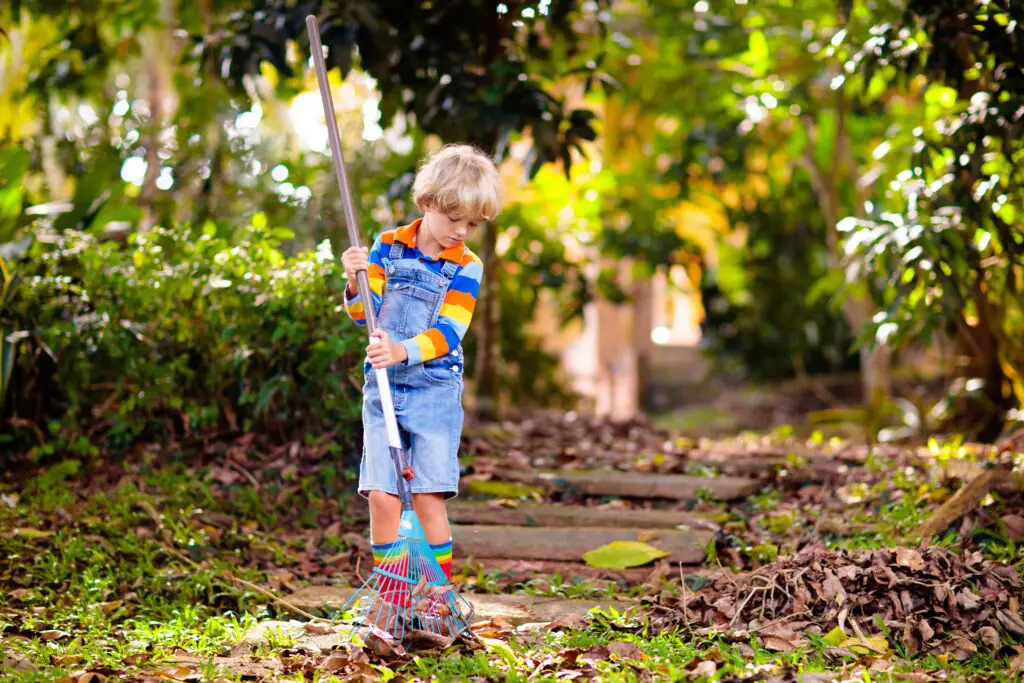
Community gardens were small but meaningful. Neighbors exchanged tips and vegetables. It was a place of shared responsibility and quiet pride. Growth felt collective.
When land was repurposed, gardens disappeared fast. Soil was cleared and plots erased. Without plants, the memory faded. It left no trace at all.
15. The Old Playground
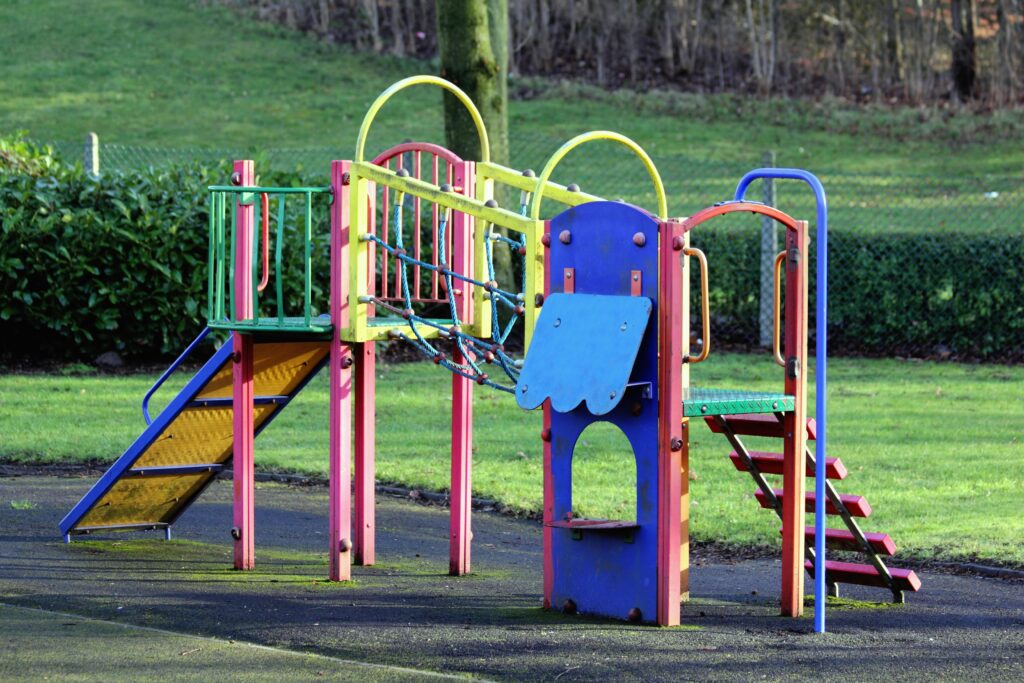
Playgrounds were landmarks in childhood memory. You knew every creak and loose bolt. Games evolved as you grew older. It felt permanent.
When equipment aged, it was often removed entirely. New developments replaced it or nothing did. Without swings or slides, the space meant nothing. Childhood left quietly.
16. The Community Movie Theater
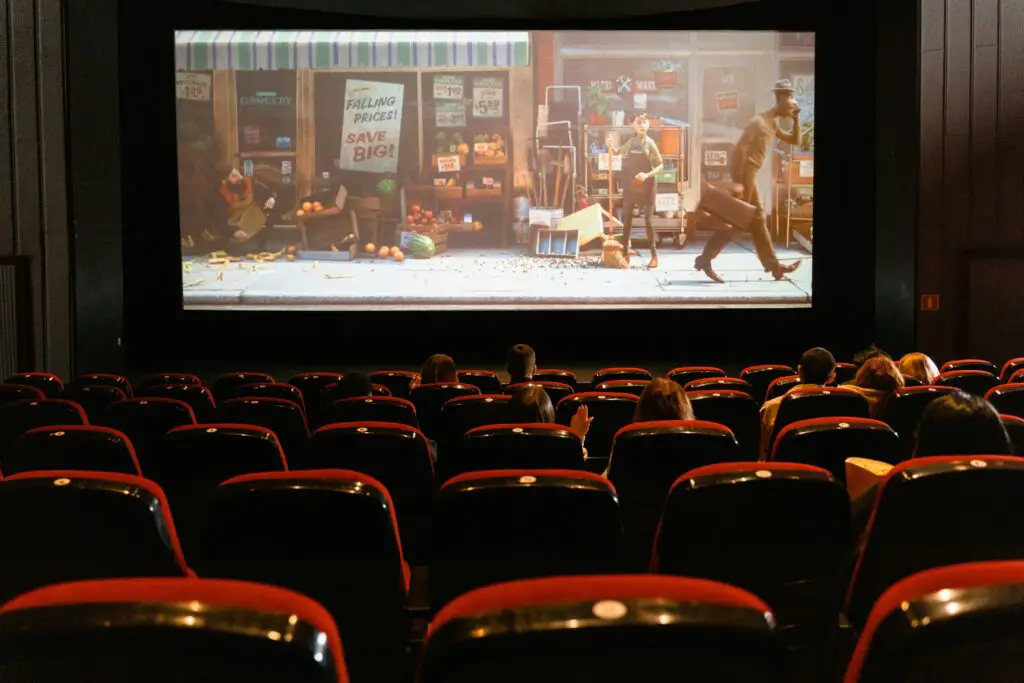
Small theaters felt intimate compared to massive chains. You recognized staff and saw the same faces in the audience. Movies felt like shared events. The experience mattered as much as the film.
As larger theaters expanded, these closed without much notice. Screens went dark and seats disappeared. Buildings were remodeled beyond recognition. The shared ritual vanished without a trace.