
1. Cleopatra
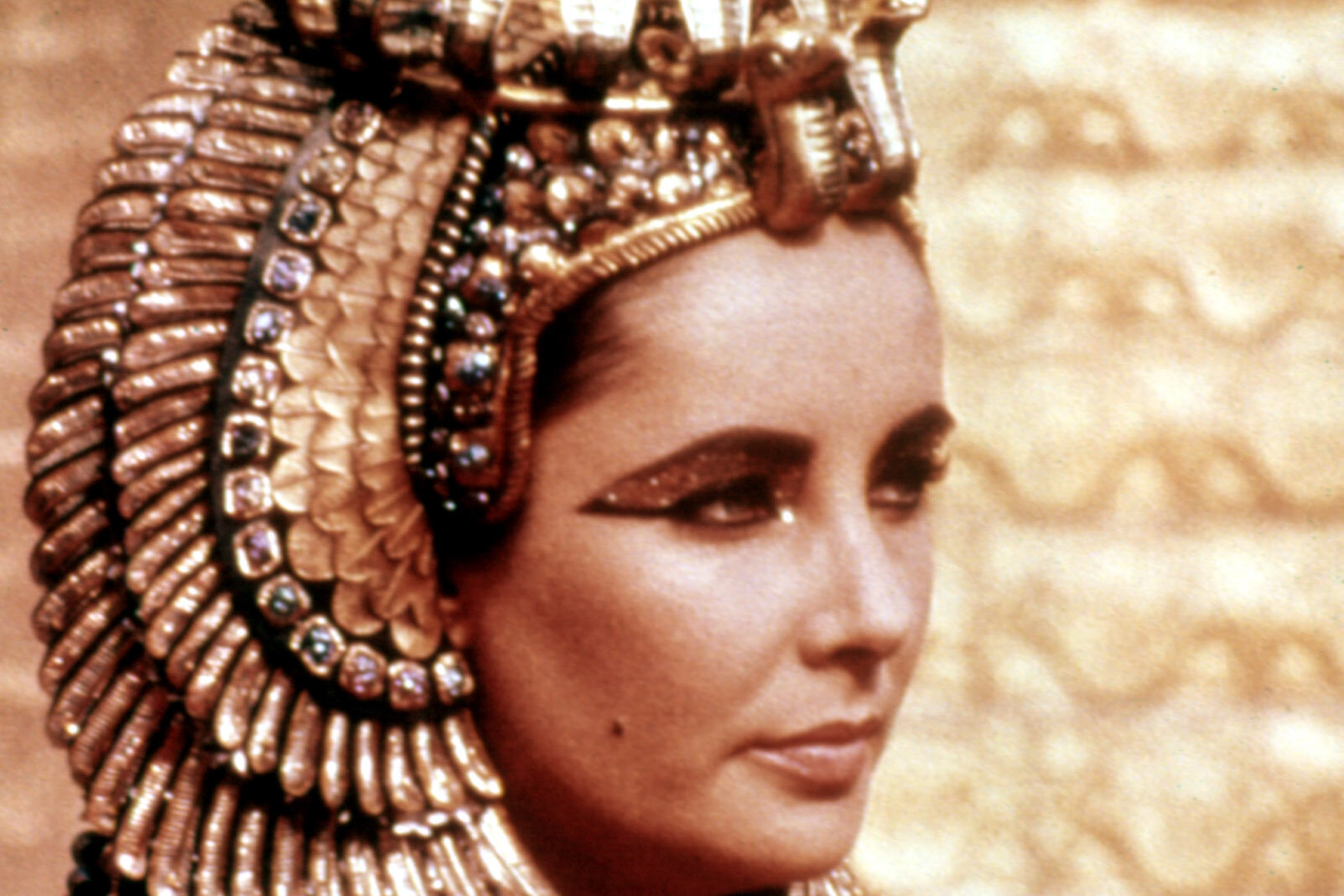
Cleopatra’s image changes dramatically depending on who is telling the story. Roman writers often portrayed her as a manipulative seductress, a framing that conveniently justified Rome’s takeover of Egypt. Many of those accounts came from her political enemies, which complicates how seriously they should be taken. Modern historians tend to describe her as multilingual, highly educated, and politically astute.
Other sources emphasize Cleopatra as a capable ruler who understood diplomacy and economics. Coins and Egyptian records present her as a traditional pharaoh rather than a scandalous outsider. The contrast between Roman propaganda and local evidence has forced historians to reassess her legacy. What remains consistent is that her story tells us as much about Roman politics as it does about Cleopatra herself.
2. Christopher Columbus
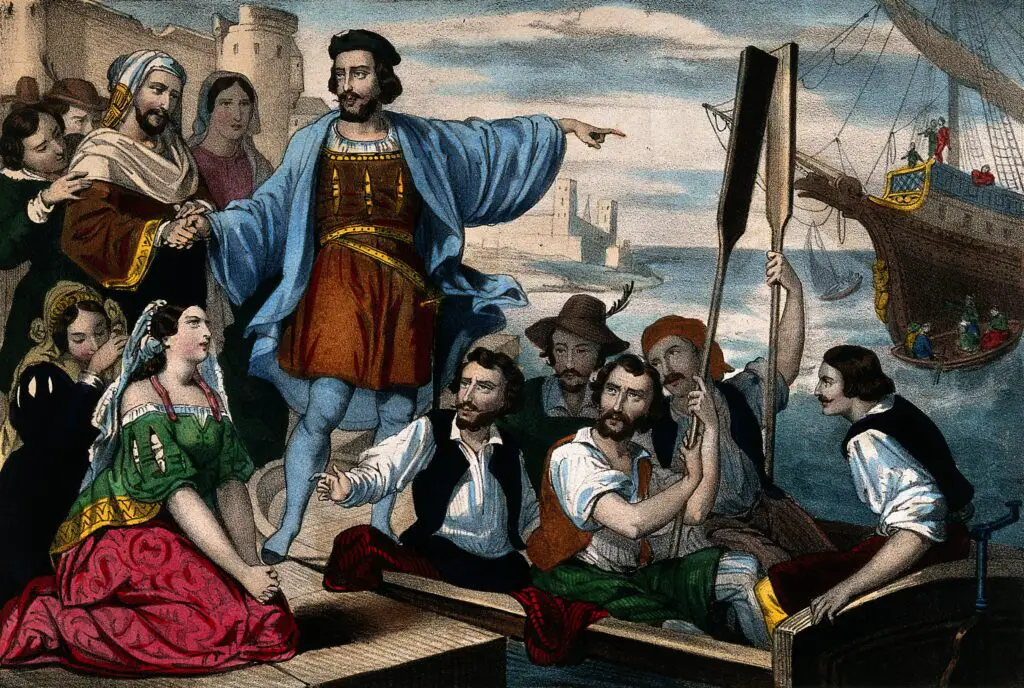
For generations, Columbus was presented as a brave explorer who “discovered” the New World. Schoolbook versions often glossed over the violence and exploitation that followed his arrival. Contemporary accounts from his own time, including letters and official reports, describe brutality that is absent from older narratives. This gap has led to major reevaluations of his reputation.
Some sources still focus on his navigational skill and persistence, framing him as a product of his era. Others argue that the consequences of his actions should define how he is remembered. The disagreement reflects changing values rather than new facts. Columbus remains a case study in how historical framing evolves over time.
3. Joan of Arc
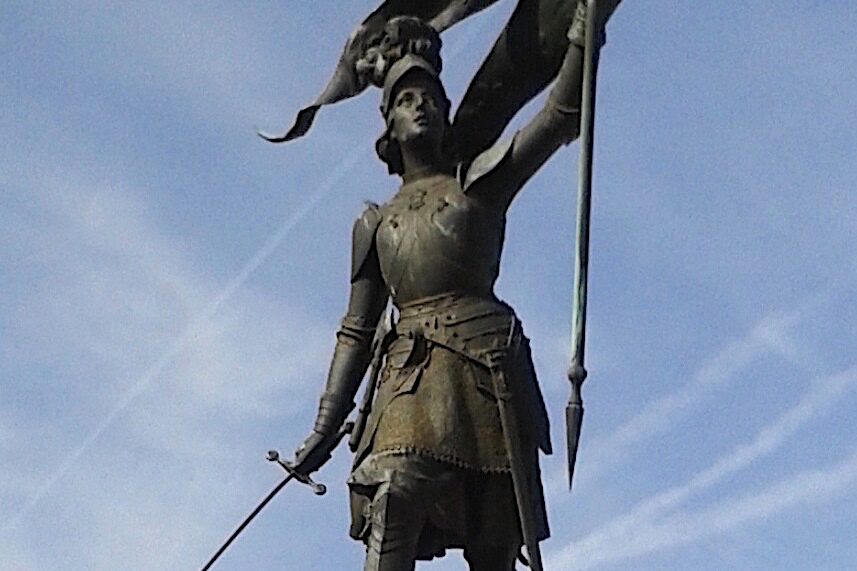
Joan of Arc has been described as everything from a divinely inspired hero to a manipulated peasant girl. Trial transcripts portray her as defiant and self assured, though they were recorded by hostile authorities. Later French sources elevated her into a symbol of national unity and faith. Each version highlights different motivations and traits.
Some historians emphasize her strategic impact on the Hundred Years’ War rather than her visions. Others focus on how gender expectations shaped both her rise and her execution. Religious interpretations also vary widely depending on the source. Joan’s story shifts based on whether the focus is politics, faith, or symbolism.
4. Napoleon Bonaparte
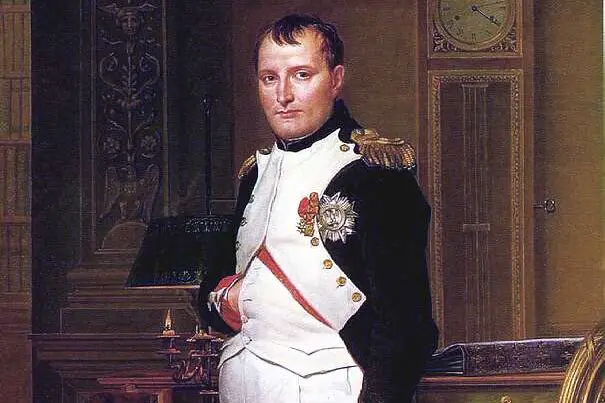
Napoleon appears as a military genius in some accounts and a reckless tyrant in others. French sources often emphasize his legal reforms and administrative skill. British writers traditionally highlighted his ambition and the wars he sparked across Europe. These differences reflect national perspectives rather than factual disagreement.
Even physical descriptions of Napoleon vary widely across sources. Some depict him as short and temperamental, while others describe him as charismatic and disciplined. His own writings further complicate the picture, as they are often self serving. The result is a figure whose reputation shifts with geography and politics.
5. Marie Antoinette
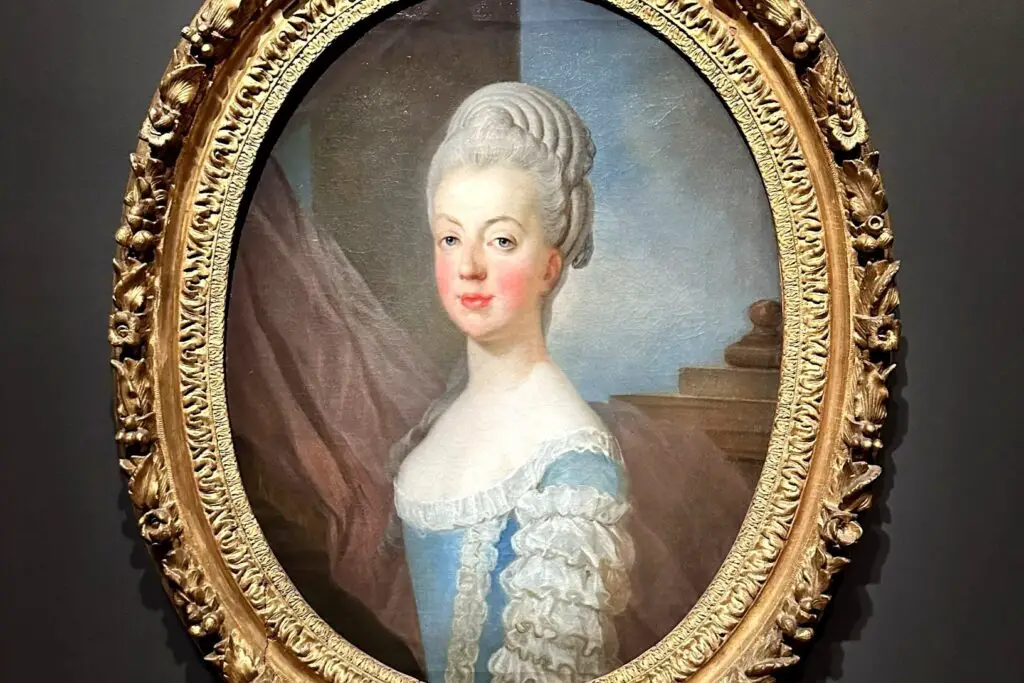
Marie Antoinette’s legacy has long been shaped by revolutionary propaganda. Pamphlets depicted her as extravagant, immoral, and indifferent to suffering. Many of these claims were exaggerated or entirely fabricated to inflame public anger. Court records and personal letters tell a more restrained story.
Some historians now argue she was politically inexperienced rather than malicious. Others point out her charitable efforts, which were ignored by her critics. The famous phrase attributed to her about cake cannot be reliably sourced. Her reputation remains a reminder of how rumor can harden into “history.”
6. Julius Caesar
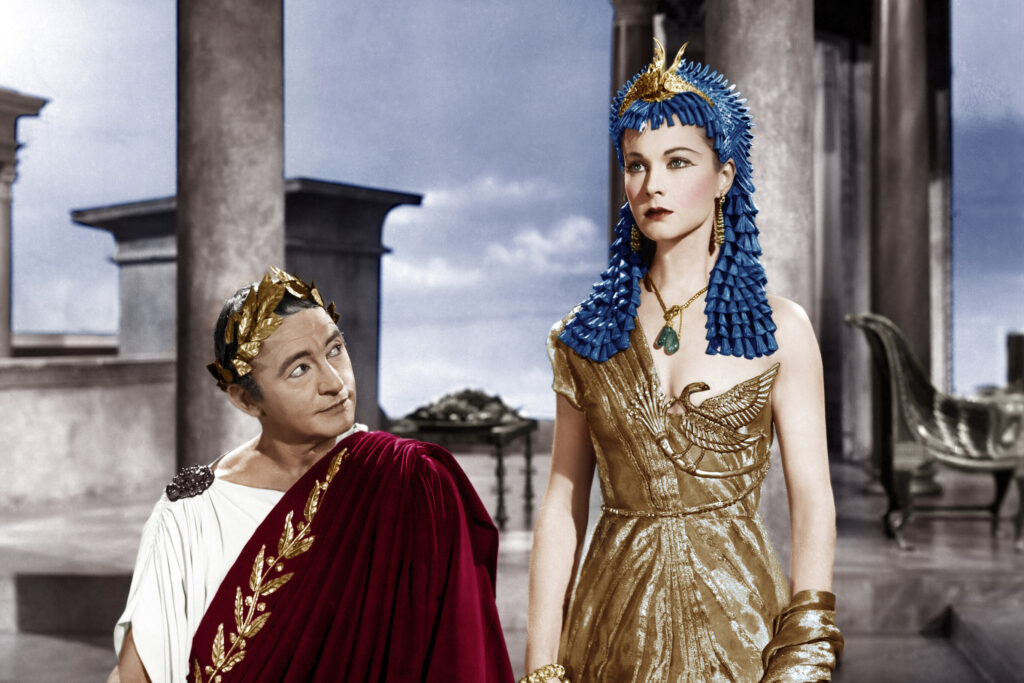
Much of what we know about Julius Caesar comes from his own writings. His commentaries present him as rational, restrained, and justified in his actions. Later Roman historians added drama and moral lessons, often reflecting their own political views. This creates tension between firsthand and later accounts.
Some sources celebrate Caesar as a reformer who stabilized Rome. Others focus on his role in ending the Republic. Even his assassination is framed differently, either as betrayal or necessary resistance. Caesar’s story changes depending on whether the writer admired or feared him.
7. Pocahontas
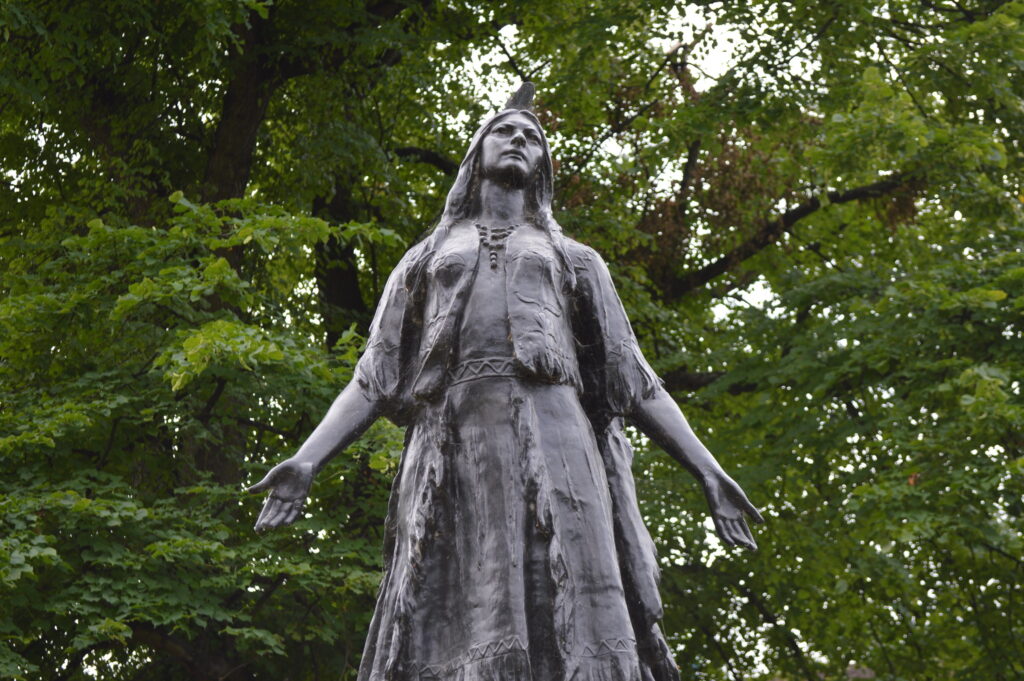
Early English accounts portrayed Pocahontas as a bridge between cultures. Later romanticized versions transformed her into a willing mediator who saved colonists repeatedly. Indigenous oral histories often tell a much more restrained and complex story. These versions challenge long held assumptions.
Some historians emphasize her youth and lack of agency in English narratives. Others focus on how her story was reshaped to justify colonization. Documentation is sparse, which allows myth to fill the gaps. Pocahontas remains one of the clearest examples of storytelling overtaking evidence.
8. Richard III
Richard III’s reputation was largely shaped by Tudor era writers. William Shakespeare’s portrayal cemented him as a villainous hunchback in popular culture. Earlier records are more mixed, describing a capable if controversial ruler. The physical descriptions alone vary widely.
Modern archaeological findings have challenged long accepted claims. Some historians argue that later sources exaggerated his cruelty to legitimize Tudor rule. Others maintain that he was ruthless even by medieval standards. Richard’s image shifts based on whether the source was political theater or administrative record.
9. Salem Witch Trials figures
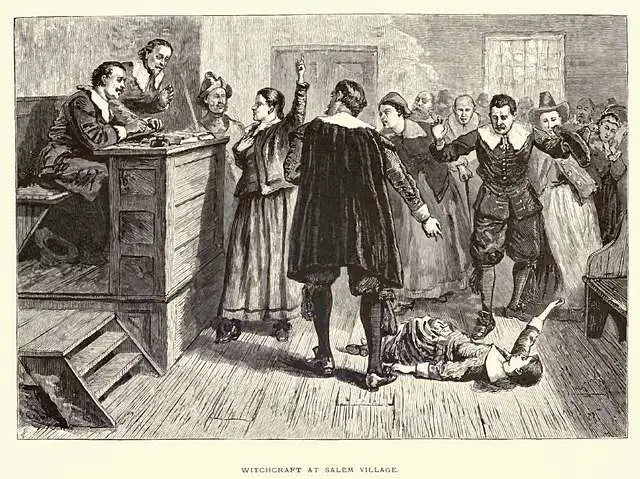
Accounts of the Salem witch trials differ sharply depending on perspective. Court records present a legal process, however flawed, while personal diaries convey panic and fear. Later retellings often simplify events into clear villains and victims. The reality was more chaotic and uncertain.
Some sources emphasize religious extremism, while others point to social tensions and personal grudges. Even the motivations of accusers vary depending on the account. The lack of consistent testimony complicates interpretation. These shifting stories reveal how collective memory evolves.
10. Marco Polo
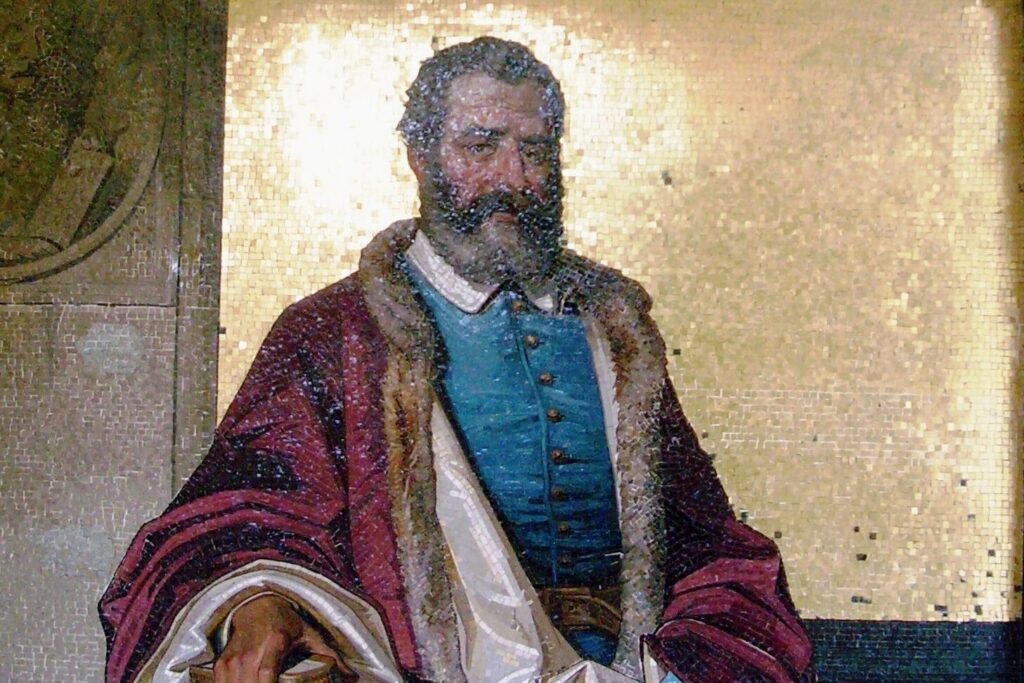
Marco Polo’s travel accounts have long been debated by historians. Some believe his descriptions of Asia were exaggerated or secondhand. Others argue that inconsistencies reflect translation issues and later edits. The absence of corroborating records fuels skepticism.
Certain details in his writing align closely with known customs of the time. Other elements appear suspiciously vague. This mix has led to divided opinions about how far he actually traveled. Polo’s story remains suspended between eyewitness account and embellished narrative.
11. Billy the Kid
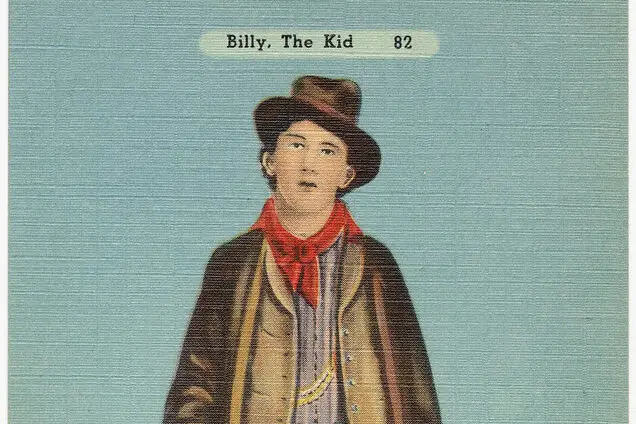
Billy the Kid’s life has been mythologized almost from the moment he died. Newspapers alternated between portraying him as a cold blooded killer and a folk hero. Official records are limited and sometimes contradictory. This leaves plenty of room for legend.
Some historians suggest he was a product of a violent frontier environment. Others focus on how law enforcement shaped his reputation for their own purposes. Even basic facts, like the number of people he killed, vary by source. His story shifts with the storyteller’s intent.
12. Elizabeth Bathory
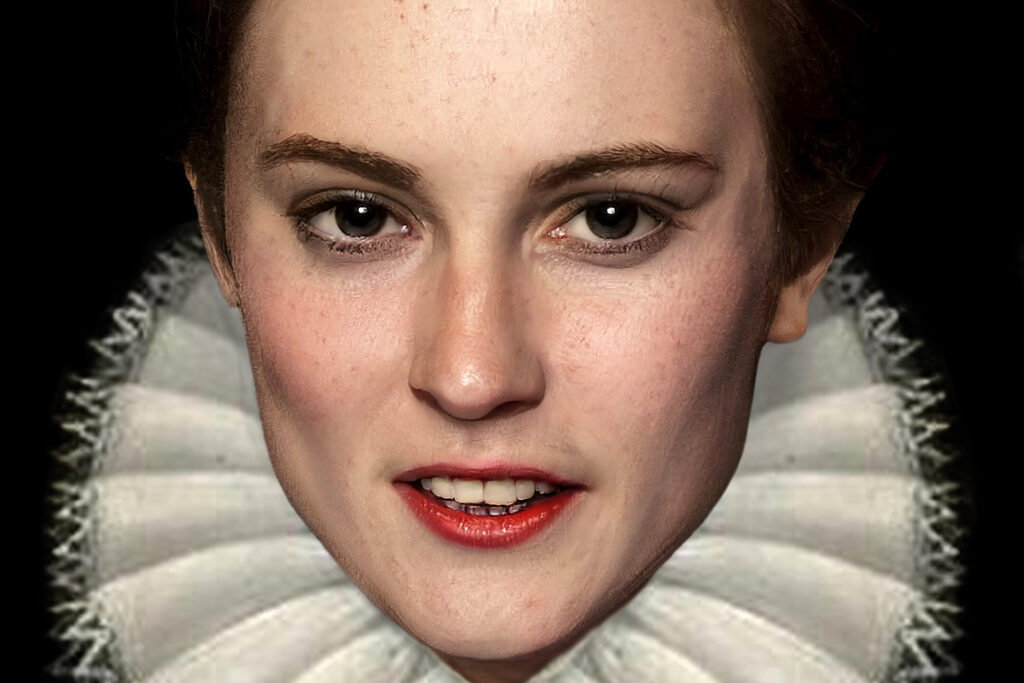
Elizabeth Bathory is often described as one of history’s most prolific murderers. Many accounts claim she bathed in blood, though reliable evidence for this is lacking. Trial records were heavily influenced by political motivations and torture induced testimony. This has led some historians to question the extent of her crimes.
Other sources argue she was framed to seize her wealth and land. While there is evidence of abuse, the scale remains disputed. The most sensational elements appear in much later retellings. Bathory’s legacy demonstrates how rumor can eclipse documentation.