
1. You Always Greeted Adults Properly

Walking into a room without saying hello was quietly frowned upon. Families expected eye contact, a greeting, and sometimes a handshake or hug depending on the household. It was less about politeness and more about acknowledgment. Adults noticed who made the effort and who slipped past unnoticed.
No one explained the rule outright, but kids learned fast when silence earned a look. Skipping a greeting could label you as rude even if you were shy. Over time, it became automatic, almost muscle memory. You didn’t question it, you just did it.
2. You Never Took the Last of Anything Without Asking

The final cookie, soda, or piece of chicken carried unspoken weight. Taking it without checking first suggested selfishness. Even if no one else wanted it, you were expected to confirm.
Asking was a small gesture that showed awareness of others. Families treated it as basic courtesy, not generosity. Ignoring this rule often led to subtle guilt rather than direct scolding. That quiet pause before reaching for the last item became instinctive.
3. You Knew When to Stay Out of Adult Conversations

If voices dropped or topics shifted, kids were expected to drift away. Adults rarely said leave, but the signal was clear. Lingering too long felt intrusive even if curiosity was strong.
Children learned to read tone and body language quickly. Asking questions at the wrong moment could earn a sharp look. The rule wasn’t about exclusion so much as boundaries. Respecting them was part of growing up.
4. You Didn’t Interrupt Phone Calls

Phone calls carried importance before caller ID and texting. If someone was on the phone, you waited unless it was urgent. Interrupting was considered disrespectful.
Kids learned to hover quietly or write notes instead. The urgency threshold was high and most things could wait. Families treated calls as private time even in shared spaces. That patience carried over into other situations later on.
5. You Cleaned Up Without Being Asked
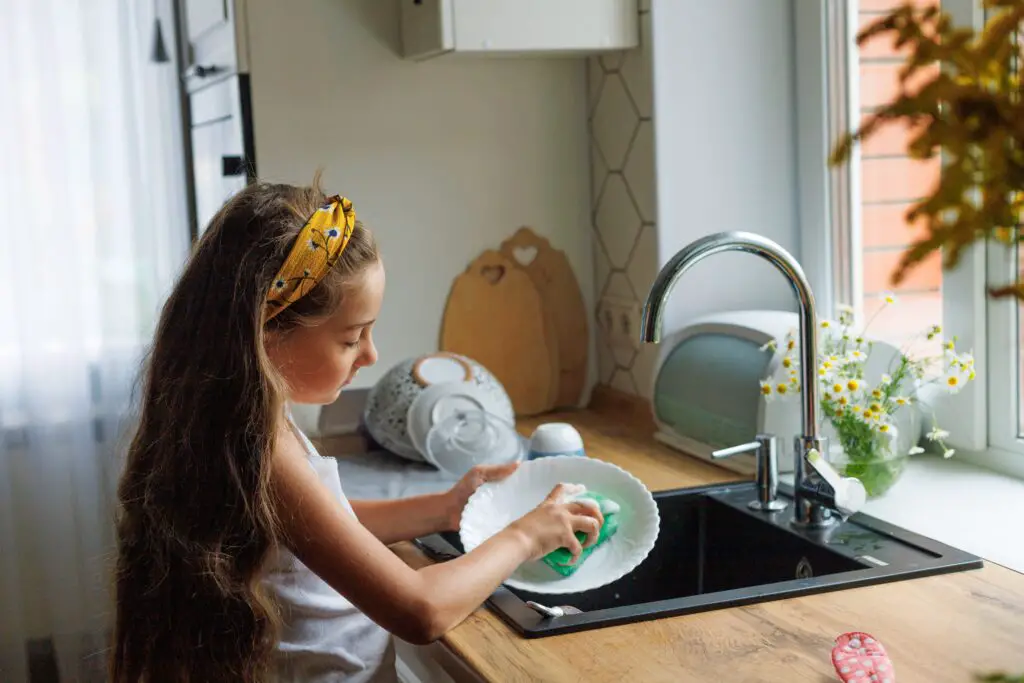
Leaving a mess behind was noticed even if no one commented. Families expected you to pick up after yourself automatically. Cleaning wasn’t framed as a chore, it was just what you did.
Failing to do it earned quiet disappointment rather than lectures. Over time, kids learned that initiative mattered. The rule reinforced responsibility without formal reminders. It became part of the household rhythm.
6. You Ate What Was Served or Stayed Quiet

Complaining about meals was strongly discouraged. Families expected gratitude regardless of preference. Saying you didn’t like something could be seen as unappreciative.
If you truly couldn’t eat it, you stayed polite and low key. Pushing food around the plate was often tolerated more than comments. The rule taught tact more than obedience. It shaped how people talked about food later in life.
7. You Respected Other People’s Belongings

Touching something that wasn’t yours without asking crossed a line. Even siblings followed this rule in many homes. Respect for property started early.
Breaking it didn’t always lead to punishment but trust suffered. Kids learned quickly that borrowing required permission. The expectation extended beyond the home to friends’ houses. It reinforced boundaries in subtle ways.
8. You Didn’t Show Off or Brag

Talking too much about achievements was quietly discouraged. Families valued humility and understatement. Pride was acceptable, bragging was not.
Children learned to downplay accomplishments unless asked. Compliments were received politely but not exaggerated. The rule shaped how success was discussed. It emphasized modesty as a form of respect.
9. You Knew When It Was Time to Be Quiet

Certain moments demanded silence without explanation. Early mornings, late nights, and serious situations carried that expectation. Noise at the wrong time was noticed.
Kids learned to adjust volume instinctively. Being too loud wasn’t just annoying, it was inconsiderate. The rule was rarely spelled out but strongly enforced through reactions. Awareness mattered more than intention.
10. You Helped When Guests Were Over

Visitors changed the household dynamic immediately. Kids were expected to offer help, behave well, and stay visible but not disruptive. Hosting came with shared responsibility.
Ignoring guests or hiding away was often frowned upon. Families treated hospitality as a group effort. Children learned by watching and mimicking adults. It quietly taught social awareness.
11. You Didn’t Argue in Front of Others
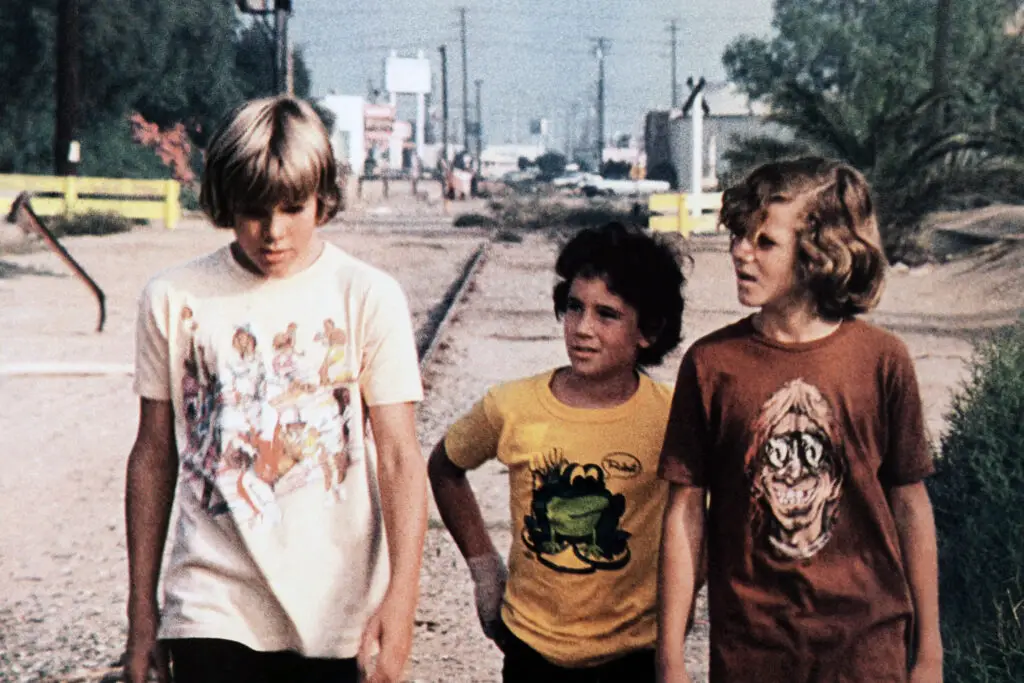
Disagreements were kept private whenever possible. Arguing publicly reflected poorly on the family as a whole. Kids sensed when topics were off limits.
If tensions rose, conversations were postponed. This rule emphasized composure over resolution. Children learned that timing mattered. It shaped how conflict was handled long term.
12. You Showed Gratitude Even When It Felt Awkward

Thank you notes, verbal thanks, and polite acknowledgment were expected. Forgetting could be remembered longer than the gift itself. Gratitude was treated as a social obligation.
Kids learned to express thanks even when unsure how. It wasn’t about enthusiasm but recognition. Families saw it as a reflection of character. Over time, it became second nature.