
1. Spam
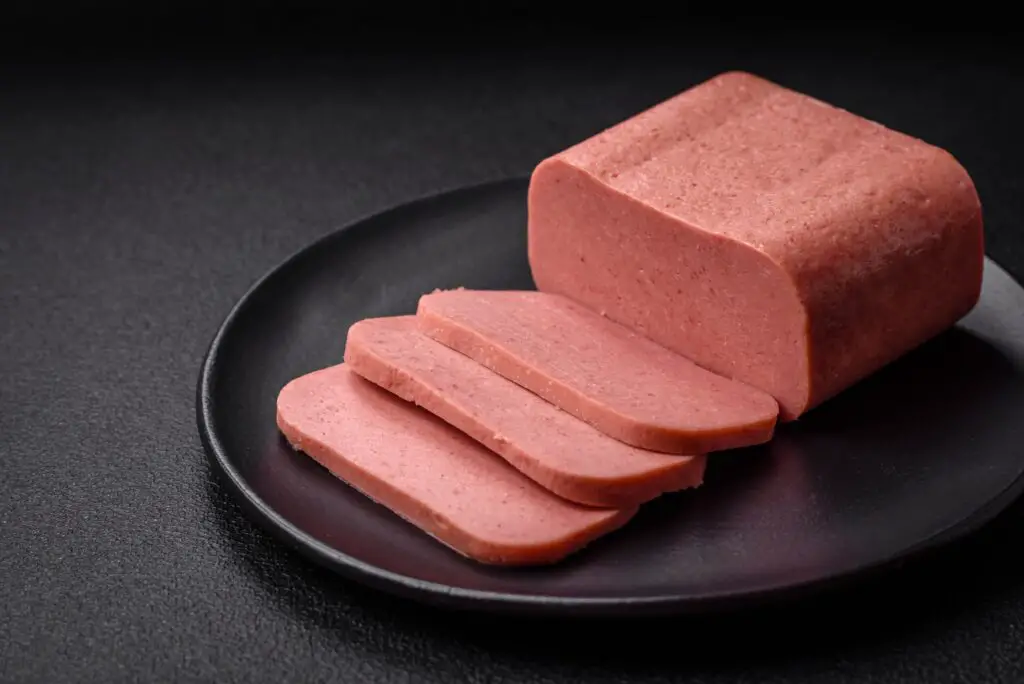
Spam was the kind of food you hoped no one noticed on your plate. It showed up sliced thin and fried, usually when the grocery budget was stretched and fresh meat felt out of reach. People joked about it, which made eating it feel slightly shameful even if it tasted fine. You didn’t exactly volunteer that you liked it.
Still, Spam fed families quietly and reliably, especially during tough years. It was filling, salty, and could stretch across several meals. Many people grew up secretly enjoying it while pretending they didn’t. Only much later did it start getting the appreciation it probably always deserved.
2. Liver and Onions
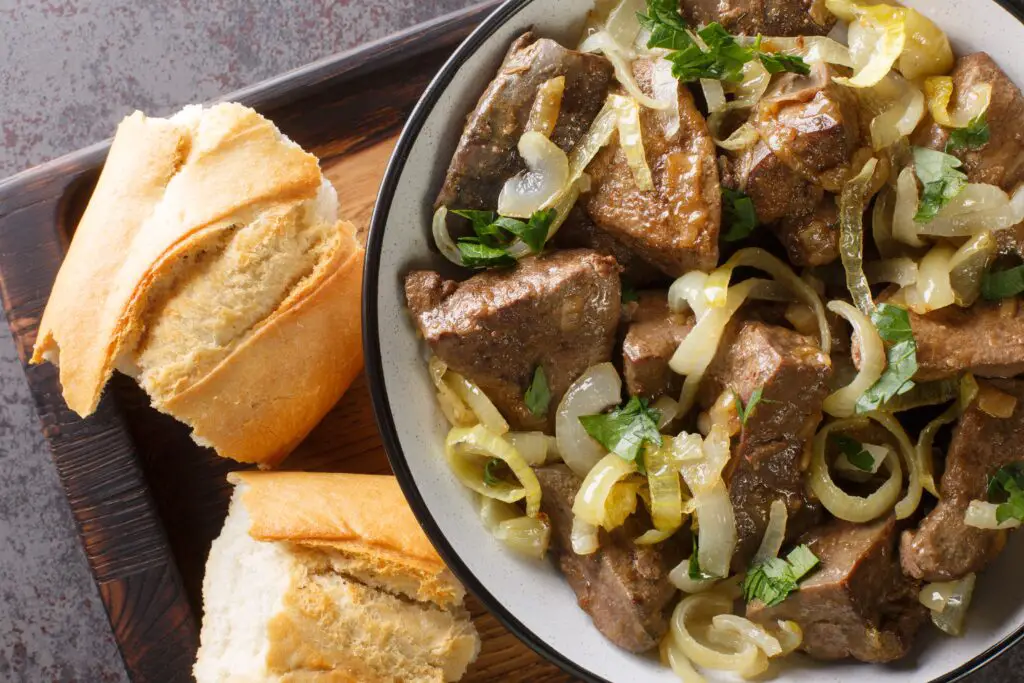
Liver and onions carried a very specific kind of dread. It smelled strong, looked unfamiliar, and felt impossible to defend when friends talked about dinner favorites. If it was on the table, you knew it wasn’t a meal anyone bragged about. It was eaten quickly and without commentary.
For many families, it was served because it was affordable and considered nutritious. Parents insisted it was good for you, even if no one believed them. Kids learned early not to mention it at school the next day. The embarrassment often came less from the taste and more from its reputation.
3. Bologna Sandwiches
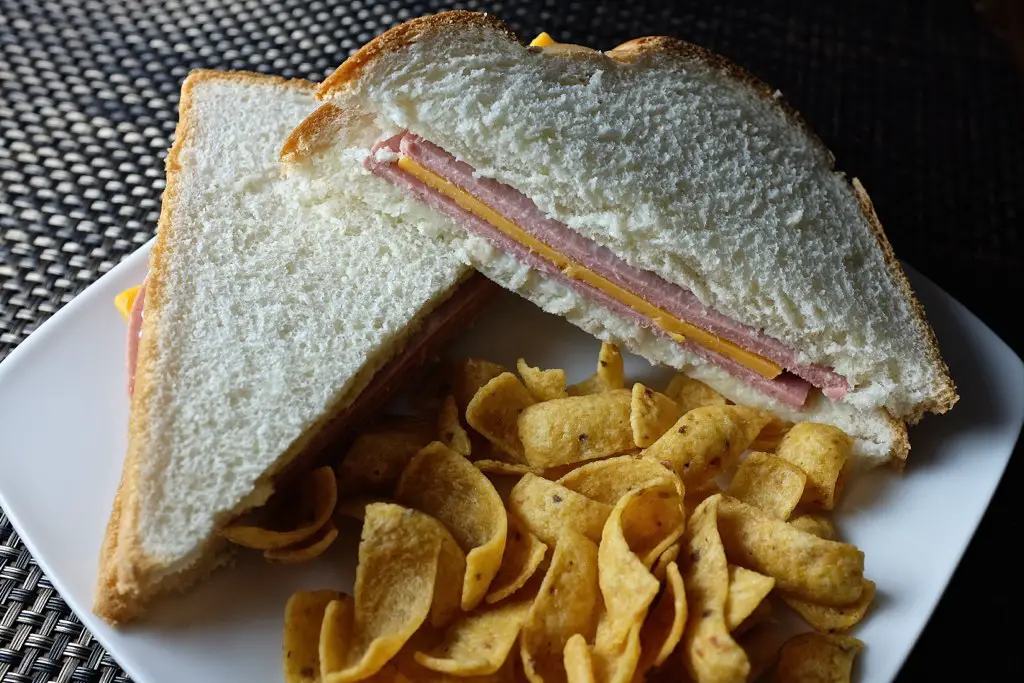
Bologna sandwiches were a lunchbox staple that came with quiet self consciousness. The thin pink slices and white bread didn’t exactly scream exciting. If other kids had fancy lunches, bologna felt like the giveaway that money was tight. It was eaten fast and without drawing attention.
At home, bologna was reliable and comforting. It didn’t spoil easily and worked for breakfast, lunch, or dinner. Many people still remember the exact way it tasted, especially fried in a pan. The shame faded, but the memory stuck around.
4. Powdered Milk
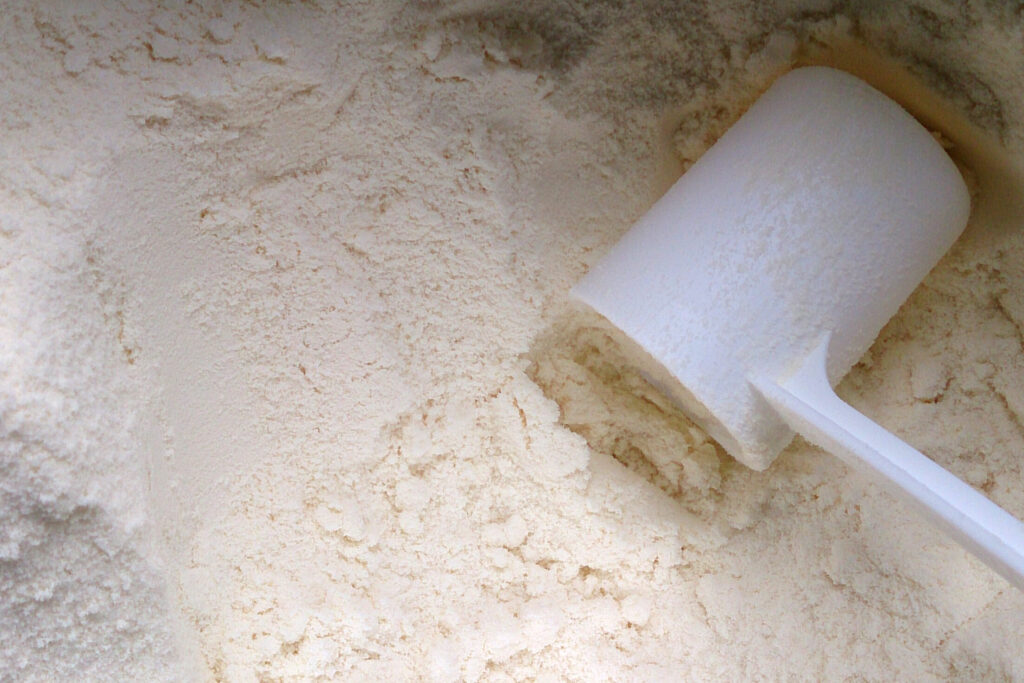
Powdered milk was something you hoped visitors wouldn’t notice in the fridge. It mixed poorly, tasted slightly off, and was never anyone’s first choice. If cereal was involved, you ate it without comment. Explaining powdered milk felt harder than just drinking it quietly.
Families used it because it lasted longer and cost less. It showed up during times when fresh milk wasn’t practical or affordable. Kids learned to accept it without complaint. Years later, it became a symbol of getting by rather than something to hide.
5. Vienna Sausages
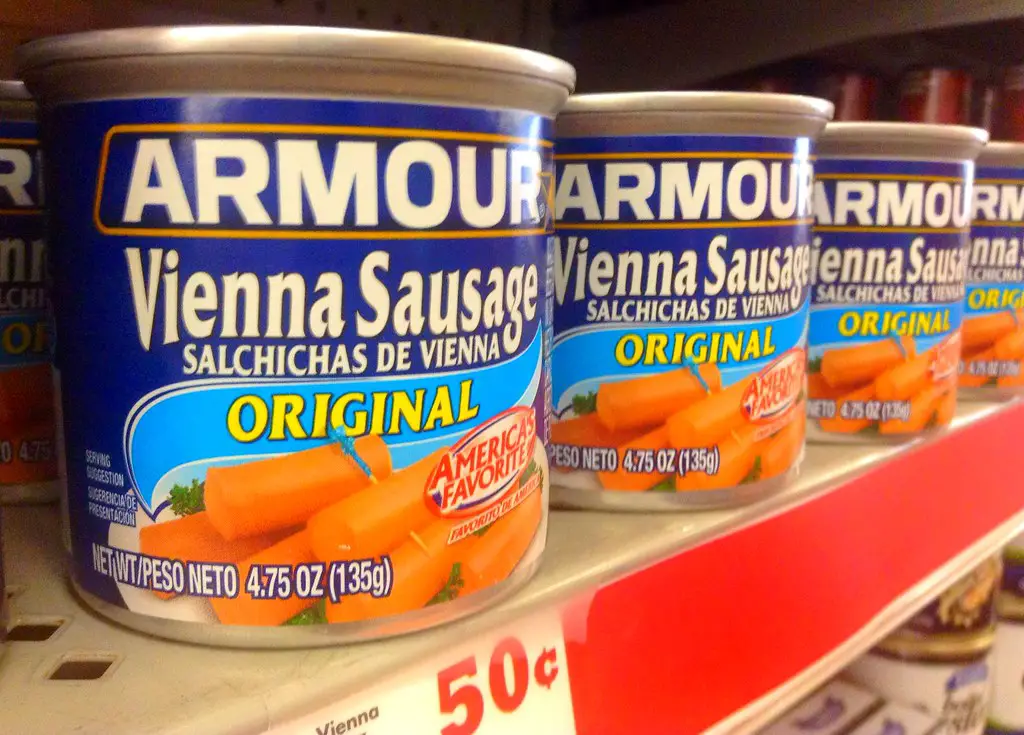
Vienna sausages came in small cans that made people nervous to admit they liked them. Eating them straight from the tin felt especially embarrassing. They were associated with emergency meals or last resort snacks. No one served them proudly at the table.
Despite that, they were filling and easy. They didn’t need cooking and could sit in the pantry for ages. Many kids secretly enjoyed them while pretending they didn’t. The embarrassment came from how they looked, not how they tasted.
6. Canned Spinach
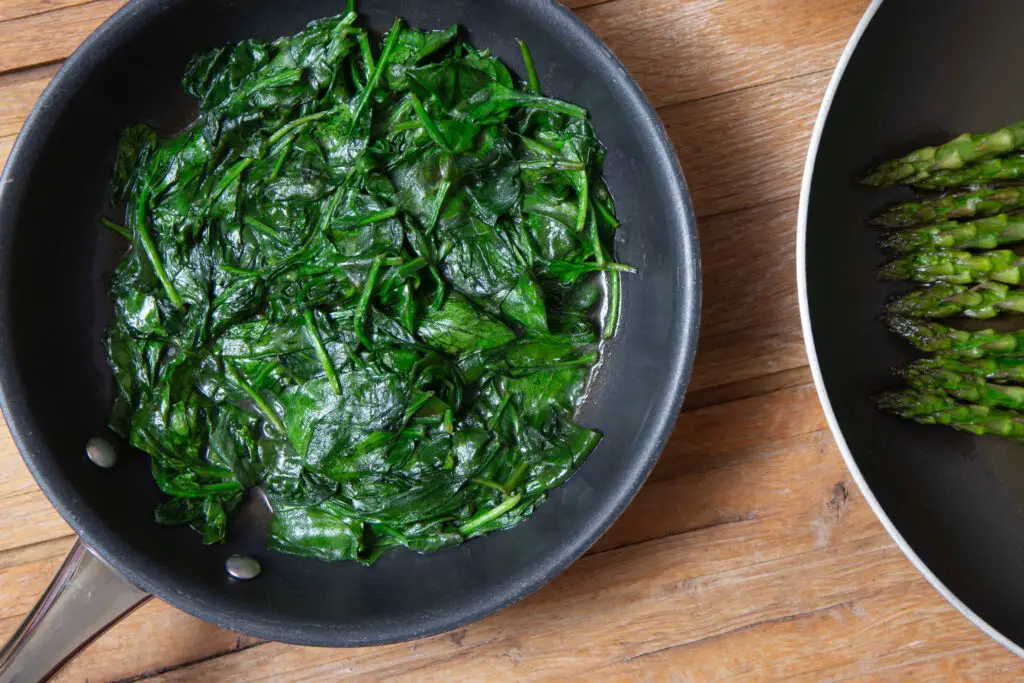
Canned spinach had a mushy texture that made it hard to defend. It looked nothing like the fresh version people talked about later. Being served canned spinach felt like proof that dinner wasn’t meant to be exciting. You ate it politely and hoped for dessert.
Parents often served it because it was cheap and considered healthy. It was shelf stable and easy to heat. Complaining didn’t usually change anything. Over time, people learned that the shame was tied more to presentation than nutrition.
7. Hot Dogs for Dinner

Hot dogs were fine at cookouts but somehow embarrassing as a full dinner. When they showed up on a random weeknight, it felt like a sign of limited options. You didn’t mention it to friends unless they were also having hot dogs. It was comfort food with a side of self awareness.
They were quick, inexpensive, and easy to stretch. One pack could feed several people without much effort. Families relied on them more than they admitted. The embarrassment often disappeared once you realized how common it really was.
8. Creamed Chipped Beef
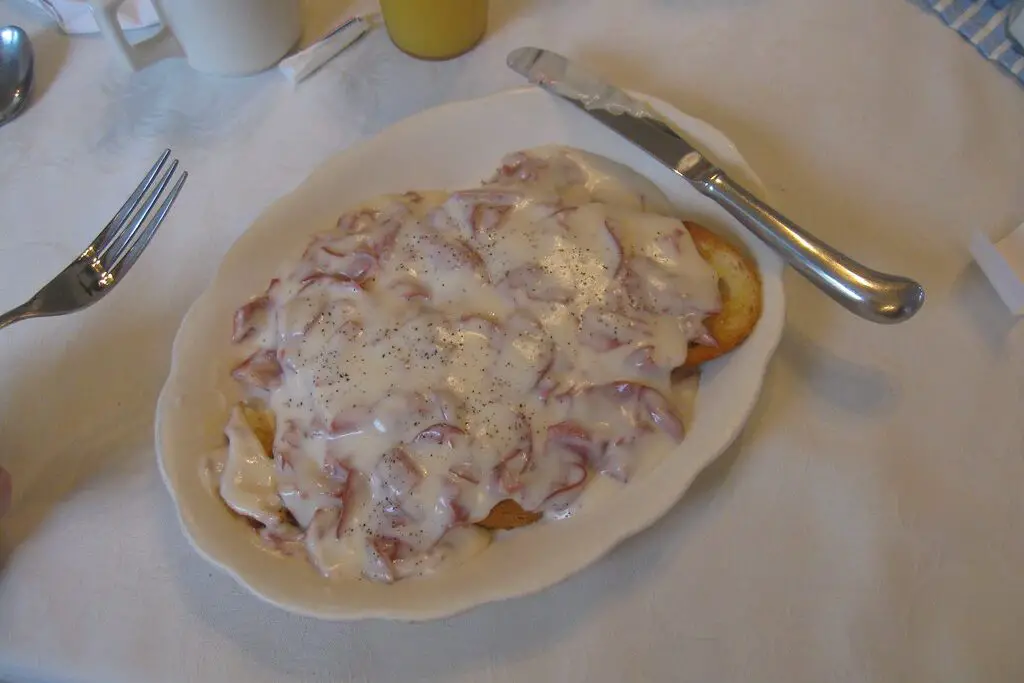
Creamed chipped beef was known by its nickname more than its real name. Served over toast, it looked messy and felt impossible to explain politely. If guests were coming, this was not the meal you served. Kids often ate it while trying not to think about how it looked.
It existed because it was cheap, filling, and fast. A small amount of meat could feed several people. It showed up often in households that valued practicality. The shame came from appearances, not from how satisfying it actually was.
9. Canned Tuna Casserole
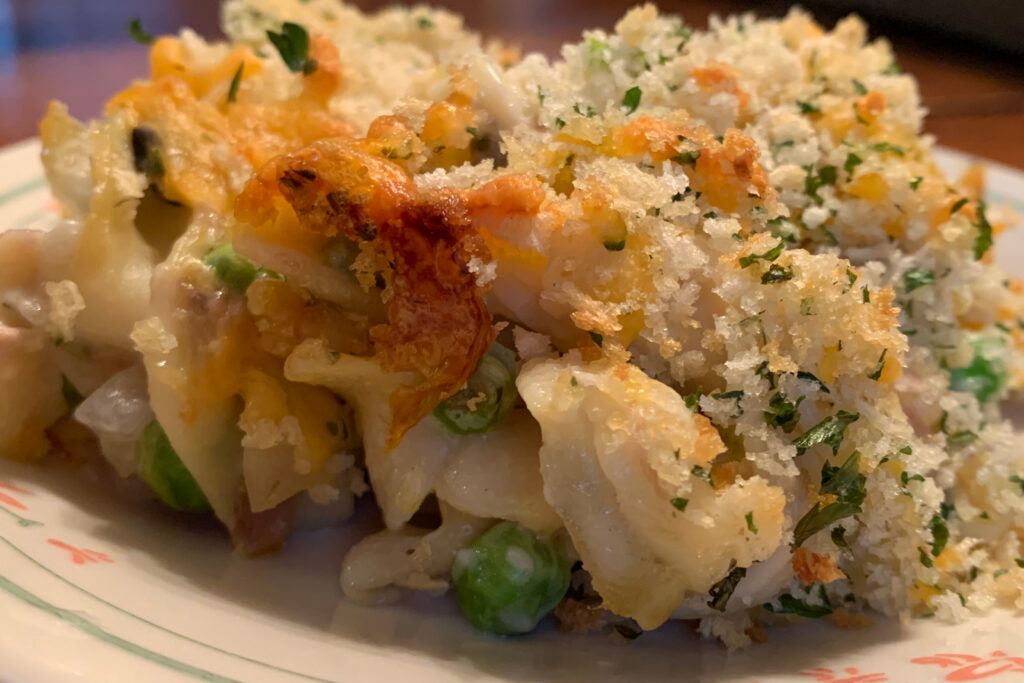
Tuna casserole carried a particular social risk. The smell alone could make people nervous about bringing it up. It was the kind of meal you hoped wouldn’t be noticed by anyone outside the house. Leftovers were handled discreetly.
Yet it was dependable and stretched easily. A few cans could feed a whole family with minimal cost. Many people grew up on it even if they didn’t admit it. Over time, nostalgia softened the embarrassment.
10. White Bread and Margarine
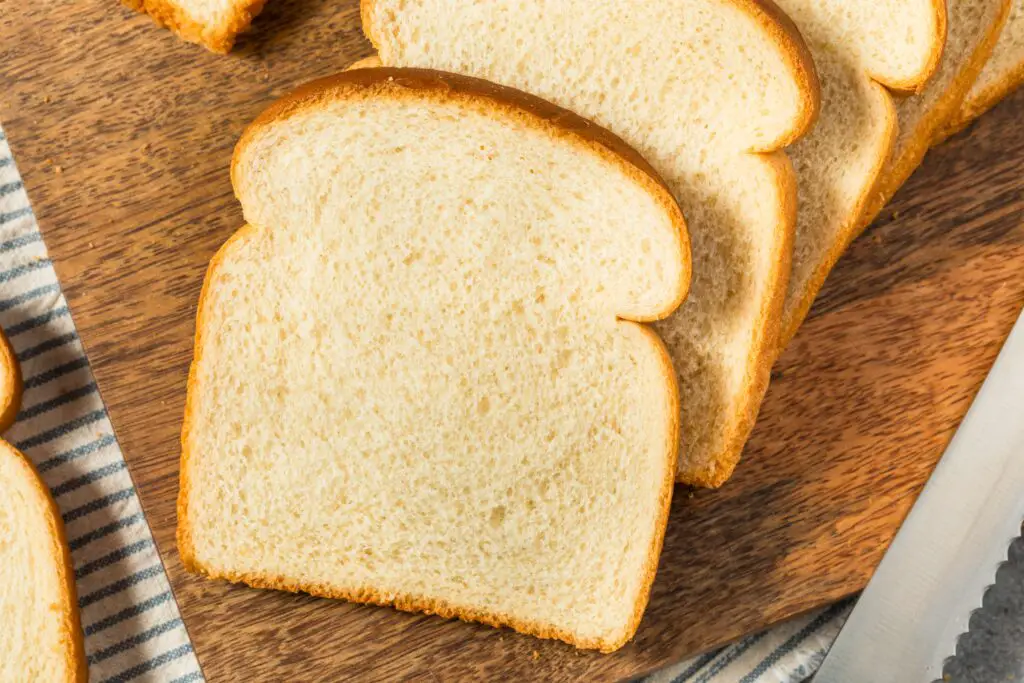
White bread with margarine was often a default snack that didn’t feel special. It lacked flair and looked plain next to fancier options. Serving it felt like admitting there wasn’t much else available. You ate it quietly and moved on.
For many families, it was affordable and filling. It kept kids satisfied between meals. Margarine was cheaper and lasted longer than butter. What once felt embarrassing later became oddly comforting.
11. Canned Fruit Cocktail
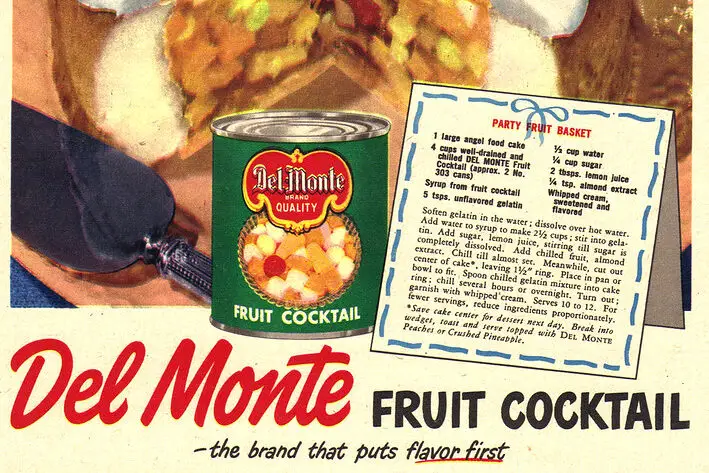
Fruit cocktail looked cheerful but felt strangely outdated. The mix of textures and syrup made it feel like a compromise rather than a treat. It wasn’t the fruit you bragged about eating. You accepted it without making a fuss.
It showed up because it was shelf stable and inexpensive. Parents liked that it counted as fruit. Kids learned to pick out their favorite pieces. The embarrassment faded as tastes changed and nostalgia set in.
12. Instant Mashed Potatoes
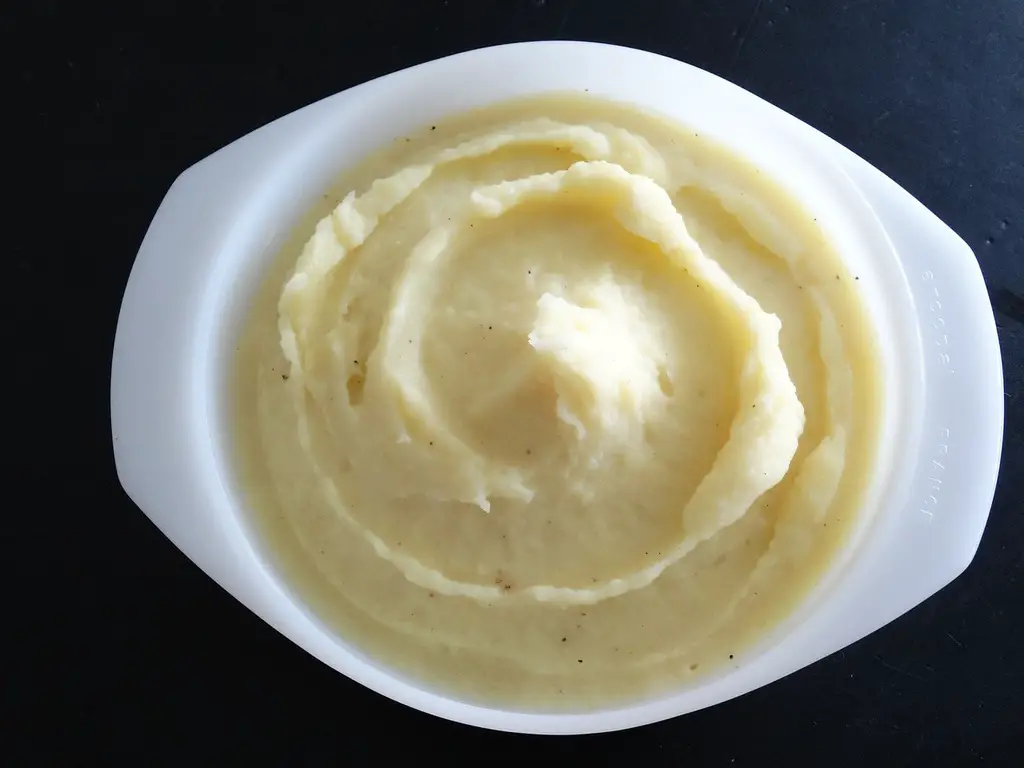
Instant mashed potatoes were fast but quietly judged. The texture gave them away immediately. You knew they weren’t the real thing, and so did everyone else. They were eaten without discussion.
They existed for busy nights and tight budgets. A single packet could feed several people. Many families relied on them more than they admitted. What once felt like a shortcut later felt like survival.
13. Ramen Noodles
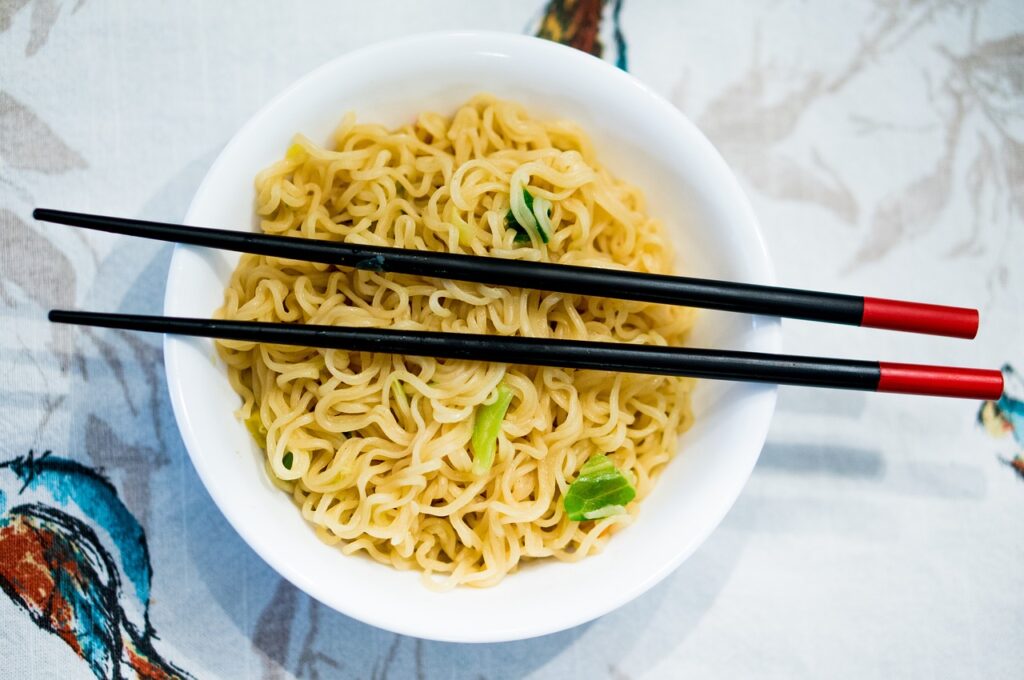
Ramen noodles were cheap enough to feel slightly embarrassing. They were associated with scraping by rather than enjoying dinner. If you ate them often, you didn’t advertise it. The smell alone could give it away.
They were filling, fast, and endlessly customizable. Families and students relied on them heavily. The embarrassment usually came from how common they were during hard times. Years later, they became a nostalgic comfort food.
14. Beans and Rice

Beans and rice were filling but not glamorous. Eating them often felt like something you didn’t bring up in conversation. They were associated with making do rather than celebrating. You ate them without complaint and without commentary.
They stretched budgets and fed families reliably. The combination provided protein and comfort. Many households relied on it quietly. Over time, people realized there was nothing to be ashamed of at all.