
1. Making Small Talk with Strangers
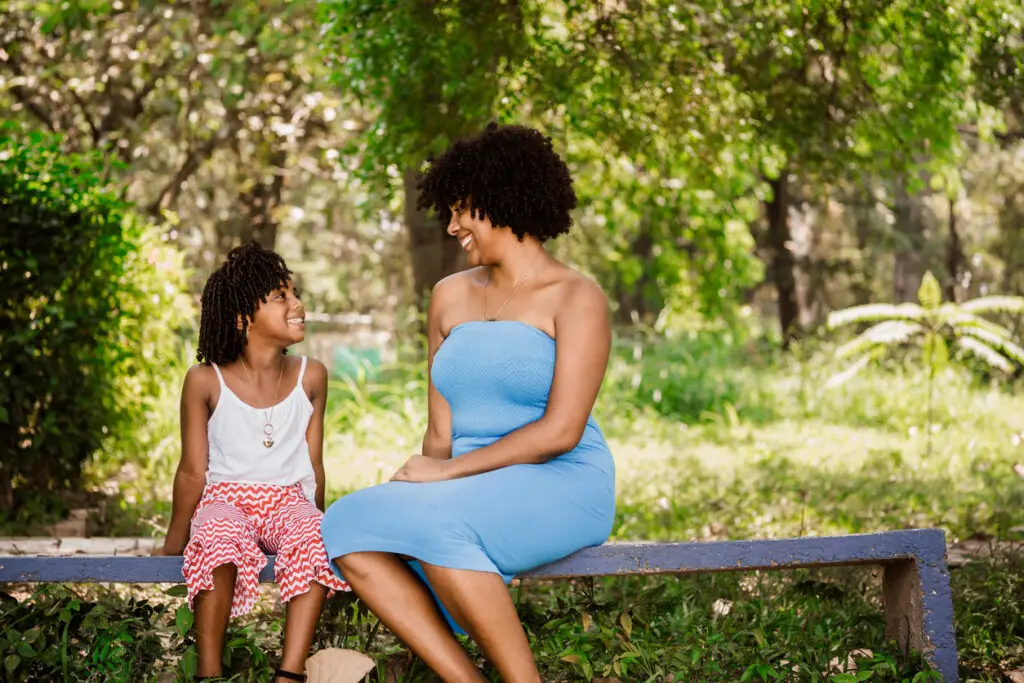
Kids learned how to talk to adults just by standing nearby while errands happened. They listened to their parents chat with cashiers, neighbors, and waitstaff, picking up rhythms of polite conversation. Saying hello, answering simple questions, and making eye contact became second nature. Even shy kids absorbed how to sound friendly without oversharing.
Over time, they learned when to speak up and when to wait their turn. They figured out how to respond politely even when bored or tired. Watching adults navigate awkward pauses taught them how to fill silence naturally. Those quick exchanges added up to real social confidence.
2. Understanding Money Without a Lesson

Children absorbed basic money skills by watching transactions happen in real time. They saw adults count cash, swipe cards, and decide whether something was worth the price. Without charts or lectures, they learned that money was finite and choices mattered. Even small comments about budgets stuck.
They noticed when parents compared prices or waited for sales. Seeing someone say no to an impulse purchase was a lesson in restraint. Kids also learned that earning money took time and effort. Those moments shaped how they thought about value.
3. Navigating Public Spaces
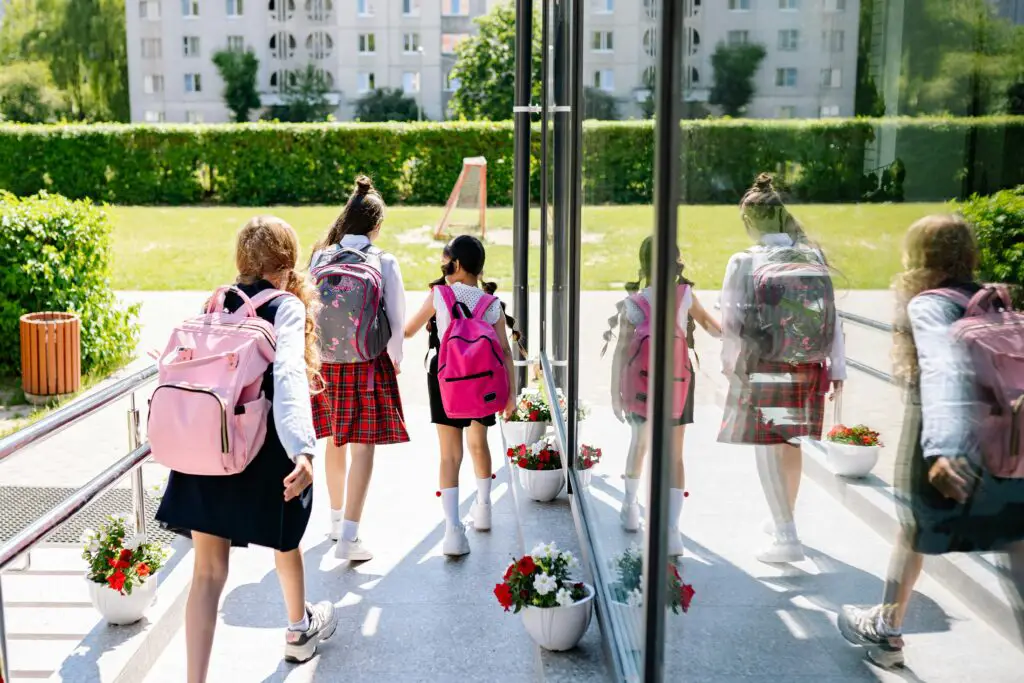
Tagging along meant learning how to behave in places like banks, offices, and stores. Kids figured out when voices needed to be lower and movements calmer. They learned to wait patiently, even when the space was boring. Watching adults follow unspoken rules taught them social awareness.
They noticed how adults lined up, held doors, and respected personal space. Mistakes were corrected gently in the moment. Over time, public behavior became instinctive. Those quiet lessons made later independence easier.
4. Reading People’s Moods
Kids became surprisingly good at reading the room just by observing adults. They could sense when someone was stressed, distracted, or in a hurry. Watching facial expressions and body language taught emotional awareness. This skill developed long before kids could name it.
They learned when it was a good time to ask for something and when it was not. Subtle cues became signals they understood. That awareness helped them adapt their behavior. It was emotional intelligence learned by proximity.
5. Giving and Receiving Directions

Running errands meant kids heard directions constantly. They learned how to follow instructions like stay close or grab that item. Over time, they picked up how adults explained things clearly. Listening carefully became necessary.
Eventually, kids started giving directions themselves. They helped navigate stores or remember where things were. They learned how to describe locations and steps. It built confidence in communication.
6. Time Awareness

Kids learned the importance of time by watching schedules unfold. They saw adults rush when late and relax when early. Phrases like we only have a few minutes carried weight. Time stopped being abstract.
They learned that waiting was sometimes unavoidable. Seeing adults plan around appointments made time feel real. Kids began to understand pacing and priorities. That awareness shaped responsibility later on.
7. Problem Solving on the Fly

Tagging along meant watching adults handle unexpected problems. A store being out of stock or a plan changing became a lesson. Kids saw how adults adapted without panicking. Flexibility was modeled quietly.
They learned that solutions did not have to be perfect. Watching someone think through options showed resilience. Kids absorbed that problems were normal. The focus was on adjusting and moving forward.
8. Basic Negotiation
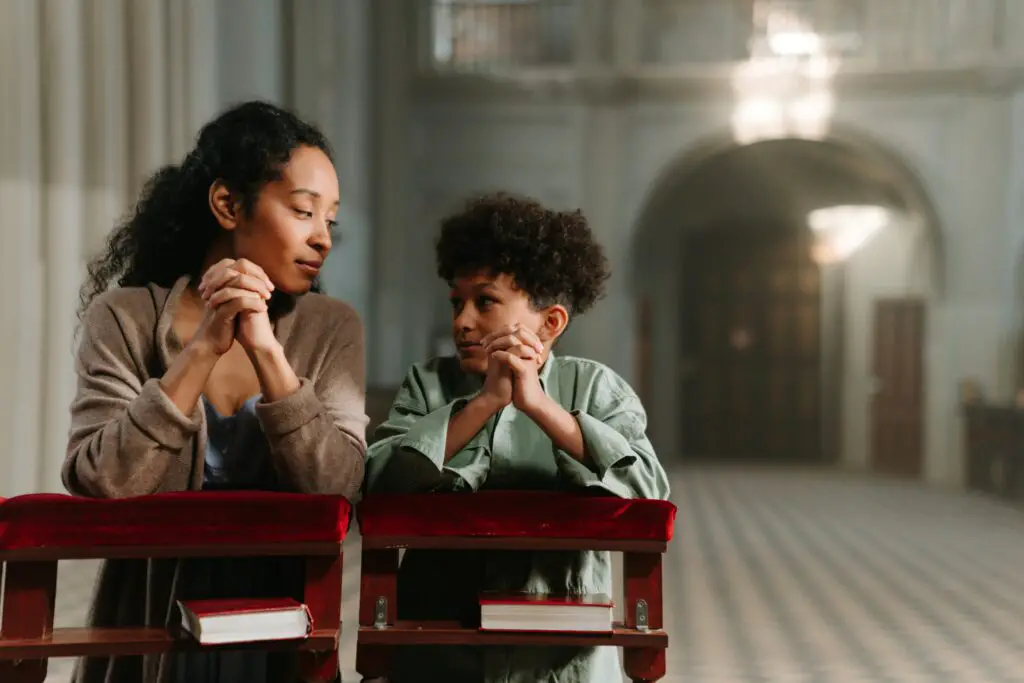
Kids overheard adults negotiate more than they realized. Whether it was asking for a discount or resolving a mix up, they watched tone matter. Politeness paired with firmness left an impression. These moments taught advocacy.
They learned that asking questions could change outcomes. Seeing adults stand their ground respectfully was powerful. Kids absorbed how to compromise. It shaped how they later spoke up for themselves.
9. Observing Work Ethic
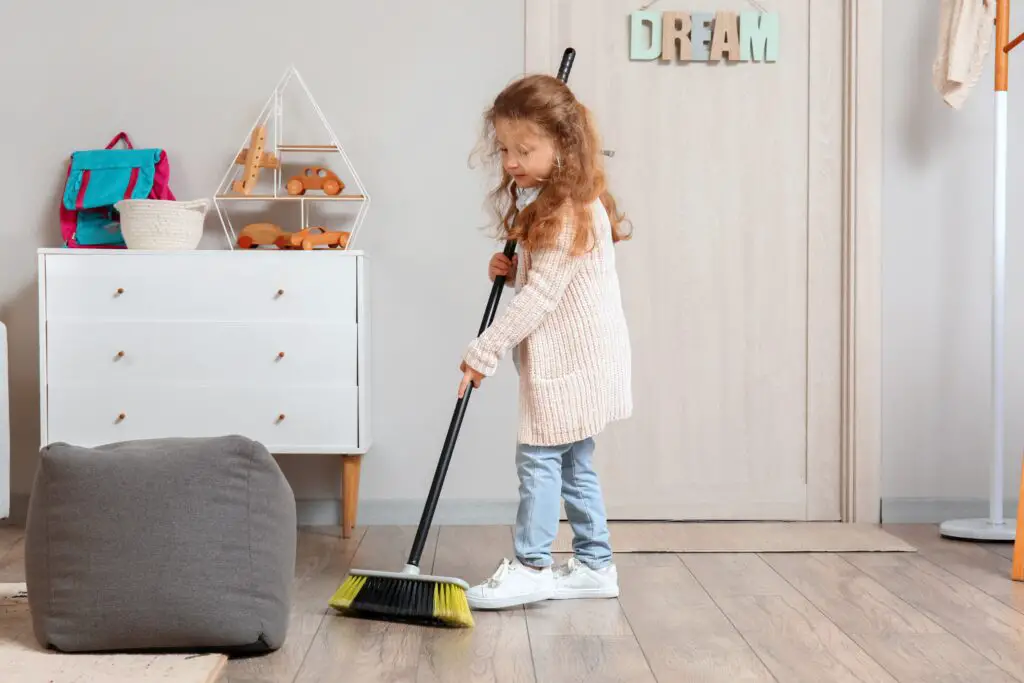
Spending time around working adults taught kids what effort looked like. They saw tasks repeated even when boring. Commitment showed through actions, not speeches. Kids noticed when adults pushed through fatigue.
They learned that responsibilities came before fun. Watching adults finish what they started mattered. Work became something visible, not theoretical. That shaped how kids viewed responsibility.
10. Managing Frustration
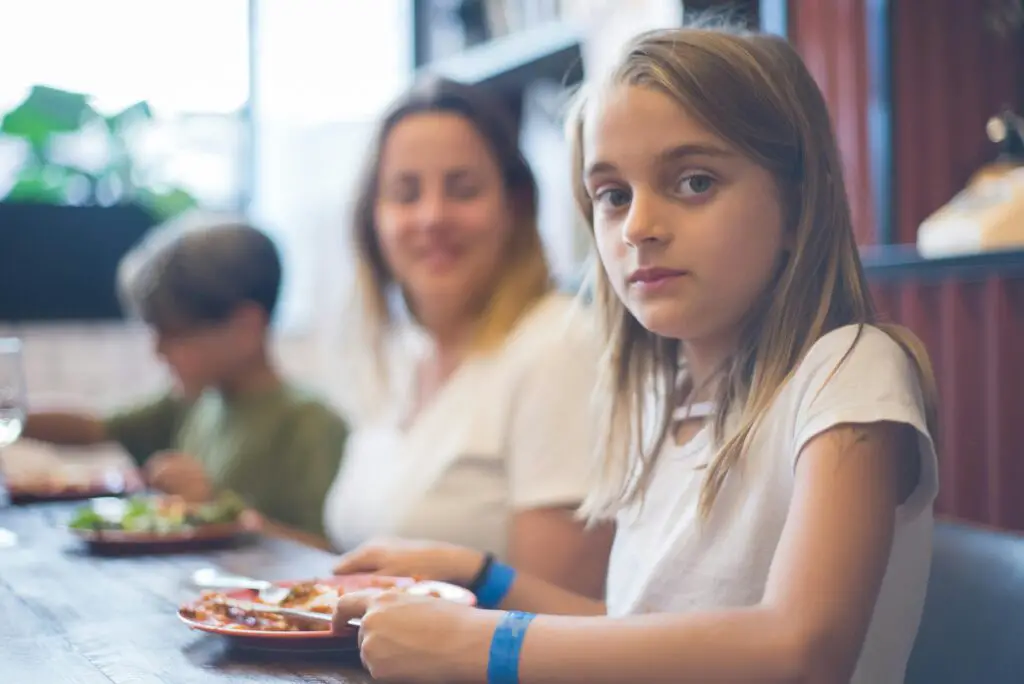
Kids watched adults deal with small annoyances constantly. Long lines, traffic, and mistakes offered examples of restraint. They saw adults take deep breaths or stay quiet. These reactions taught emotional regulation.
Kids learned that frustration did not have to explode. They noticed when adults chose calm responses. Those examples stuck. It showed that emotions could be managed.
11. Politeness and Manners

Tagging along meant hearing please and thank you in real situations. Kids saw how manners smoothed interactions. Courtesy was modeled, not demanded. It felt natural rather than forced.
They learned how tone mattered as much as words. Watching adults apologize taught accountability. Kids copied what they saw. Manners became habit through repetition.
12. Spatial Awareness
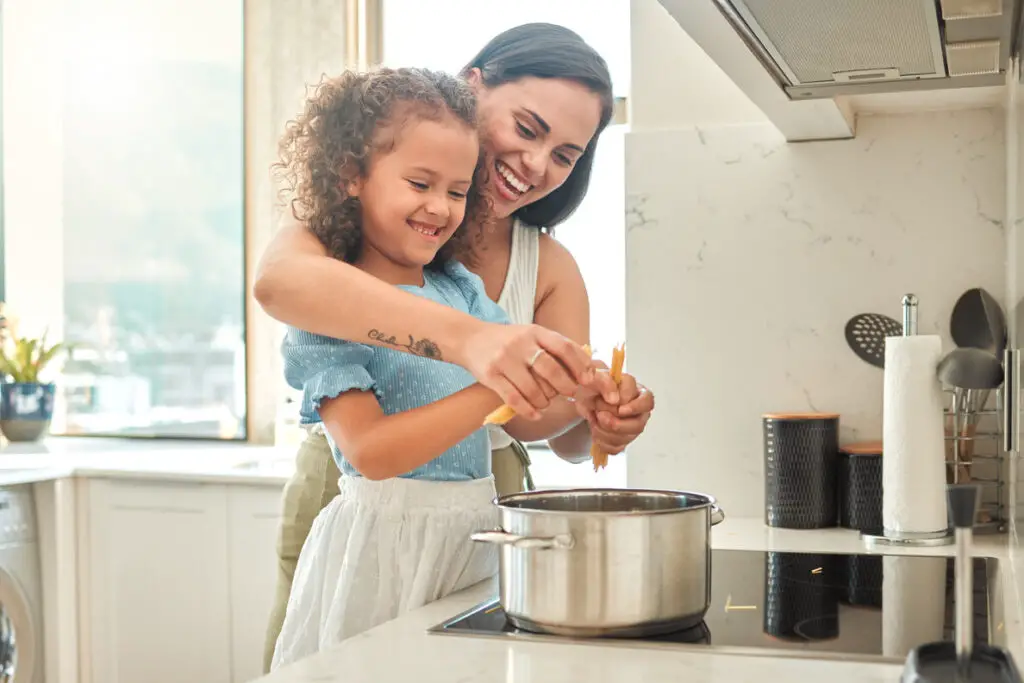
Being in adult spaces taught kids to stay out of the way. They learned where to stand and how to move carefully. Observing adults navigate crowded areas built awareness. Kids learned to read physical environments.
They picked up how to carry items without bumping into others. Simple corrections helped reinforce it. Over time, movement became more intentional. It reduced clumsiness and built confidence.
13. Listening Skills
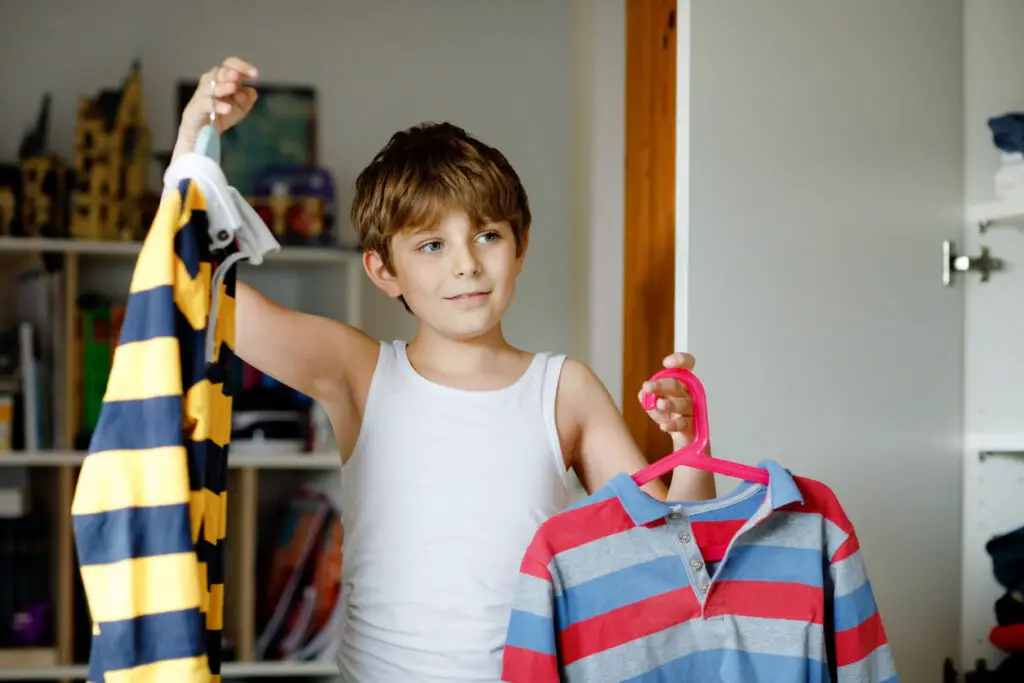
Kids learned to listen because they had to. Instructions mattered when tagging along. Missing details meant confusion or delays. Listening became a survival skill.
They learned to focus even when distracted. Hearing adults discuss plans taught comprehension. Over time, kids became better listeners. That skill carried into school and friendships.
14. Respecting Boundaries
Watching adult conversations taught kids when not to interrupt. They learned privacy mattered. Observing adults excuse themselves showed respect. These boundaries were absorbed quietly.
Kids learned that not every space was theirs. Waiting nearby became normal. It taught patience and respect. Boundaries became understood without explanation.
15. Asking for Help

Kids saw adults ask questions all the time. Whether it was directions or assistance, asking was normalized. They learned it was okay not to know everything. Confidence grew from that understanding.
They noticed how adults asked clearly and politely. This made help more accessible. Kids learned to advocate for themselves. It reduced fear of speaking up.
16. Observing Decision Making
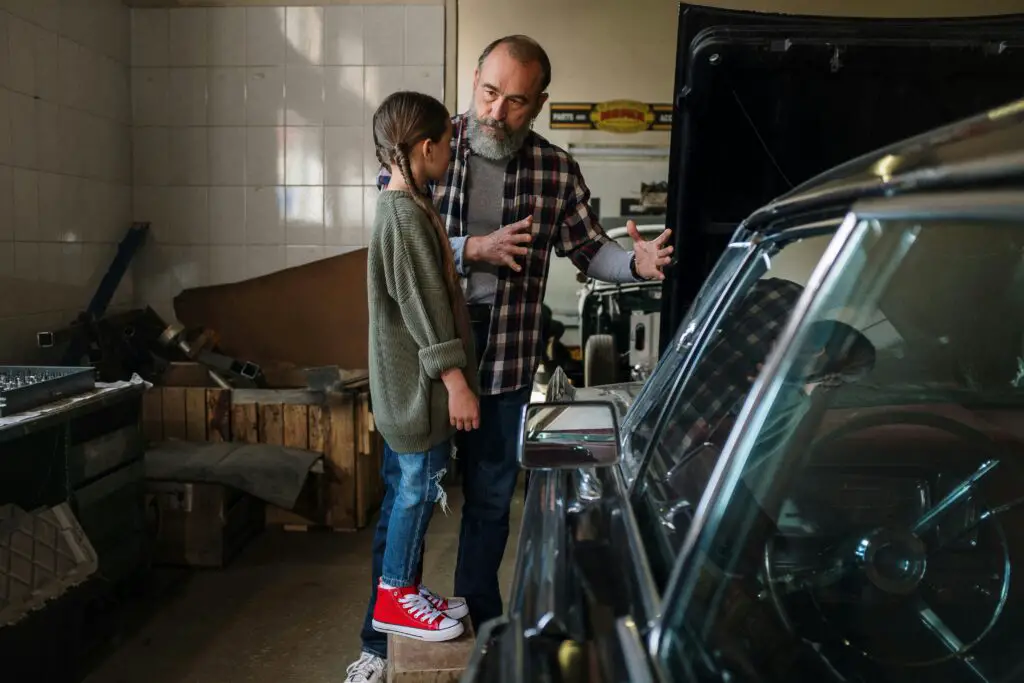
Tagging along meant kids witnessed decisions constantly. From choosing meals to handling conflicts, adults modeled thinking aloud. Kids learned how choices were weighed. Consequences were visible.
They saw that decisions involved tradeoffs. Watching adults reflect taught critical thinking. Kids learned that not every choice was easy. It built awareness and maturity.