
1. Meatloaf Made From Whatever Was Left
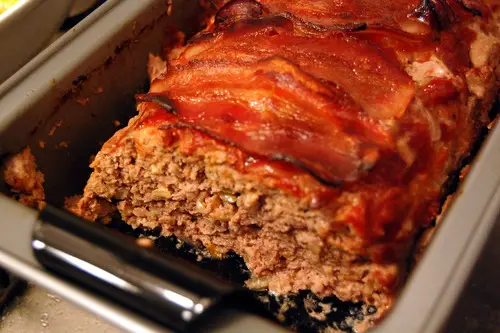
Meatloaf was less a recipe and more a strategy. Families stretched a small amount of ground meat with breadcrumbs, oats, or even crushed crackers that were going stale. Leftover onions, peppers, or carrots were chopped small and mixed in so nothing got tossed. It was forgiving, filling, and always seemed to feed one more person than expected.
The best part was that no two meatloafs ever tasted the same. One week it leaned Italian, the next week it tasted vaguely barbecue. Leftovers turned into sandwiches the next day, which felt like a whole new meal. It was the definition of practical cooking.
2. Soup That Started With a Barely Full Pot
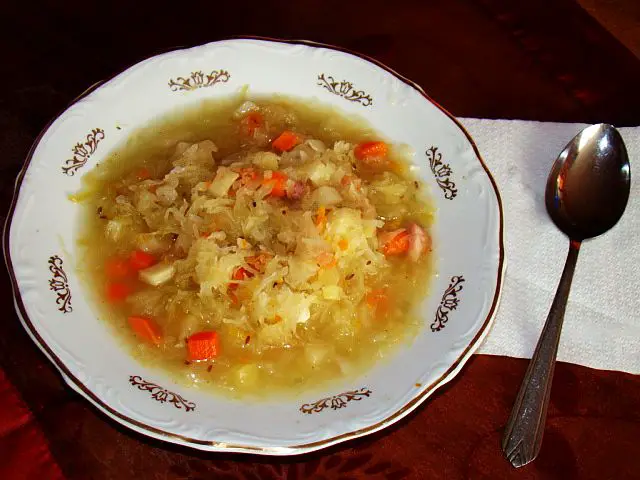
Soup happened when the fridge looked bleak but the pantry still had hope. A bit of broth or water became the base, then in went leftover vegetables, small pieces of meat, or beans from the back of the shelf. Pasta ends, rice, or potatoes helped bulk it up. Nothing was too small to contribute.
Families learned that soup could always be improved with time. What started thin often became rich after simmering all afternoon. Leftovers went right back into the pot the next day. It was less about precision and more about patience.
3. Fried Rice as a Second Chance Meal
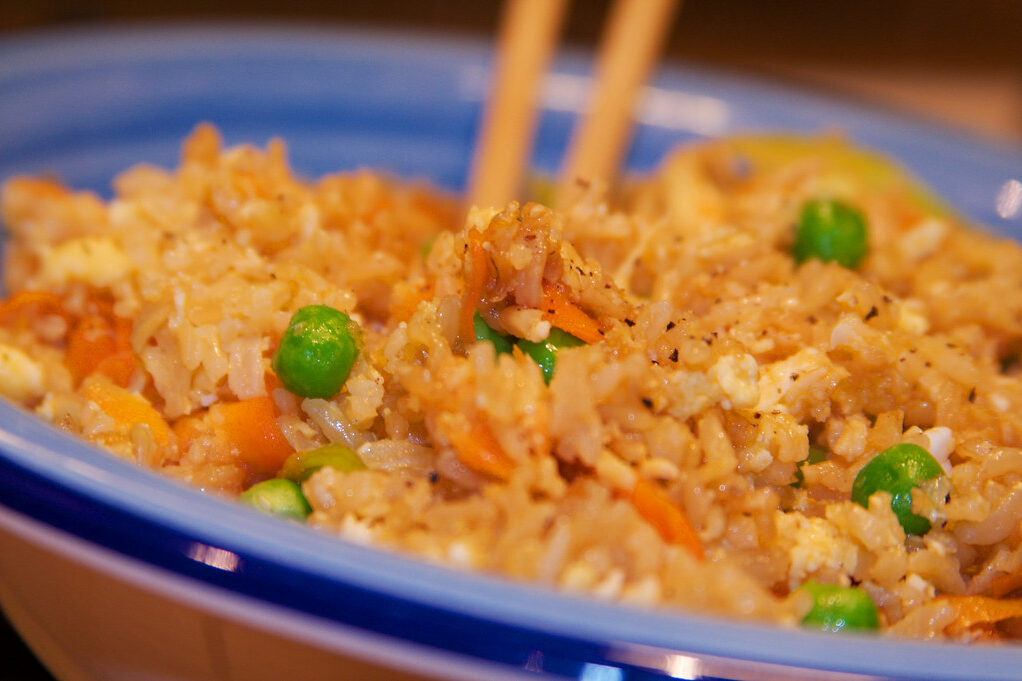
Fried rice existed so yesterday’s dinner didn’t have to feel like leftovers. Cold rice was ideal, and small bits of meat or vegetables were chopped and stretched. Eggs helped bind everything together and made it feel more substantial. Soy sauce covered a lot of sins.
This was a meal built on confidence rather than measurements. A little of this, a little of that, and suddenly the pan was full. Kids rarely realized they were eating scraps. It tasted intentional, which was the real trick.
4. Baked Potatoes Loaded With Odds and Ends
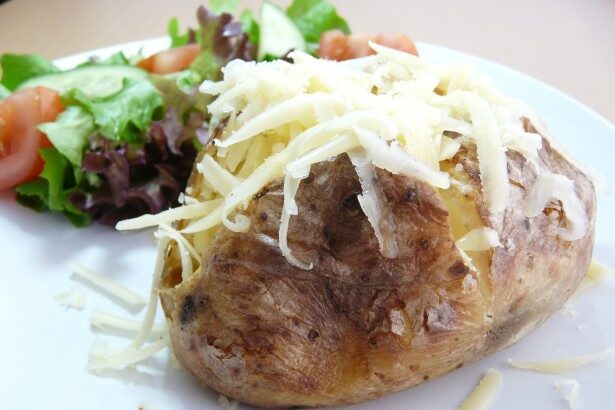
A baked potato could carry almost anything placed on top of it. Leftover chili, vegetables, cheese ends, or even a bit of gravy found a new purpose. The potato itself was cheap, filling, and reliable. It turned small leftovers into something that felt complete.
Families liked how customizable it was. Everyone dressed their own, which avoided complaints at the table. It also taught an early lesson in creativity. Dinner didn’t have to look fancy to work.
5. Casseroles That Cleaned Out the Fridge
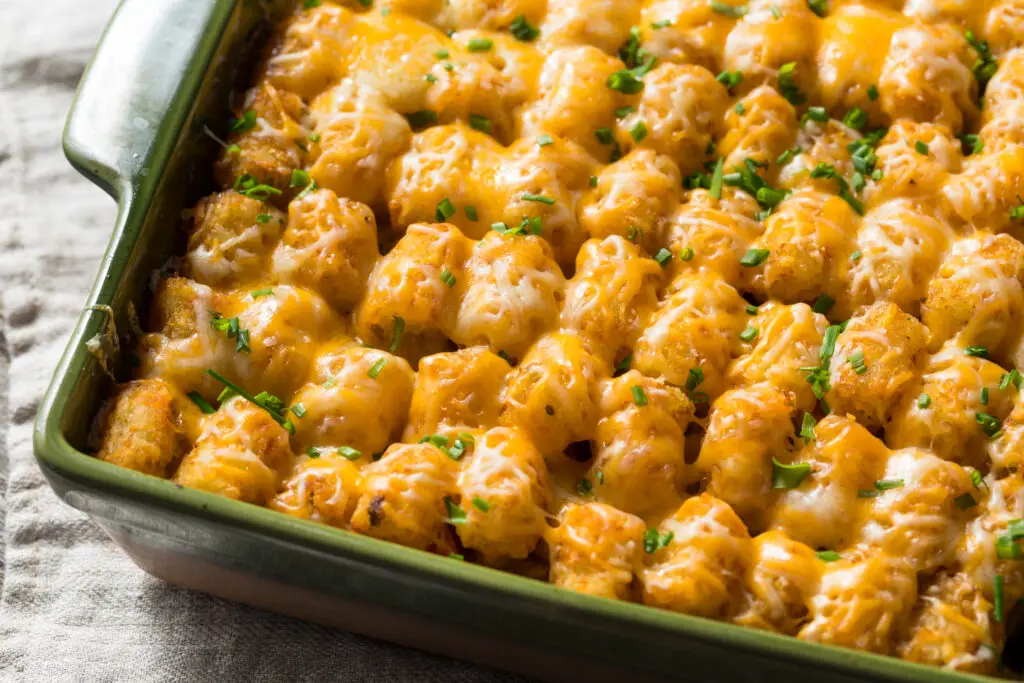
Casseroles were where leftovers went to be reborn. Cooked pasta, rice, vegetables, and meat were layered together and topped with whatever cheese was left. A can of soup often tied it all together. Once baked, it felt like a brand new dish.
These meals were popular because they fed a crowd with little effort. They reheated well and rarely went to waste. Families learned that almost anything tasted better bubbling under a browned top. It was comfort built from practicality.
6. Hash Made From Yesterday’s Dinner
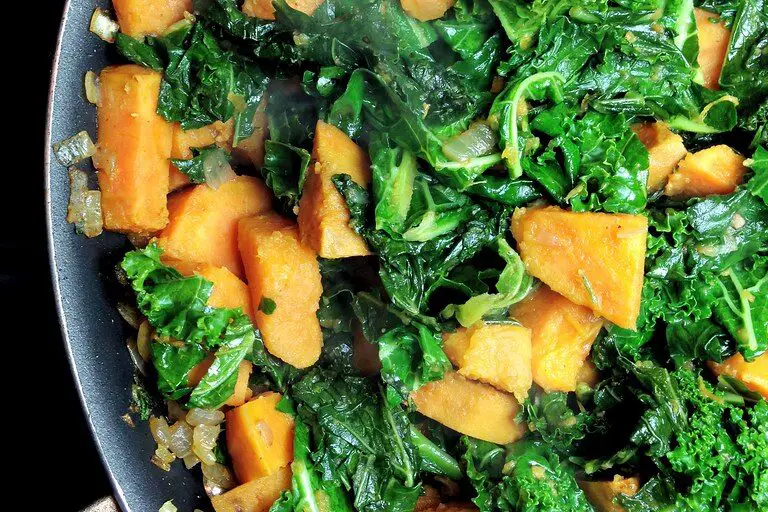
Hash happened when leftovers were chopped, mixed, and fried until crispy. Potatoes were usually the base, with meat and vegetables folded in. Seasoning was simple and adjusted on the fly. The skillet did most of the work.
It was often served for dinner or breakfast, depending on timing. A fried egg on top made it feel special. Kids learned quickly that leftovers didn’t have to be boring. They just needed heat and patience.
7. Stale Bread Turned Into French Toast
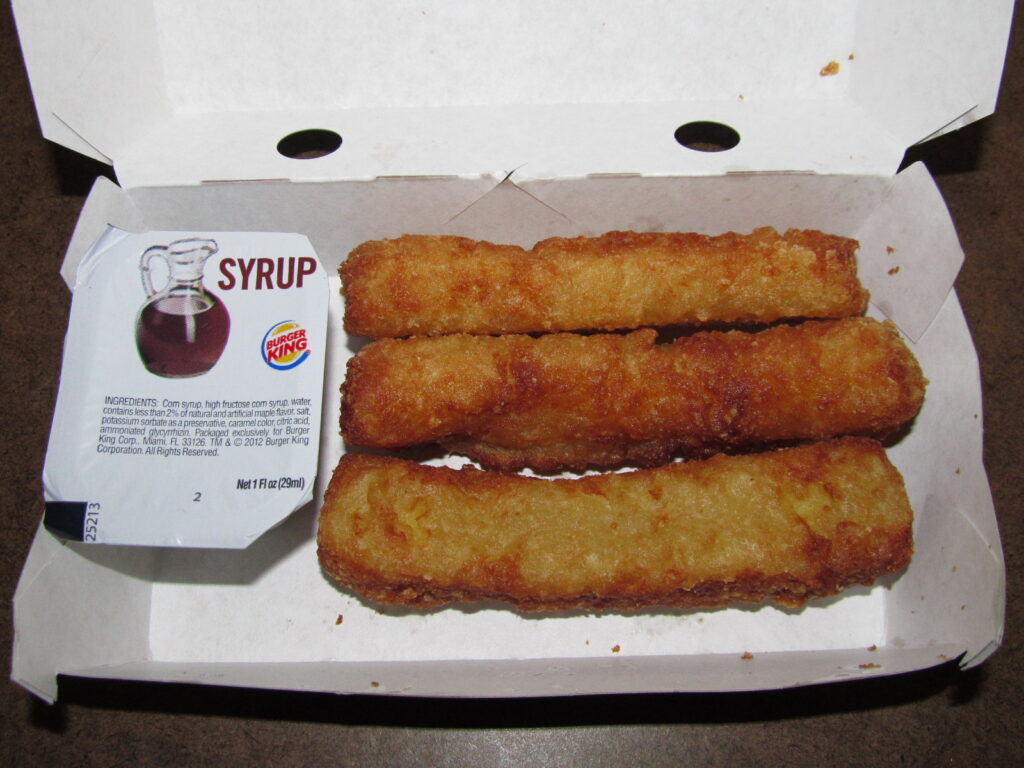
Bread that was too old for sandwiches still had value. Dunked in eggs and milk, it became French toast instead of trash. Even bread that was borderline hard could be saved this way. Sweet toppings helped sell the transformation.
Families liked that it worked for breakfast or dinner. It felt indulgent while secretly being resourceful. This was one of those meals where thriftiness tasted like a treat. Nobody complained about eating old bread.
8. Pasta With Whatever Sauce Could Be Made
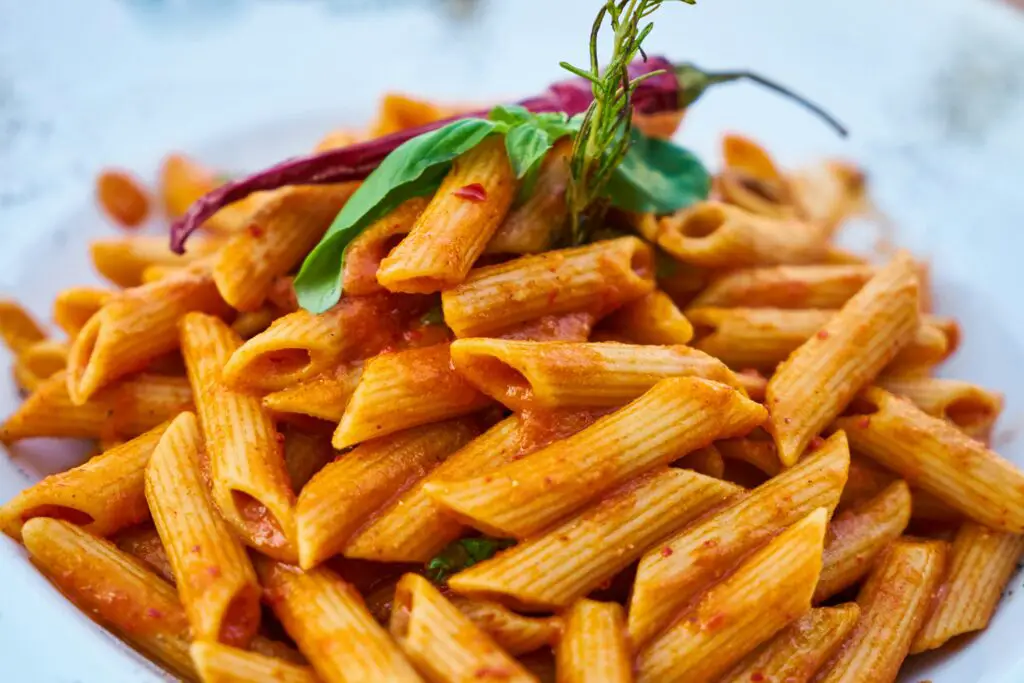
Pasta nights were flexible by necessity. A small jar of sauce might be stretched with tomatoes, leftover vegetables, or a splash of broth. Meat scraps could be chopped small and mixed in. Even butter and garlic could stand in when nothing else was available.
Pasta filled bellies cheaply and reliably. Portions could always be adjusted if someone extra showed up. Leftovers reheated easily, which mattered. It was a meal families trusted.
9. Beans and Rice That Stretched for Days

Beans and rice were a cornerstone when budgets were tight. Dry beans cooked slowly and fed the family more than once. Rice made everything more filling without costing much. Seasoning changed the mood of the meal.
Leftovers were rarely wasted. They became burritos, soups, or side dishes later in the week. Families learned how far simple ingredients could go. This meal taught patience and planning.
10. Omelets Built From Refrigerator Bits

Eggs were often the last reliable protein left. Omelets became a way to use small amounts of cheese, vegetables, or meat. Almost anything could be folded inside. The results were surprisingly satisfying.
Everyone got a slightly different version, which helped avoid waste. Eggs cooked quickly and required little cleanup. It was a meal that felt fresh even when the fridge was nearly empty. That mattered more than presentation.
11. Sloppy Joes That Stretched the Meat
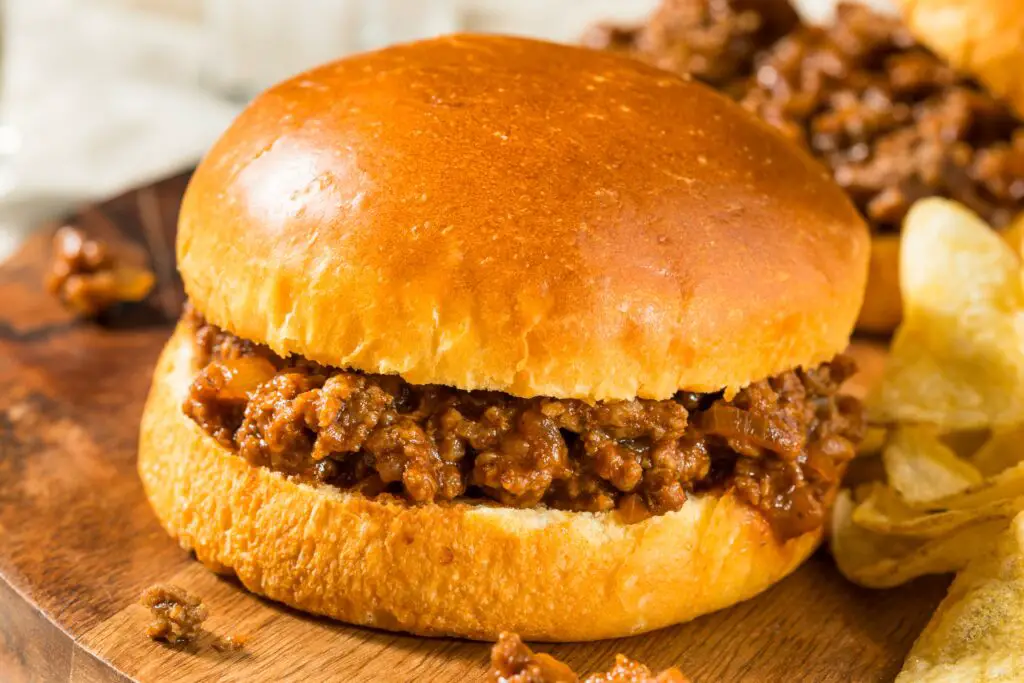
Sloppy Joes were designed to make a little meat go far. Onions, peppers, and sauce padded out the filling. Served on bread, they felt hearty even when portions were modest. Leftovers reheated easily.
Families liked how forgiving the recipe was. Nobody measured closely. It was filling, familiar, and easy to love. That combination kept it in rotation.
12. Vegetable Scraps Turned Into Stock
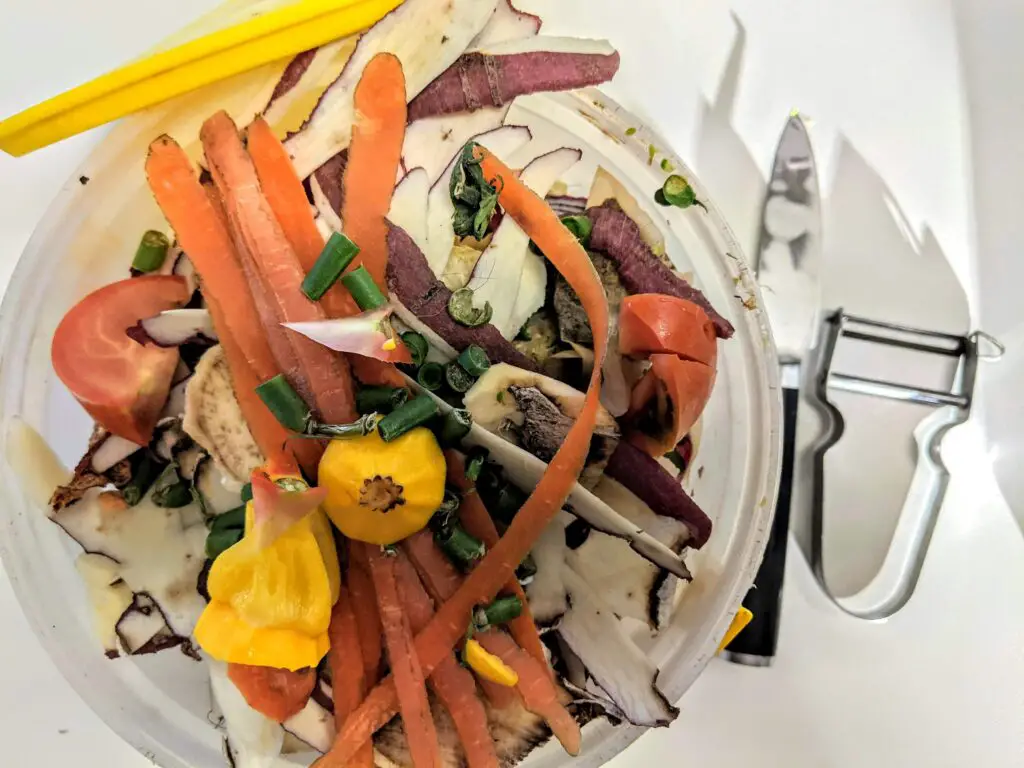
Bones and vegetable ends were rarely thrown away. They were saved to make stock that flavored future meals. Onion skins, carrot tops, and celery ends all had value. Simmering turned scraps into something useful.
That stock became the base for soups, sauces, and grains. It stretched meals further without spending more. Families took pride in using everything. Waste felt unnecessary when flavor was still there.
13. Tuna Mixed With Whatever Was On Hand
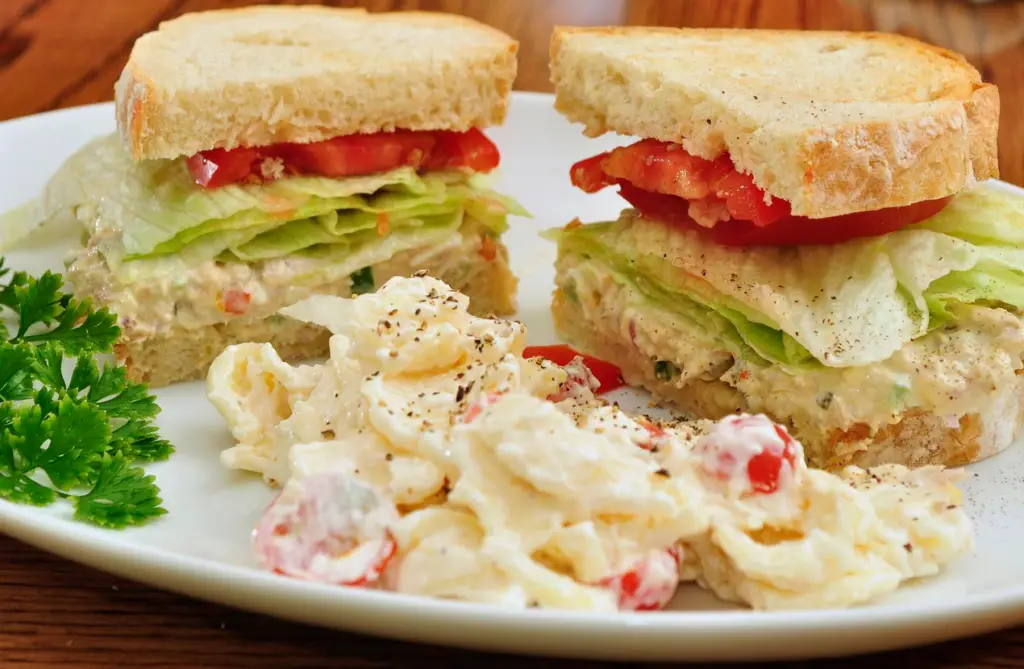
Tuna was affordable and shelf stable, which made it dependable. Mixed with pasta, rice, or bread crumbs, it fed more people. Leftover vegetables were often added for bulk. A little seasoning made it work.
This meal showed how far a single can could go. It appeared in casseroles, sandwiches, or patties. Families trusted it during lean weeks. It was simple but effective.
14. Leftover Night That Became Its Own Tradition
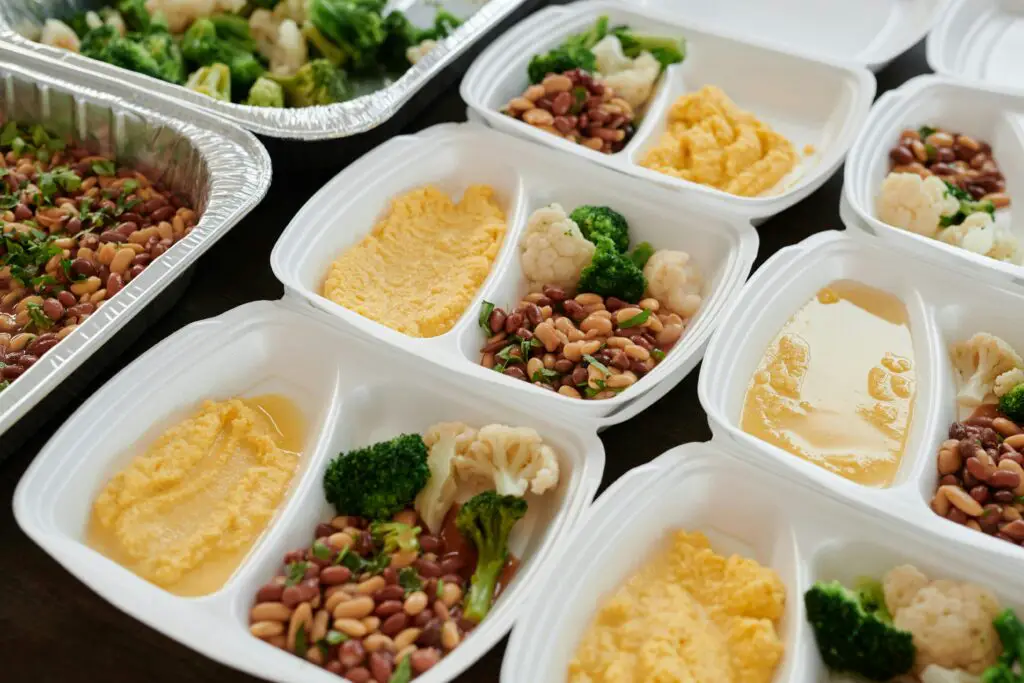
Sometimes the meal was simply everything that hadn’t been eaten yet. Small portions were reheated and served together. Nothing matched, but everything got used. Plates looked chaotic but purposeful.
Kids learned to pick and choose without waste. It cleared the fridge before the next grocery trip. Over time, it became familiar rather than embarrassing. It was honesty on a plate.