
1. Making the Bed Every Morning

It never felt like a big deal at the time, but making the bed was often the first task of the day. It taught that small responsibilities still mattered, even when no one was watching. The habit quietly reinforced the idea that you finished what you started. It also created a subtle sense of order before the day even began.
Over time, that routine showed how consistency adds up. You learned that discipline does not always come from big rules or punishments. Sometimes it comes from repeating a simple task every single day. It planted the idea that effort was expected, not negotiated.
2. Feeding Pets on a Schedule

Feeding the dog or cat was not optional once it became your job. Someone depended on you, and forgetting had immediate consequences. That responsibility taught awareness of time and routine without needing reminders. It also showed that care was about reliability, not mood.
The discipline came from knowing you could not skip a day. Pets did not care if you were tired or distracted. Showing up consistently became part of daily life. It was an early lesson in accountability that felt natural rather than forced.
3. Clearing the Table After Meals

Clearing dishes was often expected without praise or debate. It reinforced the idea that everyone contributed to shared spaces. You learned that work continued even after the fun part was over. The routine quietly connected responsibility with cooperation.
Over time, it taught respect for the people who cooked and cleaned. You began to understand that messes did not magically disappear. Discipline showed up as follow-through, not instructions. It normalized pitching in without being asked.
4. Doing Homework Before TV
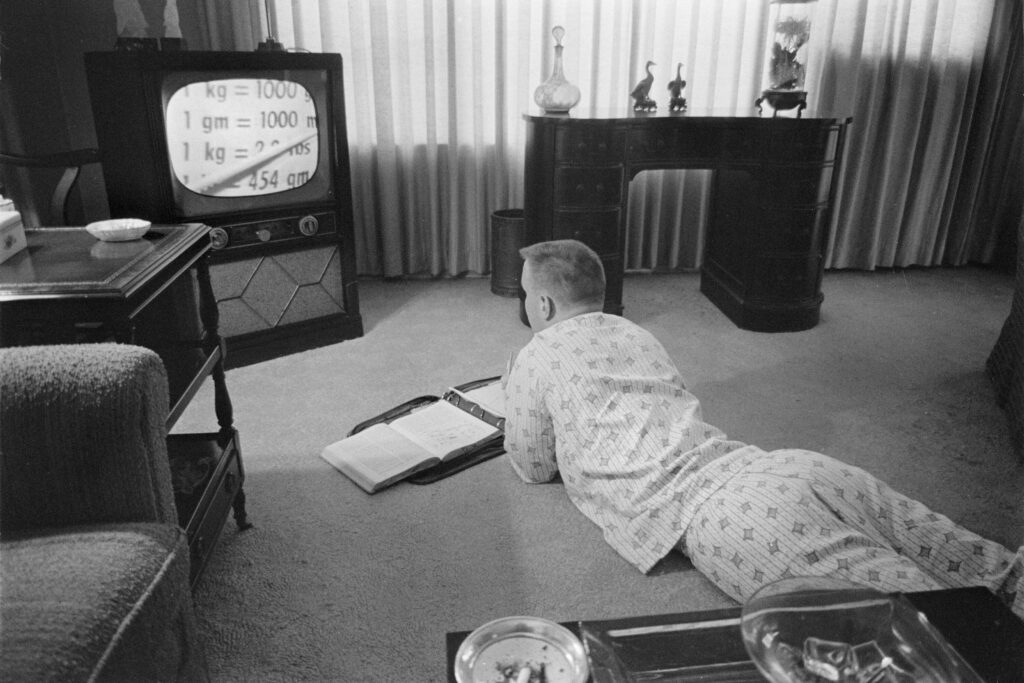
Homework came first, even when favorite shows were on. That rule taught delayed gratification long before the term existed. It emphasized priorities without long explanations. Responsibility became linked to managing your own time.
The discipline was internal rather than enforced. You learned to finish obligations before rewards. It created a mental checklist that carried into adulthood. Work first, enjoyment later became second nature.
5. Packing Your Own School Bag

Packing your bag the night before was a quiet form of self-management. Forgetting something meant dealing with the consequences at school. That routine taught planning ahead without lectures. Responsibility came from ownership of your own stuff.
It also encouraged awareness of details. Books, papers, and lunches were your job to remember. Discipline grew through repetition and mild mistakes. You learned that preparation reduced stress the next day.
6. Showing Up on Time

Being on time was expected, whether for school, practice, or family events. Lateness was noticed even if it was not always punished. The routine taught respect for other people’s time. Discipline appeared as punctuality rather than pressure.
You learned to plan backward and move with intention. Waiting until the last minute rarely worked. Over time, timeliness became a habit rather than a rule. It shaped how you approached commitments later in life.
7. Finishing Chores Before Playing

Chores were rarely exciting, but they had to be done first. This routine reinforced the idea that responsibilities came before fun. It made work a normal part of daily life. Discipline was woven into the order of activities.
The lesson stuck because it was consistent. Skipping chores was not an option, even on good days. You learned that effort was expected regardless of motivation. That mindset carried over into adult responsibilities.
8. Taking Care of Personal Hygiene

Brushing teeth, bathing, and getting dressed properly were nonnegotiable routines. They taught self-respect and consistency from an early age. These habits reinforced that care for yourself was part of responsibility. Discipline came through repetition, not reminders.
Over time, those routines became automatic. You learned to manage yourself without supervision. They quietly built independence. The lesson was that responsibility also included caring for your own body.
9. Writing Thank You Notes

Thank you notes were often required, not suggested. They taught follow-through after receiving something. Gratitude became something you practiced, not just felt. Responsibility extended beyond the moment of excitement.
This routine emphasized acknowledgment and respect. It showed that relationships required effort. Discipline appeared in sitting down and finishing the task. It reinforced the value of thoughtfulness and closure.
10. Helping Younger Siblings

Watching younger siblings came with real expectations. You learned patience, awareness, and accountability all at once. The routine taught leadership without formal instruction. Responsibility became personal rather than abstract.
It also showed that your actions affected others. Discipline meant staying attentive even when bored. You learned to put someone else’s needs first. That lesson often stuck well into adulthood.
11. Keeping Track of Allowance or Money

Managing allowance taught basic budgeting without formal lessons. Once the money was gone, it was gone. That reality reinforced consequences in a low-stakes way. Responsibility came from choice rather than restriction.
The discipline grew from experience. You learned to plan, save, or regret spending decisions. Over time, money management felt familiar rather than intimidating. It quietly shaped financial awareness.
12. Practicing an Instrument or Skill

Practice routines were rarely exciting but always expected. They taught commitment even when progress felt slow. Responsibility meant showing up consistently, not perfectly. Discipline came from repetition and patience.
You learned that improvement required effort over time. Skipping practice usually showed later. The routine connected effort with results. It reinforced the value of persistence.
13. Cleaning Your Own Room
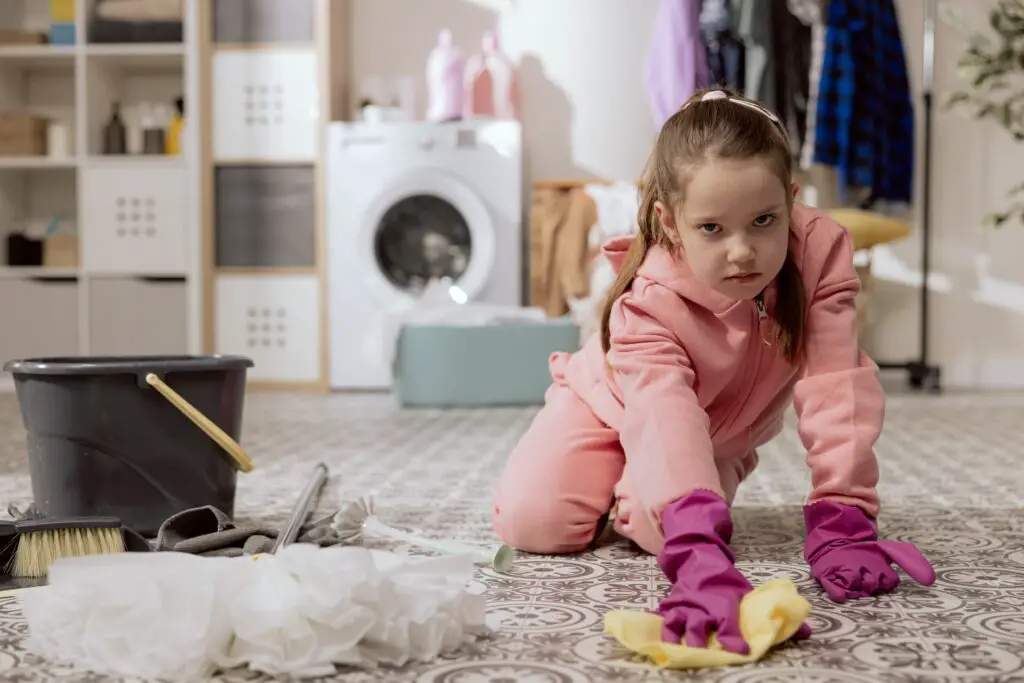
A clean room was often your responsibility alone. The routine taught ownership of personal space. Messes were yours to fix, not someone else’s problem. Discipline appeared as maintenance rather than punishment.
Over time, you learned how clutter affected mood and focus. Cleaning became a reset rather than a chore. The habit reinforced accountability. It quietly shaped how you handled your environment later.
14. Sticking to a Bedtime

Bedtimes were enforced even when you felt wide awake. The routine taught structure and respect for limits. It reinforced the idea that rest mattered. Discipline came from consistency rather than explanation.
You learned that routines supported well-being. Fighting bedtime rarely changed the outcome. Over time, regular sleep felt normal. The lesson was that responsibility included taking care of yourself for the next day.