
1. Cleopatra
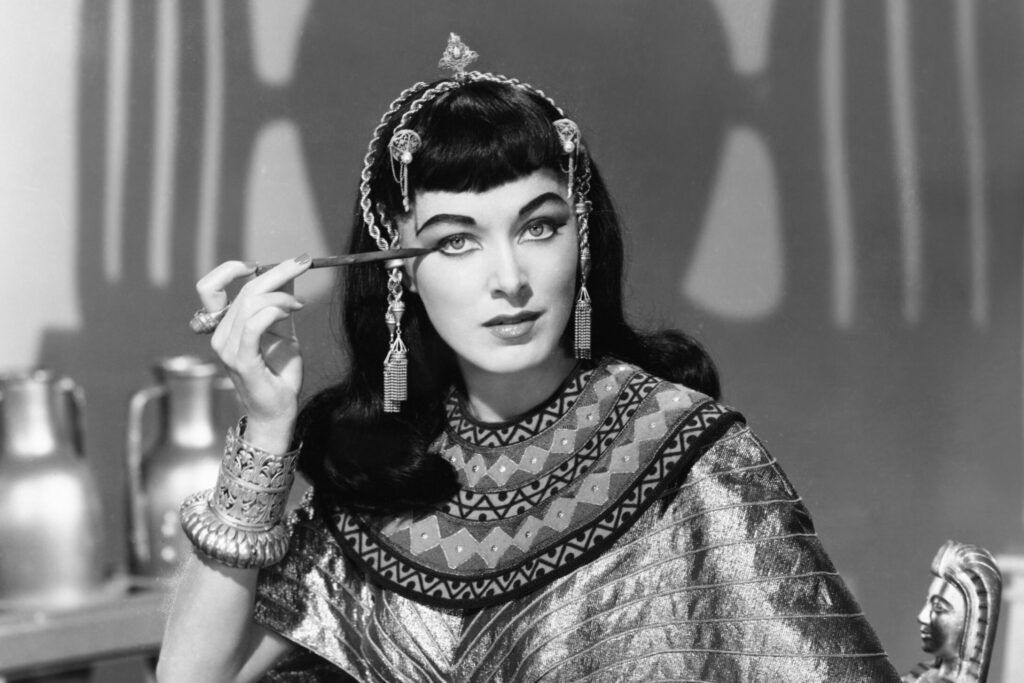
Cleopatra is almost always described as the most beautiful woman in the ancient world, but the historical record does not really support that. Ancient coins and contemporary descriptions suggest she was striking and charismatic, not necessarily conventionally beautiful. Much of her seductive reputation comes from Roman writers who were openly hostile to her. They had political reasons to portray her as a dangerous temptress rather than a capable ruler.
What does seem clear is that Cleopatra was highly educated and fluent in several languages. She knew how to command attention and wield influence, especially with Julius Caesar and Mark Antony. Over time, those traits were flattened into a single story about looks and romance. The result is a legend that says more about Roman propaganda than about the real woman.
2. Robin Hood
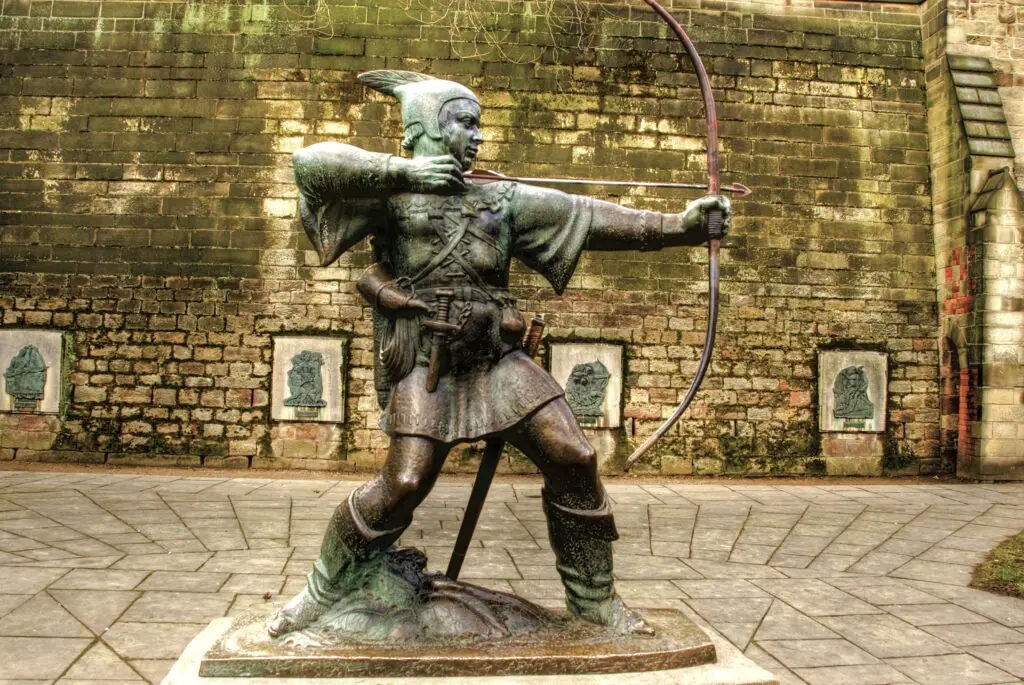
Robin Hood feels like a historical figure, but pinning him down is nearly impossible. Some historians argue he may have been based on several real outlaws whose stories blended together. Others believe he was entirely fictional from the start. Even the time period he supposedly lived in shifts depending on the version.
Early ballads portray him as rougher and less noble than the green clad hero we know today. The idea that he stole from the rich to give to the poor appears later. Over centuries, the story was softened and moralized. What remains is a legend with no solid historical core.
3. Billy the Kid
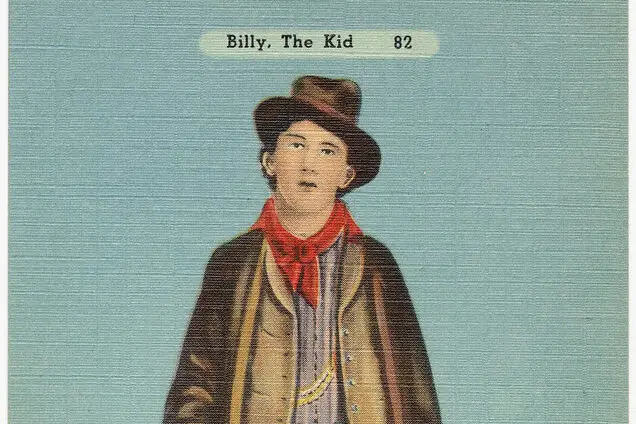
Billy the Kid is often portrayed as a fearless gunslinger with dozens of kills to his name. In reality, historians can only confirm a small number of murders. His reputation grew largely through sensational newspaper accounts. Those papers were eager to sell copies and exaggeration helped.
He was also younger than most people realize, barely out of his teens when he died. Photographs show a slight, almost boyish figure rather than a hardened killer. The myth of Billy the Kid quickly overtook the person. By the time he was dead, the legend was already locked in.
4. Mata Hari
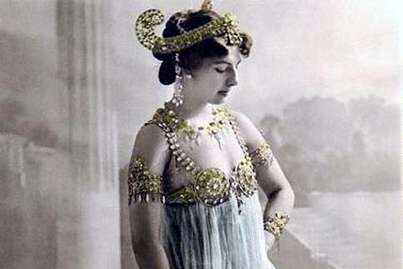
Mata Hari is remembered as a master spy who seduced secrets out of powerful men. Court records from her trial suggest she was far less effective than advertised. French authorities accused her of espionage during World War I, but the evidence was thin. She may have been more scapegoat than super spy.
Her fame as an exotic dancer made her an easy target. Intelligence agencies at the time were eager to show results, especially during wartime panic. After her execution, the story grew more dramatic with each retelling. The real Mata Hari was likely a marginal figure caught in larger forces.
5. Blackbeard
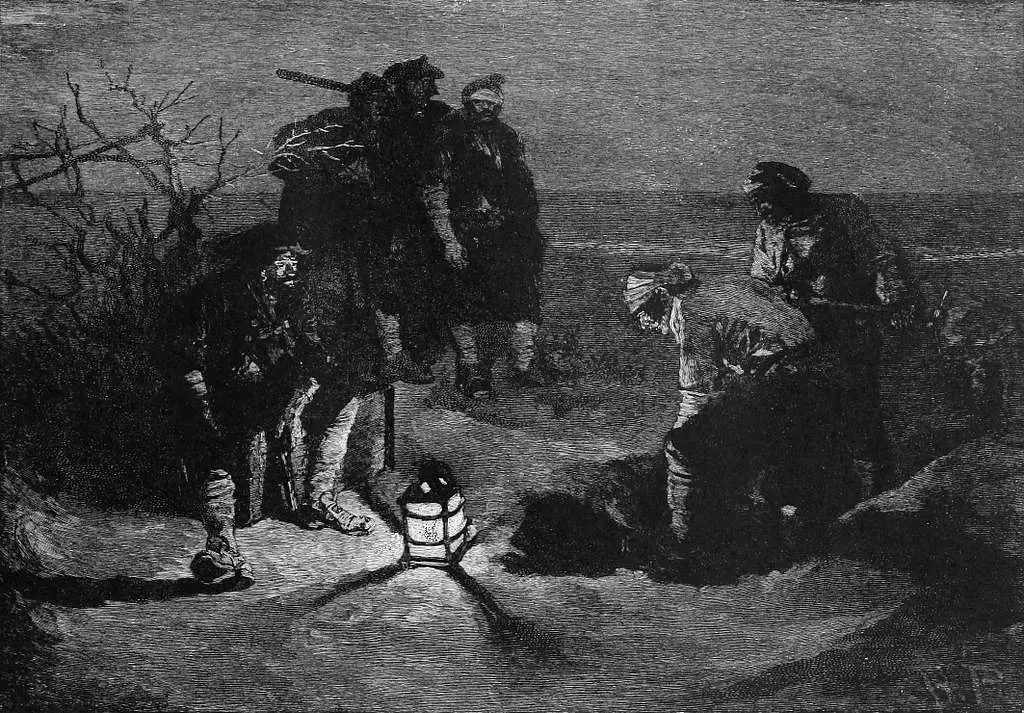
Blackbeard’s image is pure theater, complete with smoking fuses in his beard. Those details come mainly from secondhand accounts written after his death. Pirates used intimidation as a tool, and Blackbeard understood branding long before the word existed. That does not mean every story about him is true.
Despite his fearsome reputation, there is little evidence he killed many people. His goal was usually surrender, not slaughter. The image of a bloodthirsty monster was useful to him and terrifying to victims. Over time, that carefully crafted persona became accepted as fact.
6. Amelia Earhart
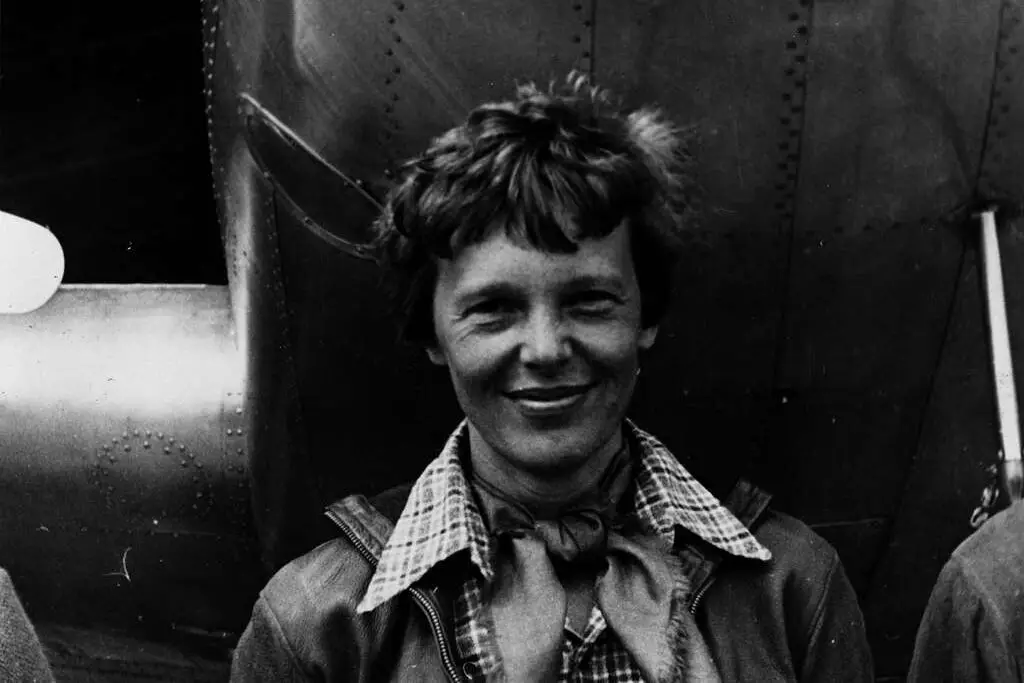
Amelia Earhart’s disappearance has inspired countless theories, many of them contradictory. Some claim she crashed into the ocean, while others insist she survived on a remote island. A few even argue she lived under a false identity. None of these theories have been conclusively proven.
What is clear is that navigation technology at the time was unreliable. Communication failures and fuel limits were very real risks. The mystery has overshadowed her genuine achievements in aviation. Her legacy often gets tangled in speculation rather than grounded history.
7. Anastasia Romanov
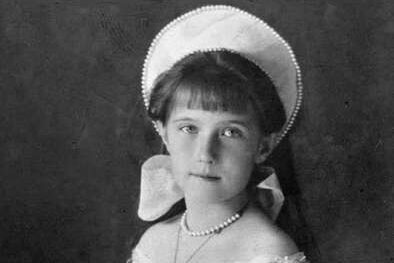
For decades, rumors claimed that Anastasia Romanov escaped the execution of her family. Numerous women came forward insisting they were the lost princess. These claims captured the public imagination, especially outside Russia. Hope filled the gaps where information was scarce.
Modern DNA testing has confirmed that Anastasia died with the rest of the Romanov family. The science settled the question, but the legend persists. Stories of survival are often more appealing than grim historical reality. In this case, emotion kept the myth alive long after facts emerged.
8. William Shakespeare
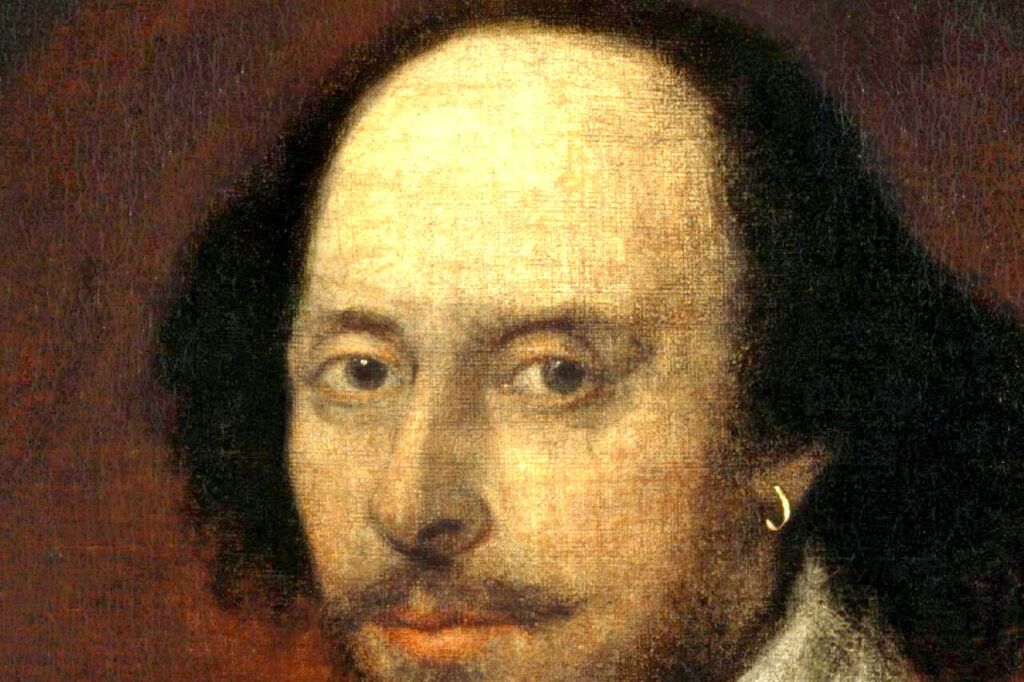
The question of whether William Shakespeare wrote his own plays has never fully gone away. Skeptics argue that a man of his background could not have produced such sophisticated work. They propose alternative authors ranging from nobles to fellow playwrights. None of these theories have definitive proof.
Most scholars agree the historical record supports Shakespeare’s authorship. Contemporary references and publishing records consistently name him. The doubts often reflect modern assumptions about class and education. The mystery says more about our discomfort than about Elizabethan England.
9. King Arthur
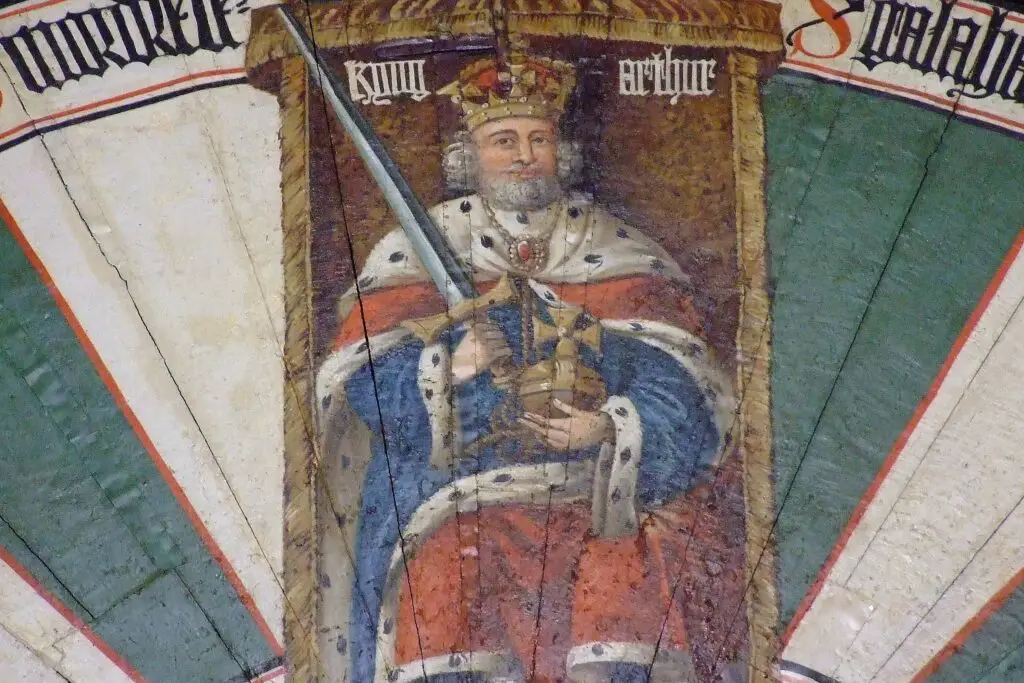
King Arthur is often treated as a historical monarch, but evidence for his existence is extremely thin. Early sources are vague and written centuries after he supposedly lived. Some historians think he may be a composite of several leaders. Others see him as entirely symbolic.
Camelot, the Round Table, and Excalibur developed gradually through medieval literature. Each retelling added new layers and moral lessons. By the time the legend was fully formed, history had faded into myth. Arthur remains powerful precisely because he is undefined.
10. Jesse James
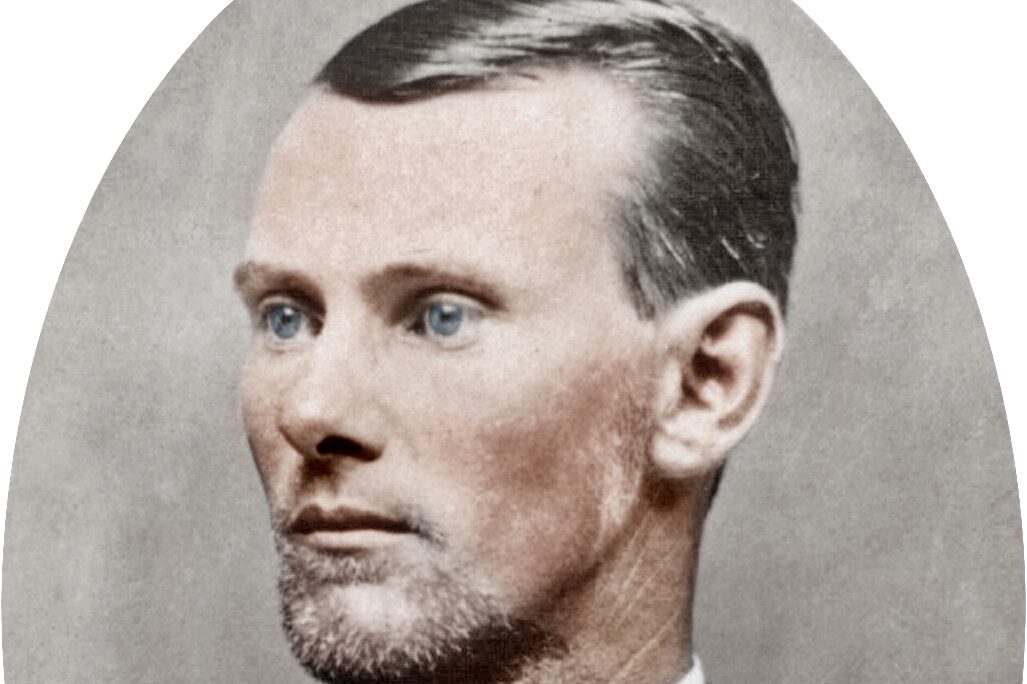
Jesse James is often remembered as a Robin Hood like figure who fought corrupt institutions. Historical evidence shows he primarily robbed banks and trains for personal gain. His image was polished by sympathetic journalists. Those writers framed him as a folk hero during Reconstruction.
The reality is far messier and less romantic. James was involved in violent crimes with clear victims. The legend softened those facts to create a compelling narrative. That version proved more durable than the truth.
11. Calamity Jane
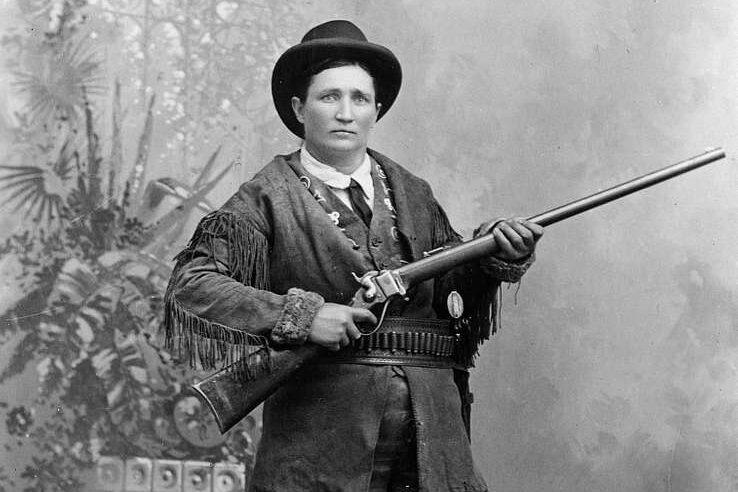
Calamity Jane told many stories about her own life, and they do not always match records. She claimed military service and heroic exploits that cannot be verified. Some of her tales directly contradict documented timelines. Self mythologizing was part of her survival strategy.
Life on the frontier rewarded bold storytelling. Exaggeration brought attention, work, and protection. Over time, her own embellishments became accepted history. Separating fact from performance remains difficult.
12. Pocahontas
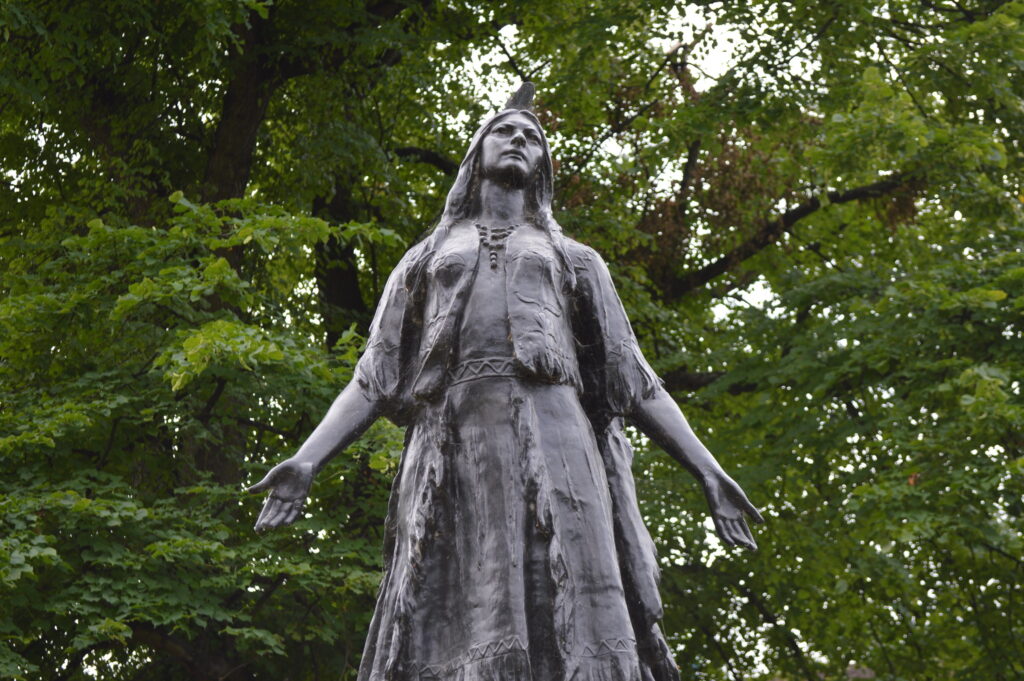
The story of Pocahontas saving John Smith’s life is central to her legend. Smith himself is the only source for that account, and he did not publish it until years later. Earlier versions of his writings make no mention of the dramatic rescue. This raises serious questions about accuracy.
Historians believe Pocahontas was likely involved in a ritual misunderstood by Smith. Her real life was shaped by colonial power and displacement. Romantic retellings obscure that reality. The familiar story simplifies a far more complex history.
13. Marco Polo
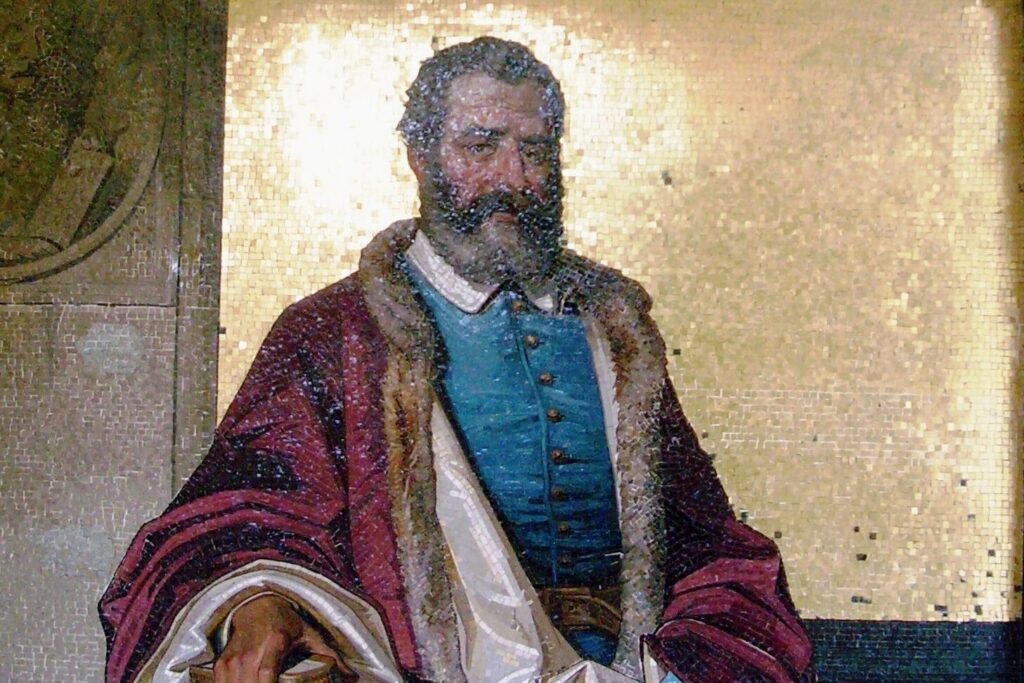
Marco Polo is credited with introducing Europe to the wonders of China, but historians have long debated how much of his account was firsthand. His book contains detailed descriptions, yet it omits some major elements of Chinese life, including tea, foot binding, and the Great Wall. That absence has raised questions about whether he actually traveled as extensively as he claimed. Some scholars believe he relied heavily on secondhand stories.
Others argue that omissions do not disprove his journey, since the Great Wall was not especially prominent during the Yuan dynasty. The book itself was dictated while Polo was imprisoned, filtered through a writer with his own style. Exaggeration and misunderstanding were likely unavoidable. What remains is a travel narrative that blurs experience and hearsay.
14. Joan of Arc
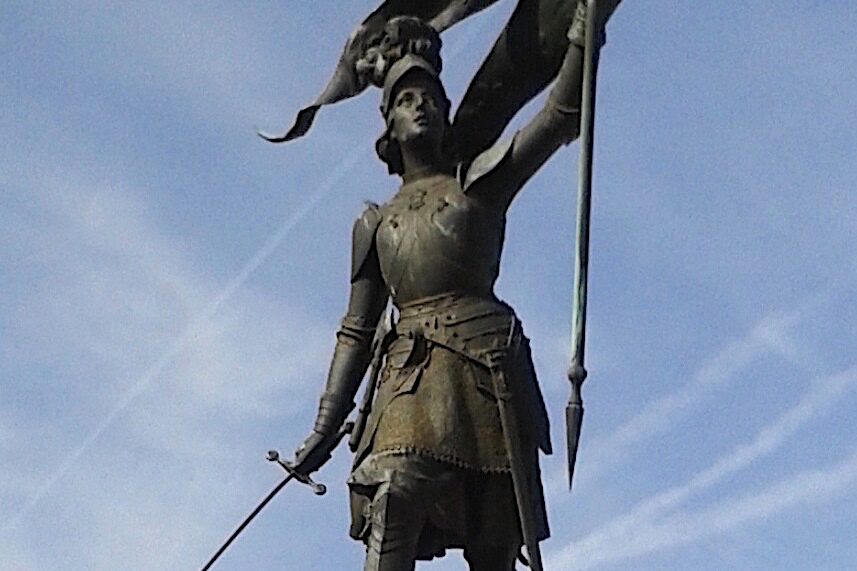
Joan of Arc’s story often portrays her as a lone teenage warrior who single handedly turned the tide of war. In reality, she was part of a much larger military and political effort. Her visions and faith inspired troops, but she did not command armies in the modern sense. Decisions were still made by experienced nobles and generals.
Trial records show a young woman under extreme pressure, answering complex theological questions. Those transcripts complicate the saintly caricature that developed later. Her execution made her a martyr, which sharpened the legend. Over time, symbolism overtook nuance.
15. Vlad the Impaler
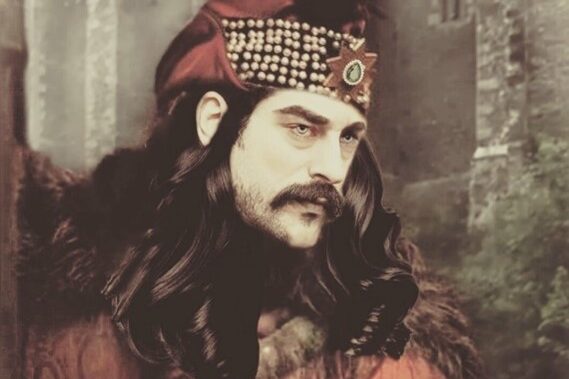
Vlad the Impaler is widely viewed as a sadistic monster and the inspiration for Dracula. While he did use brutal punishments, many stories about him come from enemy propaganda. German pamphlets in particular exaggerated his cruelty for political reasons. These accounts spread rapidly thanks to the printing press.
In his own region, Vlad was sometimes remembered as a harsh but effective ruler. Impalement was not unique to him in that era, though his use of it was extreme. The vampire connection came centuries later. Horror fiction permanently fused myth with history.
16. Nostradamus
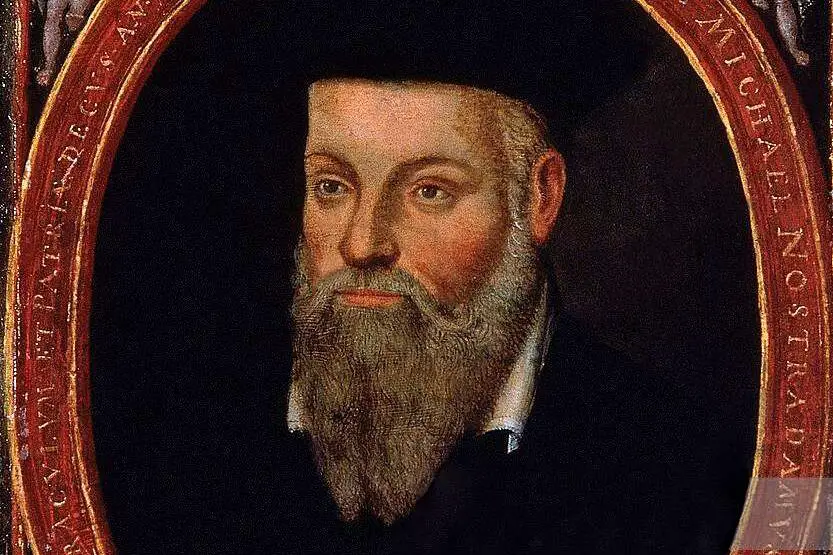
Nostradamus is often credited with predicting major world events centuries in advance. His writings are famously vague and symbolic, allowing later readers to retrofit meanings. Many supposed predictions only appear accurate after events occur. This hindsight interpretation is key to his reputation.
During his lifetime, Nostradamus was known more as an astrologer than a prophet. His quatrains lack dates and clear references. Different translations further muddy interpretation. The legend thrives on ambiguity rather than evidence.
17. Sitting Bull
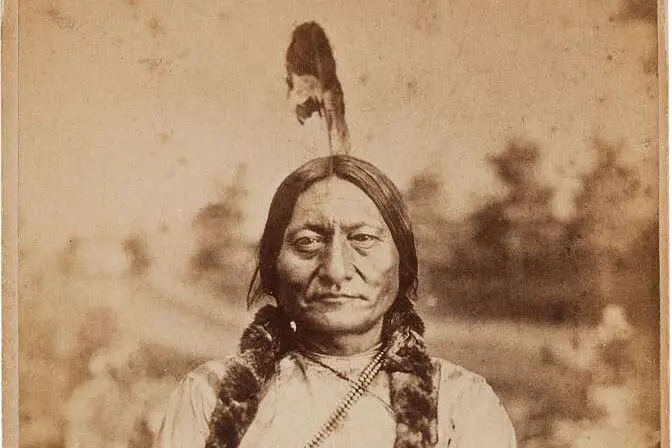
Sitting Bull is frequently portrayed as a warrior chief who led constant battles against U.S. forces. In reality, he was primarily a spiritual leader and strategist. He did not directly command troops at the Battle of Little Bighorn. That role belonged to others, including Crazy Horse.
Later portrayals simplified him into a single symbolic figure of resistance. His eventual participation in Buffalo Bill’s Wild West Show added further contradictions. That chapter of his life is often ignored or misunderstood. The legend compresses a complex life into a single image.