
1. You Always Sat in the Same Spot at the Table

Nobody assigned seats, but everyone knew where they belonged. Dad had the head of the table, Mom hovered near the kitchen, and the kids filled in the sides in birth order. If someone accidentally took the “wrong” chair, it felt oddly unsettling. You might laugh about it, but you also quietly moved back where you were supposed to be.
It was never explained, yet it stuck for years. Even when you visited home as an adult, you slid into your old spot without thinking. There was comfort in that unspoken order. It made dinner feel predictable in the best possible way. It was a tiny ritual that said, this is where you belong.
2. You Didn’t Call After a Certain Hour

There was an invisible curfew on phone calls. Unless it was urgent, you did not dial someone’s number after 9 p.m. You certainly did not call during dinner. No one wrote this rule down, but everyone followed it.
If the phone rang too late, the whole house stiffened. It had to be important, or worse, bad news. That collective understanding shaped how people respected each other’s time. It was basic courtesy, passed down without a single lecture.
3. Guests Got the Good Towels

The fancy towels stayed folded, untouched, for most of the year. They weren’t for daily use. They were for company. Everyone in the house knew not to reach for them unless someone was visiting.
No one explained why the softer, prettier towels were off-limits. It was simply understood that guests deserved the best. The same rule often applied to special dishes or glassware. Hospitality was serious business, even if nobody ever spelled it out.
4. You Brought Something When Invited Over
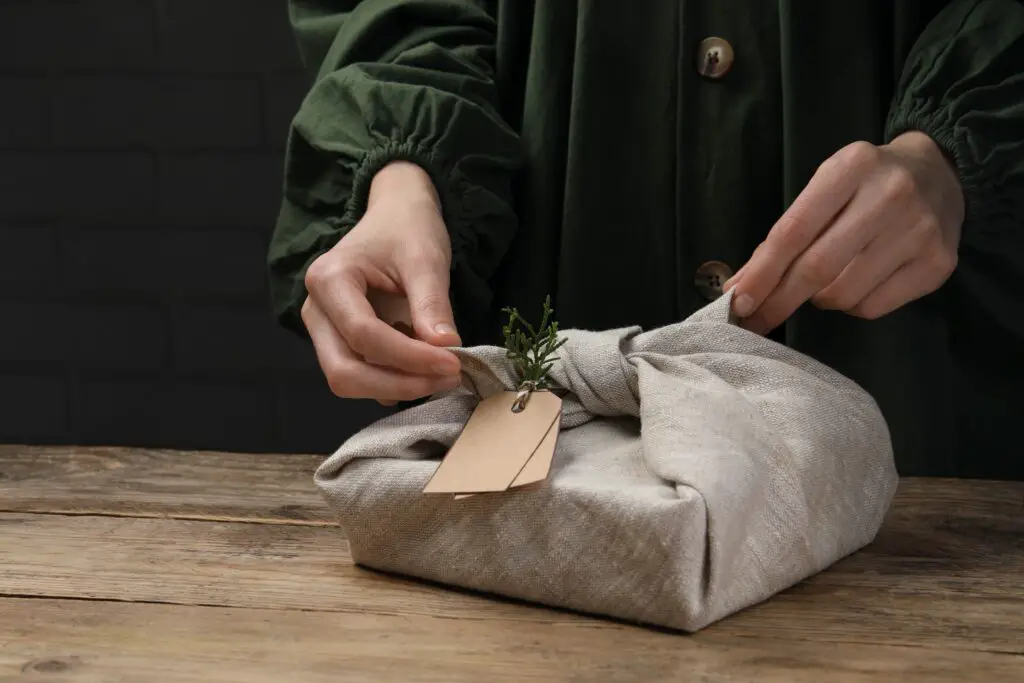
Showing up empty-handed just wasn’t done. Maybe it was a pie, a bottle of soda, or a small plant from the yard. The item didn’t have to be fancy, but it had to exist. It signaled appreciation.
Children absorbed this habit by watching. You learned that being invited into someone’s home was a privilege. Contributing, even in a small way, kept relationships balanced. It became second nature before you were old enough to understand etiquette.
5. The TV Was Turned Off During Dinner

Even in homes where the television ran all day, it went quiet at mealtime. Plates hit the table and the screen went dark. No dramatic announcement was necessary. It was just what happened.
Dinner was for conversation, whether you liked it or not. You talked about school, work, or nothing in particular. That pause in the noise created space for connection. Years later, some families still feel uneasy if a screen is glowing during a meal.
6. You Dressed Up for Certain Occasions
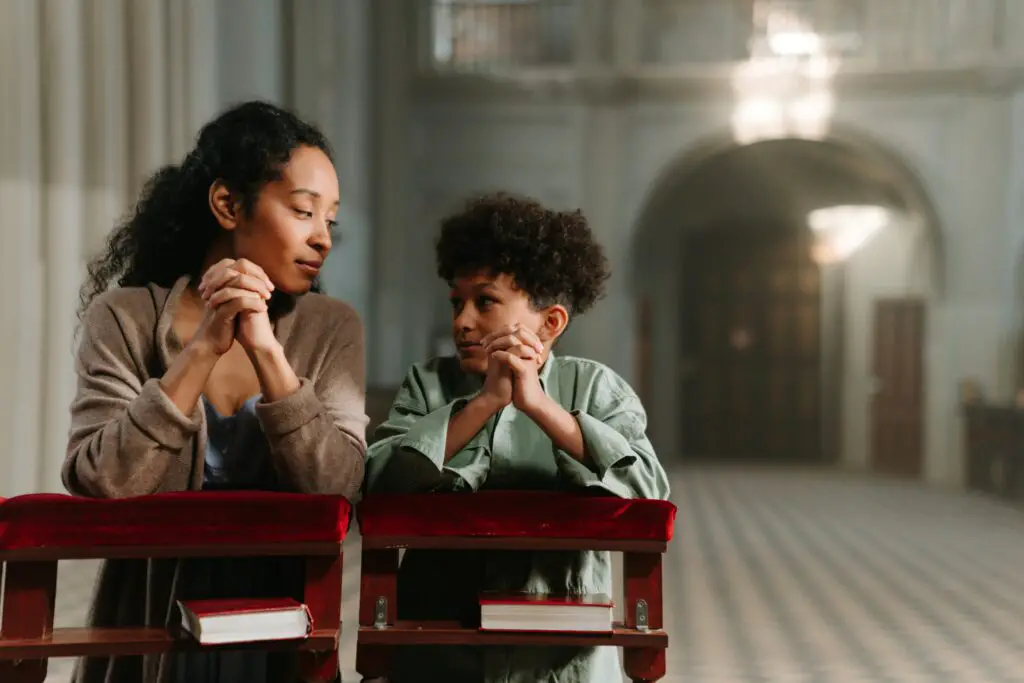
There were clothes for everyday life and clothes for “going out.” Church, weddings, and holiday dinners required a certain standard. Nobody debated it. You simply put on the outfit that matched the moment.
Even if you did not understand the event, you understood the expectation. The effort showed respect for the occasion and the people involved. That quiet rule reinforced the idea that some moments deserved extra care. It shaped how many of us still approach special events.
7. You Wrote Thank-You Notes

After birthdays or holidays, there was often a stack of blank cards waiting. You sat down and wrote a short note to each person who gave you a gift. It was not optional. It was part of the process.
Parents did not always explain the deeper reasoning. You just knew it had to be done before you could fully enjoy the new toy. Over time, it became less about obligation and more about gratitude. The habit stuck, even as communication moved online.
8. Certain Topics Were Off-Limits at Gatherings

Politics, money, and family conflicts often stayed off the table. Nobody posted a sign, but you could sense the boundaries. If someone drifted too close to a sensitive subject, a quick change of topic followed.
This unspoken agreement kept the peace. It prioritized harmony over winning an argument. While it sometimes avoided deeper conversations, it also preserved relationships. Families learned how to read the room without ever naming the rule.
9. You Helped Clean Up Without Being Asked
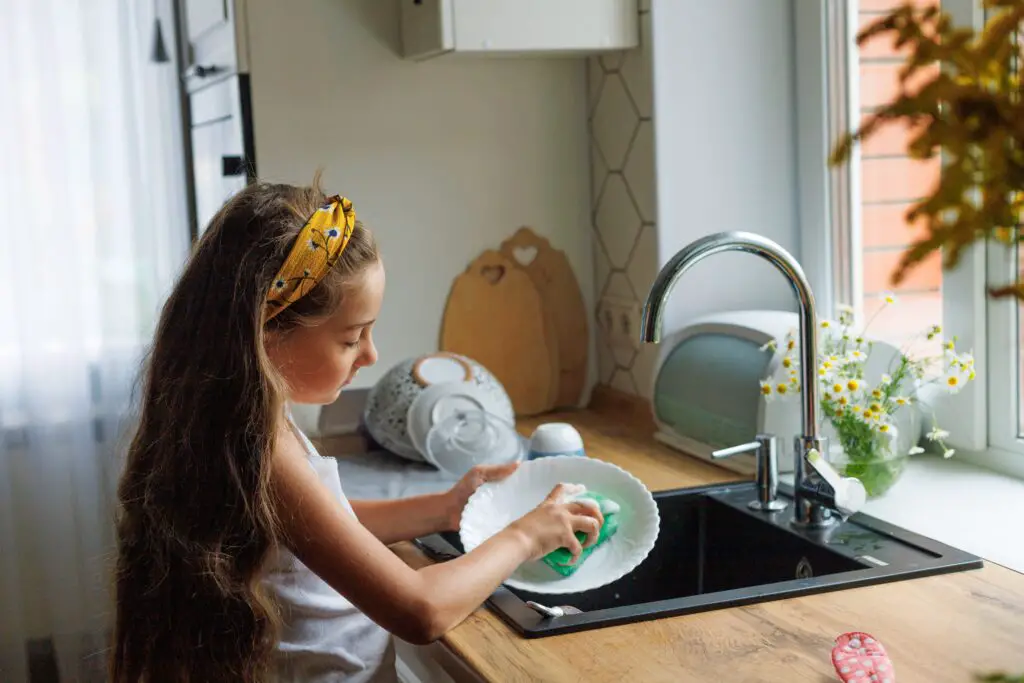
After a big meal, people just stood up and started clearing plates. Kids carried dishes to the sink. Adults wrapped leftovers. It happened almost automatically.
There was no formal assignment sheet. You simply knew you were part of the team. Helping out showed appreciation for the person who cooked. It reinforced the idea that shared work made gatherings lighter for everyone.
10. You Saved the Best Piece for Someone Else

Whether it was the last slice of cake or the crispiest piece of chicken, there was hesitation. Someone would ask, “Does anyone else want this?” It was a ritual of generosity.
Often, everyone politely declined until one person finally accepted. The exchange mattered more than the food itself. It demonstrated thoughtfulness and restraint. That small pause before taking the last portion carried a surprising amount of meaning.
11. You Stood When an Elder Entered the Room

In some households, respect was shown physically. When a grandparent walked in, you stood up. If an older relative needed a seat, you gave up yours. No one issued a formal decree.
You watched the adults and copied them. The gesture was subtle but powerful. It reinforced hierarchy, gratitude, and acknowledgment. Even if the custom faded over time, its impact lingered.
12. You Kept Family Matters Private

There was a strong sense that what happened inside the house stayed there. You did not share arguments or financial struggles with outsiders. It was understood, not negotiated.
This rule created both security and silence. It protected the family’s image and sometimes its vulnerabilities. For better or worse, loyalty meant discretion. Many adults still carry that instinct, even if they have never consciously examined it.