
1. How to Make Small Talk Without Overthinking It

Kids used to stand around while adults chatted in kitchens, at block parties, or after church. Without realizing it, they absorbed the rhythm of conversation. They learned how to ask polite questions and how to listen without interrupting. They noticed when to laugh and when to nod seriously. No one handed them a guidebook on social skills. They simply watched how grownups handled neighbors and relatives. Over time, it felt natural to strike up a conversation.
That kind of casual exposure built confidence. You learned how to introduce yourself without freezing. You figured out that eye contact mattered and that tone could change everything. You saw how disagreements could stay civil. Those moments shaped how you handled job interviews and first dates later on. It all started by standing quietly next to a parent and paying attention.
2. How to Stretch a Dollar

Children heard adults talk about bills at the kitchen table. They saw coupons clipped and grocery lists carefully planned. They watched parents compare prices without embarrassment. Money was not abstract, it was discussed openly. Kids understood that choices had tradeoffs. If one thing went in the cart, something else might come out. That lesson stayed with them.
It was budgeting by osmosis. No formal class, no spreadsheets. Just watching how adults weighed wants against needs. You learned patience when something had to wait. You learned satisfaction when saving paid off. Those early observations shaped how you handle money today.
3. How to Fix Something Instead of Tossing It
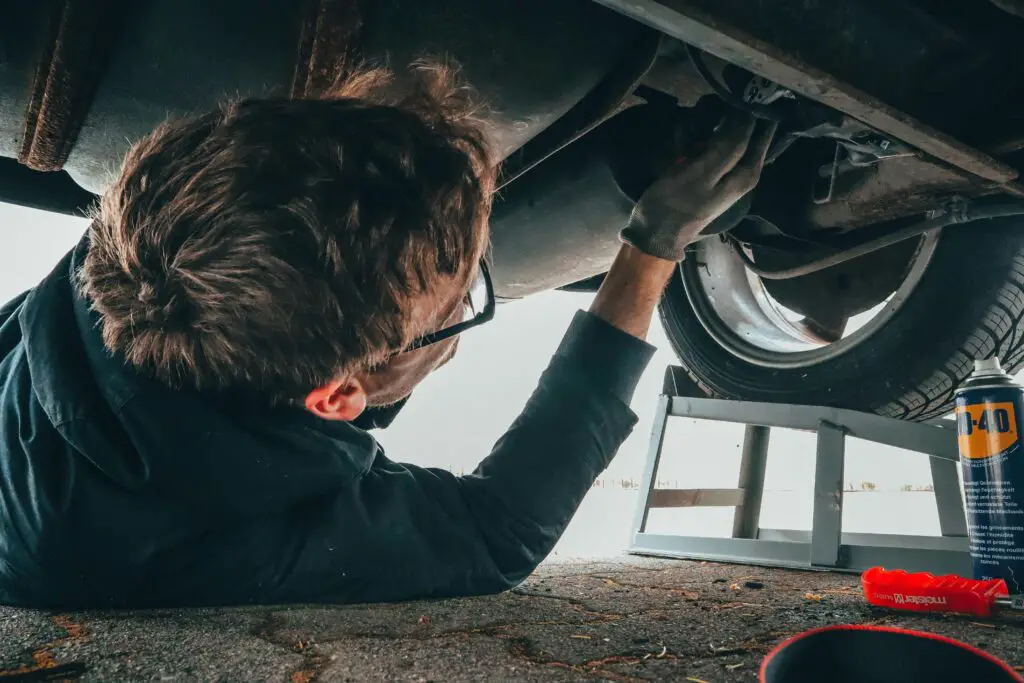
Broken lamps, squeaky doors, and rattling cars were not automatic replacements. Adults reached for tools before reaching for their wallets. Kids watched how a screwdriver or wrench could solve a problem. They learned that frustration was part of the process. They saw adults pause, think, and try again. Repair was normal. Throwing things away was not the first instinct.
Over time, that mindset became practical confidence. You did not panic at the first sign of trouble. You believed most things had a solution. Watching someone patch drywall or mend a hem made self-reliance feel attainable. It built a quiet resilience. The message was simple, problems can often be fixed.
4. How to Read a Room
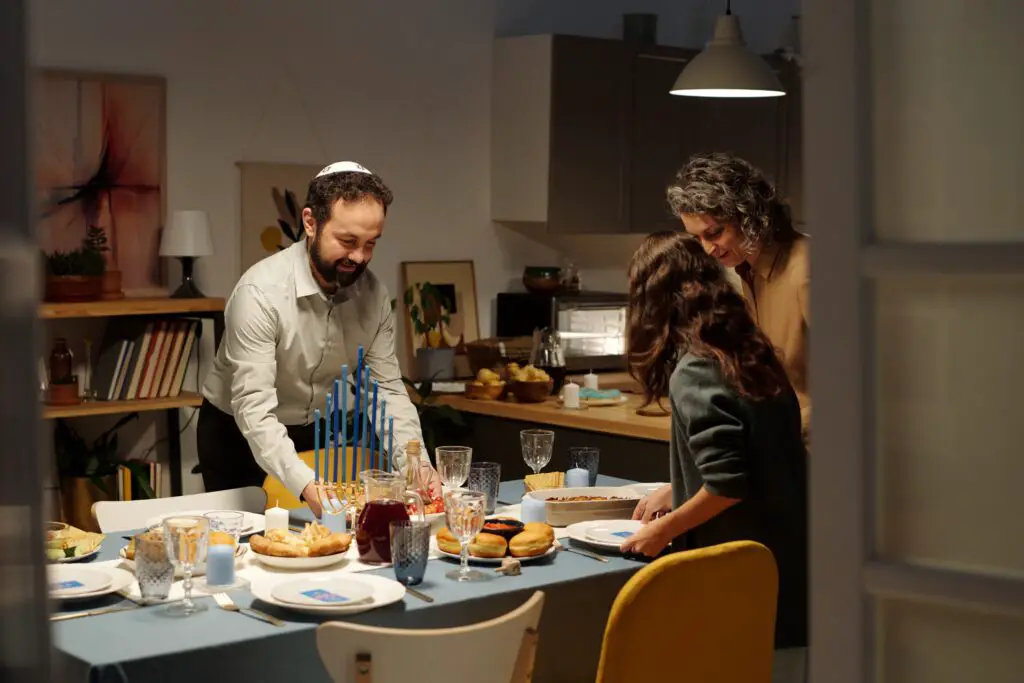
Family gatherings were full of subtle cues. Kids sensed when tension was rising and when it was safe to joke. They watched how certain topics were avoided. They noticed shifts in tone at the dinner table. Adults rarely explained it directly. You just learned to feel it. Social awareness developed without a lecture.
That skill later helped in classrooms and offices. You knew when to speak and when to hold back. You could tell when a teacher was in a good mood. You picked up on body language. It started with watching adults navigate complicated conversations. Awareness became second nature.
5. How to Be on Time

Adults had places to be. Work started at a set hour. Appointments were not optional. Kids saw clocks checked and shoes put on early. They heard reminders about leaving on time. Punctuality was modeled every day. It was not framed as a virtue, it was simply expected.
Eventually, you internalized that rhythm. You felt uncomfortable arriving late. You understood that time reflected respect. Watching adults move with purpose shaped your own habits. Being reliable felt normal. It was learned through routine, not reprimand.
6. How to Cook Without a Recipe
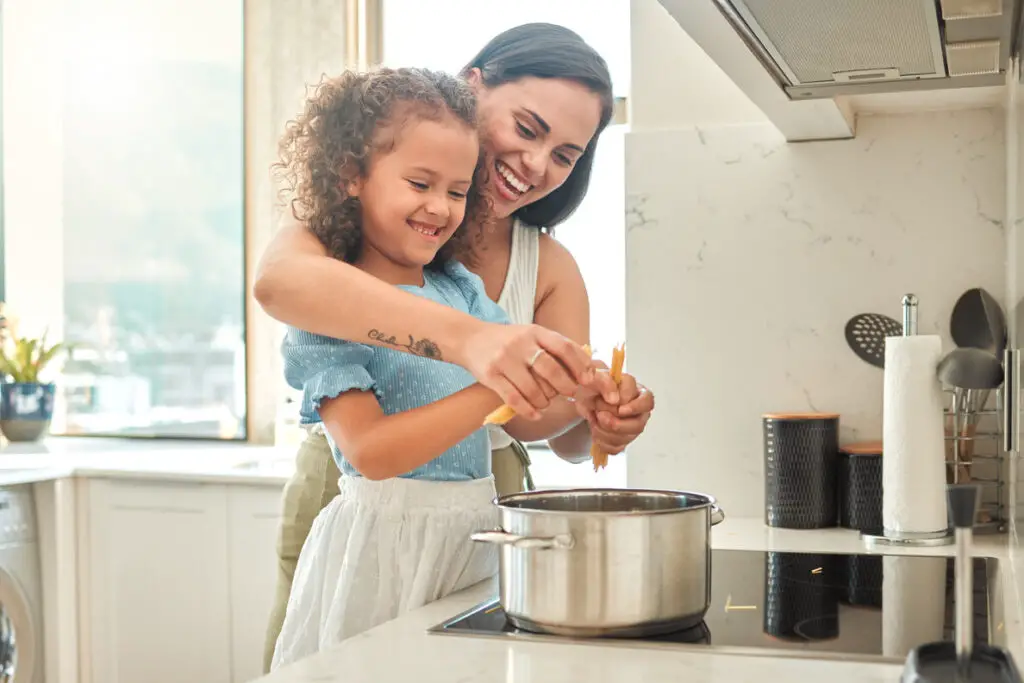
Standing in the kitchen meant watching meals come together from memory. Adults measured by sight and adjusted by taste. Kids learned that cooking was flexible. They saw how leftovers could transform into something new. They absorbed techniques just by observing. The stove became less mysterious.
Later, you found yourself doing the same. A pinch here, a splash there. Confidence grew from familiarity. Cooking felt intuitive instead of intimidating. All because you once leaned against a counter and watched carefully.
7. How to Apologize Properly

Adults did not always get it right, but when they apologized sincerely, it left an impression. Kids saw the difference between a forced apology and a genuine one. They noticed tone and body language. They learned that taking responsibility mattered. Repairing relationships was visible.
That exposure shaped emotional maturity. You understood that saying sorry required ownership. You saw that pride could be set aside. Watching adults resolve conflicts gave you a blueprint. It made accountability feel possible rather than humiliating.
8. How to Handle Boredom

Before constant entertainment, boredom was common. Adults did not rush to fix it. Kids watched them read, tinker, or simply sit quietly. They learned that downtime was not dangerous. Creativity often filled the gap. Imagination stepped in.
That tolerance for stillness built independence. You could occupy yourself without panic. You discovered interests organically. Watching adults live without constant distraction normalized patience. Boredom became a starting point, not a crisis.
9. How to Care for a Home
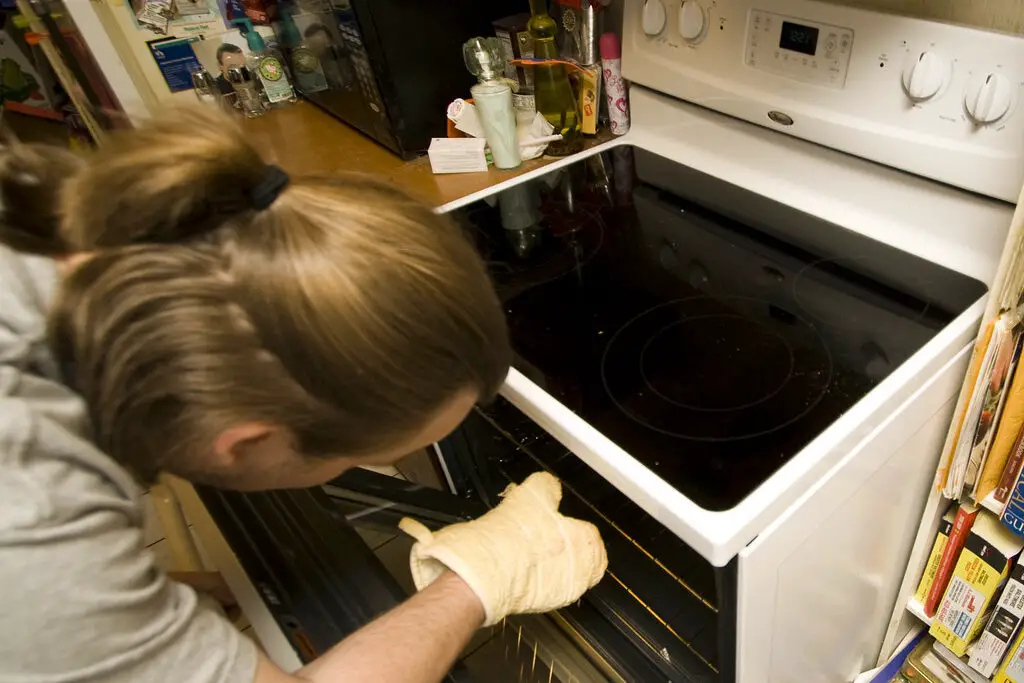
Cleaning was not hidden. Kids saw floors swept and laundry folded. They watched beds made and dishes washed daily. Household maintenance was visible work. It was repetitive but necessary. No one glamorized it.
That repetition taught responsibility. You understood that homes did not stay tidy on their own. You saw the effort behind comfort. Later, when it was your turn, it did not feel foreign. It felt familiar.
10. How to Stand Up for Yourself
Children overheard adults advocating for themselves on phone calls. They saw polite but firm conversations with service providers. They noticed calm persistence when something was unfair. Strength did not always look loud. It often looked steady.
Those moments offered a script. You learned that respect could coexist with boundaries. You saw how tone mattered. Watching adults navigate difficult conversations built courage. It showed that asserting yourself was not rude, it was necessary.
11. How to Show Hospitality
Guests arrived, and kids watched the transformation. Extra chairs appeared. Food was offered without hesitation. Adults made newcomers feel welcome. The rituals were subtle but consistent. Hospitality was a shared expectation.
Over time, that generosity felt instinctive. You learned to offer a drink before being asked. You noticed when someone looked uncomfortable. Watching adults host shaped your own instincts. It taught you how to make others feel at ease.
12. How to Follow Through

Promises were kept or explained. Adults finished projects even when enthusiasm faded. Kids saw commitment in action. Tasks were not always exciting, but they were completed. Consistency was modeled quietly.
That exposure built discipline. You learned that starting was only half the job. Finishing mattered more. Watching adults persist made perseverance tangible. It became part of your own work ethic.
13. How to Express Gratitude

Thank-you notes were written at kitchen tables. Gratitude was spoken aloud. Adults acknowledged favors and kindness. Kids saw appreciation modeled consistently. It was not performative, it was habitual.
That repetition shaped perspective. You learned to notice small gestures. You understood that gratitude strengthened relationships. Watching adults express thanks made it feel natural. It became part of how you interact with others.
14. How to Handle Disappointment

Plans fell through. Repairs cost more than expected. Adults showed frustration, but they kept moving. Kids observed how setbacks were processed. There was emotion, but also adaptation. Life continued.
That modeling built resilience. You learned that disappointment was temporary. You saw that recovery was possible. Watching adults cope without collapsing gave you a template. It made setbacks less paralyzing later on.
15. How to Respect Privacy
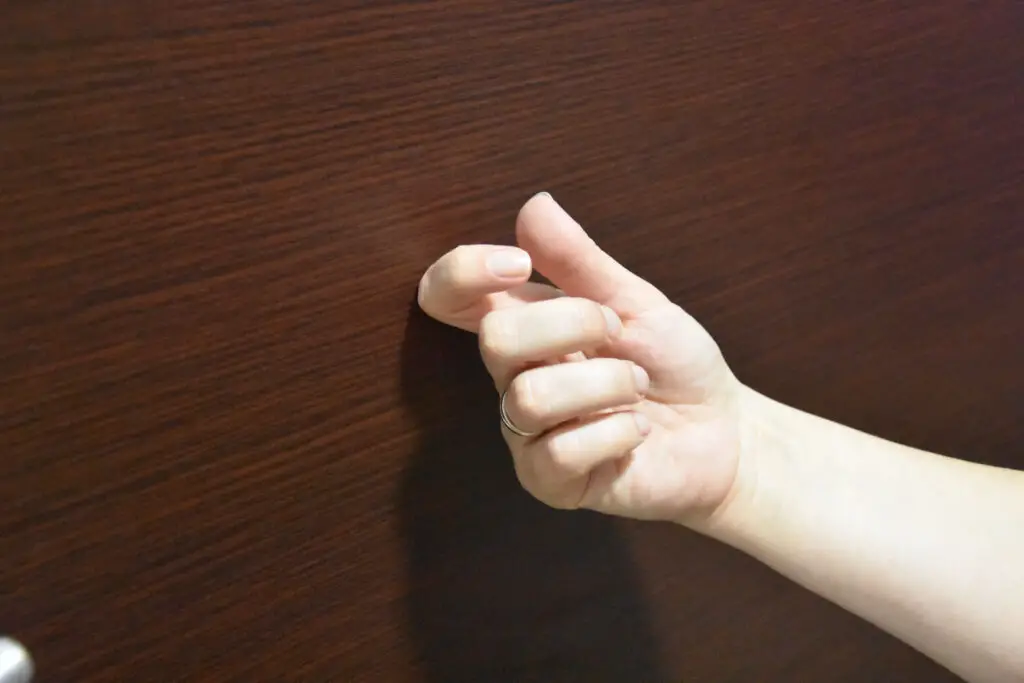
Closed doors meant knock first. Private conversations were not interrupted. Kids learned boundaries through observation. Adults demonstrated discretion in subtle ways. Trust was protected quietly.
That awareness carried forward. You understood that not everything needed to be shared. You learned to guard confidences. Watching adults respect privacy shaped your own sense of boundaries. It reinforced mutual respect.
16. How to Keep Going Even When Tired

Children saw adults come home exhausted yet still cook dinner. Responsibilities did not disappear with fatigue. There was rest, but there was also persistence. Kids absorbed that balance. Work was part of life.
That lesson became endurance. You understood that tired did not always mean stop. You learned to pace yourself. Watching adults manage effort shaped your own stamina. It quietly built determination.