
1. PB Max
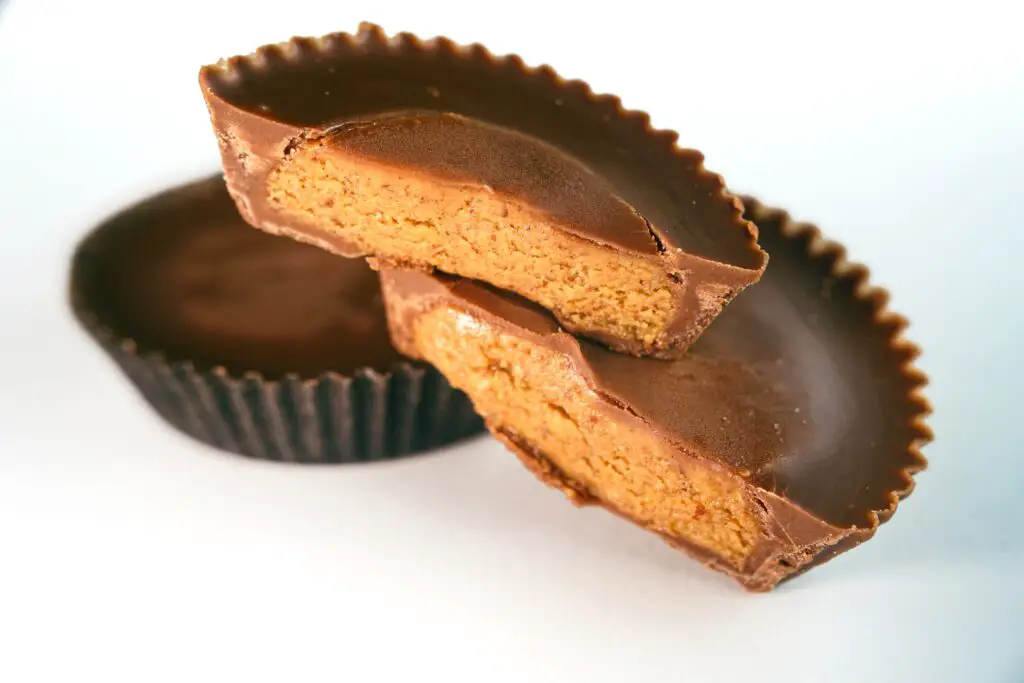
If you were lucky enough to try PB Max in the early ’90s, you probably still remember that thick layer of peanut butter sitting on top of a whole grain cookie, all wrapped in milk chocolate. It felt more substantial than a typical candy bar, almost like you were getting away with eating dessert and a snack at the same time. Kids loved the slightly salty crunch mixed with sweet chocolate. Then, almost overnight, it was gone from store shelves. There wasn’t a big announcement or a farewell commercial. It just quietly vanished.
For years, people swapped rumors about why it disappeared, and that mystery only made it more legendary. You’d bring it up at a reunion or in a comment section and suddenly everyone had a story. It became one of those treats you couldn’t properly explain to someone who never tasted it. The combination sounds simple, but nothing else has matched it quite the same way. It’s the kind of snack that lives on entirely in memory.
2. Jell-O Pudding Pops
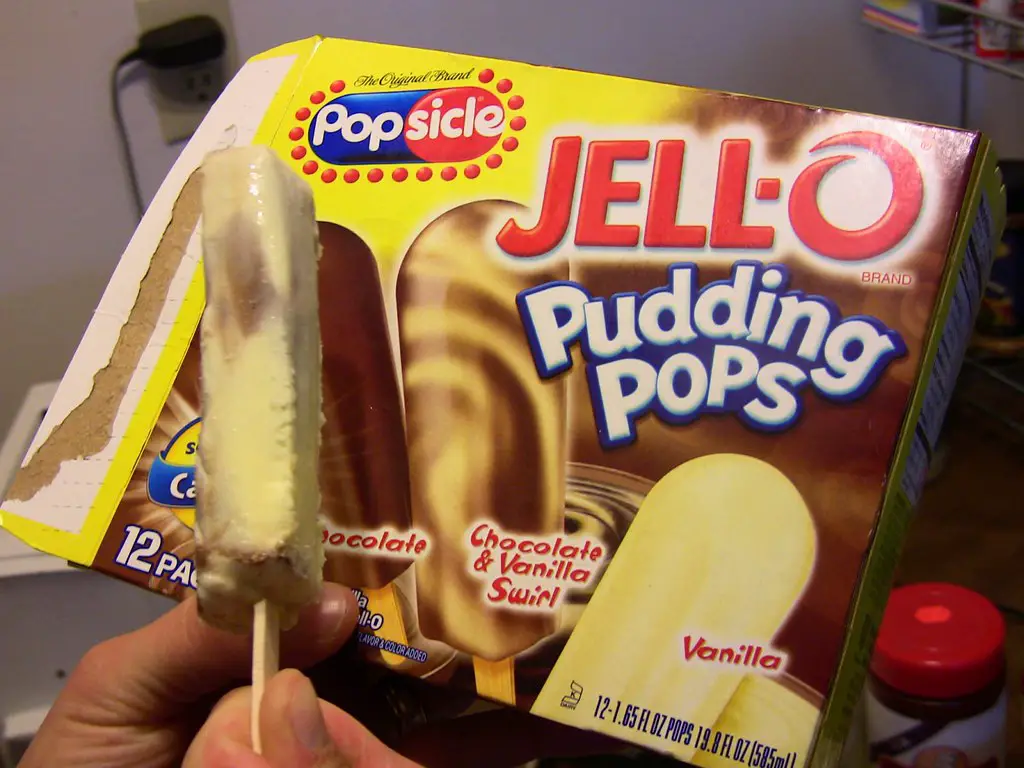
Jell-O Pudding Pops were the freezer staple that made summer afternoons feel official. They were creamy but firm, sweet but not overwhelming, and somehow felt fancier than a regular ice pop. Peeling back that plastic sleeve was part of the ritual. Sometimes you’d wait too long and they’d melt just enough to drip down your hand. They were messy in the best possible way. Then one day, they were just…not there anymore.
You could find other frozen desserts, of course, but none quite recreated that specific texture. Parents stopped buying them because they couldn’t, not because they didn’t want to. For kids, it felt confusing. How does something that popular just disappear? Years later, people still talk about them like a lost summer tradition. The absence somehow made them even sweeter in hindsight.
3. Hi-C Ecto Cooler (Original Run)
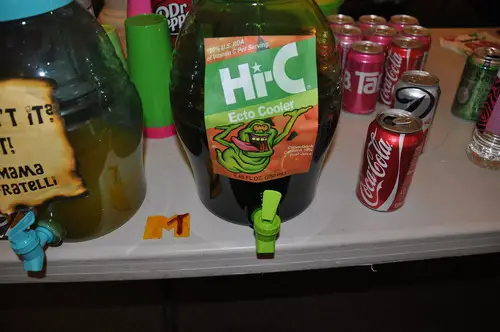
Hi-C Ecto Cooler was less a drink and more a cultural moment. The neon green color alone felt rebellious, especially when you poured it into a clear cup. It was tied to Ghostbusters, which made every sip feel slightly mischievous. Lunchboxes across the country glowed with that unmistakable box. The flavor was fruity and sugary in a way that screamed childhood. And then it slowly faded from shelves.
There was no dramatic goodbye, just a gradual replacement with other flavors. You didn’t realize you were drinking your last one. Years later, nostalgia brought it back briefly, which only proved how much people missed it. But the original run still feels different in memory. It represents a time when tie-ins felt magical. Now it’s more of a legend than a lunchbox staple.
4. Oreo O’s (Original Formula)
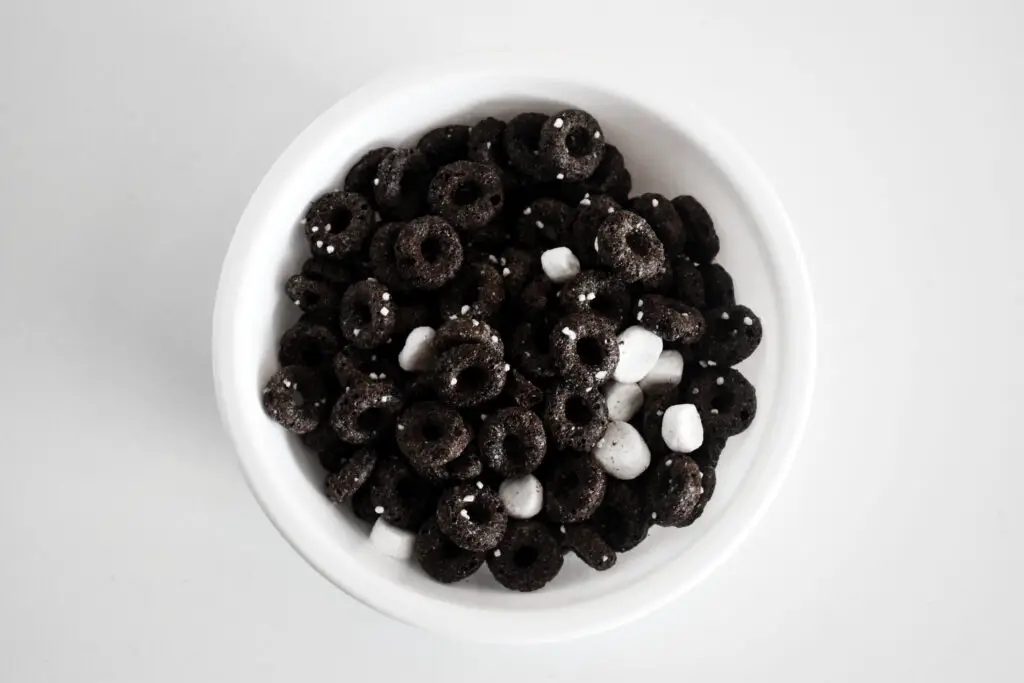
Oreo O’s cereal felt like someone had broken the rules. Cookies for breakfast sounded like something parents would never allow, yet there it was in a brightly colored box. The cereal milk turned chocolatey and sweet, which felt like a bonus treat at the bottom of the bowl. Kids felt like they were getting away with something. Then, without much warning, the original version disappeared.
Later versions came and went, but longtime fans insist the first formula was different. Something about the crunch and sweetness hit just right. When it vanished, it left behind a lot of disappointed Saturday mornings. It became a shorthand for “remember when?” conversations. People still debate whether the re-releases truly measure up. The original remains the one everyone compares it to.
5. Butterfinger BB’s
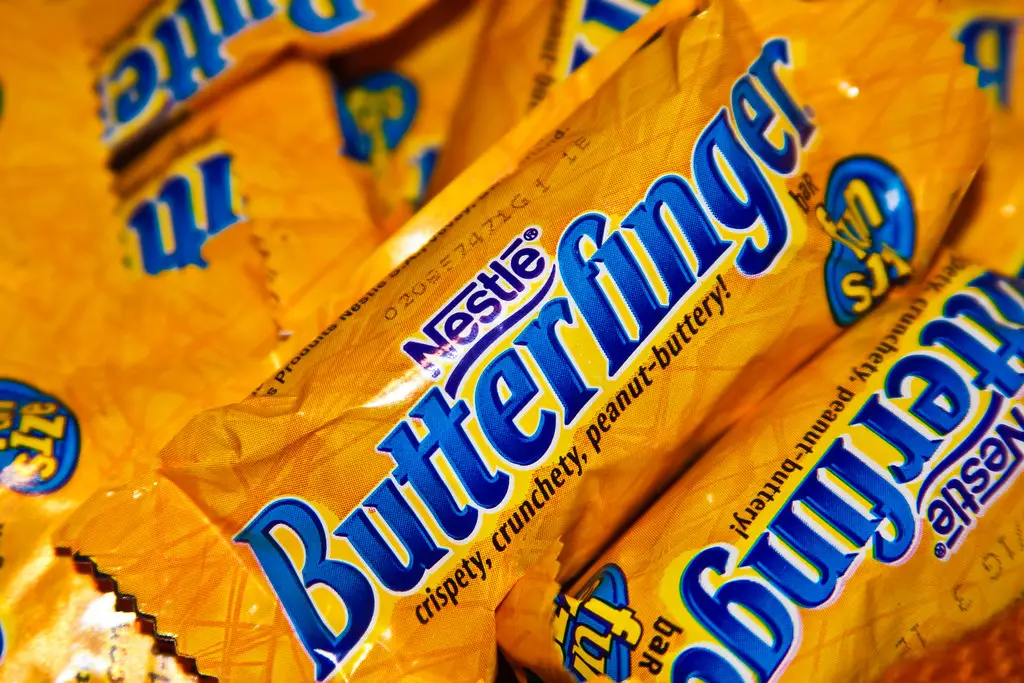
Butterfinger BB’s were the fun-sized evolution of an already popular candy bar. Instead of a single stick, you got a box of crunchy peanut butter spheres coated in chocolate. They were easy to share, or hoard, depending on your mood. Shaking the box before opening it was part of the fun. They felt playful in a way the standard bar did not. Then they quietly disappeared.
You could still buy a regular Butterfinger, but it wasn’t the same experience. The BB’s had a novelty that made them feel special. Kids who grew up with them still mention the sound they made rattling in the box. Their disappearance felt oddly personal, like losing a favorite toy. It’s surprising how attached people became to such a small candy. But that’s how childhood treats work.
6. Dunkaroos (Original ’90s Version)
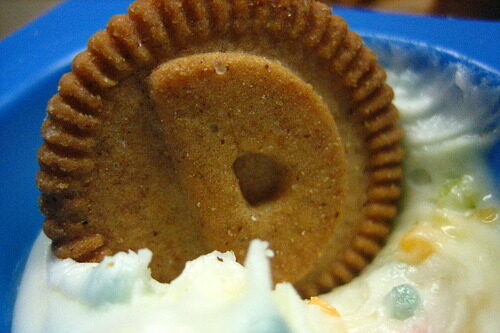
Dunkaroos were pure lunchtime currency. You’d open the lid and see those little cookies paired with a small compartment of frosting. Dipping them felt interactive, almost like a mini activity during lunch. The frosting was sweet and colorful, sometimes with sprinkles mixed in. It felt indulgent and slightly ridiculous. Then they slowly faded away from U.S. shelves.
Other snacks tried to mimic the concept, but nothing felt quite the same. The original packaging and flavors were part of the magic. When they disappeared, kids didn’t get a warning. One year they were in every backpack, the next they were gone. Their absence left a small but noticeable gap in lunchboxes everywhere. Even now, people light up when the name comes up.
7. Altoids Sours
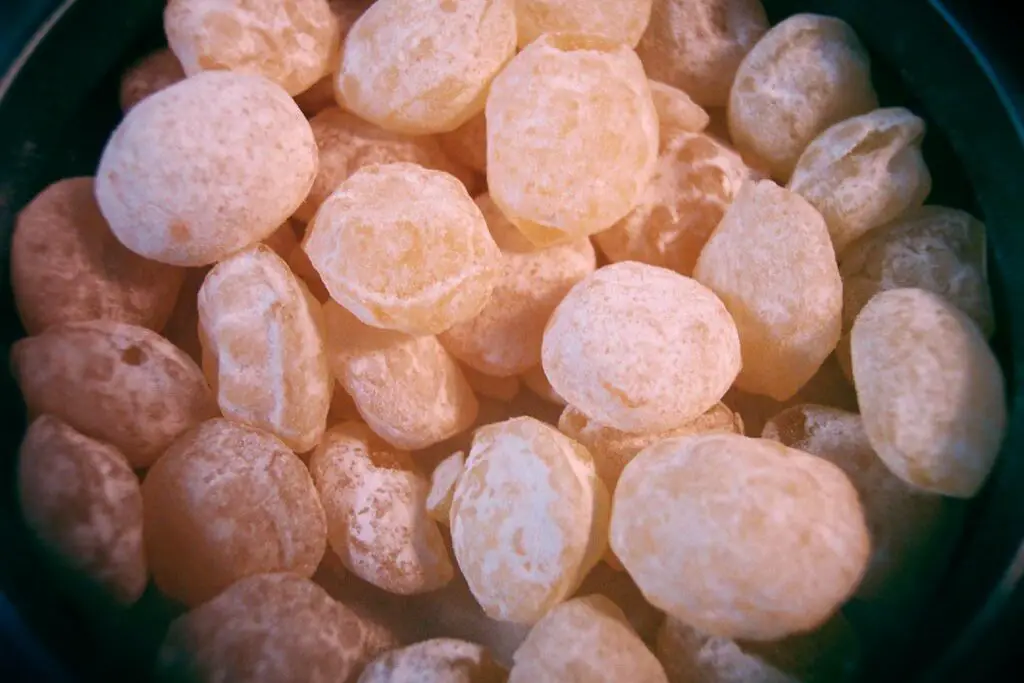
Altoids Sours came in tiny metal tins that felt almost sophisticated. The candy inside was coated in a tart layer that made your face scrunch up before the sweetness kicked in. They were intense in the best possible way. Passing the tin around felt slightly grown up. Then they vanished from checkout counters without much explanation.
Fans still talk about the shock of realizing they could no longer find them. Other sour candies existed, but none had quite the same balance. The tin itself added to the appeal. It felt durable, collectible, and different from flimsy wrappers. Their disappearance turned them into a cult favorite. For many, they were the perfect mix of sharp and sweet.
8. Kudos Granola Bars
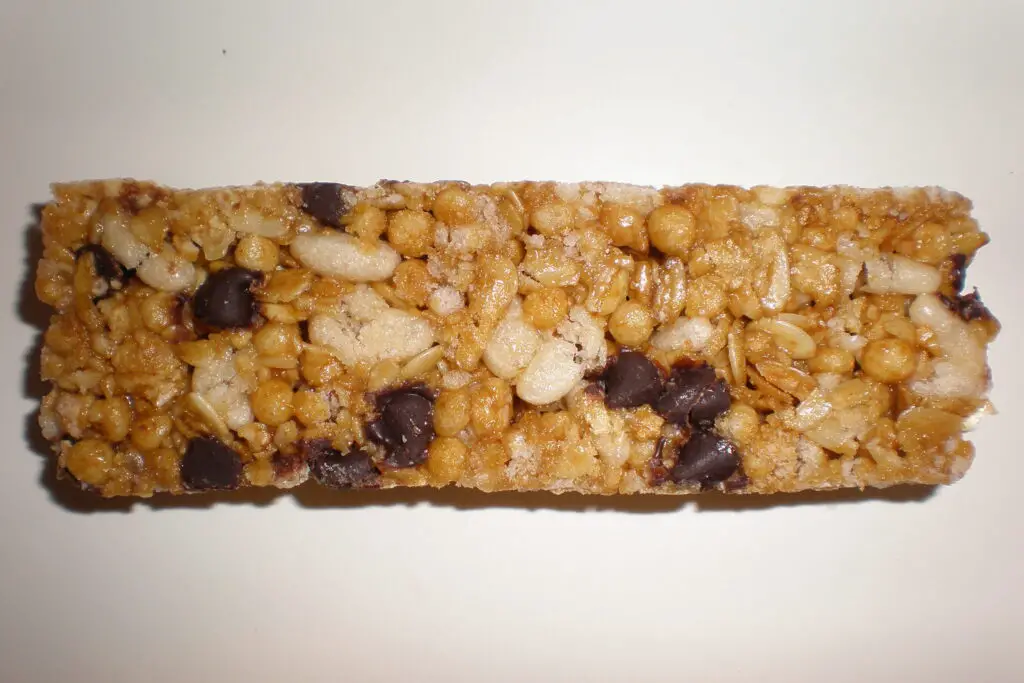
Kudos bars walked the line between snack and candy. They were marketed as granola bars, which made them seem healthy enough. But they were coated in chocolate and studded with candy pieces. Eating one felt like bending the rules without fully breaking them. They showed up in lunchboxes and after-school snack drawers. Then they were gone.
Parents may have realized they were more candy than granola. Still, kids didn’t care about the nutrition label. They cared about the chocolate chips and colorful candies. When they disappeared, there wasn’t much fanfare. They just stopped appearing in grocery carts. For many, they were a small act of everyday indulgence. Their quiet exit left a sweet gap.
9. Squeezit Bottles
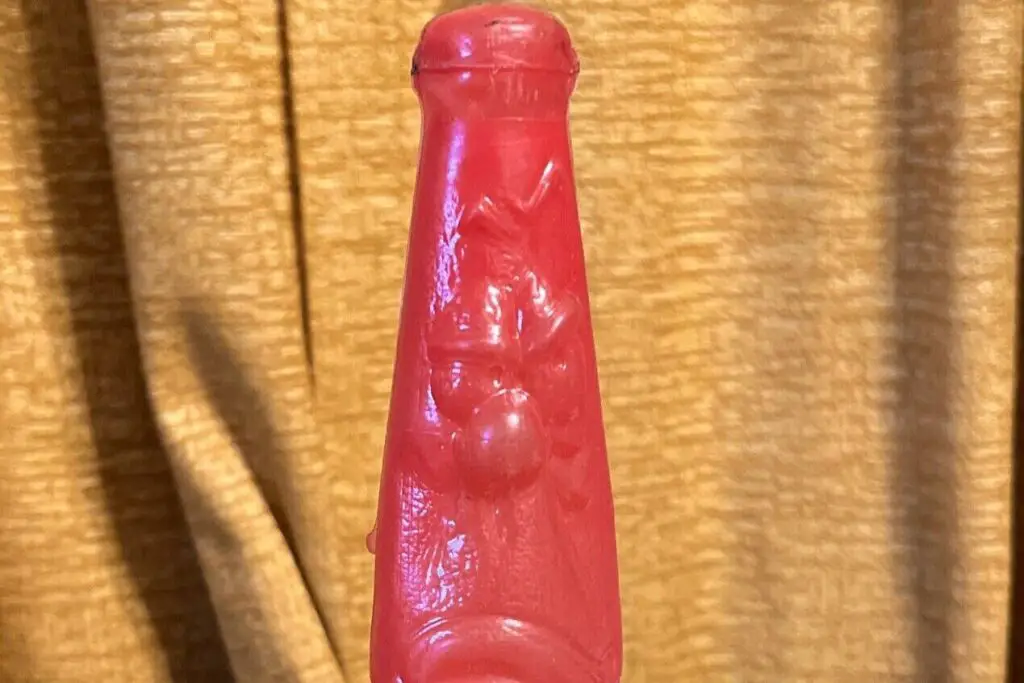
Squeezits weren’t just drinks, they were entertainment. The plastic bottles had faces molded into them, and you had to squeeze them to get the juice out. The colors were bright, almost fluorescent. It felt like a toy you could drink. Kids would flatten the bottles completely by the end. And then they gradually disappeared from shelves.
Other juice drinks came along, but none had the same playful design. The act of squeezing made it feel interactive. It turned a simple drink into an experience. When they were gone, it felt like a small piece of fun left with them. You don’t realize how much you miss something until it’s no longer there. Squeezits are a perfect example.
10. Vienna Fingers (Fudge Version)
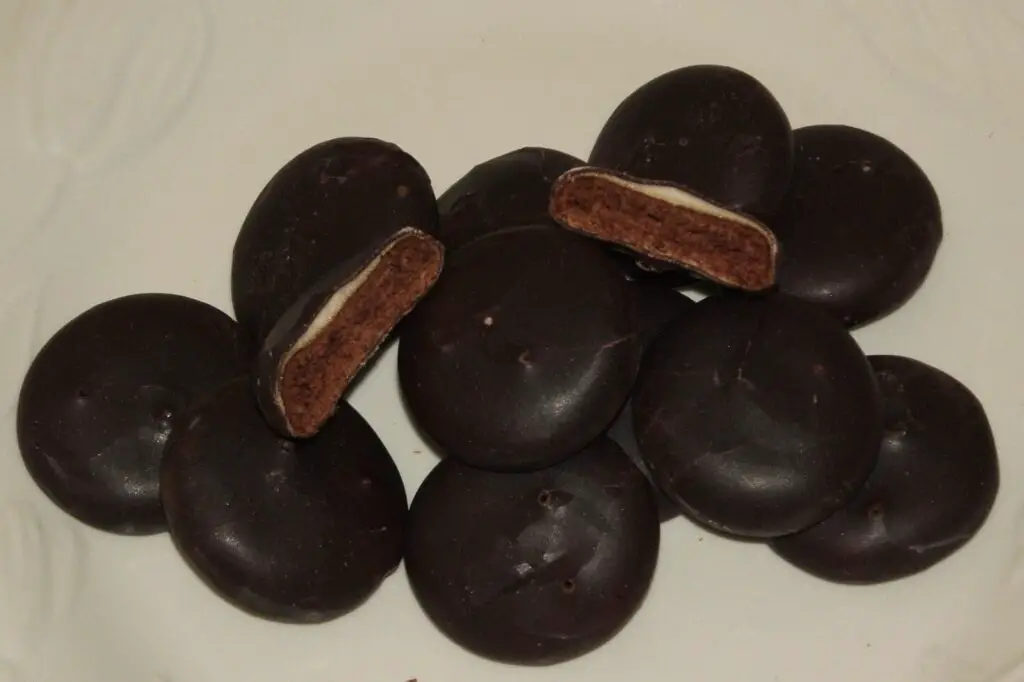
The fudge-covered version of Vienna Fingers felt like a secret upgrade. The classic sandwich cookie was already good, but adding chocolate coating made it feel extra special. It wasn’t in every store, which made finding it even more exciting. Sharing a sleeve with siblings felt like an event. Then the fudge version quietly disappeared.
The regular version remained, but something felt missing. That chocolate layer added just enough richness. For kids who loved them, it was a subtle but meaningful loss. You’d look for them on the shelf and come up empty. Eventually, you stopped expecting to see them. But you never quite forgot they existed.
11. Fruit String Thing
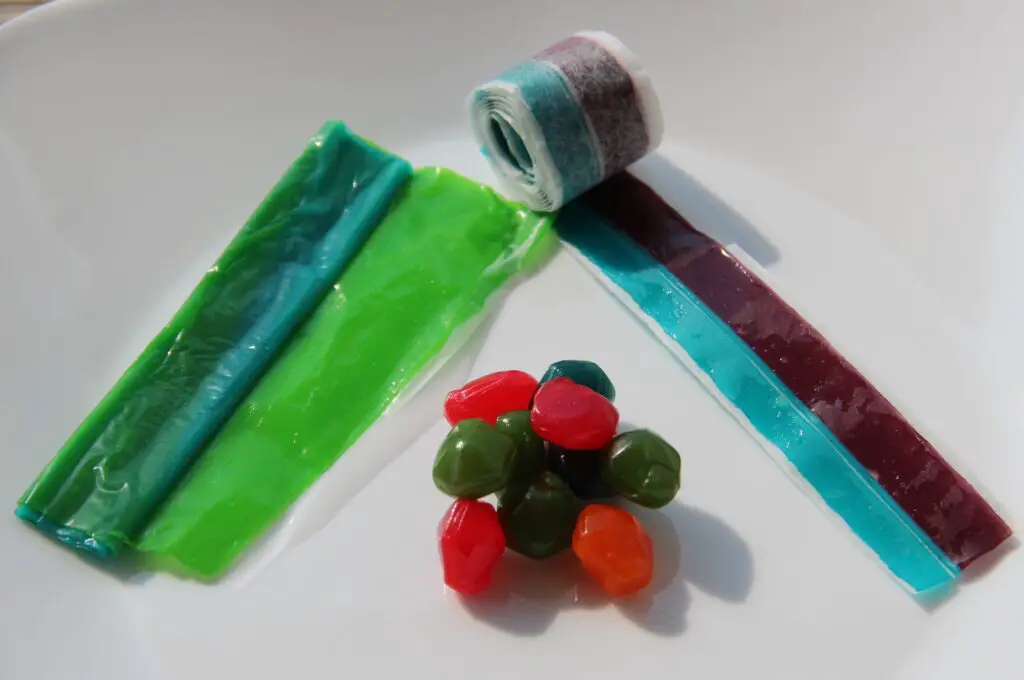
Fruit String Thing turned snacking into a game. You could peel it apart into long strands or eat it all at once. It felt interactive, like edible craft time. The bright colors and stretchy texture made it memorable. It wasn’t the healthiest option, but that never stopped anyone. Then it slowly disappeared from lunch aisles.
Fruit snacks remained, but none offered the same peel-and-play element. The novelty was part of the appeal. Kids who grew up with it still remember unrolling it carefully. Its disappearance was subtle, without any announcement. It just stopped showing up in grocery carts. Now it exists mostly in nostalgic conversations.
12. Reese’s Swoops
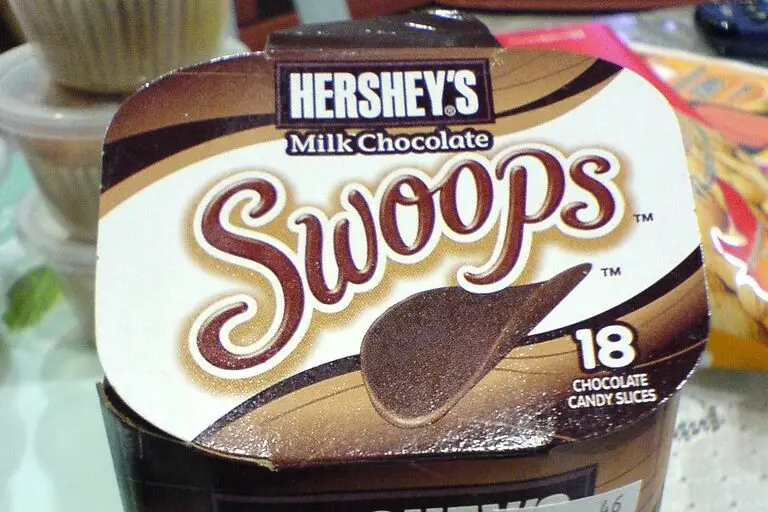
Reese’s Swoops looked like little curved chips made entirely of peanut butter and chocolate. They came in a tube and stacked neatly inside. The shape made them feel different from standard candy. Eating them felt slightly futuristic. They were easy to share, though most people preferred not to. Then they vanished.
Their short lifespan made them feel almost mythical. If you missed them, you really missed them. Other Reese’s products stayed, but Swoops felt unique. The curved shape added a novelty factor that was hard to replace. Their disappearance was abrupt. For those who remember them, they remain oddly unforgettable.
13. Flintstones Push-Ups
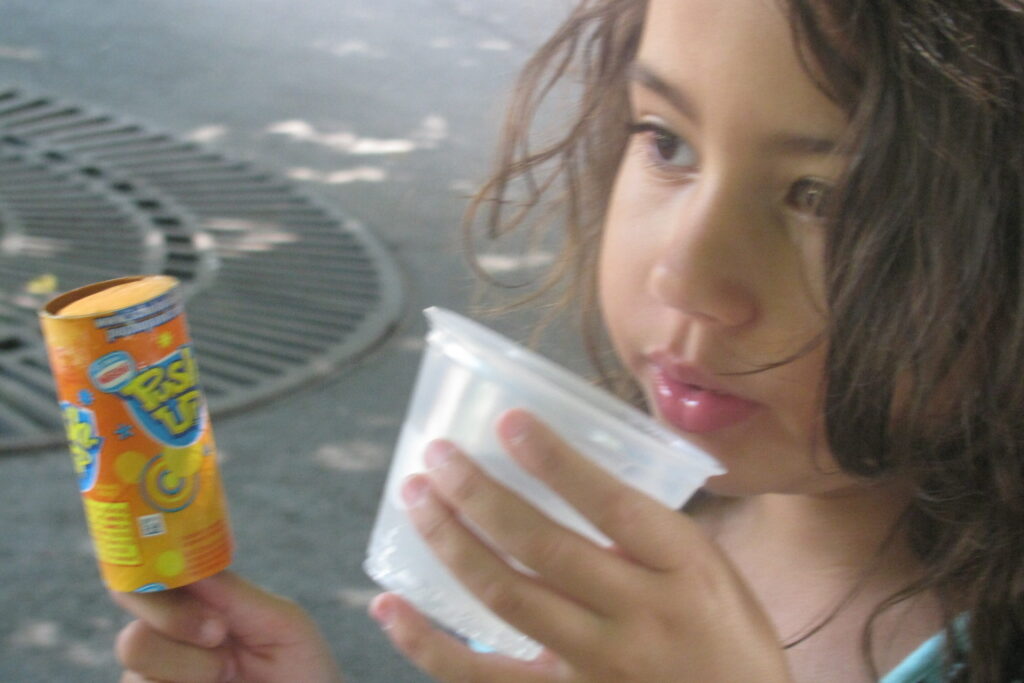
Flintstones Push-Ups combined cartoon branding with a creamy frozen treat. Twisting the cardboard tube to push the ice pop upward felt satisfying. The sherbet was smooth and bright, perfect for hot afternoons. Seeing familiar characters on the packaging made it even more exciting. It felt like dessert and TV time rolled into one. Then they gradually faded away.
Other push-up style treats existed, but the Flintstones branding made these distinct. Kids didn’t get a formal goodbye. They simply stopped appearing in freezer cases. The ritual of pushing up that frozen cylinder is still vivid for many. It’s a small memory tied to bigger summer moments. And like so many childhood treats, it slipped away without a proper farewell.