
1. Doctors Should Wash Their Hands

For centuries, many physicians moved from patient to patient without washing up, and infections spread constantly. In the 1840s, Hungarian doctor Ignaz Semmelweis insisted that handwashing could stop deadly childbirth fevers. At the time, his colleagues dismissed the idea as unnecessary and even insulting. Today, of course, clean hands are considered one of the most basic and effective tools in medicine.
Modern research has proven that simple soap and water dramatically reduce bacteria and viruses. Hospitals now have strict hygiene protocols built around this once ridiculed belief. What sounded like a strange theory in the 19th century turned out to save millions of lives. It remains one of the clearest examples of old wisdom becoming medical fact.
2. Fresh Air Is Good for You

Older generations often insisted that getting outside and breathing fresh air could improve almost any ailment. Parents opened windows wide and sent children outdoors even in chilly weather. At the time, it was more instinct than science. Now we know that good ventilation reduces germs and that outdoor air quality affects overall health.
Studies show that spending time outside can lower stress levels and improve lung function. Sunlight and natural surroundings also boost mood and mental well-being. Those old-fashioned ideas about airing out a room were not just habits. They were early steps toward understanding environmental health.
3. Walking After Meals Helps Digestion

Many grandparents swore by taking a gentle walk after dinner. The advice was passed down casually, without any real explanation. For years it sounded like simple folk wisdom. Modern science has confirmed that light movement after eating really does aid digestion.
Short walks help regulate blood sugar and keep the digestive system moving smoothly. Doctors now recommend post-meal activity for people with diabetes and stomach issues. What once seemed like a quaint routine has become common medical guidance. Sometimes the simplest habits turn out to be the smartest ones.
4. Whole Foods Beat Processed Foods

Long before nutrition labels existed, people believed food was healthier in its natural state. Older cookbooks and home remedies focused on fresh vegetables, grains, and simple ingredients. As processed convenience foods became popular, that belief was pushed aside. Decades later, nutrition experts have returned to the same basic conclusion.
Research now links heavily processed foods to heart disease, obesity, and other problems. Eating closer to nature is widely recommended again. Those early instincts about real food being better were absolutely correct. The old kitchens had it right all along.
5. Too Much Sugar Is Bad for You
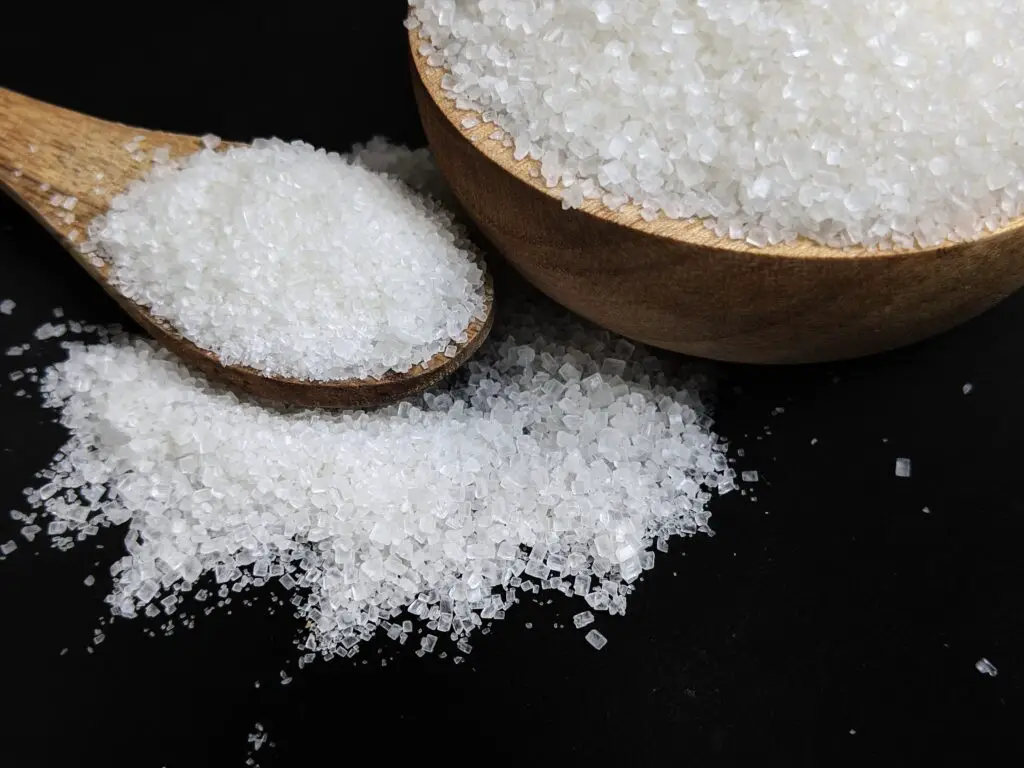
Parents in the past often warned children not to eat too many sweets. The reasoning was usually about cavities or hyperactivity, not long-term health. For years, people thought fat was the real enemy in diets. Only recently has science fully caught up with those early sugar concerns.
Doctors now connect high sugar intake to diabetes, inflammation, and heart problems. Limiting sweets is considered a key part of healthy living. That old worry about too much candy was more than just parental nagging. It was an early glimpse of modern nutritional science.
6. Sleep Is Essential Medicine

Before busy schedules became a badge of honor, people believed good sleep cured many troubles. Old sayings encouraged early bedtimes and plenty of rest when someone was ill. In more recent decades, sleep was often treated as optional. Modern research has swung the pendulum back the other way.
Scientists now know that poor sleep affects memory, mood, weight, and immune health. Doctors consider quality rest just as important as diet and exercise. Those simple beliefs about getting enough shuteye were completely on target. The body truly does heal itself during sleep.
7. Fermented Foods Support Health

Long before probiotics were sold in capsules, families relied on foods like yogurt, sauerkraut, and pickles. People noticed these foods seemed to help digestion and general wellness. For a while, modern diets pushed them aside in favor of more refined options. Now they are making a major comeback.
Researchers have discovered how important gut bacteria are to overall health. Fermented foods are known to improve digestion and even strengthen immunity. What sounded like old-world tradition is now cutting-edge nutrition advice. The wisdom of the pantry proved to be surprisingly advanced.
8. Mental Stress Affects Physical Health

Older generations often said worry could make a person sick. The idea was mostly based on observation rather than medical proof. For years, physical and mental health were treated as completely separate issues. Today, doctors understand just how connected they really are.
Chronic stress is now linked to high blood pressure, heart disease, and many other conditions. Managing emotions and anxiety is considered a major part of staying healthy. That old belief that the mind influences the body turned out to be absolutely true. Modern medicine finally caught up with common sense.
9. Sunlight Has Healing Power

Before vitamins were fully understood, people believed sunshine was important for good health. Children were sent outdoors to play to build strong bodies. Later, fear of sun exposure made many people avoid it altogether. Scientists eventually found that those early ideas had real merit.
Sunlight helps the body produce vitamin D, which supports bones and the immune system. Moderate exposure is now recommended for overall wellness. Of course, balance is important to avoid skin damage. Still, the basic belief that sunshine is good for you was right on target.
10. Moderation Is the Key to Health

Old advice often warned against extremes in eating, drinking, or working. Grandmothers used to say too much of anything could cause problems. For a long time, health trends promoted strict diets or intense exercise plans instead. Modern experts have returned to the idea of balance.
Doctors now emphasize sustainable habits over quick fixes. Extreme approaches are usually harder on the body in the long run. That simple rule about doing everything in moderation has proven to be solid medical guidance. The old common-sense approach really did work.
11. Moving Your Body Keeps You Young

People used to believe that staying active prevented aging. Older relatives encouraged daily chores, gardening, and regular movement. When desk jobs became normal, that belief faded for a while. Today, science fully supports the idea.
Regular physical activity is known to improve heart health, flexibility, and brain function. Exercise is even recommended to help prevent memory decline. Those early ideas about keeping busy and mobile were ahead of their time. Movement truly is one of the best medicines.
12. Drinking Water Solves Many Problems

Long before hydration trackers and electrolyte drinks, people simply believed in drinking plenty of water. Headaches, fatigue, and minor illnesses were often blamed on not drinking enough. For years, that advice sounded overly simple. Modern medicine has proven it was remarkably accurate.
Proper hydration is now known to affect energy levels, digestion, skin, and kidney health. Doctors routinely encourage patients to increase their water intake. That humble old remedy turns out to be essential to nearly every system in the body. Sometimes the oldest health tip is still the best one.