
1. Cleopatra
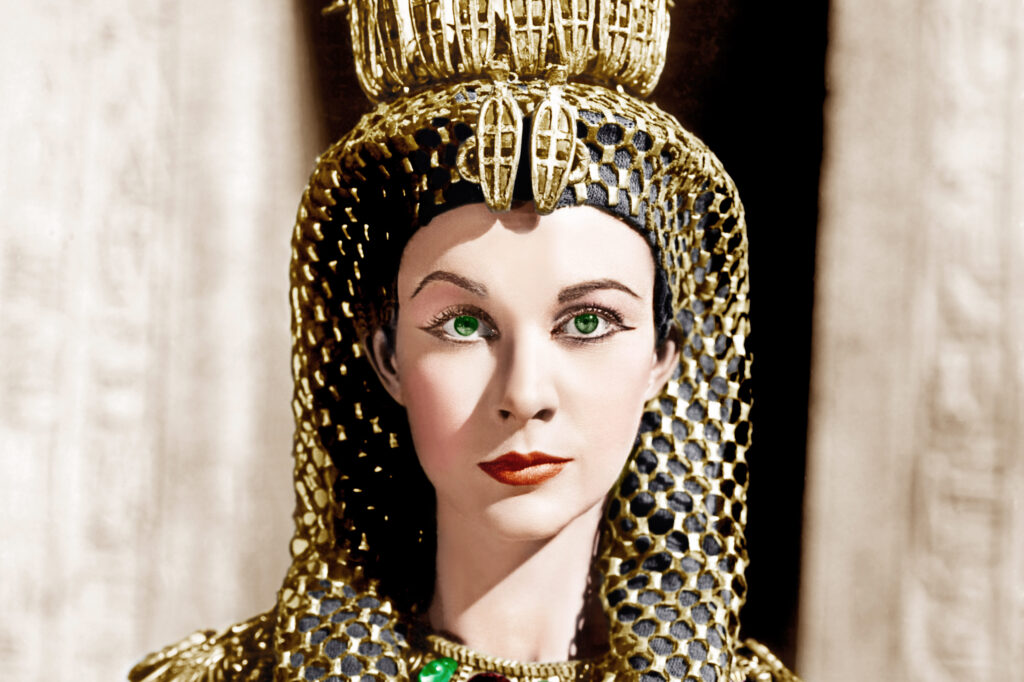
Cleopatra has been wrapped in dramatic legends for more than two thousand years. Ancient writers described her as irresistibly beautiful, but there are no reliable portraits that confirm what she really looked like. Even the famous image of her arriving to meet Julius Caesar rolled up in a carpet might be more theater than truth. Historians agree she was brilliant and politically savvy, but the details of her charm have likely been exaggerated.
Her death is surrounded by equally shaky stories. Tradition says she allowed an asp to bite her, yet no eyewitness account proves that happened. Some scholars think poison or another method is more likely. The truth is that Cleopatra lived in an era where rumor often passed for fact, and sorting the two is nearly impossible.
2. Grigori Rasputin
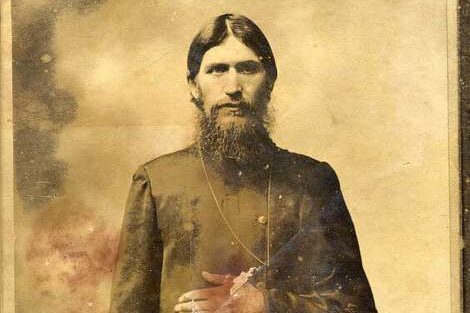
The Russian mystic Rasputin inspired wild tales even while he was alive. Newspapers claimed he had supernatural healing powers and could hypnotize people at will. After his murder in 1916, stories spread that he survived poison, bullets, and beatings before finally dying in an icy river. None of those details can be confirmed with certainty.
What is documented is that he was a controversial adviser to the Romanov family and deeply disliked by the nobility. Everything beyond that has been shaped by gossip and political propaganda. Rasputin became a symbol of corruption, and legends grew to fit that image. The real man was probably far less magical and far more complicated.
3. Amelia Earhart
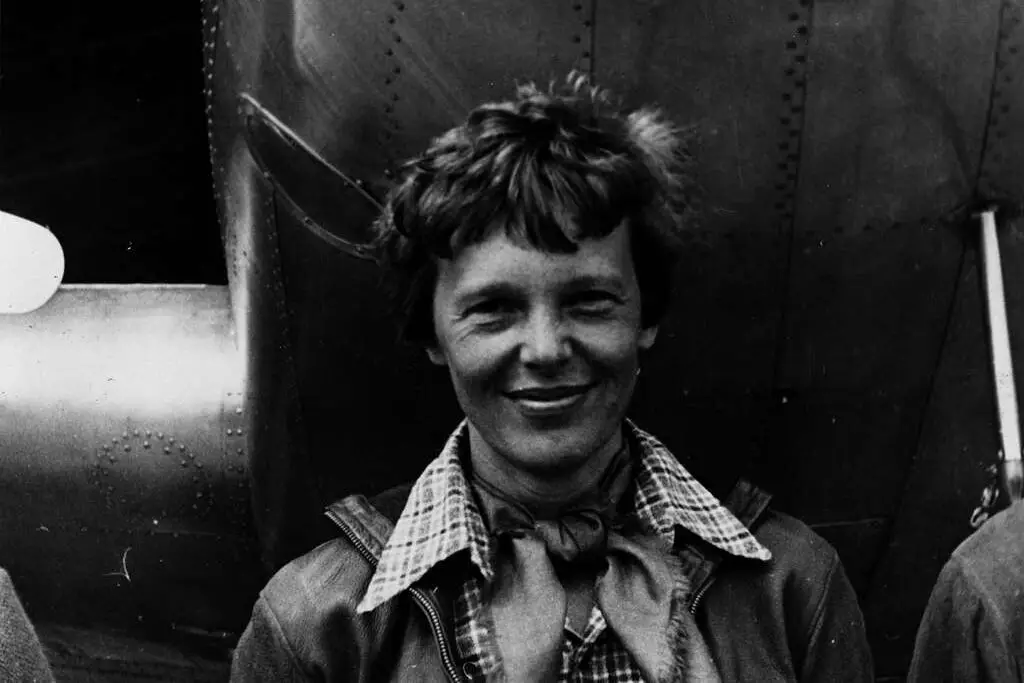
Amelia Earhart vanished in 1937, and almost immediately the myths began. Some people insisted she crashed into the Pacific Ocean, while others claimed she lived for years under a new identity. There were even rumors that she had been captured by the Japanese. Despite decades of searching, no theory has ever been proven.
The mystery survives because there is so little hard evidence. A few pieces of metal and grainy radio logs are all investigators have to work with. Earhart’s disappearance happened at the dawn of modern aviation, when record keeping was limited. That empty space in the story has allowed imaginations to run wild ever since.
4. Joan of Arc
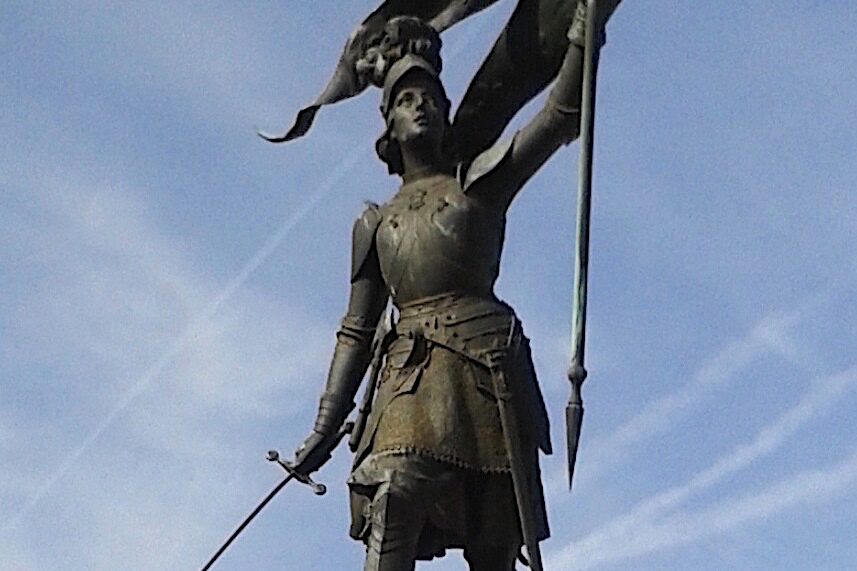
Joan of Arc said she heard the voices of saints guiding her to save France. Whether those voices were divine, psychological, or political invention is something historians can never settle. The transcripts of her trial were written by her enemies, so even they are not fully trustworthy. What really happened inside her mind remains a mystery.
Legends also surround her military victories. Some chroniclers described miracles on the battlefield that helped her succeed. Later writers turned her into a flawless national heroine. The real Joan was a teenage girl caught in brutal medieval politics, and separating fact from inspiration is nearly impossible.
5. William Shakespeare
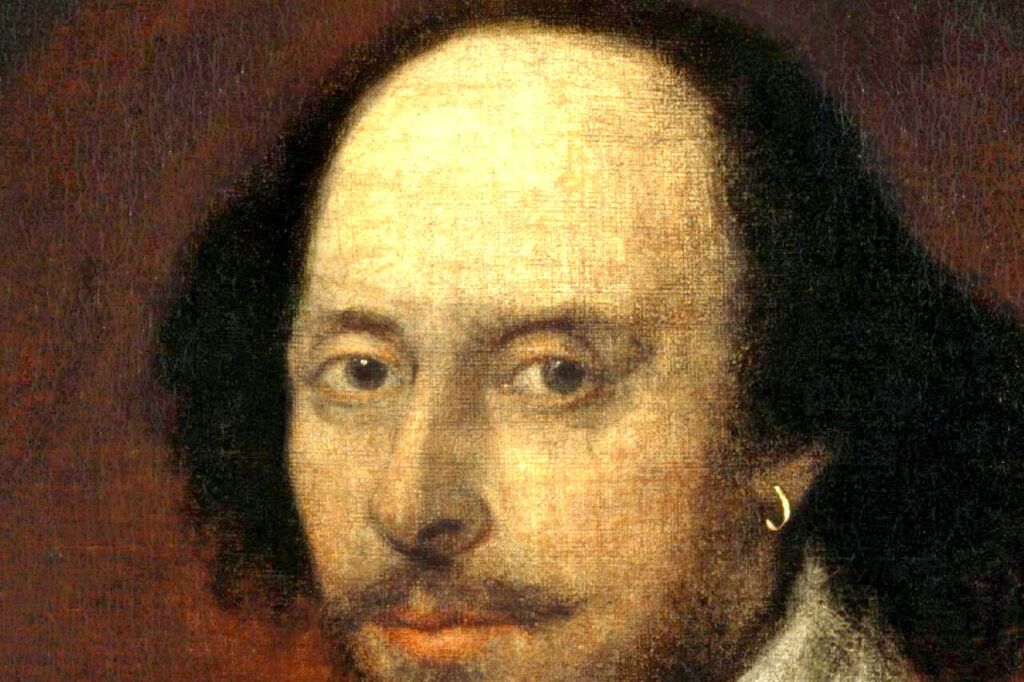
For centuries people have wondered whether William Shakespeare truly wrote the plays that carry his name. Supporters point to the official records and the testimonies of his fellow actors. Doubters argue that a man from a modest background could not have produced such sophisticated work. No document exists that settles the debate.
Over time, alternative theories have flourished. Various candidates, including Francis Bacon and the Earl of Oxford, have been suggested as secret authors. None of those ideas have convincing proof, but they refuse to disappear. Shakespeare’s life was not well documented, and that gap has fueled endless speculation.
6. Anastasia Romanov

When the Russian royal family was executed in 1918, rumors quickly spread that one daughter escaped. For decades women appeared claiming to be Anastasia, each with a dramatic story. The most famous, Anna Anderson, convinced many people she was the lost princess. None of her claims could be proven while she was alive.
Modern DNA testing has shown that the entire family likely died together, yet the legend still fascinates people. The idea of a hidden survivor is simply too powerful to let go. Hollywood movies and novels helped keep the fantasy alive. Anastasia became less a person and more a symbol of hope.
7. Marco Polo
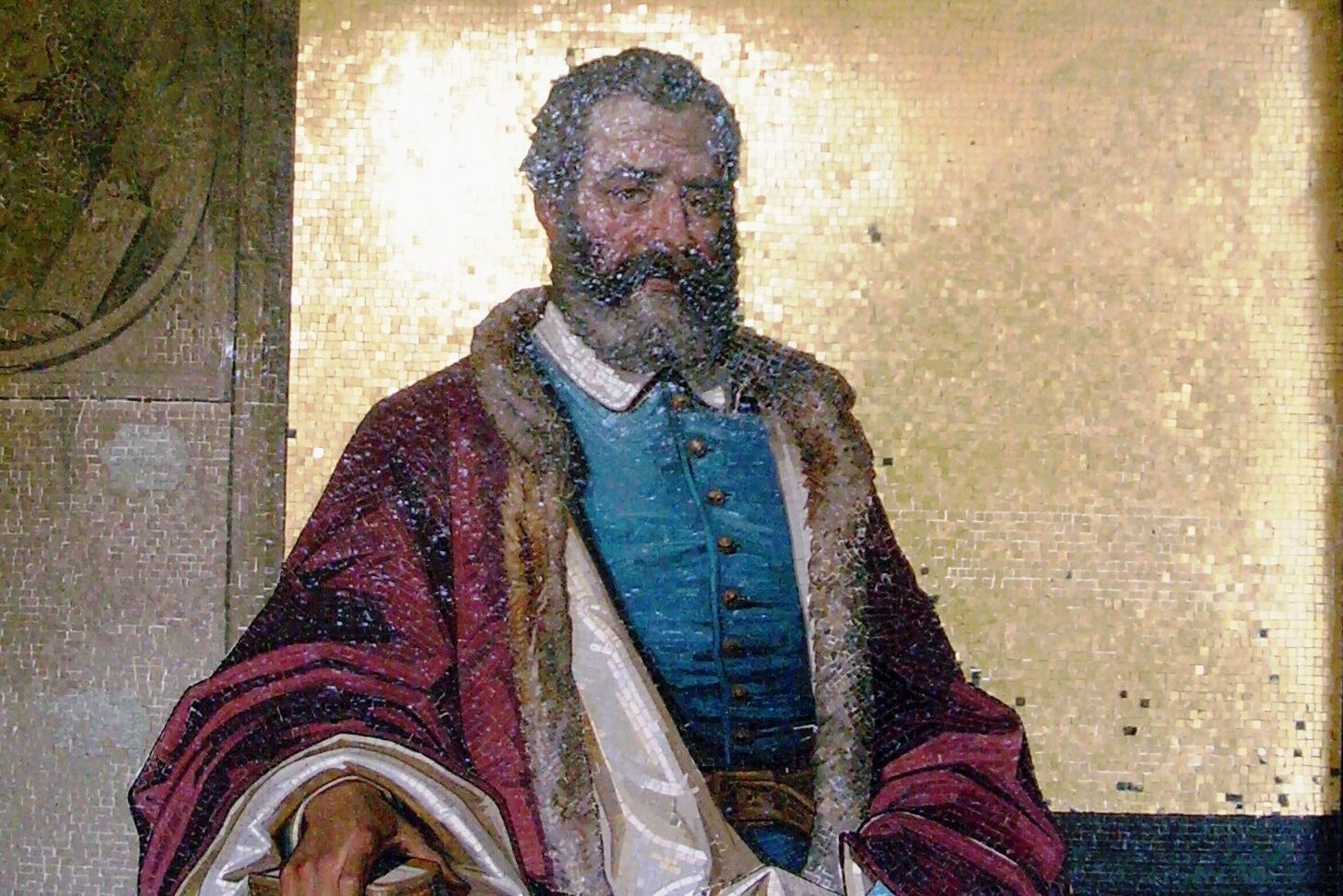
Marco Polo’s travel book introduced Europe to the wonders of Asia, but some scholars question how much he actually saw. Critics note that he failed to mention obvious landmarks like the Great Wall of China. Others argue that he borrowed stories from other travelers and passed them off as his own. There is no way to verify every adventure he described.
Defenders say the general accuracy of his descriptions proves he was telling the truth. Medieval travel writing was often exaggerated, so embellishment was normal for the time. Whether Polo was a fearless explorer or a gifted storyteller is still debated. His journey sits somewhere between history and legend.
8. King Arthur
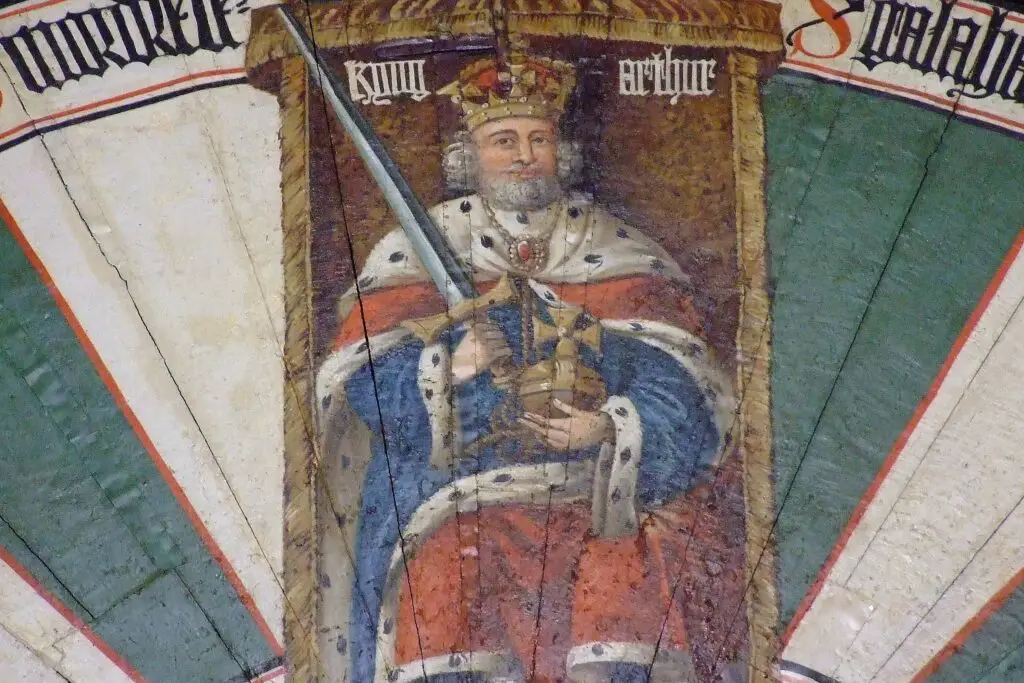
King Arthur might be the most famous figure who may never have existed at all. Medieval writers described him as a noble ruler with a magic sword and a round table of knights. Archaeologists have searched for Camelot for generations without finding solid evidence. The entire story could be a blend of several real warriors.
Even the earliest sources disagree on basic details of his life. Some historians believe he was a minor British leader whose deeds were later inflated. Others think he was created purely for national mythmaking. Either way, Arthur has become more important as a legend than he ever was as a man.
9. Pocahontas
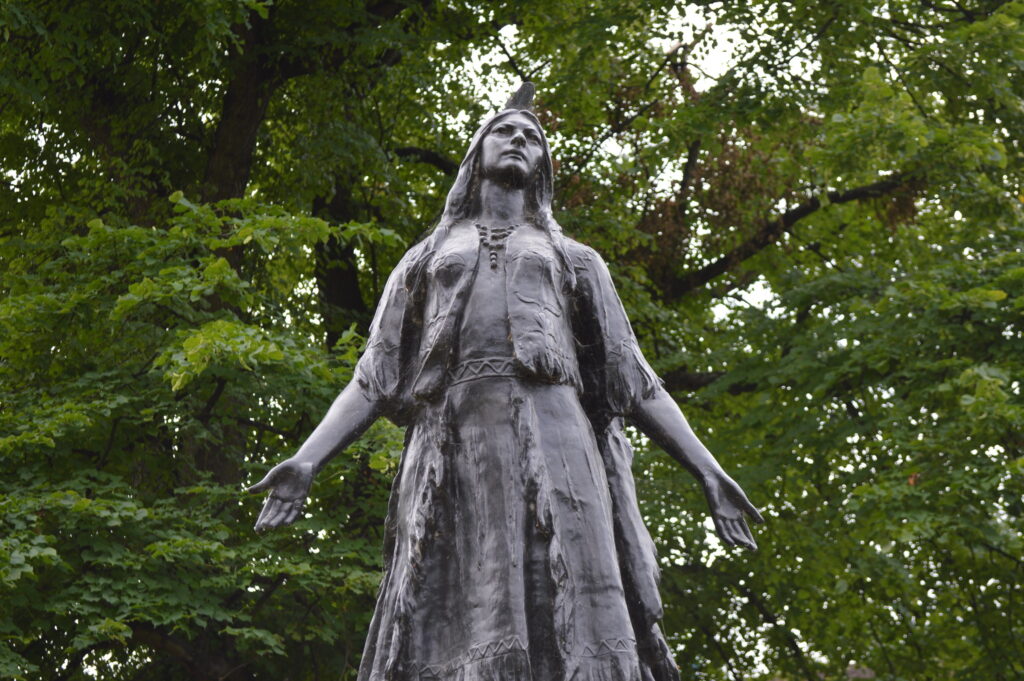
The tale of Pocahontas saving John Smith from execution has been repeated for centuries. Smith himself wrote the story years after it supposedly happened, and no other witness confirmed it. Modern historians suspect the event may have been misunderstood or invented. The real relationship between Pocahontas and the English settlers was far more complex.
Much of what people think they know about her comes from later romantic retellings. Paintings and books turned her into a fairy-tale character instead of a real young woman. Even her famous English name was not the one she used most of her life. Separating the true Pocahontas from the legend is a difficult task.
10. Billy the Kid
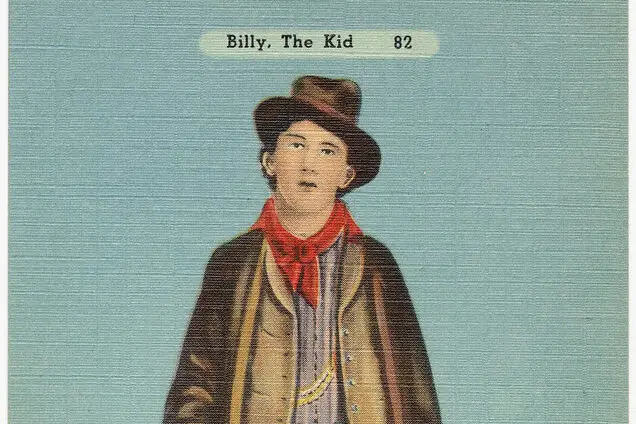
Billy the Kid was killed in 1881, yet stories soon appeared claiming he lived on in secret. Several men later insisted they were the famous outlaw under new names. Supporters produced old photos and shaky memories as evidence. None of those claims have ever been conclusively proven.
The Wild West was full of exaggeration, and newspapers loved a good mystery. Billy the Kid became larger in death than he ever was in life. Modern historians are confident he died when records say he did, but the rumors never fully disappeared. Outlaws make better legends than ordinary endings.
11. Nostradamus
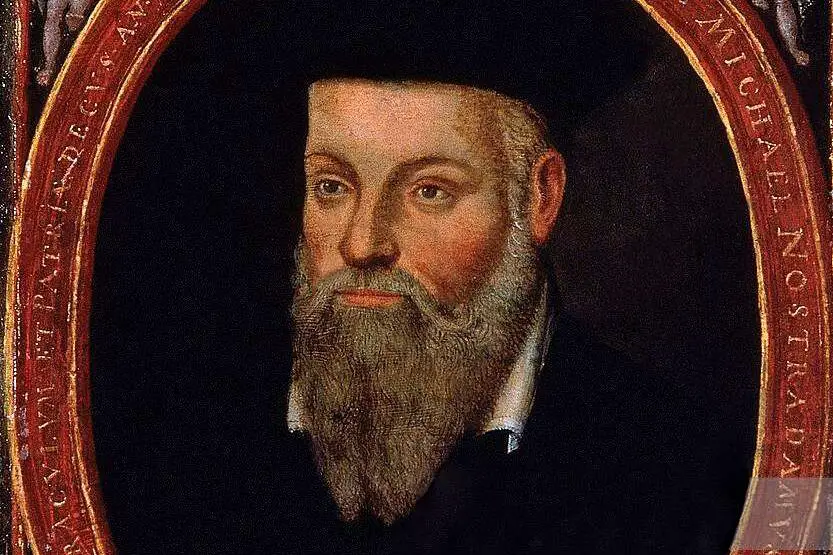
Nostradamus published cryptic prophecies in the 1500s that people still argue about today. Believers claim he predicted everything from the French Revolution to modern wars. Skeptics point out that his writings are so vague they can fit almost any event. There is no solid evidence that he truly saw the future.
Each generation reinterprets his poems to match current fears and hopes. The predictions only seem accurate after something has already happened. Because the language is mysterious and poetic, it invites endless guesswork. Nostradamus remains famous more for mystery than for proven accuracy.
12. Genghis Khan
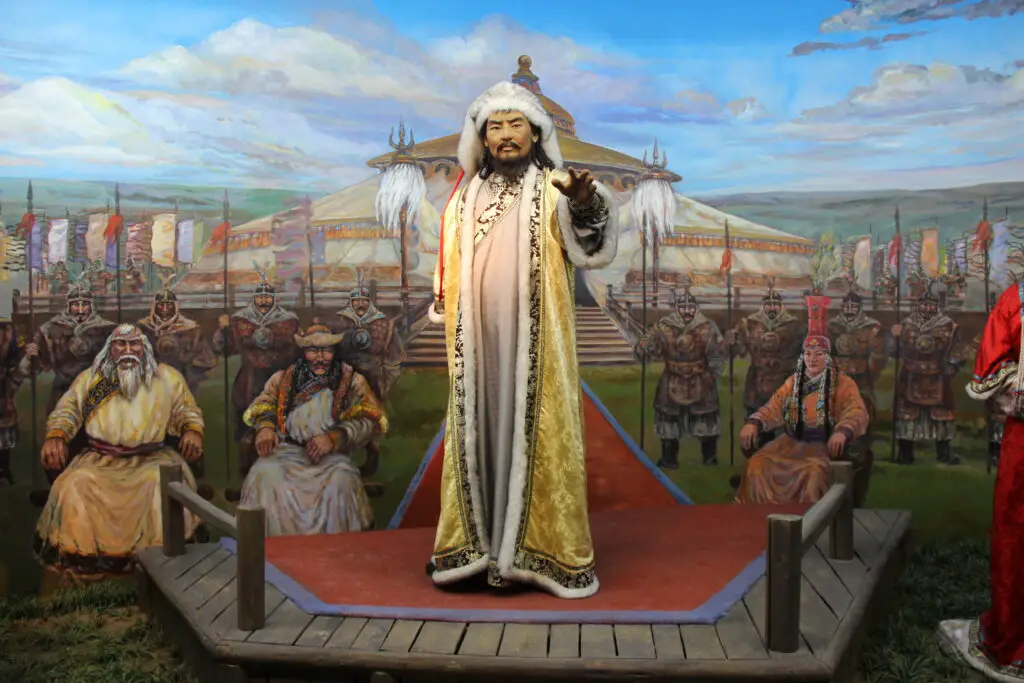
Genghis Khan created one of the largest empires in history, yet many stories about him are impossible to verify. Legends claim he ordered rivers diverted and mountains moved in his campaigns. Another persistent tale says his tomb was hidden so carefully that everyone involved in the burial was killed. No one has ever located his final resting place.
The lack of written records from his own people leaves historians with more questions than answers. Much of what survives was written by enemies who wanted to portray him as monstrous. He was certainly ruthless, but the details of his life have grown more dramatic with time. The true Genghis Khan is buried as deeply as his grave.
13. Christopher Marlowe
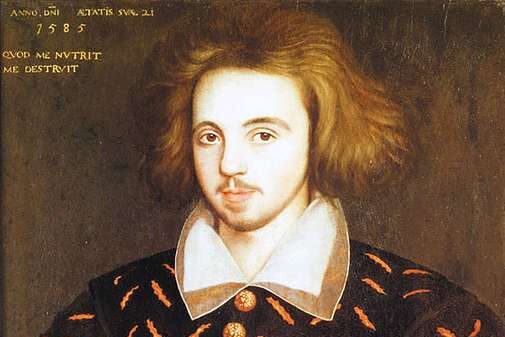
Christopher Marlowe, the playwright and contemporary of William Shakespeare, died in 1593 under circumstances that still raise eyebrows. The official report says he was killed in a tavern brawl over a bill. Some scholars, however, believe he may have been involved in espionage and that his death was staged. There is no surviving evidence that confirms either theory beyond the coroner’s inquest.
Because Marlowe was rumored to have worked as a government agent, conspiracy theories have flourished. One persistent claim suggests he faked his death and continued writing plays under Shakespeare’s name. No credible documentation supports that idea, but it remains popular in certain circles. The mystery persists largely because Elizabethan records were sparse and political intrigue was common.
14. Hatshepsut
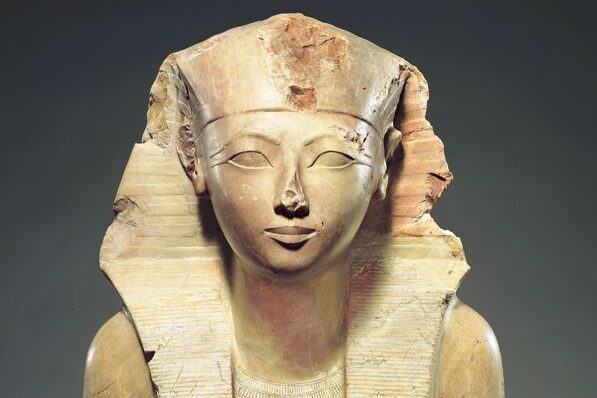
Hatshepsut, one of ancient Egypt’s few female pharaohs, ruled successfully in the 15th century BCE. After her death, many of her monuments were defaced or erased by later rulers. Some historians believe this was an act of revenge or political cleansing. Others argue it was routine succession politics rather than personal hostility.
Her mummy was unidentified for centuries, adding to the intrigue. When a body believed to be Hatshepsut’s was finally identified in 2007 through DNA and dental evidence, debate still followed. Not all scholars agree that the identification is airtight. As with many ancient rulers, gaps in the archaeological record leave room for uncertainty.
15. D. B. Cooper
In 1971, a man known as D. B. Cooper hijacked a plane, demanded ransom money, and parachuted into the night. He was never definitively found. Over the years, countless suspects have been proposed by investigators and amateur sleuths. None have been conclusively proven to be the hijacker.
Fragments of ransom money were discovered in 1980 along a riverbank, but they answered few questions. Some believe Cooper died during the jump, while others think he escaped and lived quietly. The FBI officially suspended active investigation in 2016, leaving the case unresolved. The mystery endures because there is just enough evidence to keep speculation alive.
16. Blackbeard
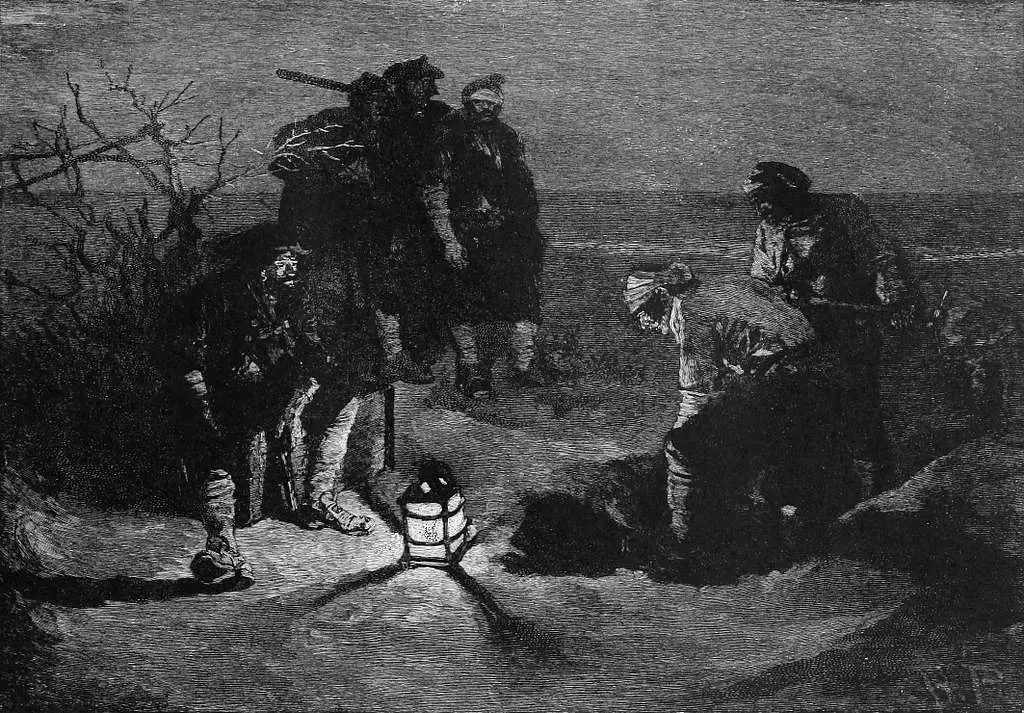
The pirate known as Blackbeard, born Edward Teach or Thatch, cultivated a terrifying image during the early 1700s. Stories claim he lit slow-burning fuses in his beard to create a smoky, demonic appearance in battle. While contemporary accounts mention his dramatic style, it is difficult to separate fact from theatrical exaggeration. Much of what is known comes from secondhand reports and later retellings.
Another enduring legend says he buried vast treasure along the American coast. Despite generations of treasure hunters, no confirmed cache has ever been found. Historical records suggest he spent his loot quickly rather than hiding it. Blackbeard’s fearsome reputation was real, but many of the details surrounding his life remain unproven folklore.