
1. Always RSVP Quickly

When an invitation arrived, people understood that a reply was expected right away. Ignoring the card or letting it sit on the counter felt rude and careless. Hosts needed to plan food and seating, and everyone respected that effort. Even if the answer was no, you still responded promptly.
This rule applied to weddings, birthday parties, and even casual dinners. A simple phone call or mailed note was considered good manners. Nobody waited until the last minute to decide if they felt like going. Responding quickly showed respect for the person doing the inviting.
2. Bring Something When You Visit

Showing up empty handed to someone’s home was quietly frowned upon. Guests usually arrived with flowers, a dessert, or a small token gift. It did not have to be expensive or fancy. The point was to show appreciation for being welcomed.
Even close friends followed this custom without thinking about it. A bottle of soda or a simple snack counted as a thoughtful gesture. People understood that hospitality took effort. Bringing something along was an easy way to say thank you.
3. Wait Your Turn in Line
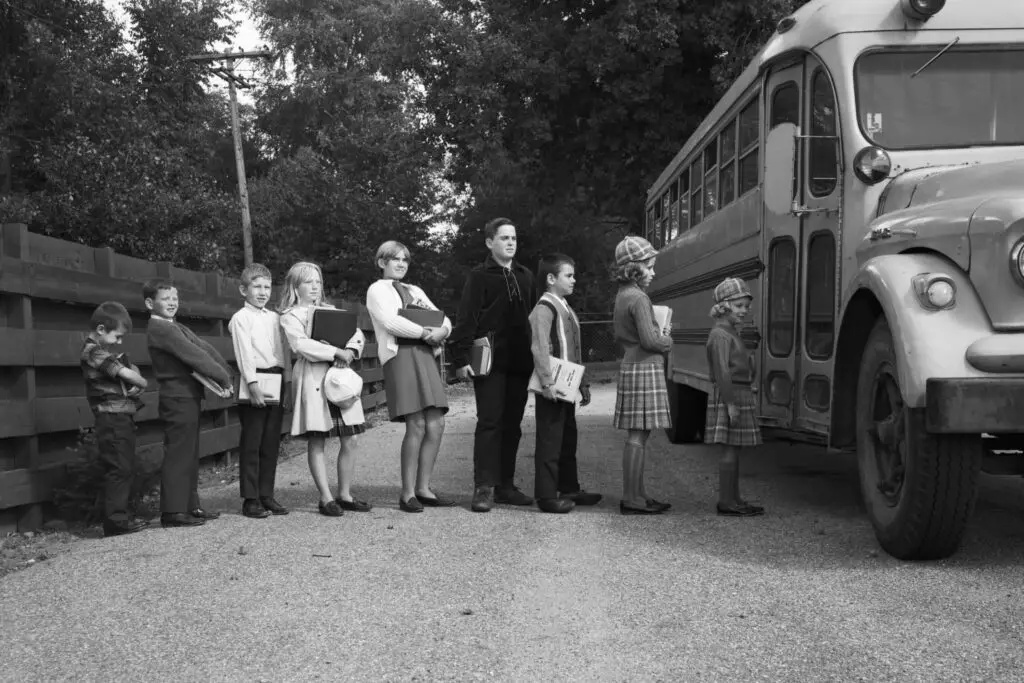
Standing in line used to be a sacred social contract. Cutting ahead was considered shocking behavior. People naturally formed neat rows at stores, movie theaters, and bus stops. Everyone knew to wait patiently for their turn.
If someone tried to skip ahead, others were quick to call it out. Parents taught children early that lines mattered. Politeness meant respecting the order in front of you. The system worked because nearly everyone agreed to follow it.
4. Write Thank You Notes

Handwritten thank you notes were once a normal part of life. After receiving a gift, people automatically reached for stationery. It was seen as basic courtesy to acknowledge the gesture. Skipping this step made someone seem ungrateful.
Children were taught to sit down and write notes after birthdays and holidays. Adults did the same after weddings or special favors. The message did not need to be long or elaborate. Simply taking the time to say thanks was what counted.
5. Hold the Door for Others
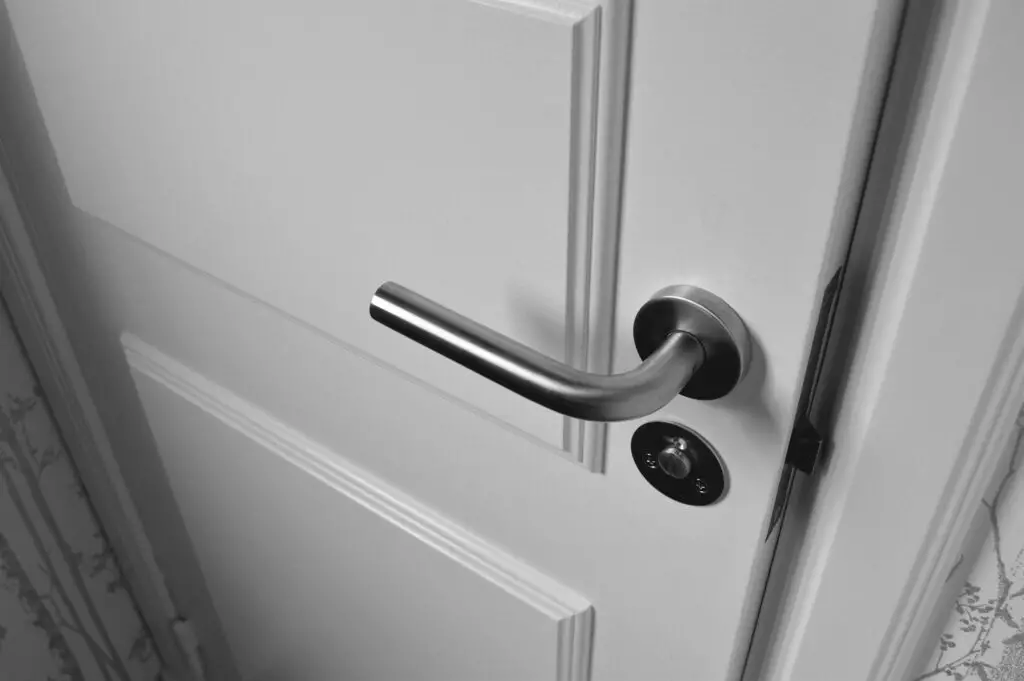
Letting a door close on someone right behind you felt unthinkable. People instinctively paused to keep it open. This small act of kindness was expected in offices, stores, and public buildings. Nobody needed a reminder to do it.
The rule applied to men, women, and children alike. It was less about formality and more about simple consideration. Even in a hurry, most people made the effort. Holding the door was an easy way to acknowledge the presence of others.
6. Give Up Your Seat
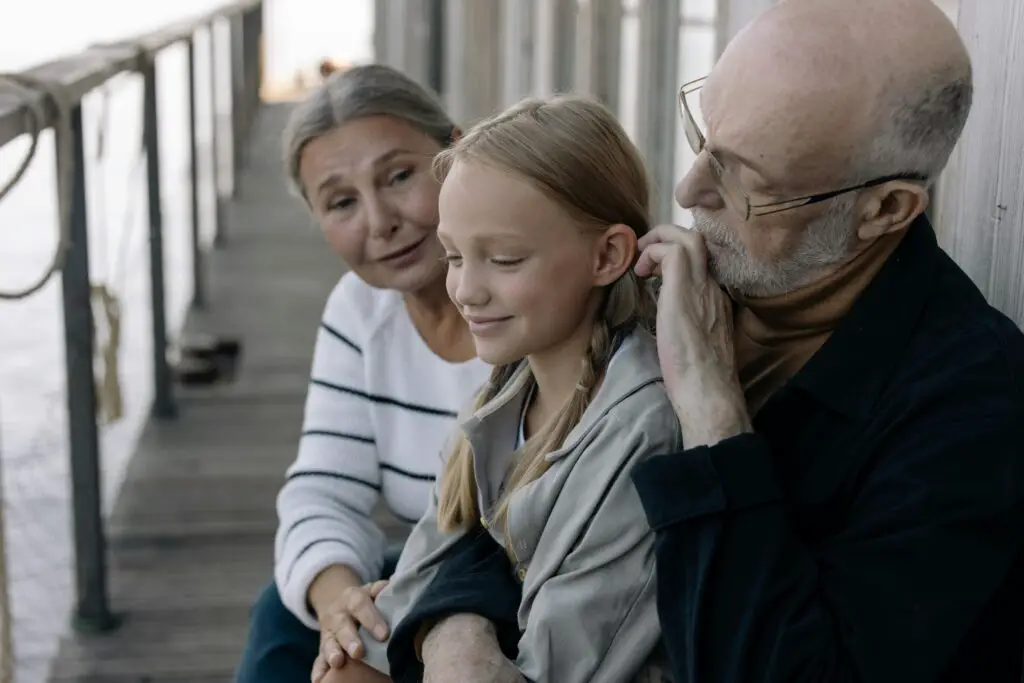
Public transportation came with its own set of silent expectations. Younger passengers were supposed to offer seats to older adults. The same courtesy extended to pregnant women or anyone who looked tired. It was just part of everyday etiquette.
No one needed a sign to explain this rule. People learned it by watching others behave kindly. Staying seated while someone struggled nearby felt embarrassing. Offering a seat was seen as the decent thing to do.
7. Dress Respectfully for Occasions
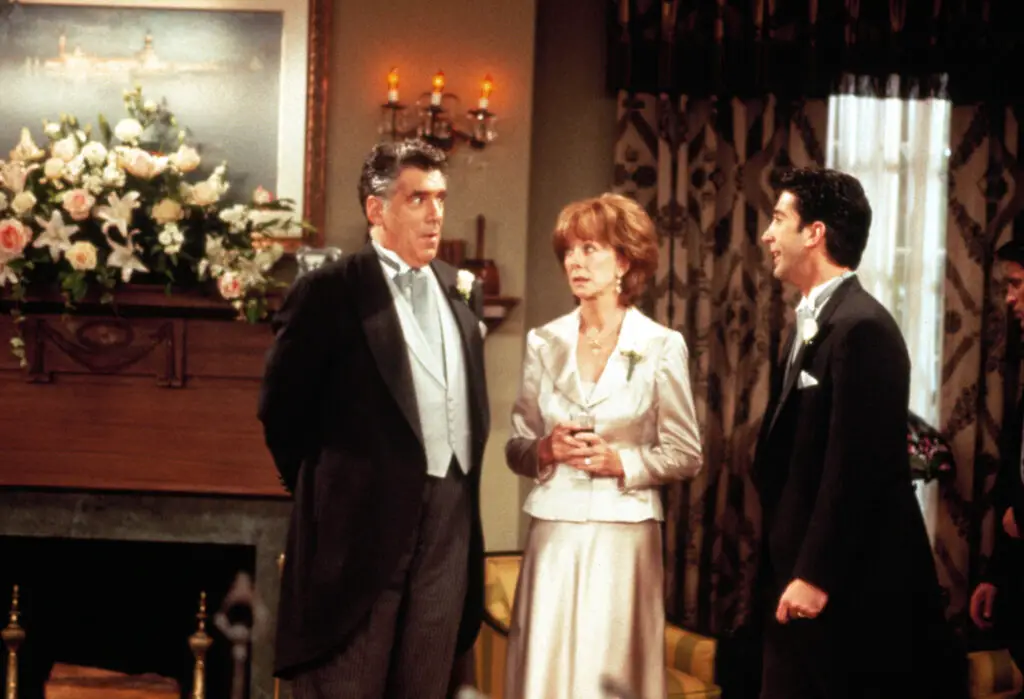
Certain events automatically required better clothing. Weddings, church services, and school functions called for neat outfits. Showing up too casual looked like a lack of effort. People believed appearance reflected respect for the moment.
Even going out to dinner once involved dressing nicely. Sweatpants and flip flops were reserved for home. No one questioned these expectations because they were widely understood. Putting on proper clothes was simply part of participating in society.
8. Keep Your Voice Down in Public

Talking loudly in restaurants or waiting rooms was considered poor manners. People were expected to be aware of those around them. Private conversations stayed private instead of becoming a show. Everyone tried to maintain a calm, pleasant atmosphere.
This rule also applied to phone calls and laughter. Drawing unnecessary attention to yourself was frowned upon. Good behavior meant blending in rather than standing out. Quiet consideration was the unspoken goal.
9. Introduce People to Each Other

When two acquaintances met, a quick introduction was automatic. Letting someone stand there awkwardly without being acknowledged felt uncomfortable. Names were exchanged so no one felt left out. It was a simple habit that made social situations smoother.
Hosts especially took this responsibility seriously. They made sure guests were properly welcomed and connected. Skipping introductions looked careless or even rude. Bringing people together politely was part of basic social grace.
10. Offer to Help Clean Up

After a meal or gathering, guests usually offered to lend a hand. Even if the host planned to handle everything, the offer still mattered. Sitting back while others worked seemed lazy. Pitching in was a sign of good character.
This rule applied at family dinners and neighborhood parties alike. Washing a few dishes or carrying plates to the kitchen showed appreciation. Most hosts politely declined the help, but they noticed the gesture. The offer itself was the important part.
11. Do Not Show Up Unannounced

Dropping by someone’s house without calling first used to be rare. People valued a little warning before receiving visitors. A quick phone call was considered the polite way to check. Respecting personal time was an unwritten boundary.
Even close relatives followed this custom most of the time. Arriving unexpectedly could interrupt dinner or plans. Nobody wanted to put others in an awkward position. Courtesy meant giving people a chance to prepare.
12. Acknowledge People With a Greeting

Ignoring someone you recognized was seen as extremely rude. A simple hello or nod was the bare minimum. Neighbors, coworkers, and acquaintances all received this basic courtesy. Pretending not to notice someone felt cold and unfriendly.
This rule kept everyday life feeling a little warmer. Small talk in hallways and on sidewalks was normal. People understood that brief acknowledgment mattered. A quick greeting helped maintain a sense of community.