
1. The Drive-In Theater
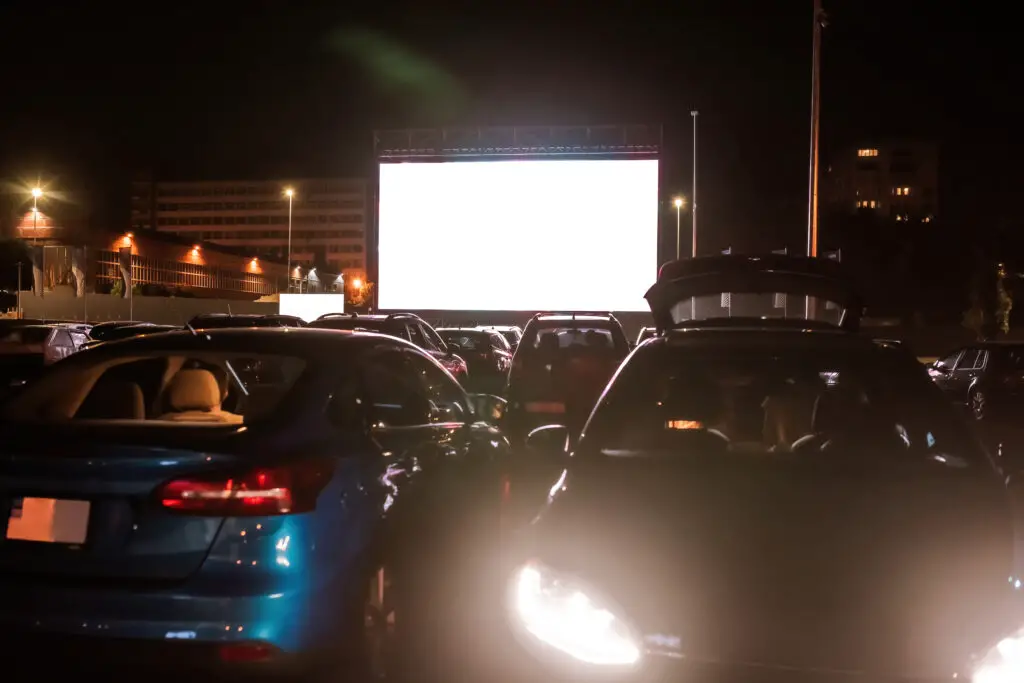
For decades the drive-in theater sat on the edge of town like a glowing beacon on summer nights. Families packed station wagons with blankets, popcorn, and restless kids ready for a double feature. The screen looked enormous when you were little, almost like it touched the stars. It felt impossible to imagine a time when it would not be there.
Then attendance slowly faded as indoor multiplexes and home video took over. Weeds pushed through the cracked asphalt where cars once lined up in neat rows. The snack bar closed, the speakers were removed, and eventually the big white screen went dark for good. Now it stands as a lonely reminder of a very specific kind of community fun.
2. The Neighborhood Roller Rink
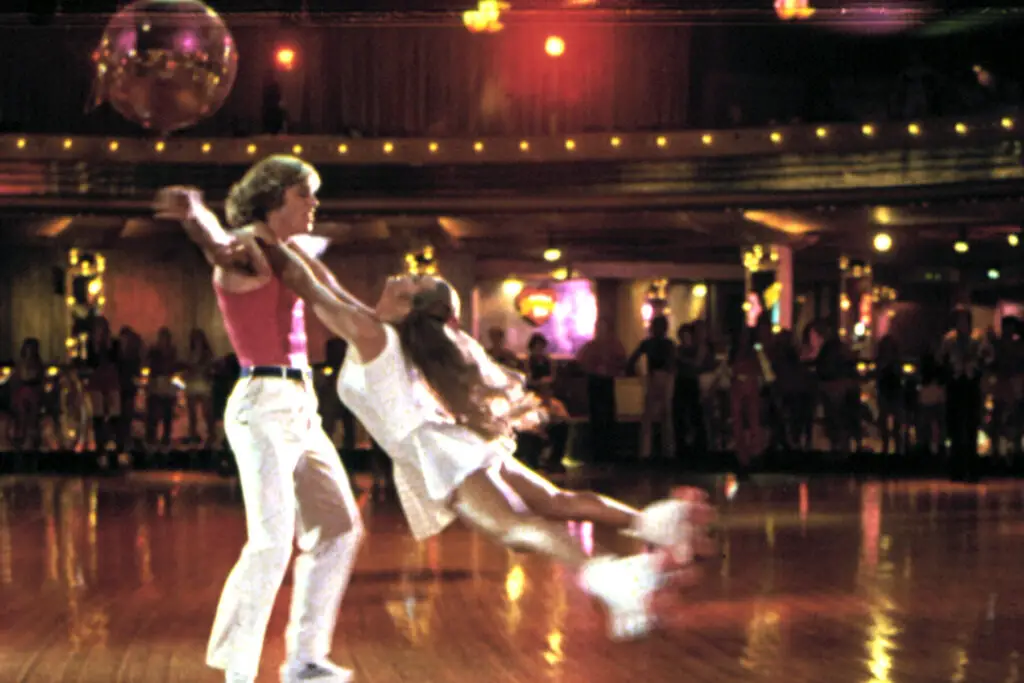
Every town seemed to have a roller rink where birthday parties and awkward first dates happened. The carpet smelled like popcorn and floor cleaner, and the disco ball never stopped spinning. On Friday nights the parking lot filled with parents dropping off kids clutching their skates. It felt like the social center of the universe if you were twelve years old.
As tastes changed, fewer people laced up their wheels. Maintenance costs grew while profits shrank, and the music finally stopped. The building was left with faded murals and a warped wooden floor. Many former regulars still drive by and remember how permanent it once felt.
3. The Downtown Department Store
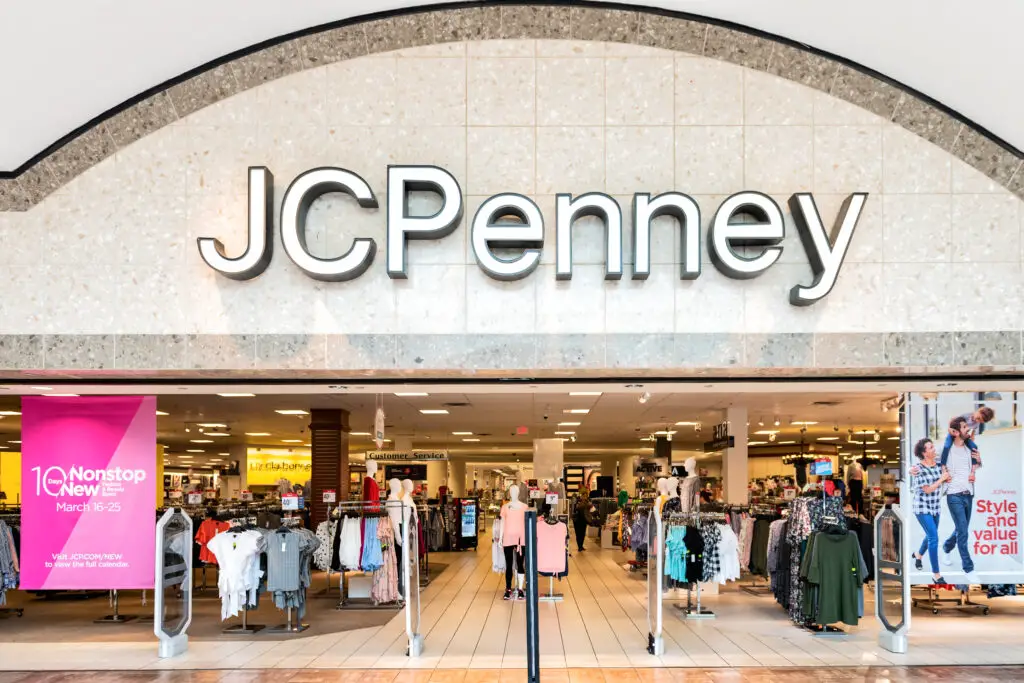
The big department store on Main Street used to be the pride of the community. It had holiday window displays, a bustling perfume counter, and an escalator that felt fancy to small-town shoppers. Generations bought school clothes and wedding gifts under its bright lights. No one believed anything could ever replace it.
When shopping habits shifted, the store slowly emptied out. Entire floors were closed off, and eventually the doors locked for the last time. The grand sign was taken down, leaving only a blank brick wall. Today the building waits quietly for a new purpose.
4. The Community Swimming Pool

Almost everyone learned to swim at the old community pool. It echoed with shouts, splashes, and the shrill whistle of the lifeguard every summer afternoon. Kids measured the season by how many times they could jump off the diving board. The pool seemed like a permanent part of growing up.
Over the years the concrete cracked and the costs to repair it kept rising. Newer recreation centers pulled visitors away, and the familiar pool finally closed. Grass grew up through the chain link fence surrounding the deep end. The empty basin now fills with leaves instead of laughter.
5. The Neighborhood Diner
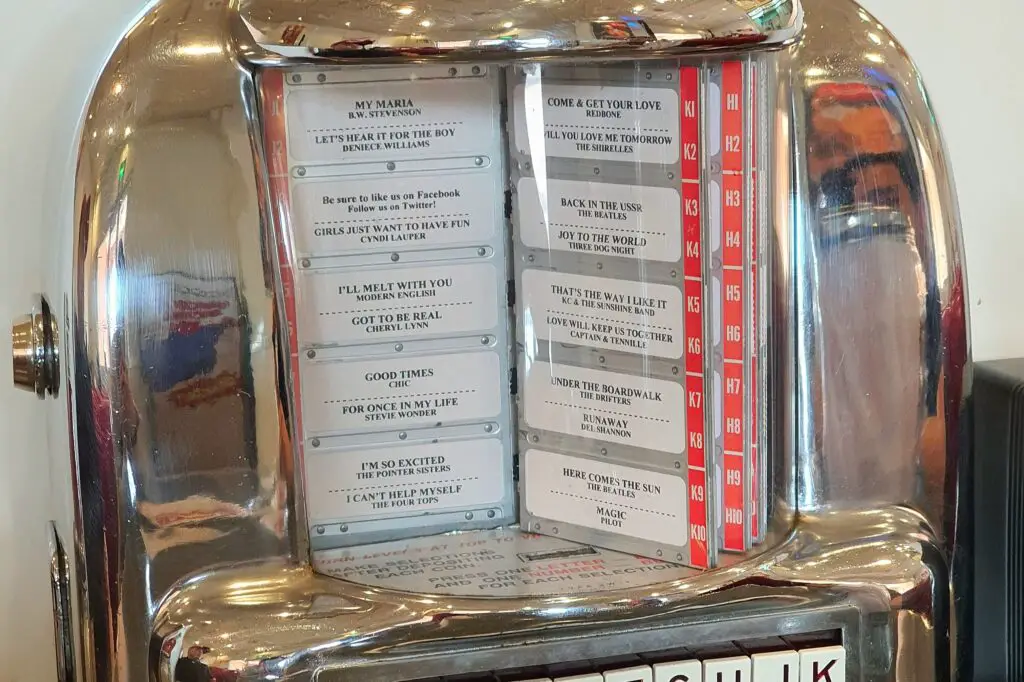
The little diner on the corner knew everyone by name and order. It opened before sunrise and smelled like coffee and frying bacon. Town gossip was traded over chipped mugs and laminated menus. Locals assumed those doors would swing open forever.
But rising rents and changing tastes made it hard to survive. One morning the sign in the window simply said closed. The booths were removed and the grill went cold. People still talk about how no new restaurant ever felt quite the same.
6. The Video Rental Store
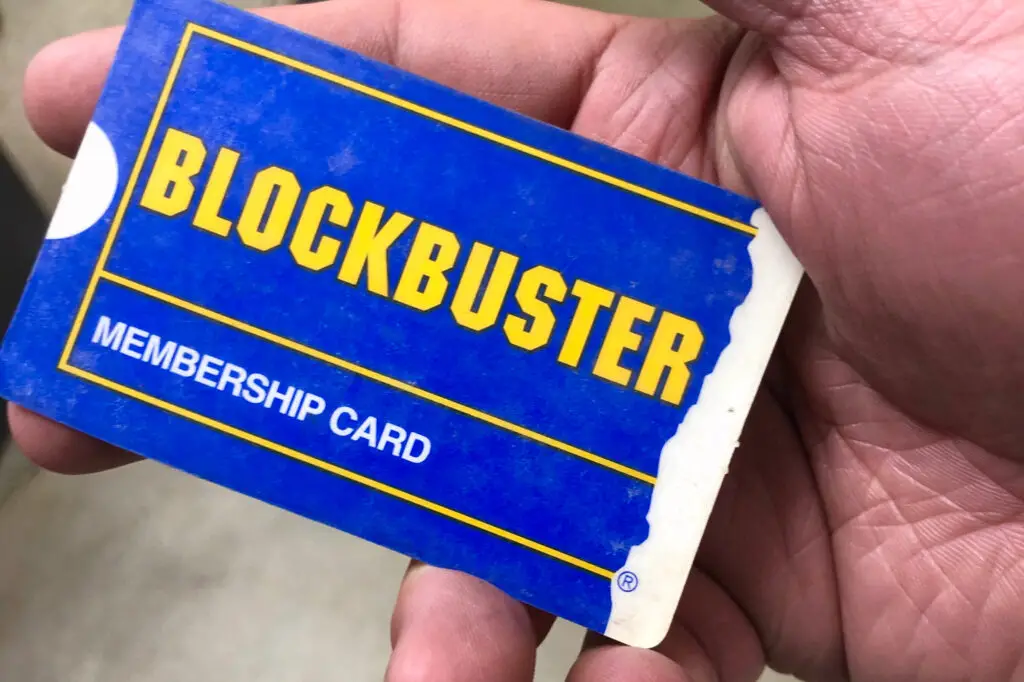
Before streaming, the video rental store was the weekend destination. Families wandered the aisles debating comedies versus action movies. Employees scribbled late fees on little paper slips behind the counter. The bright plastic cases made it feel like the movies would always live there.
Technology moved faster than anyone expected. Customers stopped coming in, and the return slot stopped rattling at night. Soon the shelves were sold off and the familiar blue carpet was ripped up. Now only memories remain where rows of tapes once stood.
7. The Local Arcade
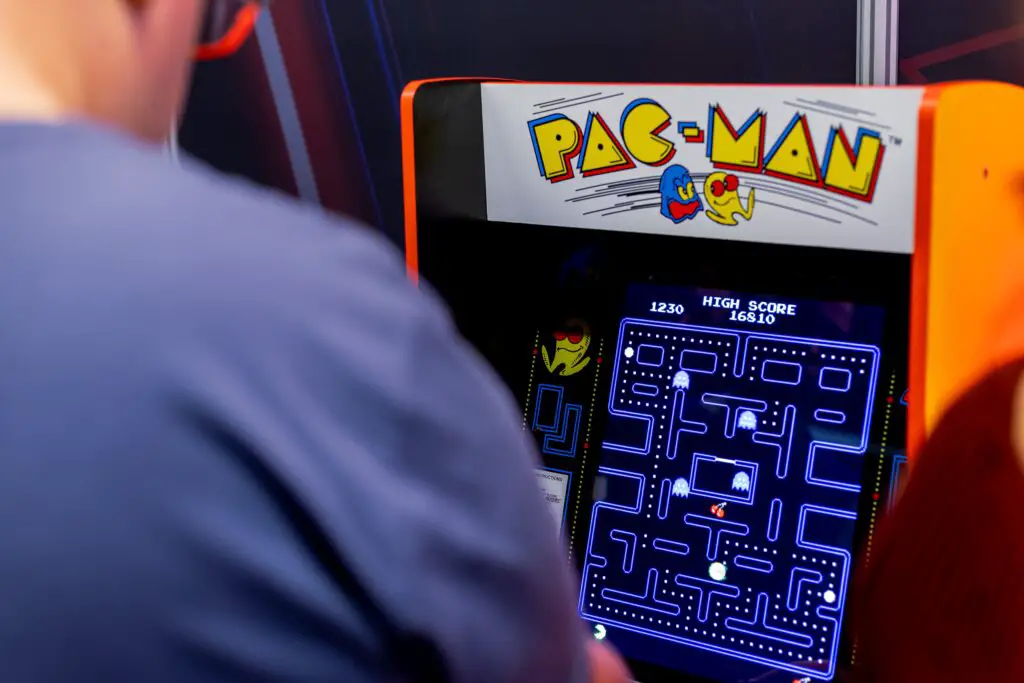
The arcade was a magical, noisy cave filled with flashing lights and electronic music. Teenagers gathered there with pockets full of quarters and big dreams of high scores. Every machine felt new and exciting, and the place always seemed packed. It was hard to imagine a Saturday without it.
Home gaming systems slowly stole its audience away. Machines broke and were never replaced, and the crowds thinned. Eventually the owner locked up and turned off the neon sign. The building now sits silent, missing the happy chaos it once held.
8. The Indoor Shopping Mall
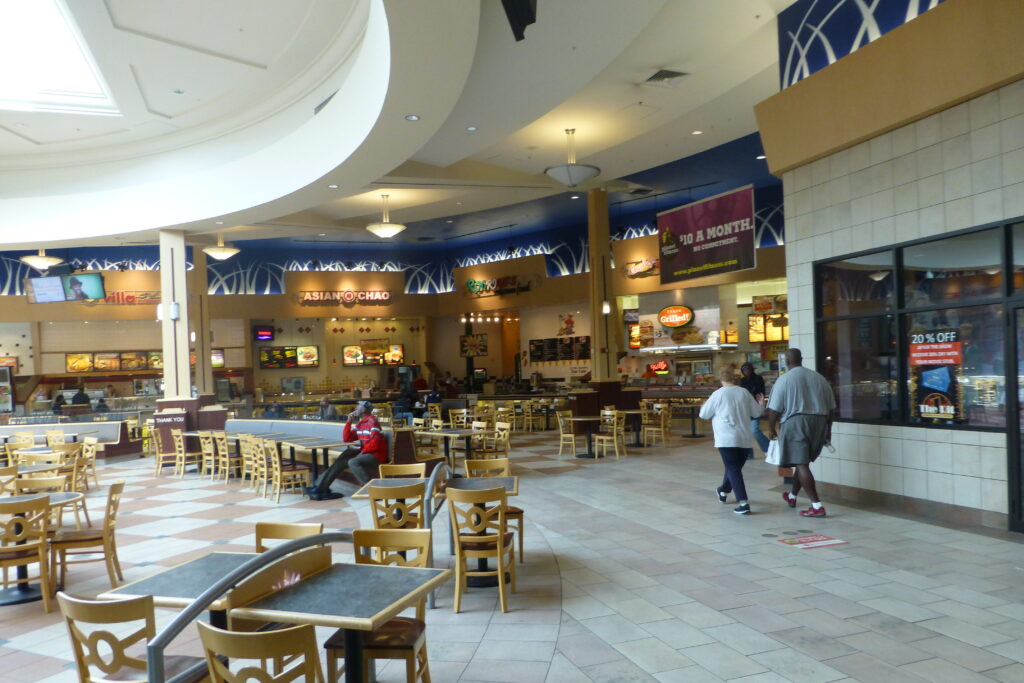
The mall used to be where the whole town gathered without needing a special reason. Friends met at the fountain, teenagers circled in groups, and holiday decorations filled every hallway. It felt bright, safe, and endlessly busy. Many people believed it would outlive them all.
Online shopping changed everything almost overnight. Stores closed one by one until long corridors echoed with empty footsteps. The food court went dark and the carousel stopped turning. Today it feels more like a time capsule than a destination.
9. The Town Train Depot
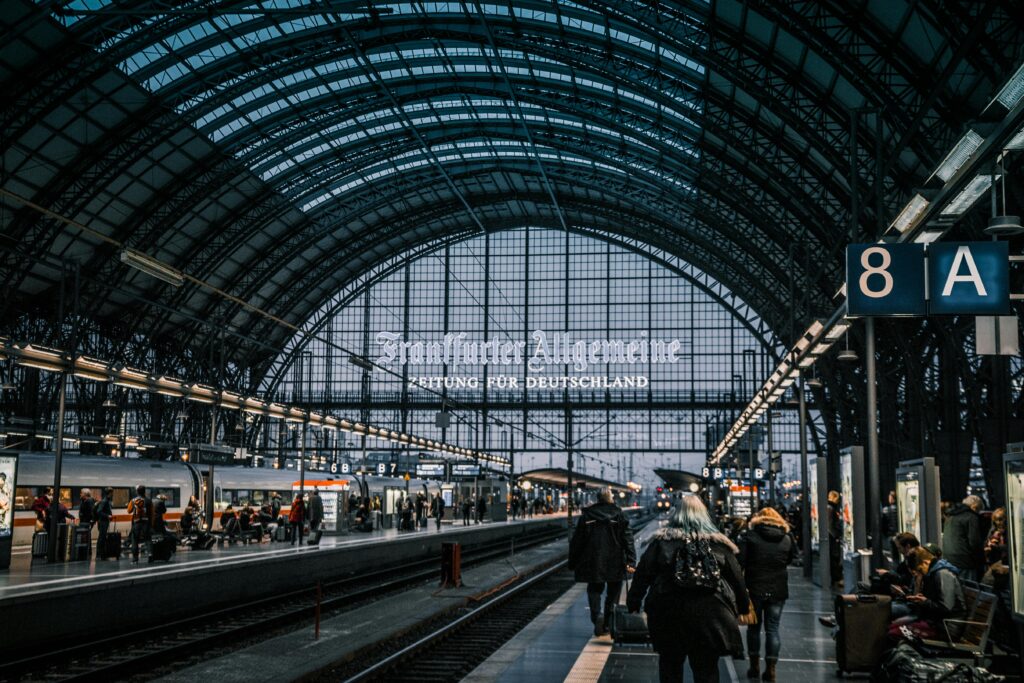
Long ago the train depot was the true gateway to the outside world. Soldiers left from its platform, and families welcomed loved ones home under its wide roof. Suitcases rolled across the floor and the schedule board clicked loudly. The depot seemed as solid as the tracks themselves.
As cars and airplanes took over, fewer trains stopped there. The ticket window closed and the benches were removed. Eventually the last passenger line disappeared completely. Now the depot stands boarded up beside rails that barely get used.
10. The Minor League Ballpark
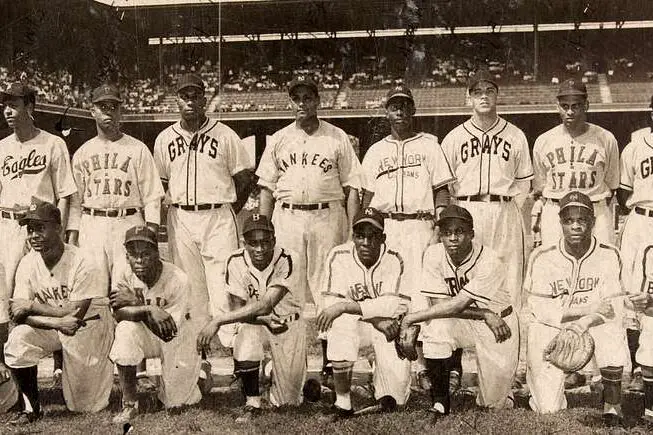
On warm summer evenings the local ballpark was the heartbeat of the community. Families cheered from wooden bleachers while kids chased foul balls. The smell of hot dogs and fresh cut grass filled the air. It felt like the team and the field would always belong to the town.
League changes and rising costs eventually ended the tradition. Games were moved to a newer stadium in another city. The old scoreboard rusted and the seats faded in the sun. Passing by it now feels like visiting a forgotten friend.
11. The Grand Old Movie Palace
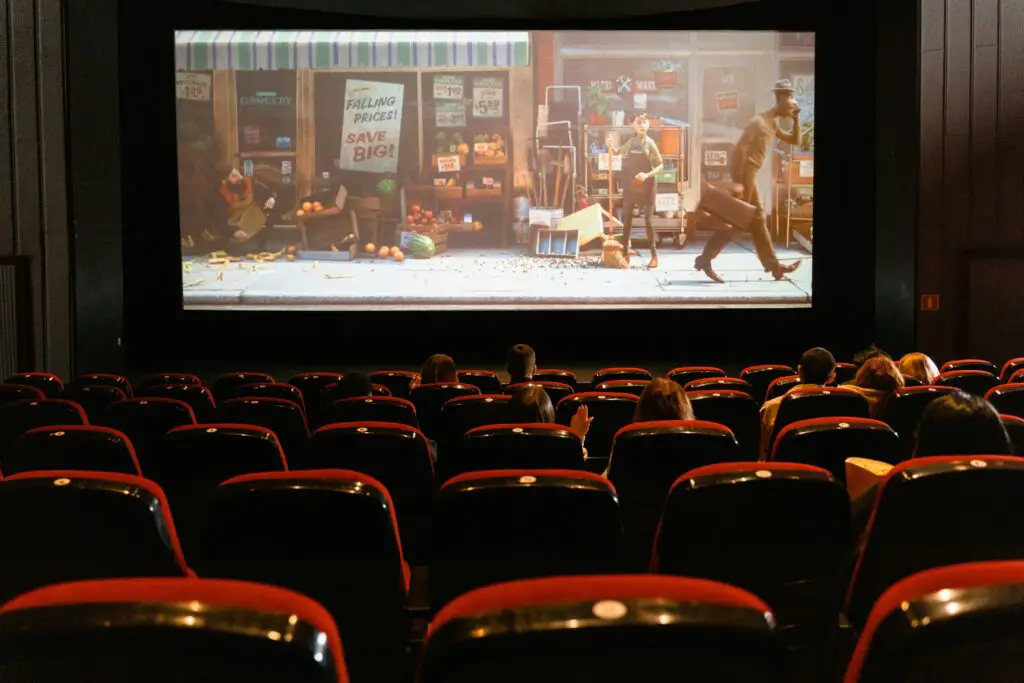
Before modern cinemas, many towns had a beautiful single-screen movie palace. It featured velvet curtains, a glowing marquee, and ornate ceilings painted like the night sky. Going there felt like an event instead of just an outing. People dressed up and believed the theater would last forever.
Multiplexes on the edge of town slowly pulled the crowds away. Repairs became too expensive and the projector was turned off. The marquee letters fell out one by one. Today pigeons roost where audiences once applauded.
12. The Small Branch Library
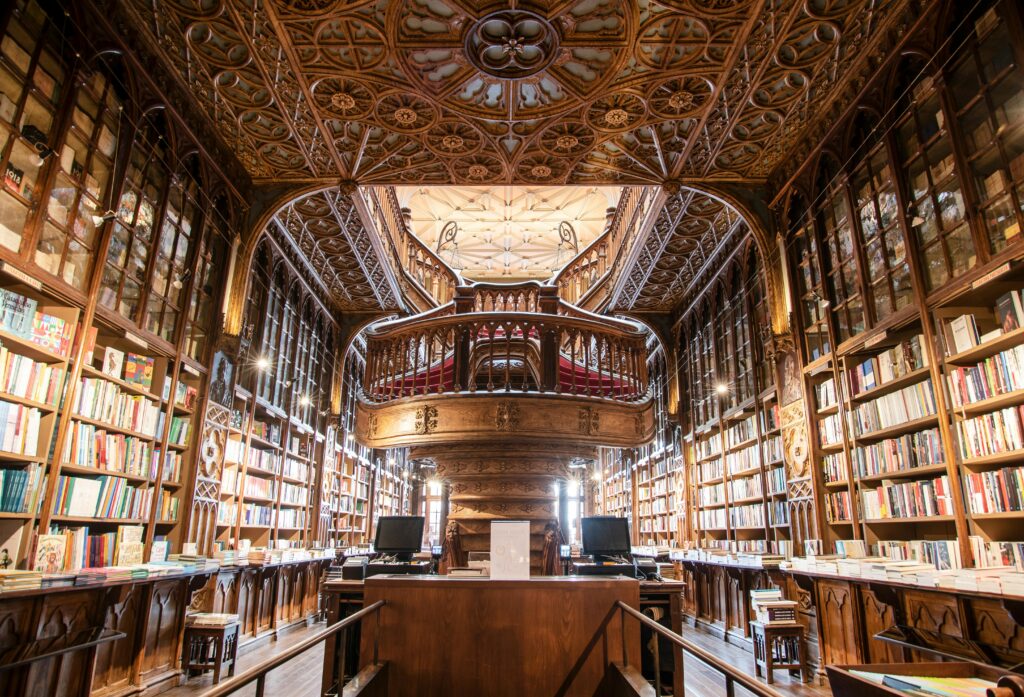
The neighborhood library branch was more than just a building full of books. It hosted story hours, community meetings, and quiet afternoons at long wooden tables. Children received their first library cards there and felt grown up. It seemed like a public treasure that would never disappear.
Budget cuts eventually forced hard decisions. Hours were reduced until the branch closed completely. The shelves were emptied and the sign taken down. Many locals still wish they had known their last visit would truly be the last.
13. The Downtown Bus Station

The bus station connected the town to everywhere else on the map. Travelers came and went with paper tickets and heavy suitcases. The waiting room buzzed with conversations and vending machines. It felt like an essential, permanent piece of everyday life.
As fewer people relied on long-distance buses, the station grew quiet. Routes were canceled and the information desk closed. The building was left to gather dust and graffiti. Now most people barely remember when it was busy.
14. The Old Amusement Park
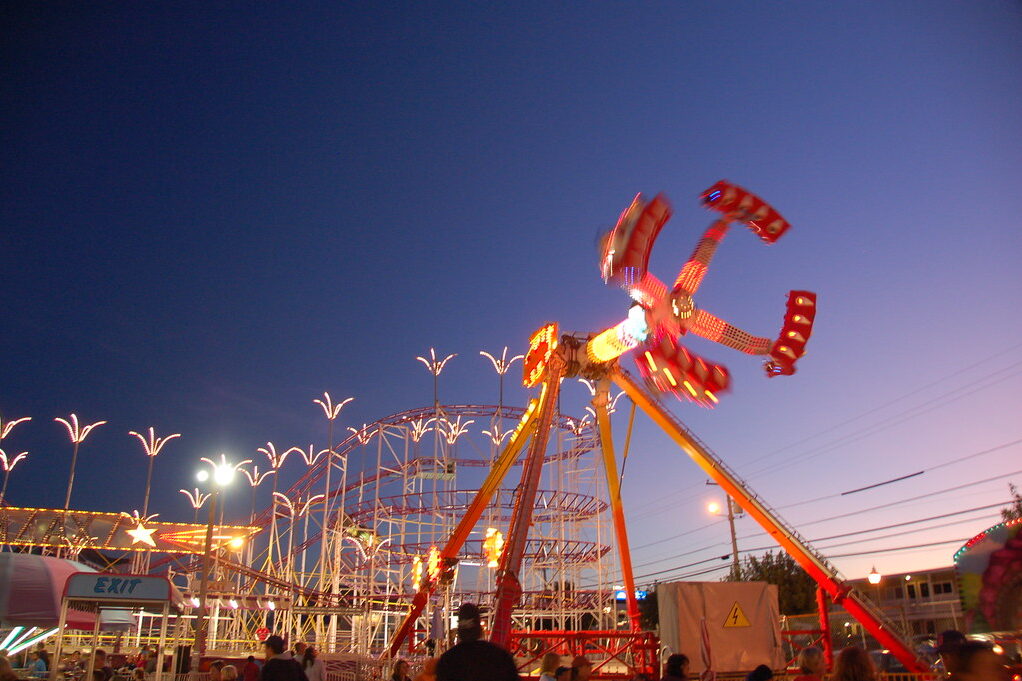
Every region had a small amusement park where childhood summers unfolded. The ferris wheel could be seen from miles away, and the carousel music drifted over the parking lot. Families saved up all year for a day of rides and cotton candy. It felt like a place that would entertain children forever.
Safety rules, insurance costs, and bigger theme parks changed everything. Rides were dismantled and sold, and the gates were chained shut. The cheerful colors faded in the sun and rain. What was once magical now looks strangely small and silent.
15. The Church Retreat Camp
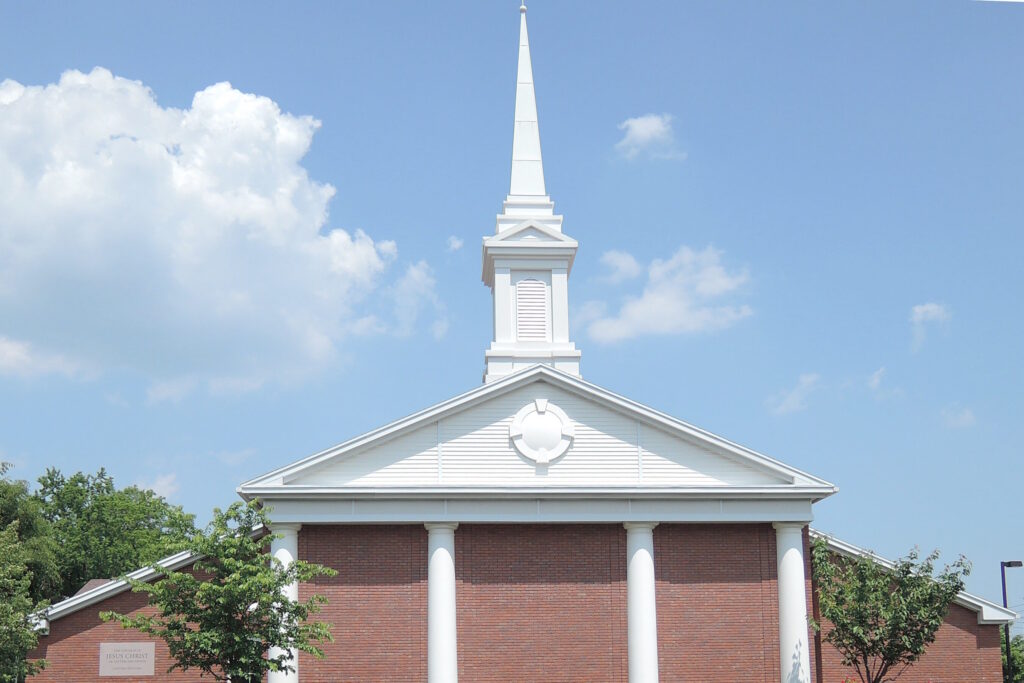
Many towns supported a simple church camp tucked into the woods outside of town. Kids spent weeks there making crafts, singing songs, and roasting marshmallows. The cabins were basic but full of lifelong memories. Parents assumed their grandchildren would someday go there too.
Changing interests and rising maintenance costs slowly ended the tradition. Buildings fell into disrepair and the trails grew over with brush. The camp bell no longer rings out across the lake. What once felt like a permanent summer home is now just another abandoned landmark.