
1. Waiting All Week for a Favorite Show
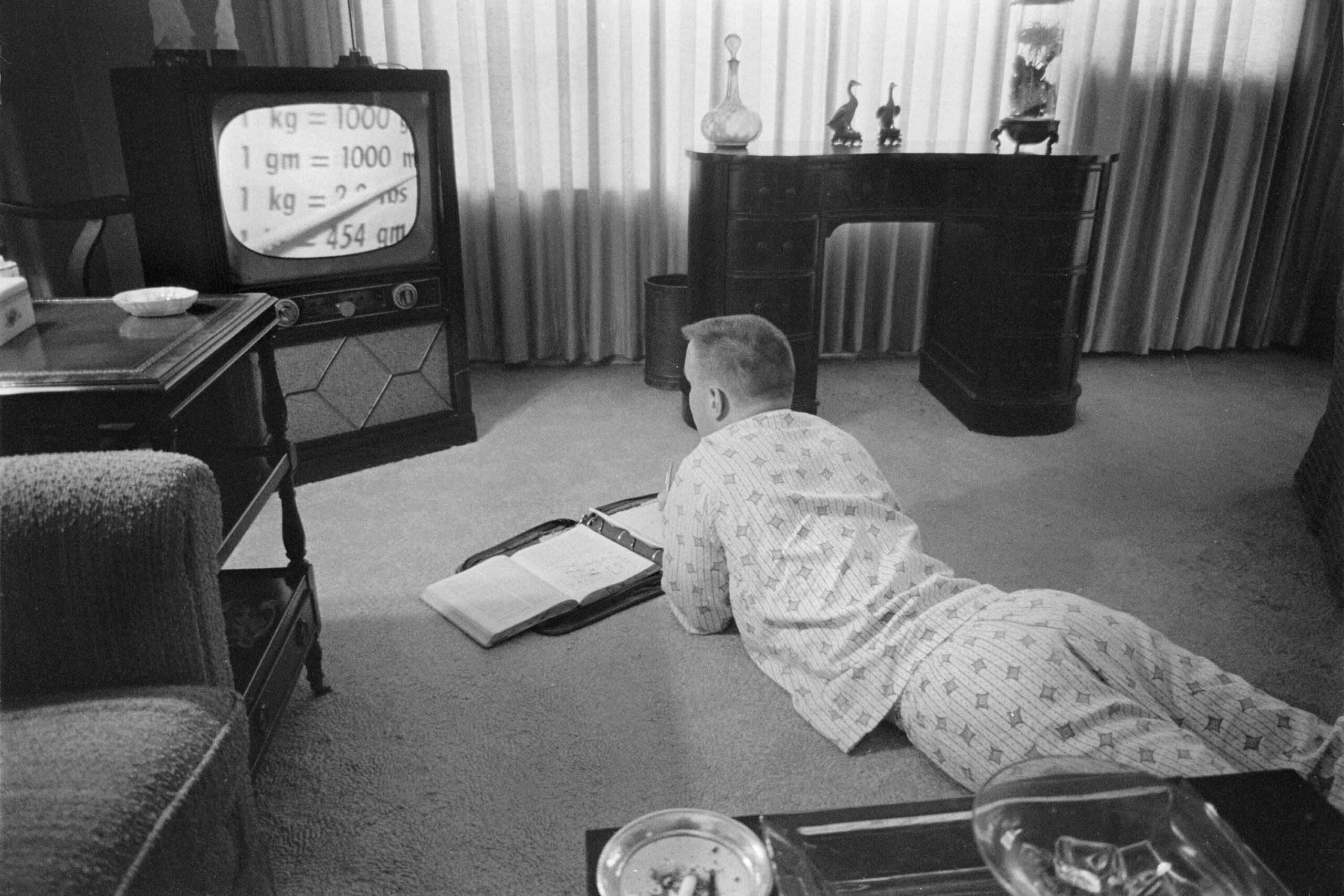
Kids today can watch anything they want at any time, but it was not always that way. We used to study the weekly TV listings like they were treasure maps. If you missed the exact moment a show started, you simply missed it. There was no pause button and no second chance.
Families planned evenings around one special episode of a favorite series. You had to be sitting in front of the screen at the right minute. Commercial breaks were part of the rhythm and everyone accepted them. The idea of instant streaming would have sounded like pure science fiction.
2. Using a Pay Phone

Long before cell phones lived in every pocket, pay phones were everywhere. If you needed to call home, you dug through your pockets for a few coins. The receiver was heavy and the cord was usually twisted into knots. You had to talk fast because every minute cost more money.
Kids today would be baffled by the idea of carrying change just to make a call. There was no way to save numbers or send quick texts. If the phone was busy, you waited and tried again later. The simple act of making a call used to feel like a small adventure.
3. Rewinding VHS Tapes
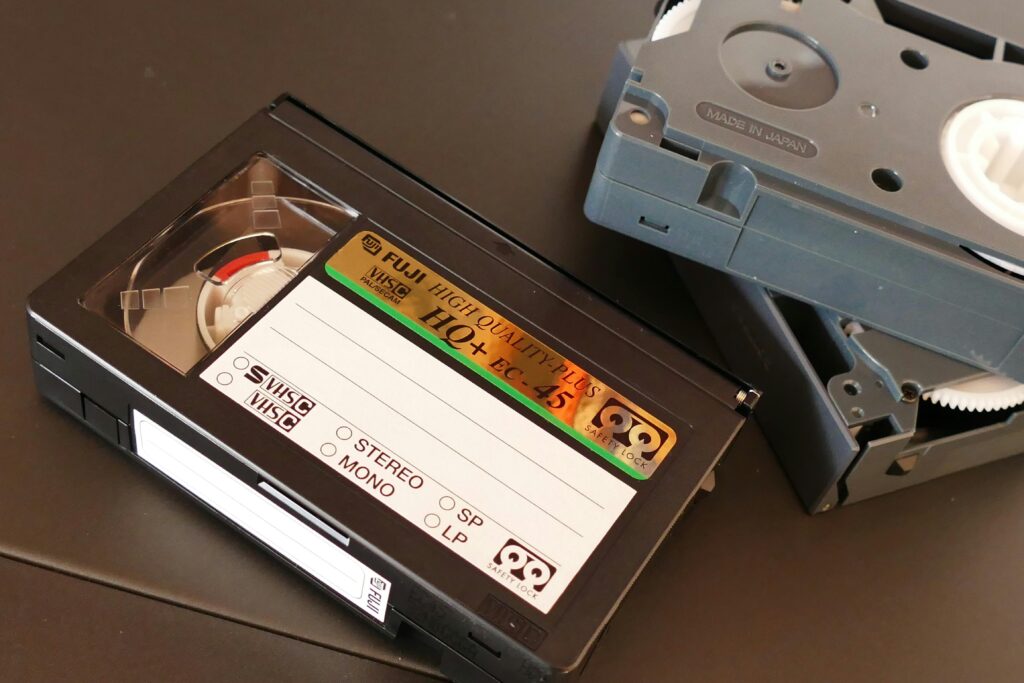
After movie night, someone always had to rewind the tape. Special rewind machines sat next to the television just for that job. If you forgot, the next person had to sit and wait before watching anything. Returning a tape to the video store without rewinding could even cost you a small fee.
Modern kids never think about preparing a movie before watching it. They just click a button and everything is ready instantly. The whirring sound of a rewinding tape was once totally normal. Now it would probably seem strange and a little magical.
4. Waiting for Film Photos to Develop
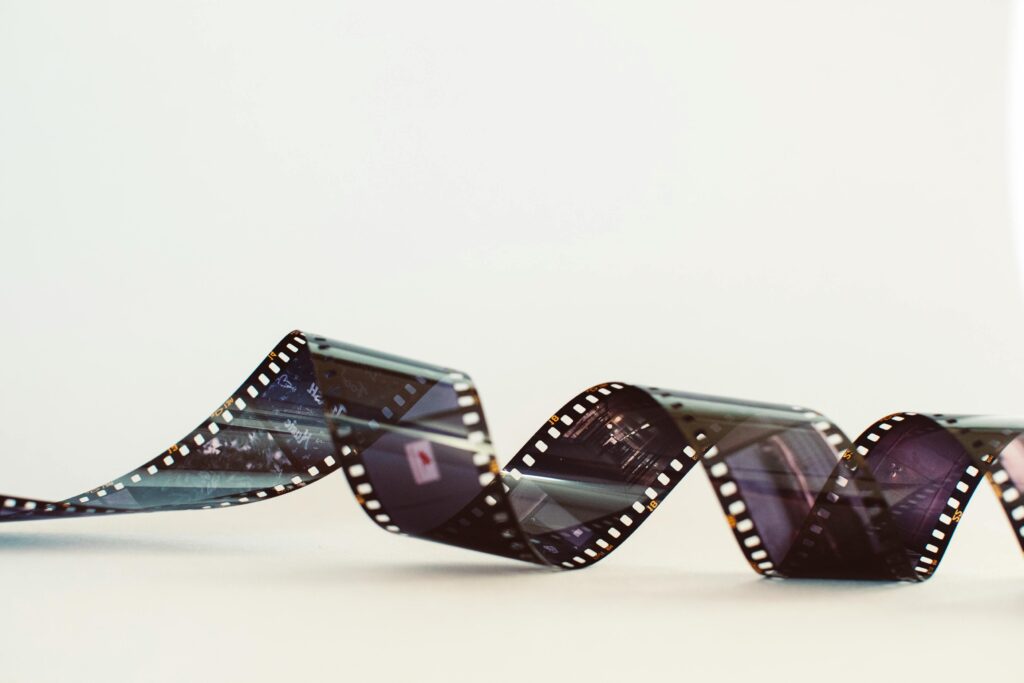
Taking pictures used to require real patience. Cameras held rolls of film that had to be carefully loaded by hand. After finishing the roll, you dropped it off at a store and waited days for the results. Only then did you find out if any of the photos were good.
There was no instant review screen to check your work. Blurry shots and accidental finger photos were common surprises. Every envelope of developed pictures felt like a mystery gift. The idea of seeing photos immediately would have amazed everyone.
5. Calling Friends on a Landline
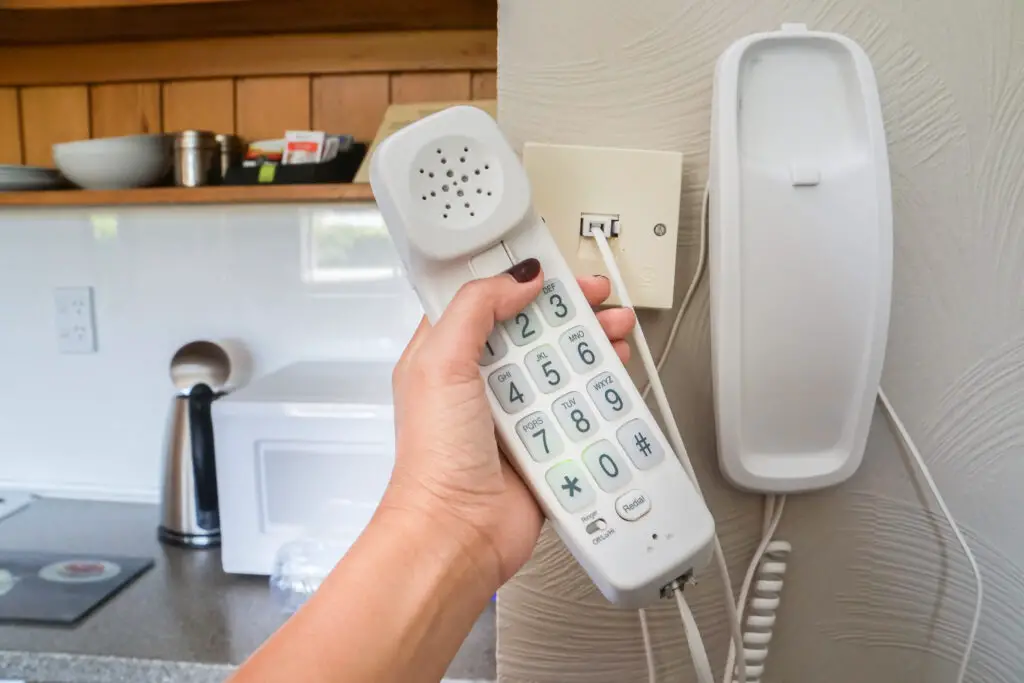
Making plans with friends once meant calling a house instead of a person. You dialed the family phone number and hoped the right person answered. Sometimes a parent picked up and asked a lot of questions first. Privacy was very limited and everyone in the home could hear you.
There was no way to send a quick message if plans changed. You had to call back and start the whole process again. Busy signals were common and very frustrating. Kids today would wonder how anyone ever managed to meet up at all.
6. Doing Homework with Encyclopedias

School projects once required heavy stacks of real books. Families often owned full sets of encyclopedias that took up entire shelves. Research meant flipping through pages and hunting for facts one paragraph at a time. If the information was not there, you were simply out of luck.
There were no quick online searches to save the day. Libraries became important destinations for every report. Copying information by hand was normal and expected. The idea of finding answers in seconds would have seemed unbelievable.
7. Recording Songs from the Radio
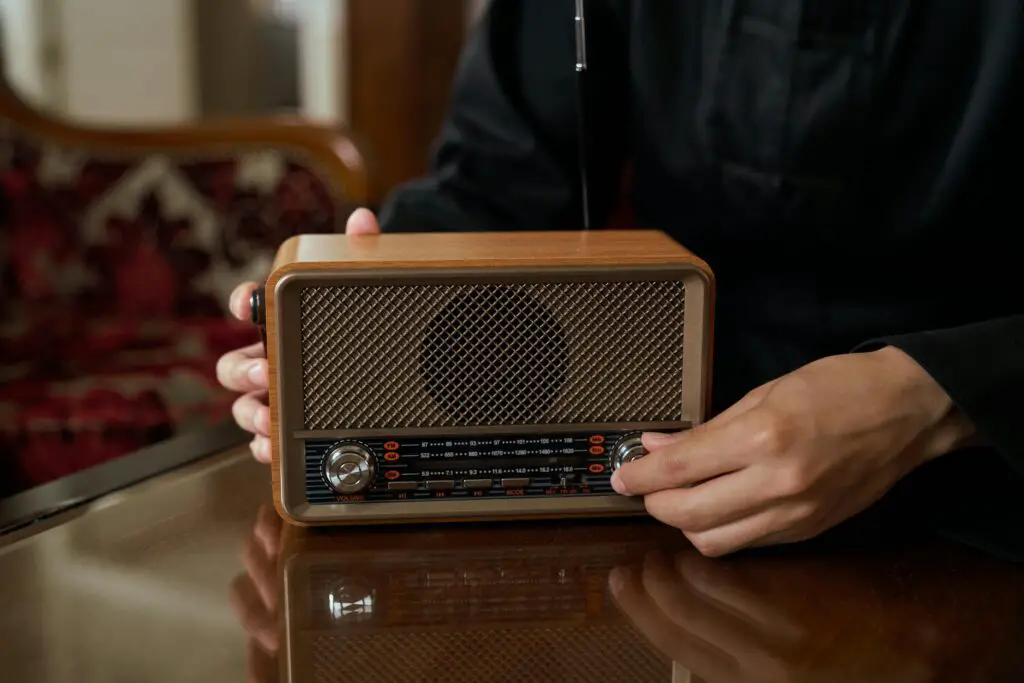
Making your own music collection took creativity and patience. Kids sat by the radio with a blank cassette tape ready to go. When a favorite song came on, you hurried to press the record button. DJs often talked over the beginning or end, and everyone hated that.
There were no playlists created by algorithms or apps. Each homemade tape was unique and a little imperfect. Sharing music meant physically handing a cassette to a friend. The whole process would seem very slow and strange today.
8. Getting Around with Paper Maps
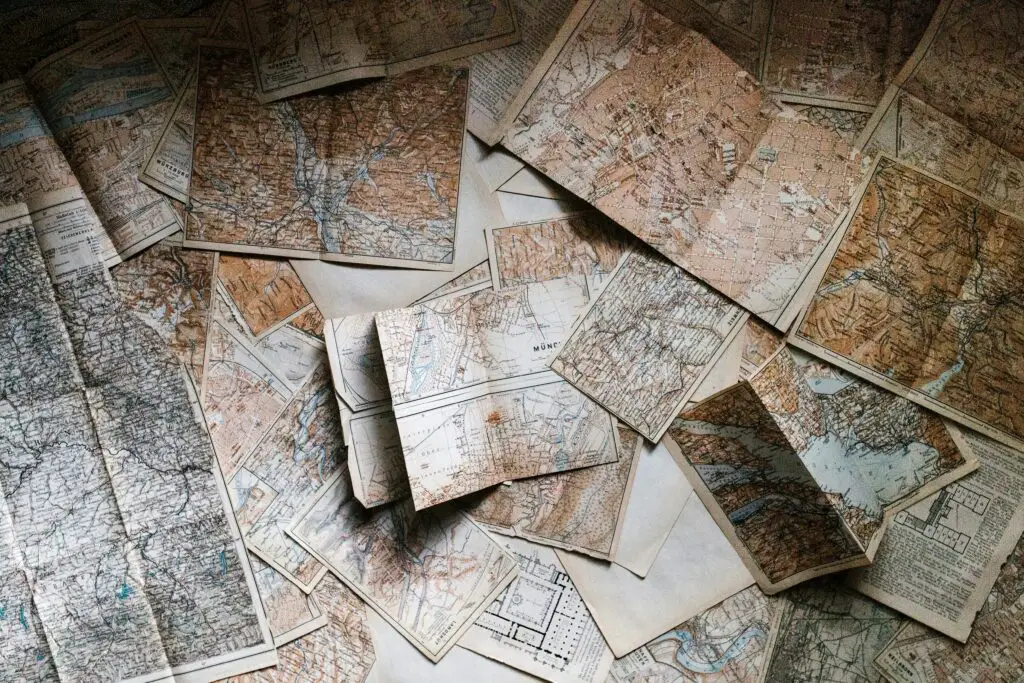
Finding a new place once required actual navigation skills. Families kept folded paper maps in the car for long trips. You traced routes with your finger and hoped you were reading everything correctly. One wrong turn could change the entire day.
There was no friendly voice giving step by step directions. If you got lost, you had to stop and ask a real person for help. Arguments about the best route were common and sometimes loud. Modern GPS technology would have felt like a miracle back then.
9. Dialing a Rotary Phone
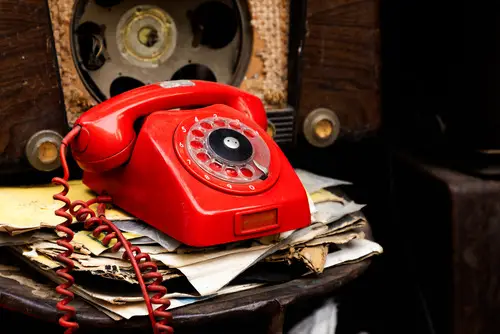
Old telephones did not have buttons at all. To make a call, you placed your finger in a hole and turned a spinning dial. Dialing a long number took real time and effort. One small mistake meant starting all over again from the beginning.
Kids learned patience just by making a simple phone call. There were no shortcuts and no redial options. The steady clicking sound was part of everyday life. Today most children would not even recognize how to use one.
10. Treating Saturday Morning Cartoons Like an Event
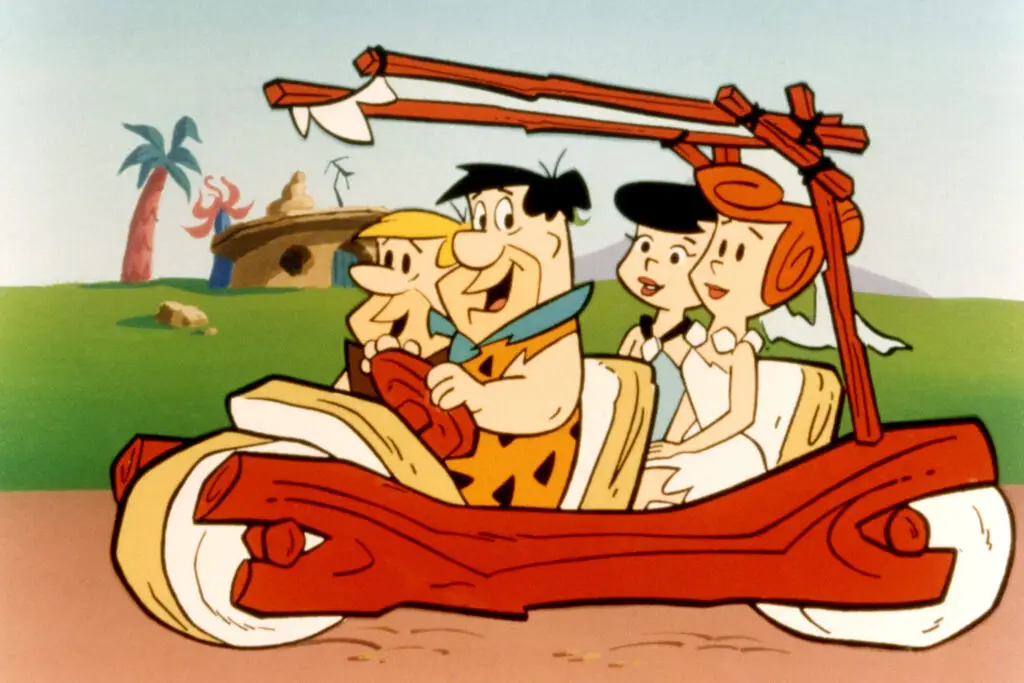
Cartoons were not available whenever you felt like watching them. They came on only at certain hours, mostly on Saturday mornings. Kids woke up early, poured cereal, and settled in front of the television. Missing that small window meant waiting an entire week.
There were no recordings or online clips to catch up later. Networks decided the schedule and everyone followed it. Those mornings felt almost like a weekly holiday. The freedom to watch cartoons anytime would have shocked us.
11. Searching a Library Card Catalog
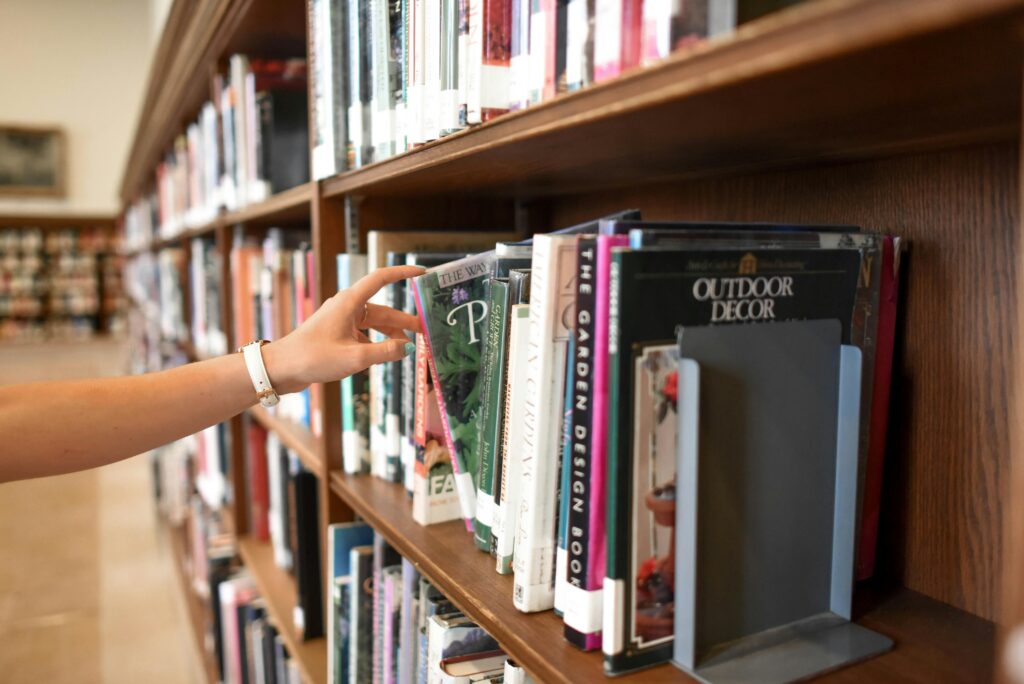
Looking up a book once involved tiny drawers full of index cards. Each card listed a title, author, and location on the shelf. You flipped through them alphabetically, hoping to find what you needed. The system worked, but it took time and patience.
There were no computer databases to speed things along. Writing down call numbers was a normal part of library visits. Losing your place in the drawer could be very frustrating. The ease of modern searches would have seemed like magic.
12. Renting Movies at a Video Store
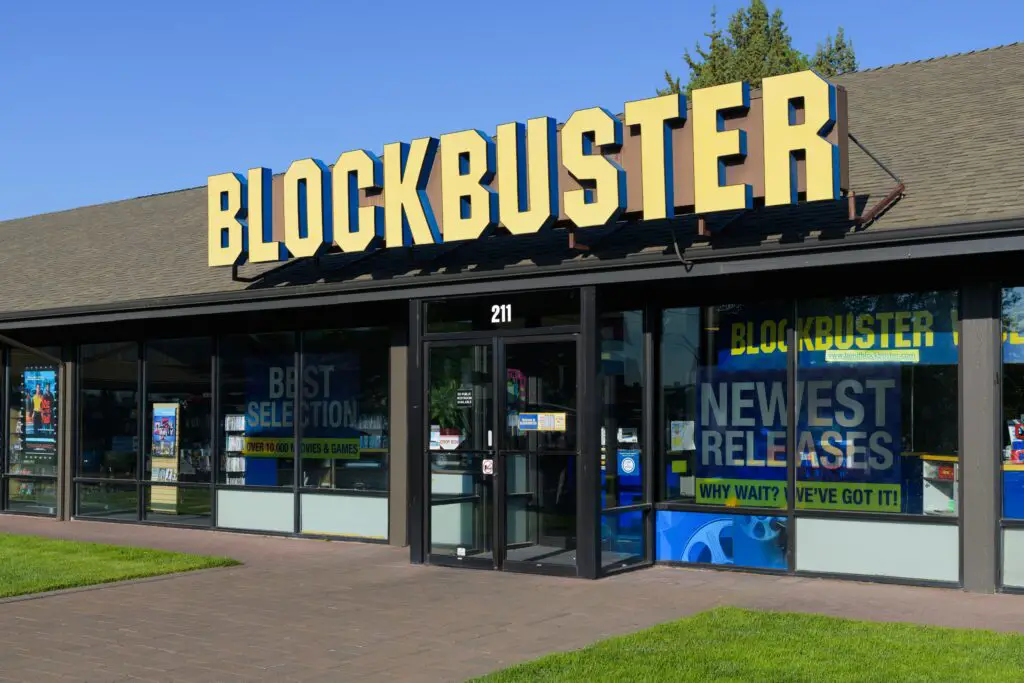
Friday nights often meant a family trip to the local video store. Rows of plastic cases lined the walls from floor to ceiling. Choosing a movie could take almost as long as watching one. If a new release was out of stock, you simply waited your turn.
Late fees were a constant worry for forgetful renters. You judged films by the cover art and the short description on the back. Returning tapes on time felt like a serious responsibility. Streaming from the couch would have sounded impossible.
13. Saving Homework on Floppy Disks
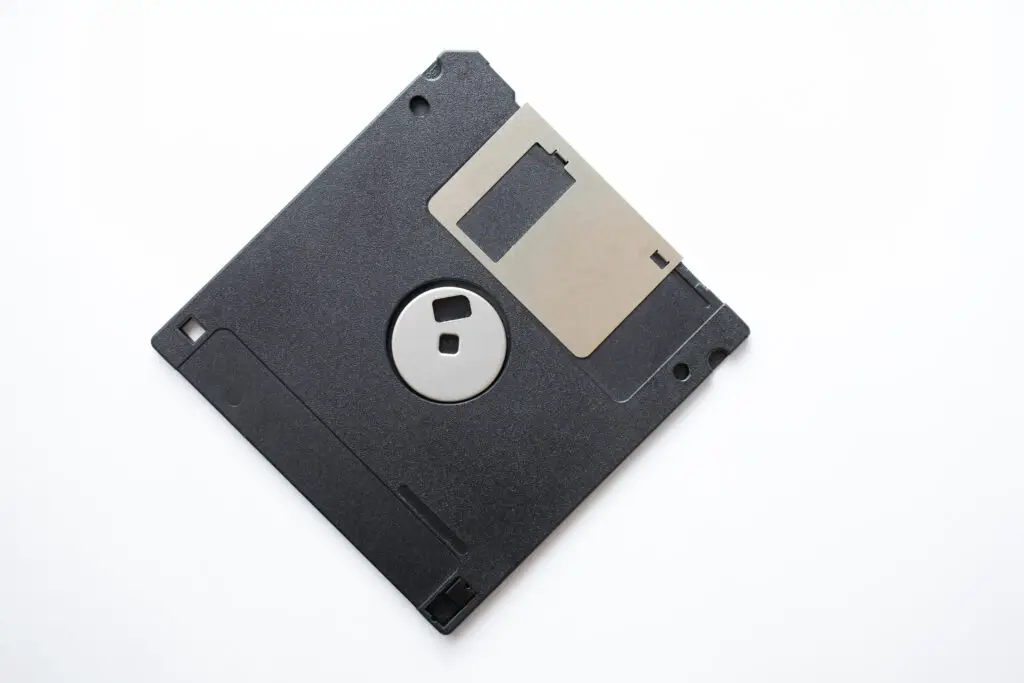
School assignments were once stored on thin plastic squares called floppy disks. Each disk held only a tiny amount of information. Losing one could mean losing an entire project. Students carried them around carefully like fragile treasures.
Computers did not automatically save your work as you typed. You had to remember to hit the save button again and again. Sharing files meant physically handing someone the disk. The idea of unlimited cloud storage would have seemed like a wild dream.