
1. Aspic and Gelatin Salads
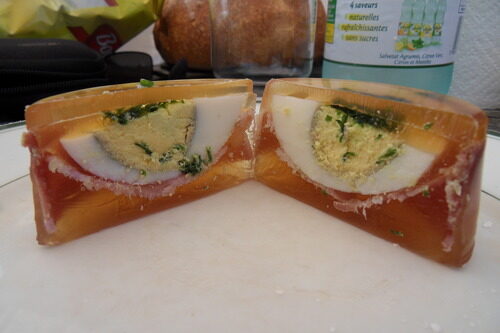
The sight of a shimmering, lime-green mold filled with shredded carrots and canned tuna would likely send a modern shopper straight to the checkout line in a panic. Back in the day, gelatin wasn’t just for dessert; it was a sophisticated vessel for practically any leftover in the fridge. These “salads” were the ultimate centerpiece for dinner parties, showcasing a household’s ability to master the latest culinary technology. Seeing a savory ring of tomato juice and celery today feels like a fever dream from a bygone era.
Modern palates generally prefer their vegetables and proteins to be free-standing rather than suspended in a jiggly, translucent dome. Today’s grocery aisles are packed with fresh greens and vinaigrettes, making the concept of “congealed salad” seem almost alien. If you tried to serve a shimmering mound of lemon Jell-O mixed with cabbage and ham at a 2026 potluck, people would probably think it was a bold piece of performance art. It’s a texture profile that has largely been erased from the contemporary culinary vocabulary.
2. Creamed Chipped Beef on Toast
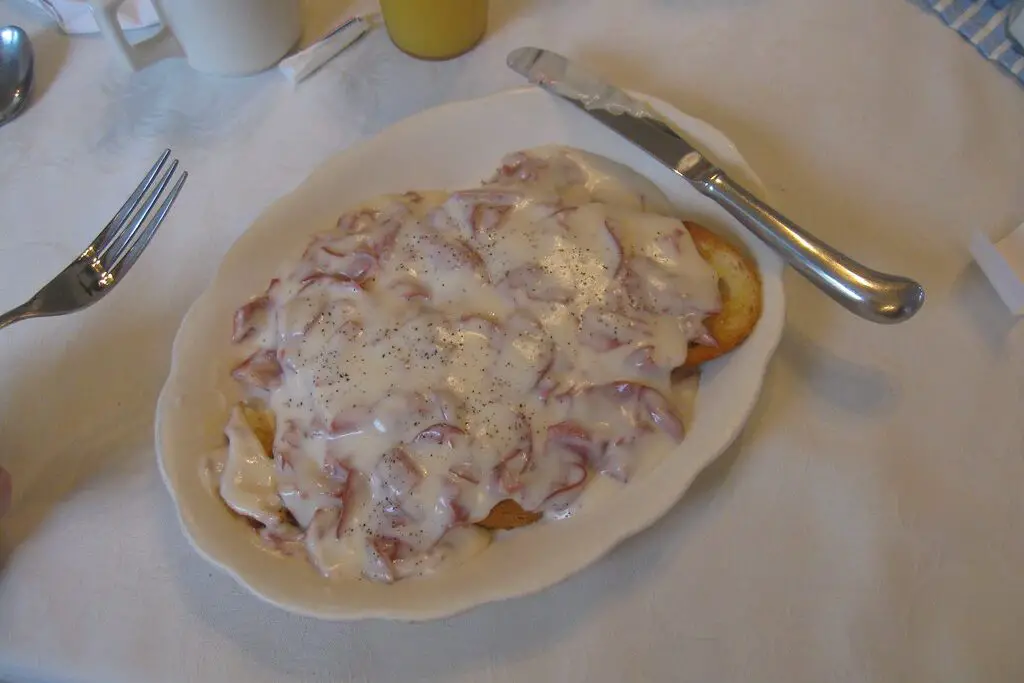
Commonly known by its less-than-appetizing military nickname, this dish was a staple for families looking to stretch a dollar. It consisted of thin, salty slices of dried beef rehydrated in a thick white gravy and served over toasted white bread. To a modern shopper, the idea of buying beef in a jar or a plastic pouch that is shelf-stable and heavily salted might feel a bit suspicious. It was the ultimate “pantry meal,” requiring very little fresh input to create a filling, warm dinner.
In today’s world of farm-to-table ethics and low-sodium diets, a plate of beige-on-beige saltiness is a tough sell. Most shoppers now head for the fresh butcher counter or meat alternatives rather than looking for dried beef sheets in the canned goods aisle. The sheer simplicity of the dish—flour, milk, butter, and preserved meat—speaks to a time when convenience meant something that wouldn’t spoil. Now, we equate convenience with pre-washed kale and microwaveable quinoa bowls.
3. Liver and Onions
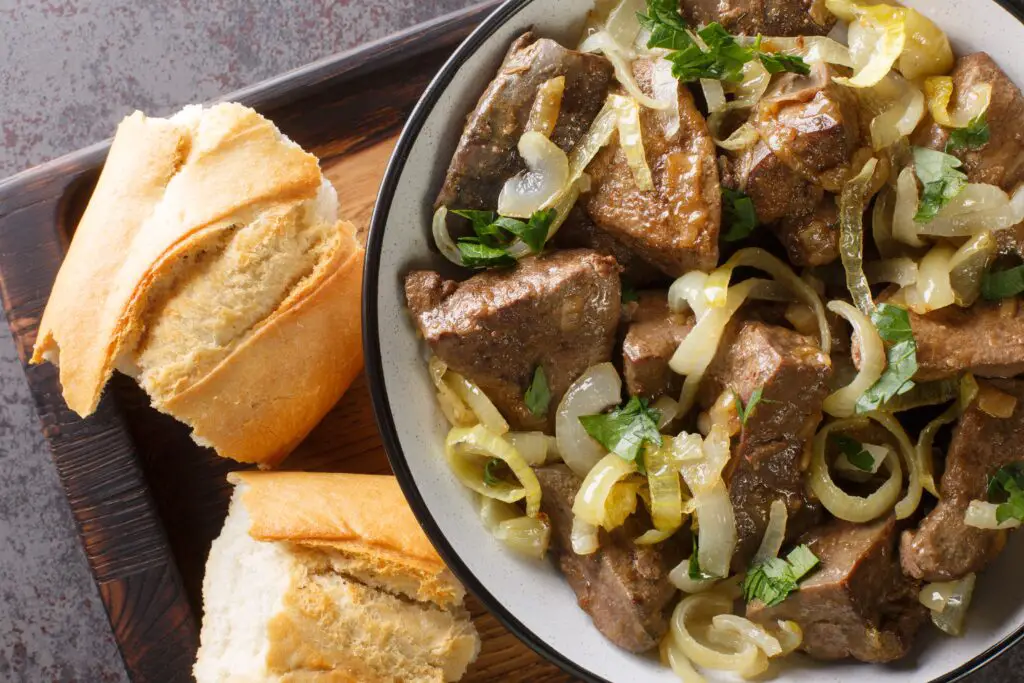
There was a time when the local butcher wouldn’t dream of throwing away organ meats because every mother knew how to cook them. Liver and onions was a weekly occurrence in many households, often touted for its high iron content and nutritional density. A kid in the mid-20th century might walk into the kitchen and smell that distinct, metallic aroma wafting from a cast-iron skillet. It was a polarizing meal even then, but it was considered a necessary part of a balanced upbringing.
Flash forward to the present, and most shoppers walk right past the organ meats without a second glance, if the store even stocks them at all. The modern diet has moved toward “cleaner” cuts like boneless, skinless chicken breasts or marbleized ribeyes. The intense, earthy flavor of calf liver is something many people haven’t even tasted, let alone considered for a Tuesday night dinner. It represents a “nose-to-tail” philosophy that has largely disappeared from the average domestic kitchen.
4. Mock Apple Pie
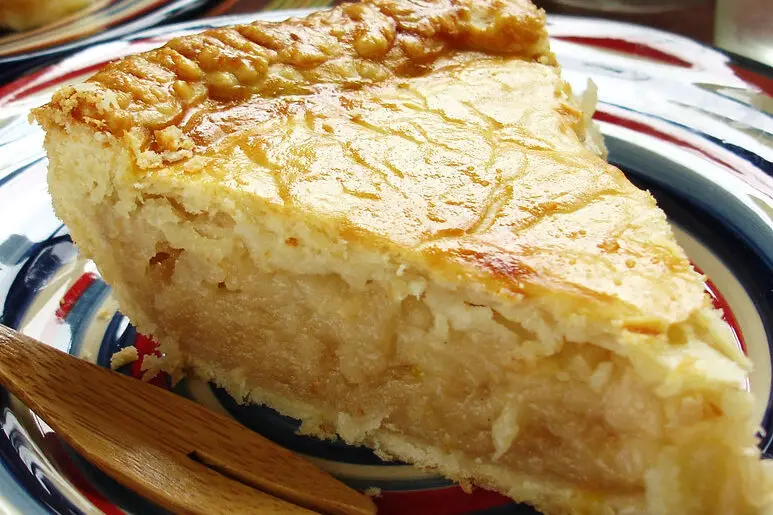
Imagine a pie that tastes exactly like cinnamon-spiced apples but contains absolutely zero fruit. During times of scarcity or when apples were out of season, ingenious home cooks used Ritz crackers to mimic the texture and flavor of the real thing. By soaking the crackers in a sugary syrup with lemon juice and cream of tartar, they created a chemical reaction that fooled the taste buds. It was a testament to the resourcefulness of the era, turning pantry staples into a convincing dessert.
A shopper today would likely find this concept baffling given that fresh apples are available in twelve varieties at any time of the year. We live in an age of global supply chains where “out of season” barely exists for most common produce. The idea of using a salty snack cracker to replace a fruit seems like an unnecessary kitchen lab experiment. While the “mock” version is surprisingly delicious, it belongs to a world where you worked with what you had, not what was shipped in.
5. Canned Whole Chicken
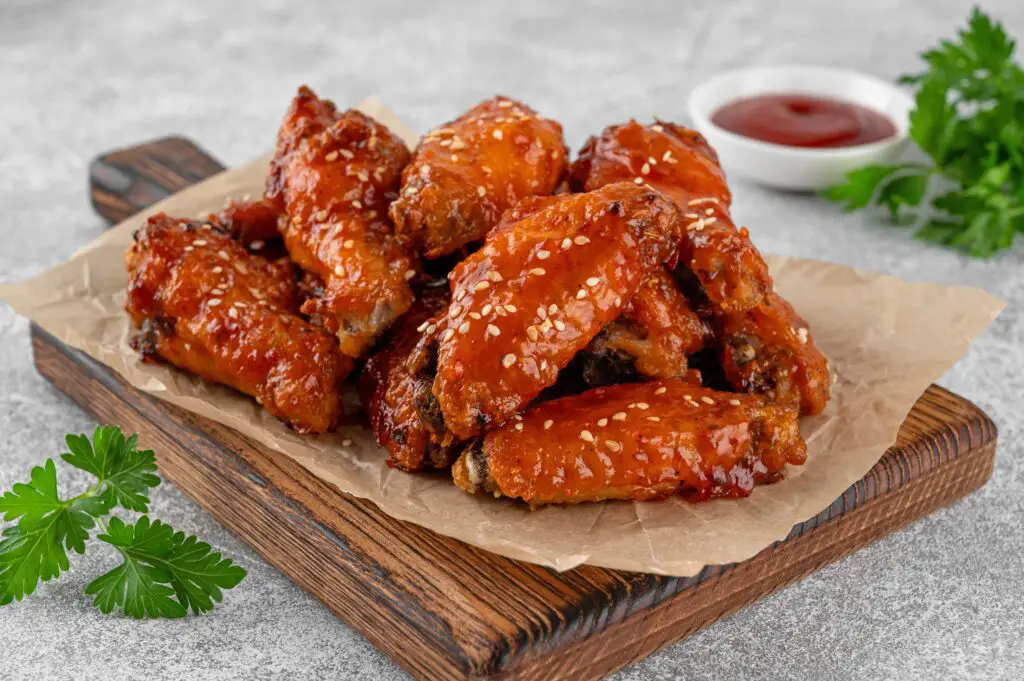
Opening a tin can and having an entire, slick, bone-in chicken slide out in a pool of clear jelly is an experience most people today aren’t prepared for. In the mid-century, this was seen as a miracle of food preservation and a massive time-saver for busy parents. You could have a “roasted” bird on the table in minutes just by popping it in the oven to brown the skin. It eliminated the need for plucking, cleaning, or even refrigerating the meat until it was ready to be eaten.
Current grocery shoppers are much more likely to grab a hot, fragrant rotisserie chicken from the deli department for a quick meal. The visual of a preserved, wet chicken encased in metal is a far cry from the “freshness” markers we look for today. We have become accustomed to seeing our poultry either raw and refrigerated or cooked and golden-brown. The canned whole chicken survives mostly as a survivalist curiosity or a nostalgic relic for those who remember the squelching sound it made.
6. Underwood Deviled Ham Sandwiches
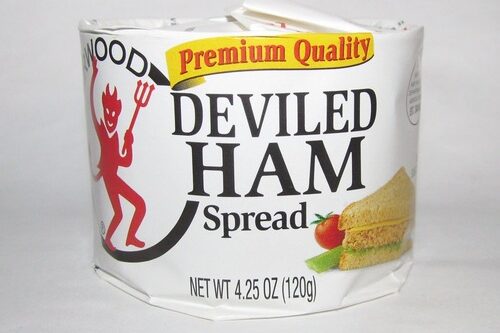
Those small, paper-wrapped cans featuring a little red devil logo were once a lunchbox powerhouse. The contents were a salty, spicy, and finely ground meat spread that looked a bit like pink pâté. You’d spread it thick on white bread, perhaps with a slice of American cheese, and call it a day. It was shelf-stable protein that didn’t require any cooking, making it the perfect solution for a quick school lunch or a fishing trip snack.
If you handed a modern child a sandwich filled with a shelf-stable meat paste today, they might ask where the ingredients list starts and ends. Today’s “handheld” meals are dominated by wraps, fresh turkey slices, or nut butters that emphasize whole ingredients. The intense saltiness and uniform texture of deviled ham feel out of step with the current preference for textures you can actually identify. It’s a very specific kind of comfort food that requires a vintage palate to truly appreciate.
7. Spaghetti-O’s with Sliced Franks
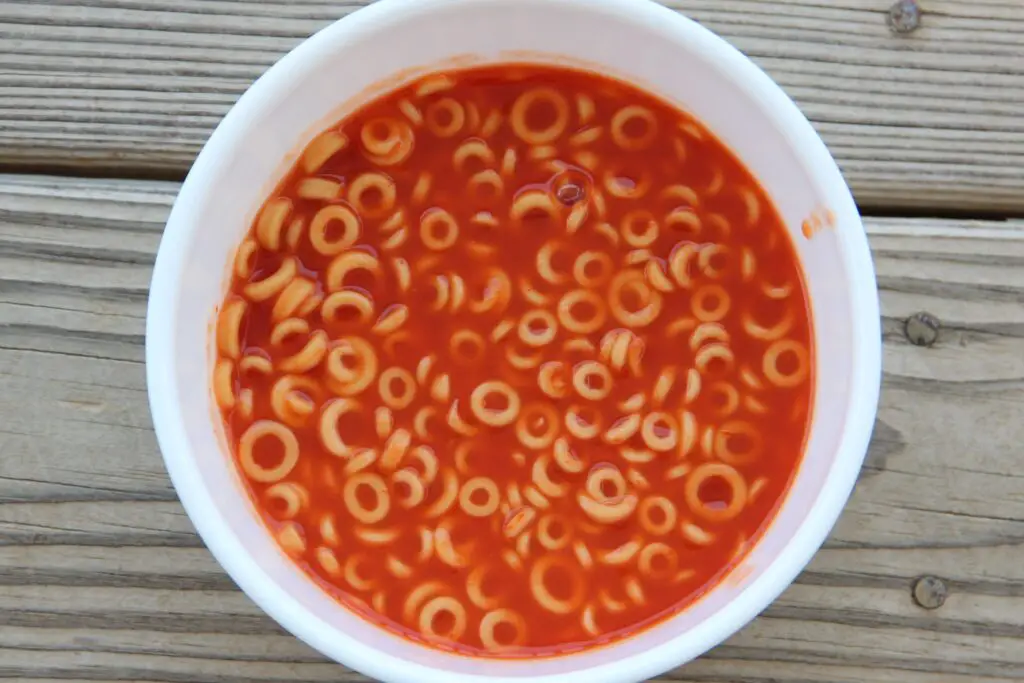
While canned pasta still exists, the specific cultural grip of the “O” with bits of hot dog was a defining childhood experience for decades. It wasn’t just a quick snack; for many, it was a legitimate dinner served with a side of buttered toast. The sauce was sweet, the pasta was incredibly soft, and the “franks” had a rubbery snap that felt high-tech at the time. It was the ultimate low-effort meal that prioritized salt, sugar, and fun shapes over any traditional Italian flavor profile.
A modern grocery shopper, particularly one focused on health, would likely wince at the sodium and sugar content in a single serving. We’ve seen a massive shift toward organic pasta sauces and whole-grain noodles even in the “quick meal” category. While the nostalgia factor keeps these cans on the shelves, they are no longer the ubiquitous family staple they once were. The idea of a meal coming entirely out of a pop-top can feels more like a camping emergency than a standard Tuesday night.
8. Fried Bologna Cake
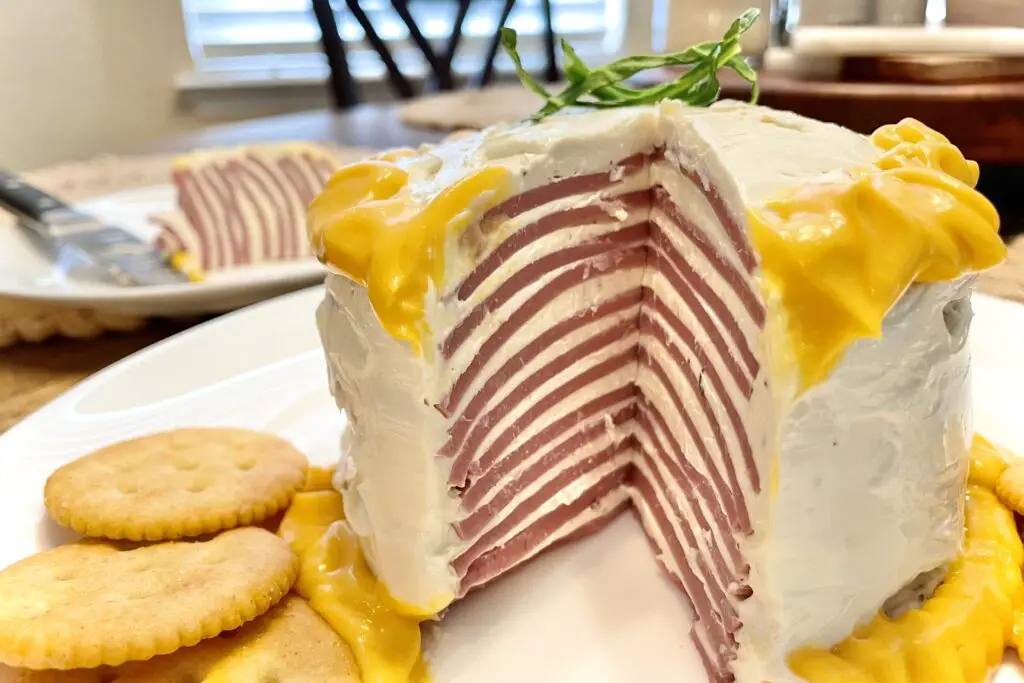
This dish is a true artifact of a time when bologna was considered a versatile primary protein rather than just a lunch meat. A “cake” was made by stacking dozens of bologna slices with layers of cream cheese and mustard in between, then “frosting” the whole thing with more cream cheese. Some families would even bake it or fry the slices individually until they curled into little edible cups. It was a salty, fatty, and decadent treat that often appeared at celebrations or family gatherings.
The modern shopper is generally more concerned with “processed meat” warnings than previous generations were. Seeing a towering stack of deli meat disguised as a dessert would likely trigger a lot of questions about cholesterol and nitrate levels. We’ve moved toward charcuterie boards featuring aged prosciutto and artisanal cheeses, which feel “fancier” even if they are fundamentally similar. The bologna cake is a unapologetically loud, processed masterpiece that modern culinary trends have mostly left behind.
9. Tuna Noodle Casserole with Crushed Chips
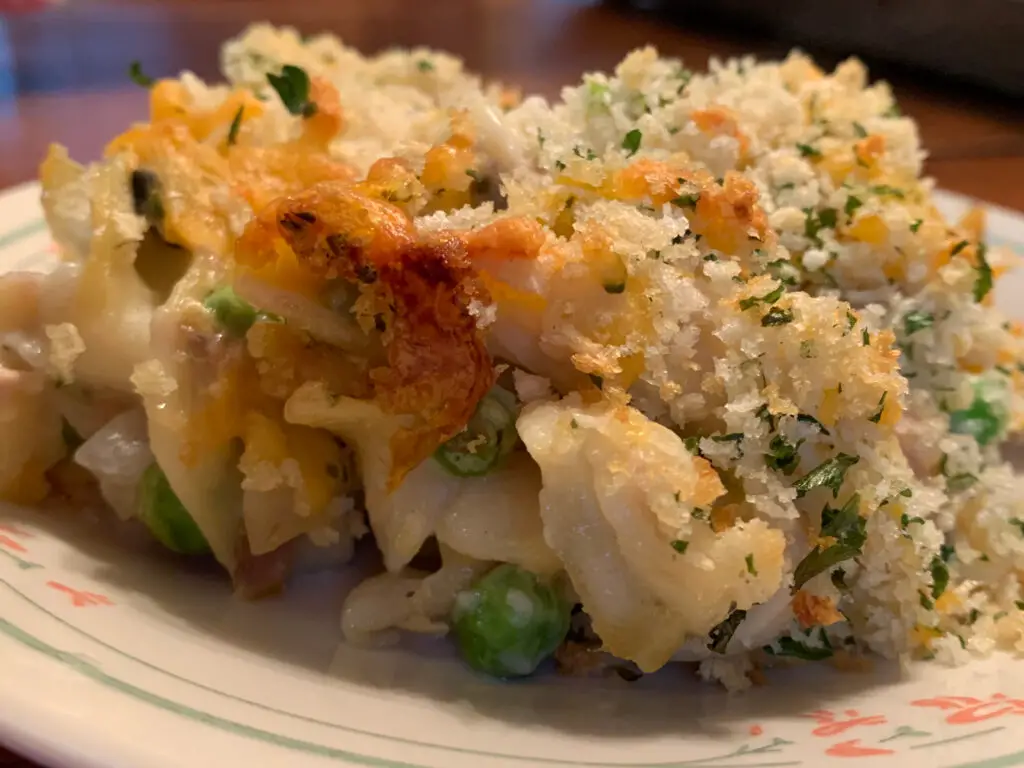
This meal was the queen of the 1970s dinner table, relying heavily on the “holy trinity” of canned tuna, cream of mushroom soup, and frozen peas. The pièce de résistance was always the topping: a thick layer of crushed potato chips or buttery crackers. It provided a crunch that contrasted with the soft, creamy interior of the egg noodles. It was a budget-friendly way to feed a large family using only items found in the pantry and the freezer.
Modern shoppers often view “cream of” soups as an ingredient to be avoided or replaced with homemade béchamel sauce. There is a much larger emphasis on fresh fish or at least high-quality jarred tuna in olive oil rather than the “chunk light” variety in water. The idea of using junk food—potato chips—as a primary cooking ingredient is also a bit of a throwback. Today, we might use panko breadcrumbs or toasted nuts, but the humble potato chip has been demoted back to a side dish.
10. Pineapple Upside-Down Cake with Maraschino Cherries
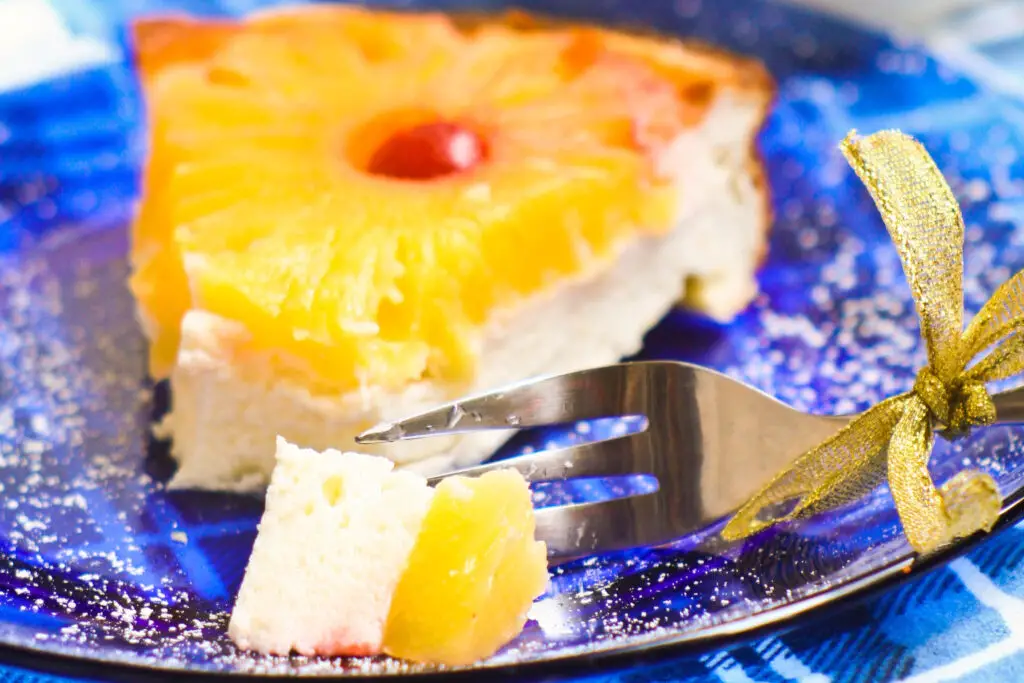
In the mid-century, the pineapple was the height of exotic flair, even if it came out of a can in heavy syrup. This cake was a spectacle, baked with the fruit on the bottom so that when it was flipped, it revealed a glowing pattern of rings and bright red cherries. The cherries were neon-colored and syrupy-sweet, providing a pop of color that looked like something out of a Technicolor movie. It was the “fancy” dessert for Sundays, despite being made largely from shelf-stable ingredients.
Today’s dessert trends lean toward “natural” colors and less refined sugars, making those neon-red cherries look a bit intimidating. A modern shopper is more likely to look for fresh, grilled pineapple or a tart featuring seasonal berries. The heavy, caramelized sugar crust and the artificial brightness of the fruit feel very specific to a time when “tinned” meant “modern.” While still delicious, it’s a dessert that feels like a costume from a 1950s sitcom.
11. Banana Salad with Mayo and Peanuts
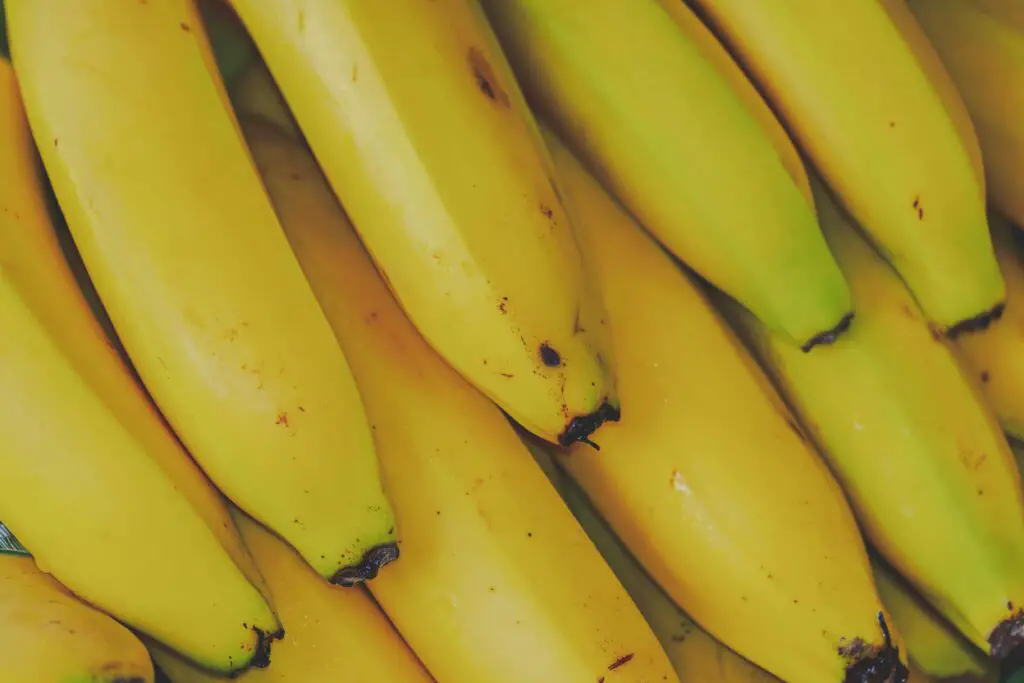
This dish sounds like a dare to a modern eater, but it was once a legitimate side dish or appetizer. It involved a peeled banana, often cut in half, slathered in a coating of mayonnaise and rolled in crushed salted peanuts. Sometimes it was served on a bed of iceberg lettuce to give it a “salad” status. It combined sweet, creamy, salty, and crunchy in a way that was surprisingly popular across the American Midwest and South.
The modern grocery shopper likely keeps mayonnaise and bananas in very separate mental compartments. We tend to view bananas as a breakfast food or a smoothie ingredient, while mayo is strictly for savory sandwiches. The combination of the two feels like a glitch in the culinary matrix to someone used to modern flavor pairings. It’s a remnant of a time when mayonnaise was used as a universal binder for almost everything in the kitchen.
12. SOS (Creamed Peas on Toast)
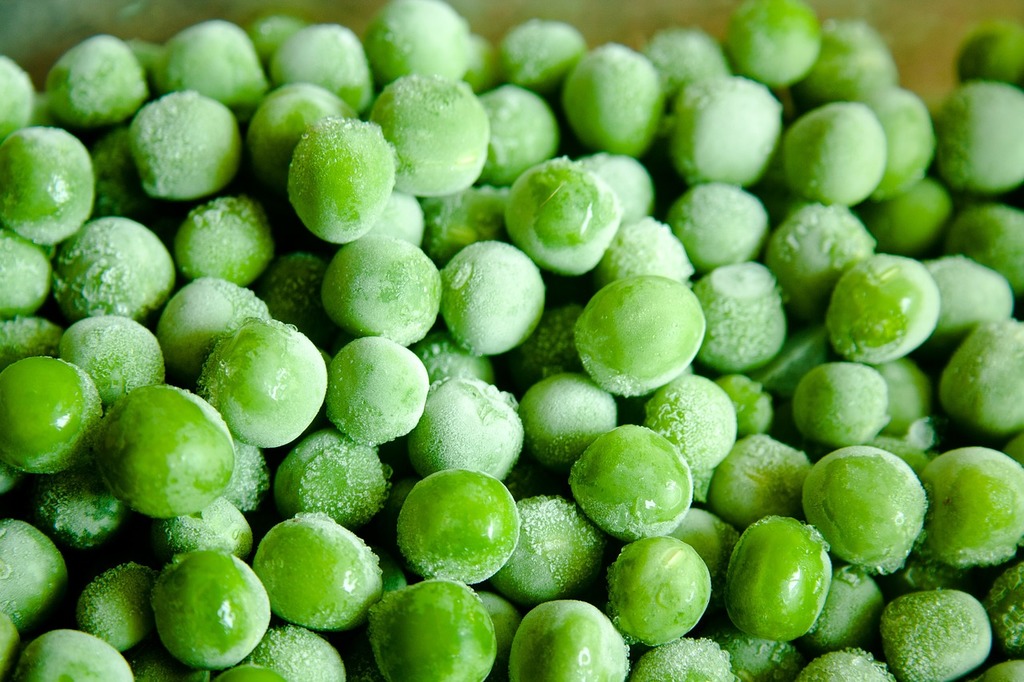
While similar to the chipped beef version, the vegetable-forward SOS was a common “end of the month” meal. It was simply a thick white gravy loaded with canned or frozen peas, poured generously over slices of toasted bread. It was warm, filling, and incredibly cheap to produce, making it a favorite for families on a tight budget. For many children, this was the primary way they consumed their greens, hidden under a blanket of salty roux.
A shopper today would likely find this meal a bit too “beige” and lacking in protein to be considered a full dinner. With the rise of the “power bowl” and nutrient-dense eating, a plate of white flour and peas feels like it’s missing a few food groups. Modern quick meals usually involve a bit more color and a lot more variety in terms of spice and texture. SOS is a humble reminder of a time when “full” was the only requirement for a successful dinner.