
1. Waking Up to the Knocker-Upper
Before the intrusive chirp of a smartphone or the mechanical clang of an alarm clock, people relied on a human knocker-upper to start their day. These dedicated individuals walked the streets of industrial towns with long bamboo sticks, tapping on bedroom windows to ensure workers made it to their shifts on time. It was a rhythmic, personal interaction that defined the early morning hours for the Victorian working class. You didn’t just wake up to a sound; you woke up to a person whose entire livelihood depended on your punctuality.
This profession required a surprising amount of precision and social trust, as the knocker-upper wouldn’t leave until they saw a sign of life. They were the original “snooze button,” though much harder to ignore than a screen. Today, we exist in a world of silent vibrations and automated alerts that lack that human touch. The morning has become a solitary struggle against a piece of plastic rather than a shared neighborhood ritual. It is a lost connection to the community that modern technology has quietly erased.
2. Hand-Washing the Heavy Linens

Laundry day used to be a grueling, all-day physical marathon that required more than just a splash of detergent. Families would spend hours hauling water, scrubbing fabrics against corrugated washboards, and wringing out heavy sheets by hand. It was a communal activity, often done at local streams or shared wash-houses, where news and gossip were traded over the steam. The physical toll was immense, leaving hands raw and backs aching by sunset. It forced a deep appreciation for the textiles that clothed the family.
Now, we simply toss a pod into a machine and walk away, barely thinking about the mechanics of cleanliness. The tactile relationship we had with our garments has been replaced by the hum of an appliance. We no longer wait for a sunny day to ensure the heavy linens dry properly on a line. Instead, the convenience of the dryer has disconnected us from the rhythm of the weather. While our skin is certainly better for it, the social fabric of the shared laundry day has vanished entirely.
3. Walking the Neighborhood Milk Run

There was a time when the morning air was filled with the clink of glass bottles being swapped on the front porch. The milkman was a staple of the daily routine, delivering fresh dairy directly from local farms before the sun was fully up. This wasn’t just a delivery service; it was a reliable cycle of reuse and sustainability that functioned perfectly without modern plastic. Families would leave out empty bottles, and the milkman would replace them with full ones, often knowing exactly how much each household needed. It was a quiet, dependable choreography that happened while the world slept.
In our current era, we trudge to massive supermarkets to buy milk in plastic jugs that sit on shelves for weeks. The personal relationship with the producer is gone, replaced by long supply chains and industrial refrigeration. We’ve traded the charm of the glass bottle for the convenience of the grocery run. There is no longer a familiar face making sure you have enough cream for your morning coffee. The milk run has been swallowed by the efficiency of the big-box store.
4. Writing Letters by Candlelight
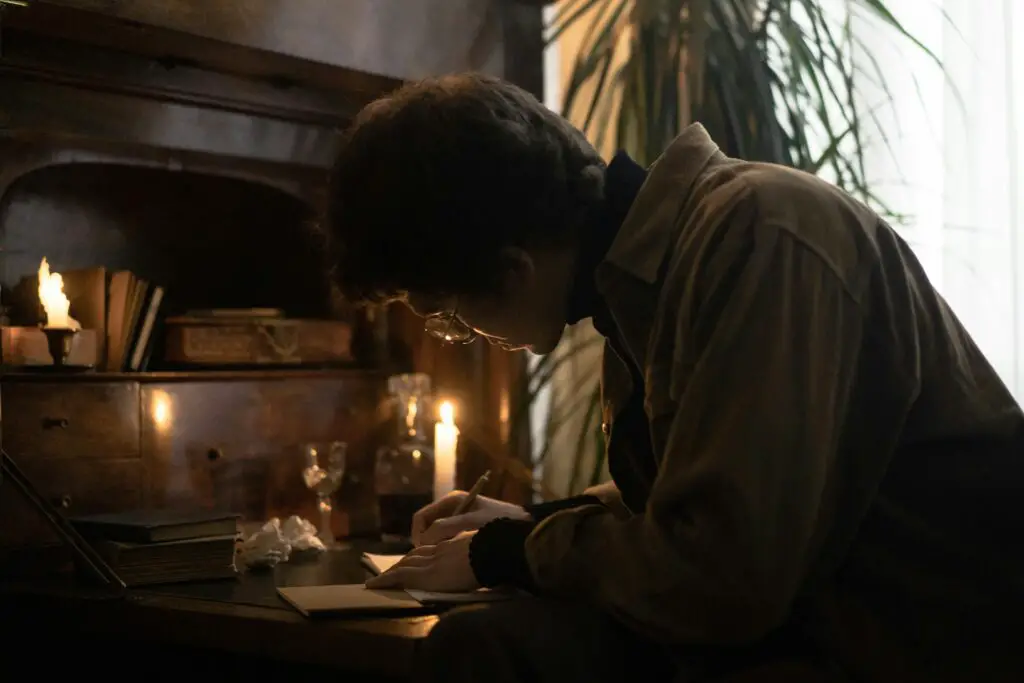
The evening routine once centered around the slow, deliberate act of putting pen to paper. Without the distraction of television or the internet, people spent their quiet hours composing long letters to friends and distant relatives. This was a dedicated time for reflection, requiring focus and a certain level of artistry in one’s penmanship. The smell of ink and the texture of the stationery made the process a sensory experience. It was the primary way to maintain emotional bonds across the miles.
Today, we fire off rapid-fire texts and emails without a second thought to the craft of communication. The patience required to wait weeks for a reply has been replaced by the anxiety of the “read” receipt. We no longer have a dedicated hour for deep thought; we have seconds stolen between other tasks. Our words have become disposable, often lacking the weight and permanence of a handwritten note. The intimate ritual of the evening letter has been lost to the digital void.
5. Gathering for the Evening Radio Play
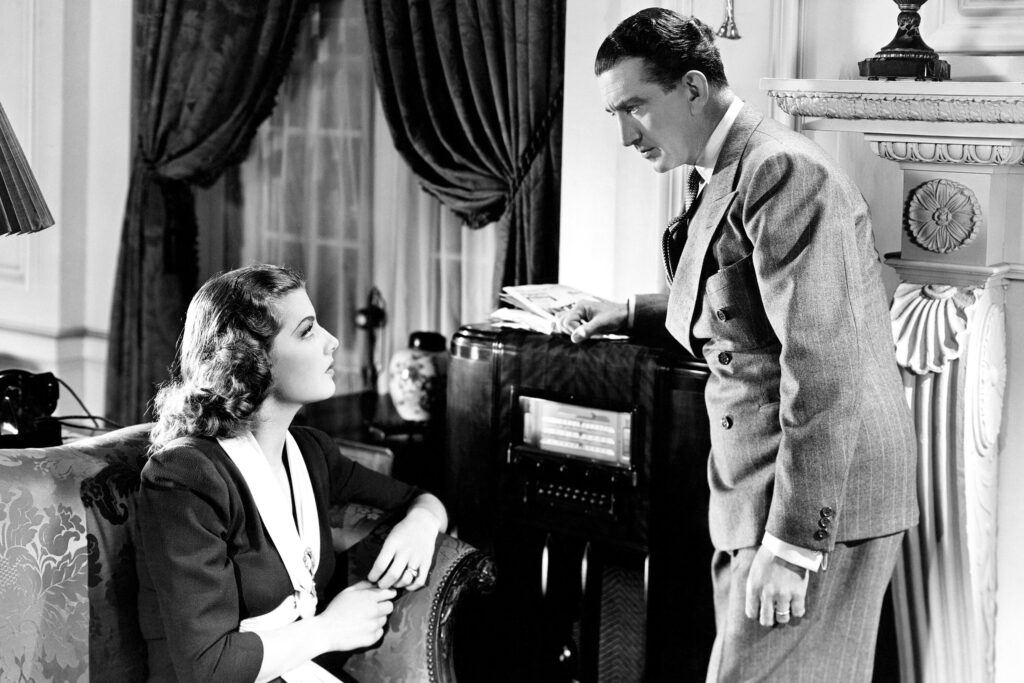
Before every home had a screen in every room, the radio was the undisputed hearth of the household. Families would gather in the living room, physically turning toward the speakers to catch the latest episode of a serialized drama or a comedy show. It required a collective imagination, as everyone visualized the characters and settings based only on sound effects and voices. This was a shared cultural moment where everyone was tuned into the same frequency at the exact same time. It created a sense of unity that transcended the individual members of the family.
Now, we consume media in total isolation, often wearing noise-canceling headphones to block out the people sitting right next to us. On-demand streaming has killed the “appointment viewing” that once brought people together in the evening. We watch what we want, when we want, which has shattered the communal experience of storytelling. The living room has shifted from a place of shared focus to a space where everyone stares at their own private screen. We have more content than ever, but less shared magic.
6. The Daily Visit to the Butcher and Baker
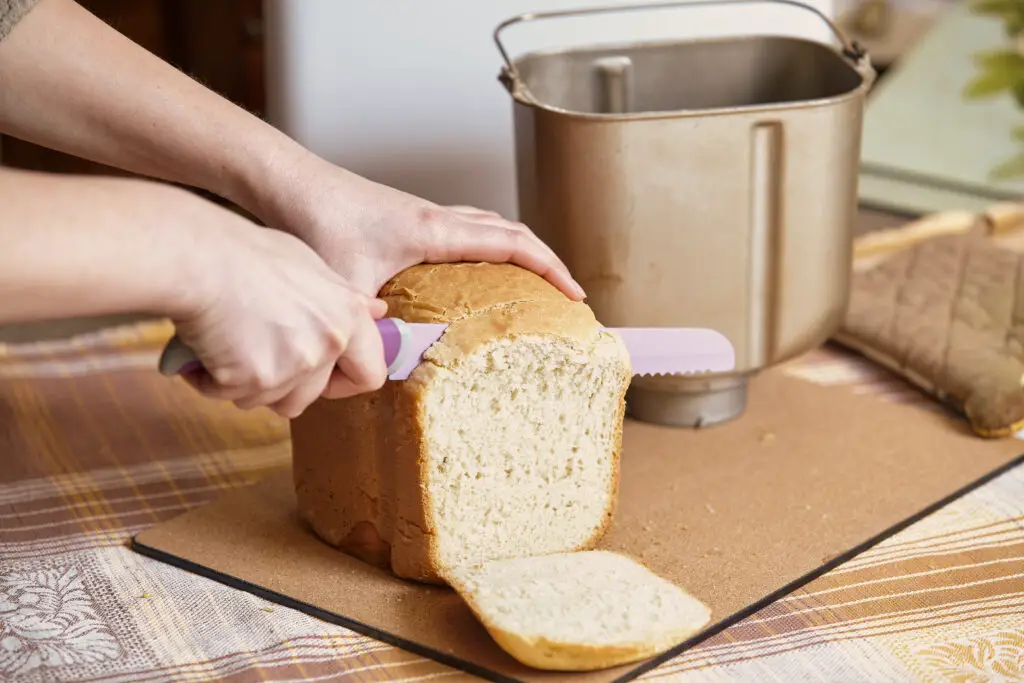
Feeding a family used to involve a series of small, daily errands to specialized local shops. You didn’t buy a week’s worth of processed goods in one go; you bought what was fresh for that evening’s meal. The baker knew which loaf you preferred, and the butcher would suggest the best cut of meat based on your budget. These interactions were the heartbeat of the local economy and provided a sense of belonging. You were a neighbor first and a customer second, navigating a landscape of familiar faces.
Modern life has condensed these meaningful stops into a single, sterile trip to a warehouse-sized supermarket. We push metal carts through aisles of pre-packaged food, rarely speaking to a single human being. The art of the daily shop has been replaced by the “big haul,” prioritizing volume over freshness and connection. We no longer know where our bread was baked or who trimmed the fat from our steak. The neighborhood stroll has been traded for a frantic drive through a congested parking lot.
7. Hand-Churning the Family Butter
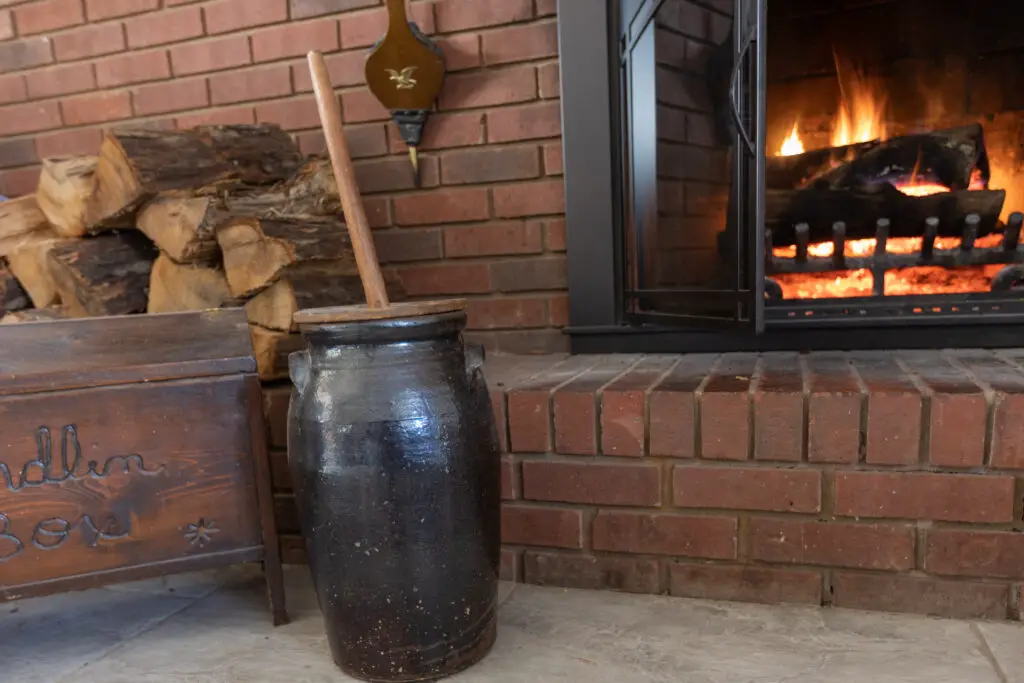
In rural households, making butter was a rhythmic, almost meditative daily chore that required steady physical effort. Someone, often a child or the mother, would sit with a wooden churn for an hour or more, moving the dasher up and down. It was a lesson in patience and the transformative power of manual labor. You could feel the texture change as the cream thickened and finally broke into golden clumps. This was a fundamental part of the diet that was created entirely within the home.
Today, butter is a cheap commodity wrapped in foil that we grab from a refrigerated case without a thought. The physical connection to the food we eat has been almost entirely severed by industrial processing. Most people have never seen cream turn to solids, let alone felt the resistance of a churn. We save time, certainly, but we’ve lost the satisfaction of tasting something that required our own sweat to produce. The churn has become a decorative antique rather than a functional tool of the kitchen.
8. Polishing the Family Silver and Brass
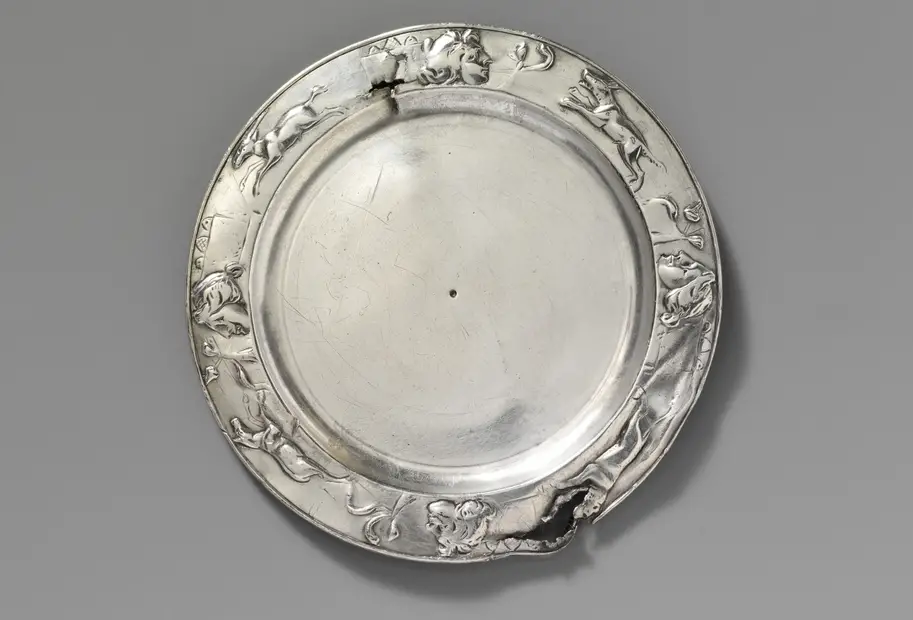
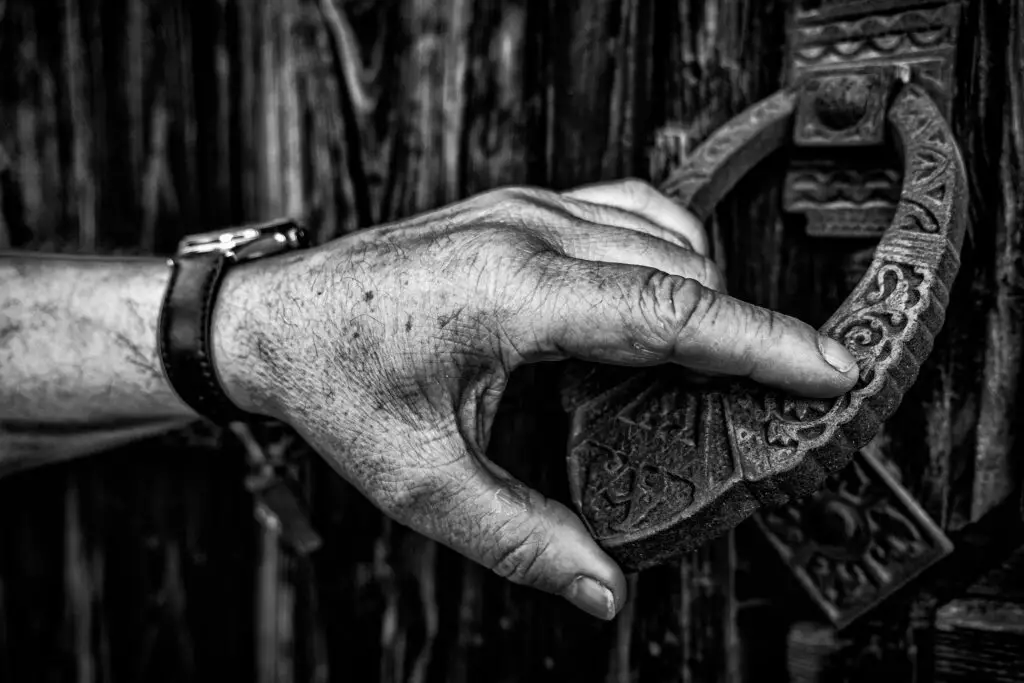
Maintaining a home used to involve a strict schedule of polishing and shining the household’s metal goods. Silverware, candlesticks, and brass door knockers required regular attention to keep the tarnish at bay. This was a slow, methodical task that forced a person to sit and care for their possessions. It was a mark of pride to have a gleaming home, reflecting a sense of order and respect for one’s belongings. The smell of metal polish was a familiar scent in many households on a Saturday morning.
In the age of stainless steel and disposable plastics, we rarely own anything that requires such dedicated maintenance. Our objects are designed to be low-maintenance and, eventually, replaceable. We don’t spend hours buffing the same spoons our grandparents used; we buy new ones when the old ones look dull. This shift has made our relationship with our “stuff” much more superficial and fleeting. The ritual of care has been replaced by the convenience of the maintenance-free lifestyle.
9. Sitting for a Professional Family Portrait

Long before the era of the selfie, getting a family photograph was a rare and formal event that required a trip to a professional studio. Everyone dressed in their absolute best, and children were told to stay perfectly still for long exposure times. It was a serious occasion because the resulting image would likely be the only one taken for several years. This created a sense of weight and importance around the family’s visual history. The photograph wasn’t just a picture; it was a physical heirloom to be framed and cherished.
Now, our phones are overflowing with thousands of candid, blurry, and often meaningless snapshots. We take photos of our lunches, our pets, and ourselves in the mirror, but the gravity of the image is gone. Because photography is free and instant, we no longer value the composition or the moment as much as we once did. Those formal studio visits represented a family’s desire to be remembered at their very best. Today, we are documented constantly, but the “specialness” of the portrait has vanished.
10. The Evening Walk to See the Neighbors

After dinner, it was once standard practice to take a slow stroll through the neighborhood specifically to greet people. Families would sit on their front porches or lean over fences, and the evening walk served as the local news network. You would learn about a new baby, a job change, or a garden success just by moving through the streets. It was an unstructured, organic way to maintain the social fabric of a town. People were accessible, and the “front porch culture” kept the community feeling safe and connected.
Modern life has moved the “porch” to the backyard or, more likely, inside behind a locked door and a security system. We have air conditioning to keep us indoors and high fences to keep the neighbors out. Our social interactions are now curated through apps, where we see “updates” rather than seeing faces. The spontaneous chat over a hedge has been replaced by a digital comment or a “like.” We’ve gained privacy, but we’ve lost the effortless intimacy of the neighborhood walk.
11. Darning Socks and Mending Clothes
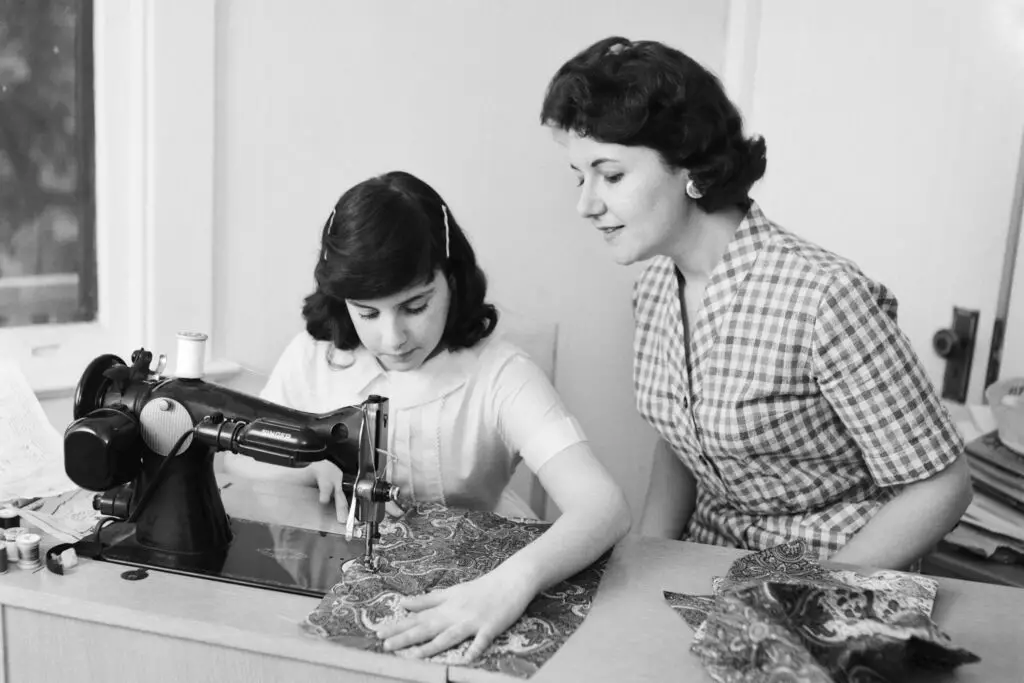
When a hole appeared in a sock or a seam ripped in a shirt, the immediate response was to fix it. Darning was a common skill, involving a wooden “egg” and a needle to weave new threads across a gap. People spent their evenings under a lamp, carefully extending the life of their wardrobe through meticulous repair. This reflected a culture of “make do and mend,” where resources were precious and nothing was wasted. A well-mended garment was a sign of a thrifty and capable household.
Fast fashion has turned clothing into a disposable resource that is often cheaper to replace than to repair. Most people today wouldn’t even know how to hold a darning needle, let alone have the patience to use one. We’ve lost the habit of looking at our clothes as items worth saving for the long haul. When something breaks, it goes in the trash, and we order a replacement with a single click. The quiet, focused art of mending has been replaced by the cycle of endless consumption.
12. Learning by Rote and Recitation

The daily school routine once involved a heavy emphasis on memorization and the public recitation of facts, poems, and historical dates. Students would stand at their desks and speak in unison, embedding information deep into their long-term memory. This wasn’t just about facts; it was about training the brain to hold and recall complex information without external help. You carried your education inside your head, ready to be used at a moment’s notice. It created a shared body of knowledge that everyone in the community could reference.
Today, we rely on “the cloud” to remember almost everything for us, from phone numbers to historical timelines. We don’t memorize poems because we can Google them in three seconds on our devices. Our cognitive habits have shifted from storage to search, making our internal knowledge banks feel much shallower. While we have access to more information, we arguably “know” less of it by heart. The rhythmic, collective sound of a classroom in recitation has been silenced by the tap of a keyboard.
13. Winding the Clocks Every Morning
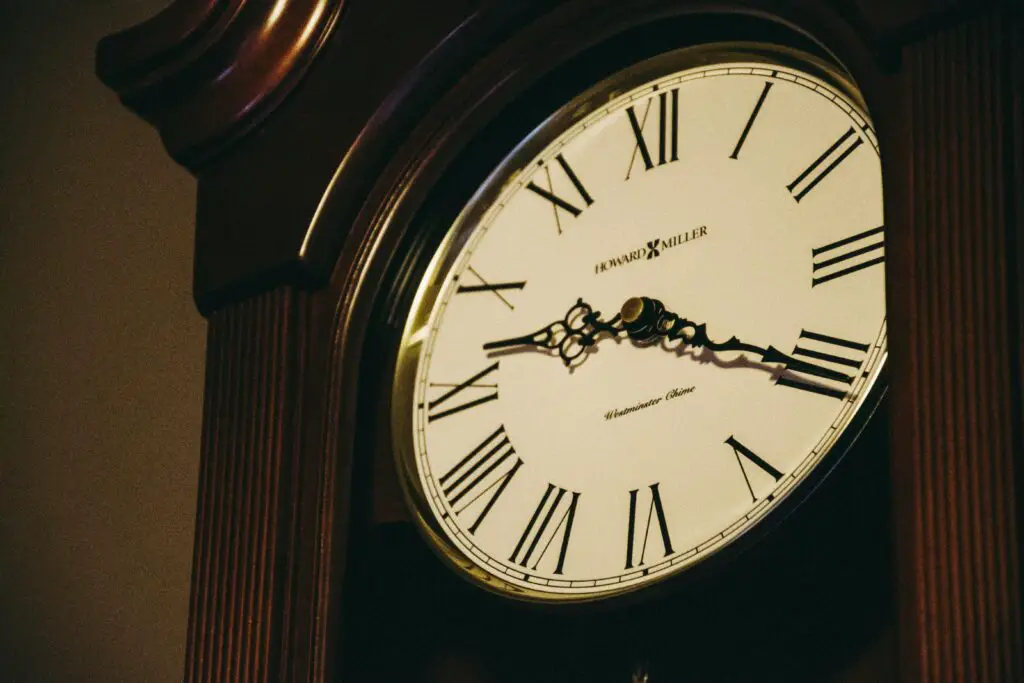
Before the advent of quartz movements and digital displays, the home was filled with the ticking of mechanical clocks that required daily winding. It was often the task of the head of the household to go from room to room with a small key. This ritual kept the family in sync with the rest of the world and served as a reminder of the passage of time. If you forgot to wind the clock, the house literally fell out of time. It was a small but vital responsibility that connected the family to the physics of the day.
We now live in a world of perfectly synchronized, self-updating digital timepieces that never need our attention. Time has become something that happens to us automatically rather than something we have to actively maintain. We no longer hear the steady “heartbeat” of a mechanical pendulum in the hallway. The act of winding a clock gave people a moment of pause to consider the hours ahead. Now, time just flows by in a seamless, invisible stream of digits.