
1. Nellie Bly
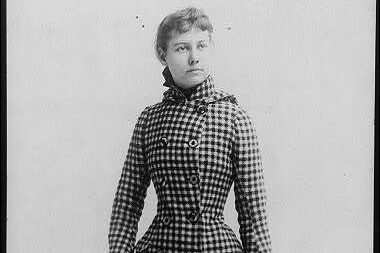
Nellie Bly was the ultimate pioneer of investigative journalism, famously checking herself into an asylum to expose its horrors. She didn’t just write about the world; she raced around it in a record-breaking 72 days, beating the fictional Phileas Fogg. In the late 19th century, her name was synonymous with courage and the power of the press. She forced society to look at the “unpleasant” parts of life that most people preferred to ignore.
Today, her name usually only pops up in journalism history books or niche documentaries. It is a bit tragic because she paved the way for every undercover reporter you see on the news. Her audacity to challenge powerful institutions as a woman in the 1880s was practically unheard of. While her legacy lives on through modern reporting, the woman herself has faded into a historical footnote for many.
2. Charles Proteus Steinmetz
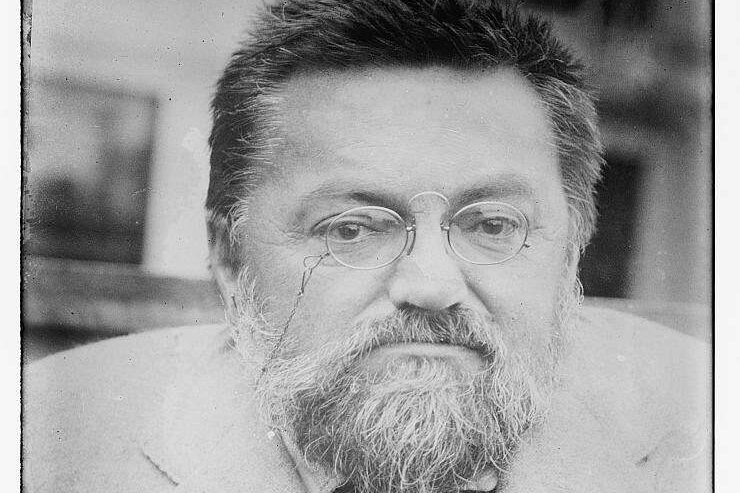
Charles Steinmetz was the “Wizard of Schenectady” and a literal giant in the world of electrical engineering. He was the man who figured out the mathematics of alternating current, which is why your lights stay on today. Despite being born with a physical deformity, his brilliant mind made him a celebrity scientist who hung out with Einstein and Tesla. People used to marvel at his ability to solve impossible technical problems with a simple chalk mark.
Now, most people couldn’t pick him out of a lineup or even tell you what he contributed to science. We benefit from his theories every single time we plug a device into a wall outlet, yet his name has slipped away. He was a quirky, cigar-smoking genius who lived a life full of fascinating contradictions. It’s a shame his fame didn’t survive the transition into the digital age he helped make possible.
3. Hedy Lamarr
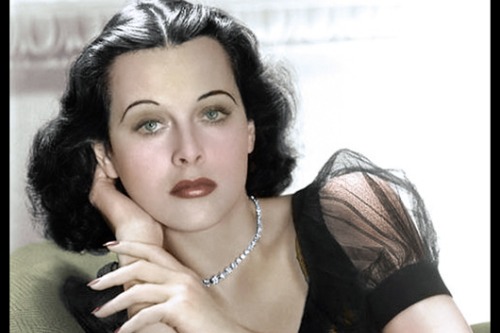
Hedy Lamarr was once called the most beautiful woman in the world during the Golden Age of Hollywood. She starred in classics like Algiers and Samson and Delilah, captivating audiences with her incredible screen presence. However, she was far more than just a glamorous actress; she was a brilliant self-taught inventor. During World War II, she co-developed a frequency-hopping signal that could prevent radio-controlled torpedoes from being jammed.
Despite her genius, the world mostly remembered her for her face rather than her brain for decades. That frequency-hopping technology eventually became the foundation for modern Wi-Fi, Bluetooth, and GPS. It’s wild to think that we use her invention every hour of every day without knowing her name. She died before she truly received the mainstream credit she deserved for her scientific contributions.
4. Ignaz Semmelweis
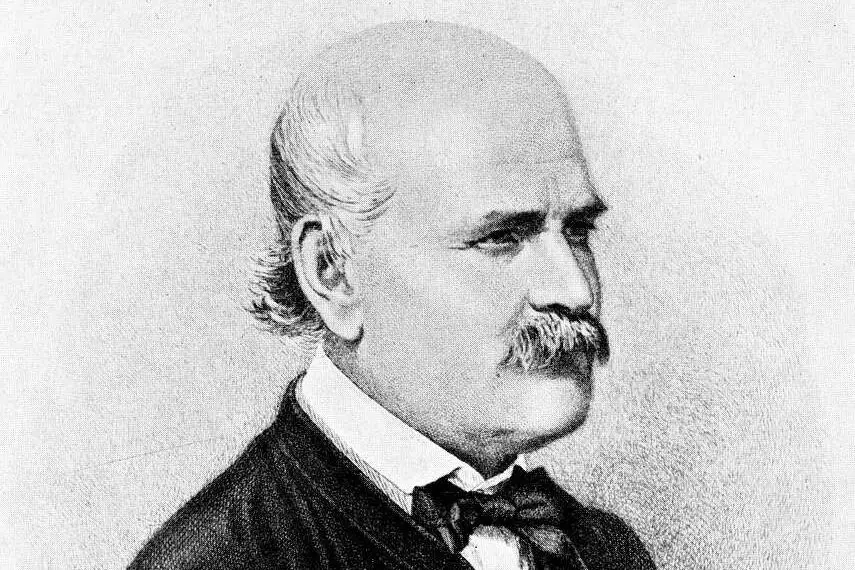
Ignaz Semmelweis was a Hungarian physician who is now known as the “savior of mothers.” Back in the mid-1800s, he discovered that hand-washing could drastically reduce the number of deaths in maternity wards. At the time, doctors were going from autopsies straight to delivering babies without cleaning their hands. His observations were revolutionary and could have saved thousands of lives immediately if people had listened.
Unfortunately, the medical community of his time thought he was crazy and mocked his suggestions. He was eventually committed to a mental asylum, where he died from an infection after being beaten by guards. It took years after his death for the “germ theory” to prove him right and revolutionize medicine. Now, we all wash our hands instinctively, but Semmelweis remains a tragic figure mostly forgotten by the public.
5. Bessie Coleman
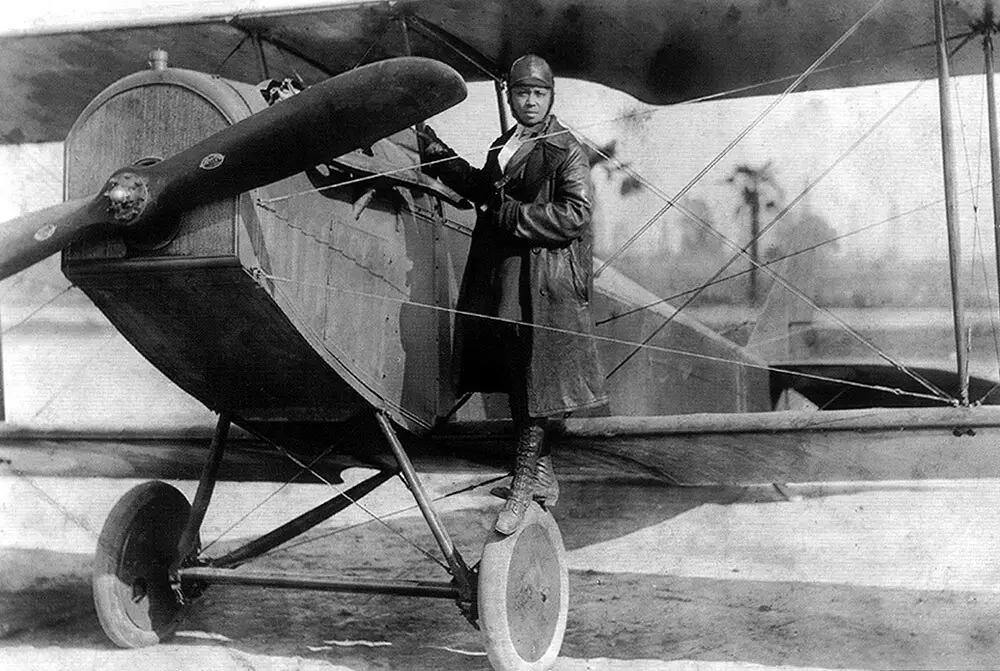
Bessie Coleman was the first African American and Native American woman to hold a pilot’s license. Since no flight school in the United States would accept her, she learned French and moved to France to earn her wings. She returned home as a sensation, performing daring aerial stunts for crowds that were often segregated. She was a symbol of pure determination who refused to let “no” be the final answer.
Her career was tragically cut short by a plane crash, which might be why she isn’t as famous as Amelia Earhart. Coleman broke barriers long before the Civil Rights Movement gained its famous 20th-century momentum. She wanted to open a flight school for black pilots to ensure others wouldn’t have to travel across the ocean. While she inspired a generation of aviators, her name rarely makes it into mainstream history lessons anymore.
6. Norman Borlaug
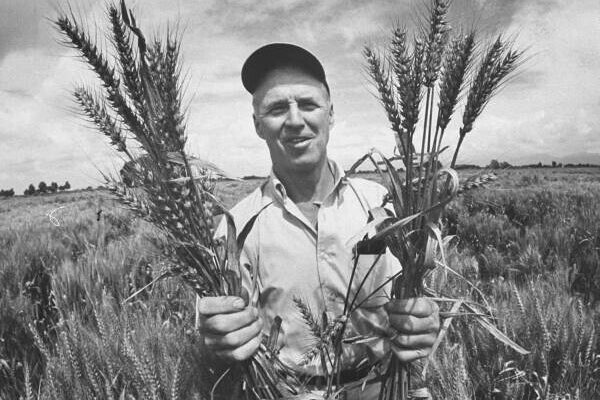
Norman Borlaug is arguably the most important person you’ve never heard of in your life. He was a biologist who led the “Green Revolution,” developing high-yield, disease-resistant wheat varieties. His work is credited with saving over a billion people from starvation in places like India, Pakistan, and Mexico. He won the Nobel Peace Prize in 1970 for his tireless efforts to feed a rapidly growing global population.
Despite saving more lives than perhaps any other human in history, his name isn’t exactly a household word. We take for granted the abundance of food on our grocery shelves, often forgetting the scientific labor behind it. Borlaug was a humble man who spent his life in the dirt, working to solve the world’s most basic problem. It is a strange quirk of history that we remember conquerors but often forget the healers.
7. Ada Lovelace
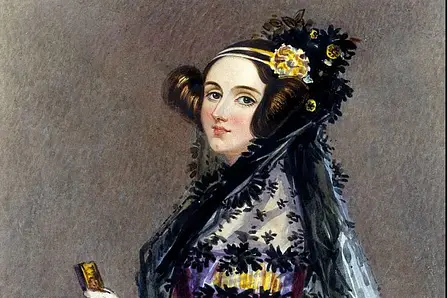
Ada Lovelace was the daughter of the poet Lord Byron, but she traded verses for variables and mathematics. She worked closely with Charles Babbage on his “Analytical Engine,” which was a mechanical general-purpose computer. Lovelace was the first to realize that the machine could do more than just pure calculation. She wrote what is widely considered the first computer program, imagining a world where machines could create music or art.
For over a century, she was largely remembered only as a Victorian socialite with a famous father. It wasn’t until the dawn of the computer age that historians rediscovered her visionary notes and realized her brilliance. She saw the potential of computing a hundred years before the hardware actually caught up to her ideas. While tech circles celebrate her now, she still isn’t a name the average person recognizes on the street.
8. Vasili Arkhipov
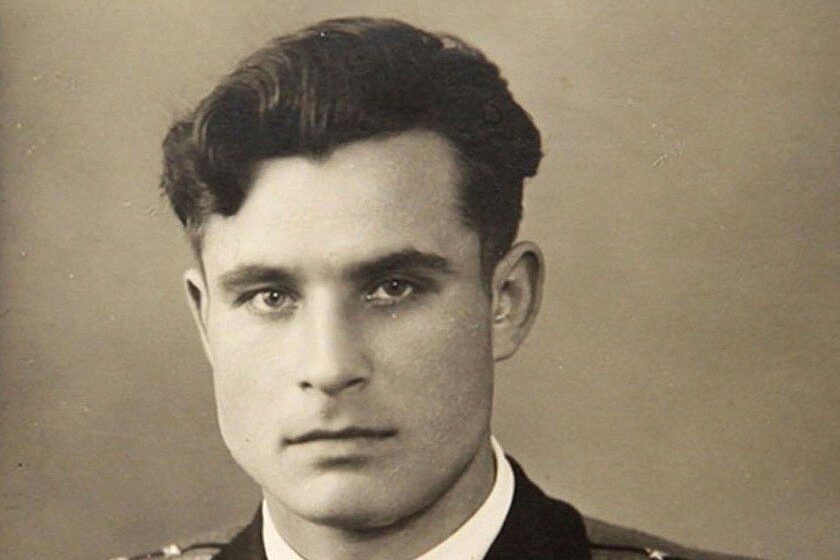
Vasili Arkhipov was a Soviet naval officer who arguably prevented World War III during the Cuban Missile Crisis. He was aboard a submarine that was being targeted by “practice” depth charges from the U.S. Navy. The captain of the sub, thinking war had already started, wanted to launch a nuclear torpedo at the American fleet. According to Soviet protocol, all three senior officers on board had to agree to the launch.
Arkhipov was the only one who refused to give his consent, staying calm while everyone else panicked. If he had said yes, the world would have likely descended into a full-scale nuclear winter. He chose peace in a moment of extreme tension, yet he died in 1998 without much fanfare or global recognition. Most people don’t realize they owe their existence to this one man’s steady nerves on a hot, cramped submarine.
9. Claudette Colvin
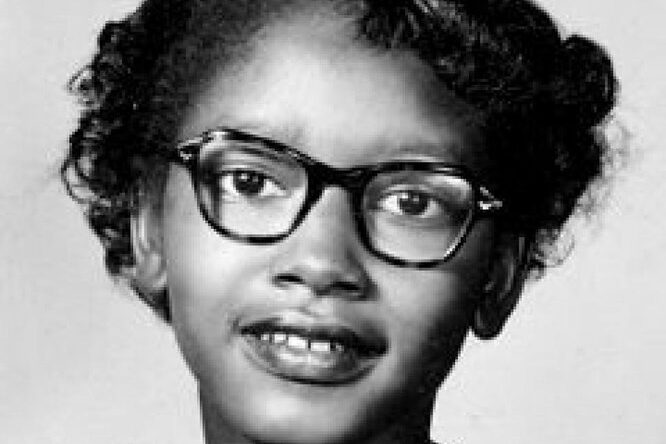
Most people know the story of Rosa Parks, but Claudette Colvin did the exact same thing nine months earlier. At just 15 years old, she refused to give up her seat to a white woman on a crowded bus in Montgomery. She was arrested and dragged off the bus, well before the movement had organized its most famous protests. She was a brave teenager who stood up for her rights when the risks were incredibly high.
The leaders of the movement at the time felt that a pregnant teenager wasn’t the right “face” for the legal challenge. As a result, Rosa Parks was chosen to be the catalyst for the famous bus boycott that followed. Colvin’s contribution was largely overshadowed and tucked away in the archives of the Civil Rights Movement. She is still alive today, but her role in history is only recently being rediscovered by the general public.
10. Sybil Ludington
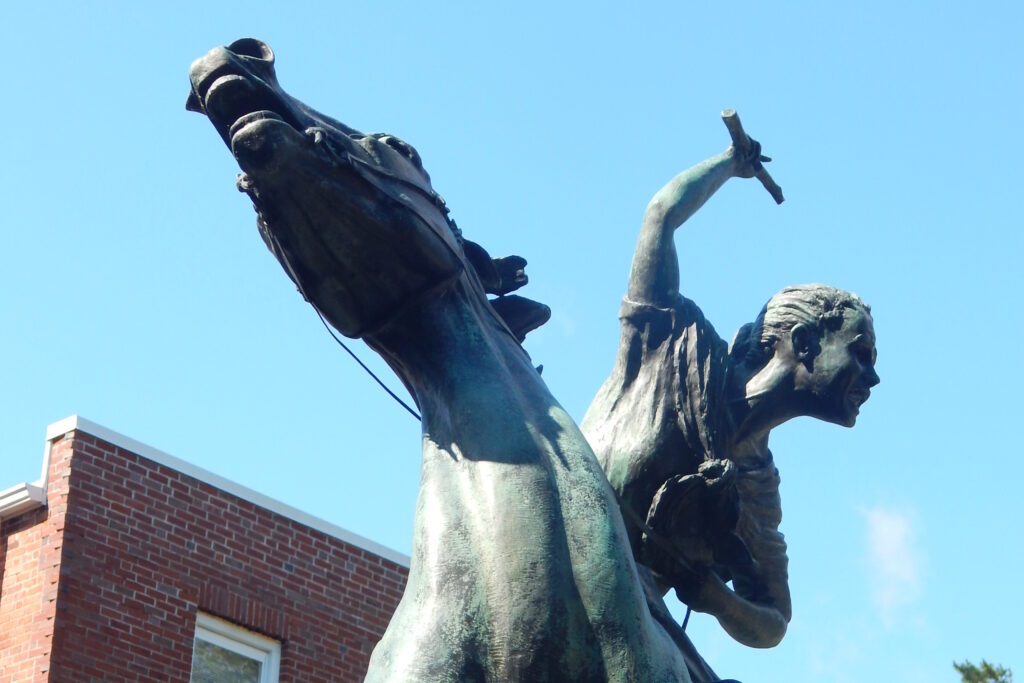
Everyone knows about Paul Revere’s midnight ride, but Sybil Ludington’s journey was twice as long and she was only 16. In 1777, she rode 40 miles through the pouring rain to warn the colonial militia that the British were burning Danbury. She navigated dark, dangerous woods alone on horseback to ensure the soldiers were ready for the coming fight. Her bravery was instrumental in gathering the forces that eventually repelled the British troops.
While Revere became a legend thanks to a famous poem, Ludington’s ride was largely forgotten by the masses. She didn’t have a Longfellow to immortalize her name in a catchy rhyme that every schoolchild learns. She went back to a quiet life after the war, and her story remained a local legend for far too long. It’s a classic case of how history chooses its heroes based on who tells the best story afterward.
11. Dr. Elizabeth Blackwell
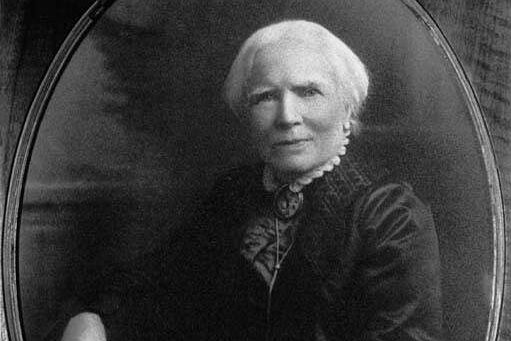
Elizabeth Blackwell was the first woman to receive a medical degree in the United States, and she had to fight for every inch of it. She was originally admitted to Geneva Medical College as a joke by the student body, who thought her application was a prank. Once she arrived, she faced intense hostility from both her peers and the local townspeople who found her presence scandalous. She persevered anyway, graduating at the top of her class in 1849.
Despite her qualifications, she struggled to find work because no hospital would hire a female physician. She eventually opened her own infirmary to treat the poor and provided a place for other women to train in medicine. Her life was a constant battle against the “status quo” of the Victorian era. Though she changed the face of healthcare forever, she isn’t often mentioned alongside the “great” doctors of history.
12. Bayard Rustin
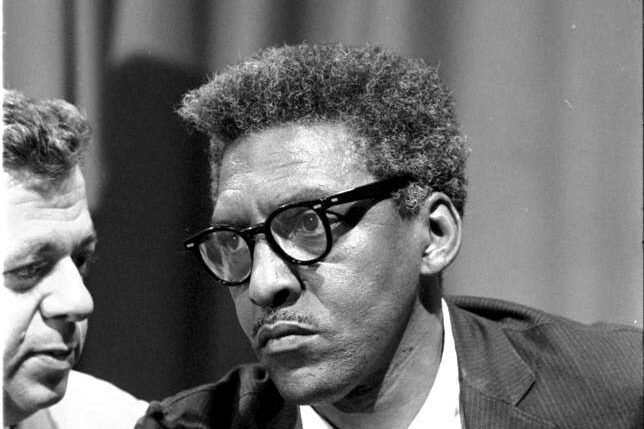
Bayard Rustin was a master strategist and the primary organizer of the 1963 March on Washington. He was the man who taught Martin Luther King Jr. about the principles of nonviolent resistance and helped shape the movement’s philosophy. Rustin was a logistical genius who managed to coordinate 250,000 people and a massive media presence without the help of the internet. He was the “engine” behind some of the most iconic moments in American history.
However, because he was an openly gay man during a very conservative time, he was often forced into the shadows. Critics of the movement used his personal life to try and discredit the cause, so he intentionally kept a low profile. This led to him being largely erased from the popular narrative of the Civil Rights era for decades. Only in recent years has he begun to receive the posthumous credit for the monumental work he did.
13. Rosalind Franklin
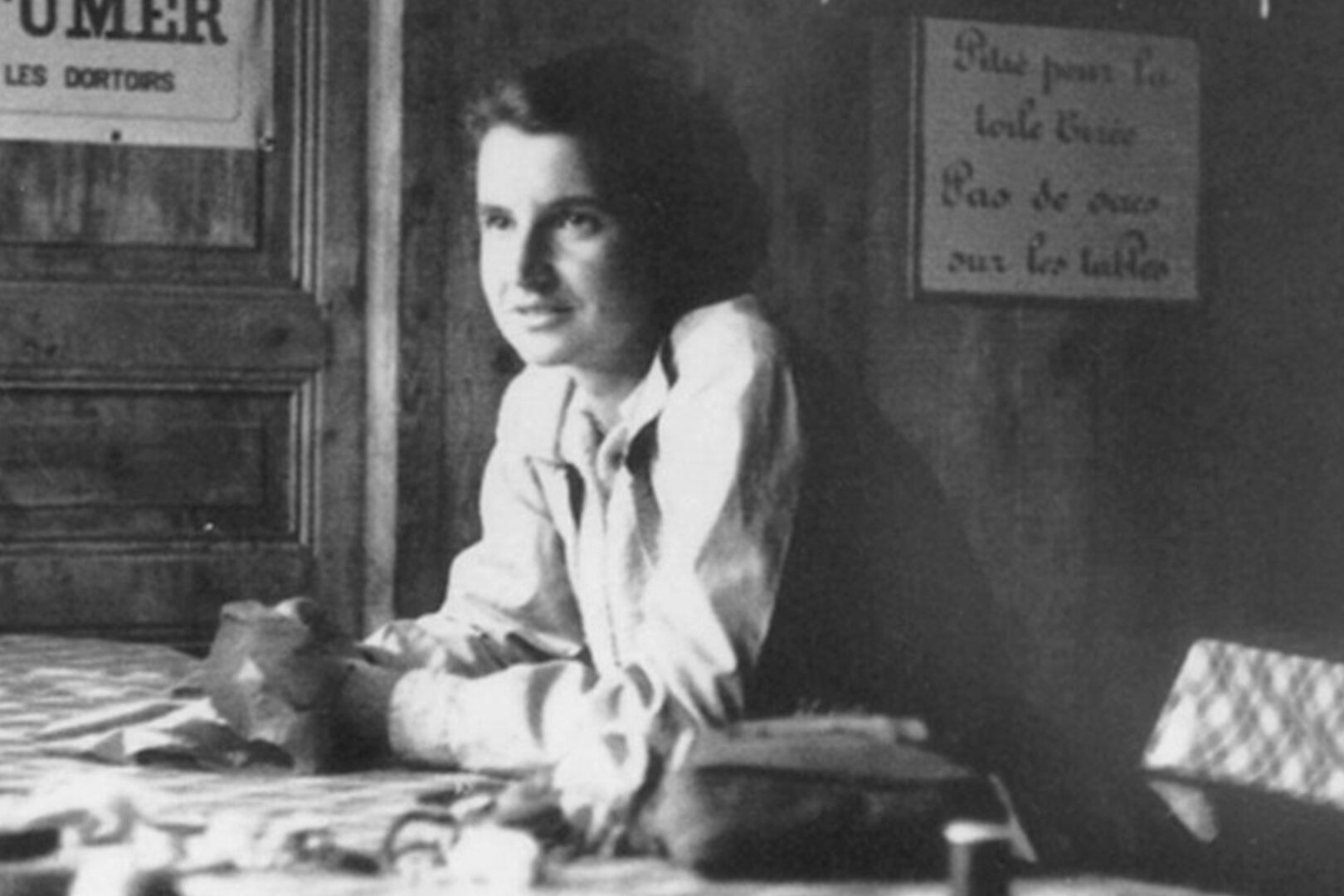
Rosalind Franklin was a chemist and X-ray crystallographer who played a crucial role in discovering the structure of DNA. Her “Photo 51” was the clearest evidence of the double helix, and it was shown to Watson and Crick without her permission. That data was the “missing piece” they needed to complete their famous model of the genetic code. While they went on to win the Nobel Prize, Franklin’s contribution was largely minimized at the time.
She died of ovarian cancer at the age of 37, just a few years before the Nobel was awarded. Since the prize isn’t given posthumously, she was left out of the official accolades that her male colleagues received. For a long time, she was portrayed in books as a difficult assistant rather than the brilliant scientist she was. It has taken decades of advocacy to ensure her name is mentioned in the same breath as DNA research.
14. Robert Smalls
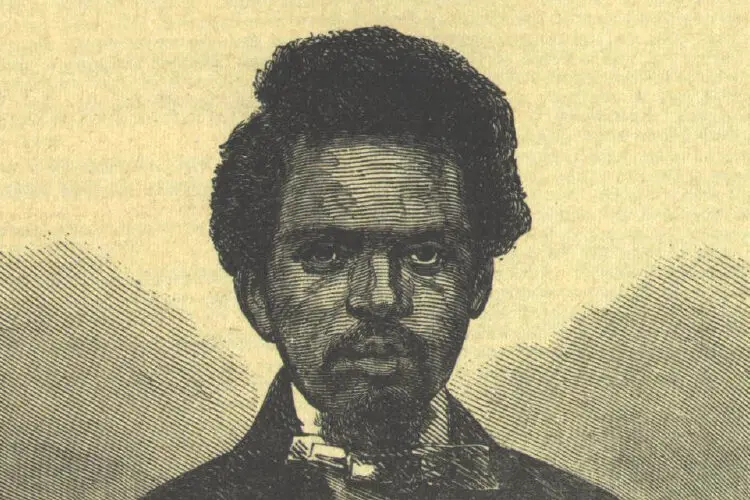
Robert Smalls was born into slavery but pulled off one of the most daring escapes in the history of the Civil War. He was a pilot on a Confederate transport ship called the Planter and decided to steal it while the white officers were ashore. He picked up his family and several other enslaved people, then navigated past five Confederate forts to reach the Union fleet. He even wore the captain’s hat to fool the lookouts as they sailed past.
After winning his freedom, he didn’t just disappear into the background; he became a U.S. Congressman. He was a powerful advocate for education and civil rights, serving several terms and making a real impact on legislation. Despite this cinematic life story, his name isn’t a staple in most history classrooms. He was a hero of both war and politics who deserves a much larger spot in our collective memory.
15. Alice Guy-Blaché
Alice Guy-Blaché was the first female filmmaker and arguably the first person to ever tell a fictional story on screen. In the late 1890s, when most people were just filming trains arriving at stations, she was experimenting with narrative and special effects. She directed hundreds of films and even started her own studio, which was a massive achievement for that era. She was a true visionary who saw the artistic potential of film before almost anyone else.
As the film industry grew and became more institutionalized, her name was systematically erased from the history books. Many of her films were lost or incorrectly attributed to her male assistants and husband. It’s devastating that the “mother of cinema” was nearly forgotten by the very industry she helped invent. Only recently have film historians begun the painstaking work of restoring her credits and celebrating her immense legacy.