
1. Fried Rice
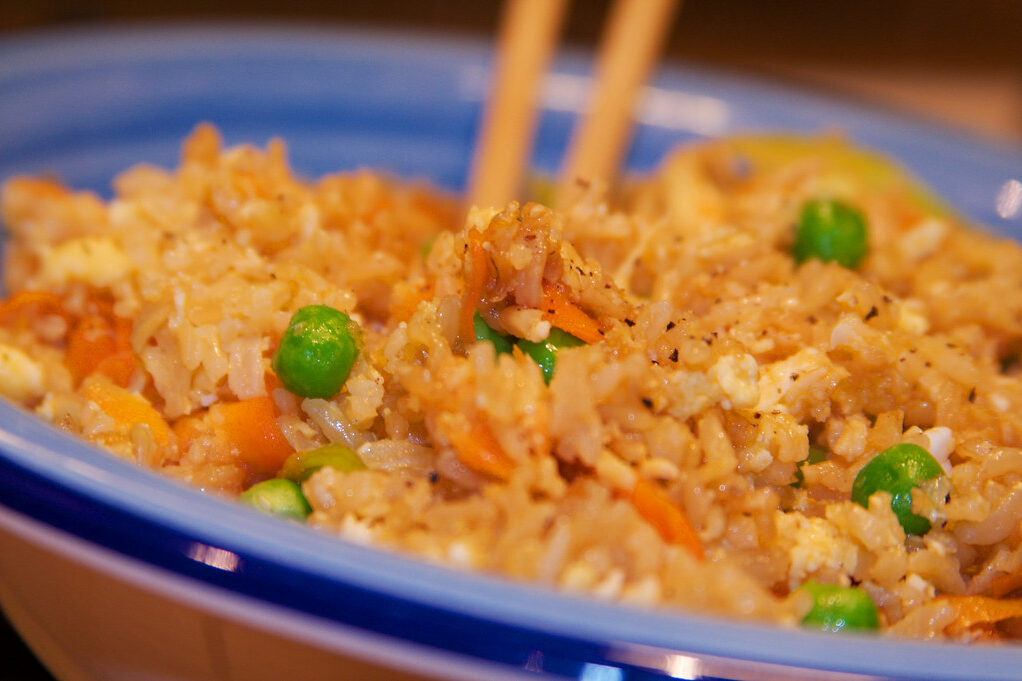
We have all been there, staring at a container of cold, hardened white rice that has been sitting in the fridge for two days. Rather than tossing those grains into the bin, ancient Chinese cooks realized that high heat and a little oil could breathe new life into them. The dry texture of day-old rice is actually a secret weapon because it doesn’t turn into mush when it hits the hot wok. By tossing in whatever stray vegetables or bits of meat were left over, a complete and flavorful meal was born from the verge of disposal.
It is the ultimate “clean out the fridge” dish that has since become a global favorite. You can throw in a handful of peas, a stray green onion, or that last egg to create something that feels intentional rather than desperate. The soy sauce and sesame oil mask the fact that the base was essentially a kitchen cast-off. Today, we order it at high-end restaurants, but its soul remains rooted in the noble pursuit of not wasting a single grain. It is a testament to how heat and seasoning can transform yesterday’s boredom into today’s comfort.
2. Bread Pudding
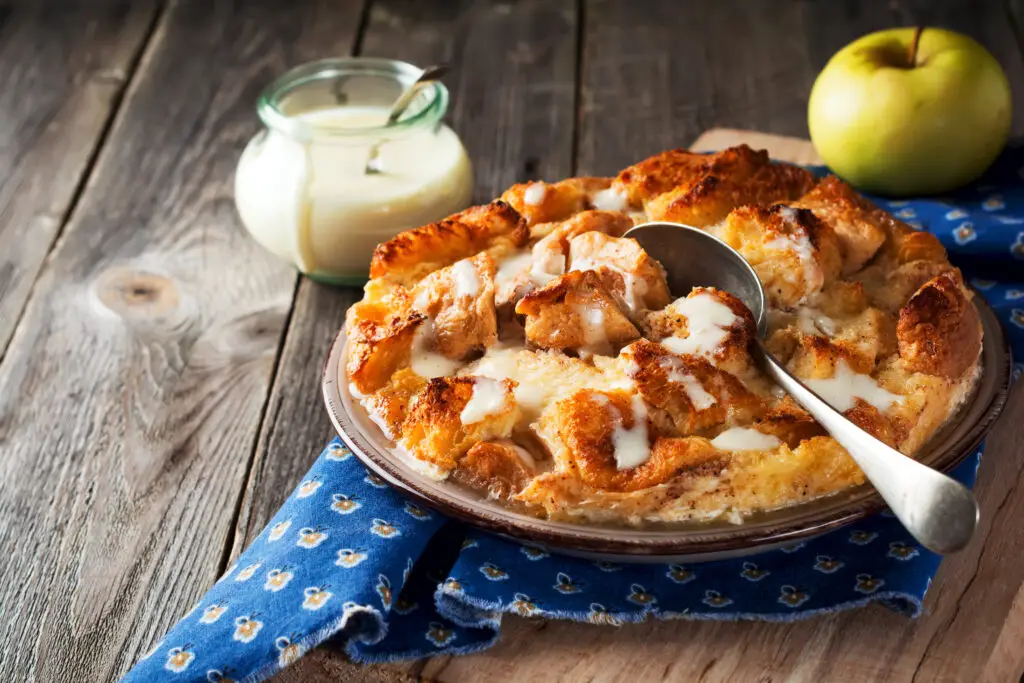
Stale bread is notoriously difficult to enjoy, often becoming so hard it could double as a brick. In medieval times, throwing away bread was practically a sin, so resourceful cooks looked for ways to soften those rigid loaves. They discovered that by soaking the chunks in a mixture of milk, sugar, and eggs, the bread would absorb the moisture and transform into a custard-like delight. This allowed every last crumb of expensive flour to be consumed rather than discarded.
The beauty of this dessert is that it actually requires the bread to be “bad” to turn out “good.” If you use fresh, soft bread, the whole thing turns into a soggy mess that lacks the necessary structural integrity. Adding a sprinkle of cinnamon or a handful of shriveled raisins further disguised the age of the primary ingredient. It is a warm, gooey hug of a dish that proves how a little bit of dairy can save almost anything from the trash. Now, it stands as a pillar of comfort food that makes us grateful for those forgotten crusts.
3. Panzanella
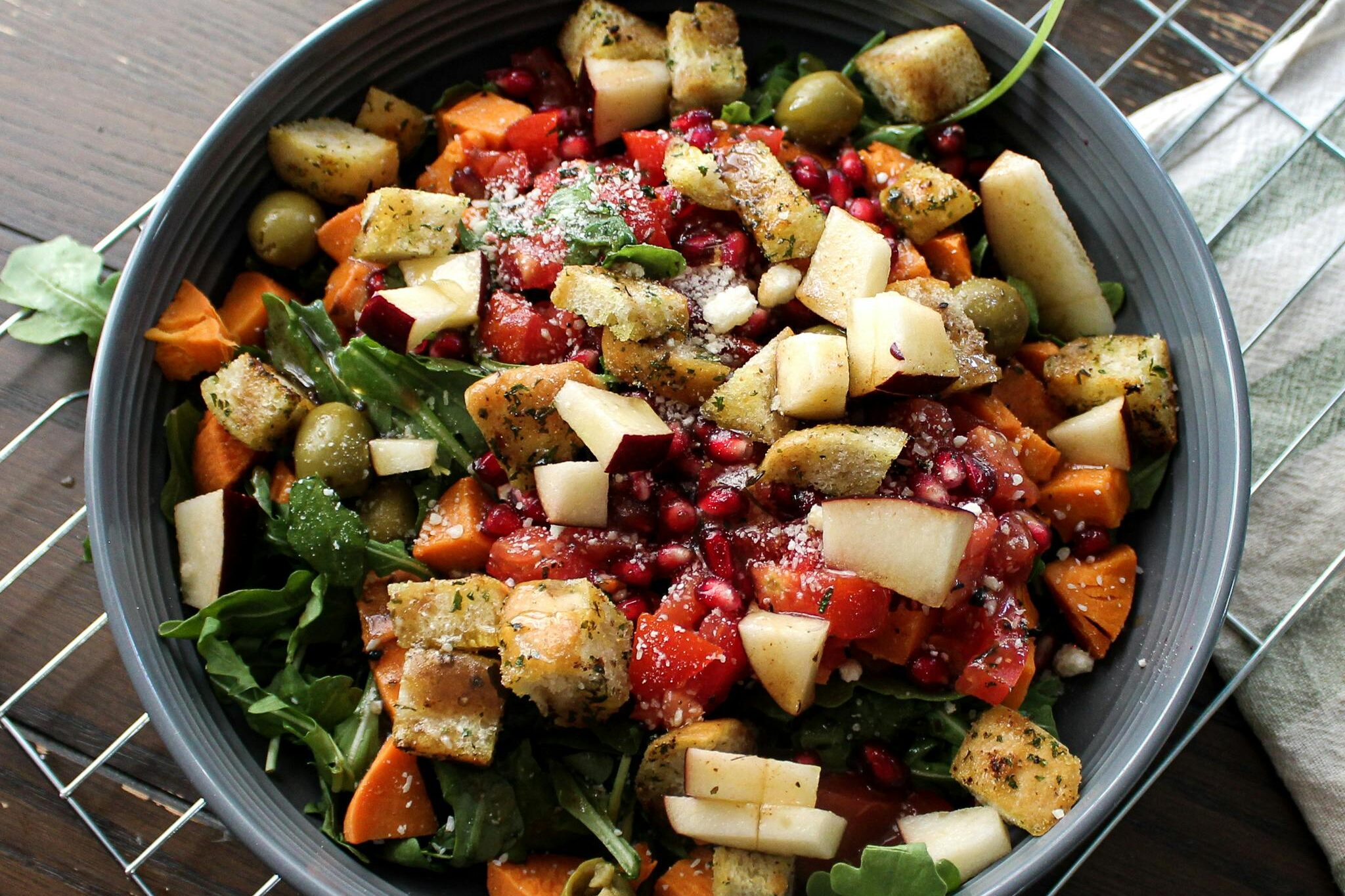
This classic Italian salad is another genius solution for the problem of rock-hard bread. In the sun-drenched regions of Italy, letting a loaf of crusty sourdough go to waste was simply not an option for frugal families. They found that by drenching the stale cubes in vinegar, olive oil, and the juices of ripe tomatoes, the bread would revive into something chewy and flavorful. It isn’t just a salad with croutons; the bread is the main event, acting like a sponge for the dressing.
The acidity of the vinegar works wonders to break down the tough fibers of the old wheat. When mixed with fresh basil and garden vegetables, the result is a vibrant dish that tastes like the height of summer. It is a perfect example of peasant cooking where nothing is ever truly “gone” until it has been repurposed. You get a satisfying crunch and a burst of flavor that fresh bread simply couldn’t provide. It turns a potential waste product into a sophisticated centerpiece that feels light and refreshing.
4. Chilaquiles
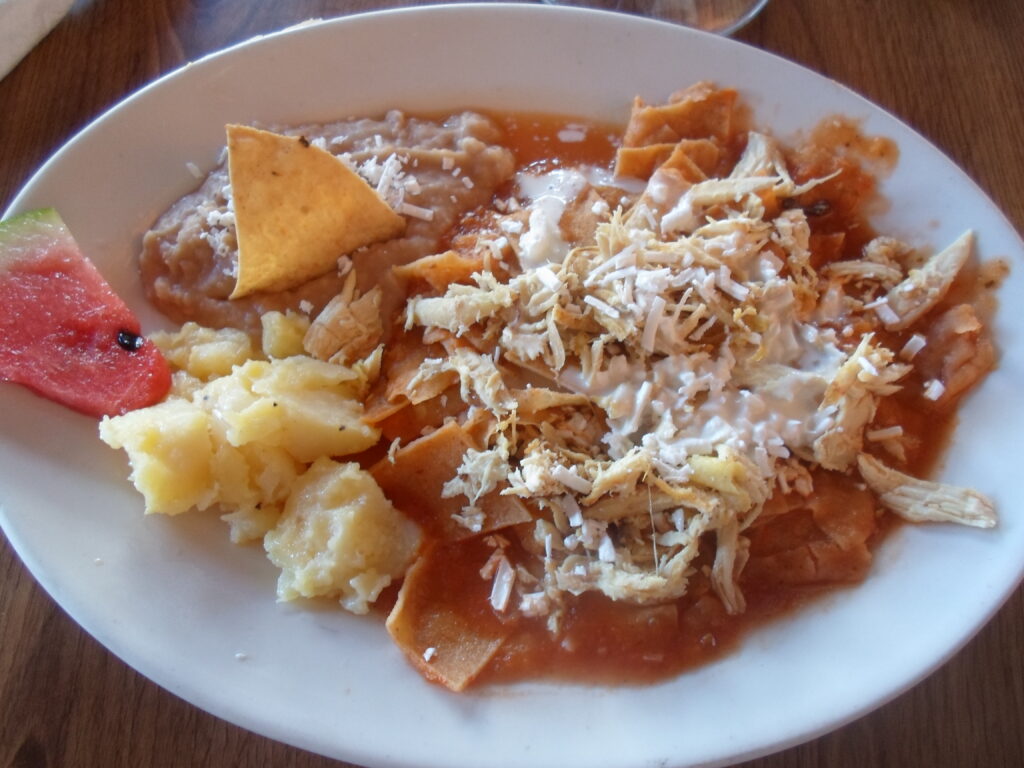
If you have ever left a bag of corn tortillas open, you know they turn into leathery discs pretty quickly. In Mexican households, these stiff leftovers were never seen as trash, but rather as the foundation for a hearty breakfast. By frying the stale tortilla strips until they are crisp and then simmering them in a spicy salsa, the texture becomes a perfect balance of soft and crunchy. The sauce rehydrates the corn, infusing it with deep chili flavors that make you forget the tortillas were once stale.
This dish is often topped with a fried egg or a crumble of cheese to round out the meal. It was born from the necessity of using up every batch of handmade tortillas before the next ones were pressed. The heat of the salsa roja or verde penetrates the chips, ensuring that even the toughest edges become palatable. It is the kind of meal that wakes up your senses and solves a kitchen problem all at once. It’s hard to imagine that such a beloved staple started as a way to avoid a trip to the compost pile.
5. Ribollita
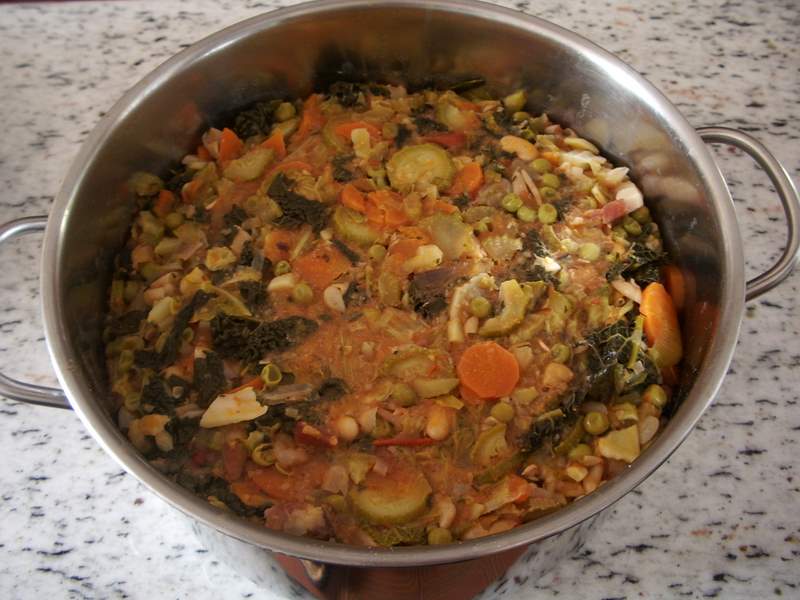
The name of this famous Tuscan soup literally translates to “reboiled,” which tells you everything you need to know about its origin. It started as a way to stretch out a vegetable and bean soup that had already been served the day before. To make it more filling and to use up every last scrap, cooks would layer in pieces of leftover bread and boil the whole mixture again. The result is a thick, porridge-like consistency that is incredibly satisfying on a cold evening.
This dish represents the ultimate cycle of kitchen efficiency where no liquid or solid is left behind. Each time it is reheated and “reboiled,” the flavors of the kale, beans, and aromatics deepen and meld together. It becomes a dense, hearty stew that feels much more expensive and complex than it actually is. The bread thickens the broth, turning a simple vegetable water into a stick-to-your-ribs masterpiece. It is a rustic reminder that some things truly do get better with age and a little bit of creative recycling.
6. Shepherd’s Pie
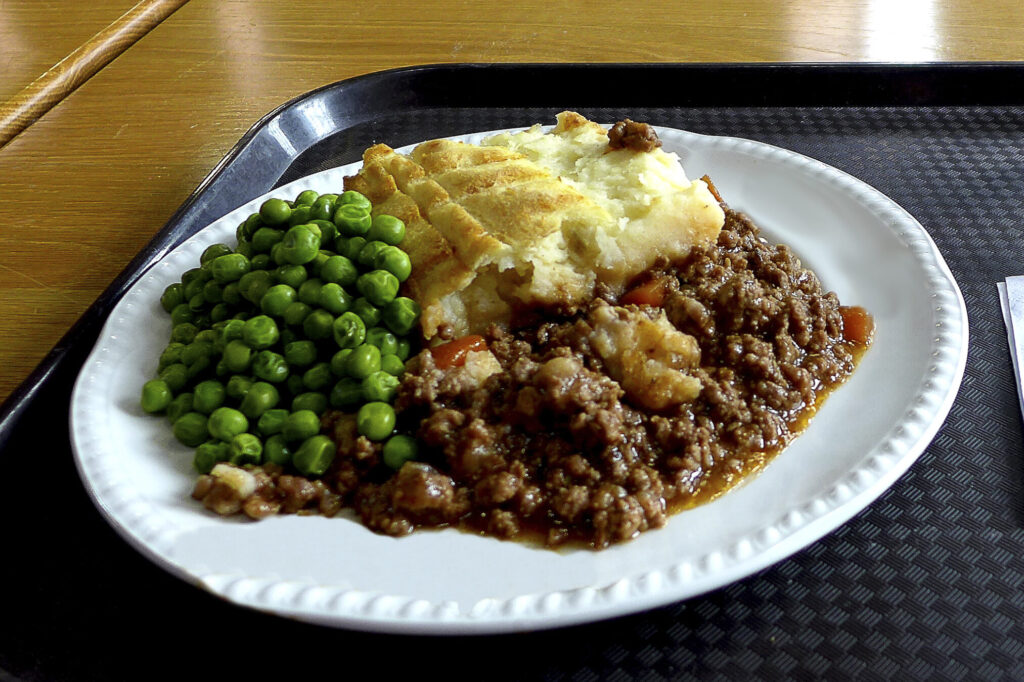
This iconic British dish was the clever answer to the problem of “What do we do with Sunday’s roast leftovers?” In an era before refrigeration was reliable, cooked meat needed to be used up quickly before it spoiled. Families would mince the remaining lamb or beef, mix it with whatever gravy was left, and hide it under a thick blanket of mashed potatoes. This not only protected the meat from drying out but also created a whole new meal that felt fresh and exciting.
The mashed potato topping acted as a sort of edible lid, sealing in the moisture of the meat and vegetables below. By baking it until the peaks of the potatoes turned golden brown, the family got a hot, bubbling casserole instead of cold, depressing slices of meat. It is a brilliant bit of culinary engineering that uses potatoes to stretch a small amount of protein into a feast for the whole house. Today, it is a pub favorite that evokes a sense of home and warmth. We owe its existence to the simple desire to make a roast last just one more day.
7. French Toast
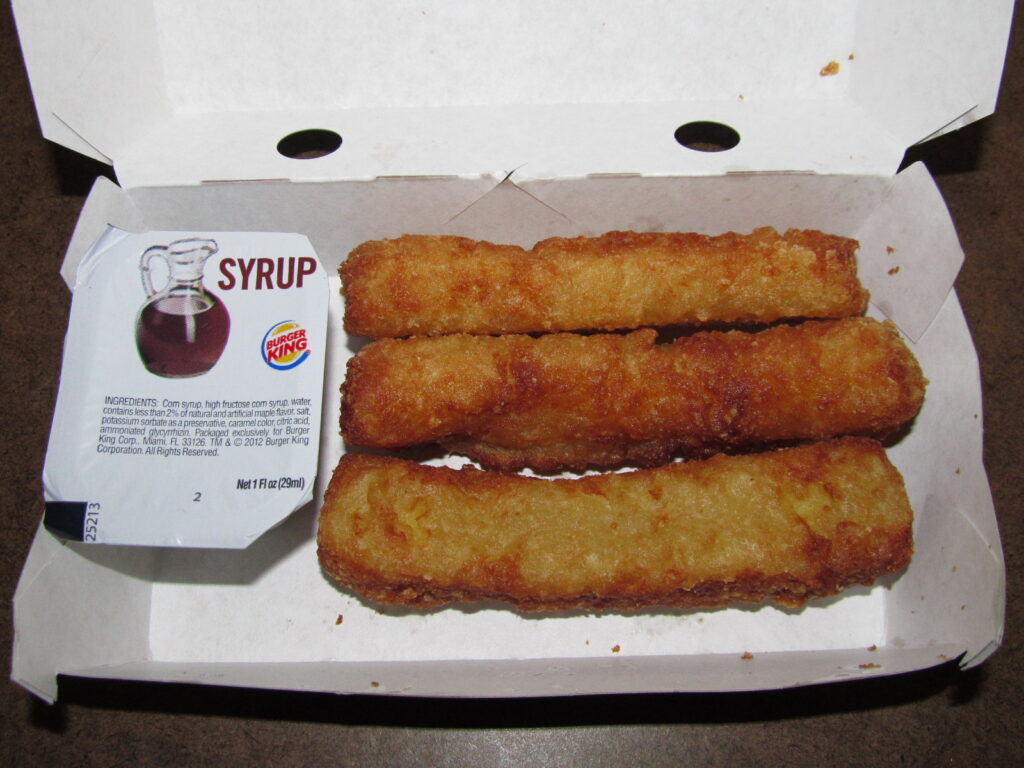
Known in France as pain perdu, which literally means “lost bread,” this breakfast favorite was designed to rescue loaves that were otherwise lost to staleness. When bread becomes too hard to chew, it is essentially useless for sandwiches or toast. However, when dipped in a batter of eggs and milk, those dry pockets act as tiny reservoirs for the liquid. Frying the soaked slices in butter gives them a caramelized exterior while the inside stays soft and custard-like.
It is a sweet solution to a common kitchen problem that has been around for centuries. By adding a bit of sugar or honey, the “lost” bread is transformed into a treat that feels like an indulgence. The process of soaking actually works better with old bread because fresh bread would just fall apart in the liquid. This is one of the rare cases where being “past its prime” makes the ingredient more valuable for the recipe. It’s a delicious reminder that even things we think are ruined can be saved with a little care.
8. Bubble and Squeak
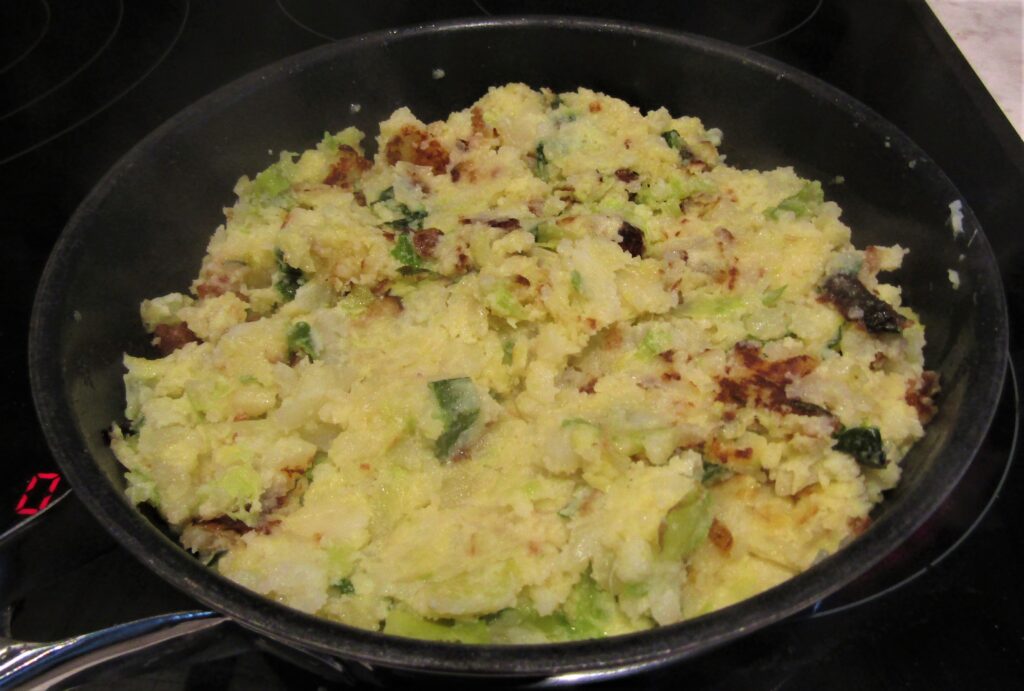
This charmingly named dish is a staple of British Mondays, traditionally made using the leftover vegetables from a Sunday roast. Usually consisting of mashed potatoes and cabbage, the mixture is shallow-fried in a pan until it forms a crispy, brown crust. The name comes from the sounds the ingredients make as they sizzle and pop against the hot metal. Instead of throwing out the cold, limp greens and starch, you get a savory pancake that is arguably better than the original meal.
It is a no-frills way to ensure that nothing from the weekend feast goes to waste. You can toss in stray carrots, peas, or even bits of bacon to add more texture and flavor. The goal is to get that perfect crunch on the outside while keeping the inside fluffy and hot. It serves as a reminder of a time when food was precious and every calorie was accounted for. Even now, it remains a beloved way to start the week with a full stomach and a clear conscience.
9. Ratatouille
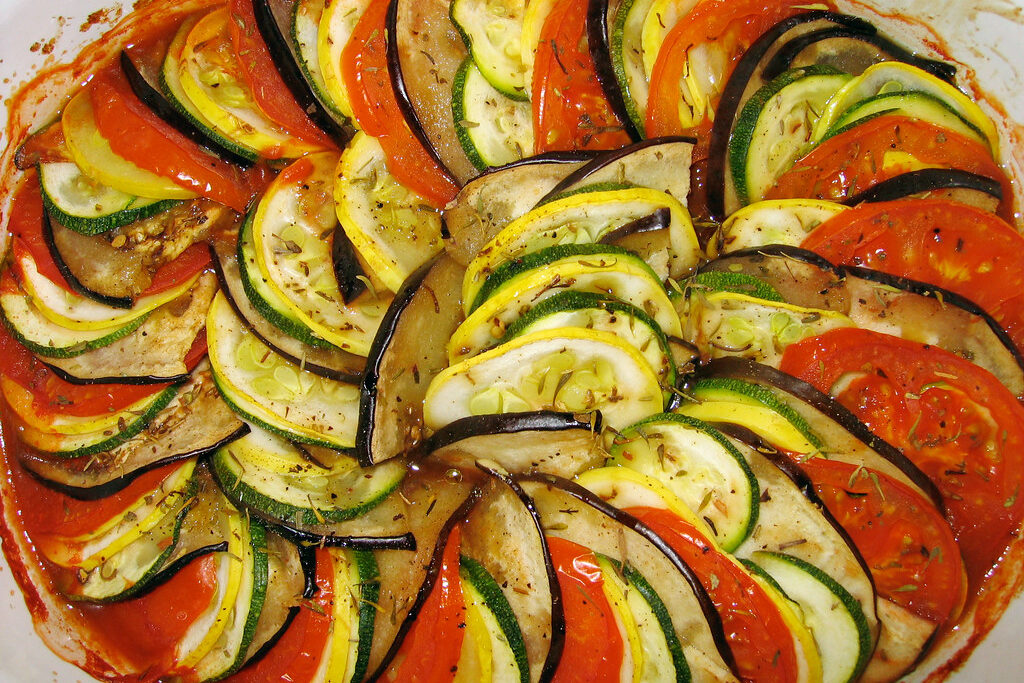
While it looks like a fancy vegetable mosaic today, this dish started as a humble stew for poor farmers in Nice. They needed a way to use up a harvest of summer vegetables like zucchini, eggplant, and tomatoes before they began to rot in the heat. By simmering them all together with garlic and herbs, the vegetables would break down into a thick, flavorful mixture. This allowed people to consume a large volume of produce that was just on the edge of going soft.
The long cooking time ensures that even the tougher or more fibrous parts of the vegetables become tender and sweet. It’s a dish that celebrates the abundance of the earth while being mindful of the impending decay of fresh produce. You can eat it hot, cold, or spread on a piece of that stale bread we keep talking about. It’s a versatile way to clear out the garden or the vegetable crisper drawer in one go. It proves that you don’t need meat to create a deep, satisfying flavor profile.
10. Meatloaf
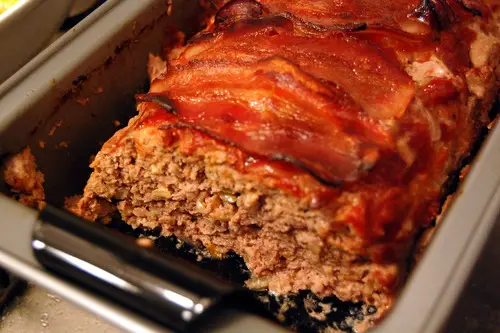
The modern meatloaf grew in popularity during the Great Depression as a way to make a tiny bit of meat feed a large family. By mixing ground meat with cheap fillers like breadcrumbs, crushed crackers, or even oatmeal, the volume of the dish was doubled. This prevented the meat from being wasted and ensured that everyone at the table left feeling full. It was a practical response to economic hardship that turned scraps into a sturdy, reliable main course.
Adding eggs and ketchup helped to bind everything together and provide moisture that the lean fillers might lack. It became a canvas for whatever was lurking in the pantry, from dried herbs to chopped onions. The resulting loaf could be sliced and served for dinner, and then used in sandwiches the next day, stretching the food even further. It is a symbol of resilience and the ability to make something out of almost nothing. We still love it today because it represents the ultimate in home-cooked efficiency.
11. Arancini
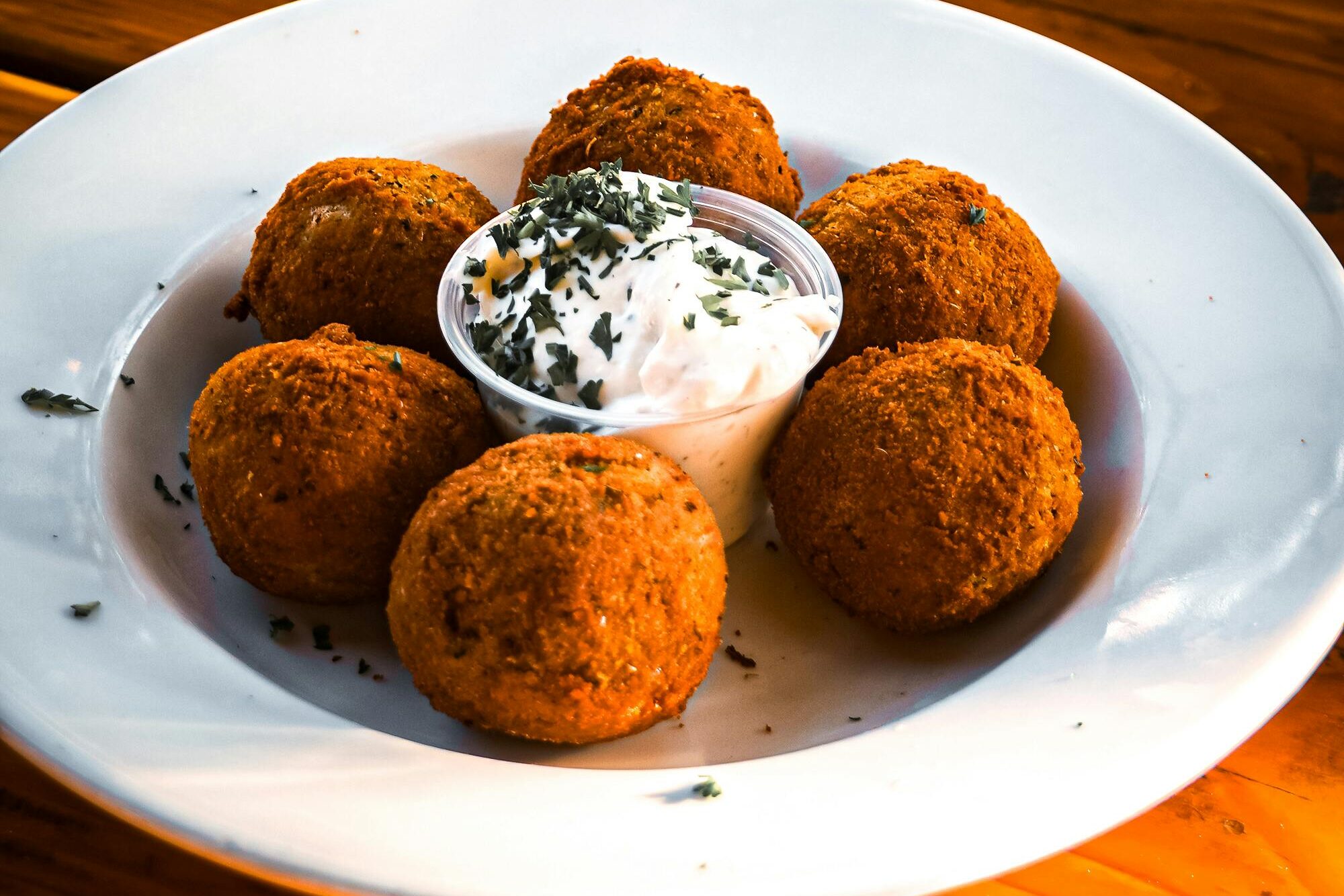
These golden, deep-fried rice balls are a gift from Sicily that originated as a way to repurpose leftover risotto. Risotto is notoriously difficult to reheat because it loses its creamy texture and becomes a bit gummy. Instead of tossing the remains, inventive cooks would roll the cold rice into balls, stuff them with a bit of cheese or meat, and coat them in breadcrumbs. Once fried, the outside becomes incredibly crunchy while the inside melts back into a delicious state.
It turned a side dish that was past its prime into a portable, high-energy snack that could be eaten on the go. The breadcrumb coating provided a new texture that disguised any flaws in the day-old rice. They are essentially little surprises of flavor that make the most of every single grain of expensive Arborio rice. Today, they are a popular appetizer in Italian restaurants everywhere, but their roots are purely about conservation. It is a brilliant example of how a “leftover” can actually be an upgrade.
12. Fondue
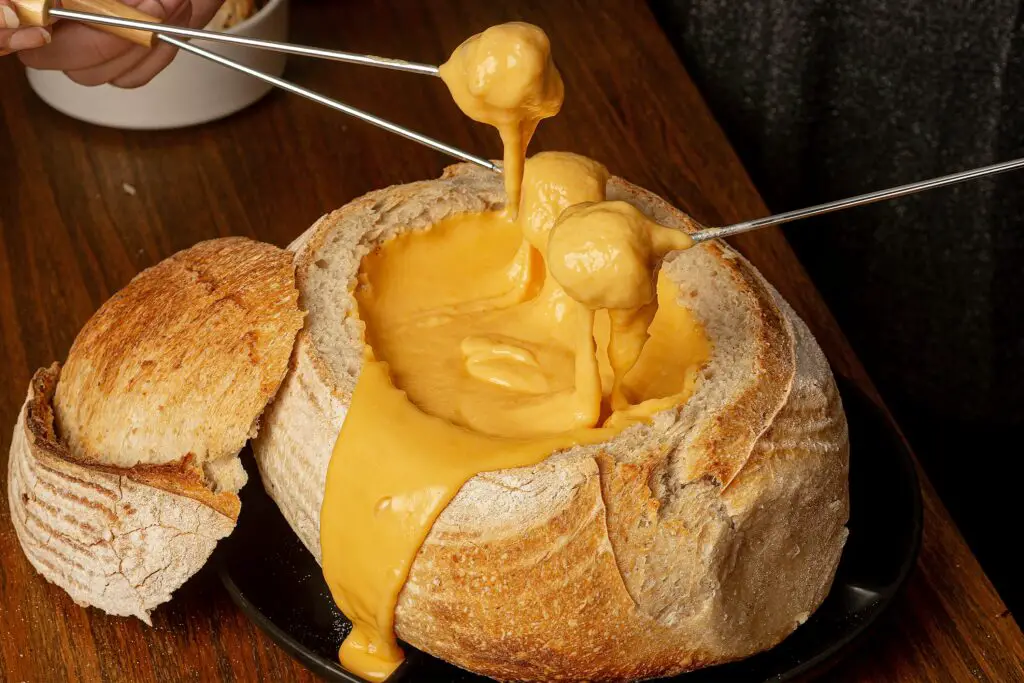
In the isolated mountains of Switzerland, villagers had to deal with cheese and bread that became extremely hard during the long winter months. Neither was particularly pleasant to eat in its solidified state, so they came up with a communal solution. By melting the hardened cheese scraps in a pot with a bit of wine and garlic, they created a warm, liquid dip. This allowed them to soften the stale bread chunks by dunking them into the hot, gooey mixture.
It turned a struggle for survival into a social event that brought people together around a single heat source. The alcohol in the wine helped to keep the cheese smooth and prevented it from clumping back into a solid mass. It was a way to enjoy the high-calorie fats of the cheese even when it was no longer “fresh.” This dish proves that luxury is often just a matter of perspective and a bit of heat. What started as a way to use up old scraps is now the height of alpine sophistication.
13. Aquafaba Mousse
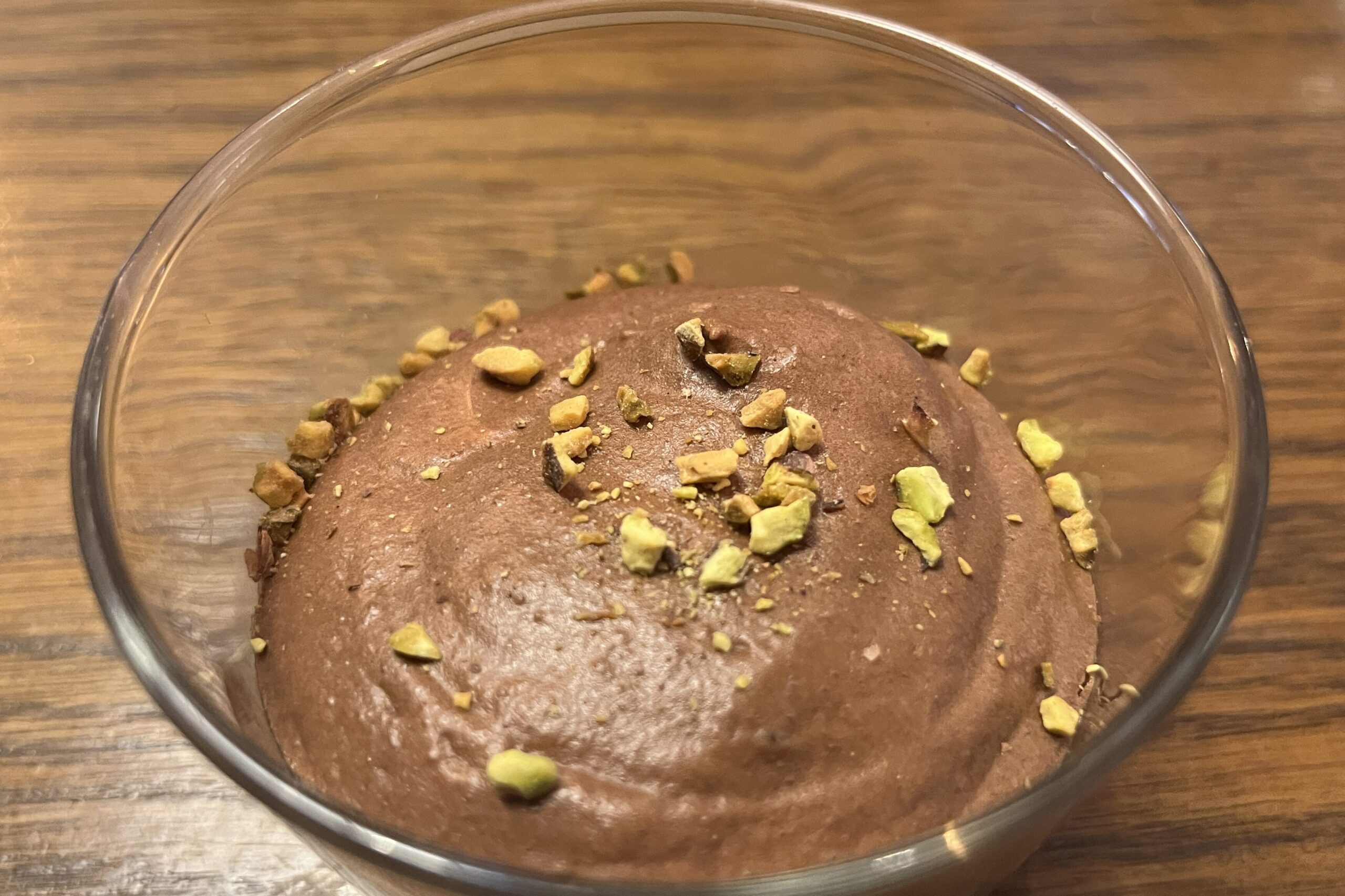
This is a much more modern entry, but it perfectly fits the theme of avoiding waste in the kitchen. For decades, home cooks and manufacturers simply poured the liquid from a can of chickpeas down the drain without a second thought. However, it was discovered that this “bean water” has proteins and starches that mimic the behavior of egg whites. By whisking this discarded liquid, you can create a stiff foam that serves as the base for a light, airy chocolate mousse.
It is a mind-blowing realization that something we considered a waste product is actually a powerful culinary tool. This discovery has been a game-changer for vegan cooking, providing a way to make meringues and desserts without animal products. Instead of wasting that viscous liquid, it now becomes the star of the show in high-end pastry kitchens. It challenges our assumptions about what is “trash” and what is “ingredient.” It’s a great reminder to look twice at what we are about to throw away.
14. Pâté
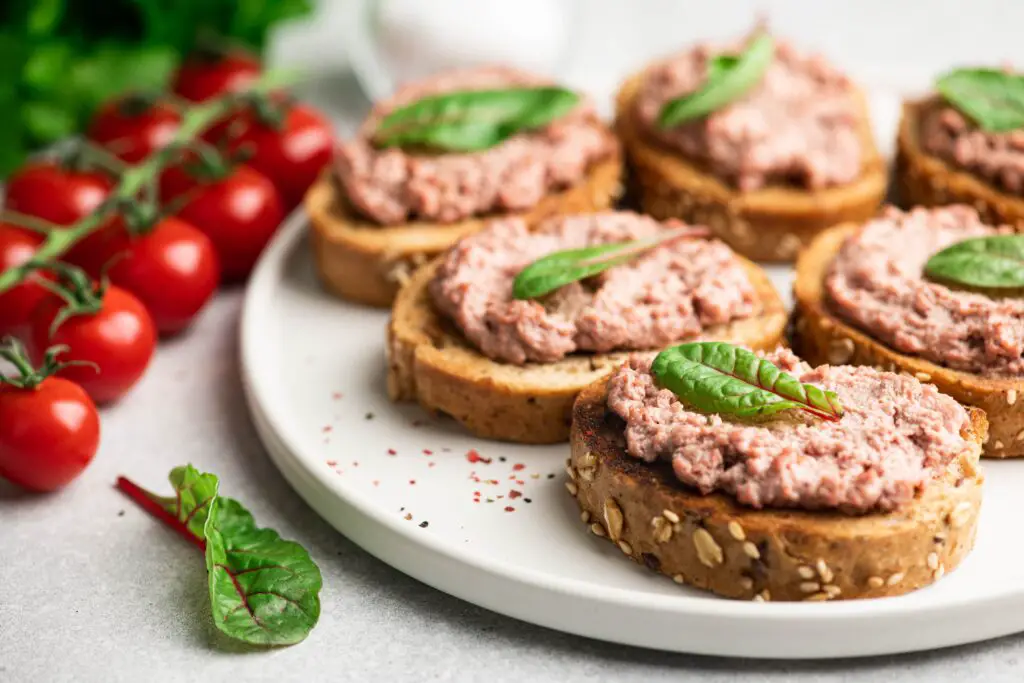
Historically, when an animal was slaughtered, every single part had to be used to honor the life of the creature and maximize the food supply. This included the organ meats, like the liver, which many people found difficult to eat on their own due to their strong flavor. By grinding these parts up and mixing them with fats, herbs, and spirits, cooks created a smooth, spreadable paste. This allowed the nutrient-dense organs to be consumed in a way that was actually delicious and shelf-stable.
Pâté transformed the “bits and bobs” of butchery into a delicacy that eventually found its way onto the tables of royalty. It’s a concentrated burst of flavor that uses fat to mellow out the intensity of the offal. By packing it into jars and sealing it with a layer of clarified butter, it could be preserved for much longer than raw meat. It represents a deep respect for the animal and a refusal to let any part of it go to waste. Today, it remains a sophisticated addition to any charcuterie board.