
1. Checking the Morning Newspaper for the Weather
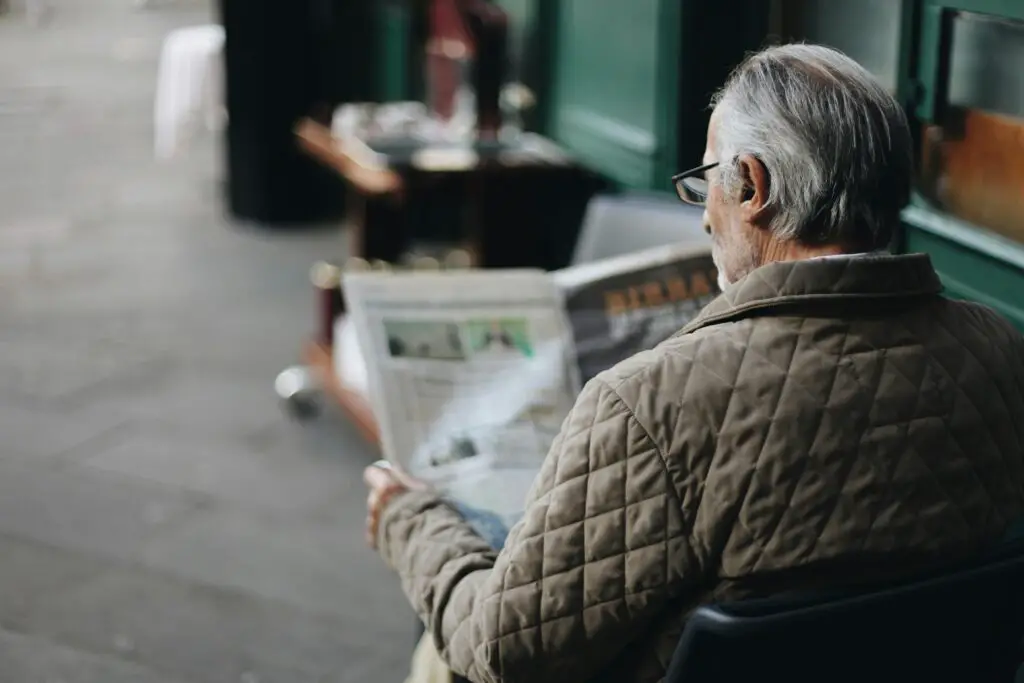
For a long time, the day started with unfolding a newspaper and flipping straight to the weather page. You planned outfits, commutes, and errands based on a tiny black and white forecast box. If you missed it, you waited until the evening news or asked someone else what they heard. There was a strange comfort in trusting that single prediction for the whole day.
Once weather apps arrived, that ritual vanished almost overnight. Now forecasts update constantly, sometimes changing hour by hour. People check the sky less and refresh their phones more. The newspaper still exists, but it no longer sets the tone for the day the way it once did.
2. Memorizing Phone Numbers
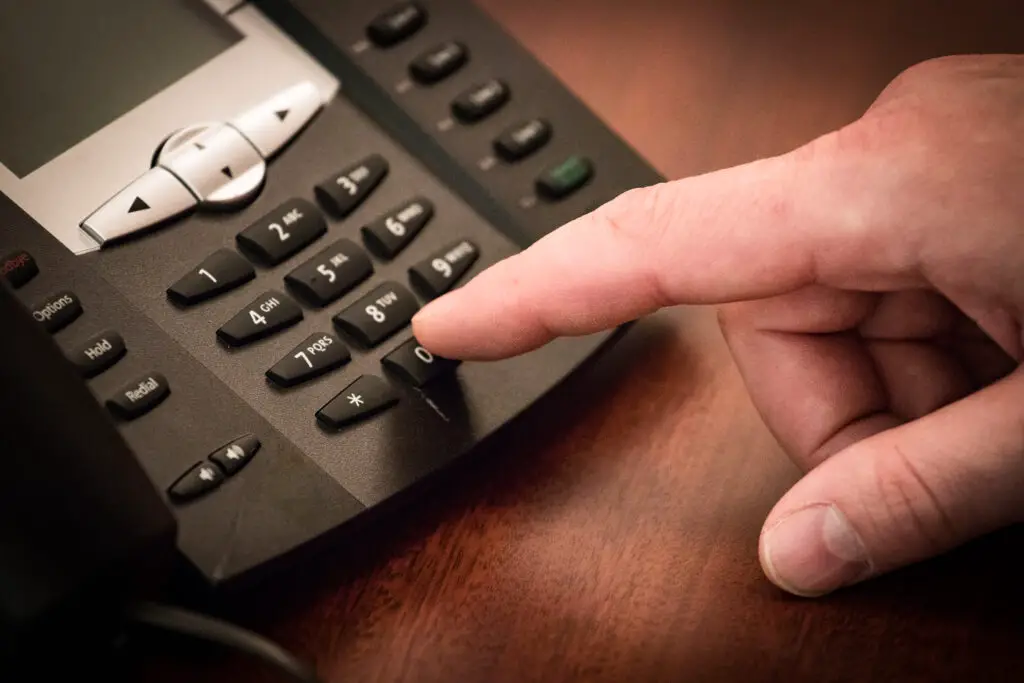
People used to know dozens of phone numbers by heart, including friends, relatives, and local businesses. You memorized them out of necessity, repeating them until they stuck. Writing them on scrap paper felt risky, like tempting fate. Forgetting a number meant being completely stuck.
Smartphones made that mental exercise unnecessary. Contacts save everything instantly and silently. Many people no longer know even their closest family members’ numbers. The brain space once used for memorization quietly moved on.
3. Waiting by the Phone for a Call
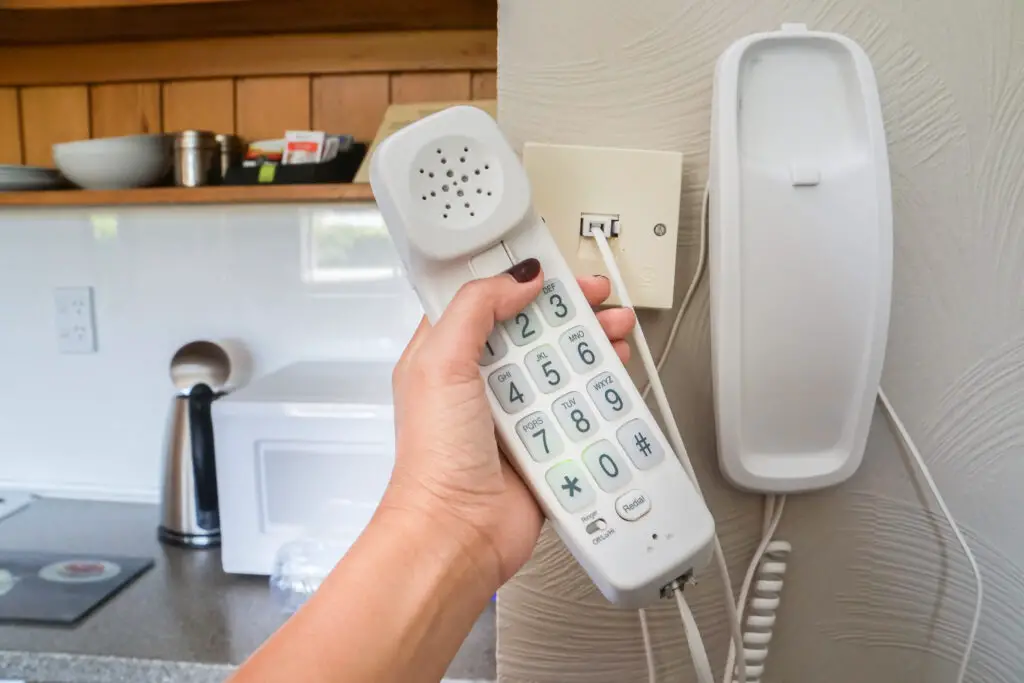
Waiting for a phone call used to be a full commitment. You stayed close to home, kept the ringer loud, and avoided showers just in case. Missing a call could mean waiting days to hear back. The anticipation felt endless.
Caller ID, voicemail, and texting removed that tension. Now communication happens on demand, not on the phone’s schedule. Waiting by the phone feels almost unimaginable. Availability became flexible instead of fixed.
4. Writing To-Do Lists on Paper
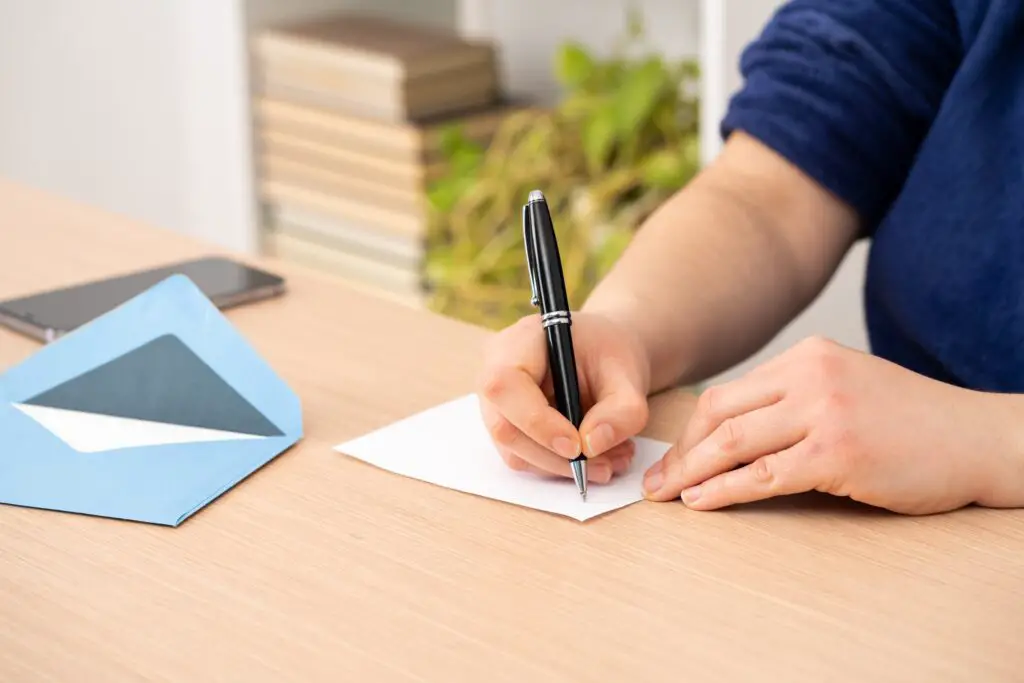
Daily life once revolved around handwritten lists stuck to refrigerators or folded into wallets. Crossing off items felt physical and satisfying. Losing the list meant starting over from memory. Some people kept stacks of old lists as proof they were productive.
Digital reminders replaced that habit quietly. Lists now sync across devices and send alerts at inconvenient times. The paper version still exists, but it feels optional rather than essential. The fridge door no longer carries the weight of responsibility.
5. Asking for Directions From Strangers

Getting lost meant rolling down a window and asking someone nearby for help. Directions came with landmarks, hand gestures, and personal commentary. You had to listen carefully and remember every turn. Sometimes you got lost anyway.
GPS removed the need for those small interactions. Directions now come from calm digital voices instead of locals. People rely on screens instead of memory or conversation. That small moment of human connection mostly disappeared.
6. Balancing a Checkbook
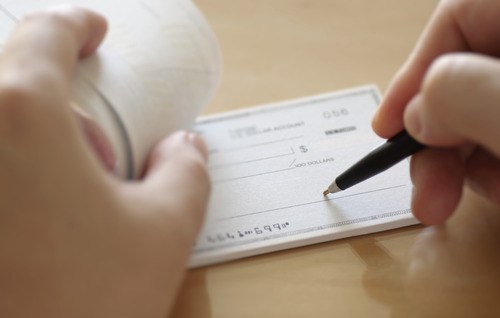
Balancing a checkbook was a quiet, careful ritual. You compared receipts, did math by hand, and hoped nothing was missing. Mistakes meant embarrassment or fees. It required patience and attention.
Online banking made that habit obsolete. Transactions update instantly and math happens in the background. Many people have never balanced anything beyond an app screen. The ritual faded without much resistance.
7. Watching Shows at a Set Time
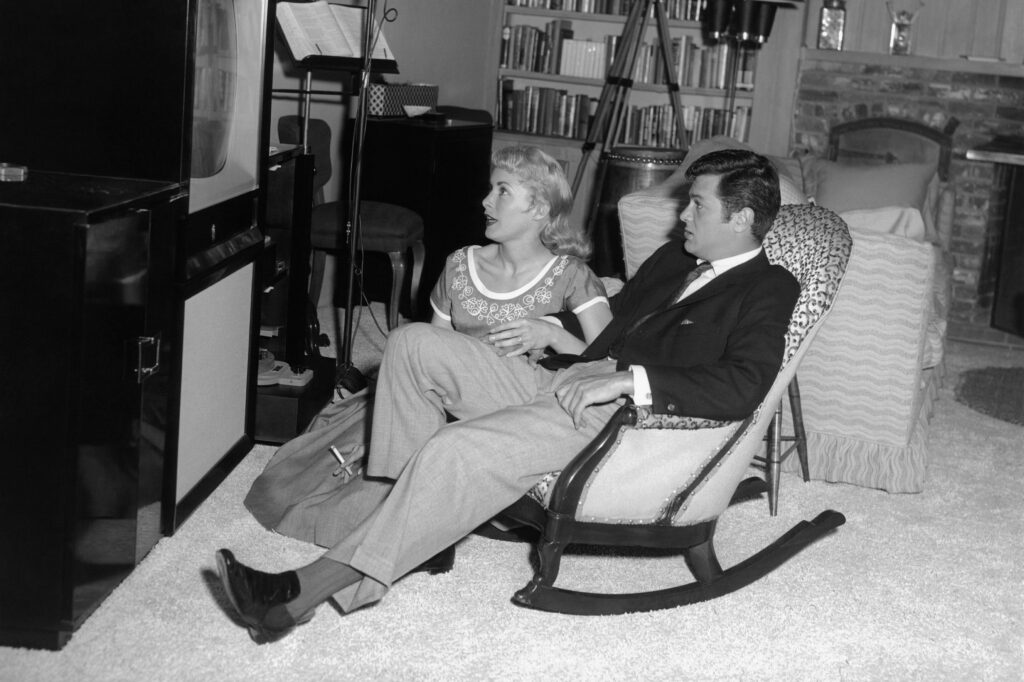
Television once dictated the evening schedule. You planned dinner and errands around broadcast times. Missing an episode meant hoping for a rerun months later. Everyone watched together without realizing it.
Streaming erased that shared routine. Shows now wait patiently for viewers instead of the other way around. The clock no longer controls entertainment. The sense of collective timing quietly disappeared.
8. Calling Stores to Check Business Hours
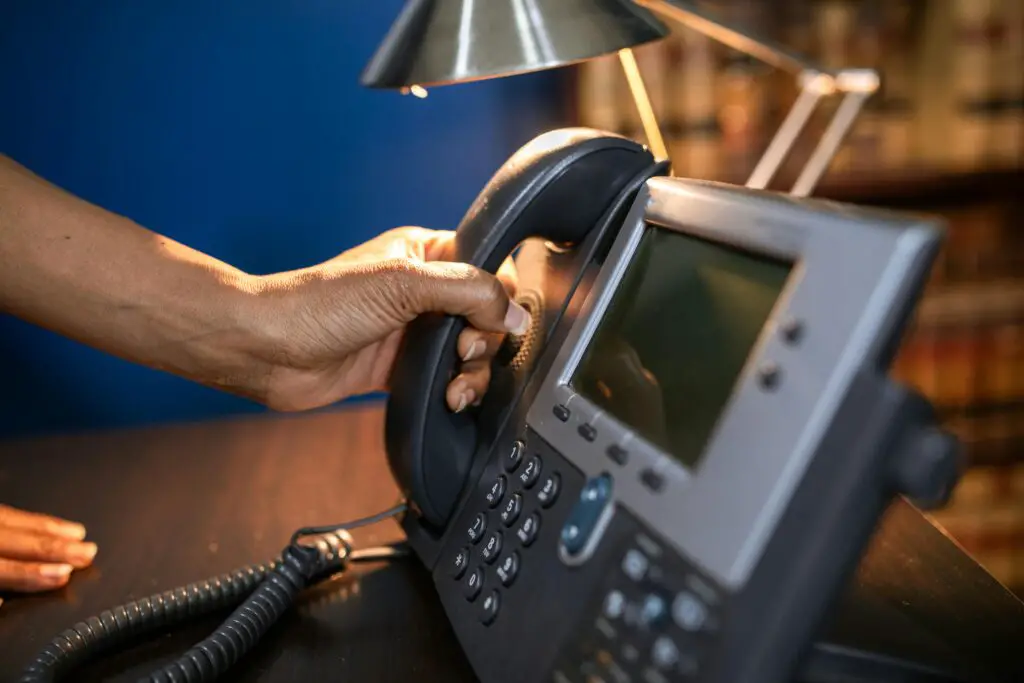
Before websites, calling a store was the only way to confirm it was open. You waited through rings and hoped someone answered. Sometimes the hours had changed and no one told you. It felt inefficient but necessary.
Search engines replaced that habit completely. Hours now appear instantly, even if they are sometimes wrong. People rarely speak to staff before arriving. That small moment of preparation vanished.
9. Keeping a Wall Calendar
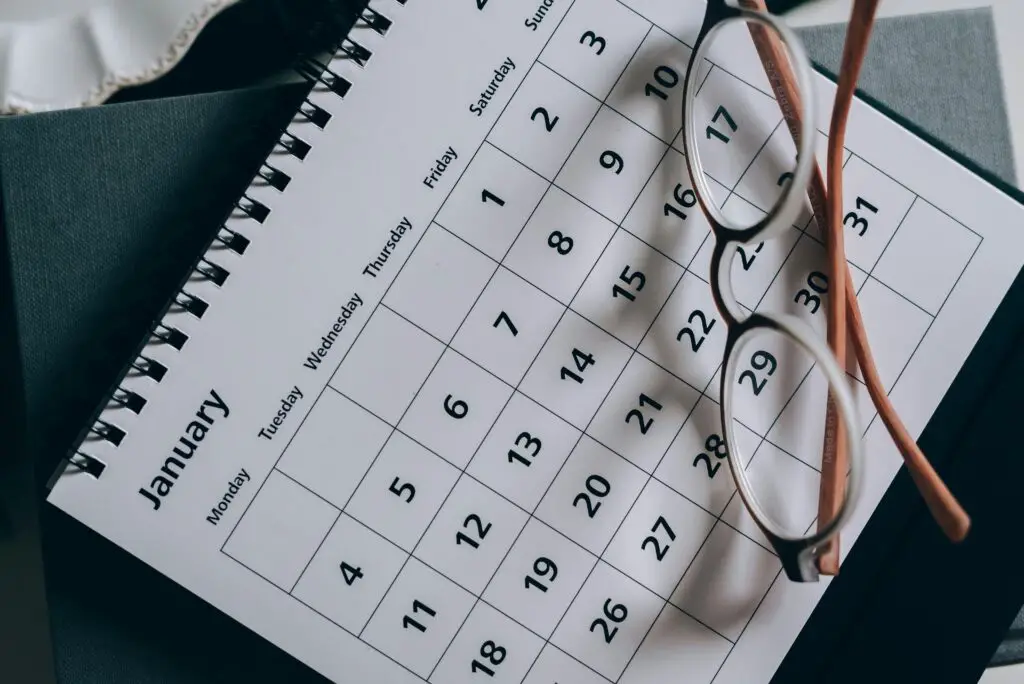
Wall calendars once anchored the household. Appointments, birthdays, and reminders lived in ink. Everyone in the house could see what was coming up. Changing plans meant scribbles and arrows.
Digital calendars shifted planning to personal devices. Schedules became private instead of shared. The kitchen wall lost its role as command center. Coordination moved quietly into pockets and purses.
10. Developing Film and Waiting for Photos
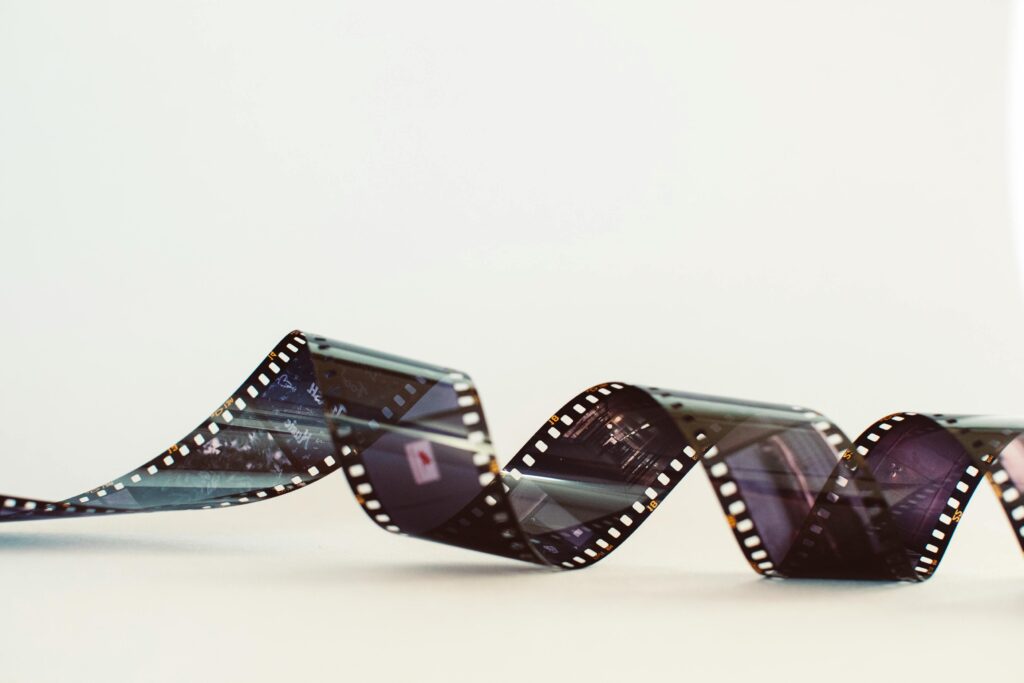
Taking photos meant restraint and patience. You waited days or weeks to see what you captured. Mistakes were common and memories sometimes disappeared entirely. The anticipation was part of the experience.
Digital cameras and phones ended that waiting. Photos appear instantly and endlessly. People take hundreds without thinking. The pause between moment and memory no longer exists.
11. Leaving Notes on the Counter
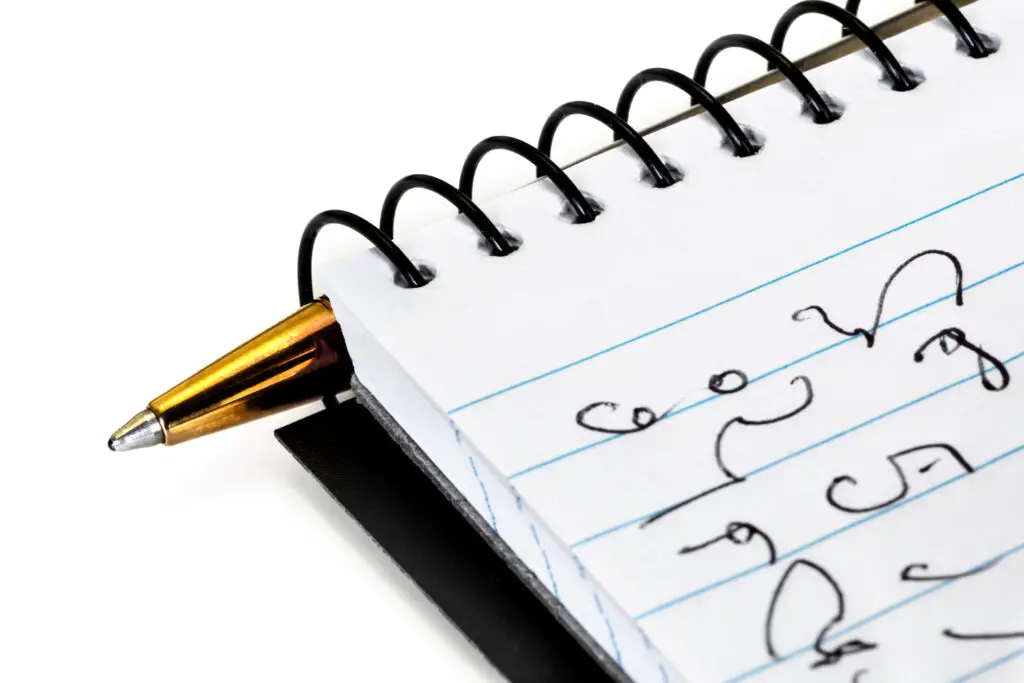
Notes once lived on kitchen counters and desks. They carried reminders, grocery lists, and quick messages. Handwriting made them personal and sometimes urgent. Losing the note meant losing the message.
Texts and apps replaced those scraps of paper. Messages now follow people everywhere. Physical notes feel quaint instead of practical. Counters became cleaner but quieter.
12. Reading Maps Before a Trip

Trips used to start with spreading out a paper map. You traced routes with fingers and planned stops ahead of time. Wrong turns meant pulling over and checking again. Preparation mattered.
Navigation apps changed travel completely. Routes adjust automatically and reroute instantly. People start trips without knowing where they are going. The map reading skill slowly faded.
13. Using Alarm Clocks for One Purpose
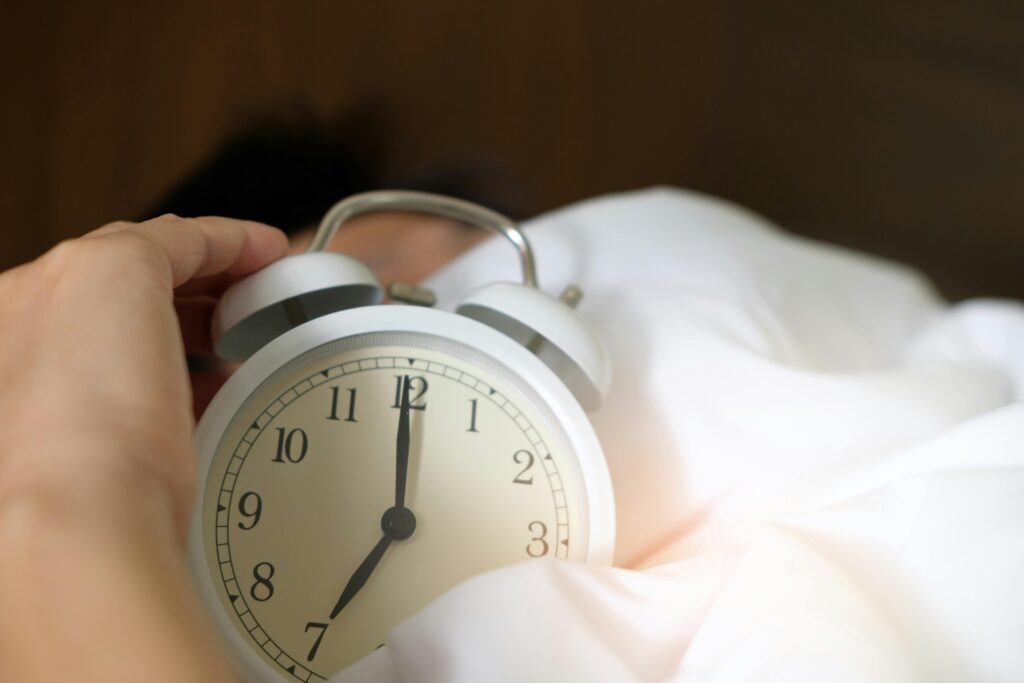
Alarm clocks had a single job and took it seriously. You set them carefully and hoped they worked. Snoozing felt like cheating. The clock stayed on the nightstand and never moved.
Phones absorbed that function and dozens more. Alarms now live among emails and notifications. Waking up became tangled with screens. The simple clock lost its place.
14. Remembering Appointments Without Alerts

Appointments once lived entirely in your head or on paper. Forgetting was a real risk with real consequences. You double-checked times and rehearsed dates mentally. Memory mattered.
Digital alerts changed that responsibility. Devices now remember for us and remind us repeatedly. Forgetting feels less likely but more dependent. Personal accountability quietly shifted to technology.