
1. Cooking Without a Recipe
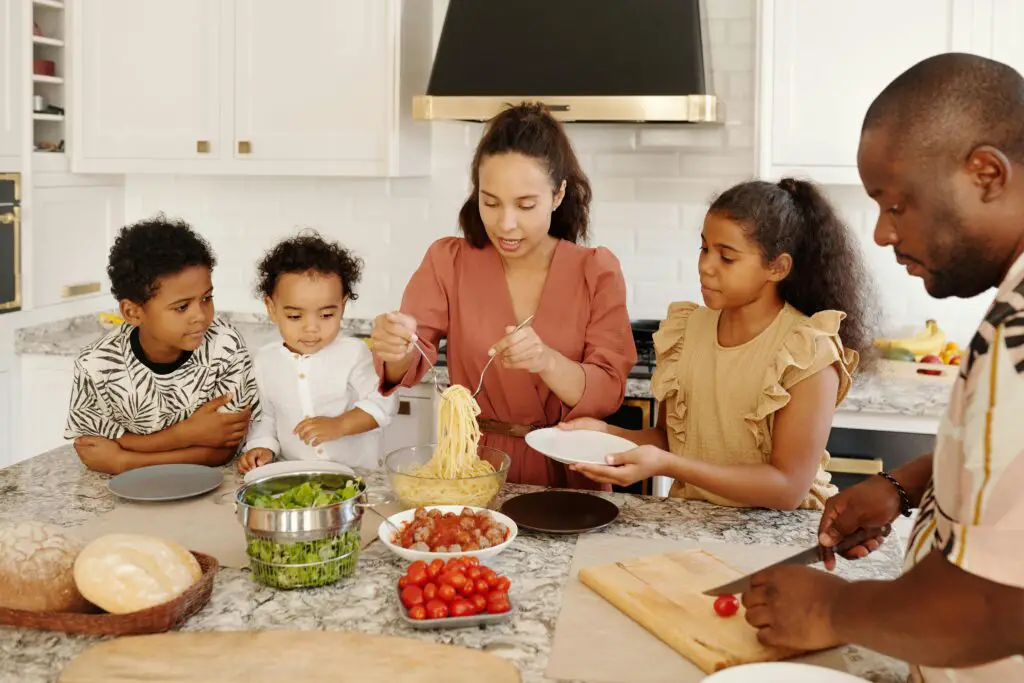
Kids used to hover in the kitchen and absorb how meals came together without anyone formally teaching them. They watched adults eyeball measurements, adjust seasoning on the fly, and improvise with whatever was on hand. Over time, they learned how food should smell, look, and sound when it was ready. Cooking became intuitive rather than intimidating.
That kind of learning built confidence in the kitchen early on. By the time they were teens, many kids could put together a full meal without ever opening a cookbook. They understood timing, heat, and balance because they had seen it done hundreds of times. Mistakes were just part of the process, not failures. Those lessons stuck for life.
2. Basic Home Repairs
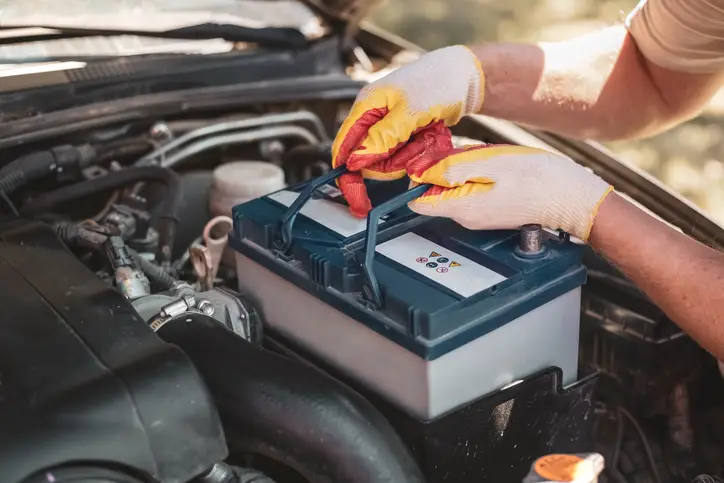
When something broke, adults often fixed it themselves with kids watching nearby. Children learned how to tighten a loose screw, unclog a drain, or patch a small hole just by paying attention. There was no formal lesson, just exposure. Over time, tools became familiar instead of mysterious.
That casual observation made basic repairs feel approachable. Kids learned not to panic when something stopped working. They saw that most problems had simple solutions if you stayed calm. Even if they did not become experts, they learned when something could be fixed versus when help was needed. That practical judgment mattered.
3. Managing Money in Real Life

Kids used to watch adults balance checkbooks, pay bills at the table, and discuss household expenses out loud. Money was visible and tangible, not abstract. They saw decisions being made about saving, spending, and going without. Those conversations were not hidden.
As a result, kids developed a realistic sense of money early on. They understood that budgets existed and choices had consequences. Watching adults prioritize taught them patience and planning. It also made financial responsibility feel normal rather than scary. That awareness carried into adulthood.
4. Talking to Strangers Politely
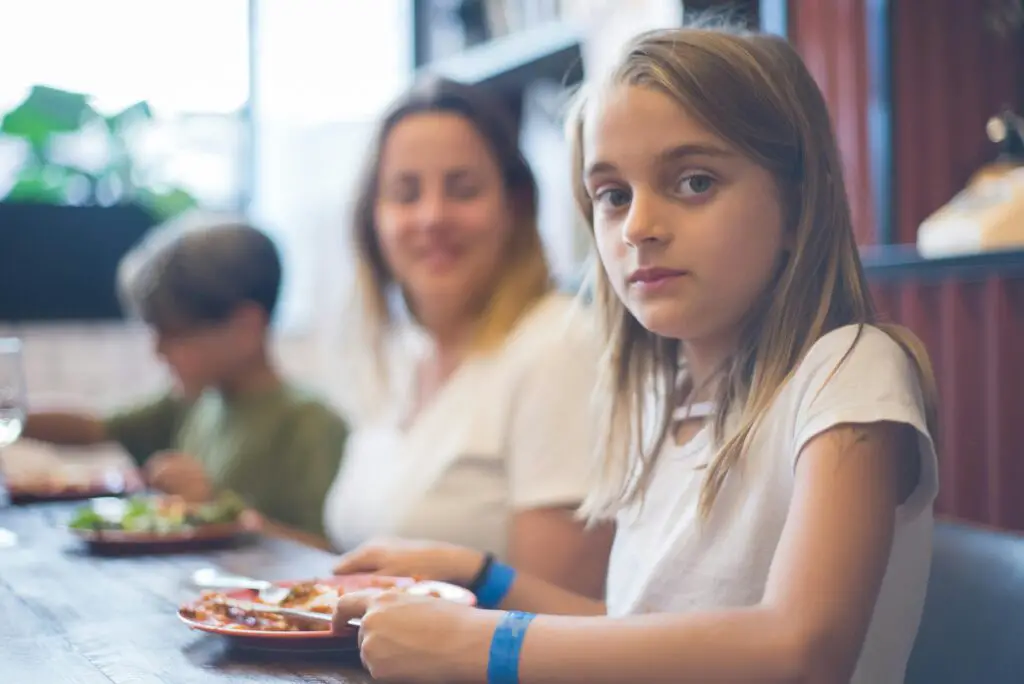
Children often tagged along on errands and watched adults interact with clerks, neighbors, and service workers. They absorbed how to greet people, make small talk, and handle minor conflicts. Politeness was modeled constantly. Tone and body language mattered as much as words.
Over time, kids learned how to speak up respectfully. They saw how adults asked questions, expressed frustration calmly, and said thank you. Those interactions taught confidence without arrogance. It made social situations feel manageable instead of awkward. Watching adults navigate the world was the lesson.
5. Caring for Younger Kids
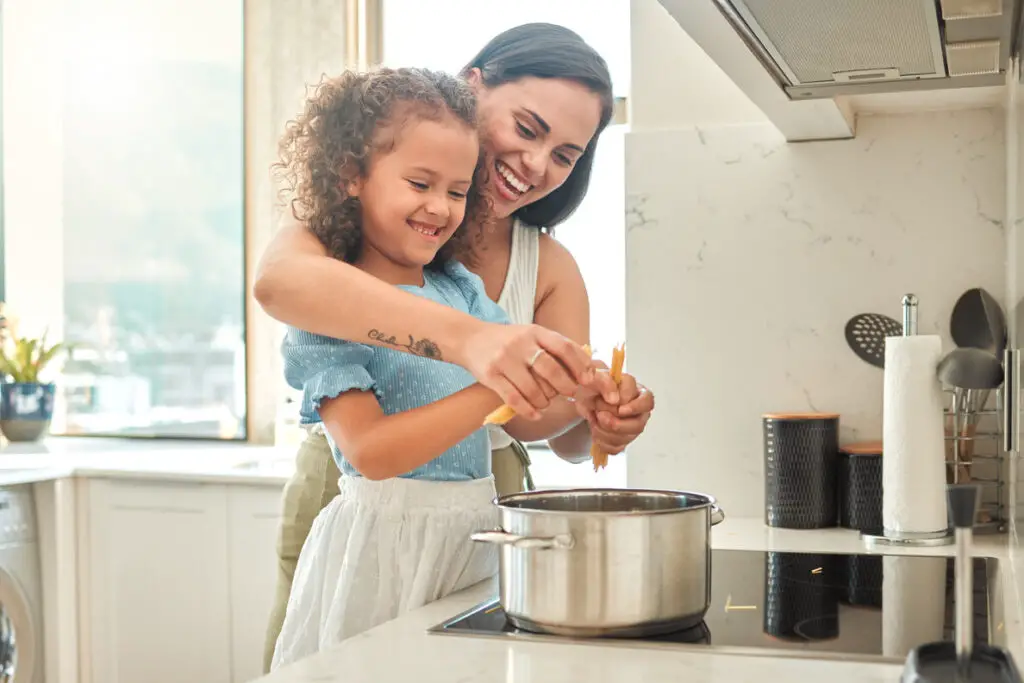
Older children often watched adults care for babies and toddlers and naturally stepped in to help. They learned how to hold, feed, and soothe younger kids by observing. Responsibility was shared, not formalized. It felt like part of family life.
This kind of exposure built empathy and patience early. Kids learned to read cues and respond gently. They understood that caring for others required attention and consistency. Those skills carried into friendships, parenting, and caregiving later on. It was hands on learning without pressure.
6. Cleaning as You Go
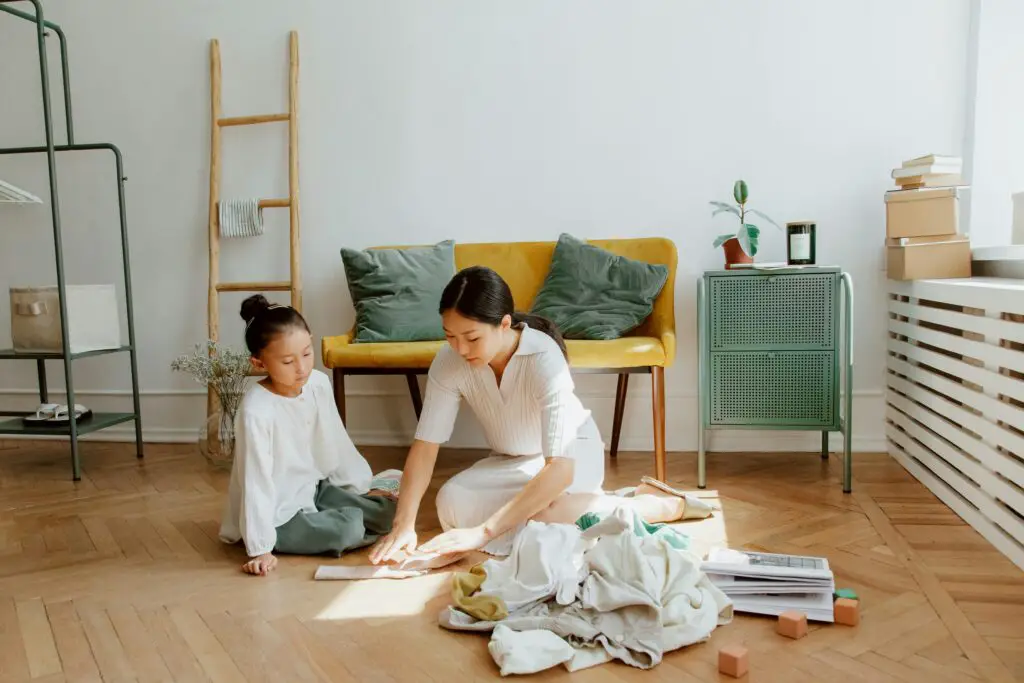
Kids saw adults clean up messes immediately instead of letting them pile up. Dishes were washed after meals, spills wiped right away, and clutter handled daily. Cleaning was part of routine, not a special event. Children noticed those habits.
Watching this taught kids that maintenance was easier than rescue cleaning. They learned that small efforts saved time later. Cleaning did not feel overwhelming because it was broken into pieces. That mindset made responsibility feel manageable. It also showed pride in shared spaces.
7. Fixing Clothes Instead of Tossing Them
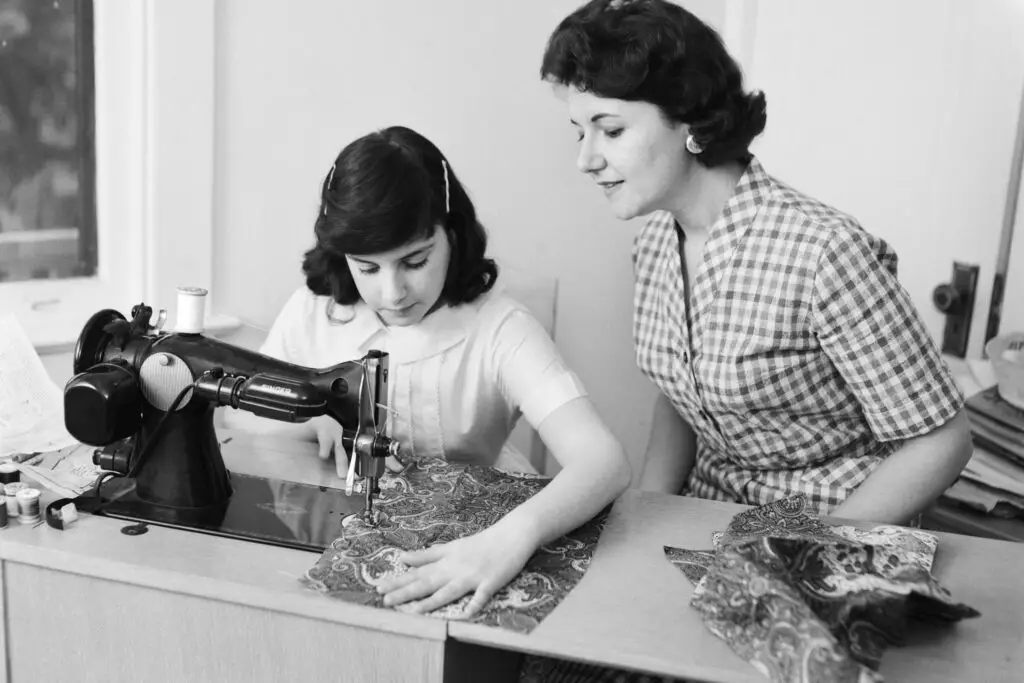
Children once watched adults sew on buttons, mend hems, and patch worn spots. Clothes were repaired because replacements were not automatic. Kids learned how fabric worked just by seeing hands at work. Sewing kits were common household items.
That exposure taught kids the value of care and reuse. They understood that things could be fixed rather than discarded. Even if they never mastered sewing, they learned respect for possessions. It encouraged resourcefulness over convenience. Those lessons shaped how they treated belongings.
8. Gardening and Yard Care
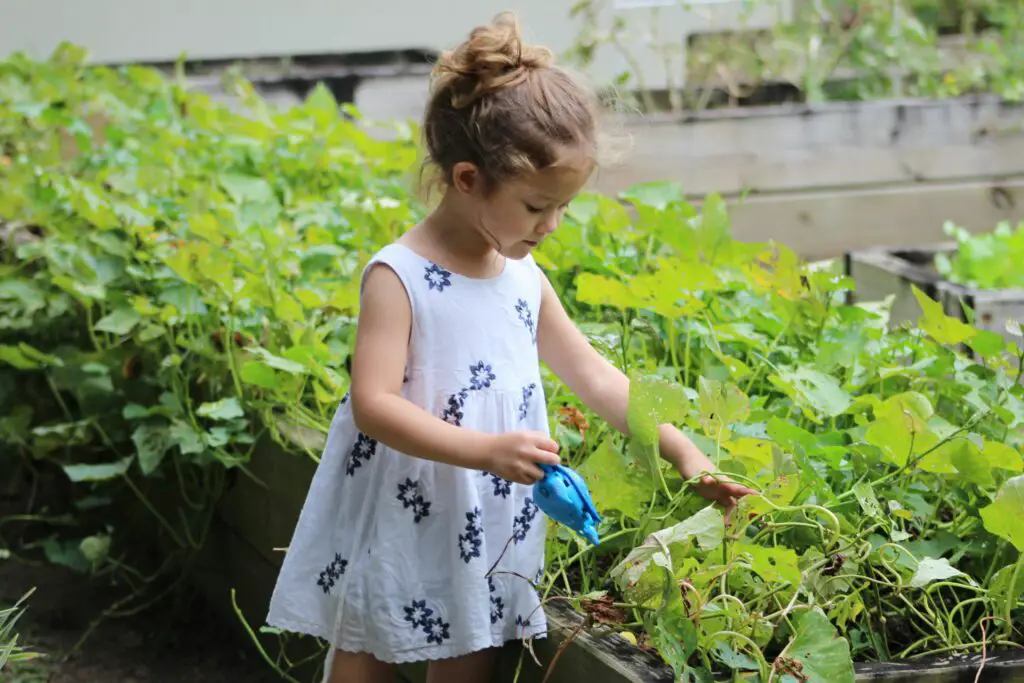
Kids spent time outside watching adults plant, weed, mow, and trim. They learned seasons by observing what needed attention and when. Gardening was practical, not decorative. It was part of daily life.
Through observation, kids learned patience and cause and effect. They saw how effort led to results over time. Plants thrived or failed based on care, weather, and timing. That quiet learning taught responsibility and persistence. Nature became familiar, not abstract.
9. Navigating Without Technology
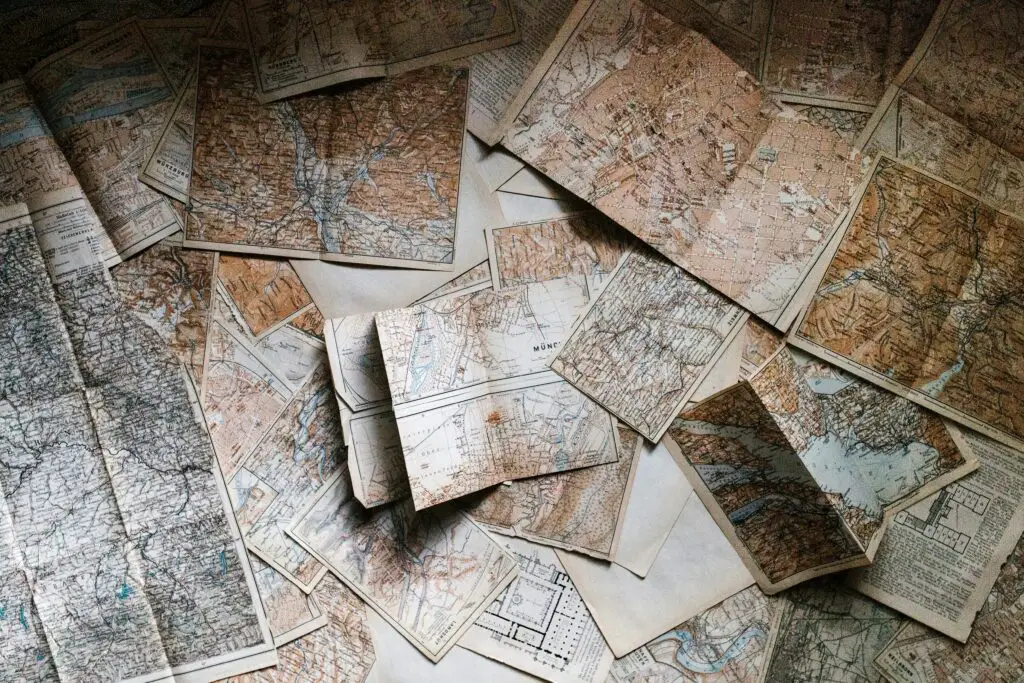
Children watched adults read maps, follow directions, and ask for help when lost. Navigation was a visible skill. Kids learned landmarks, routes, and orientation naturally. Getting somewhere required attention and memory.
That experience built spatial awareness. Kids learned to pay attention to their surroundings. They understood how to problem solve when plans went off track. Watching adults stay calm helped too. It made travel feel like a shared challenge rather than a mystery.
10. Cooking for a Crowd
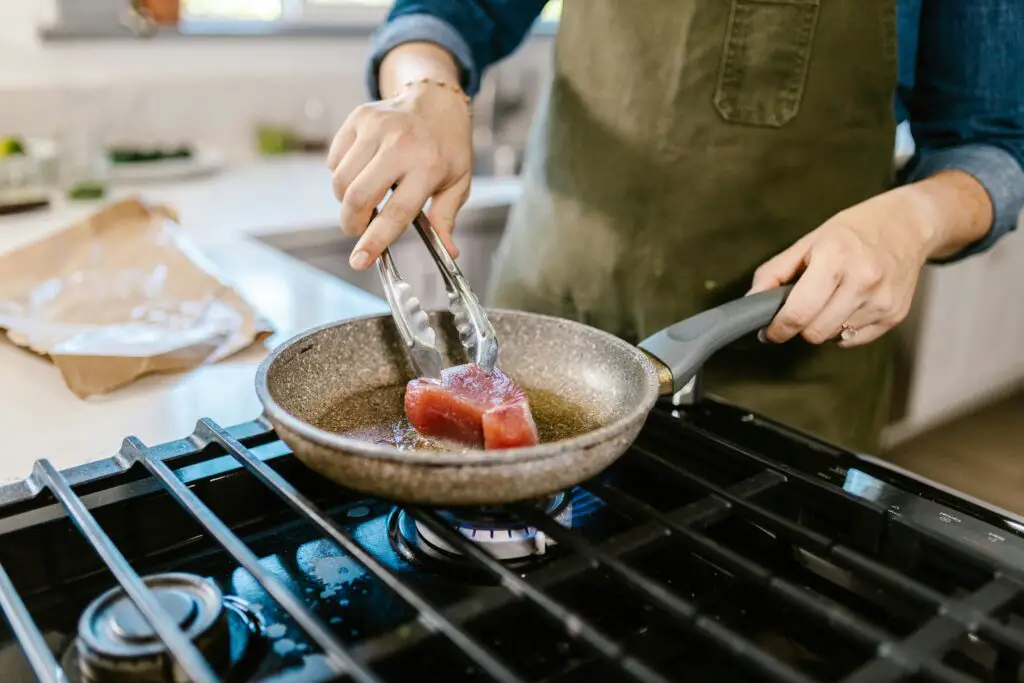
Kids often watched adults prepare food for holidays, gatherings, and neighbors. Large meals required planning and teamwork. Children absorbed how portions scaled and timing mattered. They saw collaboration in action.
This taught kids how to think beyond individual needs. They learned hospitality and generosity through example. Feeding people was about care, not perfection. Mistakes happened, and meals still came together. That sense of abundance left a lasting impression.
11. Handling Tools Safely
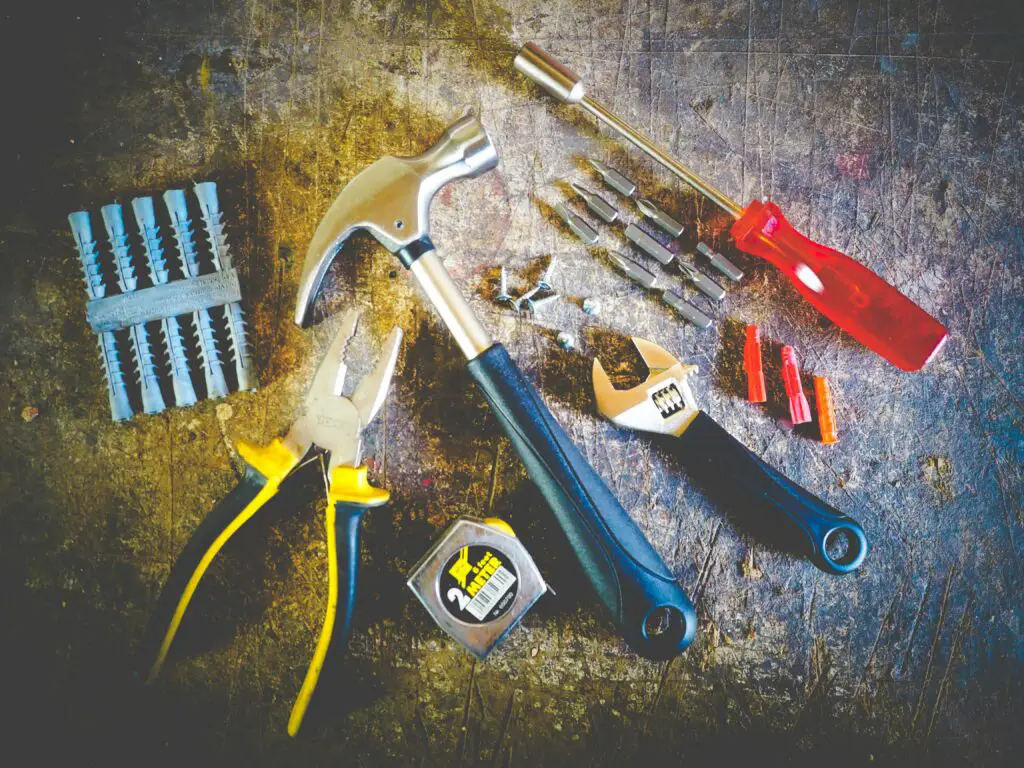
Children watched adults use knives, hammers, and power tools with care. Safety was demonstrated rather than lectured. Kids learned respect for tools by seeing consequences discussed openly. Supervision was constant but relaxed.
Over time, kids learned confidence without recklessness. They understood limits and proper use. Tools were not forbidden, they were understood. That balance built trust and responsibility. It also reduced fear around practical tasks.
12. Planning Ahead

Kids overheard adults talk through schedules, appointments, and upcoming obligations. Planning happened out loud. Calendars were visible and discussions were shared. Children learned that preparation mattered.
This taught kids how to anticipate needs. They saw adults adjust plans when things changed. Flexibility was modeled alongside structure. Watching that process made organization feel human, not rigid. It was a skill absorbed through daily life.
13. Resolving Conflicts Calmly

Children observed adults handle disagreements with neighbors, family, and coworkers. They saw compromise, apologies, and calm discussion. Conflict was not hidden, it was managed. Kids watched tone and timing carefully.
That exposure taught emotional regulation. Kids learned that problems could be addressed without shouting. They saw respect maintained even when opinions differed. Those examples shaped how they handled their own conflicts. Observation did the teaching.
14. Making Do With What You Have

Kids watched adults improvise solutions using whatever was available. Substitutions in recipes, creative repairs, and reused materials were common. Scarcity encouraged creativity. Children noticed that adaptability.
This taught resilience and problem solving. Kids learned that perfection was not required to succeed. They saw adults stay calm and resourceful. That mindset helped them face challenges confidently. It was a powerful lesson learned quietly.
15. Showing Up for Others
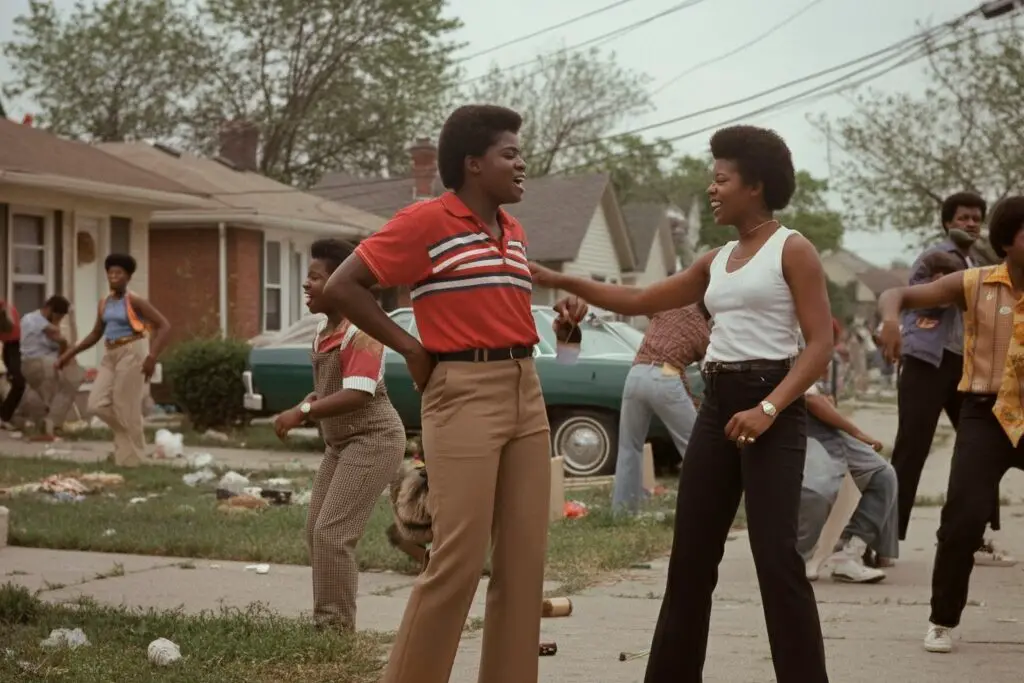
Children watched adults help neighbors, attend events, and check in on loved ones. Support was demonstrated through actions, not speeches. Kids saw reliability modeled daily. Being present mattered.
That taught kids the value of community. They learned that relationships required effort and consistency. Watching adults show up made kindness feel practical. It was not performative, it was routine. Those lessons shaped how kids connected with others later on.