
1. Grossinger’s Catskill Resort
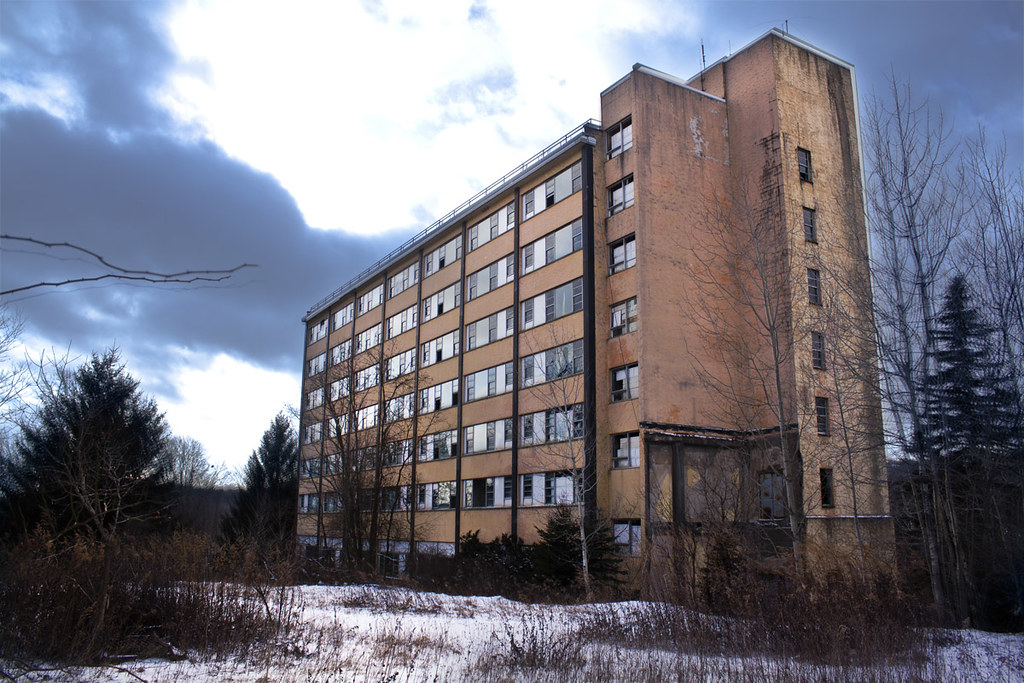
For decades, Grossinger’s was the kind of place families returned to year after year without even considering alternatives. It offered swimming pools, nightly entertainment, organized activities, and a sense that vacation was a shared community experience. Celebrities passed through, but it never felt exclusive or intimidating. It was loud, busy, and proudly old fashioned, which was part of the appeal. You didn’t need an itinerary because everything happened on site.
As air travel became easier and expectations changed, the Catskills lost their grip on American vacation culture. Resorts like Grossinger’s felt frozen in time rather than charmingly nostalgic. Maintenance costs rose, guests thinned out, and the energy shifted elsewhere. By the time it closed, it felt less like a sudden loss and more like a slow fade. Today, it exists mostly in memories and old photo albums.
2. The Salton Sea Resort Towns
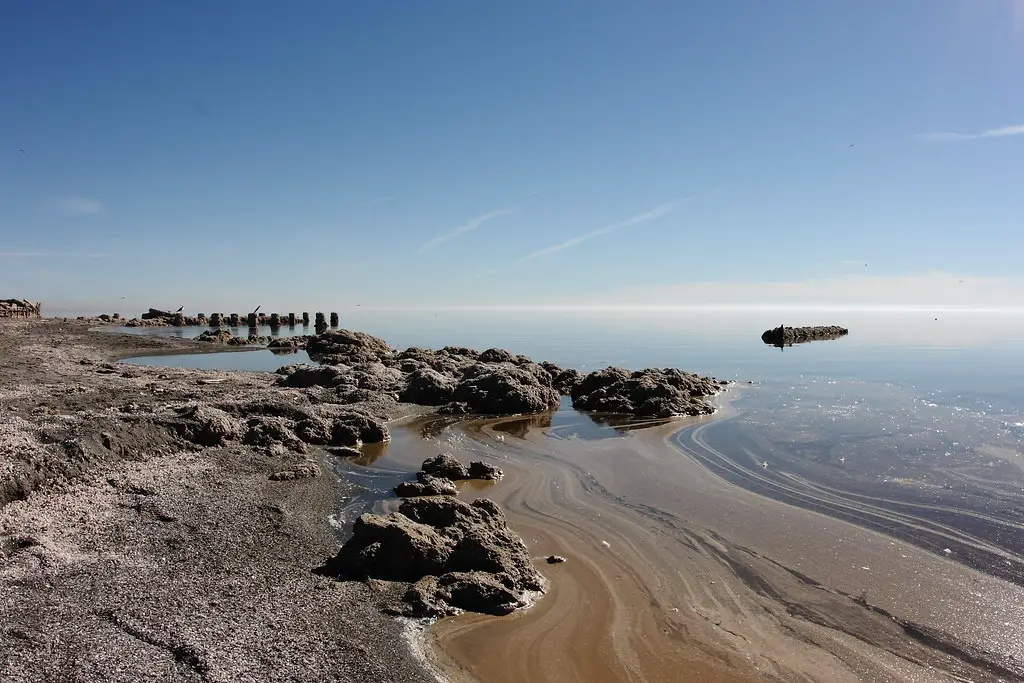
At one point, the Salton Sea was marketed as California’s next Riviera. Developers promised boating, fishing, glamorous resorts, and desert glamour by the water. Celebrities visited, marinas were built, and optimism was everywhere. It felt like a place on the verge of becoming something huge. Families planned trips around it, expecting sunshine and recreation.
Environmental issues crept in quietly at first, then all at once. Rising salinity, dying fish, and unpleasant smells drove tourists away. Investment dried up, and businesses shuttered one by one. What was once a hopeful vacation destination turned into a cautionary tale. Today, it’s more curiosity than getaway.
3. Catskill Mountain Bungalow Colonies

These bungalow colonies were designed for simple, affordable summer escapes. Families rented the same small cabins every year, kids ran free, and neighbors became lifelong friends. Meals were shared, routines were familiar, and the point was to slow down. It was vacation without pressure or polish. For many families, it felt like a second home.
As travel tastes evolved, these modest stays couldn’t compete with larger resorts or distant destinations. Younger generations wanted variety, novelty, and convenience. Many colonies closed quietly, without headlines or fanfare. Cabins sat empty, then deteriorated. What remains is mostly memory and nostalgia.
4. Atlantic City’s Family Boardwalk Era
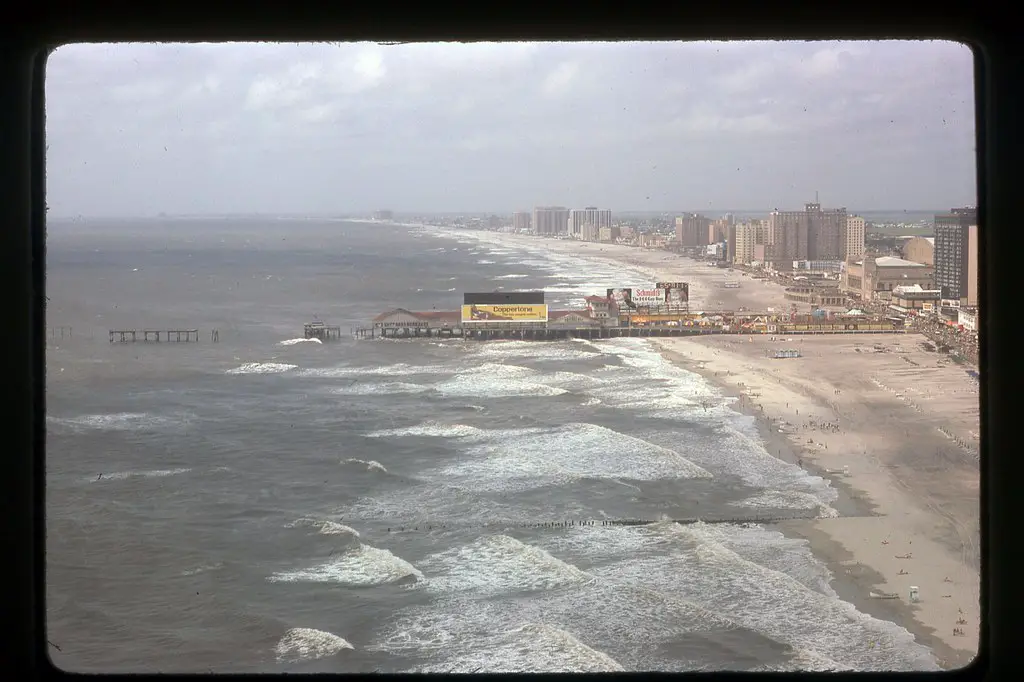
Long before its casino reputation took over, Atlantic City was a family destination. The boardwalk buzzed with arcades, rides, saltwater taffy, and day trippers in comfortable shoes. Parents relaxed while kids darted between attractions. It felt wholesome, affordable, and easy. You didn’t need luxury to have a good time.
As gambling reshaped the city, families slowly stopped coming. The atmosphere shifted toward adult entertainment and late nights. Attractions that once catered to kids vanished or lost priority. What was once a classic family stop became something else entirely. The transition happened gradually, not overnight.
5. Route 66 Motor Courts
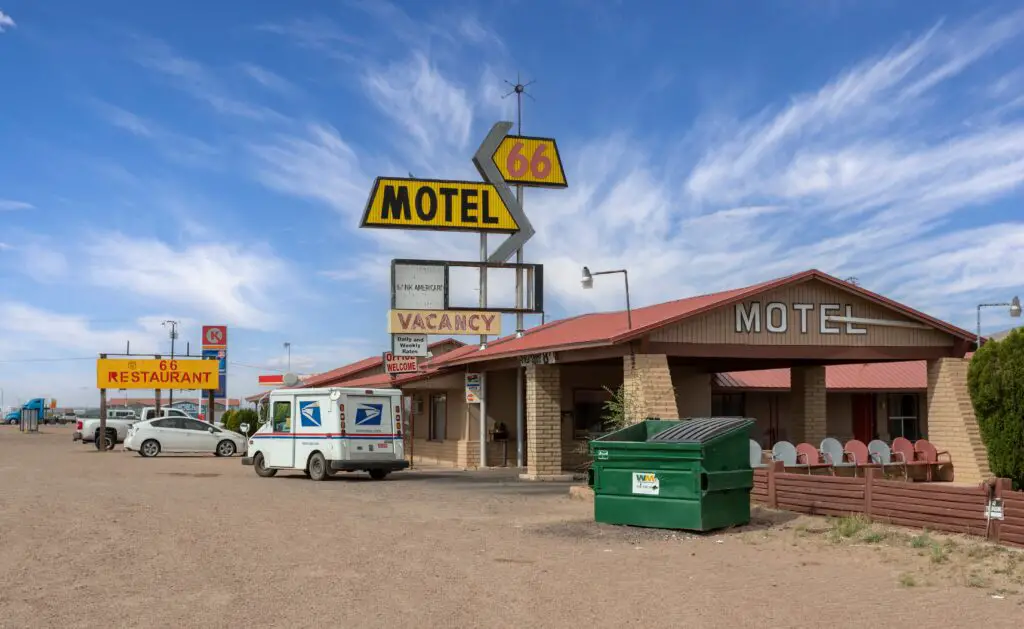
Motor courts along Route 66 were built for optimism and motion. Each stop promised clean rooms, neon signs, and the comfort of knowing you were part of something bigger. Families packed the car, trusted the road, and pulled over when tired. These places were personal, quirky, and welcoming. Every stop had its own personality.
When interstates bypassed the route, traffic disappeared almost instantly. Travelers no longer needed to stop as often or in the same places. Motor courts couldn’t survive without the road that fed them. Many were abandoned or demolished. A few survive as nostalgia pieces, but most are gone.
6. Palm Springs Celebrity Retreats of the ’50s
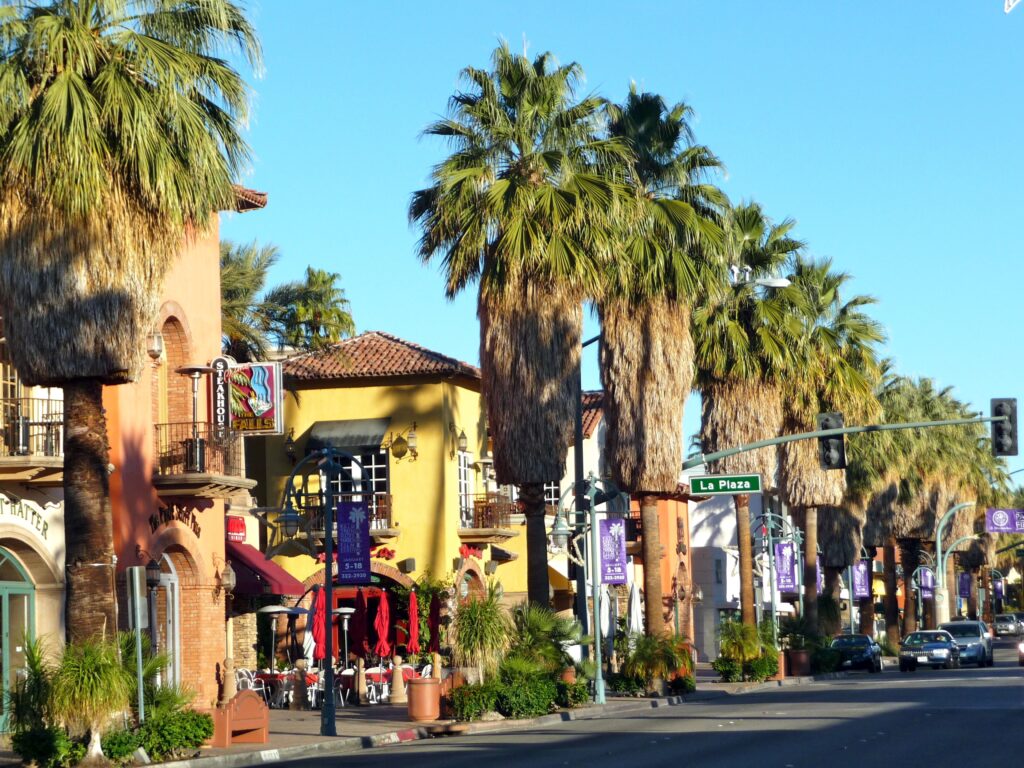
Palm Springs once thrived as a discreet escape for Hollywood stars. Privacy, sunshine, and midcentury glamour made it feel exclusive but relaxed. It was the place to unwind between projects. The city developed an identity built on that quiet allure. Visitors hoped to catch a glimpse of someone famous by the pool.
As celebrity culture changed, so did vacation habits. Stars traveled farther, sought more privacy, or stayed closer to home. Palm Springs didn’t disappear, but its specific role faded. The mystique softened into retro charm. What was once cutting edge became nostalgic.
7. The Jersey Shore’s Old Family Resorts
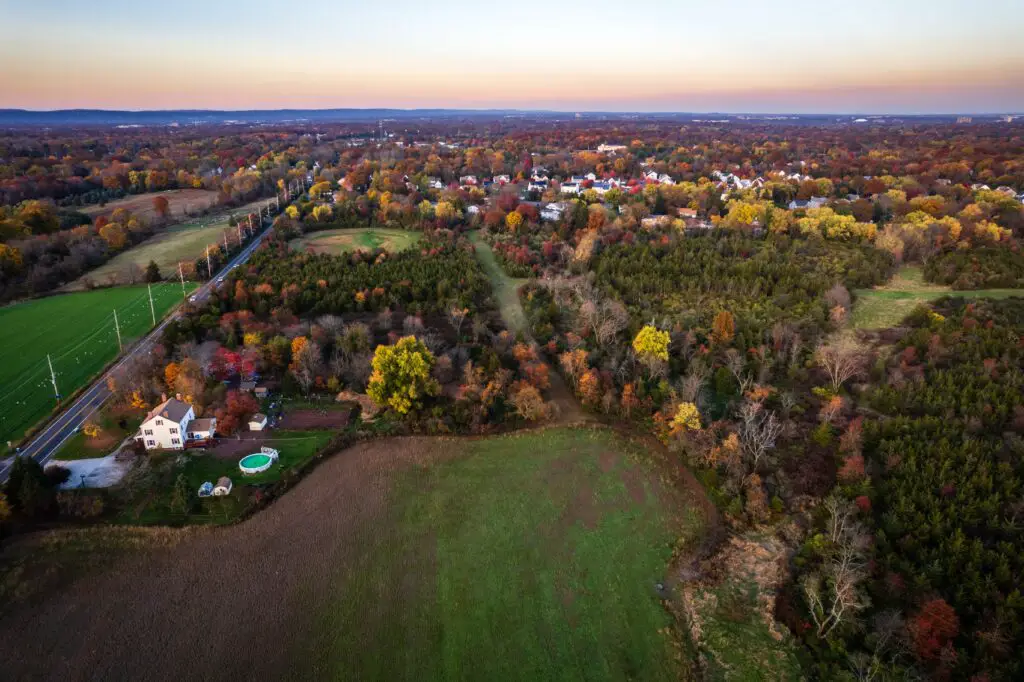
Before party culture took over, many Jersey Shore towns centered on families. Resorts offered structured activities, early dinners, and predictable routines. Parents felt comfortable letting kids roam nearby. Summers followed the same rhythm every year. It was dependable in the best way.
As tastes shifted, some towns rebranded while others struggled. Younger crowds wanted nightlife, not quiet evenings. Family resorts couldn’t easily pivot. Many closed quietly, replaced by condos or seasonal rentals. The change felt gradual but permanent.
8. Poconos Honeymoon Resorts
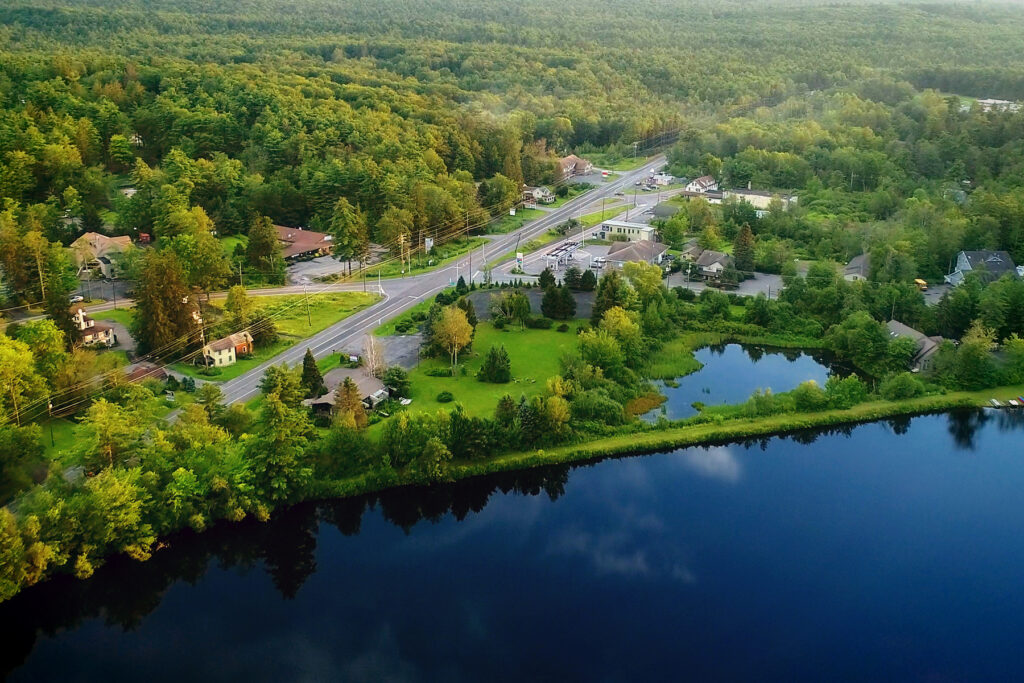
The Poconos were once famous for heart shaped tubs, champagne glasses, and themed rooms. Honeymooners flocked there for romance without airfare. It felt indulgent, playful, and slightly over the top. Couples expected kitsch and leaned into it. The experience was the draw.
Eventually, the style began to feel dated. Couples wanted authenticity or adventure instead of novelty. Maintenance costs climbed, and bookings dropped. Resorts closed or rebranded. The iconic heart shaped tubs became symbols of another era.
9. Florida’s Roadside Theme Parks
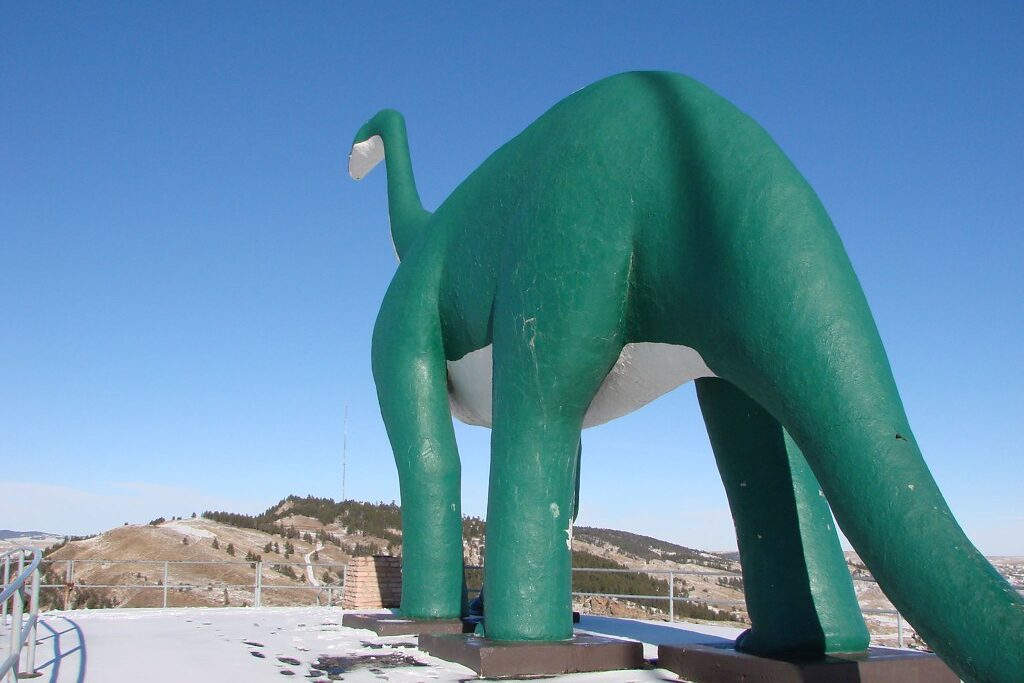
Before massive theme park empires dominated, Florida had dozens of smaller roadside attractions. These parks promised quirky experiences and modest thrills. Families stopped on impulse, not months of planning. It felt spontaneous and affordable. No two places were quite alike.
As major parks expanded, these smaller stops couldn’t compete. Marketing budgets and expectations changed. Visitors planned fewer surprise stops. One by one, attractions closed. What remains is mostly faded signage and old postcards.
10. Upstate New York Summer Camps for Families
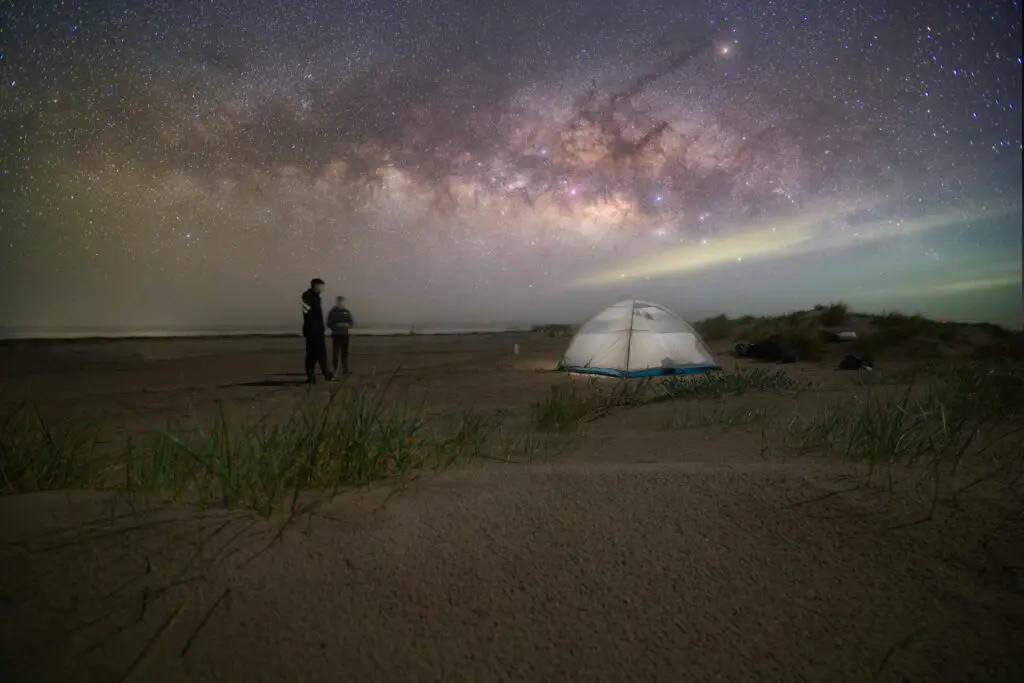
Some summer camps opened their doors to entire families, not just kids. Parents relaxed while children participated in structured activities. Meals were communal, days were predictable, and stress felt far away. It created a shared rhythm that many families loved. Vacation felt productive without being exhausting.
Over time, the model lost traction. Families wanted flexibility rather than schedules. Travel options expanded, and expectations changed. These camps quietly closed or returned to child only programs. Their disappearance wasn’t dramatic, just gradual.
11. Desert Hot Springs Spa Resorts
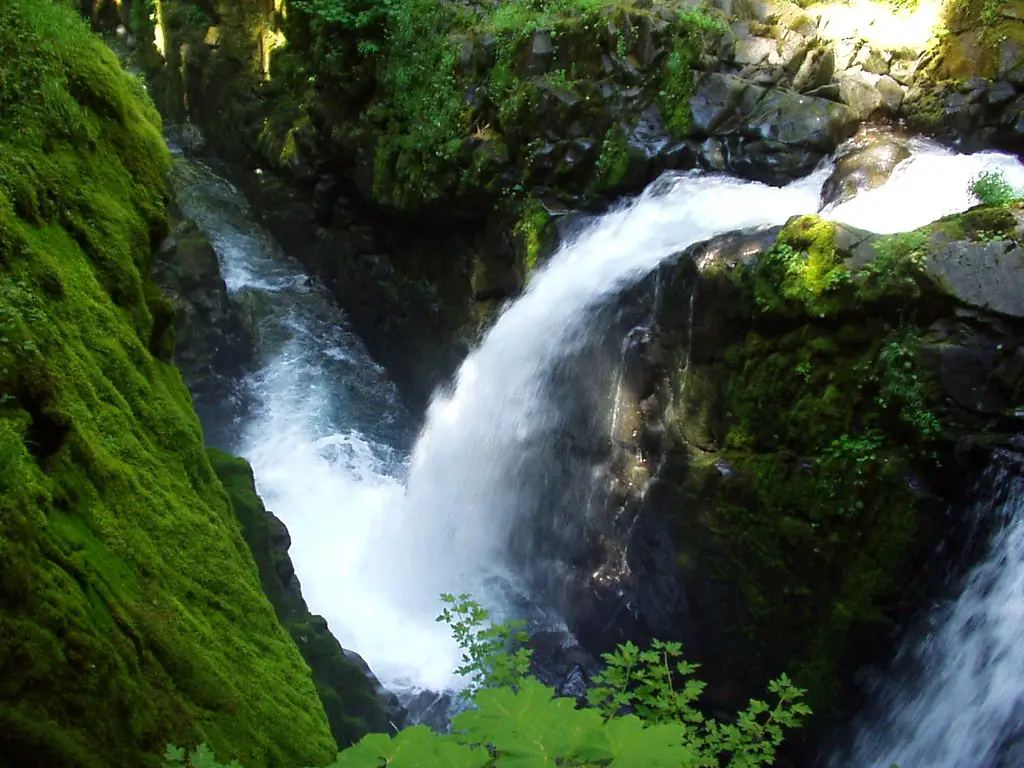
Once marketed as healing retreats, Desert Hot Springs drew travelers seeking relaxation and health benefits. Mineral water spas promised restoration and calm. The atmosphere was quiet, almost reverent. Visitors came to rest, not to be entertained. It felt purposeful and soothing.
As wellness trends evolved, newer destinations stole attention. Facilities aged, and marketing lagged behind. Visitors chose more modern spa experiences elsewhere. Many resorts closed without much notice. The area still exists, but its prominence faded.
12. Niagara Falls Honeymoon District
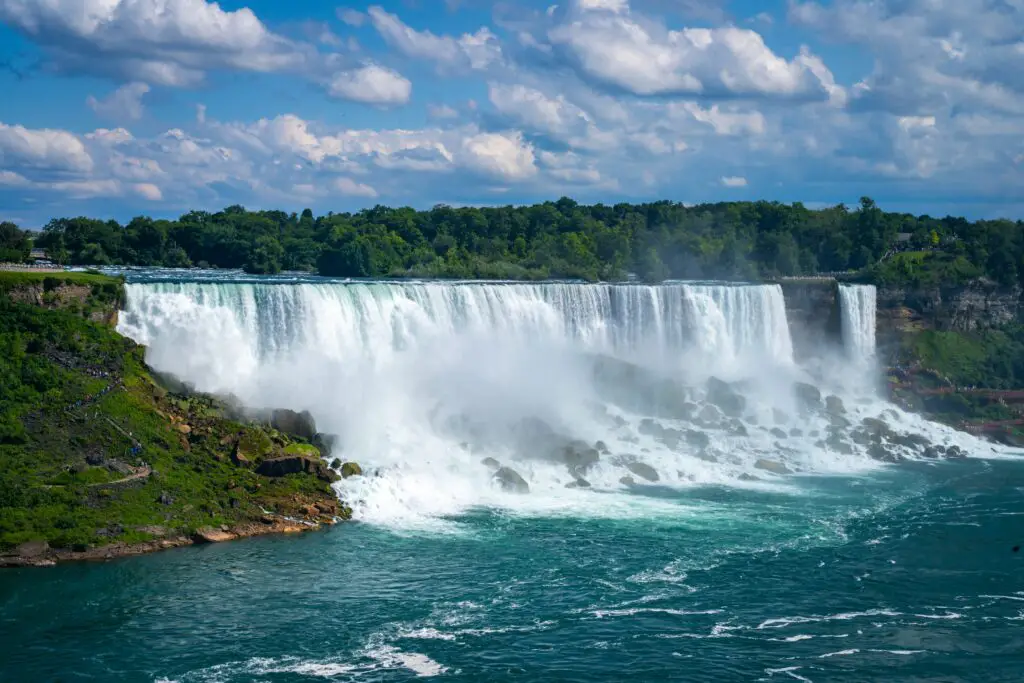
Niagara Falls was once the default honeymoon destination for American couples. It was romantic, accessible, and symbolic. Hotels catered specifically to newlyweds. The trip felt like a rite of passage. Couples expected crowds and leaned into the tradition.
As travel opened up, couples looked farther afield. International destinations offered more novelty and privacy. Niagara Falls remained iconic, but its honeymoon dominance slipped. The shift happened slowly over decades. What was once expected became optional.