
1. Writing Letters by Hand

Grandparents didn’t think twice about sitting down with a pen and filling an entire page with neat handwriting. Letter writing wasn’t rushed or disposable, it was how you stayed emotionally connected to people who lived far away. They knew how to organize their thoughts, tell a story, and ask meaningful questions without emojis or autocorrect. Even the physical act of addressing envelopes and choosing stamps felt personal. Waiting days or even weeks for a reply taught patience in a way most of us never experience now. You can almost picture the careful folding of the paper and the little ritual of sealing the envelope. It wasn’t just communication, it was a small act of care sent through the mail.
Today, many people struggle to write more than a few sentences without a keyboard. Handwriting itself has become shaky or rushed for a lot of adults. There’s something grounding about slowing down and forming each letter that we’ve mostly lost. Grandparents built strong writing habits simply because they had to. They were comfortable expressing feelings and details on paper, not just in quick texts. That skill quietly shaped how people stayed close across distance. It’s a reminder that connection once required patience and intention.
2. Reading Maps and Giving Directions

Before GPS, grandparents could unfold a paper map and actually make sense of it. They understood scale, landmarks, and how highways connected without needing a voice to tell them when to turn. Many could give detailed directions using memorable buildings, curves in the road, or even old trees that everyone recognized. Getting lost was part of the experience, but so was figuring your way back. There was a quiet confidence in navigating without digital help. Road trips felt more like an adventure because you had to stay engaged the whole time.
Now, many people panic the moment a phone signal drops. Spatial awareness has faded for a lot of us because we rely so heavily on screens. Grandparents trained their brains to visualize routes and distances naturally. They noticed their surroundings more closely because those details mattered. Even asking strangers for directions was normal and social. It created small moments of human connection along the way. Navigation used to be a shared, learned skill instead of an automated feature.
3. Sewing Buttons and Mending Clothes
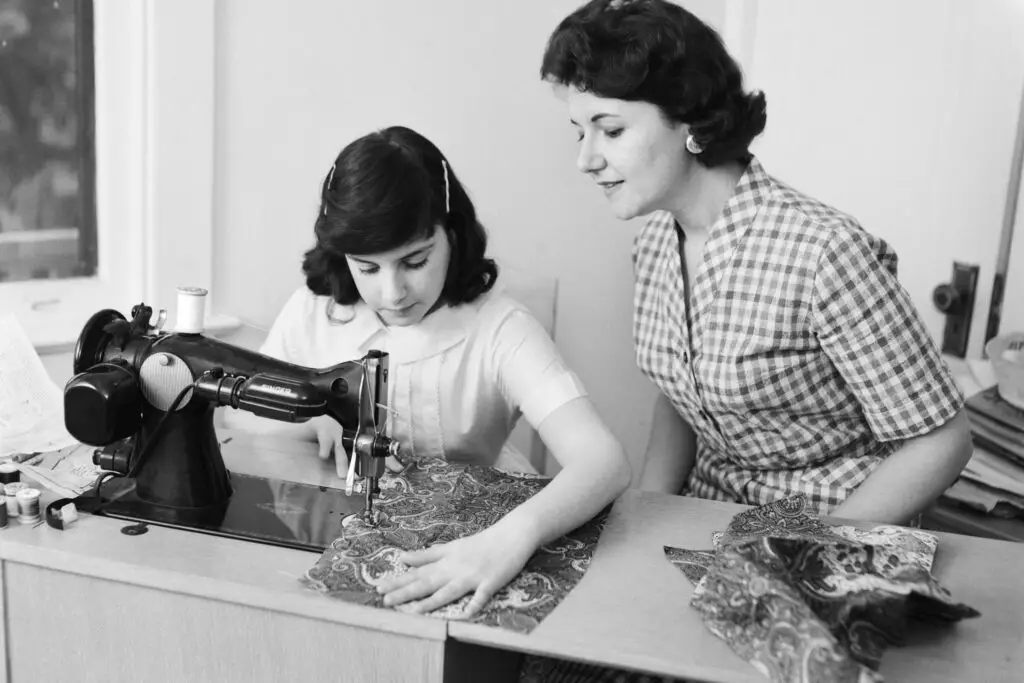
If a button popped off, grandparents didn’t throw the shirt away or rush to replace it. They pulled out a needle and thread and fixed it in minutes. Basic mending was just part of everyday life, not a special hobby. Many could hem pants, patch small holes, or reinforce seams without thinking twice. Clothes were meant to last, not cycle through trends every season. There was pride in taking care of what you owned. You learned how fabrics behaved and how stitches held things together.
Today, even minor clothing repairs feel intimidating to many people. Fast fashion has made replacement easier than repair. Grandparents valued durability because resources weren’t always abundant. Knowing how to mend saved money and reduced waste long before sustainability became a buzzword. It also gave a sense of independence and self-reliance. Fixing something yourself feels quietly satisfying in a way buying new never quite matches. It’s a practical skill that also teaches patience and care.
4. Cooking from Scratch Without Recipes
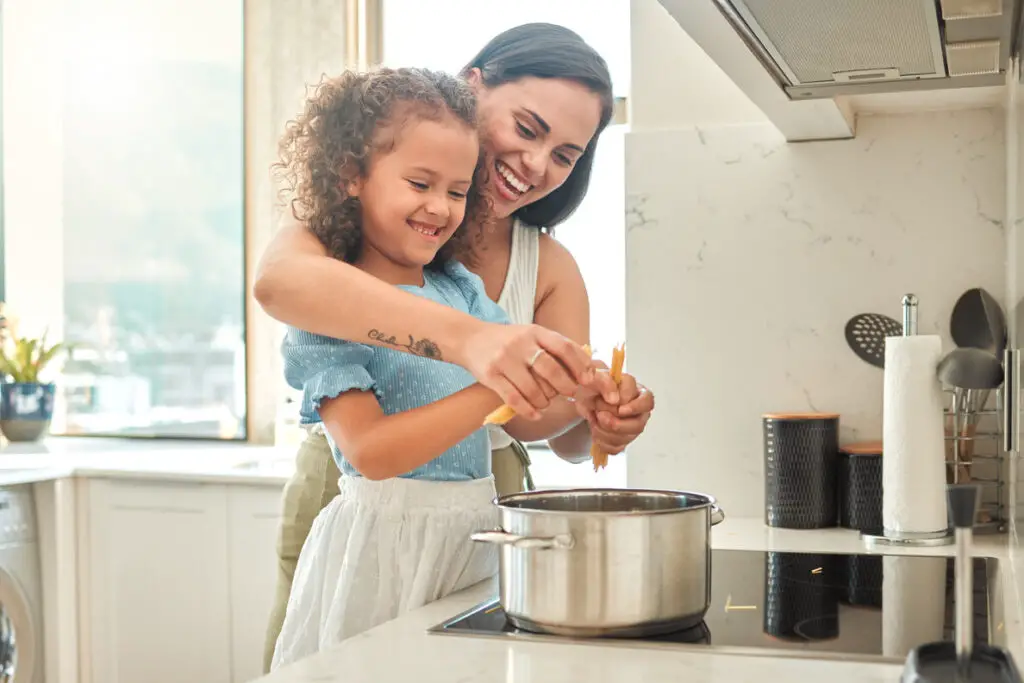
Grandparents often cooked full meals without measuring cups or written instructions. They relied on memory, taste, and experience to guide them. A pinch of this and a handful of that actually meant something because they had practiced for years. They could stretch simple ingredients into comforting meals that fed families affordably. Cooking wasn’t about perfection or presentation, it was about nourishment and consistency. You learned flavors by feel instead of by apps. The kitchen was a place of rhythm and routine.
Many people today depend heavily on step-by-step recipes and videos. Without guidance, it can feel risky to improvise. Grandparents trusted their instincts because they built them over time. They understood how heat, seasoning, and timing worked together naturally. That confidence made cooking less stressful and more intuitive. Meals felt personal because no two batches were exactly the same. It’s a skill rooted in repetition and patience rather than shortcuts.
5. Budgeting Every Dollar

Grandparents often kept mental ledgers of household expenses. They knew exactly what money was coming in and what had to go out. Cash budgeting made spending feel tangible and deliberate. Every purchase required a decision rather than a swipe. Saving for something meant planning and sometimes sacrificing smaller comforts. Financial discipline was learned early and practiced consistently. It wasn’t glamorous, but it kept households stable.
Today, digital payments make it easy to lose track of spending. Automatic subscriptions quietly drain accounts without much awareness. Grandparents felt the weight of each dollar because they physically handled it. That awareness encouraged thoughtful choices and long-term thinking. Budgeting wasn’t restrictive, it was empowering. It gave people control over their lives instead of letting expenses drift. The habit built financial confidence and resilience.
6. Entertaining Themselves Without Screens
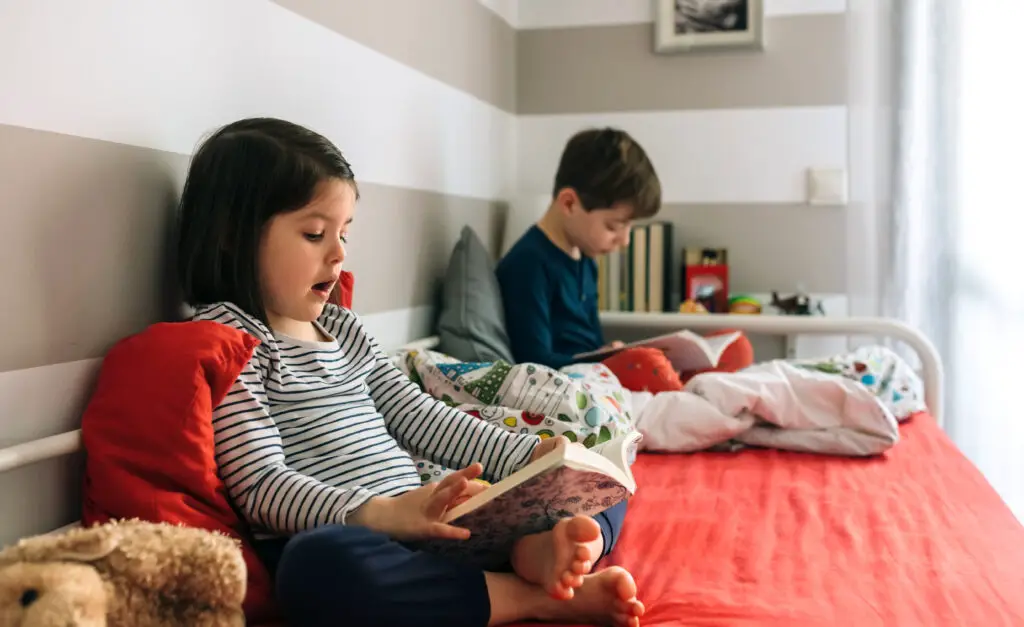
Grandparents grew up knowing how to fill long stretches of time creatively. Reading, puzzles, card games, gardening, and conversation filled evenings. Boredom was something you worked through, not something you scrolled away. Many developed hobbies simply because they had time to explore them. Family gatherings often revolved around storytelling and shared activities. Silence wasn’t uncomfortable, it was normal. Imagination did a lot of the heavy lifting.
Today, screens instantly fill every quiet moment. Downtime feels awkward if nothing is buzzing or flashing. Grandparents built attention spans that allowed deeper focus. They learned to enjoy slower rhythms of life. That skill helped reduce stress and encouraged creativity. It also strengthened relationships through face-to-face interaction. Being comfortable without constant stimulation is becoming rare.
7. Fixing Basic Household Problems

Loose hinges, squeaky doors, or dripping faucets didn’t always require a professional. Grandparents learned basic repairs through experience and observation. Toolboxes were common household staples. Small fixes saved money and prevented bigger problems later. There was pride in maintaining your own space. You didn’t immediately outsource every inconvenience.
Many people today feel unsure touching tools at all. Tutorials exist, but confidence often lags behind. Grandparents built competence by doing things repeatedly. They understood how homes functioned mechanically. That knowledge created independence and reduced frustration. Even small repairs gave a sense of accomplishment. It’s a skill rooted in curiosity and hands-on learning.
8. Memorizing Important Information

Phone numbers, addresses, and birthdays lived in grandparents’ heads. Memory was exercised daily because there were no digital backups. You memorized routes, appointments, and contact information out of necessity. Forgetting had real consequences, so attention mattered. Mental organization became second nature. The brain stayed actively engaged.
Today, most information lives inside devices. Memory muscles don’t get as much exercise. Grandparents relied on recall and repetition. That strengthened cognitive skills over time. It also created a deeper sense of awareness and responsibility. Knowing things without looking them up built confidence. Mental sharpness was part of daily life.
9. Writing Thank You Notes and Formal Notes

Gratitude was often expressed through handwritten notes. Thank you cards carried real emotional weight. The effort showed respect and appreciation. Even short notes felt meaningful because they took time. Etiquette wasn’t about rules, it was about care. People valued acknowledgment and courtesy.
Today, a quick text often replaces formal thanks. While efficient, it lacks the same permanence. Grandparents understood the power of thoughtful communication. Writing notes reinforced relationships and goodwill. It encouraged reflection on what someone had given or done. Small gestures built long-term connections. Politeness was practiced intentionally.
10. Growing Food at Home

Many grandparents kept gardens or small backyard plots. Growing vegetables reduced grocery costs and ensured fresh food. You learned patience by watching plants develop slowly. Seasons dictated what was available. Gardening created a deep connection to food sources. Waste felt more personal when you grew what you ate.
Today, grocery stores provide everything instantly. Few people understand planting cycles or soil care. Grandparents valued self-sufficiency and planning. Gardening also provided physical activity and mental calm. It taught responsibility and appreciation. Even small harvests felt rewarding. Food wasn’t taken for granted.
11. Making Do and Reusing What You Had

Nothing was thrown away casually. Containers were reused, scraps were repurposed, and repairs extended usefulness. Creativity thrived under constraint. Waste felt unnecessary and careless. Items carried stories and history. Practicality guided decisions.
Modern convenience encourages disposal and replacement. Grandparents practiced sustainability naturally. Reuse saved money and resources. It also encouraged problem solving. Seeing value in what you already owned built gratitude. Resourcefulness became a mindset rather than a trend.
12. Hosting Guests Without Stress
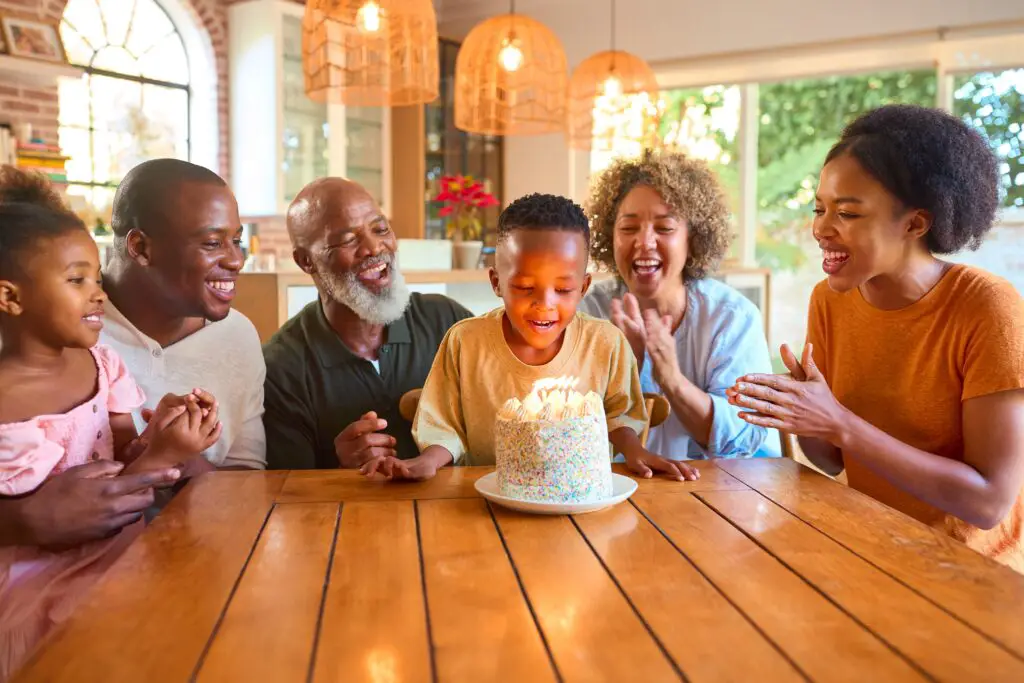
Entertaining didn’t require elaborate planning or perfection. Coffee and conversation were often enough. Homes didn’t need to look staged or curated. Guests were welcomed for connection, not performance. Hospitality felt natural and relaxed. People showed up unannounced more often.
Today, hosting can feel overwhelming and pressured. Social media sets unrealistic standards. Grandparents focused on comfort and warmth. They prioritized people over presentation. That created genuine connection and ease. Simplicity made gatherings more frequent and spontaneous. Hospitality was about presence, not polish.
13. Keeping a Consistent Daily Routine
Grandparents often followed predictable rhythms. Meals, chores, and rest happened around similar times each day. Routine supported stability and health. It reduced decision fatigue and stress. Life felt grounded and manageable. Time had structure without feeling rigid.
Modern schedules often fluctuate wildly. Irregular habits affect sleep and focus. Grandparents benefited from consistency. Their bodies and minds adapted to reliable patterns. Routine created balance and predictability. It supported long-term wellbeing. Simple structure had powerful effects.
14. Resolving Conflicts Face to Face

Difficult conversations happened in person. Tone, body language, and empathy mattered. You couldn’t hide behind screens or delay responses indefinitely. Misunderstandings were addressed directly. Relationships required effort and accountability. Communication felt more human and nuanced.
Today, conflict often unfolds through texts or avoidance. Misinterpretation becomes easier. Grandparents practiced patience and listening. Face-to-face resolution built stronger trust. It encouraged emotional intelligence. Honest dialogue strengthened bonds. Avoidance was less common and less accepted.
15. Appreciating Quiet and Stillness

Silence wasn’t something to fill constantly. Quiet moments allowed reflection and rest. Evenings could pass without noise or distraction. Stillness supported mental clarity. People learned to be comfortable with their own thoughts. Calm was built into daily life.
Today, constant noise surrounds most people. Silence can feel uncomfortable or unfamiliar. Grandparents embraced slower pacing. Quiet allowed emotional processing and creativity. It reduced overstimulation. Learning to appreciate stillness improves overall wellbeing. Calm used to be normal rather than rare.