
1. What Really Happened to the Roanoke Colony?
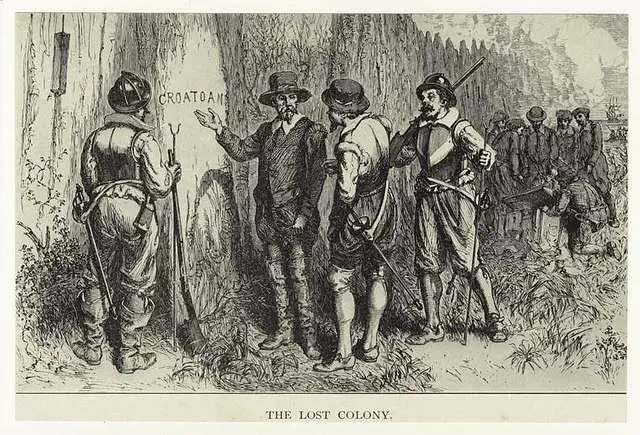
More than 100 settlers vanished from England’s Roanoke Colony in the late 1500s, leaving behind almost no physical trace and only the mysterious word “Croatoan” carved into a post. Some historians believe the colonists may have integrated with nearby Native tribes, while others argue they succumbed to disease, famine, or conflict. Archaeological digs have uncovered a few tantalizing clues, but nothing definitive enough to close the case. Even the location of the colony itself has sparked debate, complicating efforts to piece together what happened. Contemporary records from the period are incomplete and sometimes contradictory, adding to the confusion. Every generation seems to uncover a new theory that briefly captures public imagination.
What keeps Roanoke fascinating is how reasonable many of the competing explanations sound. DNA studies and artifact discoveries occasionally revive the idea of assimilation, but they stop short of proving it conclusively. Written accounts from neighboring settlements suggest unrest and scarcity in the region, which could point to a tragic end rather than a peaceful relocation. Still, the lack of bodies or settlement ruins leaves room for doubt. Experts continue to argue over how much weight to give oral histories and fragmentary evidence. The mystery endures because no single explanation neatly accounts for all the facts.
2. Who Was Jack the Ripper?
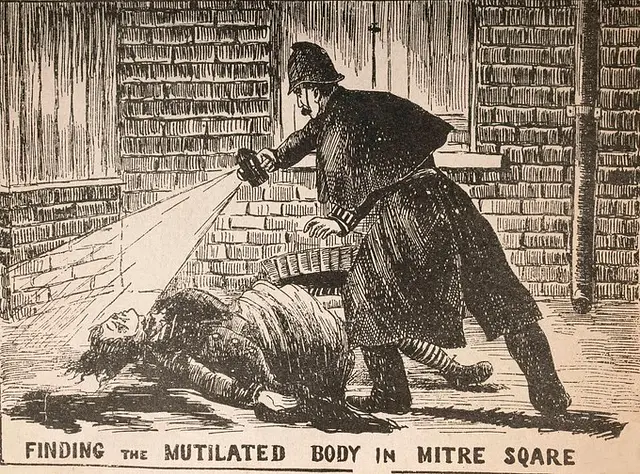
In 1888, a series of brutal murders in London’s Whitechapel district shocked the public and ignited one of history’s most famous criminal mysteries. Despite intense police investigations and massive public interest, the killer was never officially identified. Over the decades, dozens of suspects have been proposed, ranging from local butchers to members of the aristocracy. Some modern researchers point to DNA analysis on preserved evidence, while others question the reliability and contamination of those samples. Newspaper sensationalism at the time also muddied the waters, creating myths alongside facts. Even basic details about the crimes remain disputed among scholars.
What divides experts most is how much trust to place in the surviving physical evidence versus contemporary witness statements. DNA claims periodically surface, but many forensic specialists caution that degraded samples from the 1800s cannot yield conclusive results. Historians also debate whether all the murders attributed to the Ripper were actually committed by the same person. The lack of standardized police procedures in the Victorian era complicates any modern reanalysis. Each new book or documentary tends to revive a different suspect, keeping the debate alive. The case persists because it sits at the uneasy intersection of history, legend, and imperfect science.
3. How the Great Pyramid of Giza Was Really Built
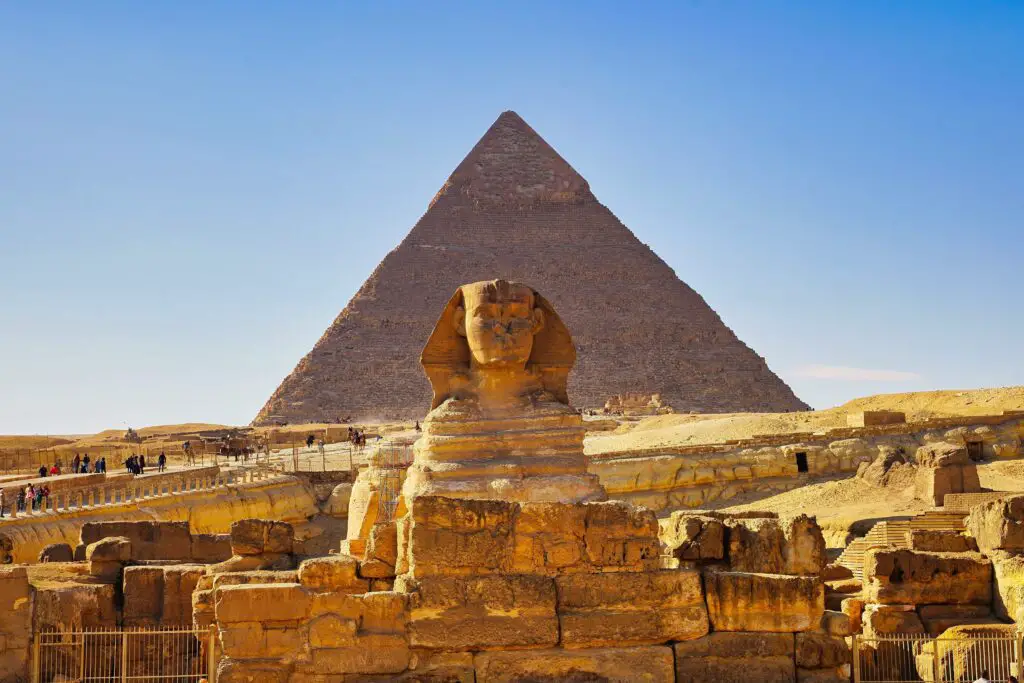
The Great Pyramid has stood for over 4,500 years, yet scholars still debate exactly how ancient Egyptians managed to construct something so massive and precise. Mainstream theories favor large labor forces using ramps, sledges, and clever engineering techniques. Alternative ideas propose internal ramps or complex pulley systems, each supported by fragments of archaeological evidence. The logistics of transporting multi-ton stone blocks across desert terrain remain a central point of contention. Even the organization of the workforce, whether skilled laborers or conscripted workers, continues to be debated. No single theory explains every aspect of the pyramid’s construction perfectly.
What keeps experts divided is the lack of surviving written blueprints or detailed construction records. Experimental archaeology has demonstrated that some methods could work, but scaling them to the pyramid’s full size introduces unanswered questions. New technologies like muon scanning occasionally reveal hidden chambers or structural anomalies, sparking fresh theories. Some scholars argue these discoveries support internal ramp models, while others see them as unrelated features. The pyramid’s enduring mystery lies in how advanced ancient engineering truly was. Each new discovery tends to raise as many questions as it answers.
4. Where the Tomb of Cleopatra Might Be Hidden
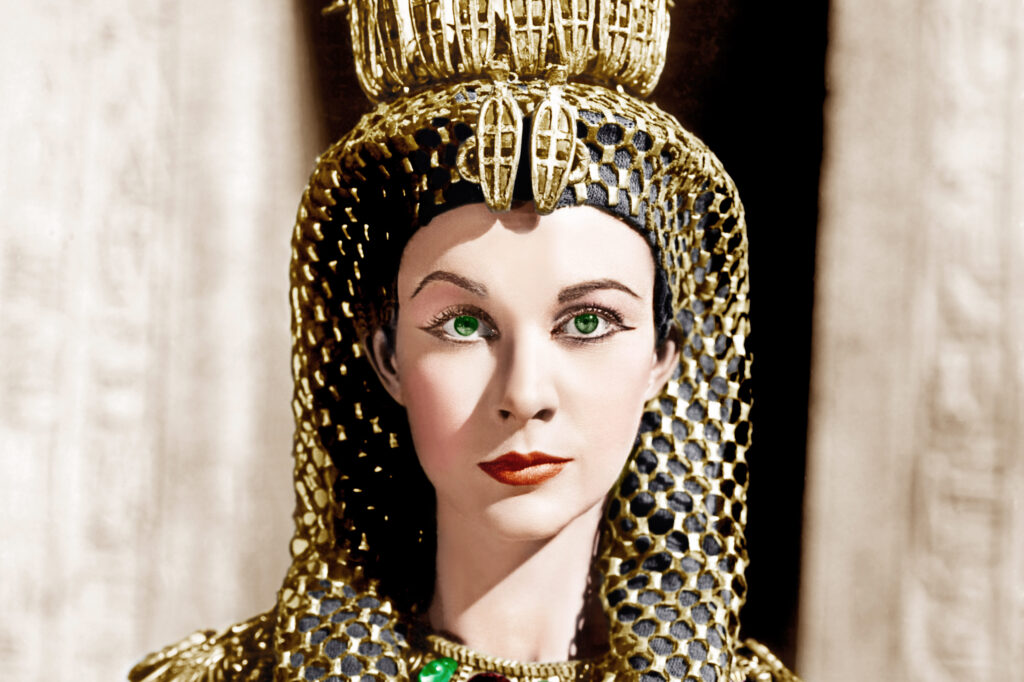
Cleopatra VII remains one of history’s most famous figures, yet her final resting place has never been definitively identified. Ancient sources suggest she was buried with Mark Antony somewhere near Alexandria, possibly in a temple dedicated to Isis. Over the years, archaeologists have searched coastal ruins, submerged sites, and desert temples in hopes of finding her tomb. Some excavations have uncovered intriguing artifacts, but none have conclusively proven a royal burial site. Erosion, earthquakes, and rising sea levels have dramatically altered the landscape since Cleopatra’s time. This makes it difficult to match ancient descriptions with modern geography.
Scholars disagree over how literally to interpret classical texts describing the burial. Some believe the tomb may lie underwater due to seismic activity, while others argue it is still hidden beneath layers of urban development. Funding, preservation concerns, and political factors also limit how extensively certain sites can be explored. Every promising discovery tends to generate excitement followed by cautious skepticism. Without inscriptions or unmistakable royal markers, claims remain speculative. Until something undeniable emerges, Cleopatra’s tomb continues to fuel debate and imagination.
5. What Really Caused the Fall of the Maya Civilization

The classic Maya civilization experienced a dramatic decline between the eighth and ninth centuries, leaving many cities abandoned. For decades, scholars debated whether warfare, drought, disease, or political collapse played the primary role. Modern climate data shows evidence of prolonged droughts during the period, lending weight to environmental explanations. Archaeological findings also reveal signs of internal conflict and resource strain. Some researchers argue that no single factor caused the collapse, but rather a cascade of interconnected problems. The timing and severity of decline varied significantly between regions, complicating broad conclusions.
Experts continue to argue about which factors carried the greatest influence. Climate models provide valuable insight, yet they cannot fully explain social and political decisions. Inscriptions indicate shifting alliances and increased warfare, suggesting instability long before cities were abandoned. Others emphasize agricultural practices and deforestation as contributing pressures. The challenge lies in integrating environmental data with cultural and political evidence. The Maya collapse remains a case study in how complex societies can unravel in multiple overlapping ways.
6. Whether the Shroud of Turin Is Authentic
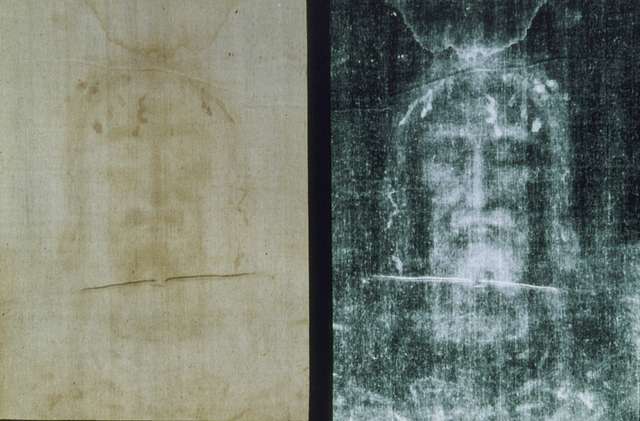
The Shroud of Turin is a linen cloth bearing the faint image of a man, believed by some to be Jesus of Nazareth. Radiocarbon dating tests in the late 1980s suggested the fabric dated to the medieval period. However, critics argue that the tested samples may not represent the entire cloth due to contamination or repair patches. Image analysis and forensic studies continue to produce conflicting interpretations. Some researchers claim the image contains three-dimensional information not easily explained by medieval techniques. Others maintain that artistic or chemical processes could account for the image.
The debate persists because different scientific methods sometimes yield incompatible results. New testing proposals frequently face resistance due to preservation concerns and limited access to the artifact. Theological beliefs also influence how some interpretations are received, adding emotional weight to the discussion. Historians question the shroud’s documented appearance in the historical record prior to the 1300s. Each new study tends to reignite long-standing arguments rather than resolve them. The shroud remains one of the most contested artifacts in religious history.
7. Who Betrayed Anne Frank’s Family

Anne Frank and her family were discovered in their hiding place in Amsterdam in 1944, leading to their arrest and deportation. For decades, investigators have tried to determine who revealed their location to the Nazis. Several suspects have been proposed, including neighbors, employees, and even members of resistance networks. Some historians question whether there was a deliberate betrayal at all, suggesting the discovery may have been accidental. Wartime chaos destroyed or obscured many records that could have clarified the event. Witness memories also faded or changed over time.
Modern investigations using data analysis and archival research have revived old theories, but none have achieved consensus. Critics point out gaps in evidence and the risk of confirmation bias in retrospective investigations. Ethical concerns arise when accusing individuals who cannot defend themselves. The emotional significance of Anne Frank’s story amplifies scrutiny of every claim. Scholars remain divided over whether the truth can ever be definitively known. The case illustrates how moral weight and historical uncertainty often collide.
8. What Happened to Amelia Earhart
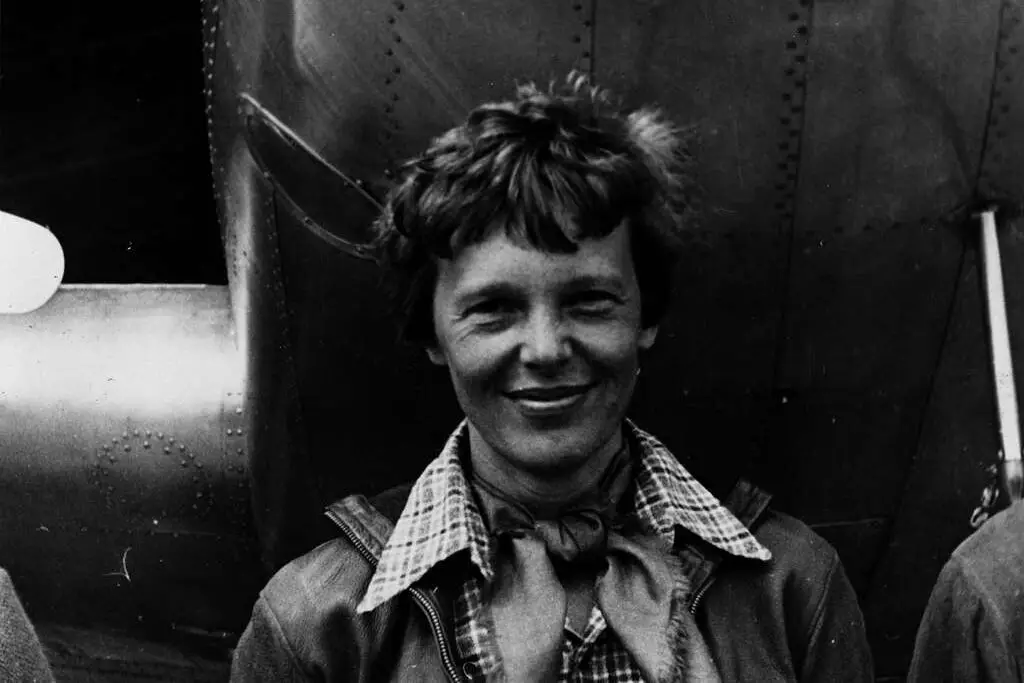
In 1937, aviator Amelia Earhart disappeared while attempting to fly around the world, sparking one of aviation’s greatest mysteries. Official reports concluded her plane likely ran out of fuel and crashed into the Pacific Ocean. Alternative theories suggest she may have landed on a remote island or been captured by foreign forces. Expeditions have recovered fragments and radio signal analyses that some interpret as supportive evidence for survival scenarios. However, none of these findings have been conclusively linked to Earhart or her aircraft. The vastness of the Pacific complicates any definitive search effort.
Experts debate the reliability of post-disappearance radio reports and artifact claims. Some argue that navigational errors and fuel calculations strongly support the crash-and-sink explanation. Others maintain that unexplored islands still hold potential clues. Technological limitations of 1930s aviation also factor into differing assessments of what was feasible during the flight. Each new expedition tends to produce intriguing but inconclusive results. The enduring uncertainty keeps researchers and the public equally invested.
9. Whether Troy Was a Real City Behind the Legend
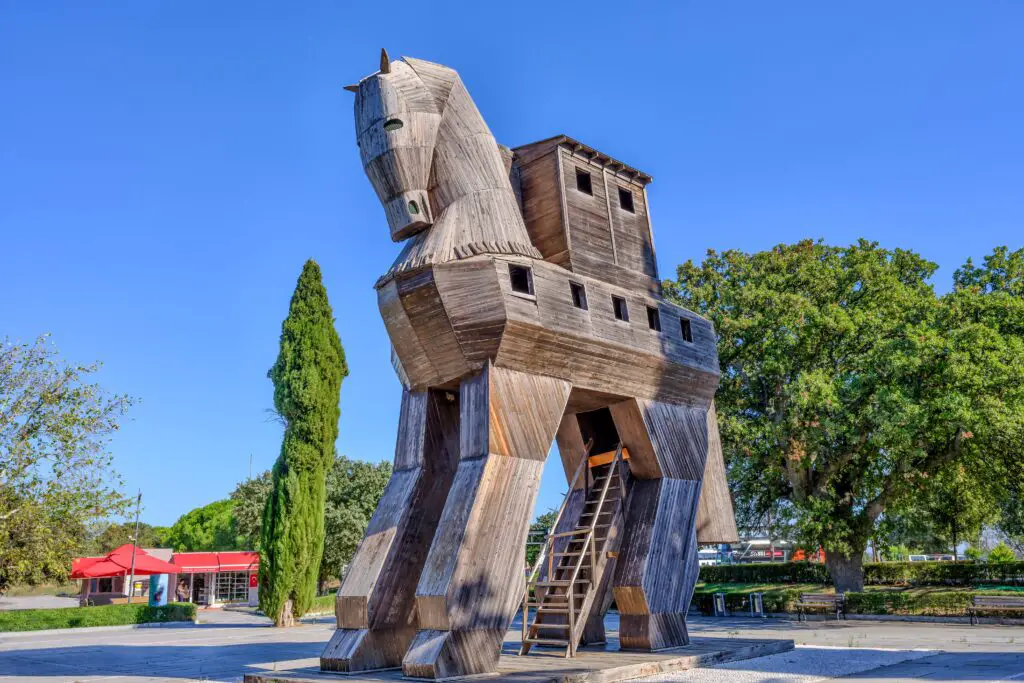
For centuries, the city of Troy was considered a purely mythical place from ancient epic poetry. Archaeological excavations in modern-day Turkey uncovered multiple settlement layers at a site believed to be Troy. Scholars agree the site was inhabited over many centuries, but debate continues over which layer, if any, corresponds to the legendary Trojan War. Evidence of destruction and fortification exists, yet dating and interpretation remain contentious. Some historians argue the war was likely a small regional conflict later embellished into epic storytelling. Others believe there may have been a more substantial historical event behind the legend.
Disagreements persist over how closely archaeology can be matched to literary sources. Ancient texts blend myth, politics, and oral tradition, making them unreliable as straightforward historical records. Material evidence does not clearly confirm the presence of famous figures or dramatic events described in the epics. Even the scale of the ancient settlement is debated among archaeologists. Advances in excavation techniques continue to refine timelines but rarely settle arguments. Troy remains a powerful example of how myth and history can intertwine.
10. What Sparked the Bronze Age Collapse
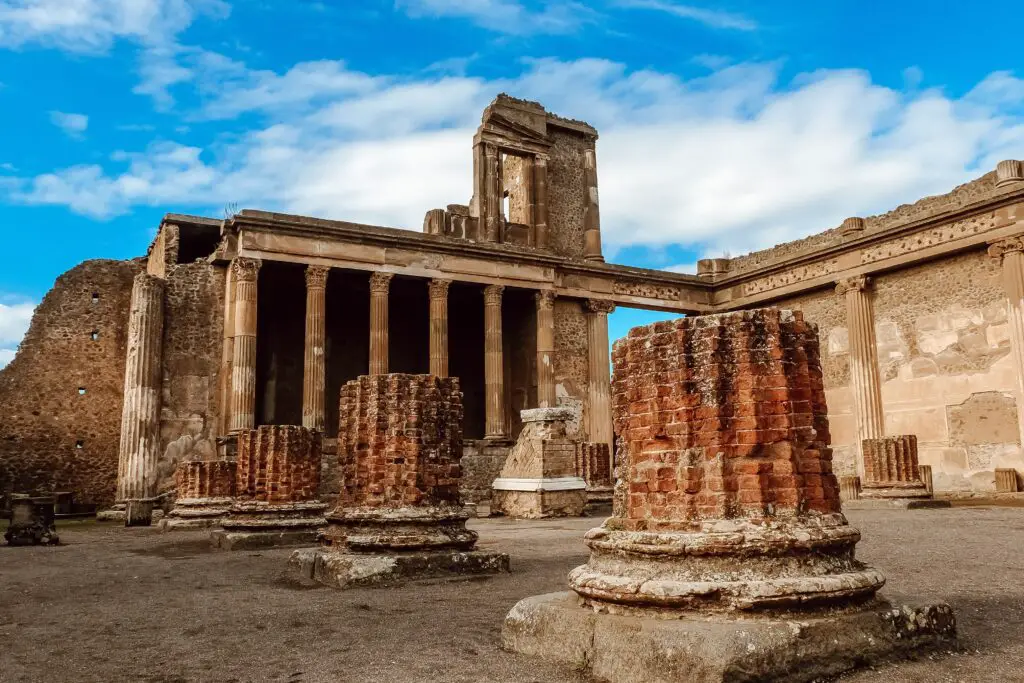
Around 1200 BCE, several advanced civilizations in the Eastern Mediterranean collapsed almost simultaneously. Cities were abandoned, trade networks collapsed, and written records diminished sharply. Proposed causes include invasions by mysterious groups, earthquakes, climate change, internal rebellion, and economic instability. Archaeological evidence supports aspects of multiple theories, but none alone explain the widespread disruption. Some scholars favor a systems collapse model, where interconnected failures amplified each other. The lack of consistent records from the period leaves many gaps in understanding.
Experts remain divided because the collapse unfolded differently in each region. Climate data suggests periods of drought, but the social consequences varied widely. In some areas, fortifications increased, implying heightened conflict, while others show signs of gradual decline. Written sources from surviving cultures often exaggerate or obscure events for political reasons. The challenge lies in separating local causes from broader systemic trends. The Bronze Age collapse continues to be studied as an early example of global interconnected vulnerability.
11. Whether King Arthur Was Based on a Real Person
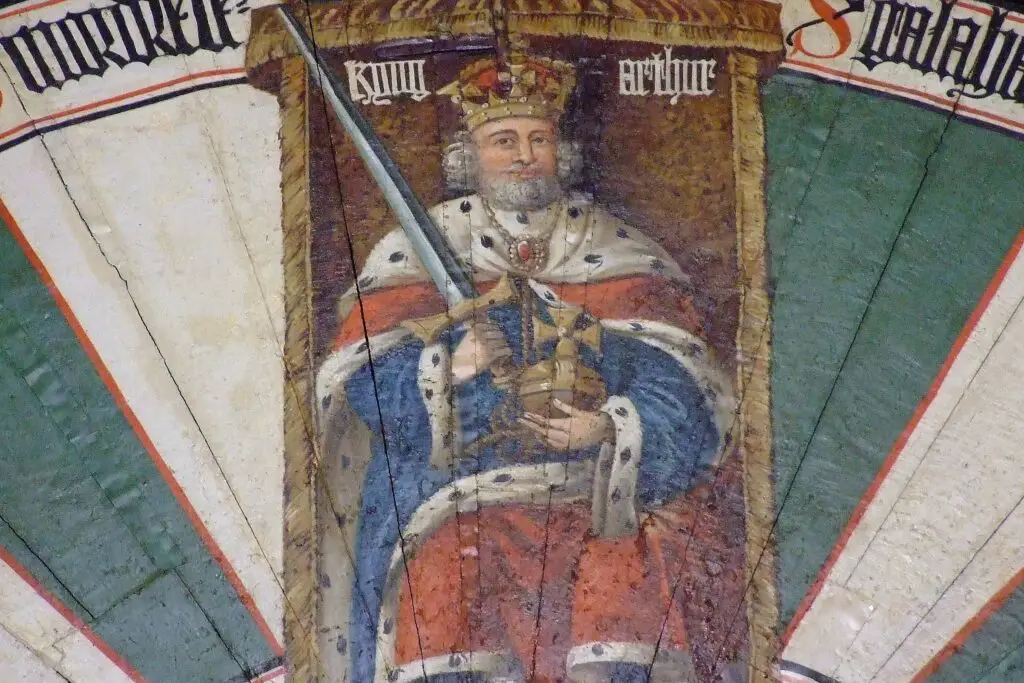
The legend of King Arthur has inspired literature and folklore for centuries, but historians still debate whether he was rooted in an actual historical figure. Some theories point to a Romano-British military leader who resisted invading forces after the fall of Roman rule. Others argue Arthur is a composite character drawn from multiple warriors and myths. Early written references to Arthur appear centuries after the supposed events, raising questions about reliability. Archaeological evidence linking directly to Arthur remains elusive. Place names and local traditions offer hints but no firm proof.
Scholars differ on how much weight oral tradition should carry in reconstructing early medieval history. The absence of contemporary documentation makes definitive conclusions nearly impossible. Some historians emphasize that legendary embellishment often grows around real figures, while others caution against retrofitting myth to sparse evidence. Literary evolution also complicates separating original stories from later romantic additions. Each new interpretation tends to reflect changing scholarly priorities rather than new hard evidence. Arthur remains suspended between history and storytelling.
12. Who Wrote Shakespeare’s Plays
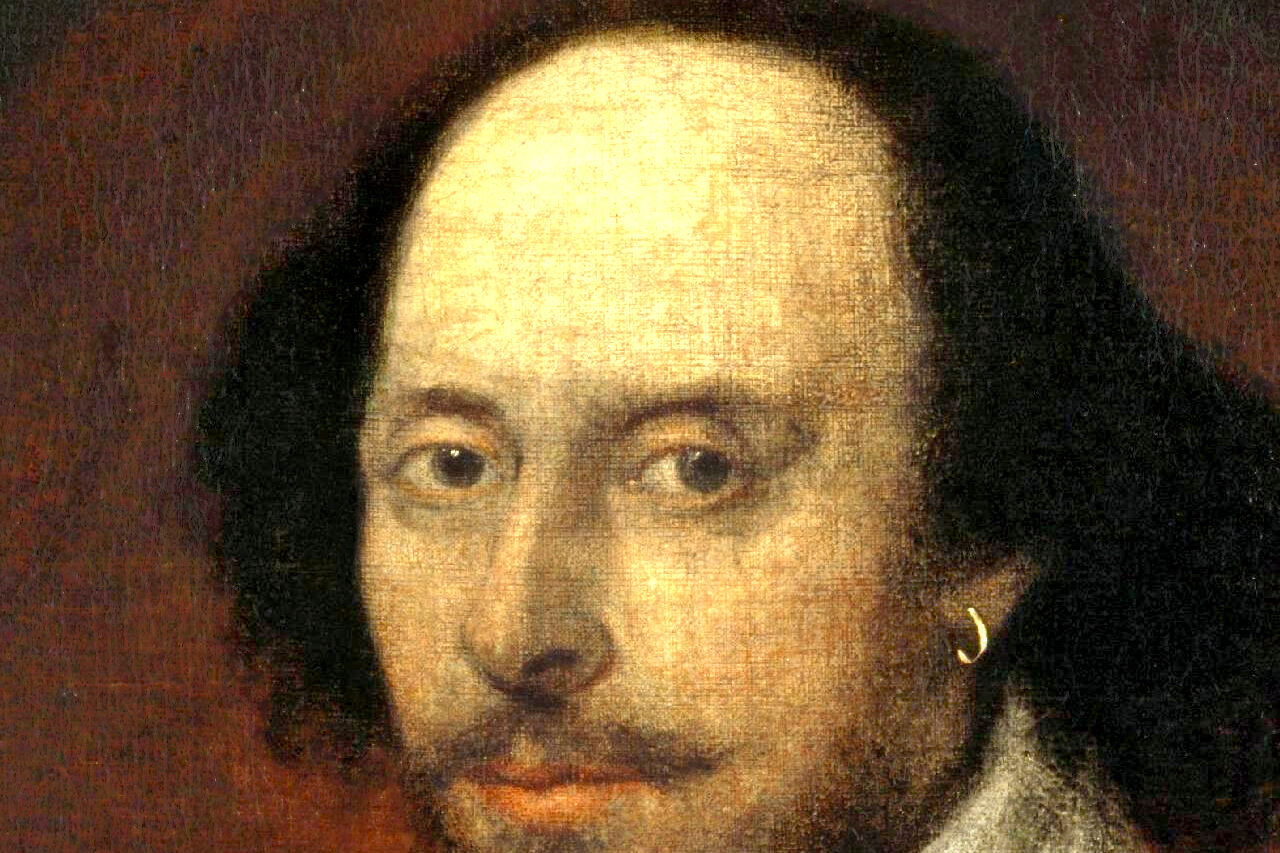
The authorship of William Shakespeare’s plays has been questioned for more than a century. Skeptics argue that a man from a modest background could not have possessed the education and courtly knowledge reflected in the works. Alternative candidates include nobles and scholars whose lives seem to align with certain themes or settings in the plays. Mainstream scholars maintain that extensive historical documentation supports Shakespeare of Stratford as the author. Surviving legal records, contemporaneous references, and publishing histories reinforce the traditional attribution. Still, the debate persists in popular culture and some academic circles.
Experts clash over how to interpret circumstantial evidence and biographical gaps. Supporters of alternative theories often emphasize perceived inconsistencies in the historical record. Critics counter that documentation standards of the Elizabethan era were limited for most individuals. Stylometric analysis generally supports a single primary author, but it cannot fully address biographical arguments. The controversy endures partly because the plays themselves invite fascination and speculation. Authorship debates reveal how cultural prestige can shape historical skepticism.
13. What Happened to the Lost City of Atlantis
Plato described Atlantis as a powerful island civilization that vanished in a catastrophic event, sparking centuries of speculation. Some researchers interpret the story as purely allegorical, meant to convey philosophical lessons rather than historical fact. Others search for real-world locations that could match the description, including sites in the Mediterranean, Atlantic, and even beyond. Geological events like volcanic eruptions and earthquakes are often cited as possible explanations for a vanished civilization. Despite numerous expeditions and claims, no definitive archaeological evidence has confirmed Atlantis. Many proposed sites fail to match key elements of Plato’s account.
The division among experts centers on whether Atlantis should be taken literally at all. Classical scholars often emphasize the symbolic nature of Plato’s writings. Archaeologists caution against forcing evidence to fit a predetermined narrative. Popular fascination continues to drive new theories, sometimes blurring the line between science and speculation. Advances in underwater archaeology occasionally renew hope, but results remain inconclusive. Atlantis endures because it sits at the crossroads of myth, geology, and human imagination.