
1. A Hidden Door That Opens to Nowhere
The first time someone finds a sealed door behind drywall or paneling, the imagination immediately kicks in. Sometimes it opens into a few inches of brick or an empty wall cavity, offering no clues about what used to be there. Homeowners often wonder if it once led to a servant’s staircase, a dumbwaiter, or a forgotten closet that was sealed during a remodel. Old blueprints are rarely available, which makes the mystery even harder to solve. The door itself may still have an antique knob or lock, hinting at real use in another era. It feels strange to stand in front of something that clearly had a purpose but now tells no story. The house almost feels like it is keeping a secret. That sense of unfinished history can linger every time you walk past it.
Some people leave the door in place as a conversation piece instead of covering it back up. Others open walls or ceilings hoping to find structural evidence that explains it, often with no success. Contractors sometimes speculate about ventilation shafts or old heating systems, but even experts can only guess. When nothing turns up, the door becomes one of those quiet household mysteries that never gets solved. It adds character, even if it adds a little unease. Visitors always ask about it, and the answer is usually the same, no one really knows. That unanswered question becomes part of the home’s personality. It is a reminder that houses live many lives before we ever move in.
2. A Perfectly Preserved Child’s Shoe Inside a Wall

Finding a single child’s shoe tucked inside a wall or chimney feels oddly personal. In some older homes, builders or homeowners intentionally hid shoes as folk charms believed to ward off bad spirits. Not everyone who finds one knows this tradition, which makes the discovery feel unsettling at first. The shoe is often worn and small, suggesting it was once deeply connected to someone’s everyday life. It raises questions about whose child wore it and why that particular shoe was chosen. There is something emotional about realizing an object meant for protection has been sealed away for decades. It almost feels like touching someone else’s private superstition. The silence around its true origin only deepens the mystery.
Even when people research the practice, they rarely find any documentation tied directly to their own house. No names, no dates, no explanation beyond general folklore. That leaves plenty of room for speculation and storytelling. Some homeowners carefully put the shoe back where it was found, not wanting to disturb whatever purpose it once served. Others display it in a shadow box as a strange piece of house history. Either way, it becomes a tangible link to unknown former residents. The unanswered personal story behind it lingers. It is a tiny object with a surprisingly heavy sense of mystery.
3. A Locked Trunk with No Key and No Identifying Marks
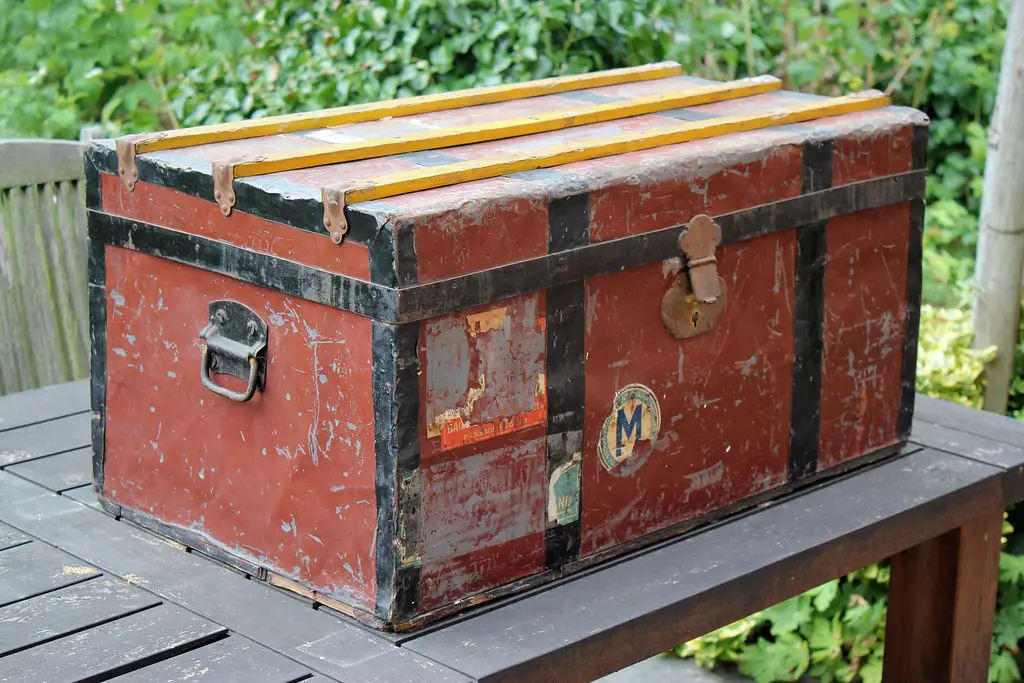
An old locked trunk discovered in an attic or basement instantly sparks curiosity. The exterior might be beautifully worn, with brass corners, faded leather straps, or hand-painted initials that no longer make sense. Without a key or visible owner information, the contents become a complete mystery. People debate whether to pry it open or leave it sealed as a time capsule. Sometimes locksmiths open it only to reveal empty space, which somehow feels even stranger. You expect a story, not silence. The trunk itself feels like a character in the house. It holds more questions than answers.
When trunks are opened and contain random items, the pieces rarely form a clear narrative. Old papers may be illegible or unrelated, leaving no trail to follow. Family records often do not mention the trunk at all. That leaves homeowners wondering how it arrived and why it was never reclaimed. Some choose to keep it as a decorative piece rather than discard it. The mystery becomes part of its charm. It quietly invites imagination every time someone notices it. Not every locked box gives up its secrets.
4. Strange Symbols Carved into Basement Beams
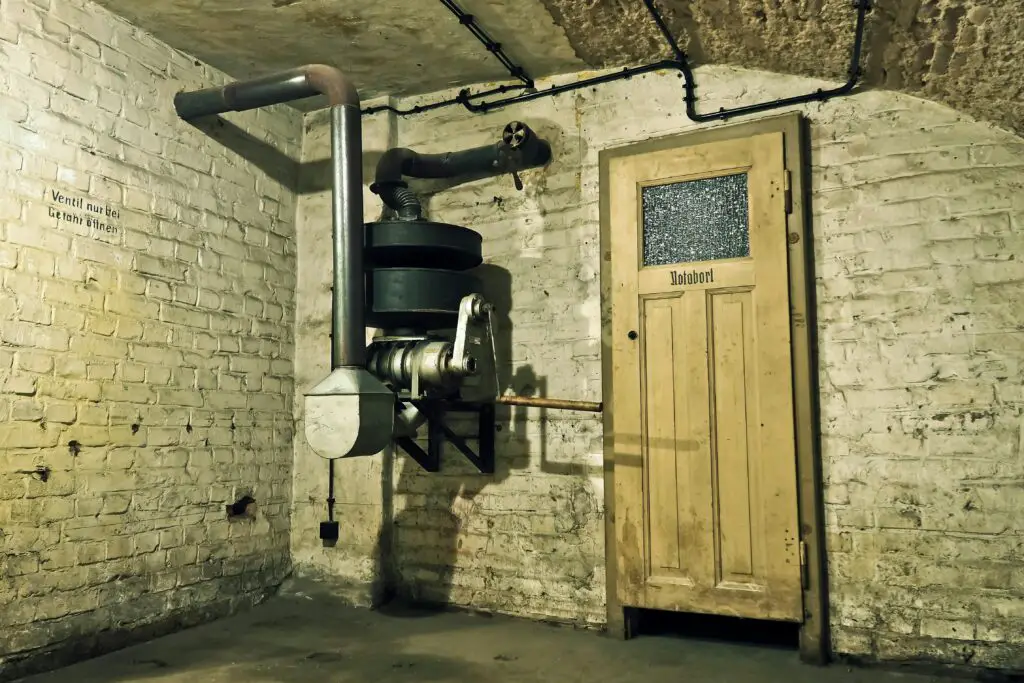
Carved markings on old wooden beams can look intentional but unfamiliar. Some resemble symbols, letters, or rough geometric shapes that do not match common construction markings. Homeowners often wonder if they are builder’s marks, protective charms, or something more obscure. Without historical records tied to the home, it is hard to determine their purpose. The carvings may be hidden in low light or dusty corners, which makes discovering them feel almost eerie. It feels like stumbling upon a coded message left behind. The mind naturally starts searching for meaning. The lack of clear explanation keeps the mystery alive.
Experts sometimes suggest they could be tally marks, alignment guides, or personal signatures from workers. Still, those explanations rarely feel fully satisfying. The marks often look too deliberate or symbolic to dismiss entirely. Some people photograph and research similar symbols online with mixed results. Nothing ever seems definitive. The beams quietly hold their secrets while the house continues aging around them. It becomes one of those small mysteries that homeowners mention when giving tours. You cannot help but wonder who carved them and why.
5. A Bricked-Up Fireplace with No Visible Flue
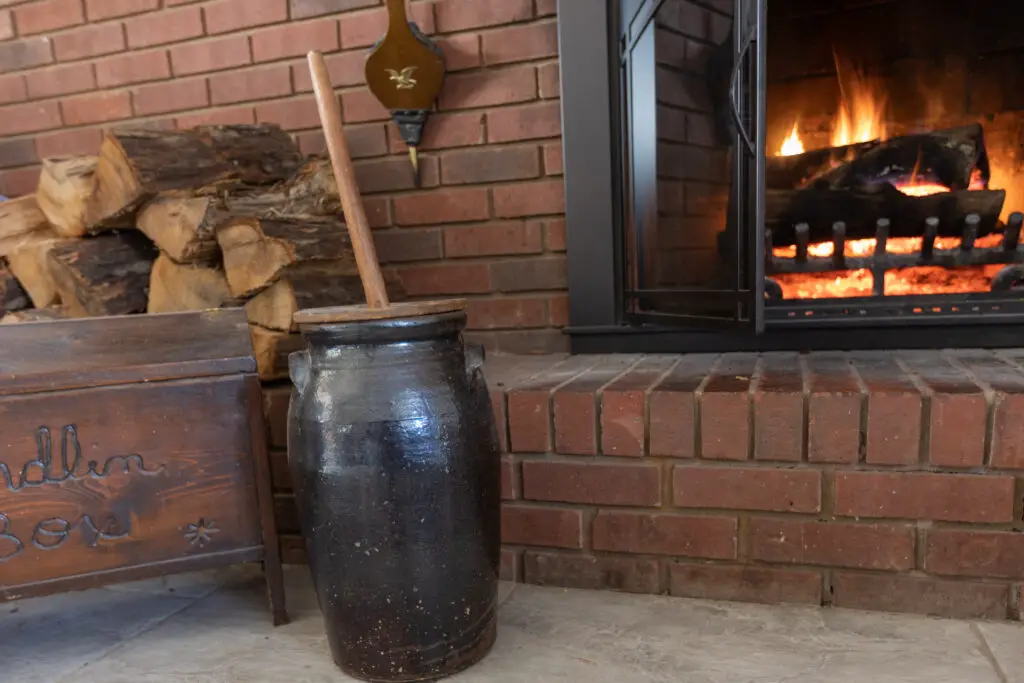
Discovering a sealed fireplace behind drywall can feel like uncovering a hidden room. The bricks may look original, suggesting it was once fully functional. Sometimes there is no obvious flue or chimney access, which raises even more questions. Why would someone build or seal a fireplace that cannot properly vent smoke? It may have been part of an earlier layout that was heavily modified over time. Renovations often erase practical explanations. The fireplace becomes more puzzling than useful. It leaves behind a ghost of how the home once functioned.
Homeowners sometimes consider restoring it, only to realize the structural work would be massive. Contractors may offer theories but no concrete answers. Old permits, if they exist at all, rarely go back far enough. That leaves the fireplace frozen in its mysterious state. It becomes a decorative oddity rather than a usable feature. Visitors always ask about it, and the story is usually full of guesses. The unanswered design choice becomes part of the home’s personality. Some mysteries simply stay bricked in.
6. Antique Bottles Buried Beneath Floorboards

Pulling up old floorboards and finding buried glass bottles feels like uncovering buried treasure, even if the bottles are empty. Some bottles were intentionally placed beneath homes as part of folk practices meant to trap negative energy. Others may have simply been discarded long ago and forgotten during renovations. The bottles often appear too deliberately placed to be simple trash. That raises questions about intent. Were they protective charms, storage, or something else entirely? Their placement often seems oddly specific. It leaves homeowners unsure what story they are stepping into.
When people research bottle magic or house rituals, they often find broad cultural explanations but nothing specific to their home. That lack of direct connection keeps the mystery unresolved. Some choose to rebury the bottles out of respect for the unknown purpose. Others clean and display them as conversation pieces. Either choice keeps the story alive in a different way. The bottles quietly represent a belief system that may no longer exist. They become physical echoes of the past. The unanswered intent makes them fascinating.
7. A Staircase That Ends at the Ceiling

A staircase that abruptly stops at a ceiling or wall feels like a design mistake, but it usually has a deeper story. It may have once led to an attic room that was later removed or sealed. Over time, renovations can erase entire spaces from a home’s original layout. Without original floor plans, it is difficult to confirm what once existed beyond that final step. The staircase becomes a literal dead end. It invites curiosity every time someone notices it. You cannot help but imagine what used to be there. The empty destination feels oddly unsettling.
Homeowners sometimes open the ceiling to investigate, only to find framing and insulation with no obvious clues. That can feel anticlimactic after building up so much curiosity. Even historians or contractors may only offer educated guesses. The staircase remains a puzzle piece with no matching picture. Some people repurpose it into shelving or storage, giving it a new life. Others leave it untouched as a reminder of the house’s evolving past. It quietly tells a story that can no longer be read. The mystery becomes part of the architecture itself.
8. An Old Safe Embedded in a Wall
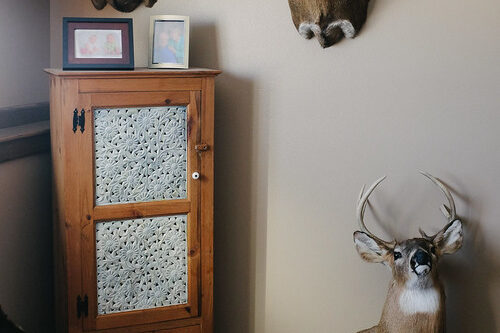
Finding a built-in safe hidden behind plaster or cabinetry instantly raises expectations. People imagine valuables, documents, or secret stashes left behind by previous owners. Sometimes the safe is locked and impossible to open without damaging the wall. Even when it is opened, it may be completely empty. That emptiness can feel more mysterious than finding something inside. It suggests something important was once there, then removed without explanation. The safe becomes a silent witness to an unknown event. It leaves behind more questions than answers.
If the safe contains random items, they rarely provide a clear narrative. Old coins or papers may not connect to any known residents. That makes tracing ownership difficult or impossible. Some homeowners choose to leave the safe in place as a novelty feature. Others remove it but always remember the mystery it introduced. It becomes one of those stories you tell whenever people ask about the house. The unanswered history lingers even after the object is gone. Not every hidden compartment reveals a satisfying story.
9. Handwritten Notes Sealed Inside Walls

During renovations, people occasionally uncover handwritten notes tucked inside wall cavities or behind insulation. Some notes include names or dates, while others are cryptic or incomplete. They might have been left by builders, homeowners, or even children playing a prank decades ago. Without context, the messages can feel oddly intimate. You are reading something that was never meant for you. The lack of explanation makes the note feel like a fragment of a lost conversation. It invites speculation about the writer’s intent. The house suddenly feels more personal and mysterious.
Even when names are included, tracking down the writer is often impossible. Records may not go back far enough, or the name may be too common to trace. That leaves the note floating in historical limbo. Some homeowners frame the note as part of the home’s story. Others tuck it back into the wall as a quiet tribute to the unknown writer. Either way, the message keeps its mystery. It becomes a small human echo trapped in the structure of the house. The unanswered story gives it lasting intrigue.
10. A Room with No Obvious Access Point
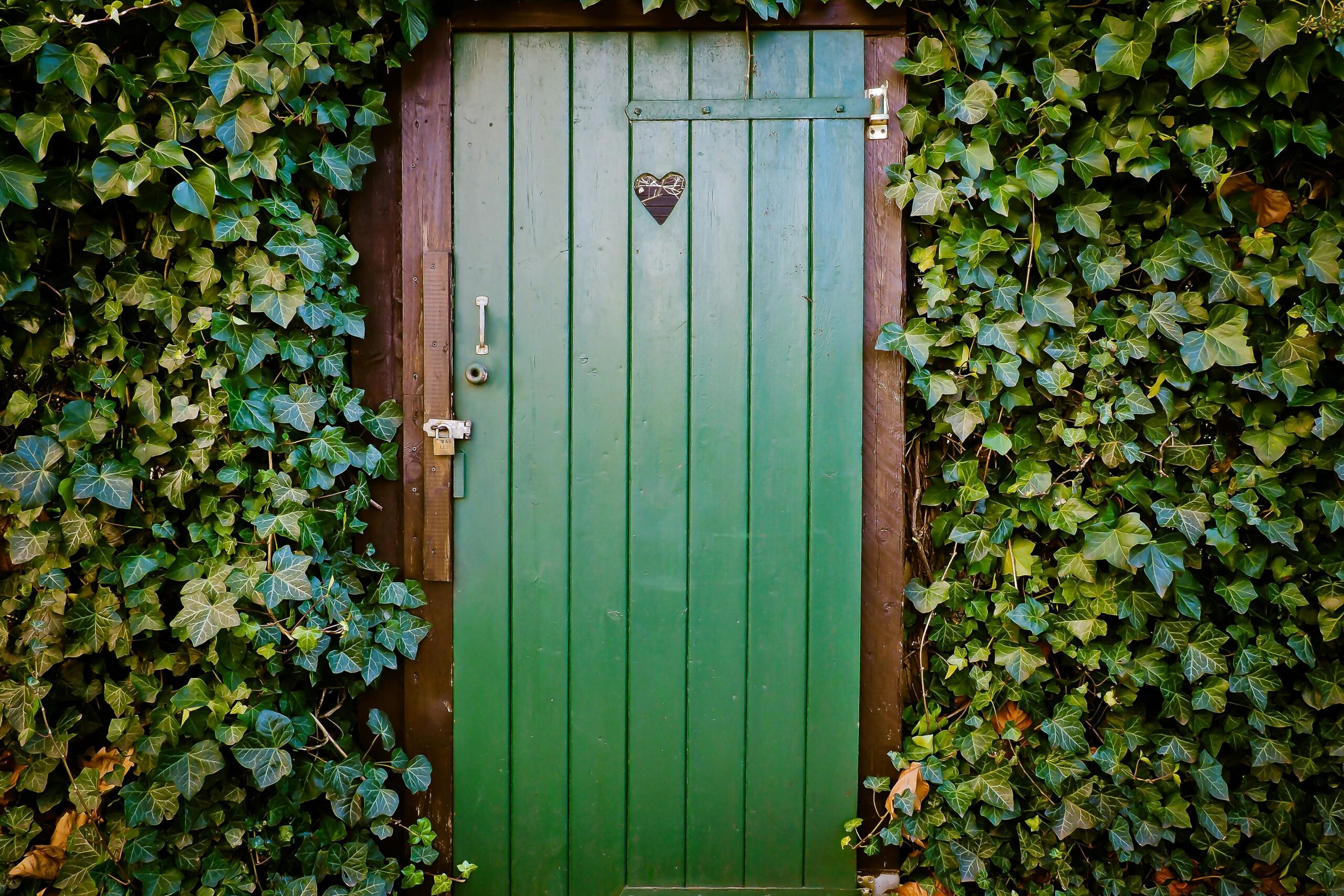
Occasionally, homeowners discover evidence of a room that no longer has a visible entrance. Old windows, vents, or structural outlines may hint that a space once existed behind walls. It can feel like finding a phantom room trapped inside the house. Renovations may have sealed it off intentionally or accidentally. Without architectural plans, it is difficult to confirm its original function. Was it storage, servant quarters, or something else entirely? The missing doorway makes it especially puzzling. It feels like a space that has been erased from memory.
Some people choose to open the wall to investigate, while others leave the mystery untouched. When explored, the room may be empty or partially collapsed, offering few clues. That can feel both fascinating and disappointing. The mystery remains even after physical access is gained. It becomes one of those strange features that sparks endless theories. Visitors are always intrigued by the idea of a hidden room. It gives the house an almost storybook quality. Not every hidden space reveals its purpose.
11. Old Medical Equipment with No Paper Trail
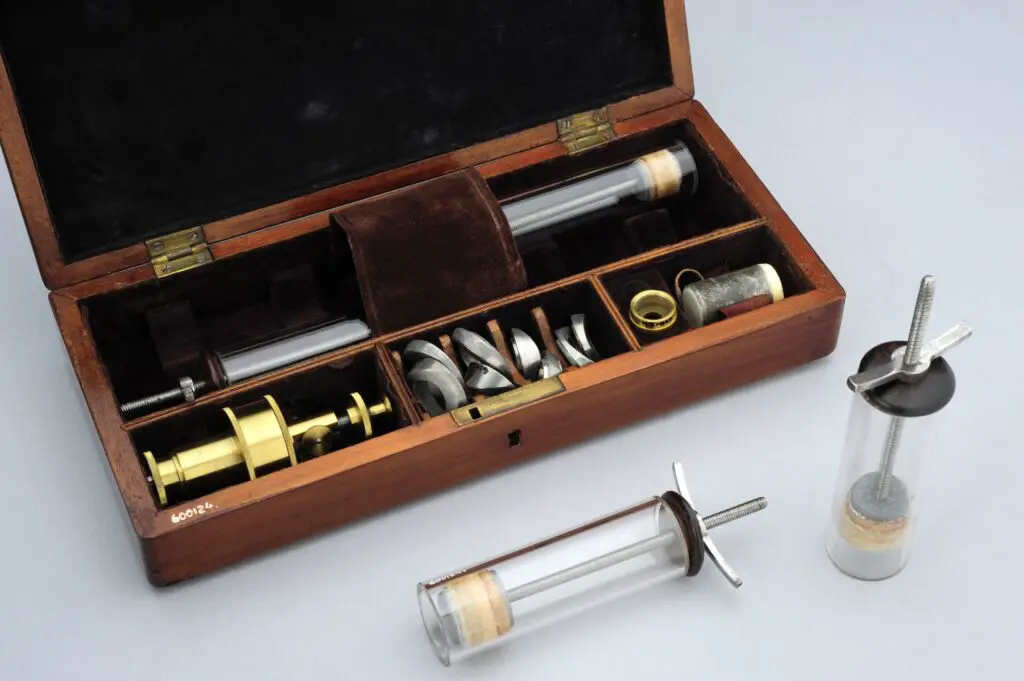
Finding antique medical tools in a basement or crawl space can feel unsettling. The equipment may look specialized but unfamiliar, making it hard to identify its original use. Without labels or documentation, it becomes difficult to determine whether it was used professionally or casually. Some homes once doubled as clinics or doctor’s offices, but records are often incomplete. The tools can raise questions about who lived there and what kind of care was provided. It can feel like uncovering a forgotten chapter of someone’s life. The uncertainty adds a layer of mystery to an already unusual find.
Even when people consult experts or museums, exact identification is not always possible. Tools evolve over time, and many older designs fell out of use without clear records. That leaves the objects suspended in historical uncertainty. Some homeowners donate them, while others keep them as curiosities. The unanswered questions often linger longer than the objects themselves. It becomes one of those stories you tell with a slightly uneasy tone. The past feels closer and more mysterious all at once. Not every artifact wants to explain itself.
12. A Sealed Crawl Space with Signs of Past Use
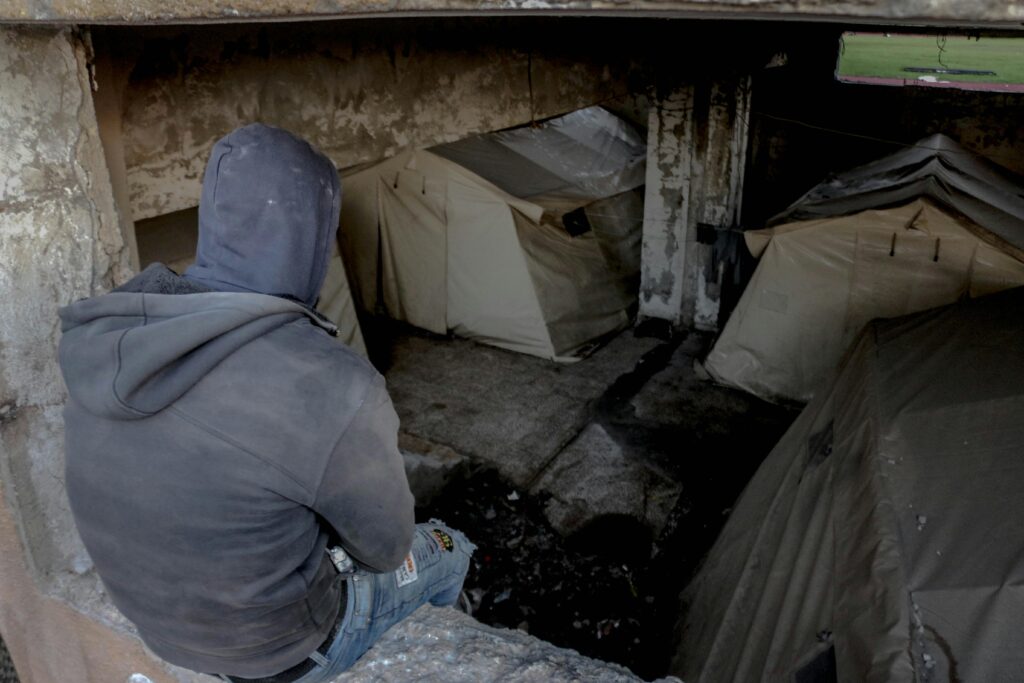
A crawl space that appears intentionally sealed off can raise immediate questions. Marks on the walls, leftover flooring, or traces of lighting may suggest it was once actively used. Why it was closed off is often impossible to determine. Safety concerns, structural changes, or forgotten renovations could all be factors. Without documentation, the space becomes a blank chapter in the home’s history. It feels like something was intentionally hidden or simply abandoned. The lack of access keeps curiosity alive. It becomes one of those mysteries you notice every time you walk by.
Some homeowners eventually open the space, hoping for clarity. Often they find dust, debris, and very few answers. The evidence rarely tells a complete story. That can feel strangely unsatisfying after so much anticipation. Still, the sealed space adds character to the house. It becomes part of its layered history. The unanswered questions give the home a sense of depth and age. Sometimes the mystery itself is the most lasting discovery.