
1. Salton Sea Beach Towns, California
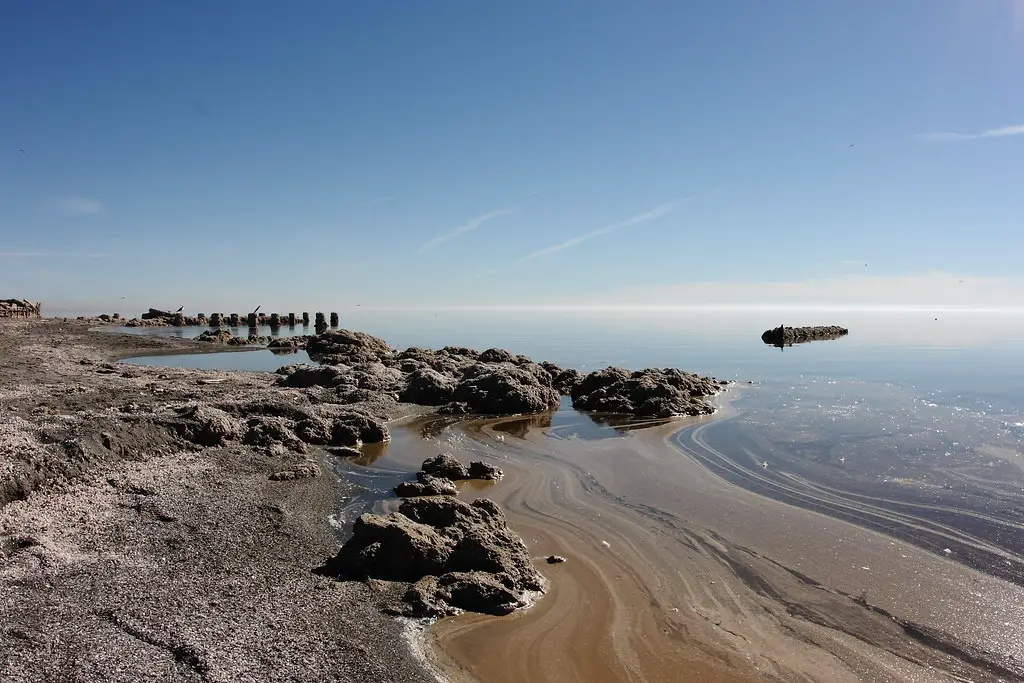
There was a moment in the ’50s and ’60s when the Salton Sea was being pitched as California’s next Riviera, complete with yacht clubs, marinas, and palm-lined resorts. Celebrities water skied here, families booked weekend cottages, and developers promised a glamorous desert escape. Then rising salinity, massive fish die-offs, and worsening odors turned the dream into a public health nightmare. One by one, the beach communities emptied out, leaving behind rusted trailers, abandoned docks, and half-buried swimming pools. Walking through places like Bombay Beach today feels like stepping into a sun-bleached time capsule. You can almost imagine the laughter that once floated across the water.
What makes the Salton Sea linger in memory is how close it came to being something truly iconic. Old postcards still show sailboats slicing through blue water and smiling families posing on sandy shores. The contrast between those images and today’s eerie silence is striking. Artists and photographers now document the decay, giving the area a strange second life as an outdoor gallery. It’s not the vacation paradise people once dreamed of, but it remains hauntingly unforgettable.
2. Hashima Island, Japan
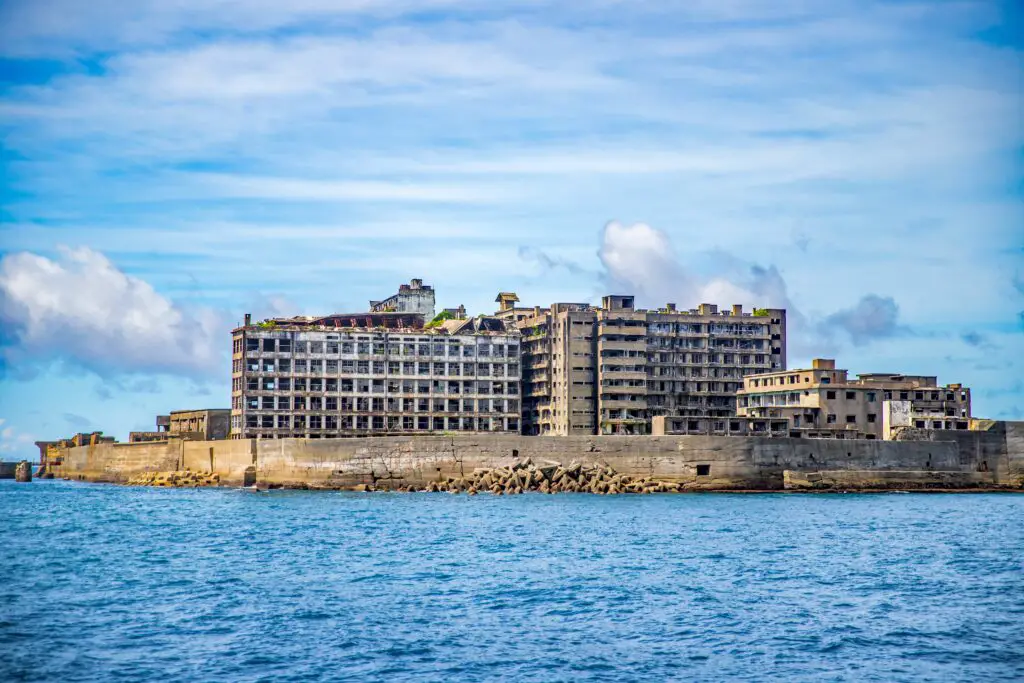
Hashima Island, often called Battleship Island because of its silhouette, was once one of the most densely populated places on Earth. Workers lived in towering concrete apartments while mining coal beneath the ocean floor. Schools, shops, and theaters made it a fully functioning community, even though the island was tiny. When coal declined in the ’70s, the entire population left almost overnight. Buildings were sealed up, and salt air slowly chewed through the concrete. Nature began reclaiming everything.
Today, guided tours allow visitors to glimpse the crumbling stairwells and empty classrooms. The island’s abandoned skyline feels both futuristic and deeply lonely. It has been used as a filming location because of its dramatic, apocalyptic look. What stays with people is the idea of thousands of lives once stacked tightly together, then suddenly gone. It’s a reminder of how quickly an entire vacation or working destination can vanish from daily life.
3. Varosha, Cyprus
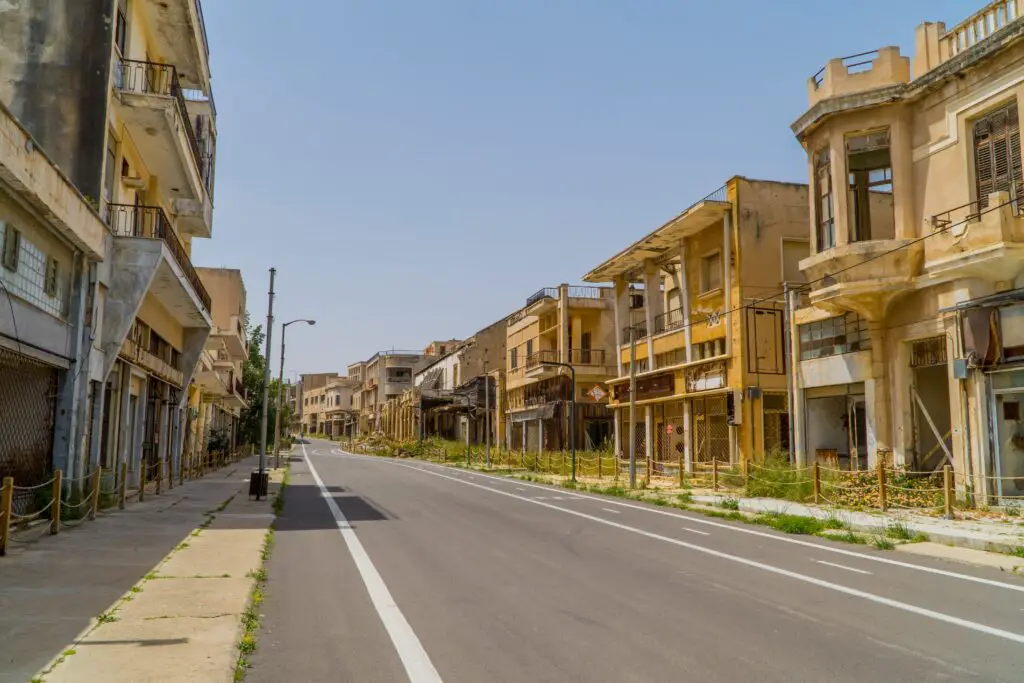
Varosha was once the glittering resort district of Famagusta, packed with luxury hotels, lively beaches, and fashionable boutiques. Tourists from around the world flocked there during the ’60s and early ’70s. Then political conflict in 1974 forced residents and visitors to flee almost instantly. The area was fenced off and remained frozen in time for decades. Hotels still hold dusty furniture and faded wallpaper, as if guests just stepped out for a moment.
Recently, limited access has reopened parts of Varosha, but the ghostly atmosphere remains. Palm trees push through cracked sidewalks, and rust stains streak the balconies of once-glamorous resorts. It’s unsettling and fascinating at the same time. Many people remember Varosha through family stories and old vacation photos. The emotional weight of a paradise interrupted is what keeps it lodged in memory.
4. Pripyat, Ukraine
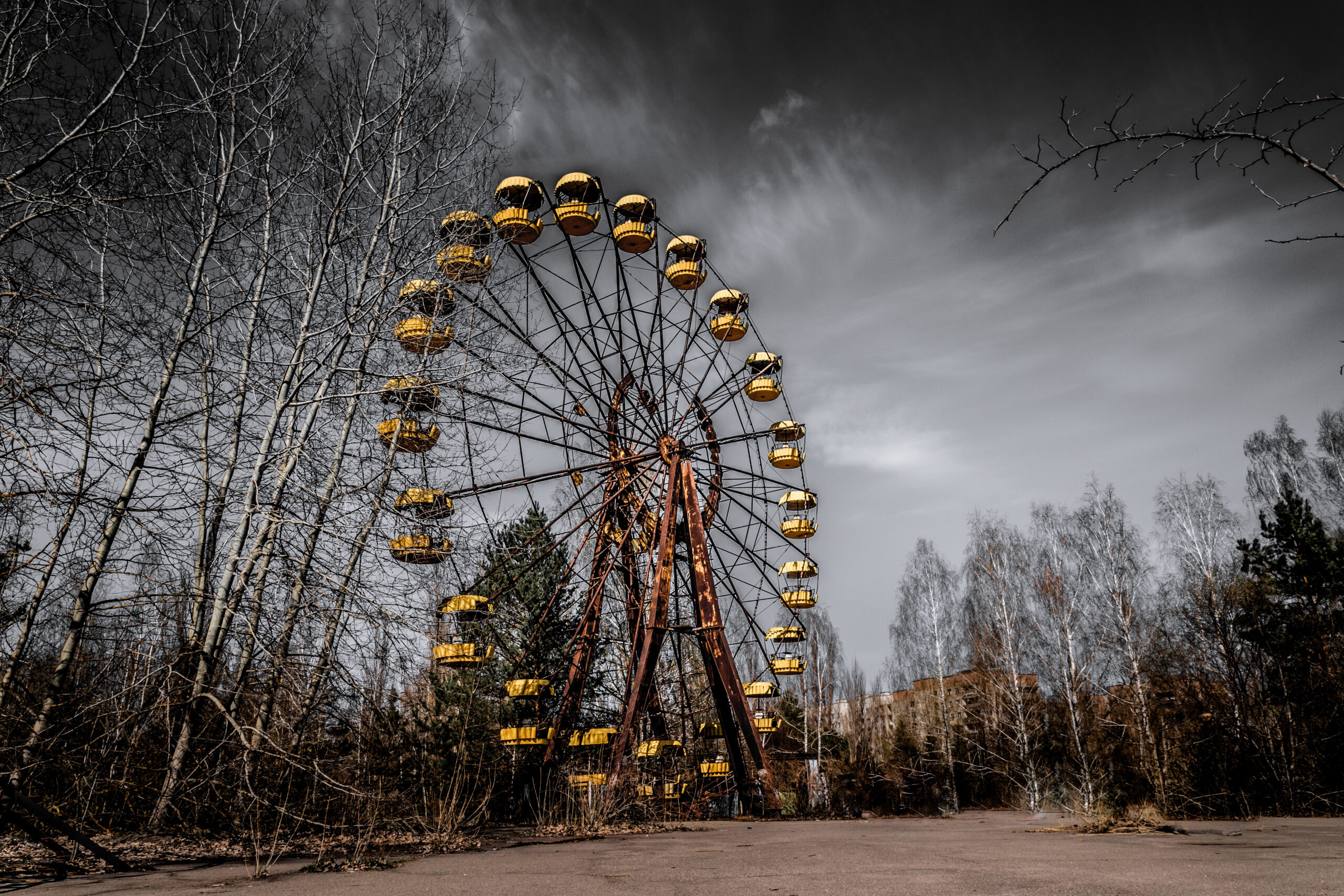
Pripyat was built to house workers for the nearby Chernobyl nuclear plant and featured modern apartments, schools, and amusement rides. Families enjoyed parks, cafes, and river walks, creating what felt like a thriving new city. After the 1986 nuclear disaster, the entire population was evacuated in a matter of hours. Residents left belongings behind, believing they would return soon. They never did. The city remains abandoned, slowly overtaken by trees and wildlife.
The iconic Ferris wheel in the empty amusement park has become one of the most haunting images in travel history. Guided tours now allow limited visits, though safety precautions remain strict. What lingers is the sense of everyday life paused mid-sentence. Toys sit in classrooms, and curtains still hang in windows. It’s not a vacation destination in the traditional sense, but people around the world feel connected to its story.
5. Centralia, Pennsylvania
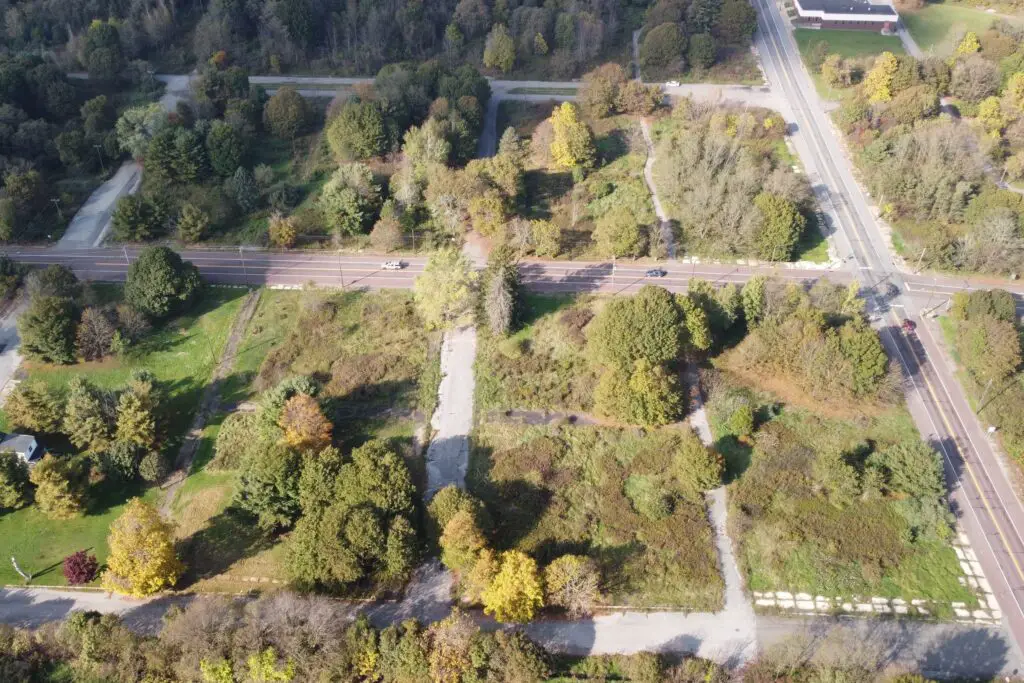
Centralia was once a quiet coal town that welcomed travelers passing through the region. In 1962, an underground mine fire ignited beneath the town and has been burning ever since. Toxic gases, sinkholes, and unstable ground forced residents to gradually relocate. Streets were eventually closed and many homes demolished. What remains is a near-empty landscape with a few stubborn structures standing among cracked pavement.
The abandoned highway, often covered in colorful graffiti, became a strange roadside attraction for years. Visitors came to feel the warm air rising from the ground and see smoke drifting through the hills. Centralia sticks in memory because it feels like a slow-motion disappearance rather than a sudden collapse. The town didn’t vanish overnight, it faded year by year. That lingering decline gives it a quiet, unsettling presence.
6. Kolmanskop, Namibia
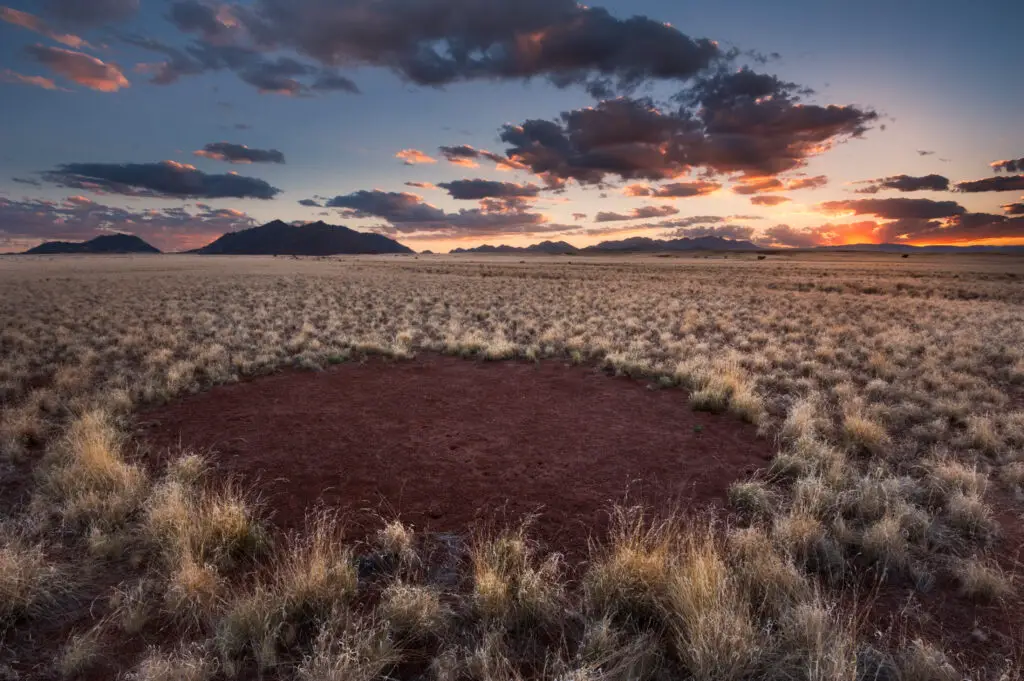
Kolmanskop began as a booming diamond mining town in the early 1900s, complete with German-style houses, a hospital, and even a bowling alley. Wealth flowed in quickly, and residents enjoyed luxuries rare for the desert. When diamond fields shifted and resources dried up, people gradually moved away. By the mid-20th century, the town was fully abandoned. Sand dunes crept through doorways and windows, filling rooms like frozen waves.
Today, photographers flock to Kolmanskop for its surreal beauty. Sunlight pours through broken frames onto rippled sand floors, creating otherworldly scenes. It feels like nature carefully erasing human ambition. Visitors often describe it as peaceful rather than frightening. The image of elegant homes slowly surrendering to the desert is what keeps this place vivid in people’s minds.
7. Craco, Italy
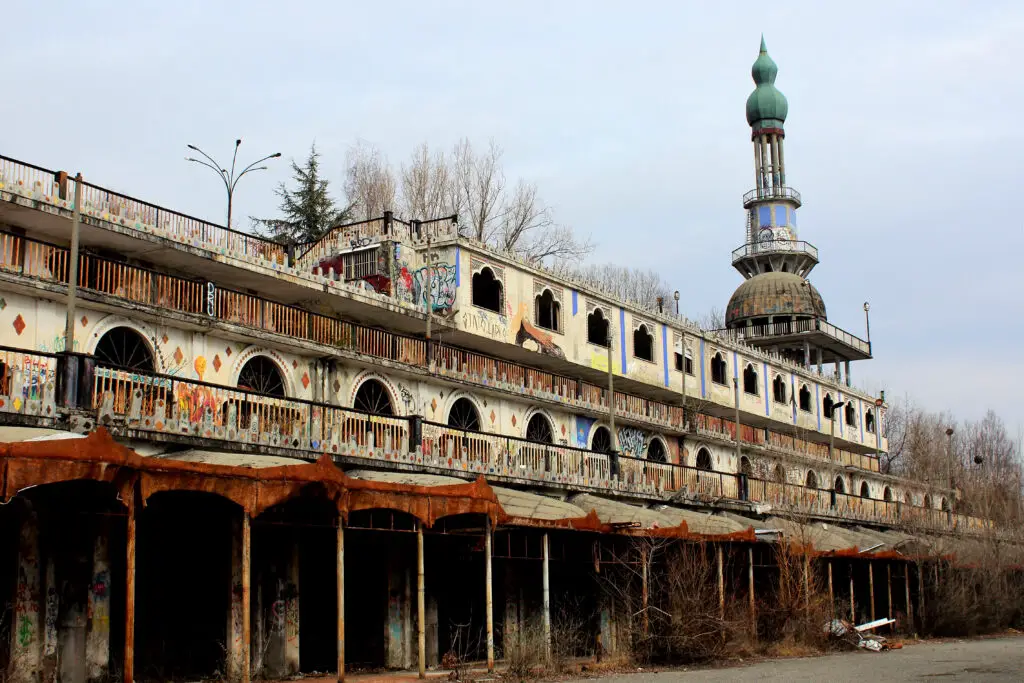
Craco is a medieval hill town that once buzzed with village life and seasonal visitors. Landslides, earthquakes, and unstable ground made it increasingly unsafe throughout the 20th century. Residents were eventually relocated, leaving the stone village empty. The narrow streets and old church towers still stand, frozen against the sky. From a distance, it looks like a movie set balanced on a ridge.
In fact, filmmakers have used Craco as a backdrop for historical and fantasy productions. Walking through the ruins feels like stepping into a paused chapter of history. The town lingers in memory because it retains its architectural beauty despite abandonment. It’s not decayed beyond recognition, which makes the emptiness more striking. You can easily imagine the sound of footsteps and church bells echoing through the stone corridors.
8. Bodie, California
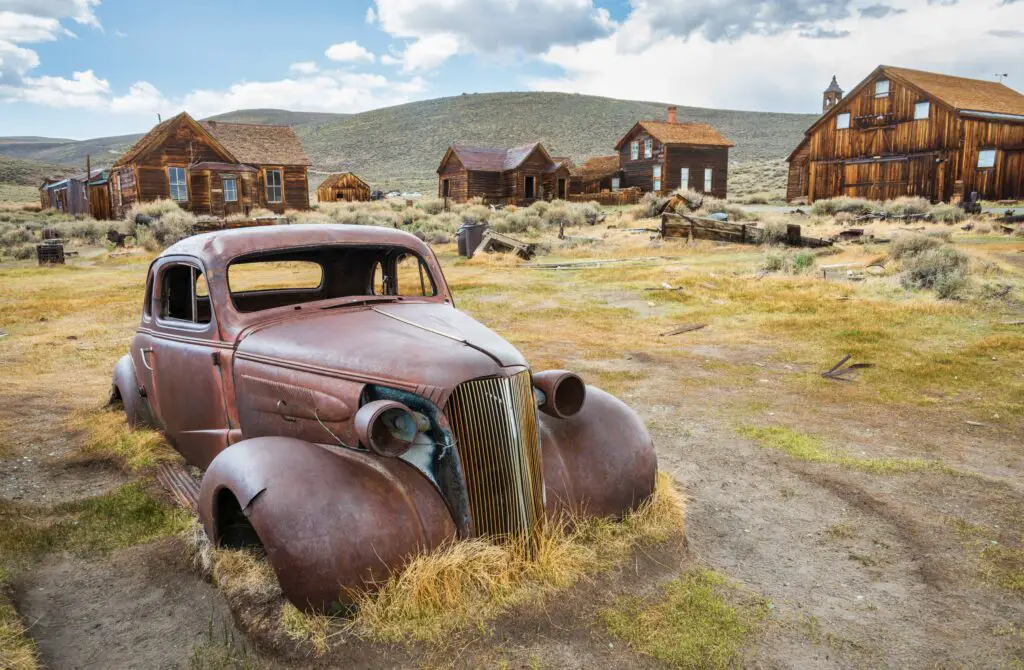
Bodie was a booming Gold Rush town in the late 1800s, filled with saloons, hotels, and hopeful prospectors. When the gold ran out, the population steadily declined. By the early 20th century, most residents had moved on. Fires and harsh weather reduced the town further, but many buildings still stand. Today, Bodie is preserved in a state of “arrested decay.”
Visitors can peer into dusty homes, abandoned shops, and schoolhouses left exactly as they were found. Dishes still sit on tables, and wallpaper peels quietly from the walls. Bodie sticks with people because it feels authentic, not staged. It captures the fragile optimism of boomtown dreams. The silence inside those wooden buildings says more than any plaque ever could.
9. Oradour-sur-Glane, France
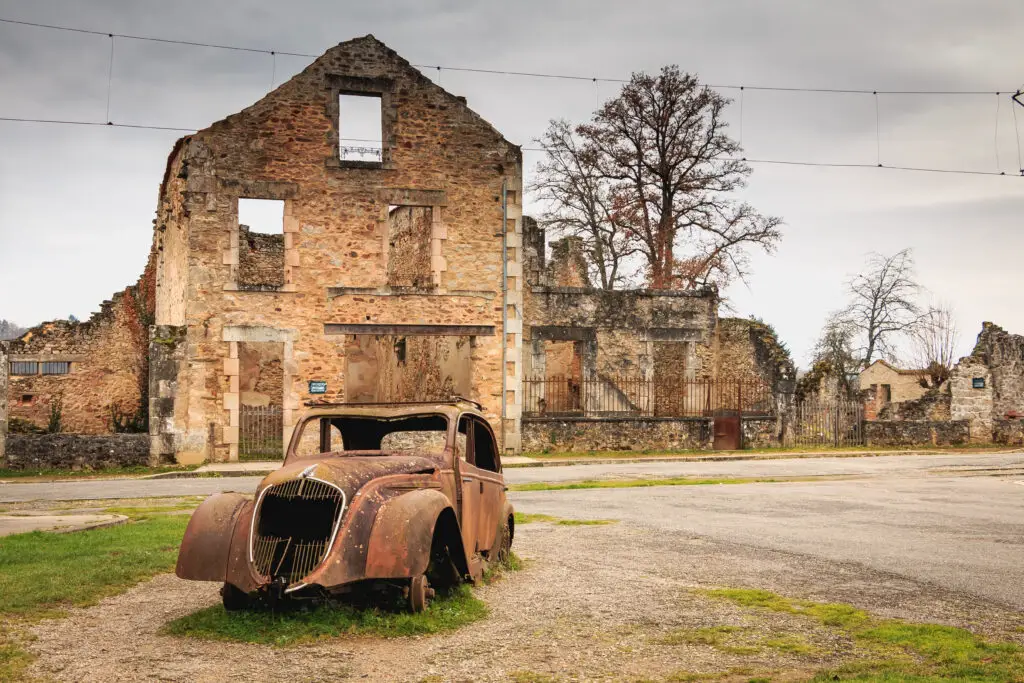
Oradour-sur-Glane was a peaceful village until it was destroyed during World War II. The ruins were left untouched as a memorial to the lives lost. Burned cars, collapsed homes, and shattered storefronts still line the streets. It’s not abandoned due to economic decline or disaster in the usual sense, but its stillness carries deep emotional weight. Visitors walk quietly through the remains, aware they are standing in preserved history.
The village lingers in memory because it feels sacred rather than forgotten. Every cracked wall and rusted frame tells a story. There is no attempt to modernize or rebuild the old town. The silence itself becomes part of the experience. It leaves visitors reflecting on how places can hold memory long after people are gone.
10. Cahawba, Alabama
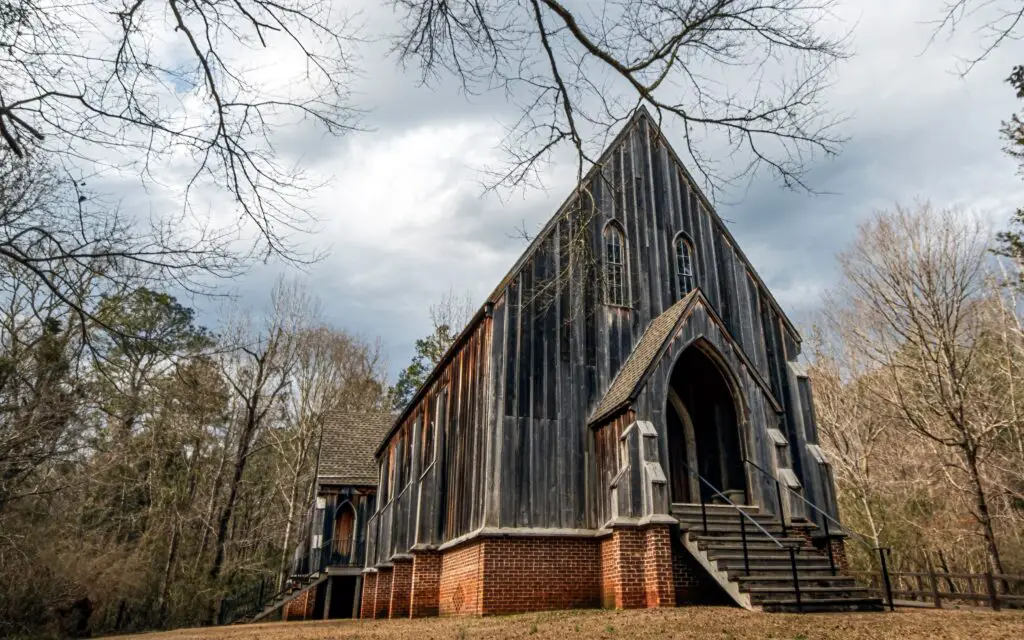
Cahawba was once Alabama’s first state capital and a thriving river town. Flooding, disease, and shifting trade routes slowly drained its population. Eventually, residents moved away, leaving behind foundations, cemeteries, and scattered ruins. Trees and vines now weave through what remains of the streets. It’s a quiet, haunting landscape tucked into the countryside.
Visitors often describe Cahawba as peaceful but heavy with stories. Interpretive signs explain where buildings once stood, helping imagination fill in the gaps. The town lingers because it represents how entire communities can dissolve into the earth. It doesn’t feel dramatic, just gently forgotten. That quiet disappearance gives it a lingering emotional pull.
11. San Zhi Pod City, Taiwan
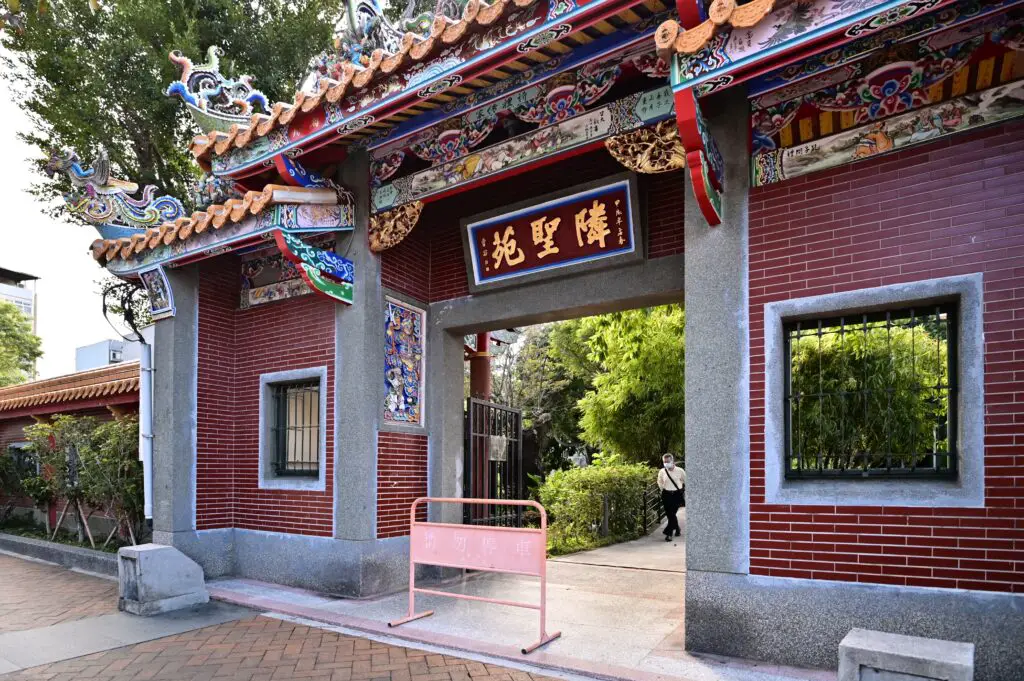
San Zhi Pod City was envisioned as a futuristic resort filled with colorful, UFO-shaped houses. Construction began in the late ’70s and early ’80s, aiming to attract vacationers looking for something bold and modern. Financial troubles and rumors of accidents halted the project before it was completed. The strange pod homes sat empty for decades, slowly deteriorating under sun and storms. Photos of the abandoned structures spread widely online.
The site became a symbol of ambitious dreams gone sideways. People were fascinated by how playful architecture could end up feeling eerie when abandoned. Although many of the pods were eventually demolished, the images remain lodged in public memory. It’s one of those places that feels instantly recognizable even if you’ve never been there. The story continues to circulate as a cautionary tale of overconfidence in development.
12. Glenrio, Texas and New Mexico
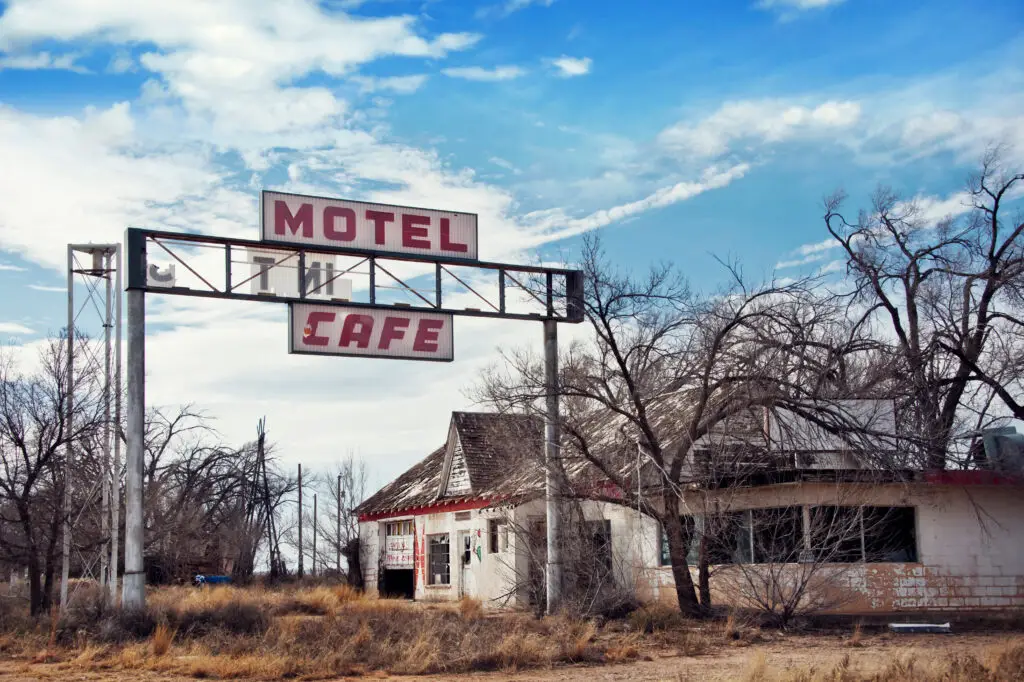
Glenrio was a lively stop along Route 66, serving travelers with gas stations, motels, and diners. When the interstate bypassed the town, traffic vanished almost overnight. Businesses closed, and residents moved on in search of work. What remains is a scattered collection of abandoned buildings straddling the state line. Faded signage still hints at the town’s roadside glory days.
Route 66 enthusiasts often stop to explore the quiet ruins. Glenrio lingers in memory because it represents the many small towns that faded when highways reshaped travel. You can almost picture families pulling in for burgers and fuel before continuing west. The emptiness feels nostalgic rather than frightening. It’s a snapshot of a lost era of American road trips.
13. Dhanushkodi, India
Dhanushkodi was once a bustling pilgrimage town and trading hub. In 1964, a devastating cyclone destroyed much of the settlement and killed many residents. Survivors relocated, and the town was never rebuilt. Ruined churches, railway tracks, and homes still sit near the shoreline. Wind and waves continue to reshape the remains year after year.
Visitors now walk among the skeletal structures, often in near silence. The ocean’s constant presence makes the ruins feel both beautiful and tragic. Dhanushkodi lingers in memory because nature’s power is so clearly visible. It stands as a reminder of how fragile human settlements can be. The contrast between peaceful scenery and devastating history leaves a lasting impression.
14. Wittenoom, Australia

Wittenoom was a thriving mining town centered on asbestos production. Over time, severe health risks became undeniable, and the town was officially degazetted. Residents relocated, and roads were removed to discourage visitors. Many buildings were demolished or left to decay in the harsh landscape. Nature and isolation gradually swallowed the area.
Despite its dangers, Wittenoom remains a point of curiosity and somber reflection. The story of a town erased for safety reasons is unusual and unsettling. It lingers because it represents a hard lesson about industrial consequences. Even in abandonment, its legacy continues to spark discussion. The emptiness feels purposeful rather than accidental.
15. Pyramiden, Svalbard

Pyramiden was a Soviet mining town located far north in the Arctic. At its peak, it featured schools, a cultural center, and sports facilities designed to showcase idealized community life. When mining became unprofitable in the late ’90s, residents departed quickly. The cold preserved many buildings and personal items remarkably well. Snow-covered playgrounds and empty apartments remain intact.
Today, limited tourism allows visitors to explore the frozen remains. The stillness is amplified by the surrounding Arctic silence. Pyramiden lingers in memory because it feels like a preserved snapshot of another political era. Time seems paused rather than erased. That frozen quality gives the town an eerie but fascinating permanence.