
1. King Arthur
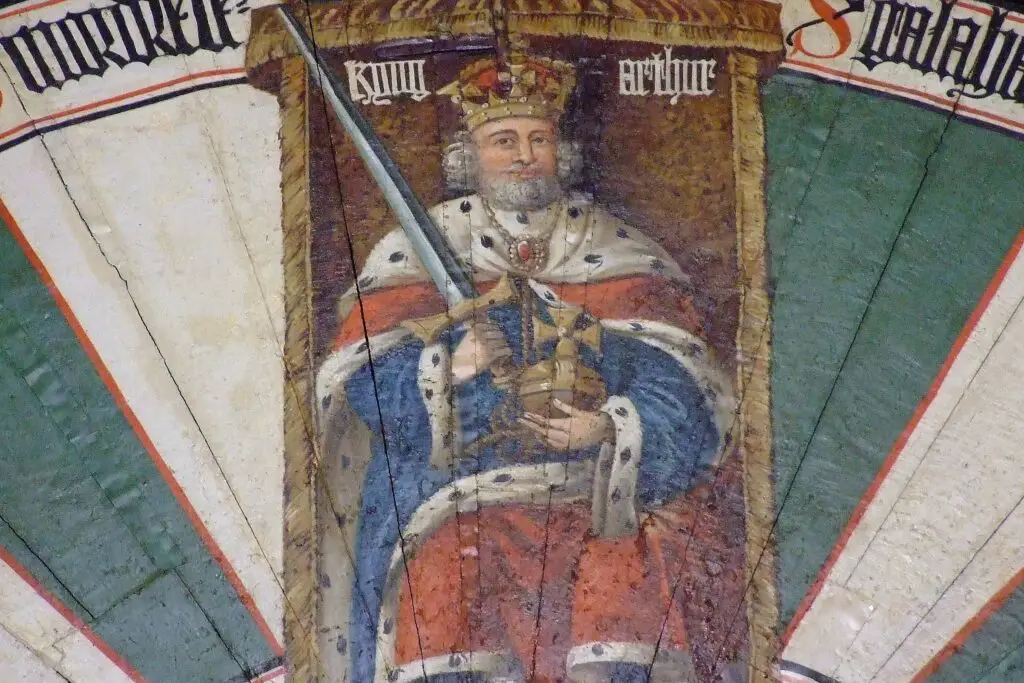
King Arthur feels like the ultimate once upon a time hero, the kind whose story everyone knows but no one can pin down. Medieval writers placed him in post Roman Britain, fighting off Saxon invaders and ruling from the magical court of Camelot. The problem is that there is no contemporary historical record proving he actually existed as a real king. What we do have are later literary sources like Geoffrey of Monmouth, which blend folklore, politics, and imagination.
Some historians think Arthur may have been inspired by a Roman military leader or a regional warlord whose name was lost to time. Others argue he could be a composite of multiple figures whose stories merged over centuries of retelling. Archaeological sites sometimes get linked to Arthur, but nothing has ever been definitively proven. That uncertainty is part of why the legend keeps evolving, because every generation gets to imagine its own version of who Arthur might have been.
2. Homer
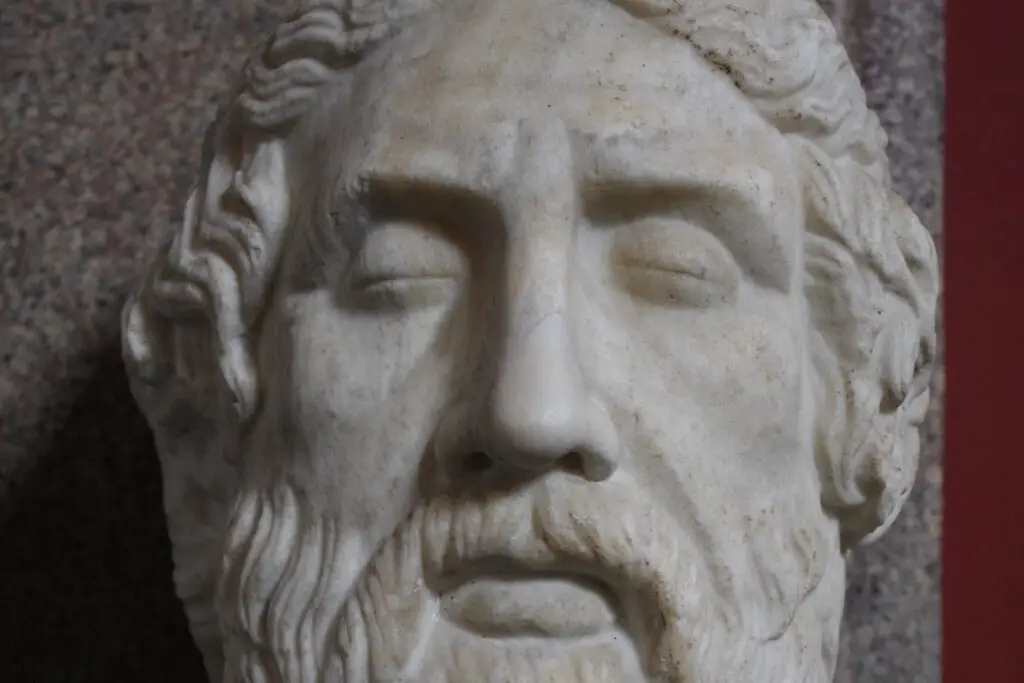
Homer is credited with writing The Iliad and The Odyssey, two of the most influential works in Western literature. Yet there is serious debate about whether Homer was a single person, multiple poets, or even a symbolic name for an oral storytelling tradition. Ancient accounts describe him as a blind bard wandering from city to city, but those stories were written long after the poems were already famous. There are no reliable biographical records that confirm when or where he lived.
Scholars point out that the epics likely evolved through generations of oral performance before being written down. That makes it hard to separate one author’s voice from centuries of collective storytelling. Some regions of Greece even competed historically over claiming Homer as their own local figure. The mystery doesn’t diminish the power of the poems, but it does leave readers wondering who, if anyone, actually put those legendary words together.
3. Robin Hood
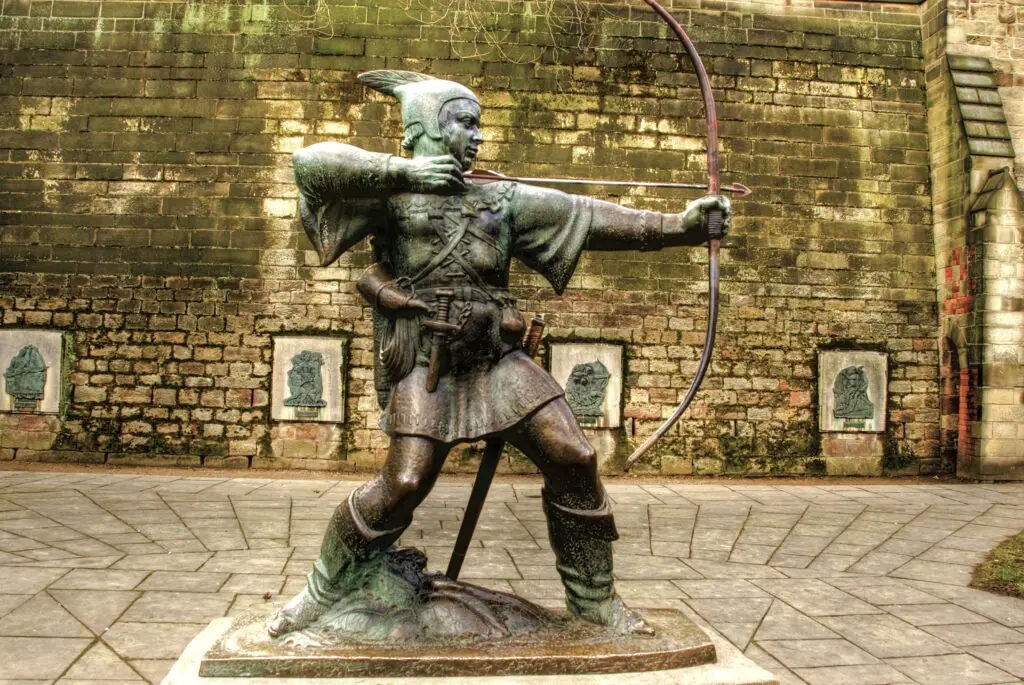
Robin Hood is known as the charming outlaw who stole from the rich and gave to the poor in medieval England. Ballads describe him living in Sherwood Forest, outwitting corrupt sheriffs, and protecting everyday people from injustice. The challenge is that no clear historical record confirms a real individual who matches the legendary Robin. Several medieval criminals named Robin or similar names existed, but none can be definitively tied to the stories.
It is possible that Robin Hood represents a blend of multiple real outlaws whose exploits grew larger with each retelling. Folk songs and plays kept reshaping his personality depending on what audiences wanted in a hero. Over time, the legend became more polished and romanticized, moving further from any historical roots. What remains is a powerful cultural symbol rather than a verifiable biography.
4. Pythagoras
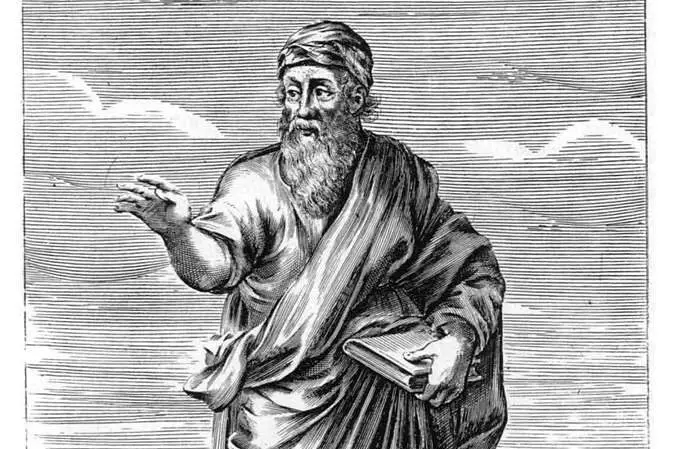
Pythagoras is famous for the Pythagorean theorem and for founding a philosophical school in ancient Greece. Strangely, almost everything known about his life comes from followers writing long after his death. These accounts describe him as a mystical figure who believed in reincarnation, strict diets, and secret teachings. There are no surviving writings directly from Pythagoras himself.
Because his students attributed many ideas to him collectively, historians cannot always determine what he personally taught versus what later thinkers added. Some stories about him, such as performing miracles or remembering past lives, sound more like legend than documented history. Even basic details like the exact dates of his life remain uncertain. His influence is undeniable, but the real person behind the name remains frustratingly unclear.
5. Laozi
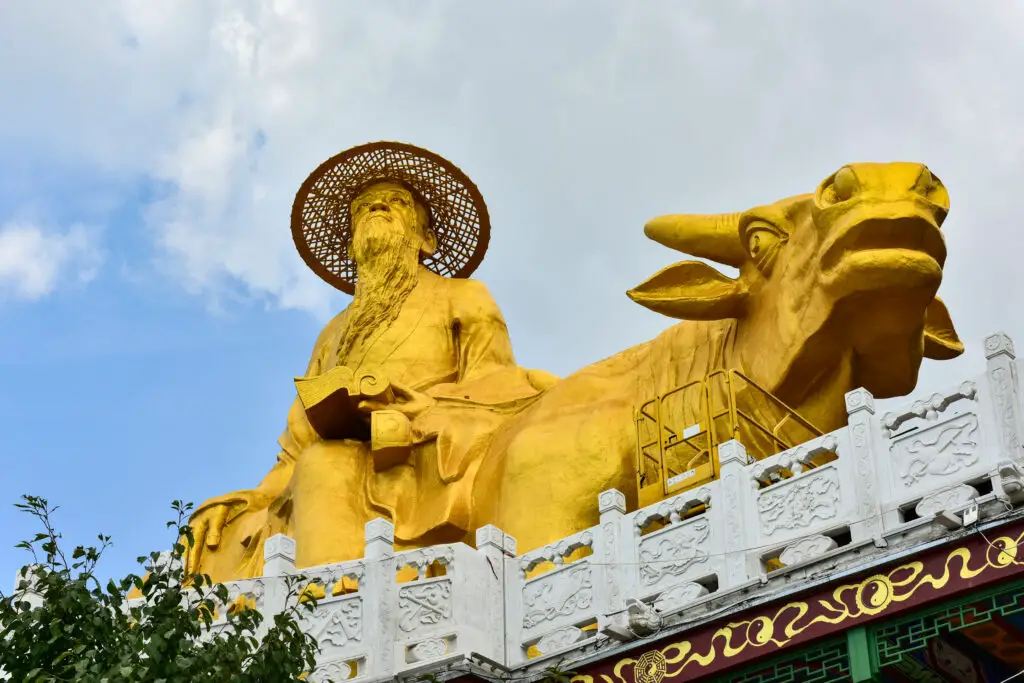
Laozi is traditionally credited as the author of the Tao Te Ching and the founder of Taoism. Legends describe him as a wise old philosopher who left civilization riding a water buffalo after recording his teachings. However, historians cannot confirm whether Laozi was a real individual or a symbolic figure representing multiple thinkers. Early Chinese records about him are sparse and often contradictory.
Some scholars believe the Tao Te Ching was compiled over time rather than written by one person. The name Laozi itself simply means “Old Master,” which adds to the ambiguity. Different dynasties shaped his story to support their own philosophical or political views. Whether he lived as described or not, his attributed teachings continue to influence spirituality and philosophy worldwide.
6. Sun Tzu
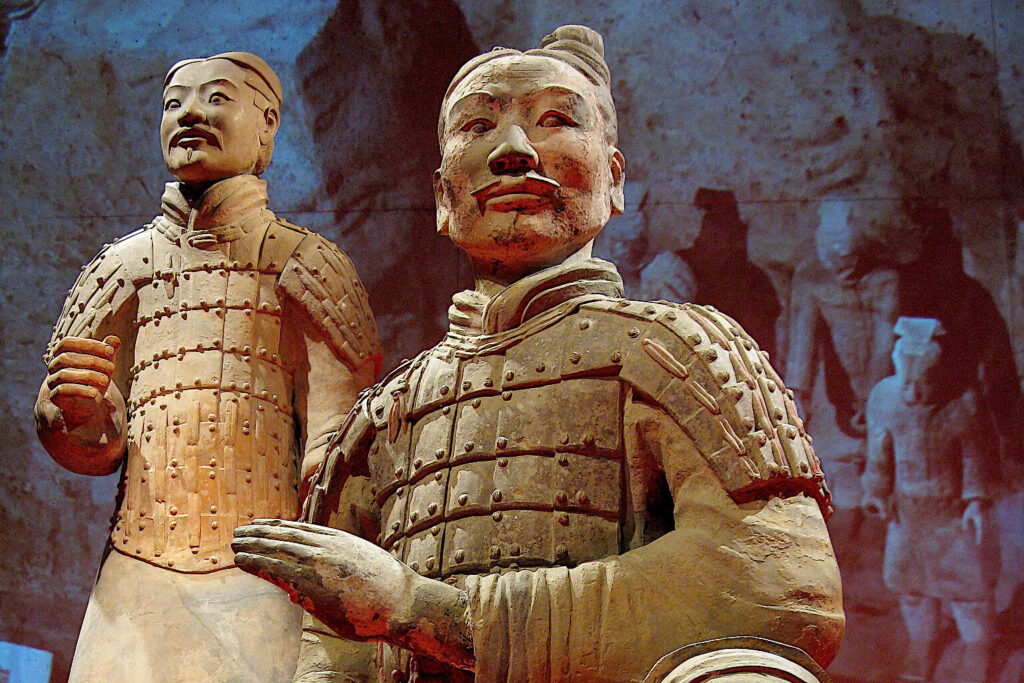
Sun Tzu is credited with writing The Art of War, one of the most studied military texts in history. Traditional accounts place him as a general during China’s Spring and Autumn period. Yet historians debate whether he truly existed as a single person or whether the book reflects the work of multiple strategists. Early historical references to him are limited and inconsistent.
Some researchers argue that parts of the text appear to come from later periods, suggesting later editing or additions. The lack of solid biographical evidence makes it difficult to confirm his personal achievements. Still, the strategic principles attributed to Sun Tzu remain remarkably influential across military, business, and leadership fields. His identity may be unclear, but the ideas associated with his name continue to shape modern thinking.
7. Mulan
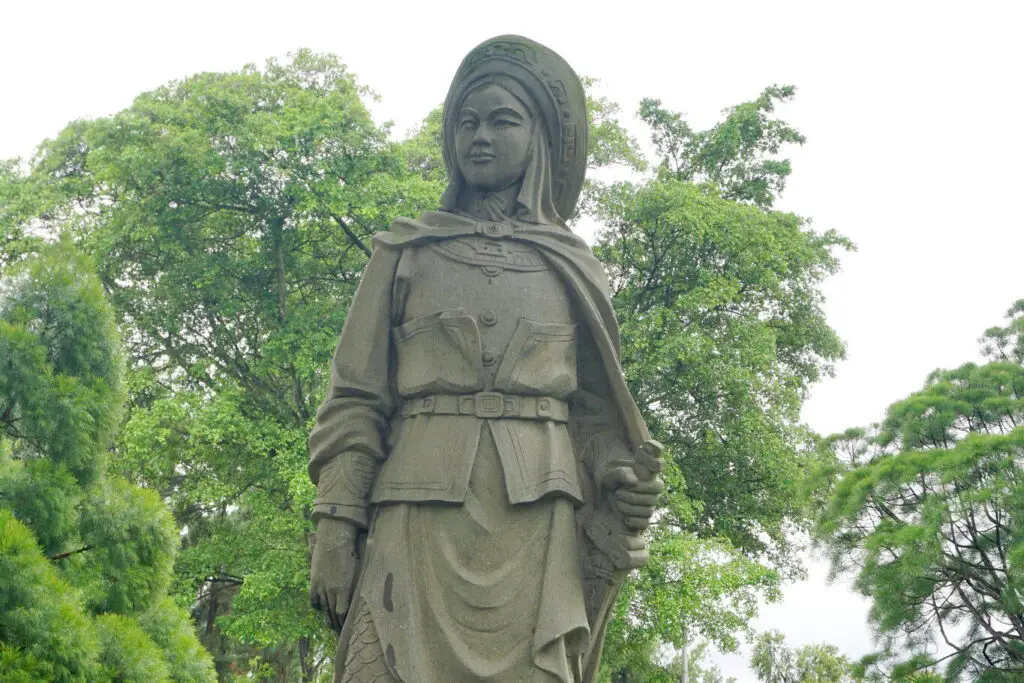
Mulan comes from a Chinese folk ballad about a young woman who disguises herself as a man to take her father’s place in the army. The story has been passed down for centuries through poetry, opera, and later literature. No historical records clearly confirm that a woman named Mulan actually existed. Different versions of the tale even disagree on the time period and region in which she lived.
Some historians believe Mulan may have been inspired by multiple real women who fought in different conflicts. Others see her as a symbolic figure representing filial duty and bravery rather than a literal person. The story evolved as each generation adapted it to reflect cultural values of the time. Whether historical or not, Mulan remains one of the most enduring figures in Chinese folklore.
8. Ragnar Lothbrok
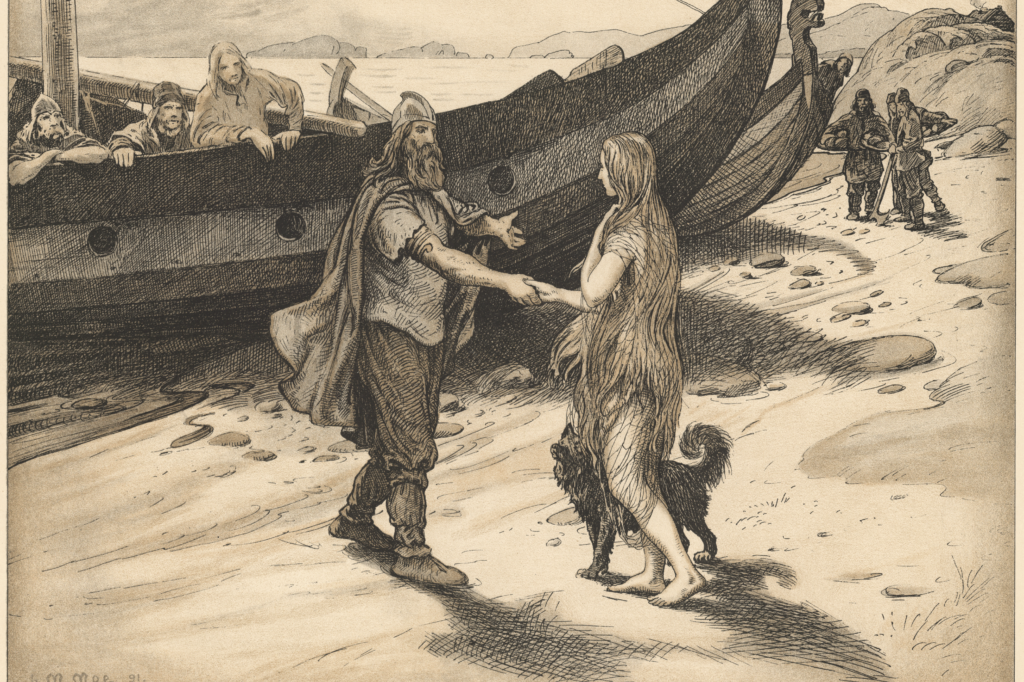
Ragnar Lothbrok appears in Norse sagas as a fearsome Viking warrior and king who led raids across Europe. Stories credit him with heroic battles and dramatic family ties to other legendary Vikings. The issue is that saga writers recorded these tales centuries after the events supposedly occurred. There are no contemporary records that clearly prove Ragnar existed as one identifiable individual.
Some historians think Ragnar may represent a composite of several Viking leaders whose exploits became merged into one legend. Certain raids attributed to him align with known historical events, which complicates the debate. The line between myth and history becomes especially blurred in oral traditions. As a result, Ragnar remains a fascinating but unresolved figure in Viking lore.
9. William Tell
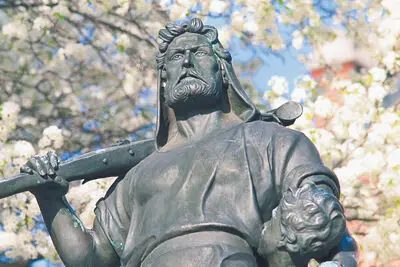
William Tell is celebrated in Swiss legend as the skilled archer who shot an apple off his son’s head. His story symbolizes resistance against tyranny and the fight for independence. However, historians have found no reliable evidence that William Tell actually lived. The earliest written versions of the tale appear centuries after the events were supposed to take place.
Some elements of the story resemble older European folklore, suggesting it may have been adapted from earlier myths. The dramatic nature of the apple shot also raises doubts about its literal accuracy. Still, Tell became a powerful national symbol for Switzerland over time. Whether real or fictional, his story continues to shape cultural identity.
10. Pope Joan
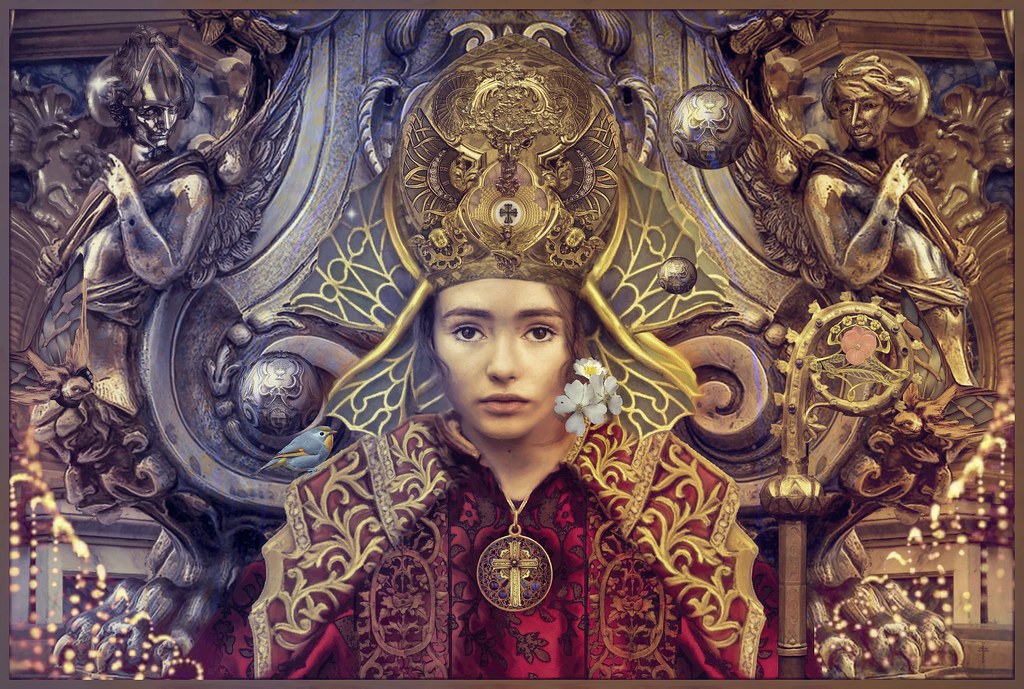
Pope Joan is said to have been a woman who disguised herself as a man and became pope during the Middle Ages. According to legend, her identity was revealed dramatically during a public procession. Despite the vivid storytelling, there is no reliable historical evidence confirming that such a pope existed. Official church records do not support the claim.
Many scholars believe the story emerged as satire or political commentary rather than factual history. Over time, the tale gained embellishments and spread widely across Europe. It tapped into cultural anxieties about power, secrecy, and gender roles. The lack of documentation keeps the story firmly in the realm of legend.
11. Lycurgus of Sparta
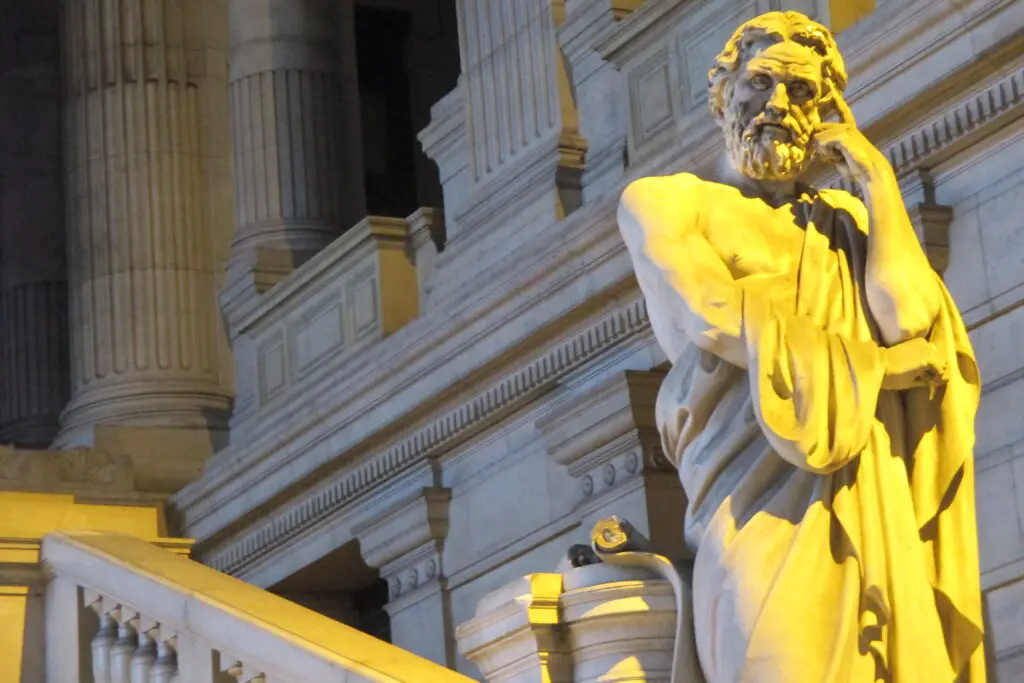
Lycurgus is traditionally credited with creating the laws and social system that shaped ancient Sparta. Ancient writers portrayed him as a wise lawgiver who designed strict military discipline and communal living. Yet there is no clear evidence confirming when he lived or even if he was a single real person. Different sources offer conflicting timelines that span centuries.
Some historians suggest Lycurgus may represent a gradual evolution of Spartan customs rather than one individual reformer. Others think later generations invented or exaggerated his role to legitimize their political system. The absence of contemporary records makes verification nearly impossible. His name remains tied to Sparta’s identity, even if the man himself remains elusive.
12. Prester John
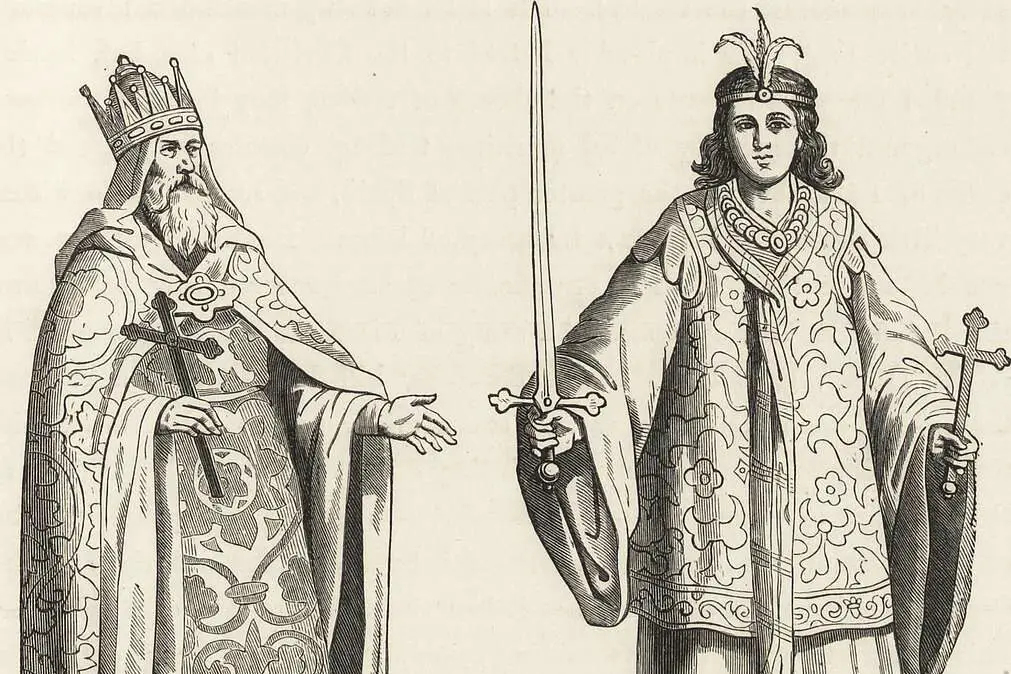
Prester John was a legendary Christian king believed in medieval Europe to rule a distant, wealthy kingdom somewhere in Asia or Africa. Letters describing his kingdom circulated widely, fueling hopes of a powerful ally against rival empires. Despite numerous expeditions searching for him, no evidence ever confirmed his existence. The descriptions often conflicted and shifted as geographic knowledge expanded.
Historians now view Prester John as a myth shaped by misunderstandings of foreign cultures and exaggerated traveler accounts. The legend reflects how limited information could evolve into grand stories during the Middle Ages. Political leaders sometimes used the myth to justify exploration or alliances. Even without proof, the idea of Prester John influenced centuries of exploration and imagination.