
1. Memorizing Important Phone Numbers
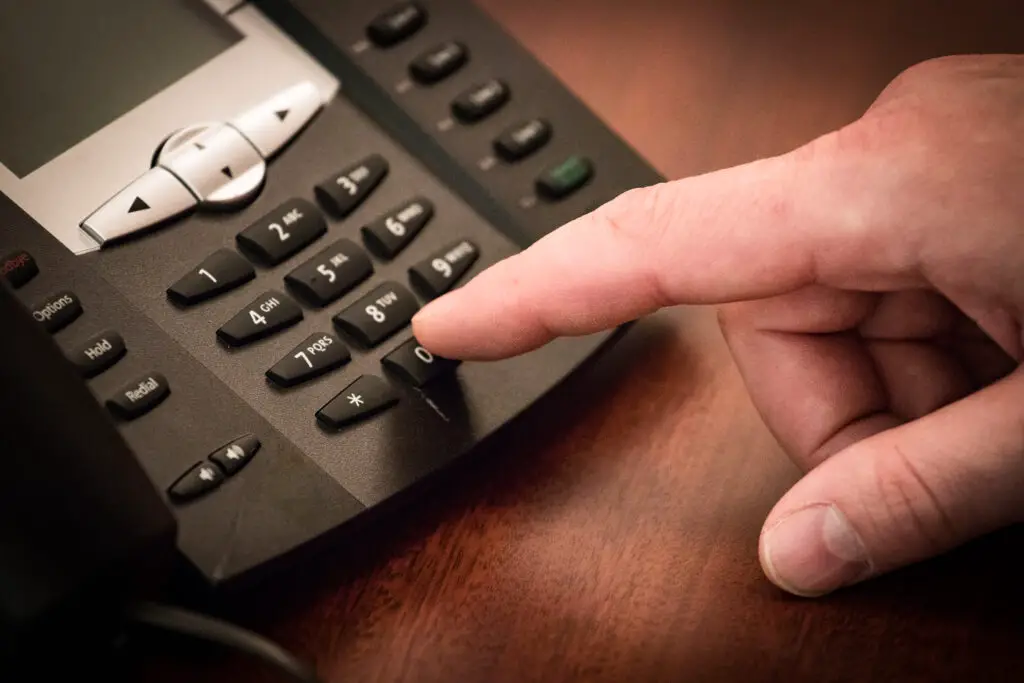
There was a time when you actually knew your best friend’s home number, your grandparents’ landline, and maybe even your workplace extension by heart. You could rattle them off without looking, because if you didn’t memorize them, you were stuck flipping through a phone book or a scribbled address pad. Kids treated phone numbers like secret codes, practicing them until they stuck. If you lost your wallet or forgot your little notebook, panic set in fast. It also meant your brain got a daily workout just keeping those digits straight.
Now your phone remembers everything for you, often without you realizing it. Contacts sync automatically, and you probably couldn’t recite more than one or two numbers if you tried. Even emergency numbers beyond the basics feel fuzzy because they live quietly in your contact list. The mental muscle of memorization has mostly faded into the background. It’s convenient, but it also changed how we rely on our own memory. You trust the device more than your brain, and that shift happened almost without notice.
2. Waiting by the Phone for a Call
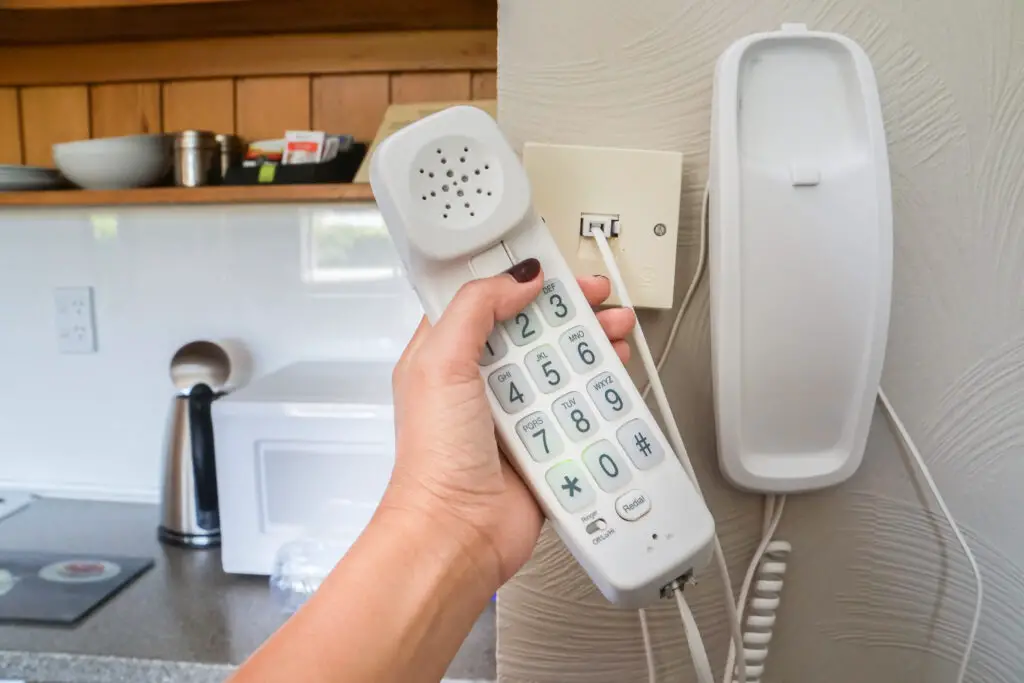
If you were expecting a call, you stayed close to the phone like it was a lifeline. You didn’t leave the house, and you definitely didn’t hog the line talking to someone else. Families negotiated phone time so no one missed an important call. Every ring made your heart jump a little, especially if you were hoping to hear from a crush or a college admissions office. The phone itself became the center of the room during those moments.
Now calls come straight to your pocket, wherever you happen to be. Missed calls turn into quick callbacks or casual texts instead of a mini crisis. The drama of hovering near the kitchen phone is gone. Voicemail notifications and caller ID removed much of the mystery and suspense. You rarely feel tethered to a physical space just to stay reachable. That quiet ritual of waiting simply dissolved as mobility took over.
3. Writing Down Directions Before Leaving

Before GPS, getting somewhere new meant writing careful directions on a scrap of paper or an index card. People copied turns from a map, highlighted street names, and sometimes added landmarks like “turn left at the big red barn.” If you missed a turn, you had to improvise or pull over and ask for help. There was a strange satisfaction in navigating successfully with nothing but your notes and instincts. It made every trip feel like a small adventure.
Now a calm digital voice tells you exactly when to turn, reroutes you instantly, and even warns you about traffic. You rarely look at street names or memorize routes anymore. The mental map of your surroundings has become less important. Even familiar trips get guided by habit rather than memory. The old ritual of preparing directions quietly faded once real time navigation became normal.
4. Keeping a Paper Calendar on the Fridge
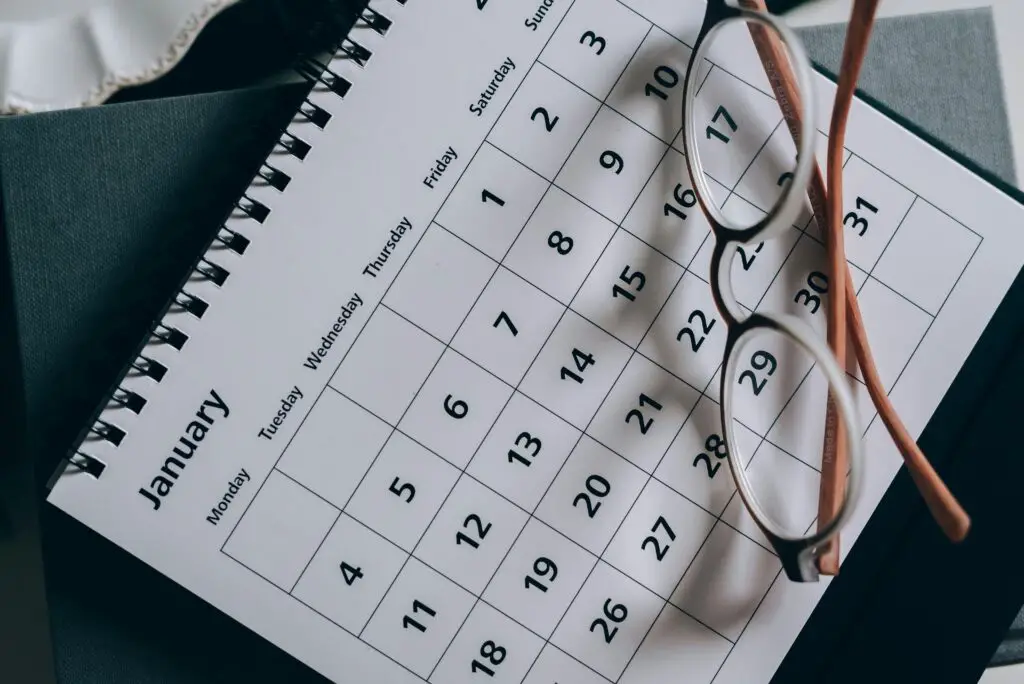
The kitchen calendar used to be the household command center. Doctor appointments, school events, birthdays, and reminders were all scribbled in different handwriting. Everyone checked it when grabbing milk or leftovers. If something changed, someone crossed it out and rewrote it in bold ink. It was messy, visible, and oddly comforting.
Now most schedules live inside personal phones and synced apps. Family members don’t always see each other’s plans unless they actively share calendars. The fridge door is more likely to hold magnets or takeout menus than a packed grid of notes. The shared visual rhythm of the month slowly disappeared. Coordination became quieter and more digital, even if it’s technically more efficient.
5. Rewinding Tapes and DVDs
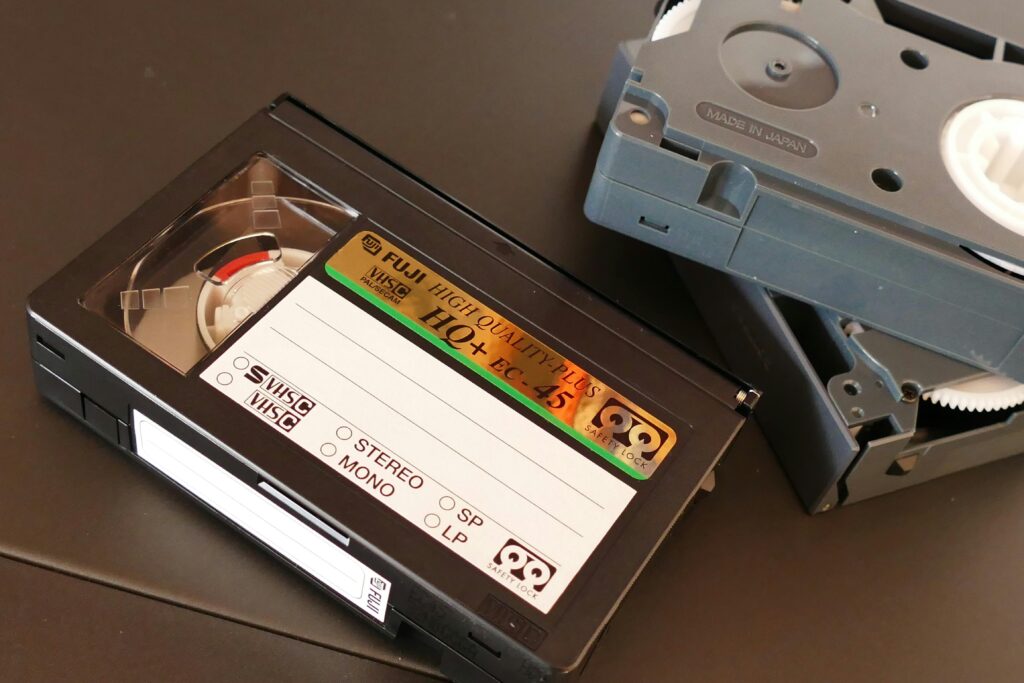
Watching something used to come with a small chore attached. You rewound VHS tapes before returning them or so the next person could start from the beginning. DVDs sometimes needed menu navigation and careful handling to avoid scratches. If someone forgot to rewind, there was mild household disappointment waiting for the next viewer. It was part of the rhythm of movie night.
Streaming erased all of that overnight. Shows start instantly, pause automatically, and remember exactly where you left off. There’s no physical media to manage or return. The little responsibility tied to watching something vanished quietly. Entertainment became frictionless in a way that feels normal now.
6. Printing Photos for Albums

Taking pictures once meant eventually dropping off film or printing digital photos to fill albums. Families sat together flipping through pages, pointing out familiar faces and half forgotten vacations. Photo boxes lived in closets and under beds, waiting to be rediscovered. There was something tactile and emotional about holding those memories. You could stumble upon them by accident and lose an afternoon reminiscing.
Now most photos live in cloud storage and phone galleries. You scroll instead of flip, and sometimes forget older images even exist. Printing feels optional rather than automatic. The shared ritual of assembling albums quietly slipped away. Memories became more abundant but also easier to overlook.
7. Checking the Weather Outside Instead of on an App

People once stepped outside, felt the air, and scanned the sky to judge the day. You learned to read clouds, wind shifts, and the smell of rain. It wasn’t perfect, but it connected you directly to your environment. Kids learned weather patterns simply by paying attention. Even small changes felt noticeable.
Now a quick glance at a phone tells you the temperature, humidity, and hourly forecast. You may not even open the door before deciding what to wear. The sensory habit of observing nature faded into the background. Convenience replaced instinct. It happened so smoothly most people never noticed the change.
8. Balancing a Checkbook

Households once sat down regularly with bank statements, calculators, and a check register. Every purchase was logged by hand, and errors meant carefully retracing steps. It taught awareness of spending and patience with numbers. There was a sense of control that came from seeing every transaction written out. Even teenagers learned the ritual when they opened their first accounts.
Online banking and automatic tracking made manual balancing unnecessary. Apps categorize spending instantly and flag problems automatically. Fewer people keep a physical record anymore. The habit faded not because it was bad, but because software does it faster. A whole financial ritual quietly disappeared.
9. Leaving Notes on the Counter or Door

Quick messages used to appear on sticky notes, scraps of paper, or notepads near the phone. “Ran to the store,” “Feed the dog,” or “Dinner in the fridge” were everyday communication tools. You learned to scan the counter when you came home. Handwriting gave each message a personal touch. Sometimes old notes piled up like tiny time capsules.
Now most reminders come through texts, apps, or shared digital lists. Physical notes feel unnecessary unless the power goes out. The visual clutter of paper messages has mostly vanished. Communication became instant and portable instead of anchored to a place. That small domestic habit quietly faded away.
10. Waiting for Film Development
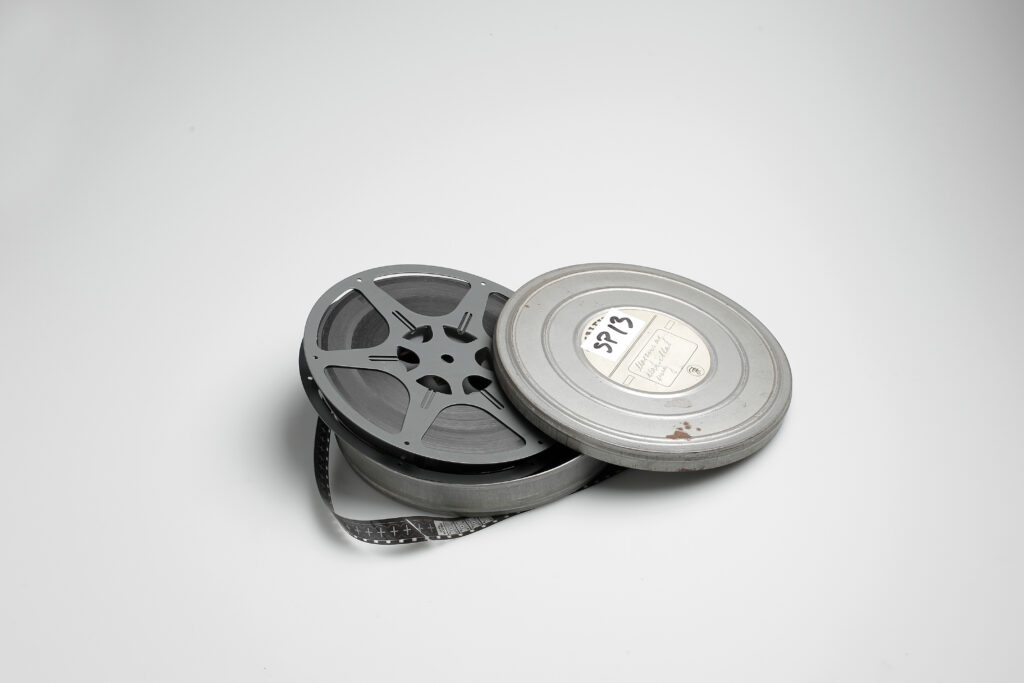
When photos were taken on film, you waited days to see what you captured. There was suspense when opening the envelope from the photo lab. Some shots came out blurry, overexposed, or unexpectedly charming. You learned patience and accepted imperfections. The anticipation was part of the experience.
Now photos appear instantly on screens. You delete mistakes immediately and retake until it’s perfect. The surprise factor is mostly gone. Waiting became unnecessary, and with it, a small sense of excitement disappeared. Technology removed the delay without much fanfare.
11. Listening to the Radio on a Set Schedule
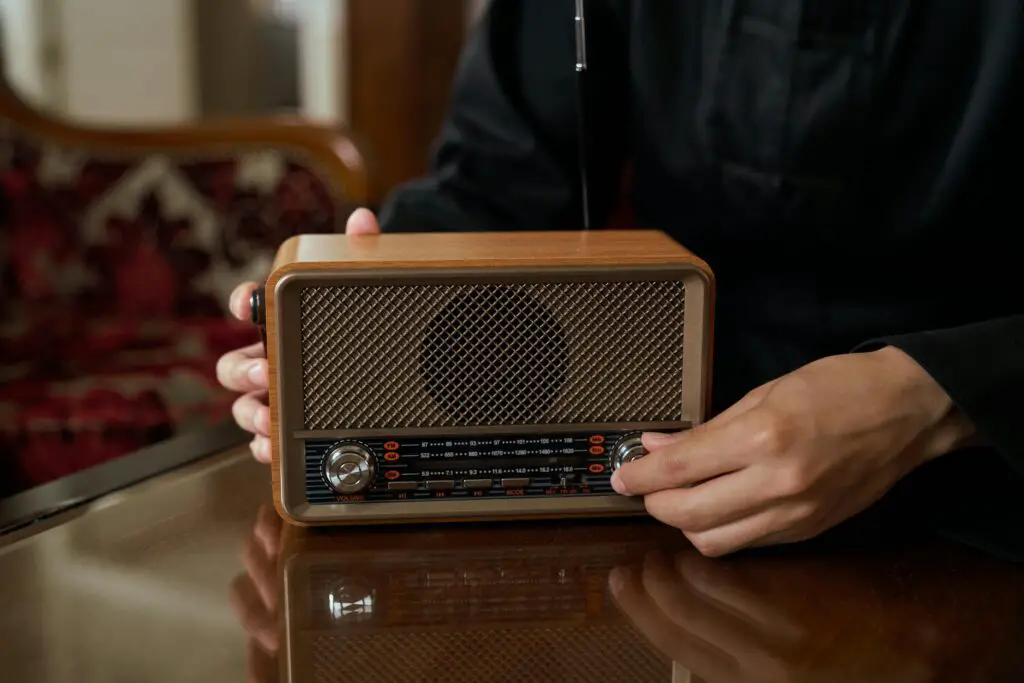
Radio shows and countdowns once structured parts of the day. You tuned in at a specific time so you wouldn’t miss your favorite segment or song premiere. Families shared those moments in cars and kitchens. DJs felt like familiar voices in the house. It created a sense of shared timing.
Streaming and on demand audio removed the need to wait. You play exactly what you want, whenever you want it. Live listening still exists, but it’s no longer the default. The habit of planning your day around a broadcast quietly faded. Convenience reshaped how people consume sound.
12. Looking Things Up in Encyclopedias or Manuals

Finding information once meant flipping through heavy books or instruction manuals. Kids learned how to use indexes and cross references. It took time, but it also encouraged deeper reading and curiosity. Households often kept a shelf dedicated to reference books. Answers felt earned rather than instant.
Search engines replaced that entire process. Information appears in seconds, often summarized for you. Physical reference books collect dust or disappear altogether. The slow ritual of researching quietly vanished. Speed replaced exploration without much resistance.
13. Sharing One Household Computer
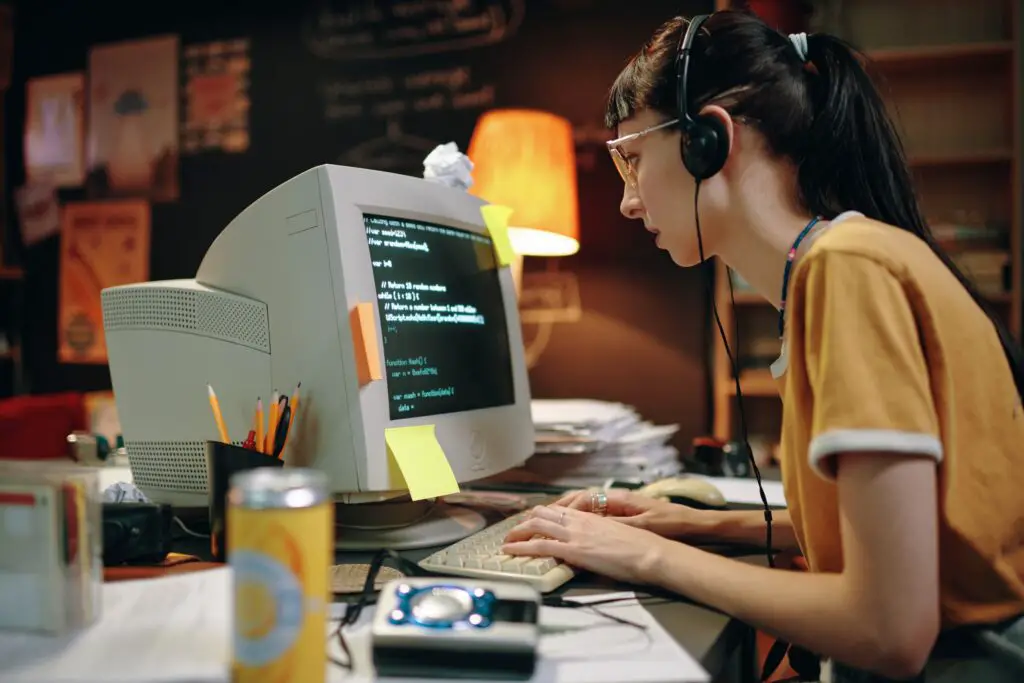
When home computers first arrived, families often shared a single machine in a common area. Time was negotiated, and privacy was limited. Everyone knew what everyone else was doing online simply by proximity. It created natural boundaries and shared curiosity. The computer felt like a communal resource.
Personal devices changed that dynamic completely. Each person now carries their own screen, schedules, and digital world. Shared computer time became unnecessary. The household rhythm subtly shifted toward individual digital spaces. That communal tech habit faded quietly.
14. Using Alarm Clocks Instead of Phones

Bedrooms once held dedicated alarm clocks with glowing numbers and loud buzzers. People slapped snooze buttons half asleep and reset alarms manually every night. Some clocks had radios that slowly woke you with music or static. It was a small but consistent nightly ritual.
Phones absorbed that function along with dozens of others. Physical alarm clocks disappeared from nightstands. The act of setting and checking a separate device became unnecessary. Another small habit quietly merged into the all in one screen. Technology didn’t announce the change, it simply absorbed it.