
1. Walking After Meals

Long before fitness trackers and step counts, many cultures encouraged a gentle walk after eating to help the body settle and digest. In ancient China and parts of the Mediterranean, this wasn’t exercise in the modern sense, it was simply part of daily rhythm. People noticed they felt less sluggish and more comfortable when they moved a little instead of collapsing into a chair. It was practical wisdom passed down without any lab tests to back it up.
Today, research supports that light walking after meals can help regulate blood sugar and improve digestion. Even a short ten to fifteen minute stroll can make a measurable difference in how the body handles glucose. Doctors now routinely recommend post-meal movement for metabolic health and energy balance. What once sounded like common sense advice from grandparents now shows up in clinical guidelines.
2. Fermented Foods for Gut Health
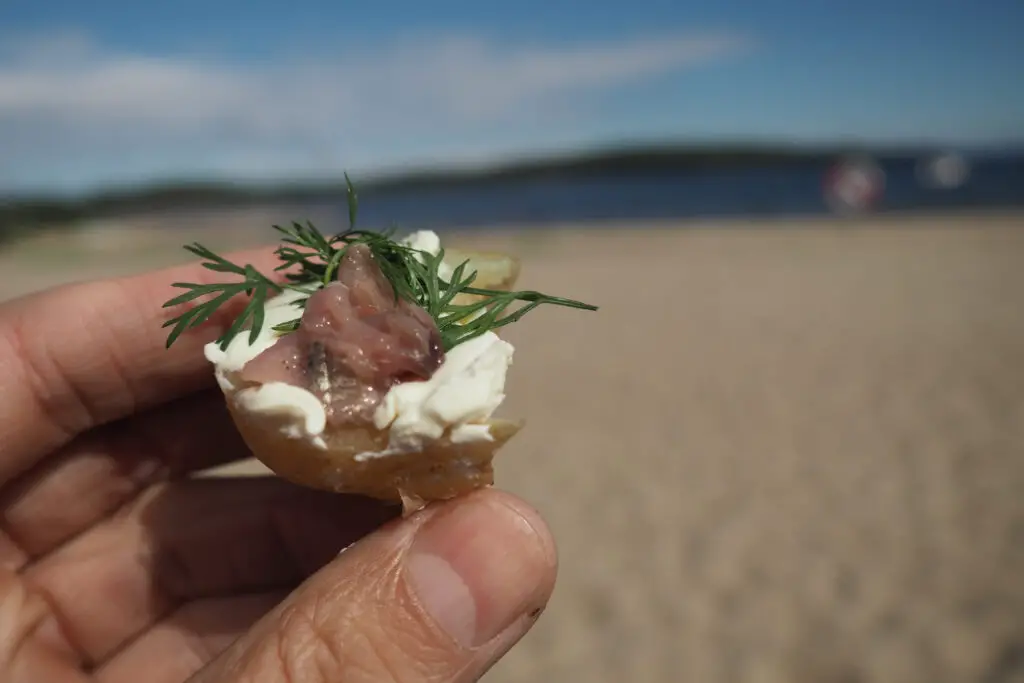
Ancient cultures preserved food through fermentation long before refrigeration existed, creating yogurt, kefir, kimchi, sauerkraut, and miso. These foods weren’t marketed as “healthy,” they were simply reliable ways to make food last and taste better. People often noticed better digestion and fewer stomach issues when fermented foods were part of daily meals. Over time, these traditions became deeply rooted in regional cuisines.
Modern science has connected fermented foods to beneficial bacteria that support gut health and immune function. Researchers now study probiotics and the microbiome as serious medical topics, not fringe wellness trends. Dietitians regularly encourage adding fermented foods for digestive balance. What once lived in crocks and clay jars now lives in scientific journals.
3. Herbal Medicine

For thousands of years, plants were the primary medicine cabinet for most civilizations. Willow bark was used for pain, garlic for infection, and ginger for stomach issues, long before chemical pharmaceuticals existed. Healers learned through trial, observation, and careful record keeping. Many remedies were surprisingly precise, even without modern equipment.
Scientists later discovered that willow bark contains compounds related to aspirin, and many herbs contain measurable active ingredients. Modern pharmacology often starts by studying traditional plant use. Not every herbal remedy holds up under testing, but many absolutely do. Ancient plant wisdom helped shape modern medicine more than people realize.
4. Fasting for Health

Religious and cultural fasting has existed across civilizations for spiritual, moral, and practical reasons. People often noticed mental clarity, improved discipline, and sometimes physical benefits during periods of reduced eating. These practices were rarely framed as medical therapy, but the body’s response was clearly observed. Fasting became embedded into tradition long before science examined it.
Today, intermittent fasting and time-restricted eating are actively studied for metabolic health, insulin sensitivity, and cellular repair. Researchers examine processes like autophagy, where the body cleans up damaged cells during fasting periods. Doctors still caution that fasting is not appropriate for everyone. Still, the core idea now has measurable biological backing.
5. Sunlight for Mood and Vitality
Ancient societies spent large portions of the day outdoors, relying on natural light for work and social life. Sun exposure was associated with vitality, warmth, and emotional well-being. In some cultures, sunlight was even used intentionally in healing practices. People instinctively connected light with energy and health.
Modern research confirms that sunlight helps regulate circadian rhythms and supports vitamin D production. Lack of sunlight is now linked to seasonal depression and sleep disruption. Light therapy is a recognized treatment for certain mood disorders. What once felt intuitive now has neurological explanations.
6. Breathing Practices for Stress Control

Controlled breathing has been part of yoga, meditation, and martial arts traditions for centuries. These practices emphasized calm focus, emotional regulation, and physical control through breath awareness. Teachers often described breath as the bridge between body and mind. Practitioners reported reduced anxiety and improved concentration long before stress hormones were understood.
Science now confirms that slow, intentional breathing activates the parasympathetic nervous system and lowers heart rate and cortisol levels. Breathing exercises are commonly recommended in anxiety treatment and cardiac rehabilitation. Hospitals and therapists actively teach these techniques. Ancient breathing traditions now sit comfortably inside modern healthcare.
7. Sleep as a Healing Tool

In many early cultures, sleep was treated as essential recovery rather than wasted time. Some healing temples in ancient Greece even encouraged therapeutic sleep as part of treatment. People noticed illness worsened when sleep was poor. Rest was respected as part of survival and resilience.
Modern medicine strongly supports sleep’s role in immune function, memory consolidation, and hormonal balance. Chronic sleep deprivation is now linked to cardiovascular disease, obesity, and cognitive decline. Sleep hygiene is a legitimate medical focus, not a luxury. Ancient respect for rest aligns closely with today’s evidence.
8. Cold Water Exposure

Cold baths and cold water plunges were common in Roman baths and various Nordic traditions. People believed cold water improved circulation, resilience, and recovery. It was often paired with hot bathing to stimulate the body. While the reasoning was mostly observational, the practice persisted for generations.
Modern studies show cold exposure can reduce inflammation and stimulate certain stress-adaptation responses. Athletes still use cold therapy for muscle recovery, though evidence varies depending on context. Researchers continue studying how cold affects immune and metabolic systems. The ancient bathhouse ritual now overlaps with sports medicine.
9. Posture and Spinal Alignment

Ancient disciplines like yoga, tai chi, and martial arts emphasized upright posture and spinal balance. Teachers believed posture influenced energy flow, breathing, and overall vitality. Good alignment was considered foundational to strength and longevity. These ideas were taught through movement rather than anatomy charts.
Modern biomechanics confirms posture affects joint health, muscle balance, breathing efficiency, and chronic pain risk. Physical therapists routinely correct posture to prevent injury and improve mobility. Poor posture is now linked to headaches, back pain, and nerve compression. Ancient alignment principles quietly anticipated modern ergonomics.
10. Seasonal Eating

Traditional societies often ate what was locally available in each season. Diets naturally shifted between lighter foods in warmer months and heartier foods in colder months. This wasn’t trendy or ideological, it was practical and economical. People noticed their bodies adapted better when food matched the season.
Modern nutrition recognizes that seasonal produce often has higher nutrient density and better freshness. Eating seasonally can support gut diversity and reduce processed food reliance. While global food systems now blur seasons, the biological logic still holds. Old farming rhythms still align with modern nutrition science.
11. Massage and Touch Therapy

Massage has been used for thousands of years in Chinese medicine, Ayurvedic traditions, and ancient athletics. It was believed to improve circulation, reduce pain, and restore balance. Touch was seen as therapeutic rather than indulgent. Many healers relied heavily on manual techniques.
Research now supports massage for reducing muscle tension, improving circulation, lowering stress hormones, and aiding injury recovery. Hospitals even use therapeutic touch for pain management and anxiety reduction. Physical therapy incorporates many massage principles. What once lived in temples and training halls now lives in clinics.
12. Social Connection as Health Protection

Ancient communities were deeply social by necessity, with shared meals, collective labor, and multigenerational households. Loneliness was rare compared to modern life. People intuitively understood that isolation weakened morale and resilience. Community was survival infrastructure, not optional enrichment.
Modern studies consistently link strong social connections to lower mortality, better immune function, and improved mental health. Chronic loneliness now carries risks comparable to smoking or obesity. Doctors increasingly screen for social isolation as a health factor. Ancient communal living turns out to have powerful biological consequences.