
1. Pot Roast and Root Vegetables
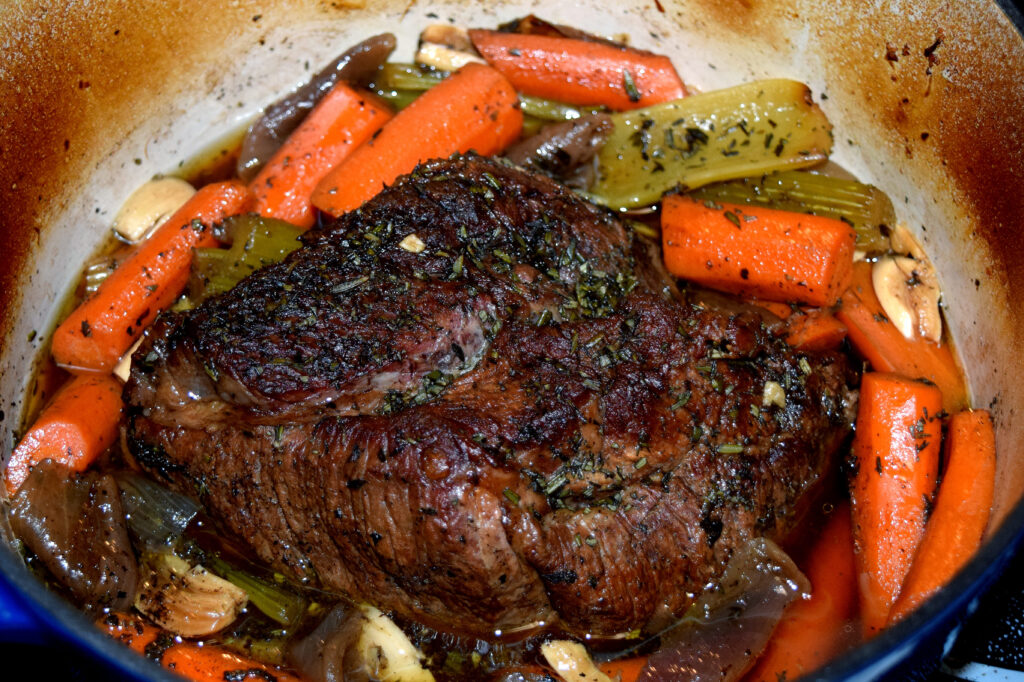
A pot roast was the kind of meal that felt generous on the first night, even if the budget was tight. The slow cooker did most of the work, turning an inexpensive cut of beef into something that felt like a Sunday dinner. Families would pile their plates with carrots, potatoes, and gravy, knowing it had to last. The leftovers were carefully packed into containers, already earmarked for tomorrow’s meals. Nothing went to waste, not even the pan drippings. There was comfort in knowing a single roast could anchor several days of dinners.
Day two often meant sliced pot roast tucked into sandwiches or chopped into a quick hash with leftover potatoes. By the third day, whatever remained usually ended up in soup or beef gravy over toast. The flavors only seemed to deepen as time went on. Kids might groan at seeing it again, but they still cleaned their plates. Stretching one roast across three days felt like a small household victory. It was budgeting disguised as comfort food.
2. Whole Roast Chicken
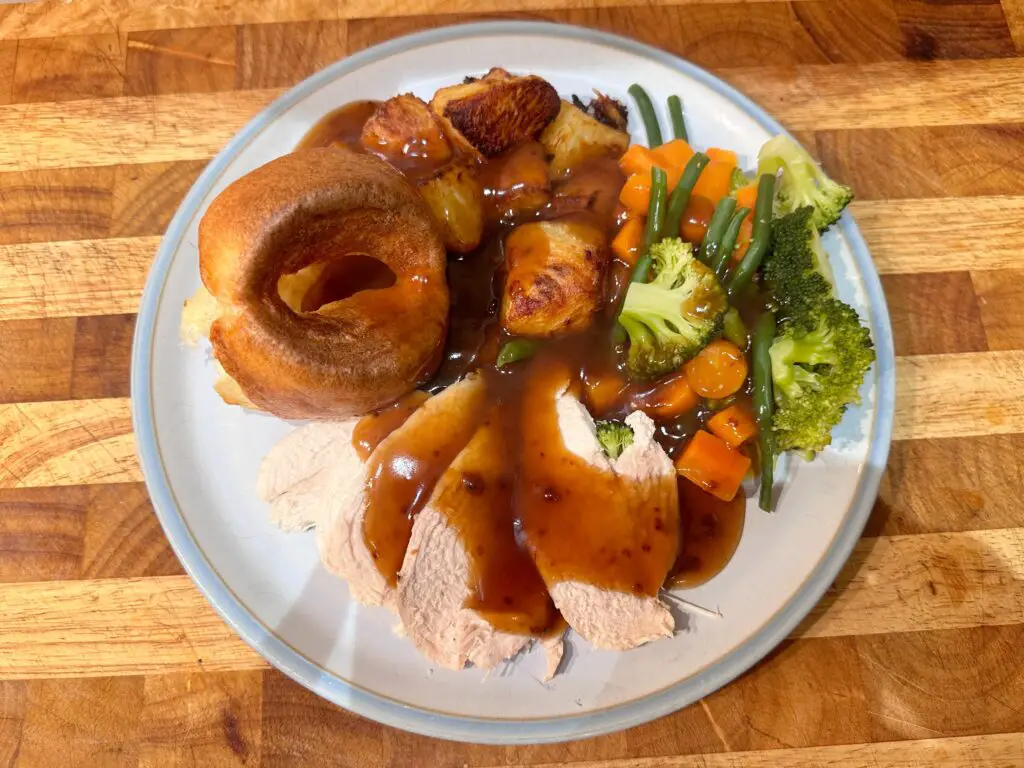
A whole chicken was one of the smartest grocery purchases a family could make. The first night felt special, with crispy skin, mashed potatoes, and maybe a simple vegetable on the side. Everyone knew to be mindful of how much they took, especially the white meat. The bones were never thrown away, because they were future soup waiting to happen. Even the smallest scraps were saved in the fridge. It was a quiet lesson in using every part of what you paid for.
Day two usually brought chicken sandwiches, chicken salad, or chopped chicken mixed into casseroles. By day three, the carcass became broth simmering on the stove all afternoon. Noodles or rice stretched that soup even further. The house smelled warm and comforting, even if the pantry was thin. It felt resourceful and steady, like the kitchen was doing its job. A single bird could quietly carry a family through half the week.
3. Spaghetti with Meat Sauce
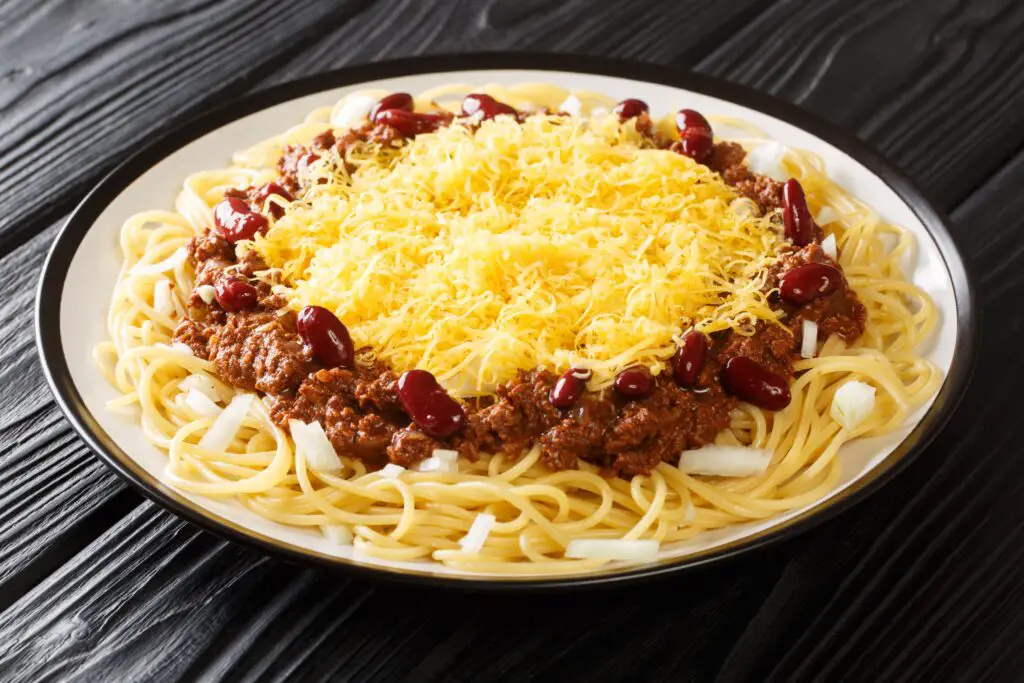
Spaghetti was cheap, filling, and almost impossible to mess up. A big pot of sauce could stretch a small amount of ground meat across several meals. The first night usually felt like a normal dinner, with garlic bread if the budget allowed. Leftovers went straight into the fridge in giant containers. Everyone knew they’d be seeing it again soon. Nobody complained too much because it was familiar and comforting.
Day two might be reheated plates or leftover spaghetti packed into school lunches. By the third day, the sauce often got reinvented into baked spaghetti or spooned over toast. The flavor actually improved after sitting overnight. It was one of those meals that seemed to multiply in the refrigerator. Families learned to appreciate how far a box of pasta could go. It was reliable fuel when money was tight.
4. Chili
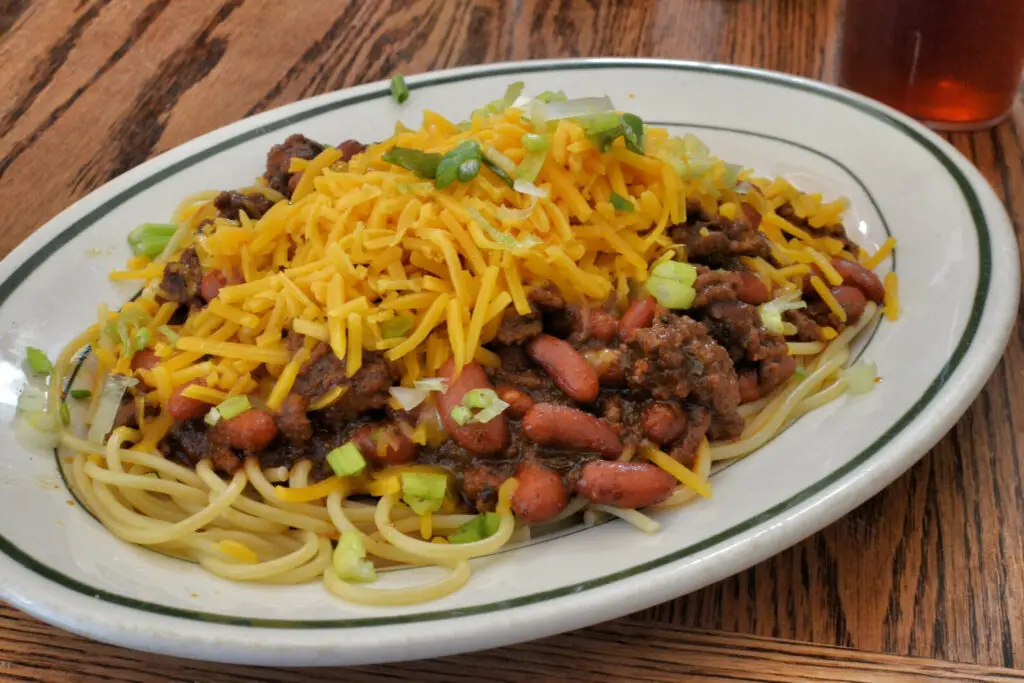
Chili was practically designed for stretching across days. A big pot simmered with beans, tomatoes, and just enough meat to flavor everything. The first night felt hearty and filling, especially on cold evenings. Leftovers were stored in large bowls, ready for repeat performances. The spices mellowed and blended overnight. It somehow tasted better the second time around.
Day two often meant chili over rice or crackers to stretch it further. By day three, it might become chili dogs, chili mac, or even chili on baked potatoes. No one minded seeing it again because it felt different each time. It filled bellies without draining the wallet. Chili had a way of making a lean week feel manageable. It was comfort disguised as practicality.
5. Meatloaf
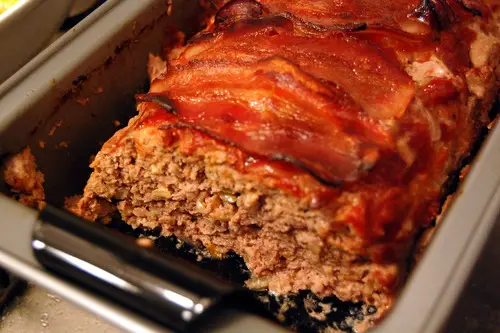
Meatloaf was a classic budget stretcher because fillers like breadcrumbs and eggs made the meat go further. The first night felt like a proper sit-down dinner with mashed potatoes and gravy. The loaf was sliced carefully so everyone got a fair portion. Leftovers were wrapped tightly and saved without question. Even the end pieces found a home. It was humble but dependable.
Day two usually meant cold meatloaf sandwiches with a little ketchup or mustard. By the third day, leftover slices might get crumbled into hash or mixed with leftover potatoes. The flavors held up surprisingly well. It was the kind of meal that taught kids what leftovers really meant. Nothing fancy, just practical food doing its job. Meatloaf quietly carried households through lean stretches.
6. Ham
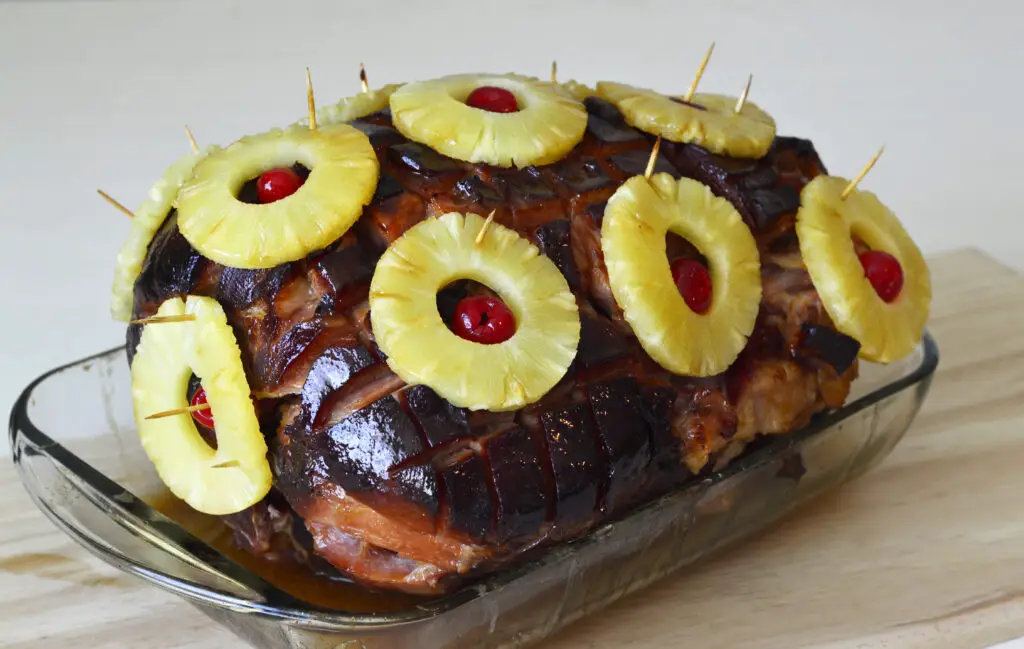
A holiday ham often turned into a multi-day meal marathon. The first night was sliced thick with potatoes and maybe green beans. Everyone felt like they were eating something special, even if it had been bought on sale. The bone was saved immediately, never tossed. Smaller slices went into containers for later. It was understood that this ham had a long life ahead.
Day two often became ham sandwiches, omelets, or diced ham mixed into pasta. By day three, the ham bone flavored a pot of bean soup or split pea soup. The smoky flavor stretched into every bite. It made the kitchen smell comforting and familiar. One purchase could create several completely different meals. It felt thrifty in the best possible way.
7. Beef Stew
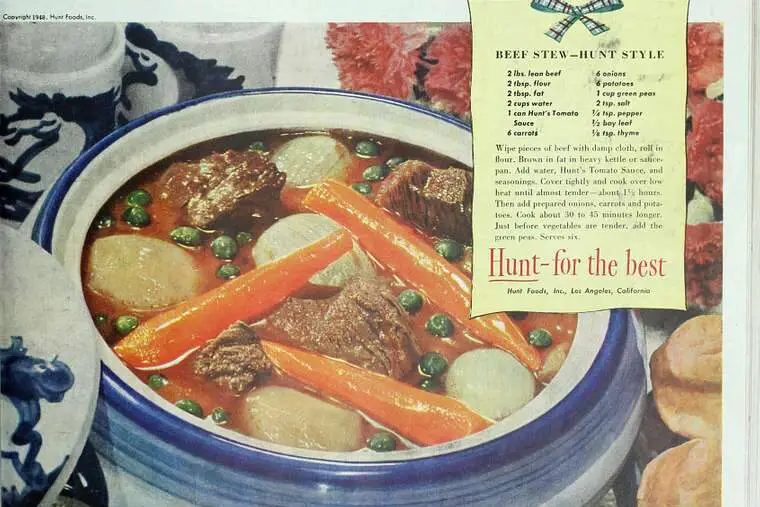
Beef stew was perfect for making a little meat feel like a lot. Potatoes, carrots, onions, and broth did most of the heavy lifting. The first night was warm and filling, especially with bread for dipping. Leftovers were always plentiful because stew expands as it sits. The gravy thickened overnight, making it even richer. It was the kind of meal that rewarded patience.
Day two might be reheated bowls or stew poured over toast or rice. By the third day, whatever remained could be thinned into soup. No one felt cheated because it still tasted satisfying. It made cold nights easier and grocery money stretch further. Families relied on meals like this without making a big deal of it. Stew quietly kept everyone fed.
8. Baked Ziti or Lasagna
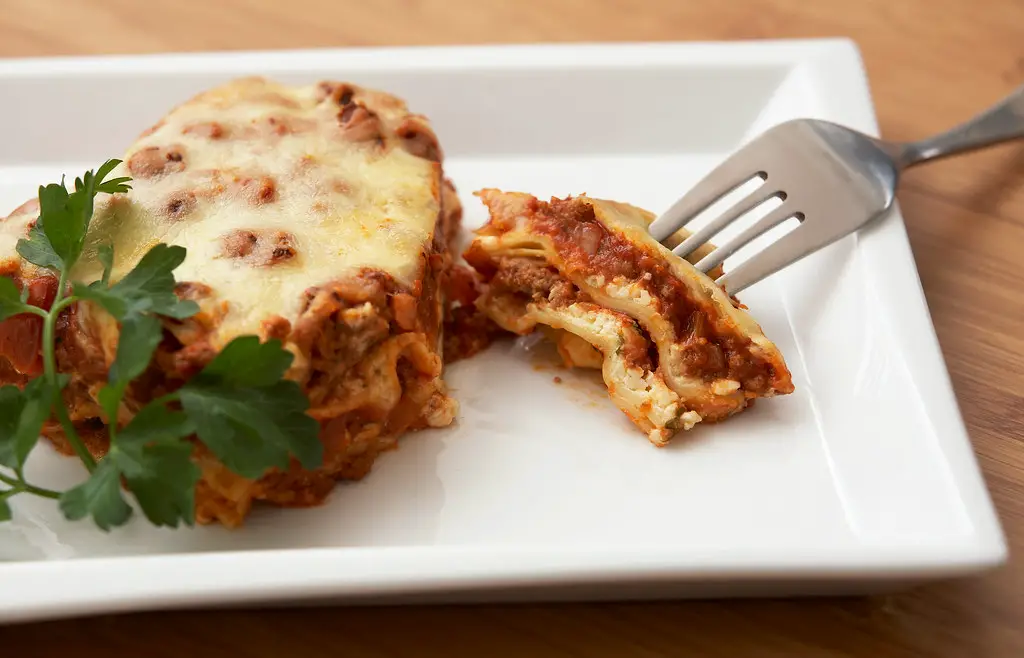
Pasta bakes were made in enormous pans for a reason. The first night felt almost celebratory, with bubbling cheese and big scoops on every plate. It was filling enough that leftovers were guaranteed. The dish held together well in the fridge, making reheating easy. Everyone knew there would be more tomorrow. It was comforting to see that pan waiting on the shelf.
Day two meant square slices reheated for dinner or lunch. By day three, the last portions were usually fought over. The flavors actually improved as they sat. It was one of those meals that made leftovers feel like a treat rather than a compromise. Pasta and cheese stretched far when budgets were thin. It felt like abundance in casserole form.
9. Fried Rice
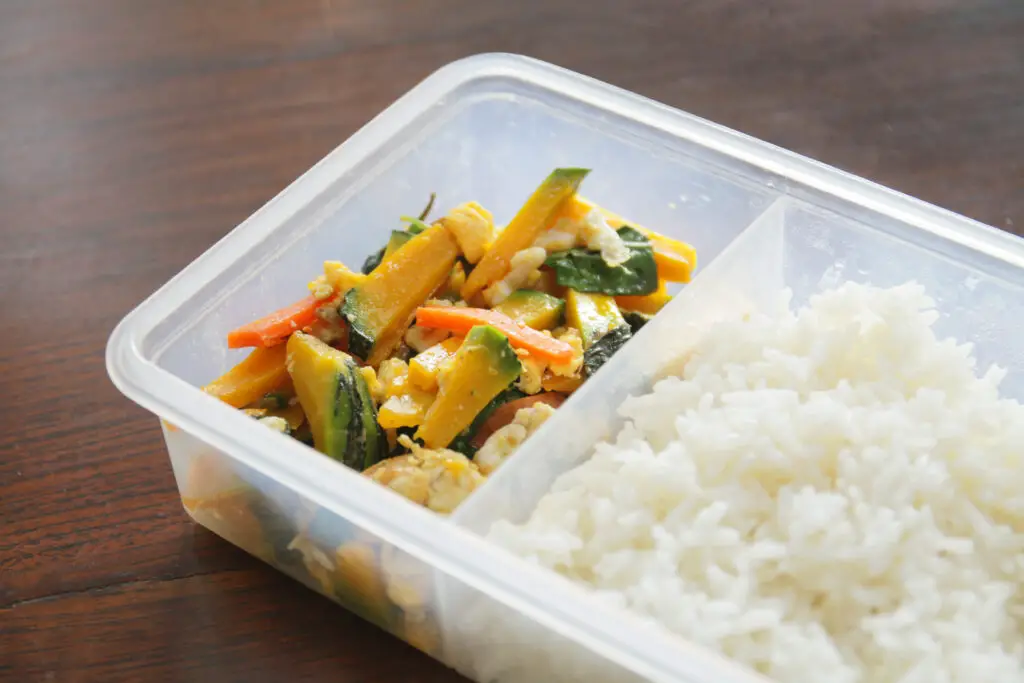
Fried rice often started as a way to use up leftovers. Day one might have been plain rice served with a simple protein. The next night, that rice got transformed with eggs, frozen vegetables, and whatever scraps were in the fridge. Soy sauce pulled everything together into something that felt new. It was quick, cheap, and surprisingly filling. Nobody minded seeing rice again when it tasted different.
By day three, any remaining fried rice could stretch into lunches or another quick dinner. Families learned to treat leftovers as ingredients, not just repeats. It encouraged creativity in the kitchen. Even small portions could feel satisfying. It was practical cooking at its best. Fried rice turned odds and ends into real meals.
10. Bean Soup
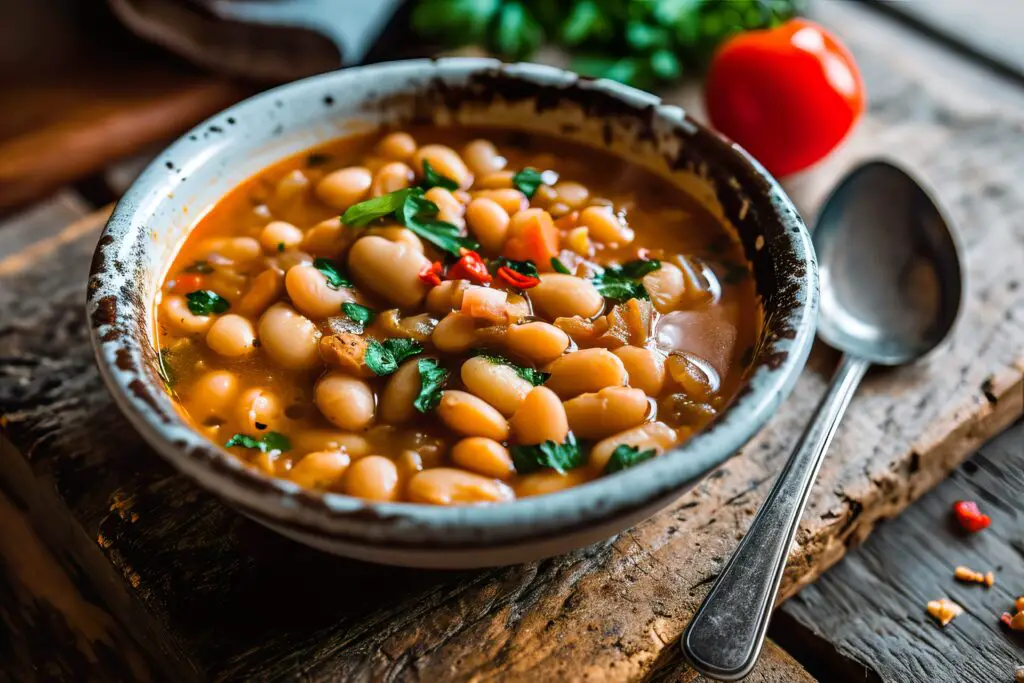
Bean soup was one of the most economical meals around. A bag of dried beans could feed a family for days. The first night was thick and hearty, often flavored with a ham bone or simple spices. It simmered all afternoon, filling the house with warmth. Leftovers were guaranteed. The pot usually stayed on the stove or in the fridge.
Day two often tasted even better as the beans softened more. By the third day, the soup might get thinned with water or broth and served again. Cornbread or toast helped stretch it further. It was humble but dependable. Families leaned on meals like this when grocery money was tight. It was filling without being fancy.
11. Tuna Casserole
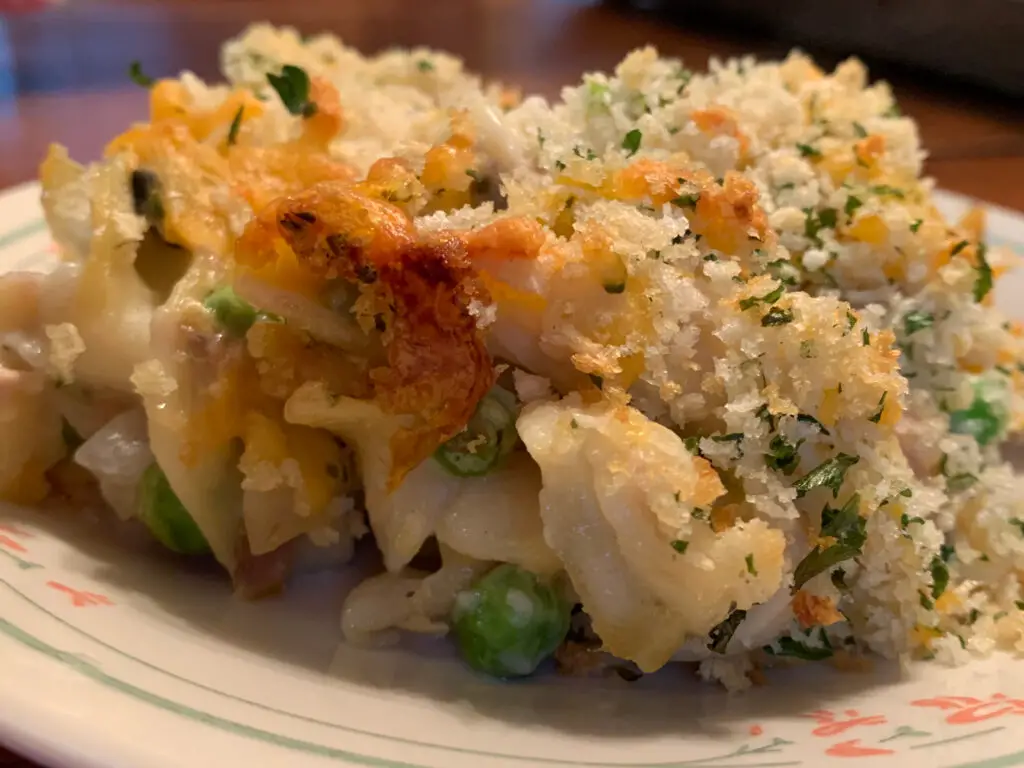
Tuna casserole was a pantry staple that could feed a crowd cheaply. The first night usually came out of the oven bubbly and creamy, with crunchy topping if there was one available. It filled everyone up fast. Leftovers were packed away knowing they’d be back soon. It was the kind of meal kids recognized immediately. Nobody expected variety when times were tight.
Day two meant reheated squares or spoonfuls for lunch. By day three, the last portions were scraped out of the dish. It held up surprisingly well after a couple of days. It wasn’t glamorous, but it was reliable. Families learned to appreciate meals that stretched like this. It was practical comfort food.
12. Sloppy Joes
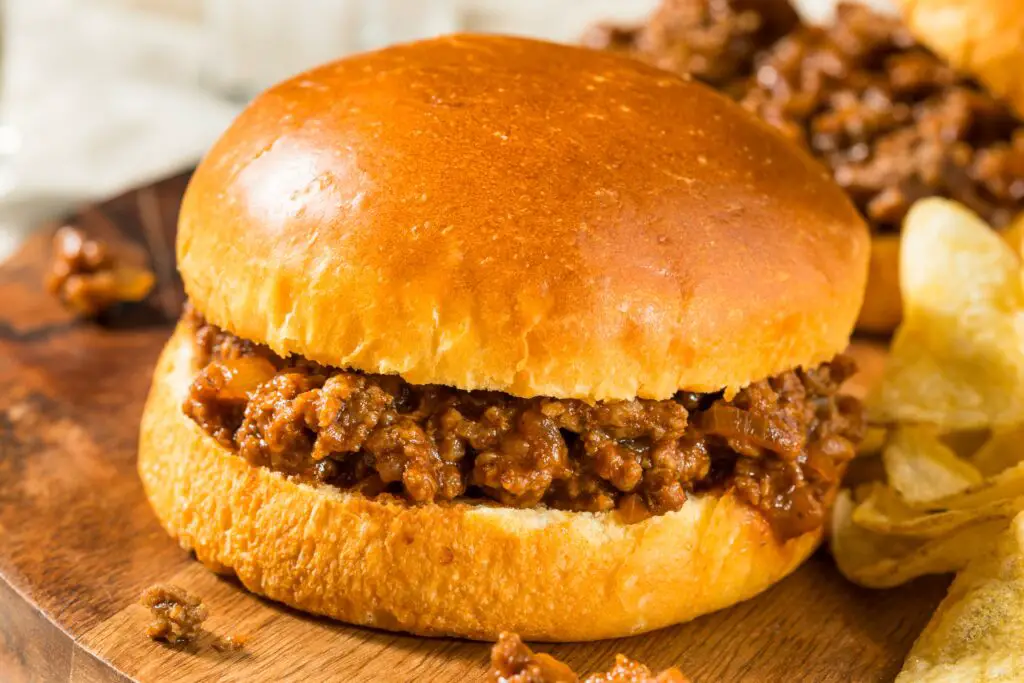
Sloppy Joes were easy to make in large batches. A little ground beef and a lot of sauce went a long way. The first night felt casual and fun, even if it was budget-driven. Extra filling was always saved. It reheated well and stayed flavorful. It was one of those meals that kids rarely complained about.
Day two might bring leftover sloppy joe filling over toast or baked potatoes. By day three, whatever remained could stretch into lunches. The sauce kept everything moist and filling. It was flexible and forgiving. Families relied on meals like this when stretching the grocery dollar mattered. It felt like comfort food with a purpose.
13. Stuffed Peppers

Stuffed peppers stretched meat with rice and vegetables. The first night felt like a proper dinner, even if ingredients were simple. The peppers held together well and reheated easily. Leftovers were stored carefully so nothing went to waste. It was filling without being heavy. The flavors blended nicely overnight.
Day two often meant reheated peppers or chopped leftovers mixed into rice. By day three, whatever remained could be turned into a quick skillet meal. It felt like getting multiple dinners from one cooking session. Families appreciated meals that worked this way. It was resourceful without feeling skimpy. Every bite counted.
14. Pancakes and Breakfast-for-Dinner
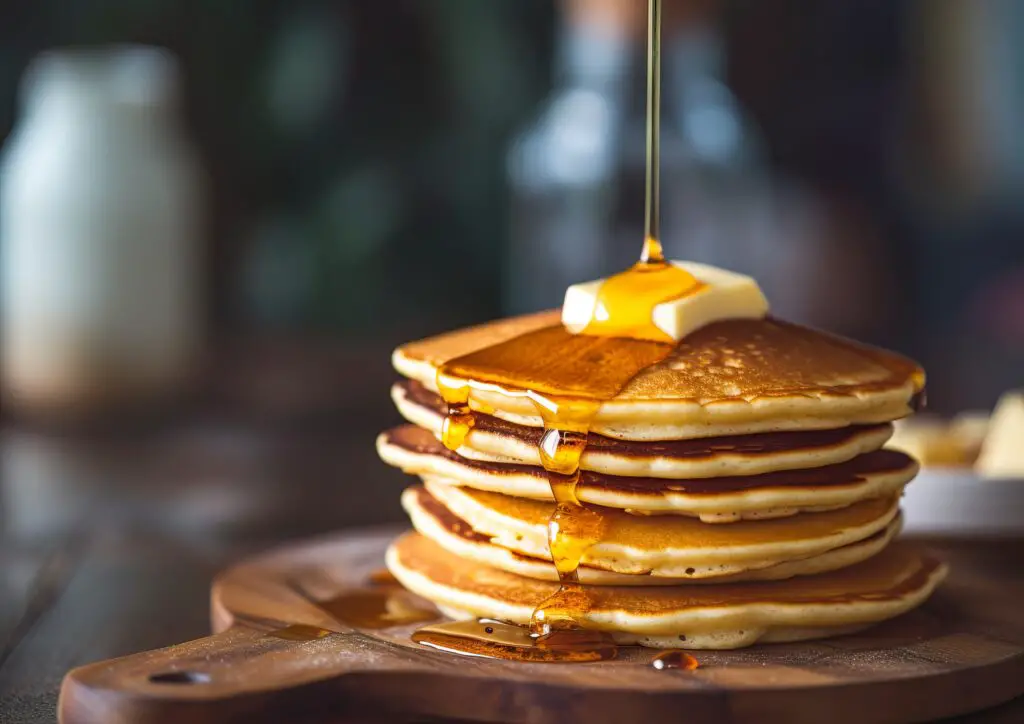
Breakfast-for-dinner was often a budget reset button. Pancakes were cheap, filling, and easy to make in large batches. The first night felt like a treat, even if it was driven by necessity. Extra pancakes were stacked and saved. Syrup or jam stretched them into something comforting. It felt cozy and familiar.
Day two brought reheated pancakes for breakfast or snacks. By day three, the last few might get toasted or topped differently. It was simple food that carried a family through a lean stretch. Nobody expected extravagance, just full bellies. Pancakes quietly filled the gaps when groceries were low. Sometimes the simplest meals worked the hardest.