
1. Boxed Mac and Cheese
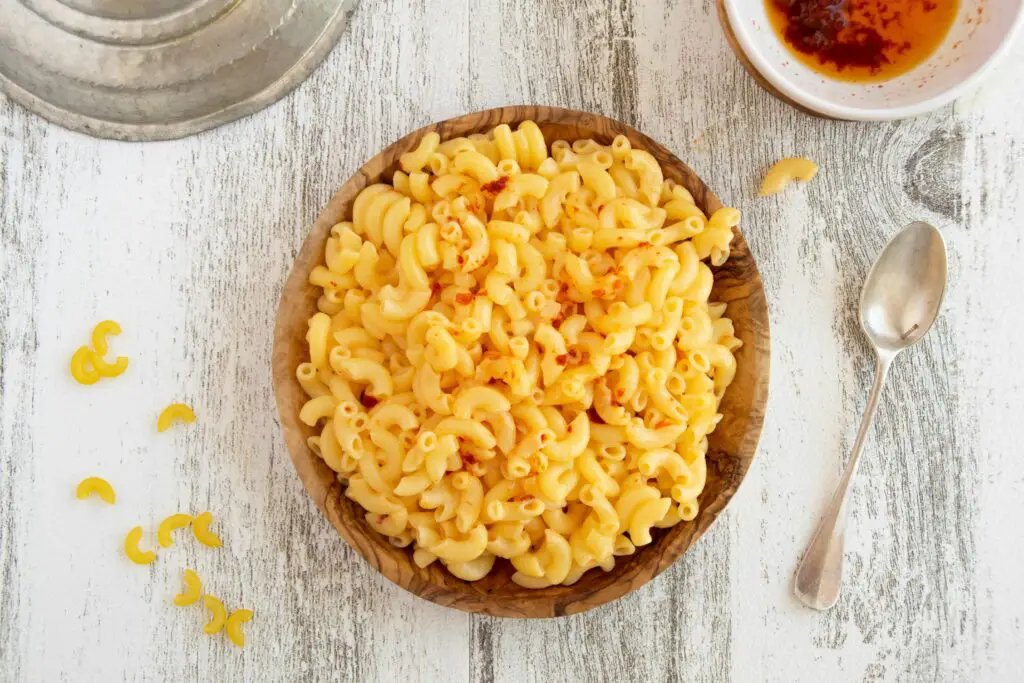
There was a time when a bright orange box of mac and cheese meant dinner was handled for less than a couple of dollars. You didn’t buy it because it was gourmet, you bought it because it stretched a small budget and filled everyone up fast. The powdered cheese had a very specific smell that instantly told you what kind of night it was going to be. It showed up in dorm kitchens, tiny apartments, and houses where payday still felt a little too far away. You learned exactly how much butter you could get away with using without ruining the whole meal. Sometimes you added hot dogs or frozen peas to make it feel like a “real” dinner. Even then, everyone knew it was survival food, not celebration food. It tasted like getting by and hoping next week might look a little better.
At the same time, it carried a weird kind of comfort that fancy meals never quite match. Sitting on the couch with a bowl and a fork felt like a small win after a long day. You could make it half asleep and still get it right. It was also one of those foods you quietly promised yourself you’d outgrow someday. When you finally started buying the good pasta and real cheese, it felt like a tiny milestone. But every once in a while, the craving comes back and you remember exactly why it mattered. It wasn’t about flavor, it was about making ends meet without stressing out. That orange glow still carries a whole chapter of life in it.
2. Ramen Noodles
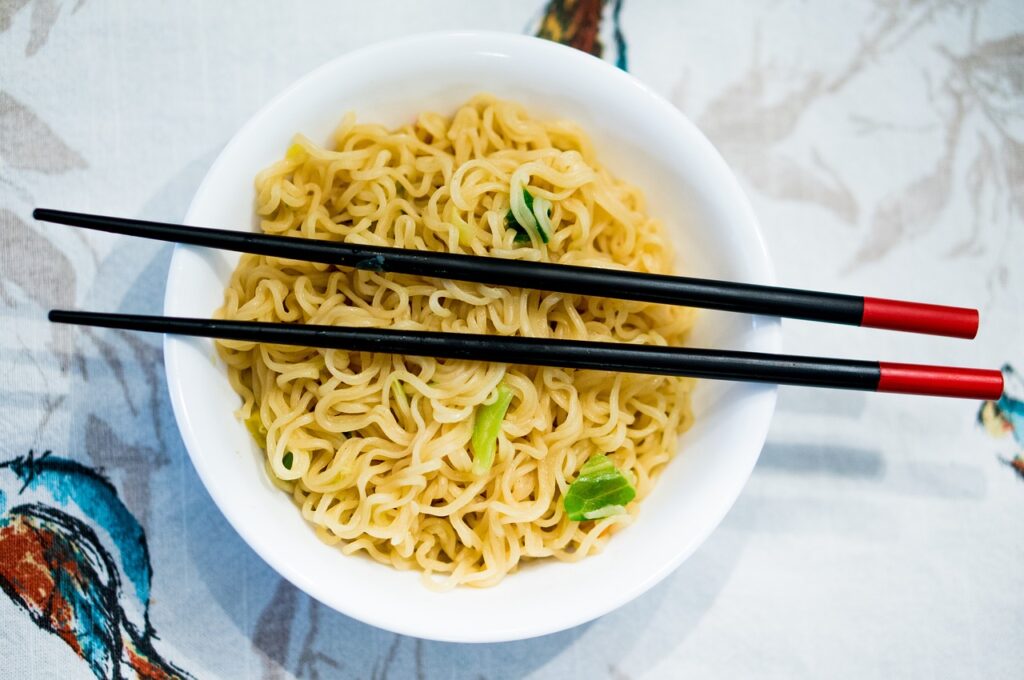
Ramen noodles were practically a financial safety net in foil and plastic packaging. You could buy a whole week’s worth of meals for the price of one decent sandwich. The boiling water, the seasoning packet, and that unmistakable salty steam became part of daily routine. It was the food of late nights, empty refrigerators, and last dollars in your wallet. You learned which flavors were tolerable and which ones felt like punishment. Some people got creative with eggs or leftover vegetables, trying to trick themselves into thinking it was balanced. No one ever pretended it was healthy or impressive. It was simply cheap, fast, and reliable when everything else felt uncertain.
There was also something oddly comforting about slurping noodles straight from the pot. It felt like a tiny ritual that made a rough day easier to swallow. You could eat it alone, with roommates, or while studying without thinking too hard. Ramen signaled that you were still in hustle mode, not quite settled yet. Once grocery budgets improved, ramen quietly slid into the back of the pantry or disappeared entirely. Seeing it in a store today can bring back memories of counting coins and checking bank balances. It reminds you how resourceful you once had to be. It’s nostalgia wrapped in sodium.
3. Bologna Sandwiches
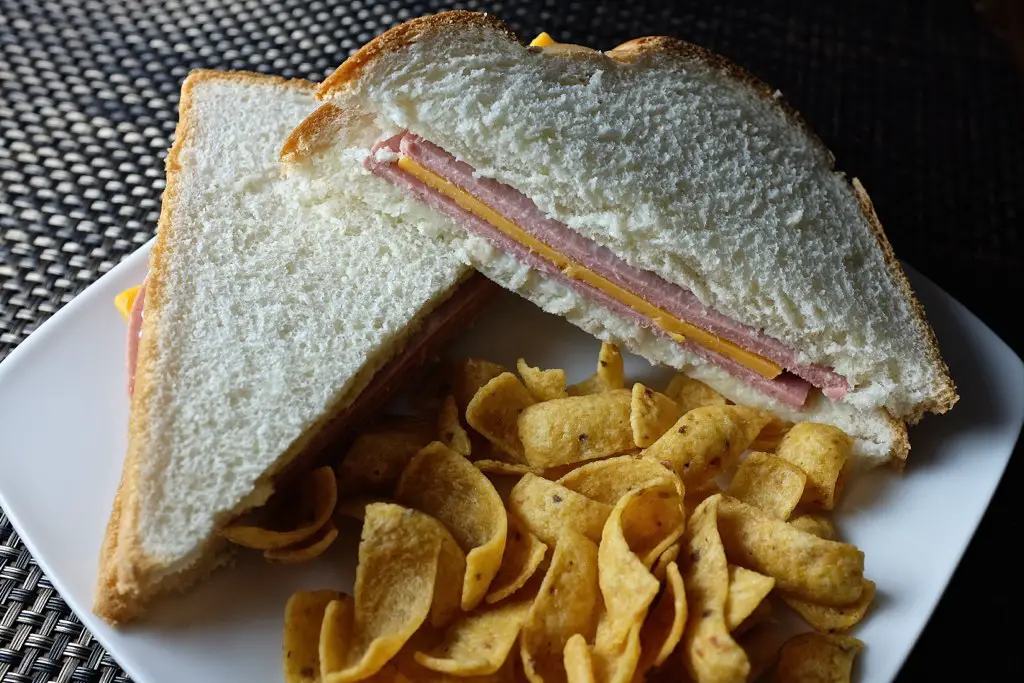
Bologna sandwiches were the kind of lunch that stretched a paycheck further than anyone liked to admit. A single pack could last all week if you stacked the slices just right. White bread, a swipe of mustard, and that pink circle of mystery meat became a default option. It showed up in brown paper bags, plastic containers, and late-night fridge raids. You didn’t brag about eating bologna, you just ate it because it was there. It filled your stomach even if it didn’t exactly thrill your taste buds. Sometimes you’d fry it in a pan just to make it feel different. It was practical food, not aspirational food.
Still, bologna carried a strange sense of familiarity and routine. You knew exactly what you were getting every single time. There was comfort in the predictability, even if the flavor was nothing special. It often paired with cheap chips and a store brand soda, rounding out the whole budget vibe. When you finally upgraded to deli meats or leftovers, it felt like progress. Bologna became something you only bought for nostalgia or emergencies. It represents a chapter where you were making things work with what you had. Simple, plain, and quietly resilient.
4. Canned Tuna
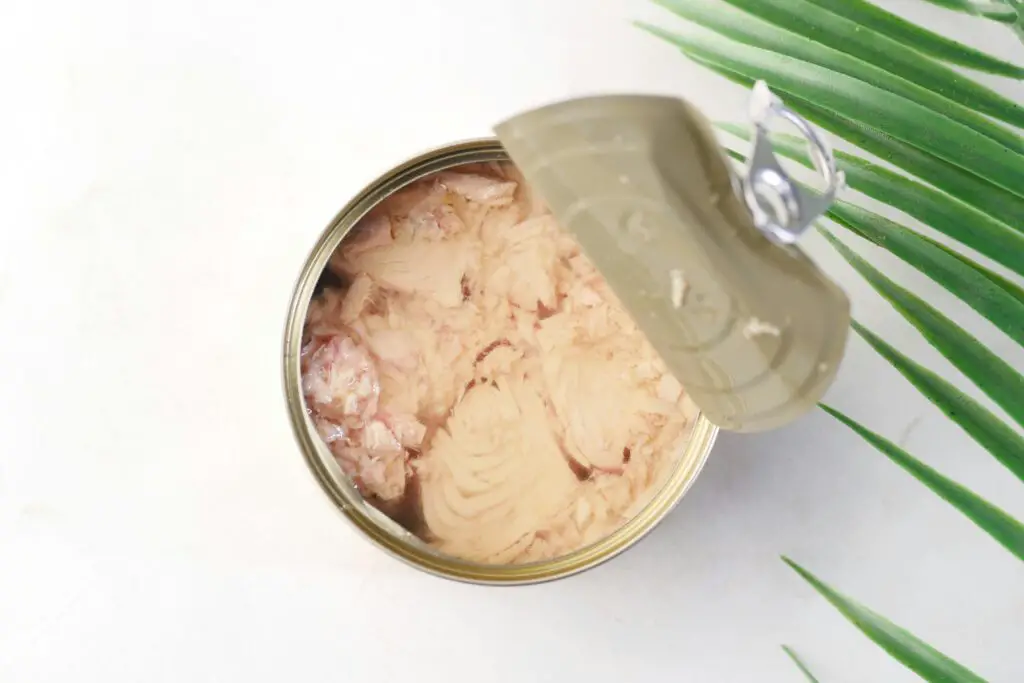
Canned tuna was the protein choice when fresh meat felt out of reach. It sat patiently on pantry shelves, ready for moments when money or time ran thin. Mixing it with mayonnaise and a little salt felt like a small act of creativity. Tuna sandwiches showed up at lunches, quick dinners, and sometimes straight out of the can with a fork. The smell lingered longer than anyone liked, but you tolerated it because it was affordable. You convinced yourself it was healthy enough to justify eating it repeatedly. Crackers or cheap bread turned it into a full meal. It was fuel more than enjoyment.
There was also a sense of responsibility attached to tuna, like you were being practical and sensible. You felt oddly grown-up choosing it over something more indulgent. It kept you fed during tight weeks without draining your budget. Once finances stabilized, tuna often became an occasional pantry backup instead of a staple. But the memory of those simple meals sticks around. It reminds you of learning how to stretch groceries and plan ahead. There’s a quiet pride in knowing you made it work. Tuna was survival food with a hint of discipline.
5. Generic Cereal
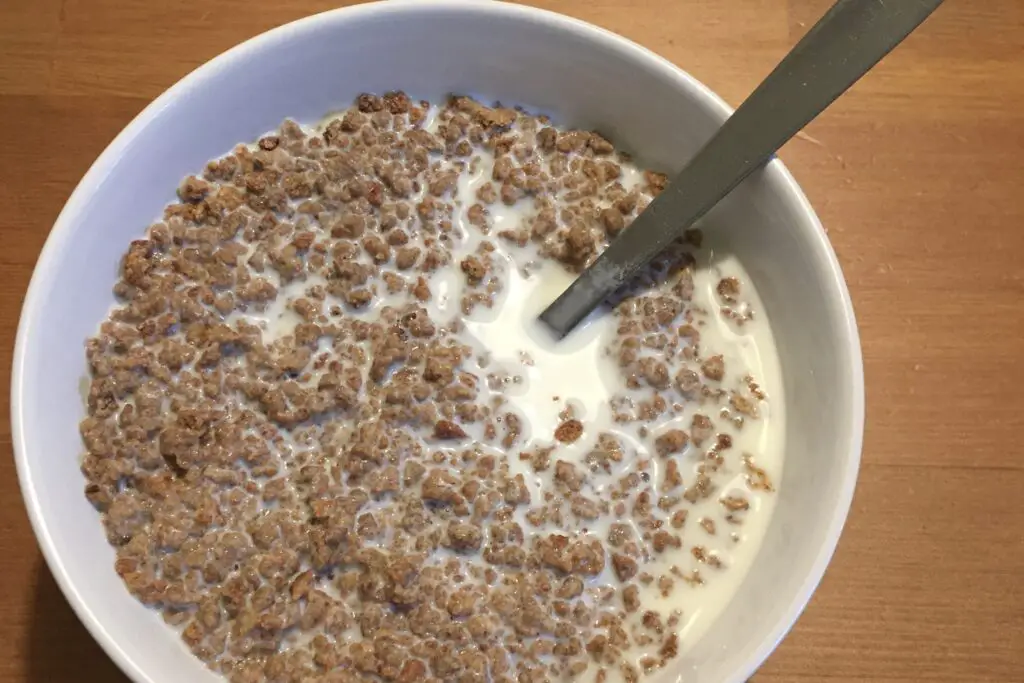
Generic cereal in a plain bag or box was a dead giveaway that budgets were tight. The packaging didn’t bother with mascots, bright colors, or catchy slogans. It was just flakes, puffs, or squares poured into a bowl and topped with milk. You ate it because it was cheap and lasted forever. Sometimes the taste was slightly off compared to the name-brand version, but you adjusted quickly. It filled you up in the morning without asking much in return. You learned to accept that breakfast didn’t have to be exciting. It simply needed to be there.
Over time, you almost stopped noticing the difference. It became part of the routine, especially during rushed mornings. There was something grounding about that simplicity. When you finally splurged on brand-name cereal, it felt oddly luxurious. The colorful box and familiar flavors felt like a small reward for moving forward. Generic cereal represents that phase where practicality ruled every shopping decision. It wasn’t glamorous, but it was dependable. It quietly fueled a lot of early mornings and long days.
6. Hot Dogs
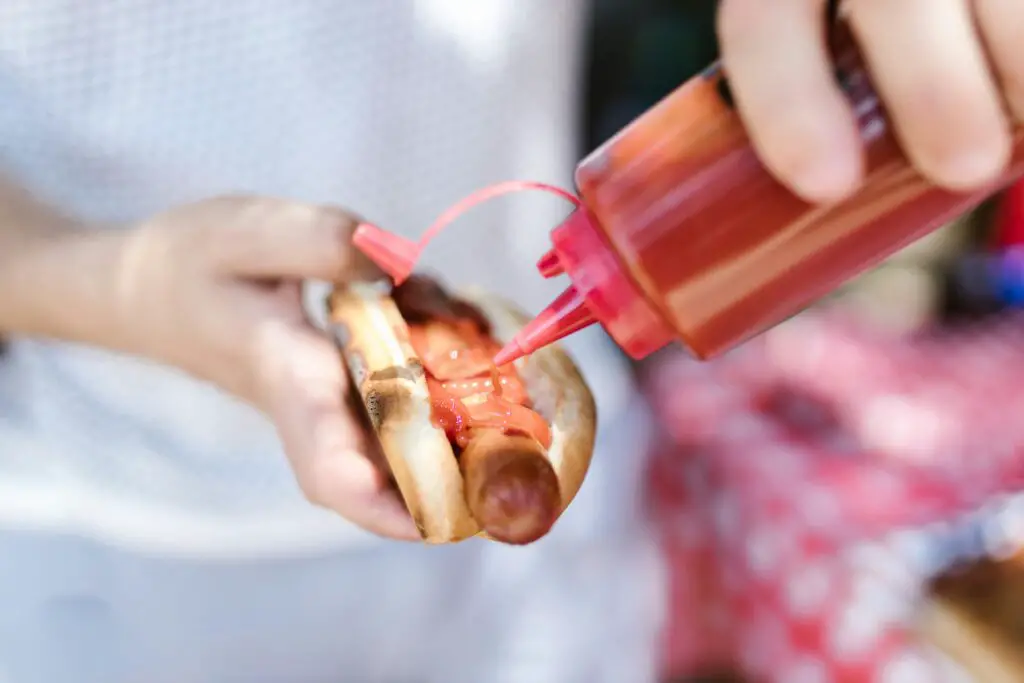
Hot dogs were the ultimate cheap protein that worked for almost any meal. You could boil them, microwave them, or throw them on a pan without much effort. They showed up at quick dinners when energy and money were both low. A pack could feed several meals if you stretched it carefully. Buns weren’t always necessary, sometimes bread had to do. You didn’t think too much about what was inside them, you just appreciated the price tag. They felt casual, easy, and very no-frills. Hot dogs were about getting full, not impressing anyone.
They also carried a strange sense of comfort, especially when paired with ketchup or mustard. It was familiar food that required zero planning. You could eat them standing in the kitchen or sitting on the couch. Once finances improved, hot dogs often became more of a backyard cookout food than a daily staple. But the memory of those simple meals sticks with you. They represent the phase of doing your best with limited options. Sometimes survival meals are the ones you remember most clearly. Hot dogs are tied to resilience more than taste.
7. Rice and Beans

Rice and beans were the classic budget-friendly combo that could stretch endlessly. A big bag of rice and a few cans of beans could feed you for days. You could season it differently each time to avoid complete boredom. It was filling, cheap, and surprisingly satisfying when done right. This meal often showed up at the end of the month when money was tight. You felt clever for making something so simple work so well. It became a dependable fallback when grocery choices felt limited. It wasn’t flashy, but it got the job done.
There was also a sense of self-sufficiency tied to rice and beans. You felt capable of feeding yourself without spending much at all. It taught patience and creativity in the kitchen. Over time, it became a symbol of resourcefulness rather than struggle. When budgets loosened, rice and beans often became a side dish instead of the main event. But the memory of relying on it never really fades. It reminds you how adaptable you once had to be. Simple food can carry a lot of meaning.
8. Frozen Pizza
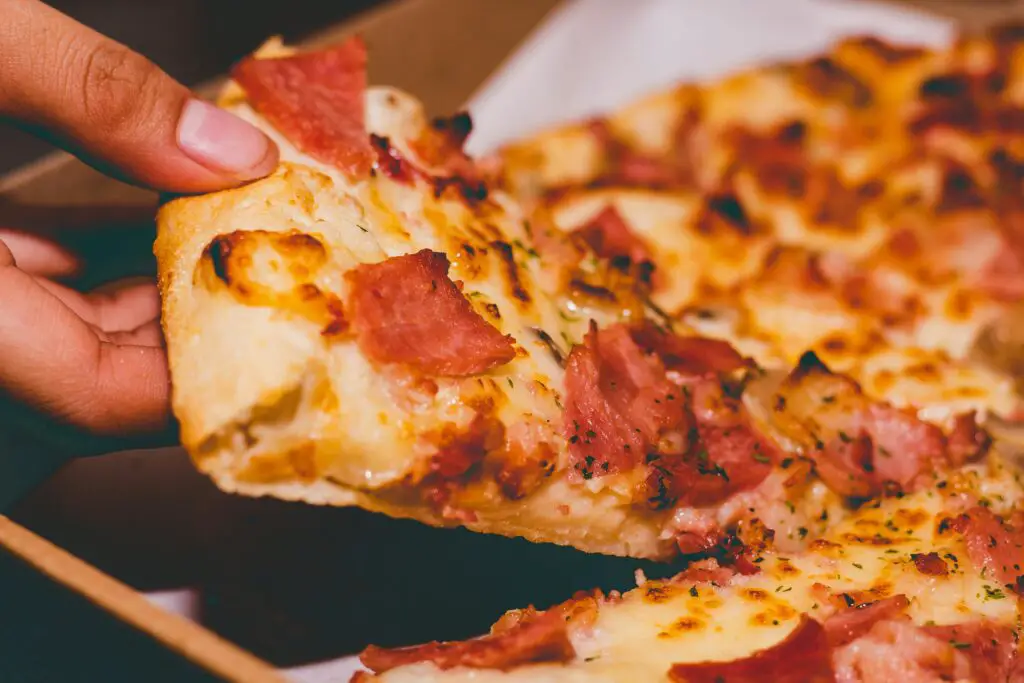
Frozen pizza was the go-to when you wanted something hot without spending real money on takeout. It lived in the freezer like an emergency plan. You’d wait for sales and stock up when prices dropped. The crust was never quite right, but it was still pizza, which felt like a treat. It made late nights and lazy dinners feel manageable. You learned exactly how long your oven needed to make it edible without burning it. It wasn’t fancy, but it scratched the itch for comfort food. Frozen pizza meant you were getting by without splurging.
It also created little moments of normalcy during tight times. Sitting down with a slice felt like a mini break from stress. You didn’t have to cook or clean much afterward. Once money improved, ordering fresh pizza felt like a small upgrade in life. Frozen pizza slowly became a backup instead of a staple. But you still remember the nights it saved you from going hungry or overspending. It carries the memory of stretching dollars without sacrificing warmth and familiarity. Sometimes that matters more than quality.
9. Peanut Butter Sandwiches
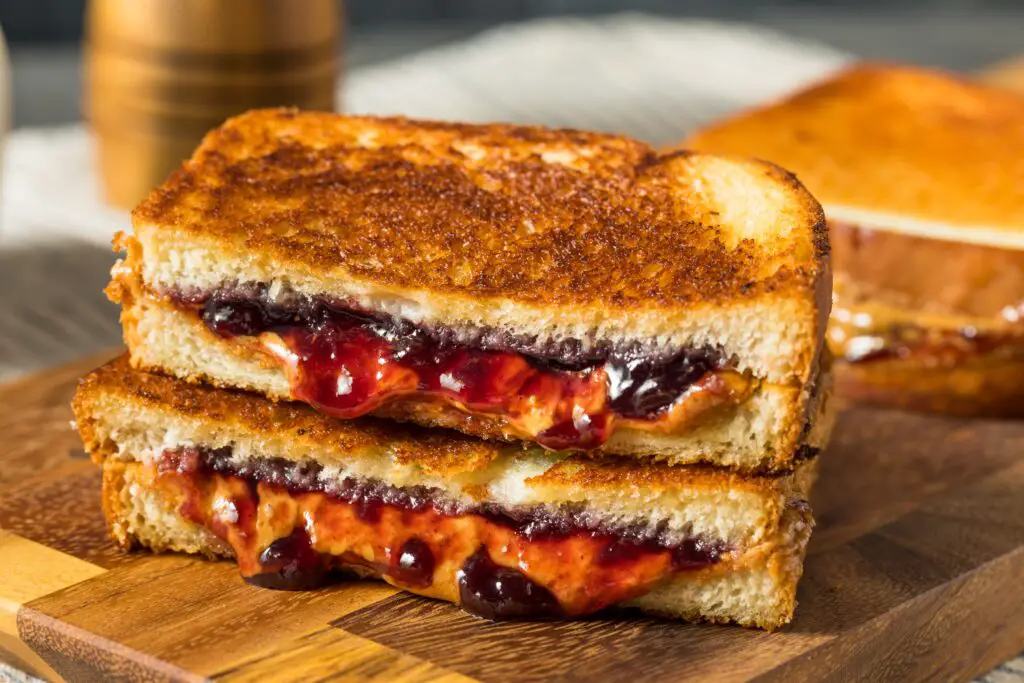
Peanut butter sandwiches were a reliable fallback when options were limited. A jar could last forever and made dozens of meals. You didn’t need refrigeration, fancy ingredients, or much effort. Bread and peanut butter were enough to keep you going. It worked for breakfast, lunch, or late-night hunger. Sometimes you added jelly if the budget allowed. It wasn’t exciting, but it was dependable and filling. Peanut butter became a quiet staple of survival eating.
There was comfort in knowing you always had something to eat. It took away a little bit of anxiety around empty cupboards. You could make it in seconds and get back to whatever you were doing. Over time, you might have started craving more variety and fresher foods. But peanut butter sandwiches always feel tied to that scrappy phase of life. They remind you of simplicity and making do. Even now, they can still feel oddly reassuring. Some habits stick because they once mattered so much.
10. Canned Soup
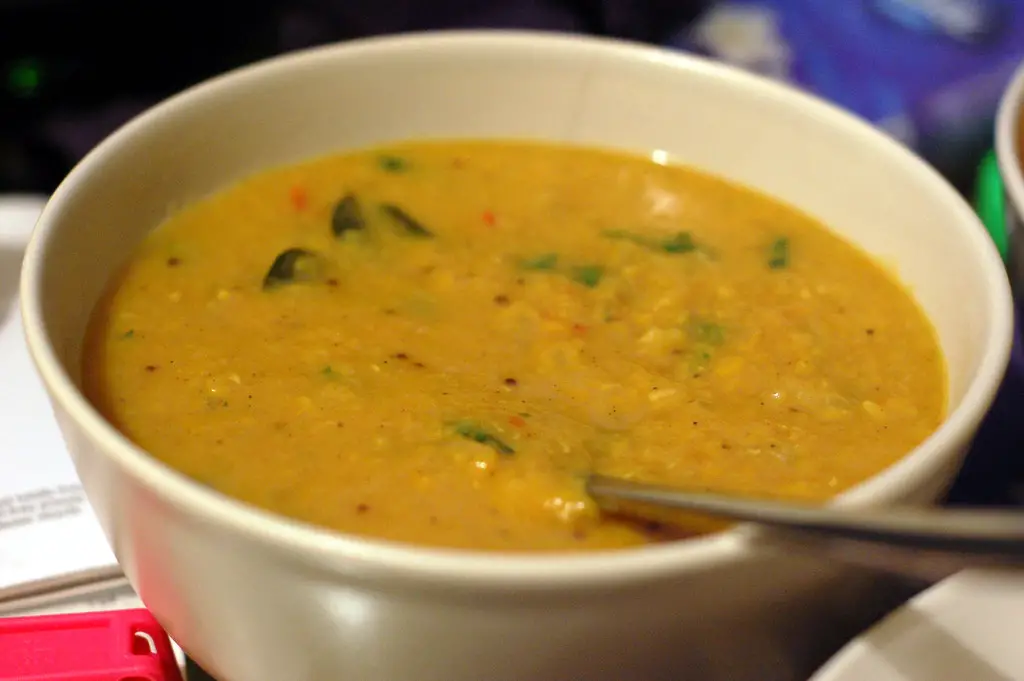
Canned soup felt like a warm solution when cooking felt overwhelming or expensive. You could heat it up quickly and feel like you’d had a proper meal. The flavors weren’t gourmet, but they were predictable and comforting. It worked especially well on cold days when you needed something filling. You learned which brands were worth the few extra cents and which ones weren’t. Sometimes you added crackers or bread to stretch it further. It required minimal effort and minimal cleanup. Canned soup was practicality in liquid form.
It also carried a sense of quiet relief, knowing dinner didn’t require planning. You could always find a can hiding in the pantry. Once life became more stable, homemade soups or fresh meals slowly replaced it. But the memory of those quick, budget-friendly bowls remains. It represents a time when convenience and cost mattered more than presentation. There’s something grounding about remembering how little it took to feel okay. Canned soup kept a lot of people going through lean weeks. That’s not nothing.
11. Store-Brand Frozen Vegetables
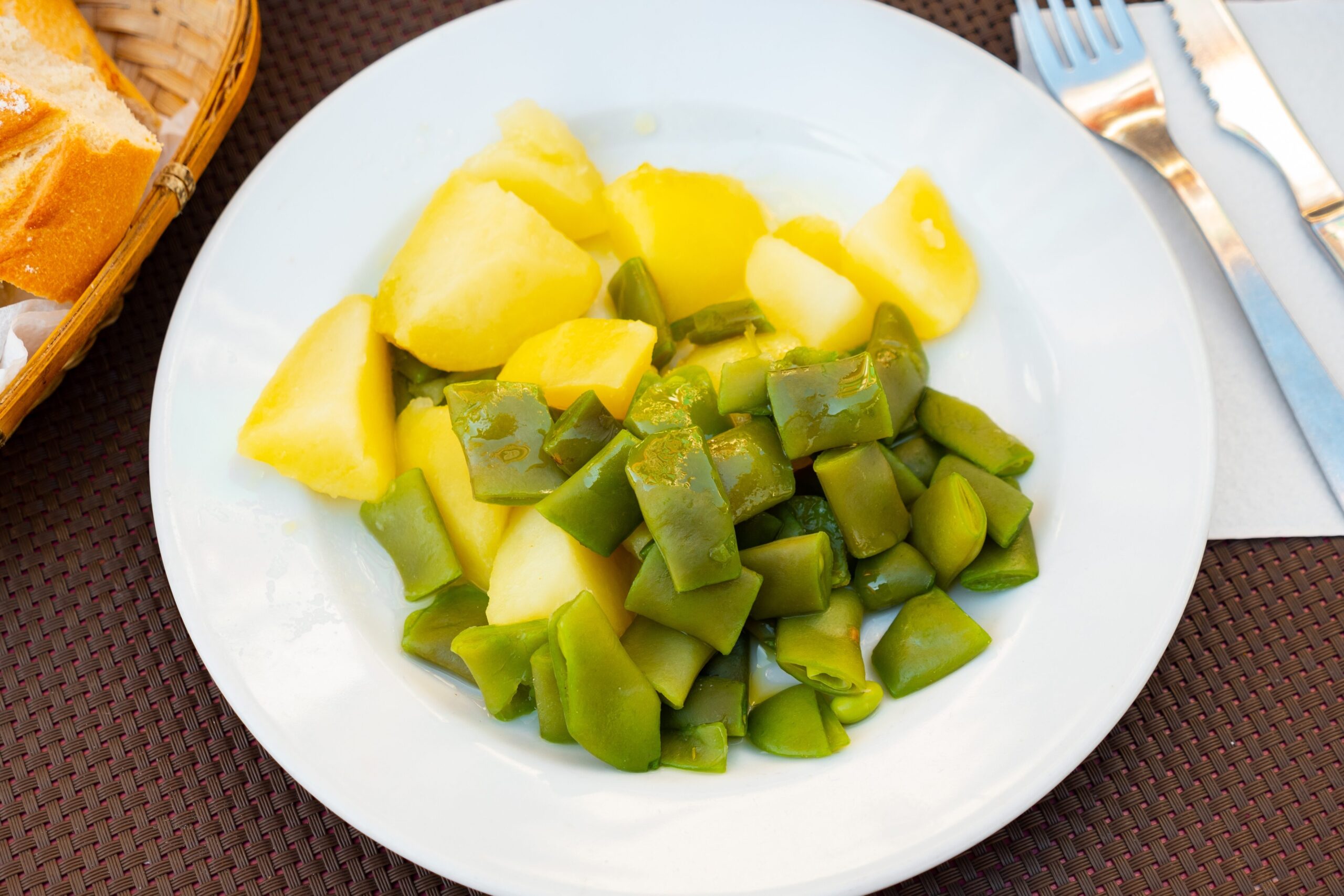
Store-brand frozen vegetables were a way to feel responsible without spending much. They were cheaper than fresh produce and lasted longer in the freezer. You could toss them into almost anything to pretend the meal was balanced. The quality wasn’t always perfect, but they did the job. You learned which blends you liked and which ones to avoid. It felt like a small victory to add something green to a cheap meal. Frozen vegetables made you feel slightly more put together than you actually were. They were practical nutrition on a budget.
They also offered a bit of flexibility when grocery money was tight. You didn’t have to worry about spoilage or waste. Over time, as budgets improved, fresh vegetables became more accessible. But frozen ones often still stay in the freezer out of habit. They remind you of learning how to stretch food and plan ahead. There’s something satisfying about that kind of self-reliance. Even now, they feel like a smart backup. Old habits don’t disappear easily.
12. Instant Mashed Potatoes
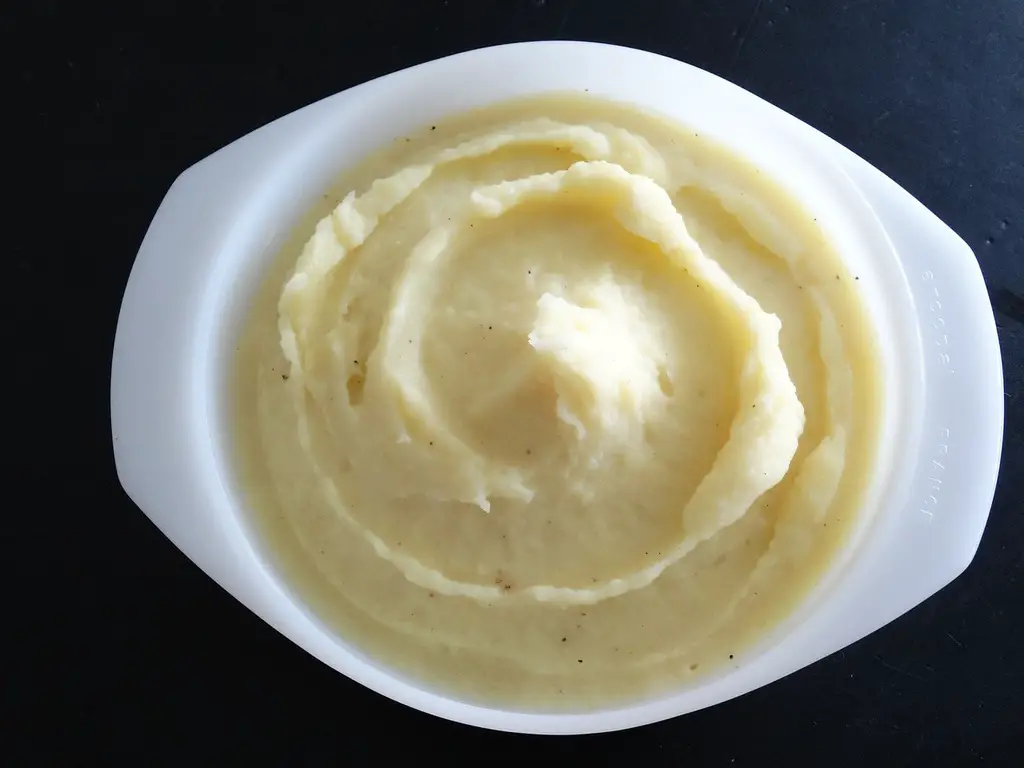
Instant mashed potatoes were the definition of fast, cheap comfort. You just added hot water or milk and stirred. They weren’t exactly like real mashed potatoes, but they were close enough in a pinch. They filled you up and felt warm and familiar. It was the kind of food you leaned on during especially tight weeks. You could season them to make them slightly more interesting. They paired well with almost any cheap protein. Instant potatoes were about convenience and cost control.
There was something oddly soothing about their simplicity. You didn’t have to think, measure much, or plan. They just worked. Once you had more time and money, making real mashed potatoes felt like a small luxury. But the instant version still holds a certain nostalgic charm. It reminds you of making things work when resources were limited. Comfort doesn’t always come from perfection. Sometimes it comes from getting through the day.
13. Grilled Cheese
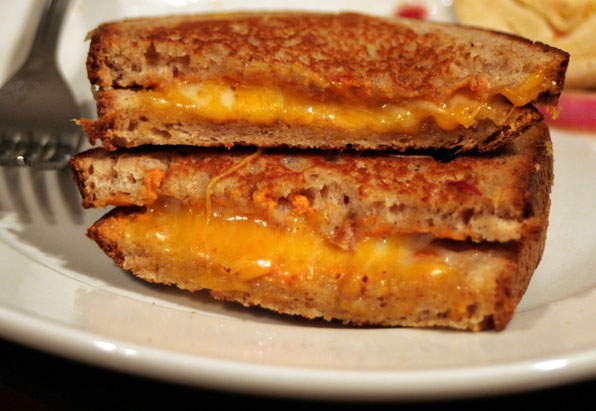
Grilled cheese was a reliable way to turn basic ingredients into something comforting. Bread, a little butter, and cheap cheese could suddenly feel like a real meal. It was warm, filling, and easy to make. You didn’t need much skill or time to pull it off. It worked for lunch, dinner, or late-night cravings. The smell alone could make a small kitchen feel cozy. It wasn’t fancy, but it felt like care on a plate. Grilled cheese was simple survival comfort.
It also felt like a tiny reward even during tight times. You could customize it slightly if you had extras on hand. Once budgets improved, you might have upgraded to better cheese or added extras. But the basic version always carries memories of making do. It represents resourcefulness wrapped in melted cheese. There’s something honest about that kind of meal. Sometimes the simplest foods leave the strongest impressions. Grilled cheese never really goes out of style.
14. Day-Old Bakery Bread
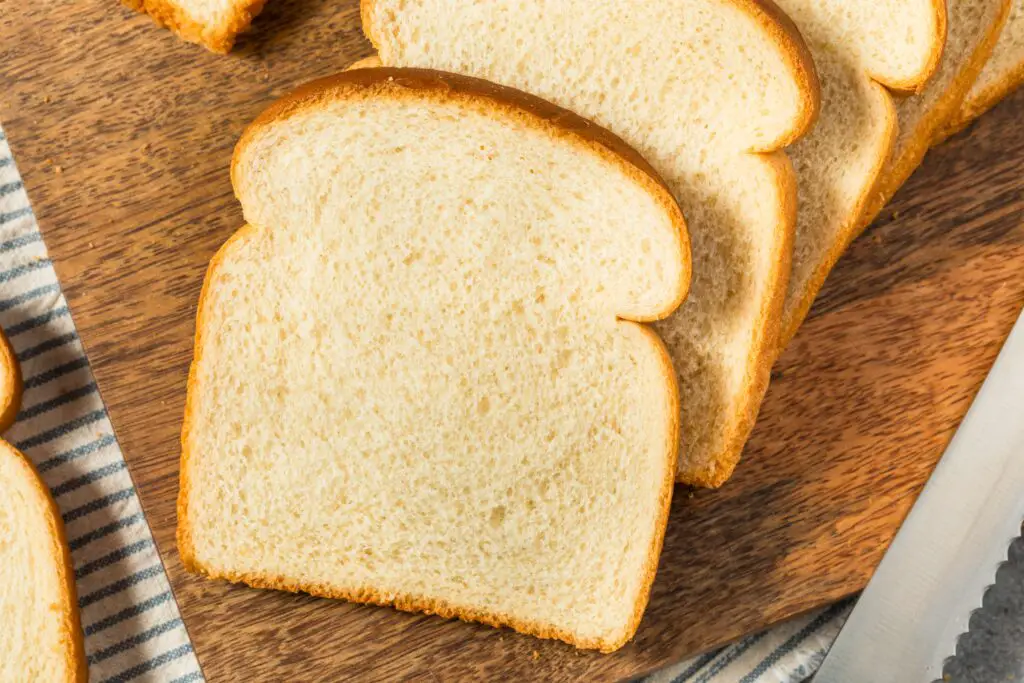
Day-old bakery bread was the quiet bargain hiding in plain sight. It was cheaper than fresh bread and often just as good. You learned which days the bakery discounted leftovers. It felt like a small win to grab something that still smelled amazing for less money. The bread might go stale a little faster, but you made it work. Toast, sandwiches, and garlic bread stretched it further. It was about timing and smart shopping more than indulgence. Day-old bread meant you were paying attention to every dollar.
There was satisfaction in beating the system just a little. You felt clever finding those small savings. Over time, as finances improved, you stopped hunting for clearance bread. But the habit sometimes sticks out of instinct. It reminds you of being mindful and resourceful. Those little choices added up when money was tight. Day-old bread carries the memory of stretching what you had. It’s a quiet symbol of getting by and learning how to manage.