
1. Knocking on Wood for Luck
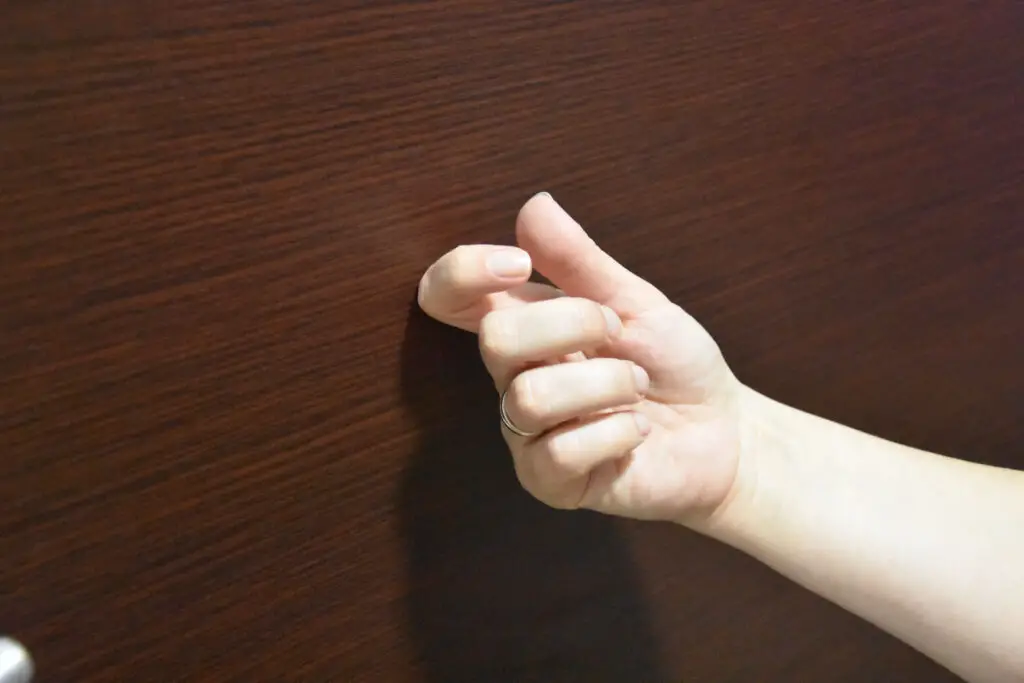
Most families grew up tapping the nearest table or doorframe whenever someone said something hopeful out loud. It felt automatic, like a tiny insurance policy against jinxing yourself. Kids usually copied the habit without ever asking why, just knowing it was something adults always did. Over time, it became one of those reflexes you barely notice until someone points it out.
The tradition traces back to ancient beliefs that spirits lived in trees, and knocking was thought to ask for protection or good fortune. Later Christian traditions linked it to the wood of the cross, adding another layer of meaning. Even though most people no longer connect it to anything spiritual, the habit stuck. It remains a small ritual that makes everyday hopes feel a little safer.
2. Saying “Bless You” After a Sneeze

In many households, a sneeze was immediately followed by someone calling out “Bless you,” even from another room. It was polite, expected, and strangely comforting. Kids learned early that ignoring a sneeze felt awkward, almost like forgetting to say thank you. Few families ever paused to explain why this custom existed in the first place.
Historically, people believed sneezing released the soul or made someone vulnerable to illness or evil spirits. Saying a blessing was meant to protect the person from harm. During times of widespread disease, it also carried a serious tone rather than a casual one. Today it survives mostly as a social courtesy, even though the original fears are long gone.
3. Blowing Out Birthday Candles

Birthday candles were always the centerpiece of the celebration, especially for kids waiting to make their wish. Everyone knew the rule about keeping the wish secret or it would not come true. The fun was less about the cake and more about that dramatic moment of blowing out the flames. Most families treated it as pure tradition without much thought behind it.
The practice goes back to ancient Greece, where people lit candles on cakes to honor Artemis and send wishes upward with the smoke. Germans later added the idea of birthday candles as symbols of life and protection. Over time, the ritual blended into modern birthday parties. What remains is a simple, joyful moment that still feels magical at any age.
4. Sitting in the Same Seat at the Table

Many families had unspoken seating arrangements, even without assigned chairs. Everyone naturally drifted to the same spot every meal, and switching seats felt oddly wrong. Guests often had to be guided away from “dad’s chair” or “mom’s spot.” It became part of the rhythm of daily life without anyone officially declaring the rule.
This behavior connects to territorial habits and comfort, but it also echoes older traditions of hierarchy and household roles. In earlier times, seating often reflected status or authority within the family. While modern families rarely think in those terms, the pattern remains. Familiar seating brings a sense of order and belonging to everyday meals.
5. Shaking Salt Over Your Shoulder After a Spill

Spilling salt almost always triggered a quick toss over the shoulder, usually followed by a nervous laugh. Kids were often told it was “for luck” without any further explanation. The action became so routine that people did it automatically in restaurants and kitchens alike. It felt like a tiny way to undo a small mistake.
Salt was once expensive and valuable, so spilling it carried real consequences. Folklore suggested that throwing salt over the left shoulder would ward off bad luck or evil spirits lurking there. The superstition endured long after salt became inexpensive. Today it survives mainly as a playful habit tied to old beliefs.
6. Crossing Fingers for Good Luck

Crossing your fingers became a universal sign of hoping something would work out. Children learned it on playgrounds and carried it into adulthood without thinking twice. It often showed up during tests, competitions, or nervous moments. The gesture felt reassuring even when no one believed it truly controlled the outcome.
The symbol originally came from early Christian imagery, where crossing fingers represented the cross and divine protection. Over time, the meaning shifted into a general sign of luck or hope. It became detached from its religious roots. What remains is a simple physical expression of optimism.
7. Clinking Glasses Before a Toast

Many families insisted on clinking glasses before taking the first sip at gatherings. It was part of celebrations, holidays, and even casual dinners. Forgetting to clink could earn playful reminders from relatives. The ritual added a sense of togetherness to the moment.
Historically, clinking glasses was believed to mix the drinks slightly, proving no one had poisoned the wine. It also reinforced trust and shared celebration. While poisoning fears faded, the symbolic gesture stayed. Now it functions mainly as a social bonding ritual.
8. Leaving Shoes by the Door
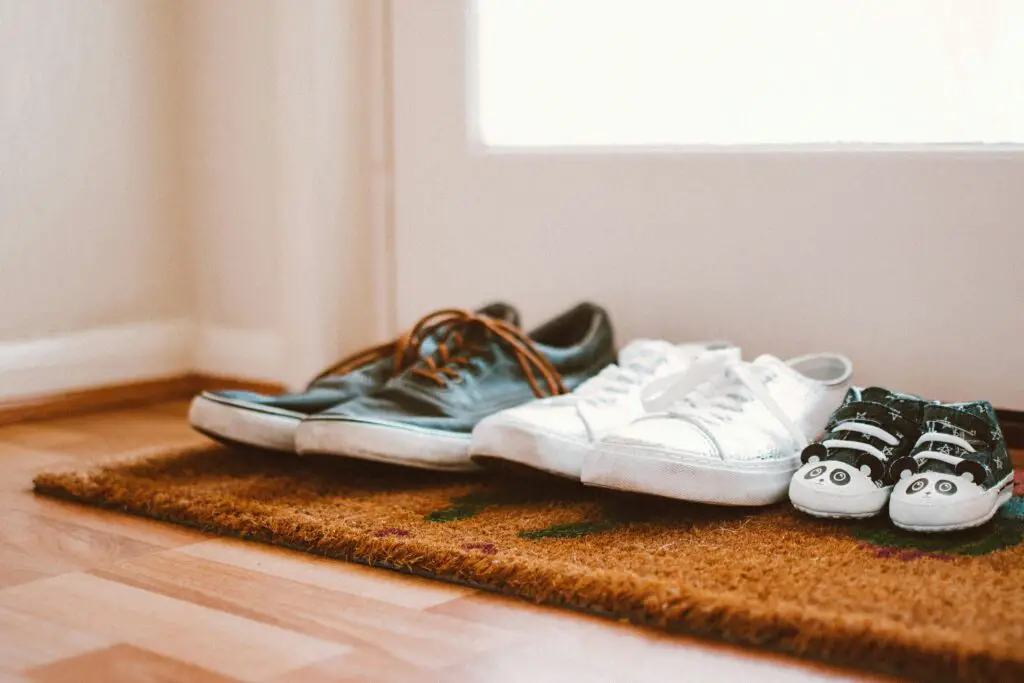
In many homes, shoes were automatically left near the entrance. Kids learned quickly whether their household allowed shoes inside or not. It often felt like a cleanliness rule rather than a cultural one. Still, it became part of the household rhythm.
The practice has roots in various cultures where removing shoes showed respect and kept dirt out of living spaces. It also helped preserve flooring in earlier homes. Over generations, the habit became normalized in many families. Even without knowing the origin, it continues as a practical tradition.
9. Sunday Family Dinners

For many families, Sunday meant a larger meal together, often with comfort food and longer conversations. It felt like a weekly anchor in an otherwise busy schedule. Kids grew up expecting it as part of normal life. Few questioned why Sunday specifically held that role.
The tradition connects to religious observance and the idea of a shared rest day. Historically, Sundays were one of the few consistent days off work for families. Gathering for a meal reinforced connection and routine. Even in secular households, the pattern remained as a comforting weekly ritual.
10. Saying “Jinx” When Speaking at the Same Time

When two people said the same thing at once, someone usually shouted “Jinx.” It turned a small coincidence into a playful moment. Kids often added silly rules about not speaking until someone said your name. The game spread quickly through families and schools.
The exact origin is unclear, but it likely ties to old superstitions about bad luck linked to simultaneous speech. Over time, it evolved into a lighthearted social game. The superstition faded while the fun remained. It continues mainly as a shared cultural joke.
11. Saving the Wish on a Wishbone
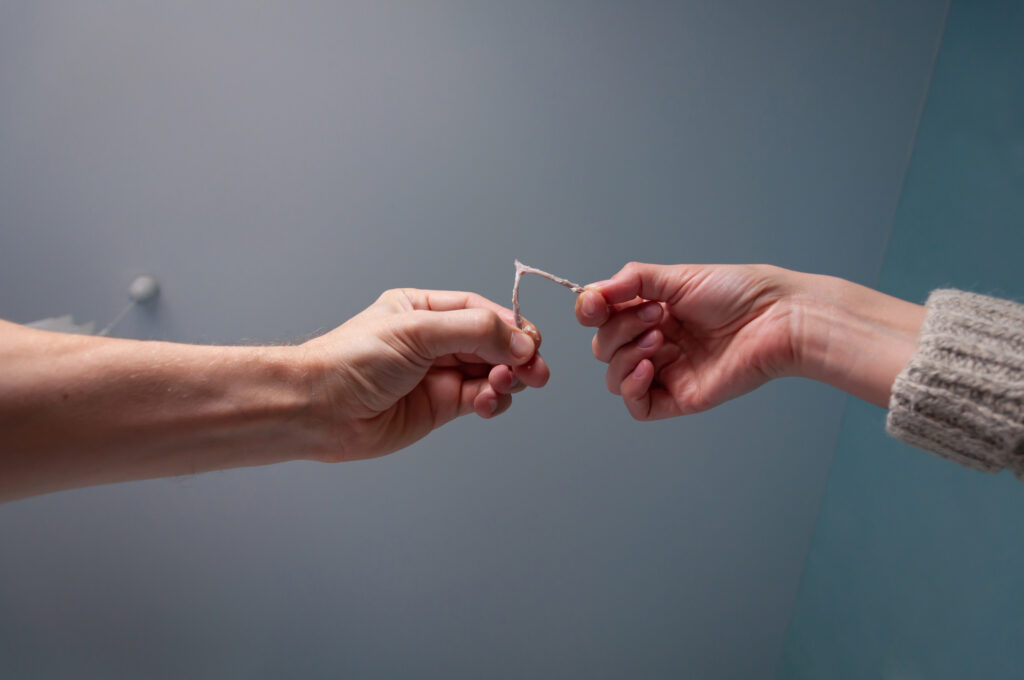
Breaking a wishbone after a holiday meal was a ritual many families looked forward to. Everyone picked a side and silently hoped for something good. The thrill came from seeing who ended up with the larger piece. It felt like a harmless bit of fun.
This tradition dates back to ancient Romans, who believed bird bones held fortune. The custom traveled through Europe and into American holiday traditions. Over time, it became associated with family gatherings rather than superstition. The symbolism stayed even as the meaning softened.
12. Hanging Stockings for Gifts
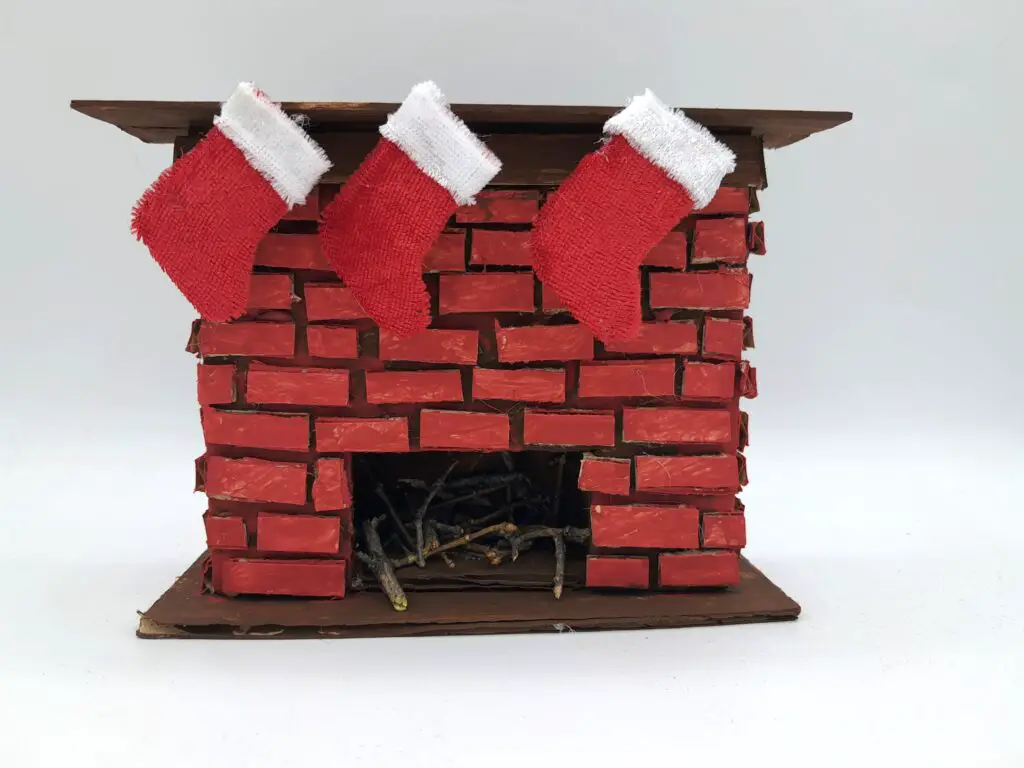
Stockings often appeared on fireplaces or stair rails every holiday season. Kids eagerly checked them for small surprises before opening bigger gifts. It felt like a natural part of the celebration. Few families ever discussed where the idea came from.
The tradition traces back to stories of Saint Nicholas secretly leaving gifts in stockings hung to dry. Over time, it blended into broader holiday customs. What began as folklore became a standard family ritual. The excitement remains even if the story fades into the background.
13. Saving the Last Bite for Someone Else
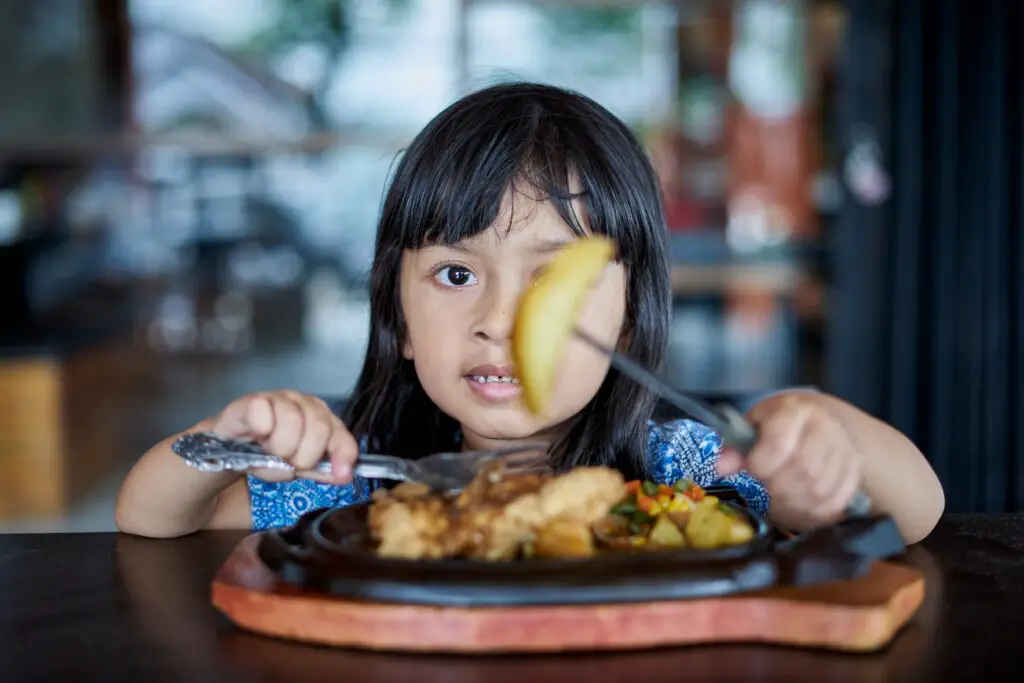
Many families had an unspoken rule about offering the last bite of shared food. It became a polite back-and-forth dance of “You take it” and “No, you.” Kids learned this behavior by watching adults model it. It felt like basic courtesy rather than tradition.
This habit connects to older ideas about generosity and social etiquette. Offering the last portion signaled respect and selflessness. Over time, it became embedded in everyday manners. Even now, it quietly reinforces family politeness and consideration.