
1. The Lost Colony of Roanoke
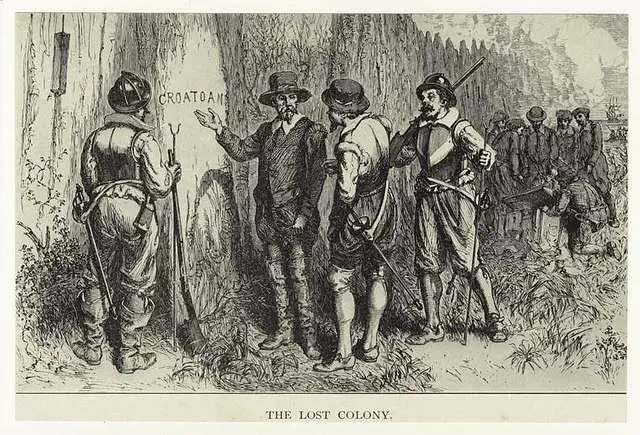
In the late 1500s, English settlers established a colony on Roanoke Island off the coast of present day North Carolina. When a supply ship finally returned in 1590 after years of delays, the entire settlement had vanished without a trace. There were no bodies, no signs of a struggle, and no clear evidence of where the colonists went. The only clue left behind was the word “CROATOAN” carved into a post. Some historians believe the settlers may have integrated with local Native tribes, while others suggest disease, conflict, or forced relocation. Archaeological evidence has been inconclusive so far. Despite centuries of research, no definitive explanation has been proven. It remains one of America’s earliest and most haunting unsolved mysteries.
The story continues to capture imaginations because it feels so sudden and personal, as if an entire community simply stepped out of history. Every few years, new theories surface, often fueled by fresh digs or newly analyzed artifacts. Still, none of these discoveries fully explain what happened to every man, woman, and child. The lack of written records from the settlers themselves makes the silence even louder. It is the kind of mystery that invites endless speculation without delivering firm answers. Roanoke remains a reminder of how fragile early colonial life truly was.
2. The Disappearance of Amelia Earhart

Amelia Earhart vanished in 1937 while attempting to fly around the world with navigator Fred Noonan. Their last confirmed radio transmissions placed them near Howland Island in the Pacific. Despite one of the largest search efforts in aviation history, no definitive wreckage was recovered at the time. Over the decades, possible fragments and artifacts have surfaced, but none have provided absolute confirmation. Some theories suggest the plane crashed into the ocean due to fuel exhaustion. Others propose they may have landed on a remote island and perished there. Even government investigations have been unable to close the case with certainty. The mystery persists partly because aviation technology of the era offered limited tracking capabilities.
Earhart’s fame and pioneering spirit keep public interest alive. Each new expedition reignites hope that physical evidence might finally emerge. Documentaries and books continue to debate radio logs, navigation errors, and environmental conditions. Yet no single explanation has satisfied all the facts. The unanswered questions surrounding her final flight remain as compelling today as they were in the 1930s.
3. Jack the Ripper
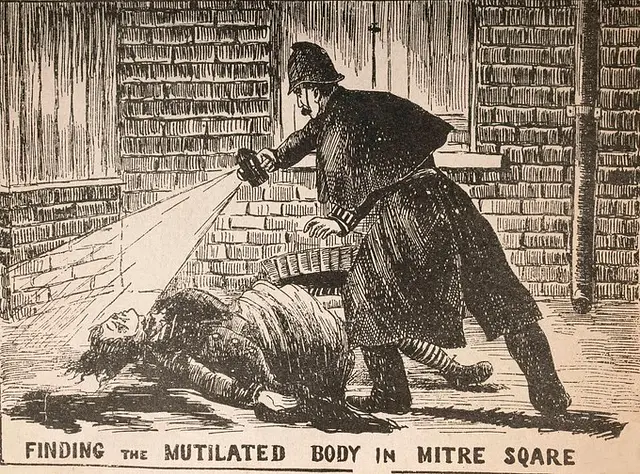
In 1888, a series of brutal murders terrorized London’s Whitechapel district. The unidentified killer, known as Jack the Ripper, targeted several women and left behind cryptic letters that fueled media frenzy. Despite extensive police work at the time, the killer was never identified. Suspects have ranged from local residents to members of the upper class. Modern forensic methods have been applied to surviving evidence, but results remain debated and inconclusive. Some DNA claims have been challenged due to contamination concerns. The case remains officially unsolved more than a century later. It is one of the most infamous cold cases in criminal history.
Part of the mystery lies in the limitations of Victorian era policing. Records were incomplete, communication was slow, and forensic science was still in its infancy. Public fascination continues because each new theory promises closure but rarely delivers it. The cultural mythology surrounding the case often blurs the line between fact and legend. Even with modern technology, definitive proof remains elusive. Jack the Ripper continues to represent the unsettling idea that some crimes may never be fully explained.
4. The Voynich Manuscript
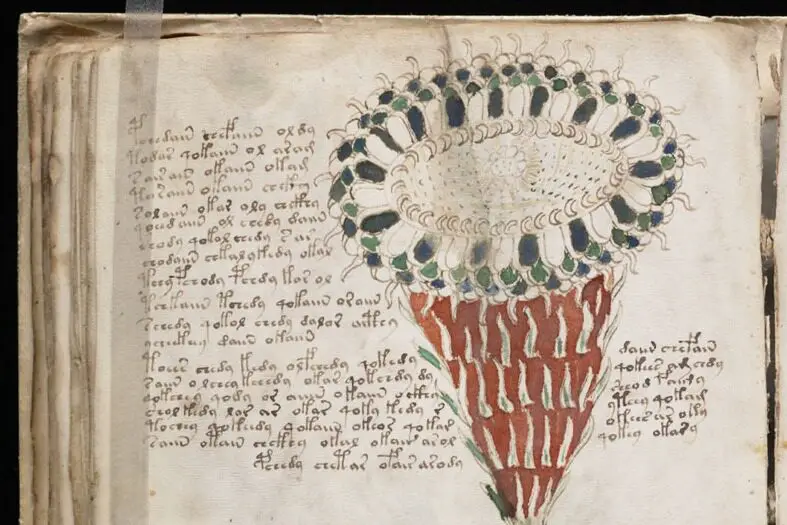
The Voynich Manuscript is a medieval book filled with unknown symbols, strange diagrams, and unfamiliar plants. Carbon dating places the parchment in the early 1400s, but no one has successfully translated the text. Cryptographers, linguists, and historians have studied it for decades. Some believe it is written in a lost language or an elaborate cipher. Others argue it could be an elaborate hoax, although its complexity makes that difficult to prove. Statistical analysis suggests the text follows linguistic patterns rather than random nonsense. Even advanced computer models have failed to decode it. The manuscript remains locked in mystery.
What makes it especially fascinating is how much effort has gone into solving it without success. It has survived wars, private collectors, and centuries of speculation. Each generation brings new tools and fresh theories, but none have cracked the code. The illustrations hint at medicine, astronomy, and biology, yet nothing lines up neatly with known knowledge of the period. The unanswered questions keep researchers returning to it again and again. It remains one of the most stubborn puzzles in historical scholarship.
5. The Mary Celeste
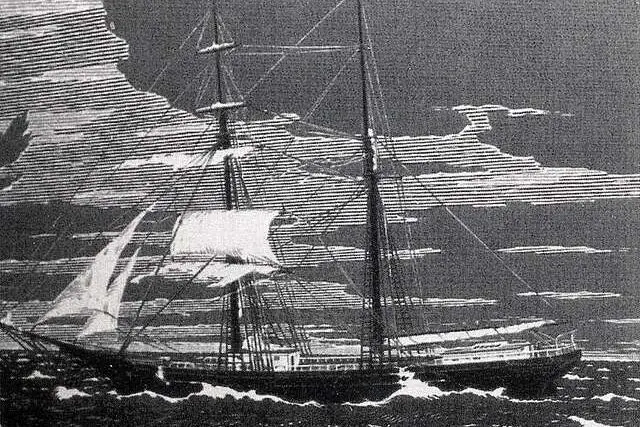
In 1872, the merchant ship Mary Celeste was found drifting in the Atlantic Ocean with no crew aboard. The ship was seaworthy, the cargo largely intact, and personal belongings were still in place. There were no clear signs of violence or severe weather damage. The lifeboat was missing, suggesting the crew may have abandoned ship intentionally. Possible explanations include fears of an onboard explosion from alcohol fumes or navigational confusion. None of these theories fully explain why an experienced crew would leave a functional vessel. Investigations at the time produced no definitive answers. The mystery has endured for over a century.
The story became famous partly because it feels like the setup for a ghost tale. It raises unsettling questions about panic, misjudgment, and unseen dangers at sea. Writers and filmmakers have embellished the event, sometimes blurring historical accuracy. Even when stripped back to verified facts, the disappearance remains baffling. The lack of survivor accounts leaves only speculation behind. The Mary Celeste continues to symbolize the unpredictable risks of maritime life.
6. D. B. Cooper’s Skyjacking

In 1971, a man using the alias D. B. Cooper hijacked a commercial airplane, demanded a ransom, and parachuted out mid flight. He was never found, and his true identity remains unknown. The FBI conducted one of the longest investigations in its history before officially closing the case in 2016. A small portion of the ransom money was discovered years later near the Columbia River. Whether Cooper survived the jump is still debated. The rugged terrain and weather conditions made survival uncertain. No confirmed physical evidence has ever tied any suspect to the crime. The case remains one of America’s most famous unsolved crimes.
What keeps people intrigued is the boldness and simplicity of the escape. It feels almost cinematic, especially given the era’s limited surveillance technology. Amateur investigators continue to propose new suspects based on circumstantial evidence. Each theory generates attention but rarely withstands scrutiny. The mystery endures because there is just enough evidence to keep hope alive without delivering closure. Cooper’s fate remains unknown.
7. The Zodiac Killer

During the late 1960s and early 1970s, the Zodiac Killer committed a series of murders in Northern California. The killer sent letters and coded messages to newspapers, taunting police and the public. Some of the ciphers have been partially decoded, but they have not revealed a confirmed identity. Numerous suspects have been investigated over the years without conclusive results. Advances in DNA testing have reopened the case multiple times. However, the available biological evidence is limited and sometimes degraded. Law enforcement agencies have never officially solved the case. The mystery continues to fascinate true crime researchers.
The Zodiac’s use of cryptic puzzles adds a chilling intellectual layer to the crimes. Each decoded message seems to raise more questions than answers. Public interest spikes whenever new forensic techniques emerge. Despite decades of attention, no breakthrough has definitively closed the case. The combination of violence, mystery, and unsolved communication keeps it firmly in the public imagination.
8. The Dyatlov Pass Incident

In 1959, nine experienced hikers died under strange circumstances in Russia’s Ural Mountains. Their tent appeared to have been cut open from the inside, and several bodies showed unusual injuries. Some victims were found partially clothed despite freezing temperatures. Early investigations concluded the deaths were caused by an unknown compelling force. Later studies suggested a rare type of avalanche may have been responsible. Other theories have included military testing, infrasound, and even paranormal explanations. Recent scientific models support the avalanche hypothesis but cannot explain every detail with certainty. The incident remains officially unresolved in the public mind.
The eerie photographs and diary entries left behind by the hikers add emotional weight to the mystery. The remote location limited early investigative capabilities. Conflicting evidence has fueled decades of speculation and debate. Even modern reconstructions struggle to account for every injury and decision made by the group. The unanswered gaps continue to spark curiosity worldwide. It remains one of the most chilling wilderness mysteries on record.
9. The Princes in the Tower
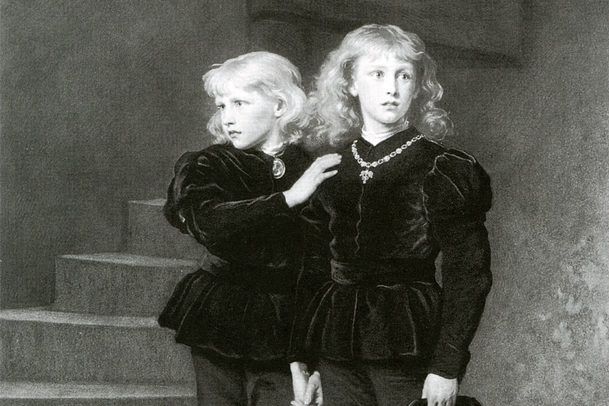
In the late 1400s, two young princes were placed in the Tower of London during a political power struggle. They were never seen again after 1483. Many historians believe they were murdered to secure the throne for Richard III, though no definitive proof exists. Skeletal remains discovered centuries later could not be conclusively identified as the princes. Contemporary accounts are limited and sometimes politically biased. Competing theories suggest alternative fates, including secret survival. The lack of reliable documentation keeps the case open. Their disappearance remains one of England’s great historical mysteries.
The emotional element of two children vanishing adds lasting intrigue. Each new historical analysis reexamines old letters, timelines, and political motives. However, the absence of direct evidence makes certainty impossible. Interpretations often reflect the historian’s perspective rather than clear proof. The princes’ fate remains unresolved despite centuries of debate.
10. The Shroud of Turin
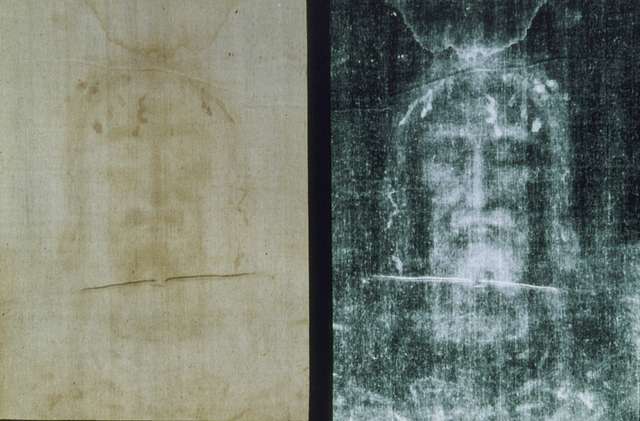
The Shroud of Turin is a linen cloth bearing the image of a man believed by some to be Jesus Christ. Radiocarbon dating in the 1980s suggested the cloth dates to the medieval period. Critics argue the sample may have been contaminated or taken from a repaired section. Scientific studies continue to analyze image formation, pollen traces, and textile composition. No consensus has been reached on how the image was created. Religious significance adds emotional complexity to the debate. Both skeptics and believers continue to present new research. The cloth remains one of the most studied artifacts in history.
What keeps the mystery alive is the tension between science and faith. Each test seems to answer one question while raising another. The image itself remains difficult to reproduce using known techniques. Even neutral researchers acknowledge unresolved anomalies. The Shroud continues to spark discussion across disciplines and cultures.
11. The Tunguska Event
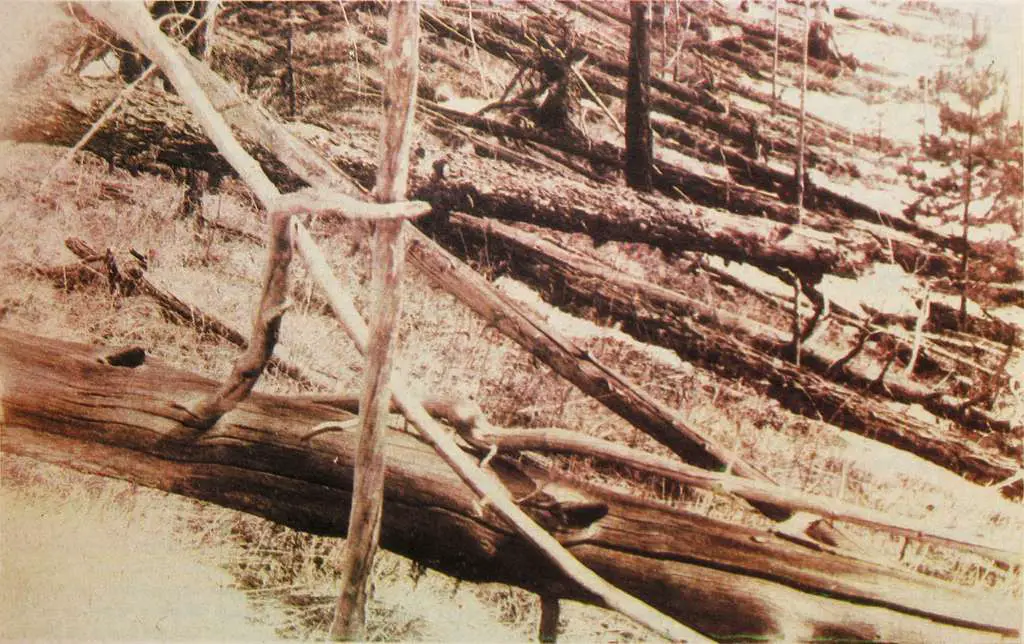
In 1908, a massive explosion flattened millions of trees in Siberia near the Tunguska River. No impact crater was ever found. Scientists believe the event was likely caused by an airburst from a meteor or comet fragment. However, the lack of physical debris complicates confirmation. Eyewitness accounts described bright flashes and shockwaves felt hundreds of miles away. Early expeditions were delayed due to the remote location and political conditions. Even modern modeling cannot perfectly reconstruct the event. The precise nature of the explosion remains uncertain.
The scale of destruction makes the mystery especially compelling. It serves as a reminder of Earth’s vulnerability to cosmic events. Ongoing research continues to refine estimates of energy and trajectory. Despite strong scientific consensus about an airburst, unanswered details persist. Tunguska remains one of the largest unexplained explosions in recorded history.
12. The Lost City of Atlantis

Atlantis was first described by the ancient Greek philosopher Plato as a powerful island civilization that vanished in a catastrophic event. No physical evidence has ever confirmed its existence. Some scholars believe Plato intended the story as a moral allegory rather than historical fact. Others search for real world locations that might match the description. Proposed sites have ranged from the Mediterranean to the Atlantic Ocean. Archaeological findings have not supported any definitive identification. The debate continues across academic and popular circles. Atlantis remains firmly in the realm of unresolved legend.
Its endurance reflects humanity’s fascination with lost civilizations and hidden knowledge. The story inspires books, films, and ongoing speculation. Even skeptics acknowledge the cultural impact of the myth. The absence of physical proof keeps the mystery alive rather than settled. Atlantis continues to blur the line between history and imagination.
13. The Green Children of Woolpit

In medieval England, two children reportedly appeared in the village of Woolpit with green tinted skin and an unfamiliar language. Contemporary chroniclers recorded the strange account. Over time, the children reportedly learned English and their skin color faded. Some historians believe the story may reflect malnutrition or cultural misunderstanding involving migrant children. Others view it as folklore or symbolic storytelling. The limited documentation makes verification difficult. No physical evidence survives to confirm the account. The story remains an enduring medieval mystery.
Its strangeness gives it a fairy tale quality while still appearing in historical records. Interpretations vary widely depending on scholarly perspective. The lack of medical knowledge at the time complicates modern analysis. Without concrete evidence, the truth remains uncertain. The tale continues to intrigue historians and storytellers alike.
14. The Oak Island Money Pit

Oak Island in Nova Scotia has been the focus of treasure hunts for more than two centuries. Early explorers discovered a deep shaft with unusual layers of materials. Numerous excavation efforts have uncovered artifacts but no confirmed treasure. Some theories suggest pirate treasure, historical manuscripts, or hidden relics. Engineering challenges, flooding, and collapses have hindered exploration. Modern technology has improved mapping but not delivered definitive answers. Considerable money and effort continue to be invested in the search. The mystery remains unresolved.
The persistence of searchers adds to the legend. Each discovery fuels renewed optimism and skepticism in equal measure. Documented findings often raise more questions than solutions. The lack of clear documentation from early diggers complicates interpretation. Oak Island continues to attract attention because it promises hidden history without proof.
15. The Fate of the Amber Room

The Amber Room was an ornate chamber decorated with amber panels and gold leaf in Russia’s Catherine Palace. During World War II, Nazi forces dismantled and transported it to Germany. After the war, its whereabouts became unknown. Some believe it was destroyed during bombing raids. Others suggest it was hidden or moved secretly. Despite numerous searches and investigations, no confirmed remains have been found. Replica versions now stand in its original location. The original Amber Room remains missing.
The mystery persists because wartime records were incomplete and chaotic. Eyewitness accounts conflict and often lack verification. Periodic claims of discovery have failed to provide proof. The disappearance represents the broader loss of cultural treasures during wartime. Its fate remains one of the most enduring art world mysteries.