
1. Sewing on a Button Without a YouTube Tutorial
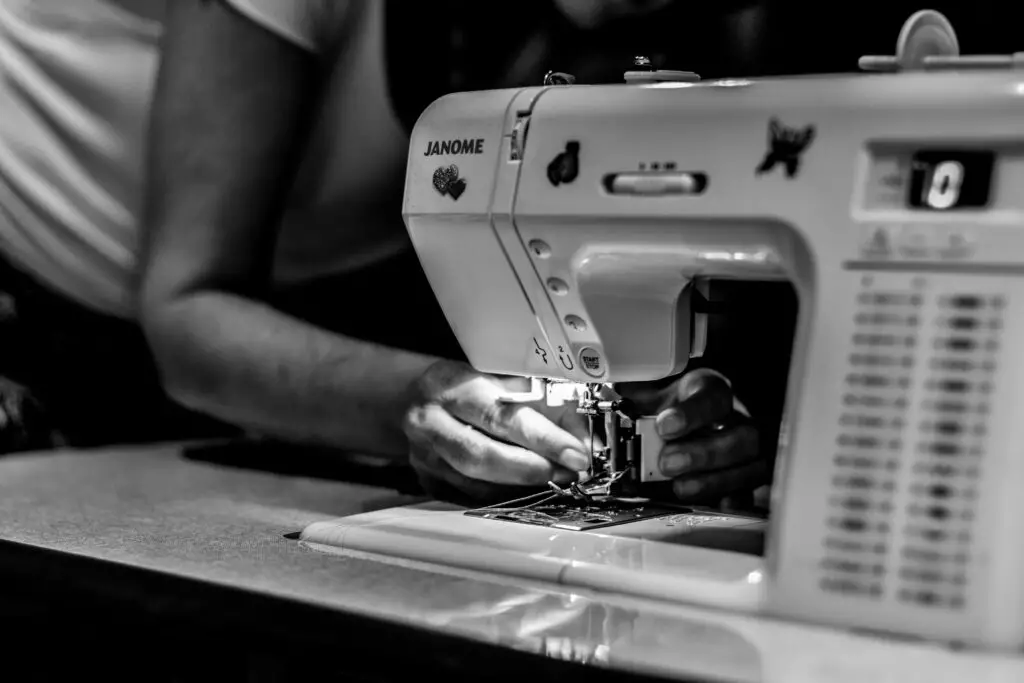
If a button popped off your coat or shirt, it was not a crisis, it was just a quick fix before heading out the door. Grandparents learned how to thread a needle, knot the end, and make sturdy stitches while sitting at the kitchen table or on the couch. Many of them were taught by parents or grandparents who expected every child to know basic mending. A loose hem or torn seam did not mean a trip to the store, it meant pulling out the sewing kit. There was something satisfying about making clothes last instead of replacing them. Even kids could handle simple repairs once they practiced a little. It built patience and confidence in a quiet, hands on way.
Today, plenty of people would rather toss a shirt than bother fixing it. Watching someone calmly repair a button can feel almost soothing now. It reminds you that not everything needs to be rushed or replaced. That small skill saved money and extended the life of everyday clothes. It also created a sense of pride in taking care of your own belongings. Once you learn it, you realize how empowering such a simple task can be. It is one of those skills that feels old fashioned but incredibly useful. Most grandparents still keep a sewing kit within arm’s reach for exactly that reason.
2. Cooking a Full Meal From Scratch With Whatever Was on Hand
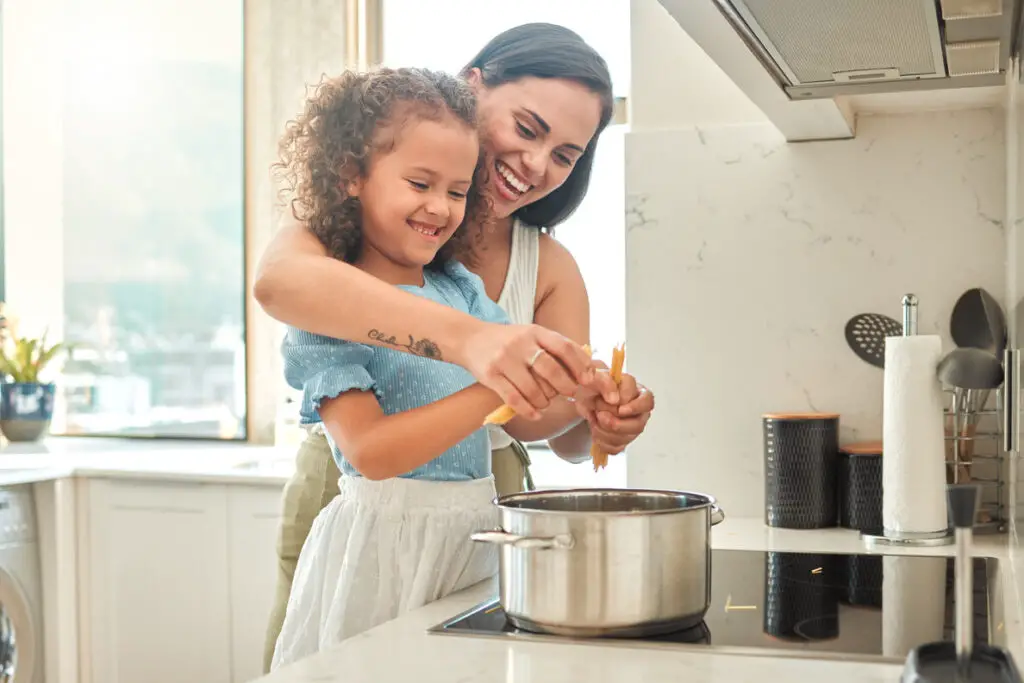
Grandparents did not rely on delivery apps or prepackaged meals to get dinner on the table. They could open the fridge, glance at a few leftovers, and somehow turn it into a hearty meal. Soup, casseroles, stews, and skillet dinners came together through instinct rather than recipes. Measurements were often done by eye and taste instead of measuring cups. Nothing went to waste if it could be stretched into another meal. Kids learned to help chop, stir, and taste along the way. Cooking was a daily rhythm, not a special event.
That ability to improvise in the kitchen created a deep sense of resourcefulness. It also made family meals feel comforting and personal. You could taste the care and experience in every dish. Many of those recipes lived only in someone’s memory rather than on paper. Watching grandparents cook felt like witnessing a quiet kind of magic. It showed how creativity and practicality could coexist. Even today, those comfort foods still carry emotional weight for many families.
3. Writing Proper Letters and Thank You Notes

Long before texting and email, handwritten letters were a normal part of staying connected. Grandparents learned how to write polite thank you notes, friendly letters, and formal correspondence. They knew how to address envelopes correctly and use proper greetings and closings. Penmanship mattered, and messy handwriting was gently corrected in school. A thoughtful letter was seen as a sign of respect and maturity. It was also a way to slow down and reflect before communicating. Each letter felt intentional rather than rushed.
Receiving a handwritten note carried real emotional weight. You could feel the time and effort someone invested in writing it. Grandparents often saved letters in drawers or boxes as keepsakes. That sense of permanence is something digital messages rarely capture. Writing letters also strengthened language skills and emotional expression. It encouraged patience and thoughtfulness. Even today, a handwritten note feels like a small gift.
4. Budgeting Every Dollar and Making It Stretch

Grandparents often grew up in eras where money had to be carefully managed. They knew exactly what they could afford and planned accordingly. Grocery lists were written with precision, and impulse buying was rare. Coupons were clipped, sales were tracked, and leftovers were reused creatively. Bills were paid on time because there was no safety net of credit apps or instant loans. Kids learned early that money represented hard work and responsibility. Saving for something meaningful took discipline and patience.
This mindset created strong financial awareness that lasted a lifetime. Many grandparents still keep meticulous records or mental tallies of expenses. They learned to differentiate between wants and needs early on. That skill helped families stay stable even during uncertain times. Watching someone confidently manage a tight budget can be inspiring. It shows that financial control does not require complicated software. It requires consistency, restraint, and foresight.
5. Fixing Basic Household Problems Without Calling Anyone
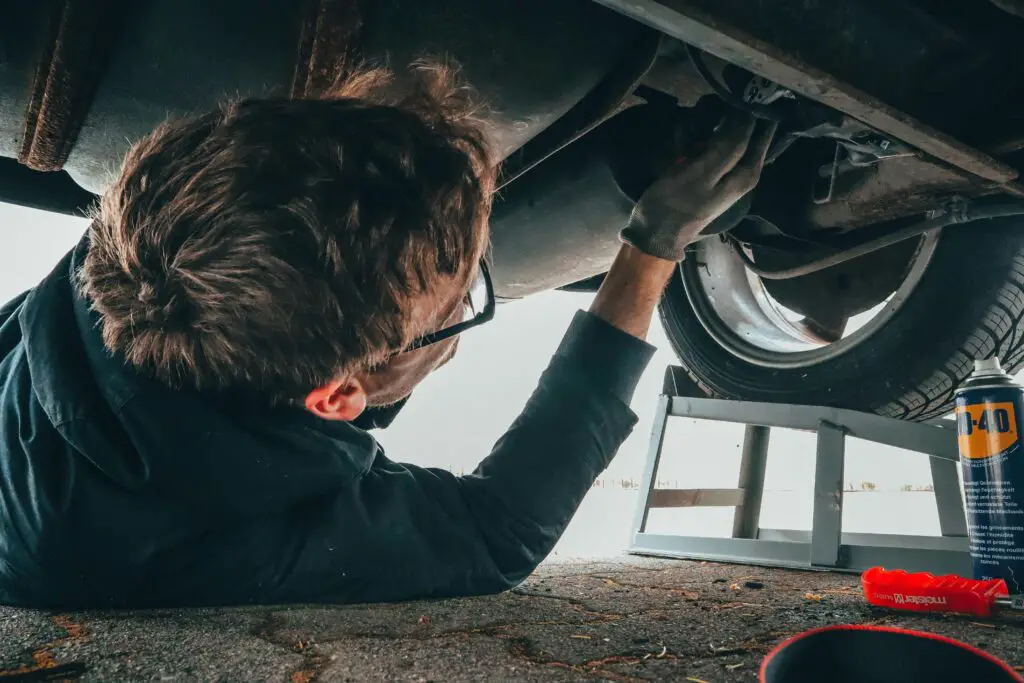
If a door squeaked, a faucet leaked, or a chair wobbled, grandparents often handled it themselves. They kept a small toolbox and knew how to use it. Simple repairs were part of everyday life, not a special project. Learning to troubleshoot issues built problem solving skills and self reliance. Kids were often handed a flashlight or screwdriver and invited to help. There was pride in keeping a home running smoothly. Calling a professional was usually the last option.
That hands on confidence made homes feel more personal and cared for. Small fixes prevented bigger problems later. It also taught patience and persistence when something did not work right away. Watching someone calmly repair a problem instead of panicking can be grounding. It reminds you that many issues are manageable with a little effort. That mindset still serves people well today.
6. Growing Food in a Garden
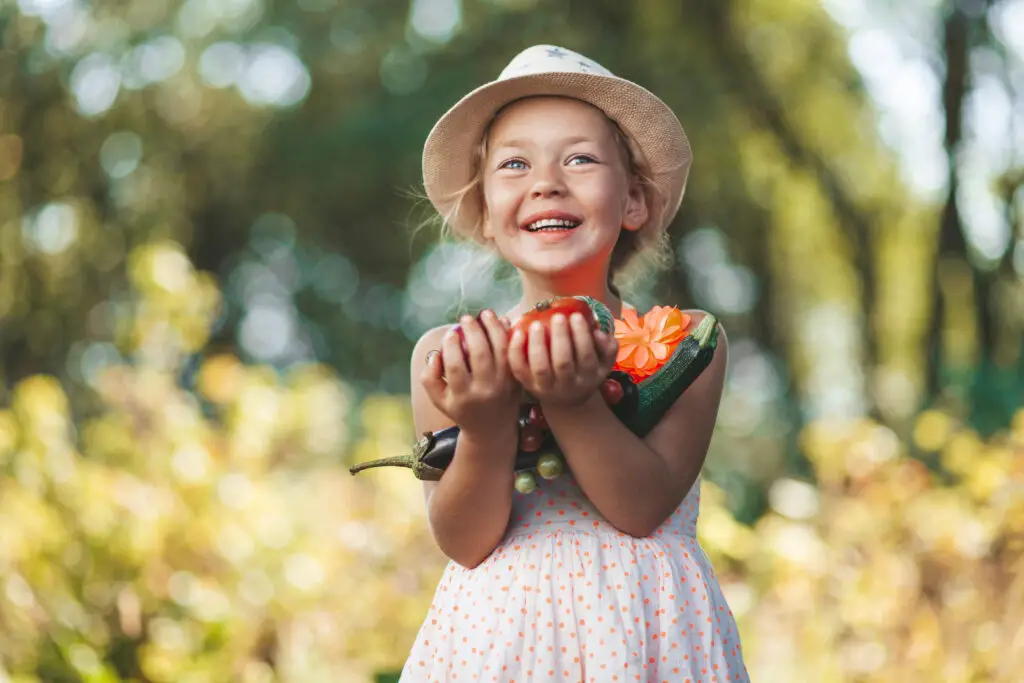
Many grandparents grew up planting vegetables, herbs, and fruit in their own yards. Gardening was not a hobby, it was a practical way to supplement meals. They understood soil, seasons, watering schedules, and patience. Watching seeds turn into food taught responsibility and respect for nature. Kids learned where food actually came from instead of seeing it only in stores. Harvest time felt rewarding because it reflected months of care. Even small gardens could make a noticeable difference in household meals.
That connection to food created a deeper appreciation for every meal. Gardening also encouraged physical activity and time outdoors. It taught that good things take time and consistency. Many grandparents still enjoy tending plants well into older age. The calming rhythm of gardening becomes part of daily life. It remains one of the most grounding skills they passed down.
7. Navigating Without GPS or Smartphone Maps

Grandparents learned how to read paper maps and memorize directions. They paid attention to landmarks, street names, and mile markers. Getting lost occasionally was part of learning the terrain. Asking for directions from strangers was normal and expected. Trips were planned ahead instead of adjusted in real time by an app. Spatial awareness became second nature over time. Long drives required patience and focus.
That ability created strong navigation instincts that still impress younger generations. Many grandparents can still give surprisingly detailed directions from memory. It fostered confidence and independence while traveling. There was also a sense of adventure in figuring things out along the way. Today, relying solely on GPS can weaken those instincts. Watching someone navigate with a paper map feels almost nostalgic.
8. Making and Preserving Food for Later Use

Canning, freezing, drying, and pickling were common household practices. Grandparents knew how to preserve fruits, vegetables, and meats safely. Jars lined pantry shelves like colorful trophies of hard work. Seasonal abundance was saved for winter months when fresh food was limited. The process required precision, cleanliness, and patience. Kids often helped label jars or wash produce. It created a sense of preparation and security.
Preserving food also reduced waste and saved money. It gave families control over what they ate. Many grandparents still take pride in homemade jams, sauces, and pickles. The flavors often carried strong memories tied to family gatherings. That skill reflected a deeper relationship with food and time. It remains impressive in an era of convenience.
9. Repairing and Caring for Clothing
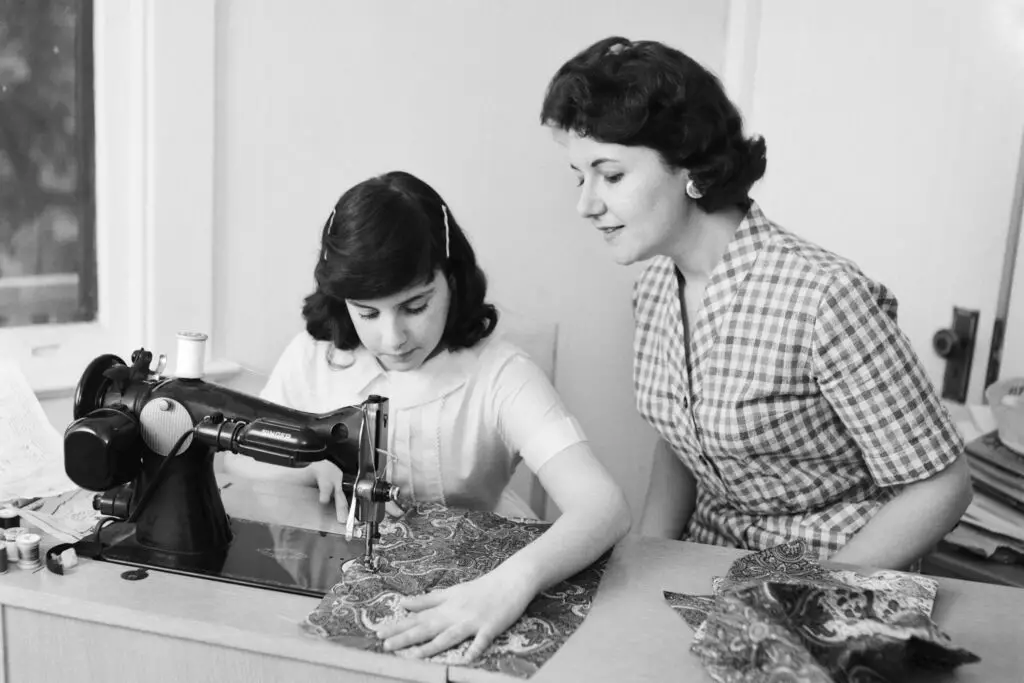
Beyond sewing on buttons, grandparents knew how to patch knees, darn socks, and reinforce seams. Clothes were seen as investments rather than disposable items. Taking care of garments extended their lifespan significantly. Laundry was done carefully to avoid damage. Shoes were polished and repaired instead of replaced. Kids learned to respect their belongings. Appearance reflected responsibility and pride.
That mindset created a slower, more intentional approach to consumption. It encouraged mindfulness and sustainability long before those terms became popular. Watching someone repair clothing feels almost meditative now. It reminds people that quality and care matter. That skill also built patience and attention to detail. Many grandparents still instinctively mend rather than discard.
10. Entertaining Themselves Without Screens

Before constant digital entertainment, grandparents learned how to create their own fun. Reading, card games, board games, puzzles, crafts, and outdoor play filled free time. Imagination played a major role in daily entertainment. Families gathered around radios, books, or shared activities. Boredom often sparked creativity instead of scrolling. Social skills developed naturally through conversation and play. Even quiet moments felt meaningful.
That ability to enjoy stillness and simplicity feels rare today. Many grandparents remain comfortable without constant stimulation. They can sit and observe, reflect, or engage in hobbies for hours. It creates a calming presence in busy environments. Watching that contentment can feel refreshing. It reminds people that entertainment does not always need electricity or internet.
11. Keeping a Clean and Organized Home Daily
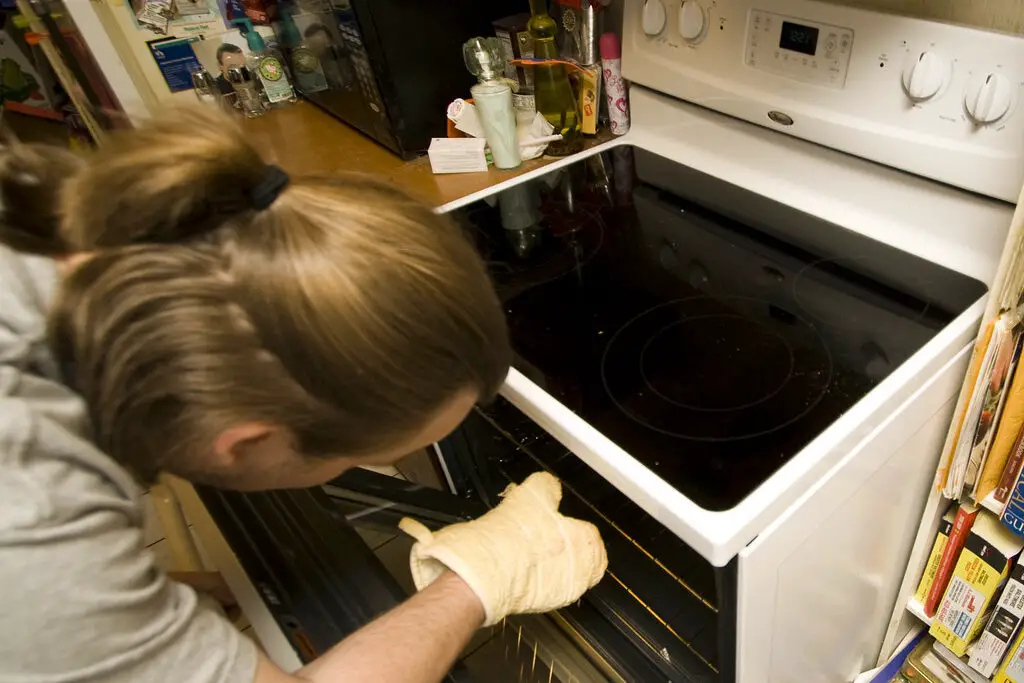
Cleaning was a regular routine rather than an occasional deep clean. Grandparents wiped surfaces, swept floors, and made beds every day. Small habits prevented clutter from building up. Everyone in the household contributed in some way. Clean spaces supported mental clarity and pride in the home. Guests could drop by without panic. Organization saved time and reduced stress.
That consistency created a sense of order and stability. Many grandparents still maintain tidy homes with minimal effort. It reflects discipline built over decades. Small daily habits compound into long term results. Watching that rhythm can motivate others to simplify their own routines. It shows how structure supports peace of mind.
12. Respectful Face to Face Communication
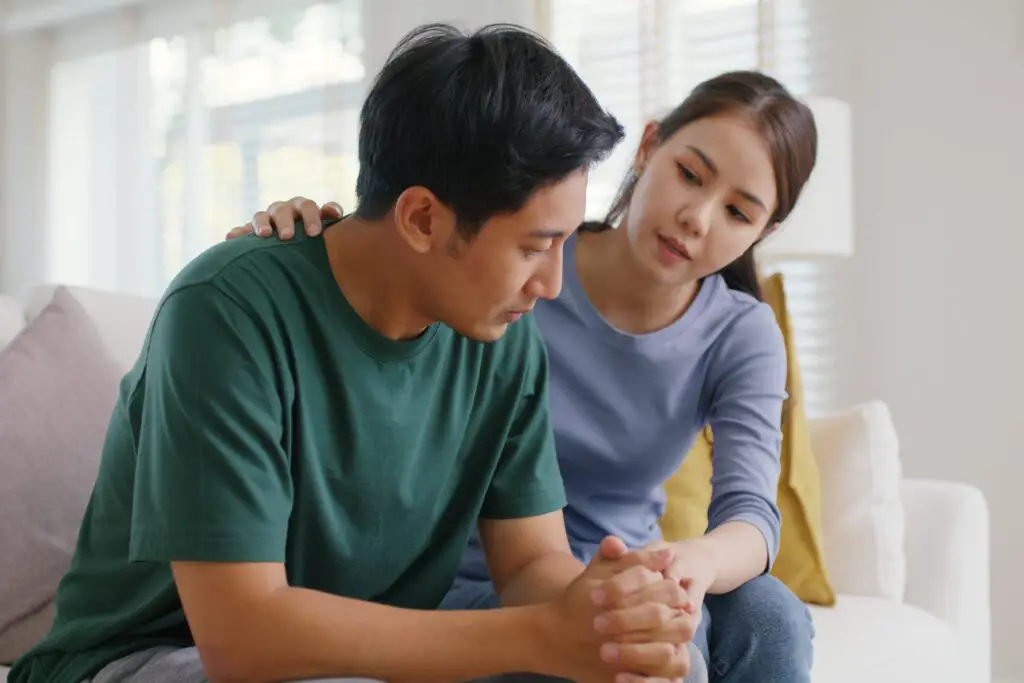
Grandparents learned how to carry conversations politely and attentively. Eye contact, listening, and clear speech were emphasized. Interrupting was discouraged, and manners mattered. Disagreements were often handled calmly and directly. Writing and speaking skills were reinforced at home and school. Social etiquette was considered part of adulthood readiness. Communication built relationships and trust.
Those habits created strong interpersonal confidence. Many grandparents remain excellent storytellers and listeners. Their conversations often feel grounded and thoughtful. It encourages meaningful connection rather than shallow exchanges. Younger generations often notice the difference immediately. That skill remains valuable in every setting.
13. Handling Basic First Aid and Home Remedies
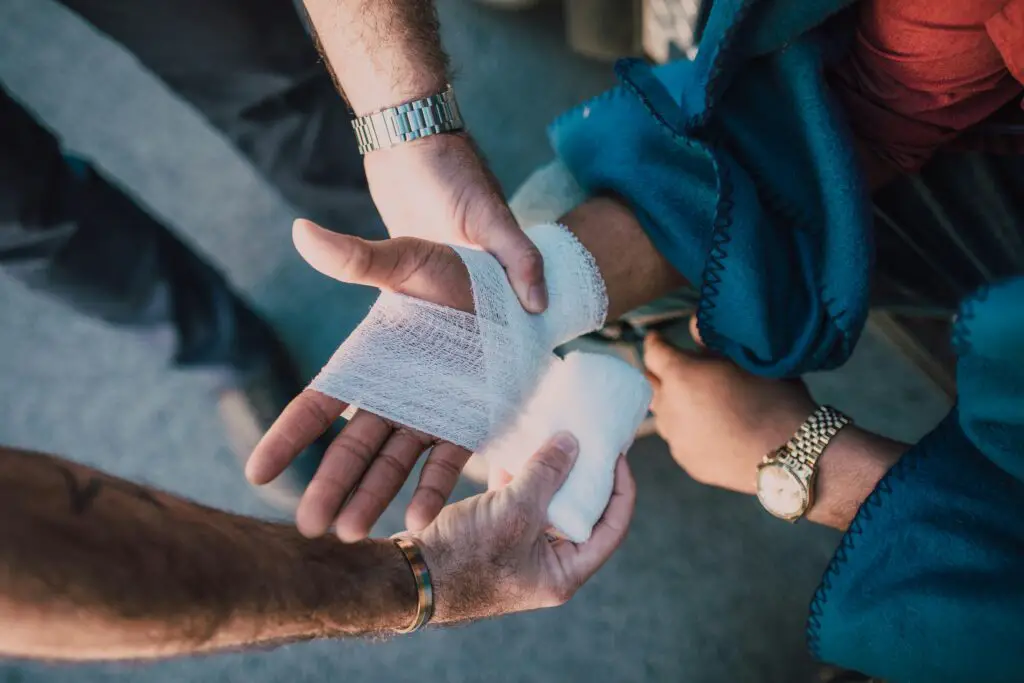
Minor injuries were often treated at home with simple remedies. Grandparents knew how to clean wounds, apply bandages, and soothe common aches. Ice packs, warm compresses, and rest were standard solutions. They kept well stocked medicine cabinets and first aid kits. Kids learned to recognize when something was serious or manageable. That knowledge reduced panic during small emergencies. Confidence grew through experience.
This practical awareness still serves families today. Many grandparents remain calm during minor accidents. They trust their instincts and experience. It creates reassurance in stressful moments. While medical care has advanced, basic first aid remains essential. That foundational knowledge builds resilience and preparedness.
14. Maintaining Strong Neighborhood Connections

Grandparents often knew their neighbors well and relied on each other. Borrowing tools, sharing food, and helping during emergencies was normal. Children played together freely within the neighborhood. Trust developed through regular interaction and mutual support. Community events brought people together frequently. There was a sense of belonging beyond the household. Relationships were nurtured over time.
That social fabric created safety and connection. Many grandparents still value neighborly relationships deeply. It fosters accountability and kindness. Watching those connections reminds people of the power of community. It contrasts sharply with modern isolation trends. That skill of building local relationships remains invaluable.
15. Patience and Long Term Thinking
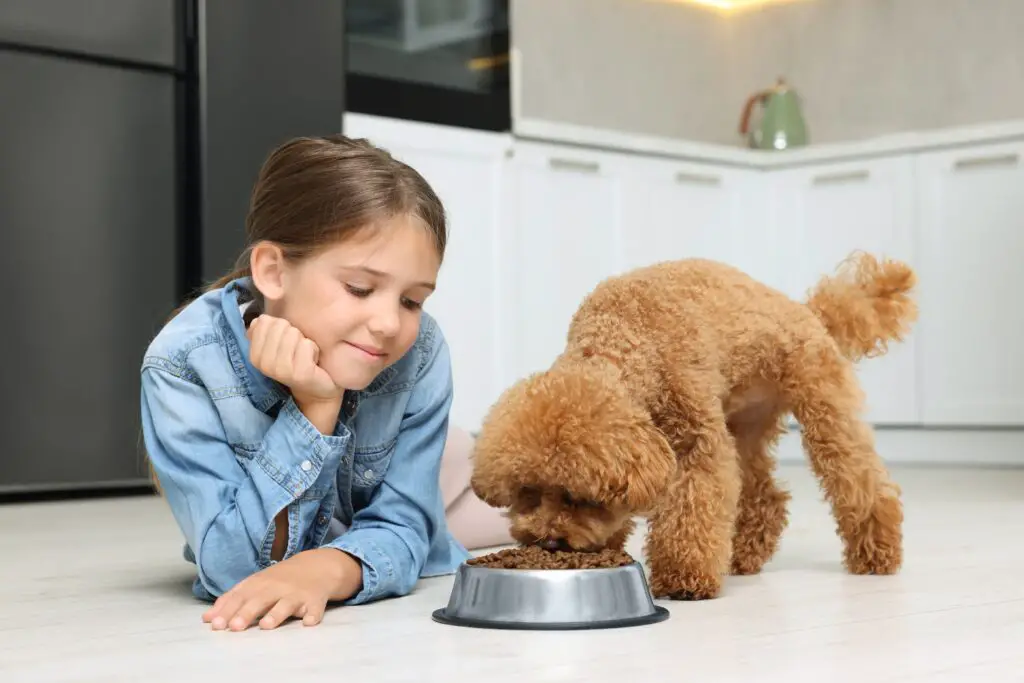
Grandparents grew up in a world where things took time. Letters traveled slowly, projects required manual effort, and progress was gradual. Waiting was part of life, not an inconvenience. They learned persistence through delayed gratification. Goals were often measured in years rather than weeks. That perspective shaped strong resilience. Frustration was managed through acceptance and effort.
This patience created emotional stability and grounded expectations. Many grandparents approach challenges calmly and steadily. They trust process rather than quick fixes. That mindset offers reassurance in uncertain situations. It teaches endurance and perspective. Watching it in action can feel deeply grounding.
16. Taking Responsibility at a Young Age
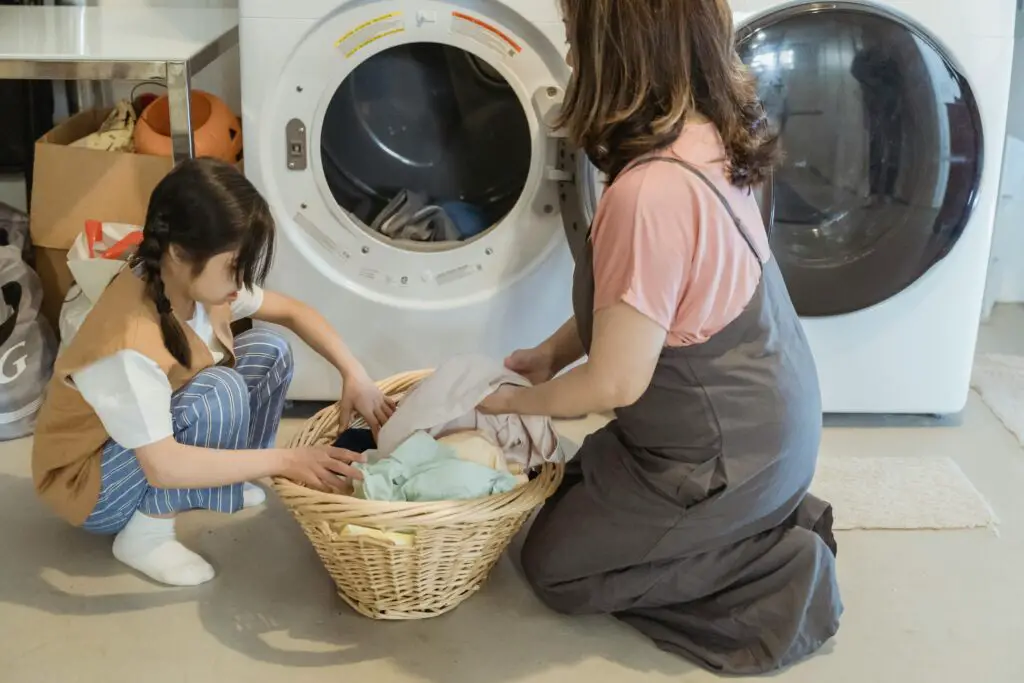
Many grandparents had chores, jobs, or family responsibilities early in life. They learned accountability through real expectations. Contributing to the household built pride and competence. Mistakes became lessons rather than excuses. Independence developed naturally over time. Responsibility was tied to trust and respect. That foundation shaped lifelong work ethic.
This early maturity often shows in their reliability today. They value commitments and follow through consistently. It creates a strong sense of integrity. Younger generations often admire that steadiness. It reflects a life built on responsibility rather than convenience. That skill remains one of their greatest strengths.